 Cykeo RFID IoT Solution Products R&D Manufacturer
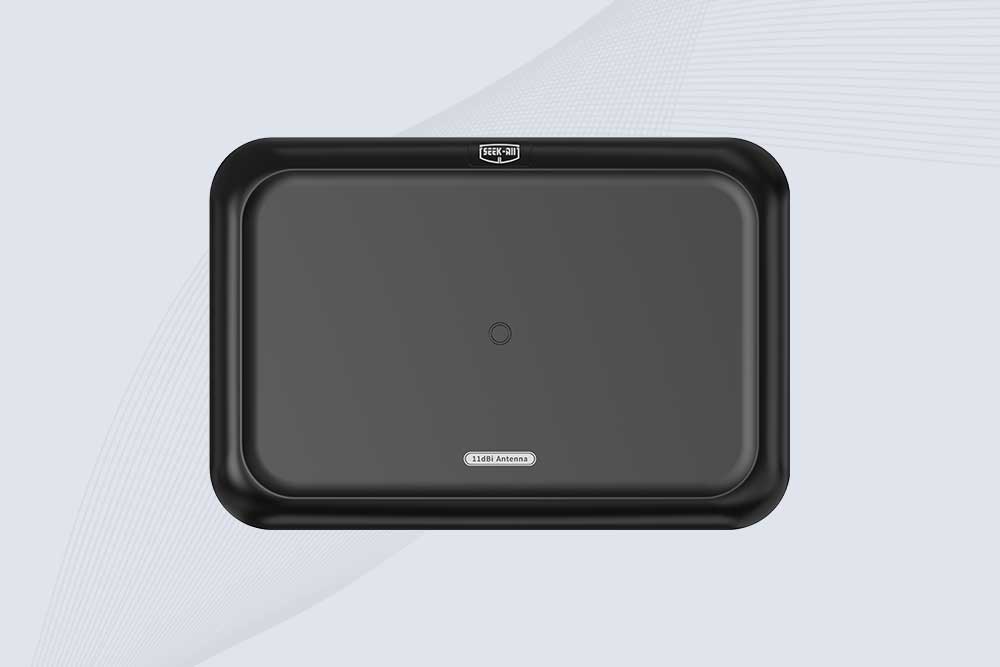
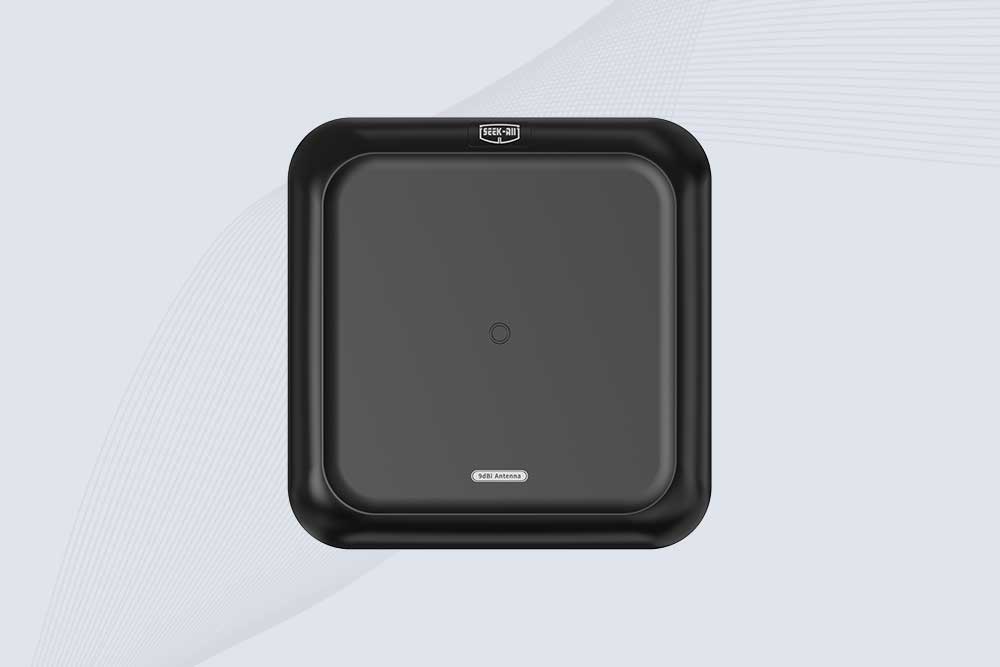
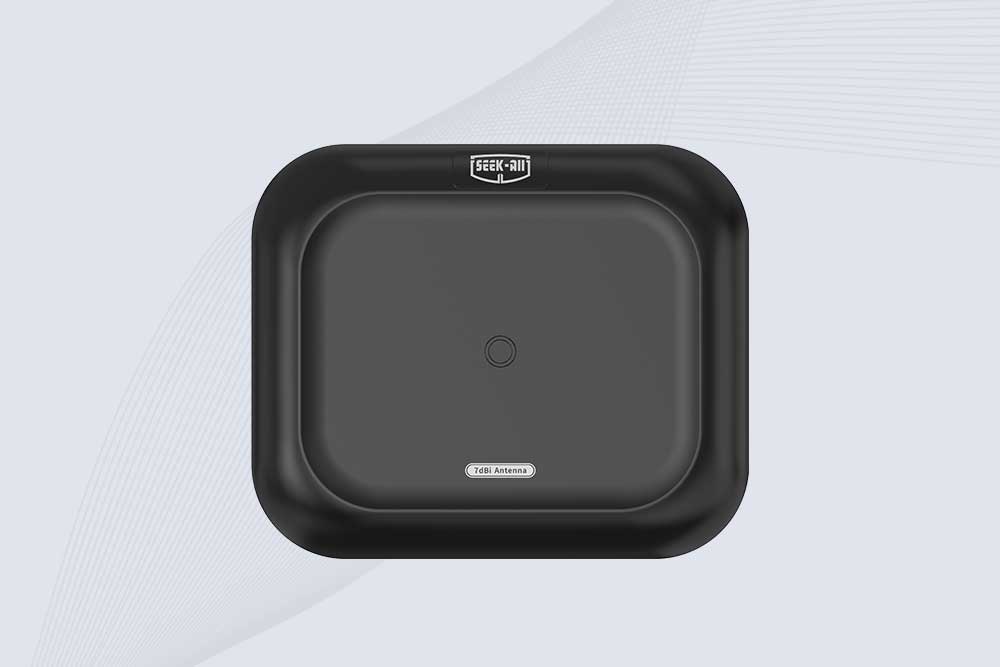

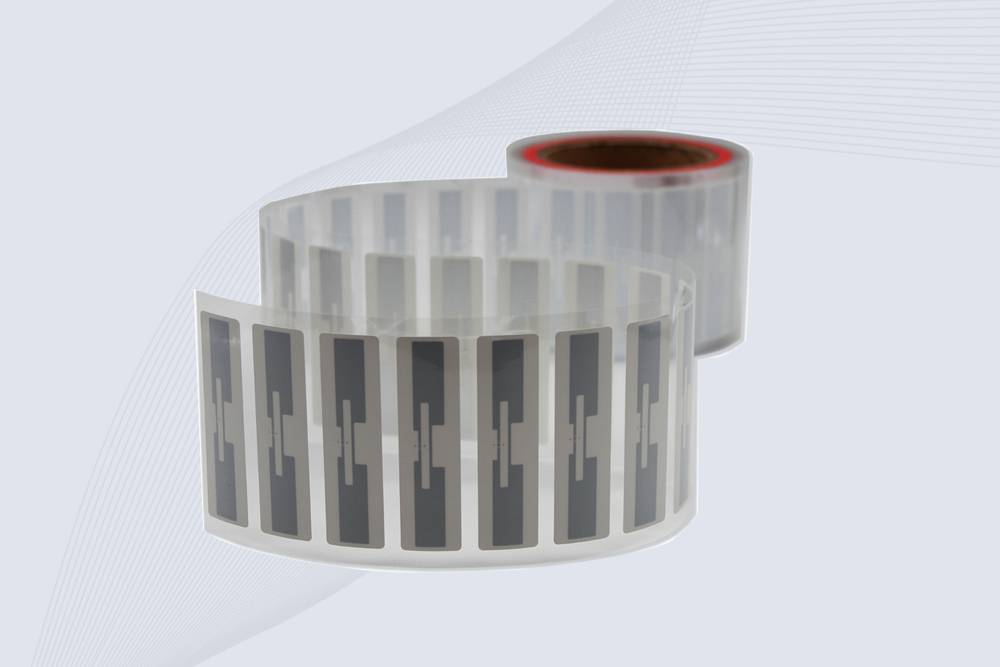


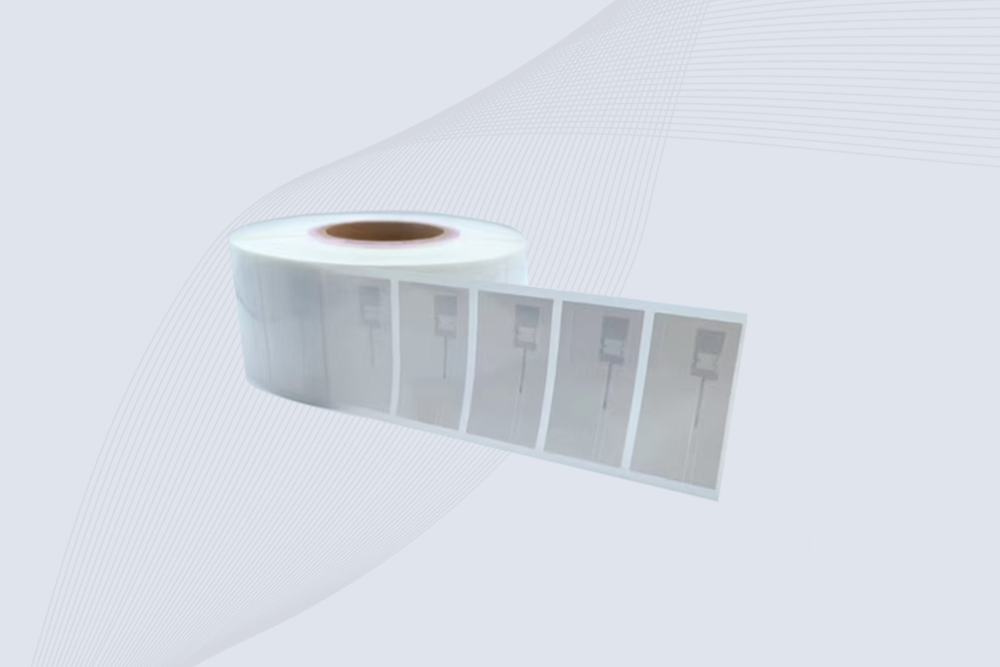
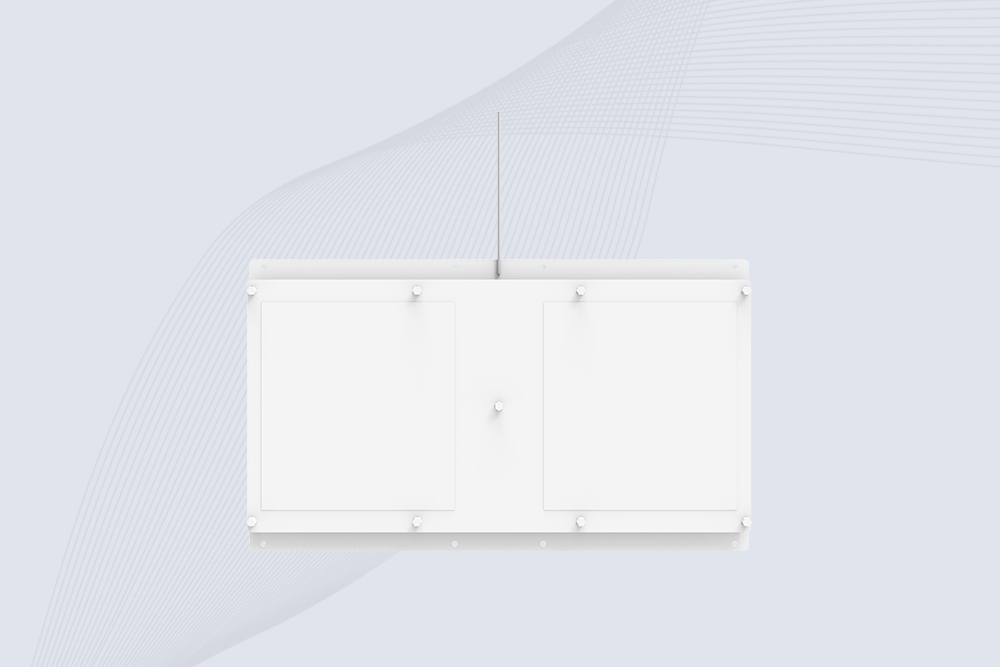



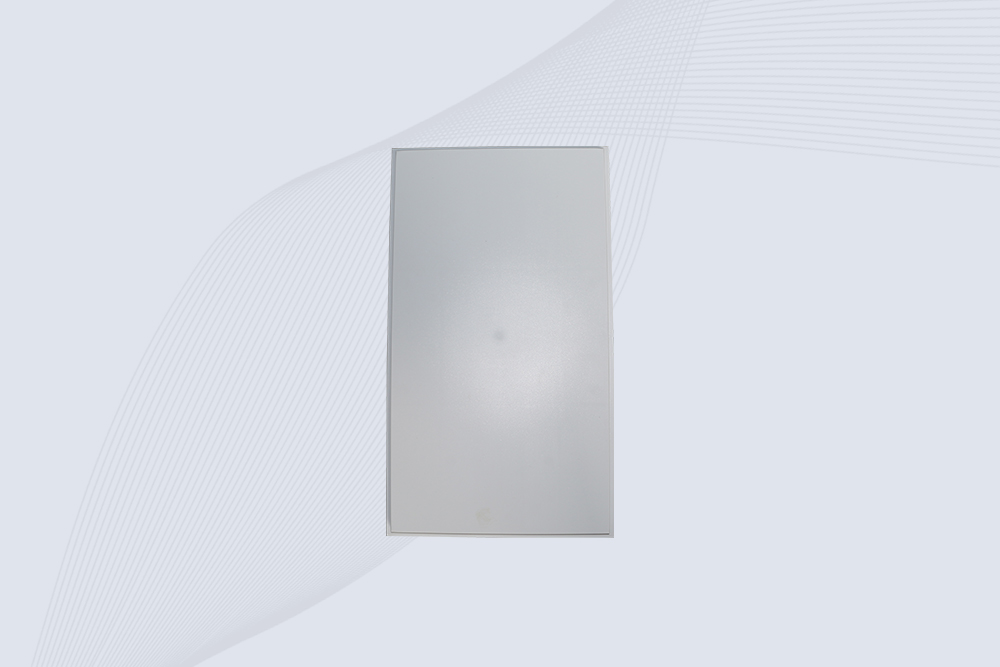
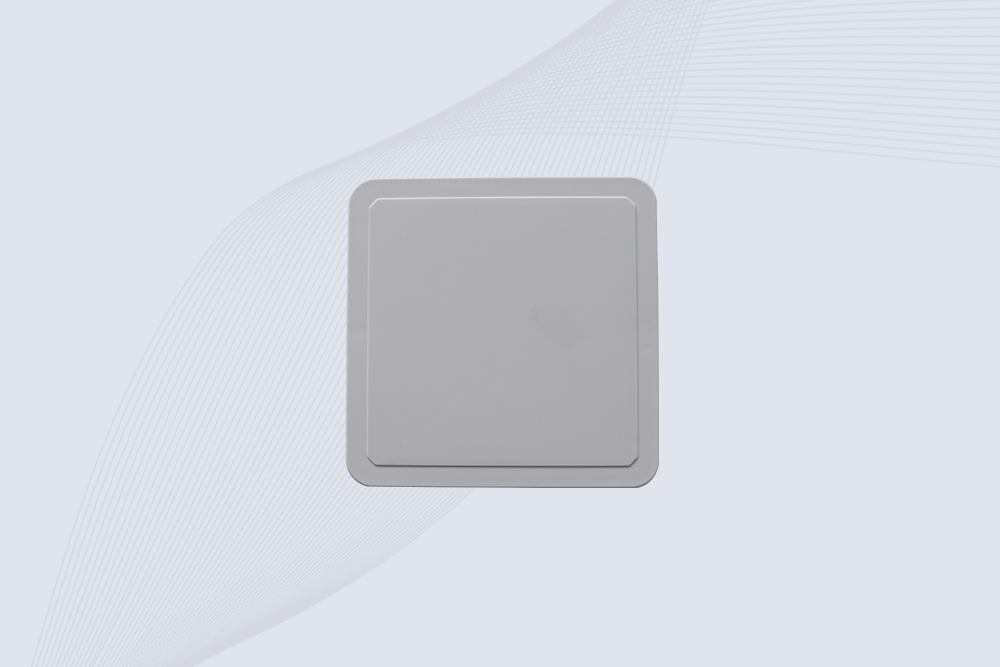




How Tool Tracking Tool for Heavy Equipment?
123Tool tracking tool for heavy equipment helps maintenance teams automate tool control, reduce losses, improve accountability, and complete inventory checks in seconds with RFID technology.
MoreAll RFID Product
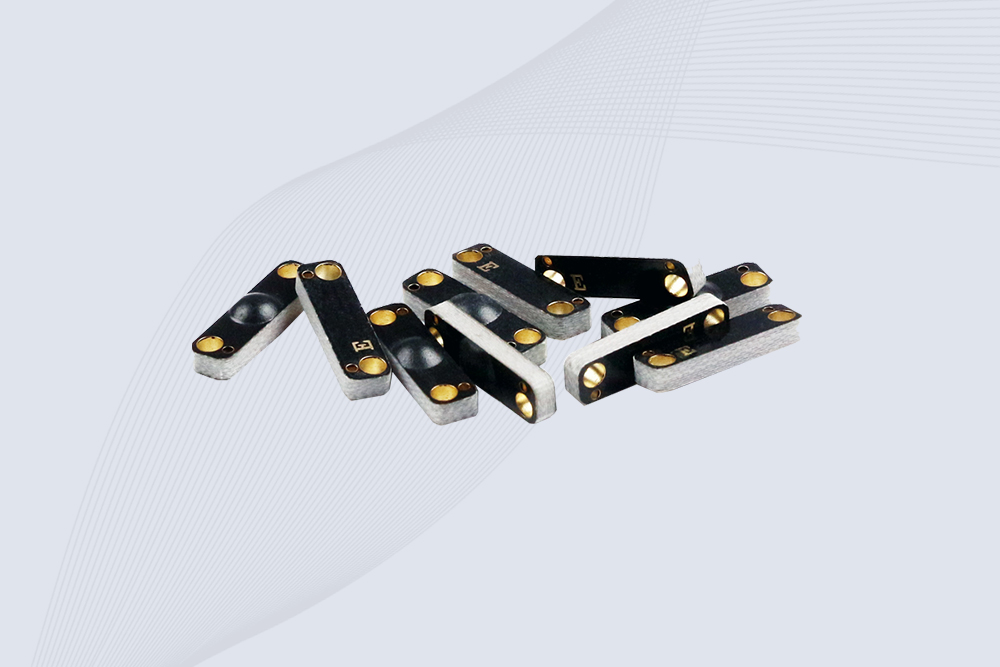
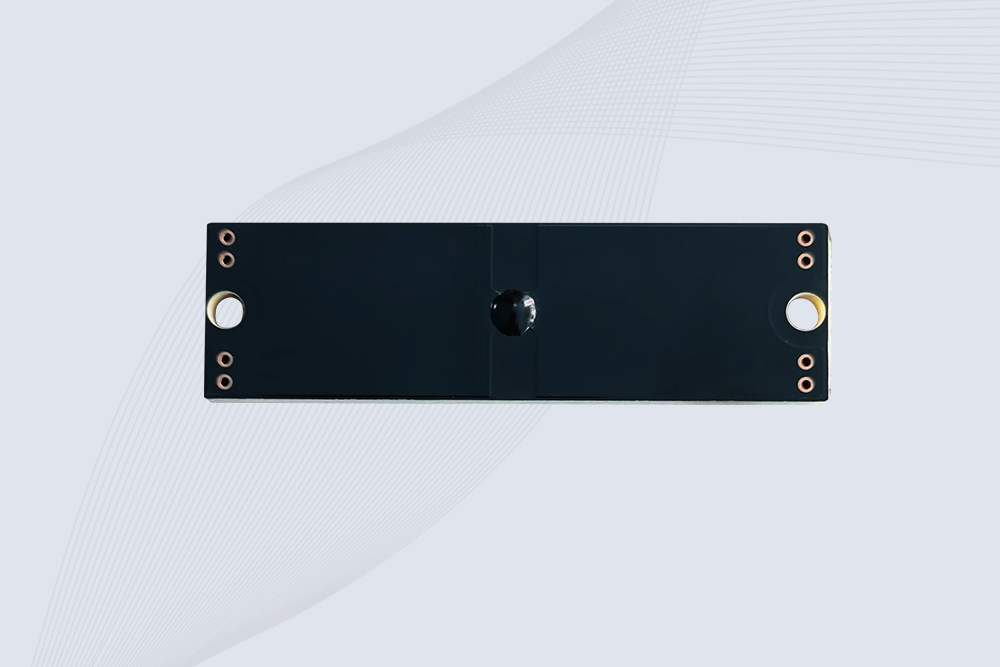
Metal is the drama queen of RFID. You try scanning a tagged tool in a warehouse, and suddenly your reader acts like it’s never heard of radio waves. Why? Metal reflects signals like a mirror. But with the right antenna setup, you can turn “no tag detected” into “scanning like a boss.” Let’s fix this mess.
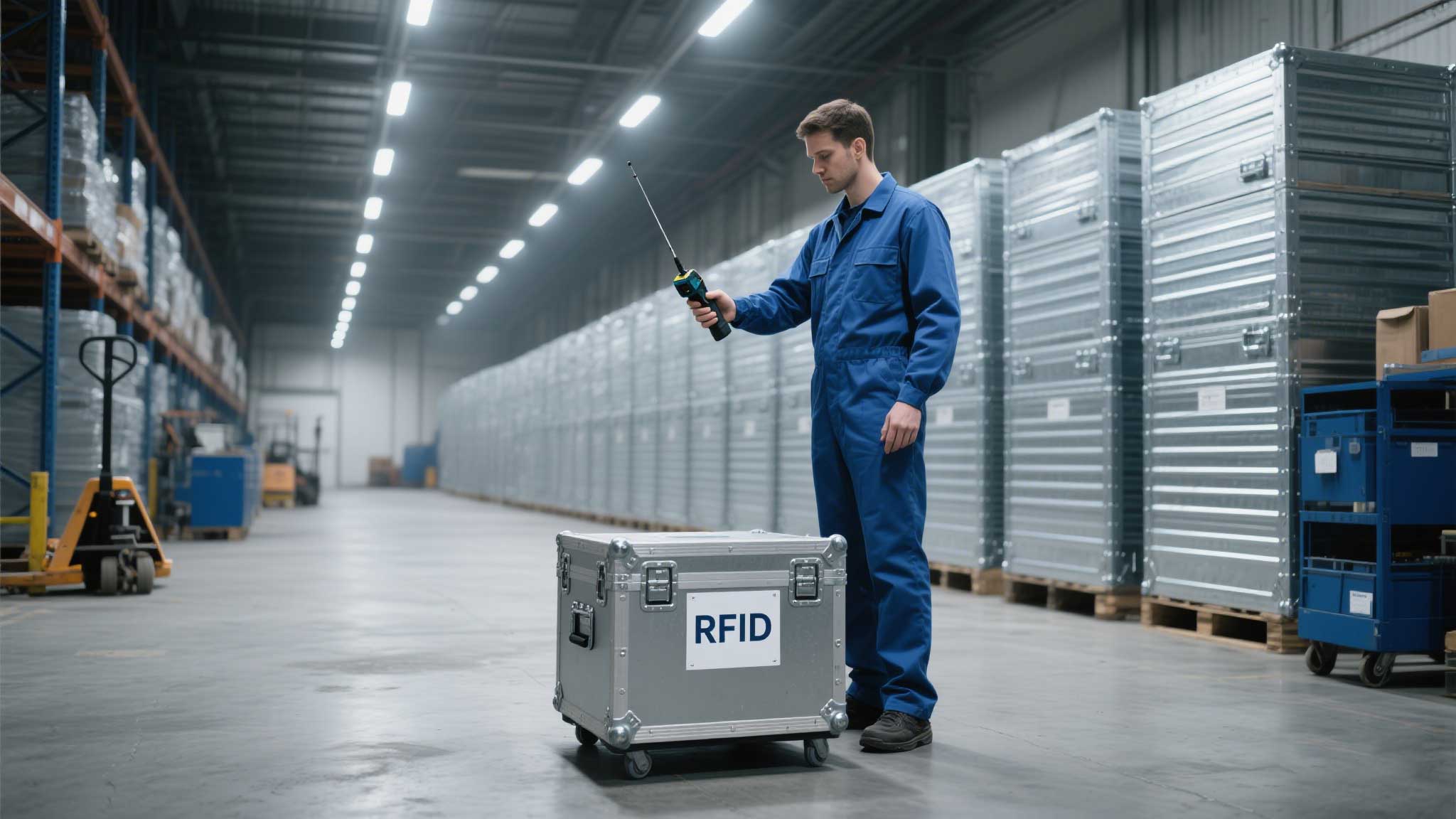
The Problem:
The Fix:
Pro Tip: Test with a piece of aluminum foil. If the reader picks up “phantom tags,” your setup’s flawed.
Step 1: Match the Frequency
Step 2: Adjust the Polarization
Cykeo Hack: Their UHF readers auto-detect antenna type—no manual config.
Test 1: The “Metal Wall” Challenge
Test 2: Motion Interference
Test 3: Weatherproofing

Tool Tracking in Workshops:
Metal Pallet Management:
Construction Sites:
Mistake 1: Using regular tags on metal.
Mistake 2: Mounting antennas flat against metal surfaces.
Mistake 3: Ignoring cable length.
Final Takeaway
Pairing UHF RFID readers with metal tags isn’t rocket science—it’s more like defusing a bomb. One wrong move (flat antenna, wrong tag) and everything blows up. Use ferrite-backed tags, tilt your antenna, and test like the apocalypse is coming. And if all else fails? Grab a Cykeo reader. Their gear laughs at metal.
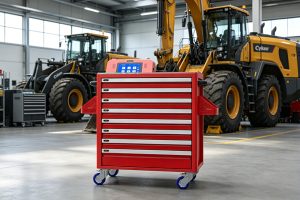
Tool tracking tool for heavy equipment helps maintenance teams automate tool control, reduce losses, improve accountability, and complete inventory checks in seconds with RFID technology.
More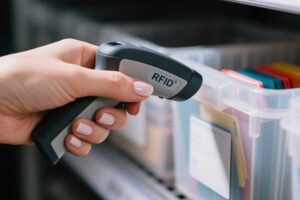
New to RFID? Learn how to operate a handheld RFID scanner with this step-by-step guide—setup, scanning best practices, troubleshooting, and more.
More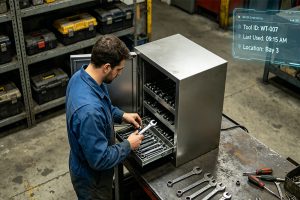
A practical view of RFID tools tracking systems used in real factories and workshops. Learn how RFID tool cabinets and industrial tracking solutions help reduce tool loss, improve visibility, and support asset management. OEM and wholesale inquiry...
More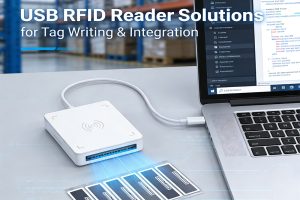
how USB RFID Readers with open SDK support streamline RFID tag writing, batch encoding, and system integration. Perfect for solution providers, developers, and warehouse automation.
More