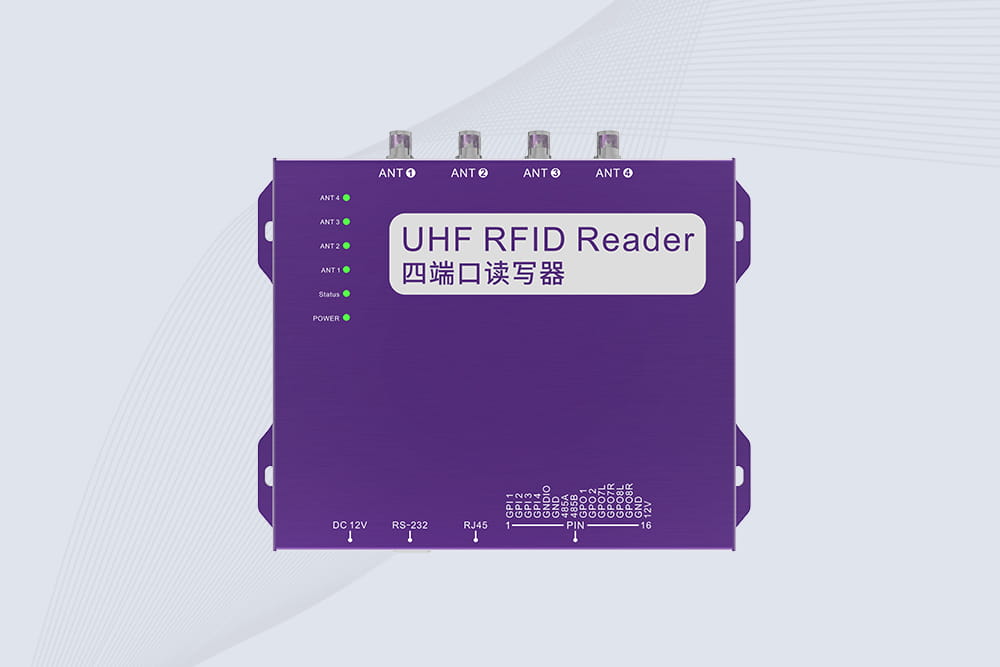
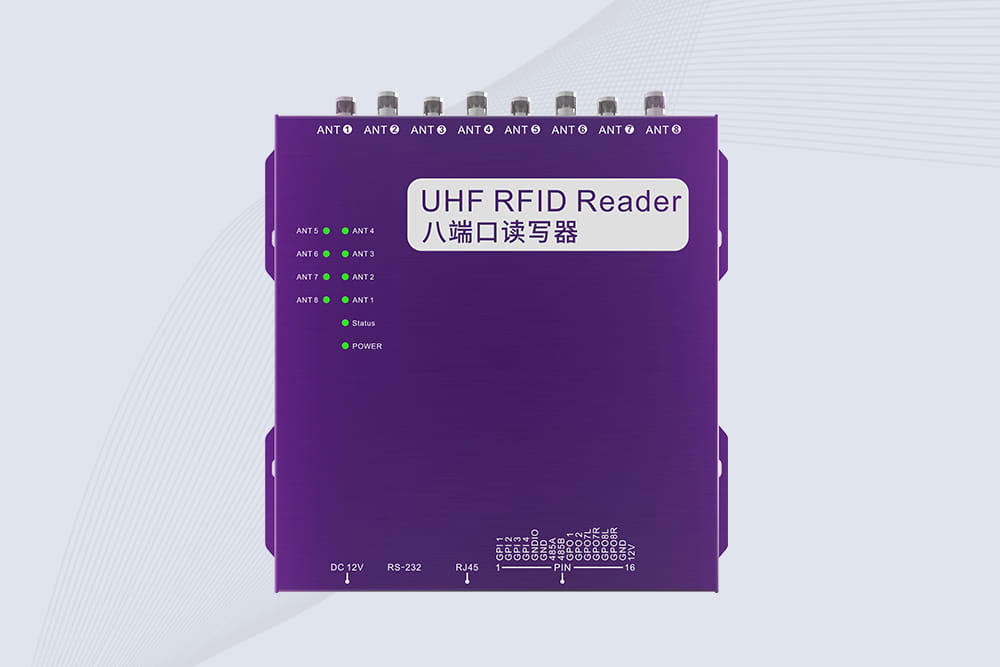
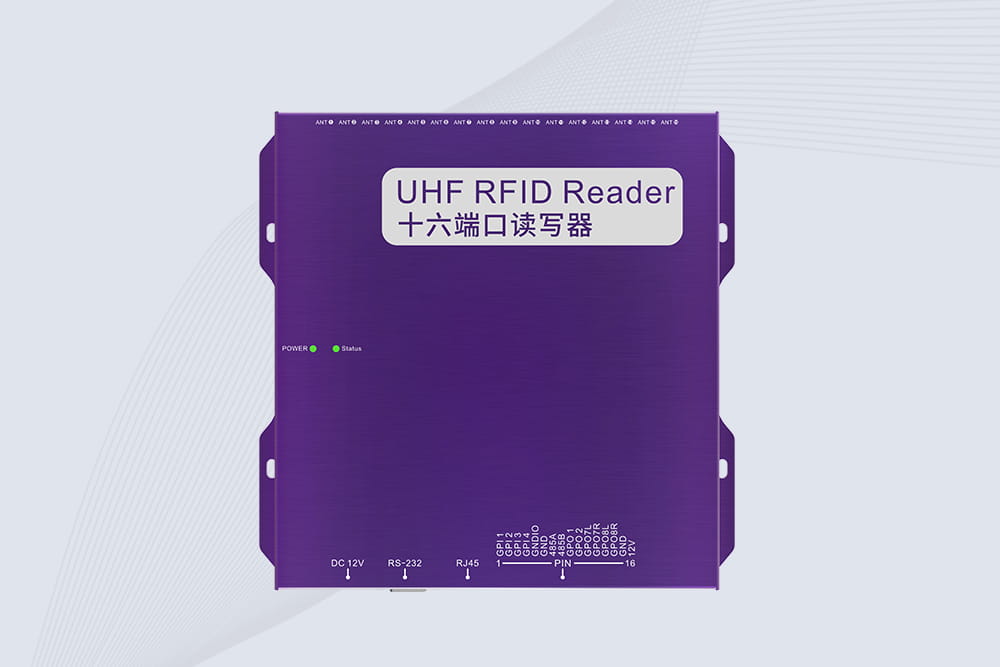
The average RFID reader lifespan ranges from 5 to 10 years, depending on usage, environment, and maintenance. Industrial-grade models, like those from Cykeo, often reach the upper end of this range. Below, we break down the factors impacting longevity and actionable steps to maximize your device’s lifespan.
1. Factors Affecting RFID Reader Lifespan
Environmental Stress: Extreme temperatures, humidity, or dust can corrode internal components. For outdoor use, opt for IP67-rated readers.
Usage Intensity: Readers scanning 24/7 in high-traffic warehouses degrade faster than those used intermittently.
Power Surges: Unstable power sources damage circuits over time. Use surge protectors or PoE (Power over Ethernet) for stable voltage.
2. Maintenance Tips to Extend RFID Reader Life
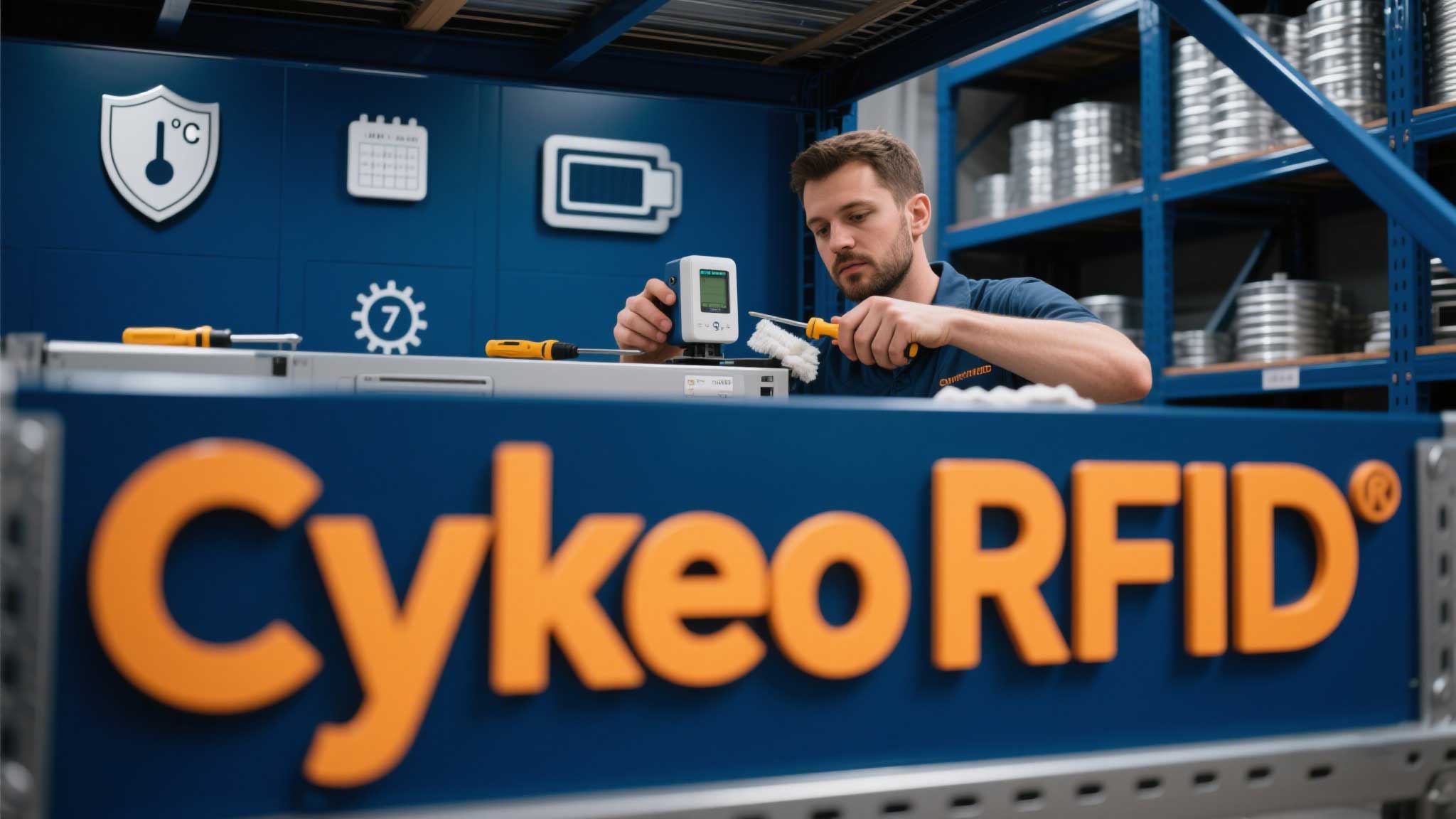
a) Regular Cleaning Dust and debris block antennas and vents. Clean readers monthly with a dry microfiber cloth. For harsh environments (e.g., manufacturing plants), use compressed air to clear internal dust.
b) Firmware Updates Outdated firmware strains hardware. Schedule quarterly updates via the manufacturer’s portal. Cykeo devices, for instance, include automated update alerts to patch bugs and optimize performance.
c) Environmental Control Avoid mounting readers near heat sources or in direct sunlight. For humid areas, install silica gel packs inside the housing to absorb moisture.
d) Antenna Care Check antennas for physical damage or misalignment. Bent or cracked antennas reduce read accuracy and force the reader to work harder, shortening its lifespan.
3. When to Replace an RFID Reader
Frequent Failures: If repairs exceed 30% of the replacement cost, upgrade to a newer model.
Obsolete Technology: Readers lacking modern protocols (e.g., RAIN RFID) struggle to integrate with new systems.
Cykeo’s Health Check Tool: Use their DuraScan diagnostic app to assess wear-and-tear metrics like power cycles and error rates.
4. Cykeo’s Durable RFID Solutions
Cykeo designs readers with extended lifespans in mind, featuring:
Shock-Resistant Housing: Protects against accidental drops or vibrations.
Modular Design: Swap individual components (e.g., antennas) instead of replacing the entire unit.
Discover how rfid in automation improves industrial efficiency through real-time asset identification, automated tracking, and intelligent manufacturing with Cykeo RFID solutions.
Discover how RFID technology, featuring the CK‑TP4A retractable UHF RFID gate, streamlines warehouse and inventory management. Improve efficiency, accuracy, and real-time tracking for large-scale warehouses and high-volume inventory operations.
Discover how RFID smart linen cabinets like Cykeo CK-G2224 help hospitals automate linen tracking, reduce waste, improve infection control, and save staff time.
 Cykeo RFID IoT Solution Products R&D Manufacturer