 Cykeo RFID IoT Solution Products R&D Manufacturer







Can RFID Readers Work Through Walls? Debunking Range Myths
1160Can RFID readers work through walls? Discover the reality behind RFID signal penetration, material limitations, and how Cykeo’s readers maximize scanning range.
MoreAll RFID Product
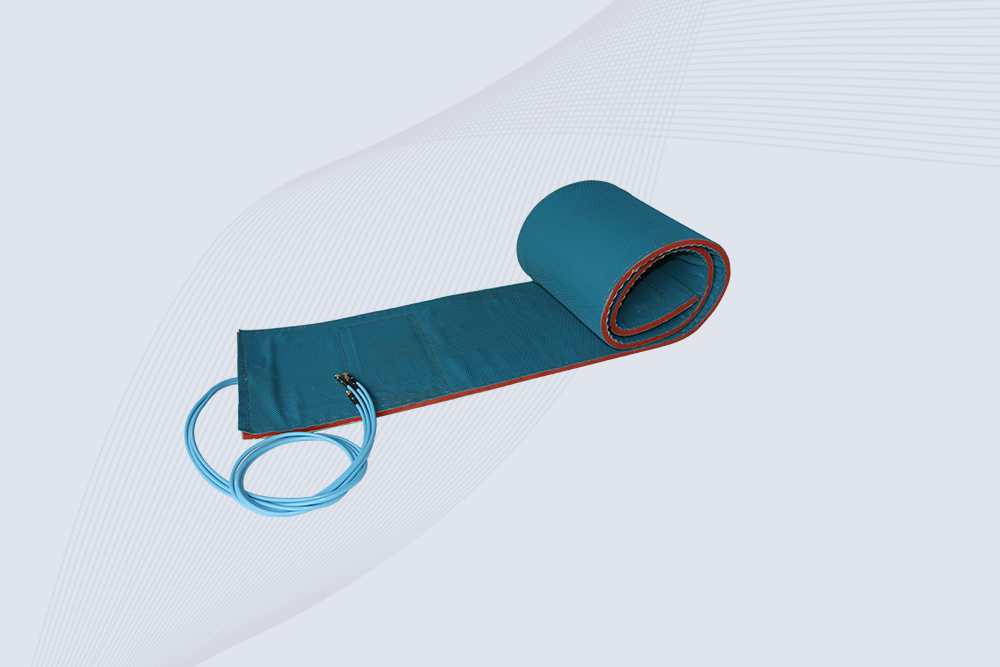
You’re packing for a week-long inventory audit across three warehouses. Your standard RFID panel antennas are bulky and fragile. The thought hits: what if we could just roll them up like a poster? That’s how our team ended up in the lab, trying to figure out how to make a roll up RFID antenna. It’s a project born from a real need for portability, but it quickly teaches you why most “flexible” solutions in the field are built very differently from what you imagine.
The dream is simple: a large, lightweight antenna that you can unroll, tape to a wall, connect, and get wide-area coverage. For temporary gates, pop-up distribution centers, or large-item scanning, it seems perfect. The commercial versions exist but are pricey. So, we decided to build our own, thinking it would be straightforward. It wasn’t.
We started with the obvious materials:
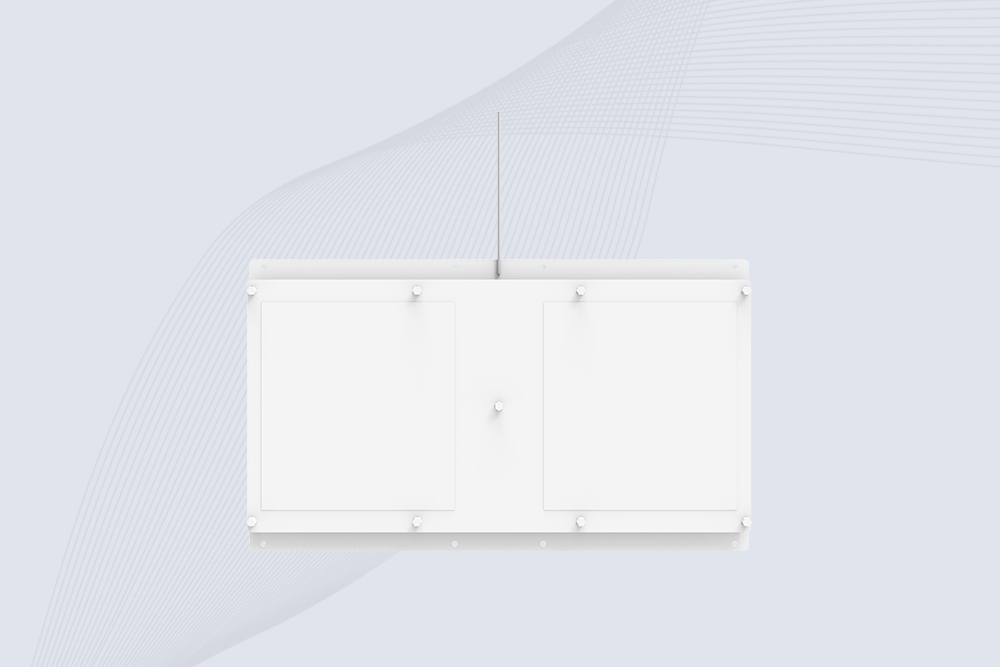
We carefully cut and stuck the tape, creating two long strips with a gap for the feed. We even used a cheap VNA from the lab to check the resonance. On the bench, laid flat, it sort of worked—we could read tags a few meters away.
Then we rolled it up and unrolled it. The performance dropped by half. We did it five more times. By the tenth roll, the copper tape had tiny cracks along the creases, and the adhesive was peeling. The problem with DIY roll up antennas became clear: materials that conduct well don’t like to flex repeatedly.
The biggest headache wasn’t the antenna body—it was the feed point. Attaching a sturdy RP-TNC connector to flimsy copper tape is a recipe for disaster. Solder melts the adhesive. Screw terminals tear the foil. We tried a copper fabric patch as an intermediary, which helped, but it was still the weakest link.
Then there’s the tuning instability. An antenna’s performance depends on precise geometry. Every time you roll it, you introduce slight stretches, compressions, and permanent creases. These change the electrical length and the capacitance between traces. Your resonant frequency walks around the spectrum. One day it’s tuned for 915 MHz, the next it’s best at 905 MHz. For a system that needs reliable reads, this is a deal-breaker.
Through all this, we found a niche where our prototype was acceptable: single-use or short-duration demos. For a weekend trade show booth where you’re just showing the concept of RFID, a homemade roll-up is fine. It’s a visual prop that also kinda works.
For any real temporary RFID setup longer than a day, the frustration isn’t worth it. You spend more time debugging the antenna than using the system.
After our experiment, we looked at how professionals solve this. You won’t find people rolling up copper tape.
At CYKEO, we understand this gap well. We’ve moved from prototyping to providing reliable solutions. When a client needs a portable setup, we don’t hand them a roll of copper tape. We recommend a tested, semi-flexible antenna or a quick-deploy rigid kit that we know will work the same on Day 1 and Day 30.
So, if you’re learning how to make a roll up RFID antenna, go for it. It’s a fantastic lesson in material science and RF trade-offs. You’ll learn why bendability and electrical stability are often enemies. But if you have a job to do—a physical inventory, an event logistics check, or a temporary security portal—skip the craft project. The time and data you’ll lose far outweigh the cost of a tool built for the job. Build to learn, but buy to deploy.
Can RFID readers work through walls? Discover the reality behind RFID signal penetration, material limitations, and how Cykeo’s readers maximize scanning range.
More
Compare fixed and handheld RFID readers for retail inventory tracking, loss prevention, and checkout efficiency. Discover which suits your store’s needs.
More
Discover where to order custom RFID tags and fobs tailored to your needs. Explore design options, bulk pricing, and Cykeo’s end-to-end fabrication services.
More
Wondering can your phone read RFID? We test what actually works with NFC, explain the hard limits, and show when you need professional RFID hardware.
More