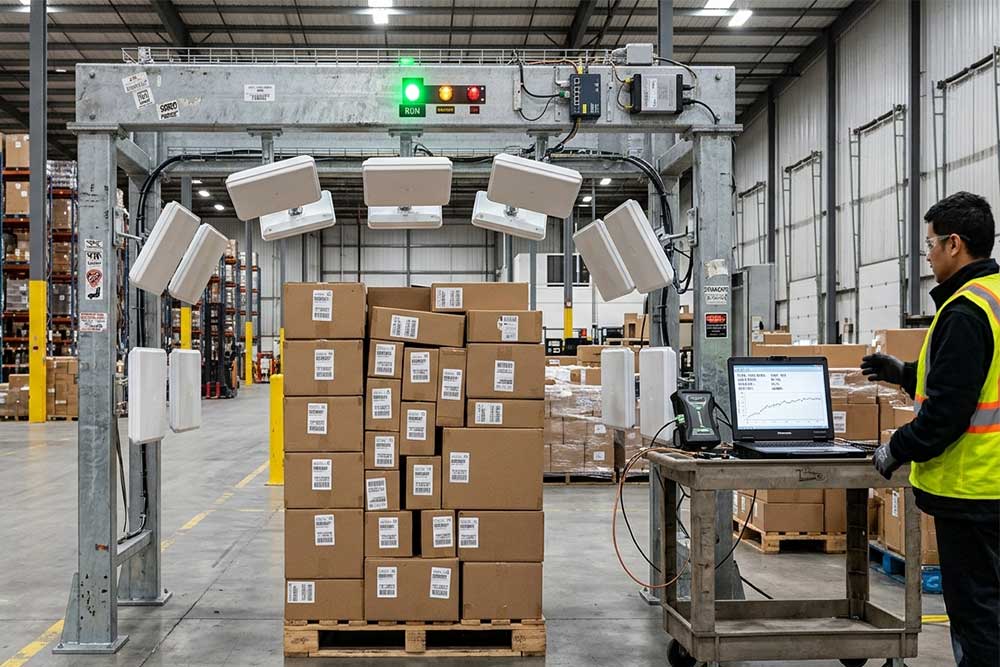
Every buyer wants the same thing: hardware that reads 600 tags a second, survives dust and forklift bumps, and doesn’t wreck the project budget. The trouble is that “cheap RFID reader manufacturer” returns hundreds of results, and a good chunk of them are trading companies with a website and no factory floor. Pick wrong and you don’t save money — you pay twice, once for the readers and again for the downtime.
We’ve supplied fixed and USB readers to integrators in the US, Germany, India, and Brazil for years, and the pattern is always the same: the buyers who ask sharp questions up front end up with working systems. Here’s the checklist we’d use in your seat.
Start With What “Cheap” Should Actually Mean
A reader quoted 30% below market isn’t a bargain; it’s a question you haven’t asked yet. Cheap, done right, means the manufacturer controls costs through design and volume — not by swapping the RF chip for a no-name equivalent or stripping firmware updates out of the deal.
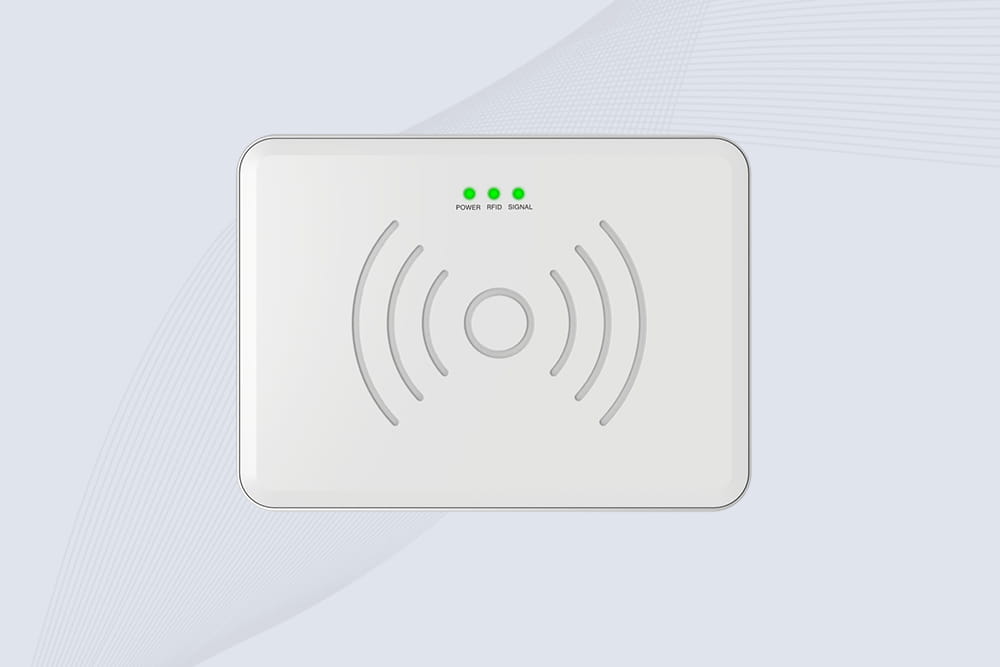
When you compare quotes, normalize them first. A fixed UHF reader based on an Impinj R2000-class chip, with 33 dBm output and 20-meter read range, belongs in a different price bracket than a generic board with vague specs. Ask every supplier to break the quote down: module cost, enclosure, antenna ports, SDK license, and warranty. Factories can do this in an email. Resellers usually can’t, because they don’t know their own supply chain that well.
One more thing to check early: whether the price includes regional radio compliance. A reader that’s legal in China may not ship into the EU or the US without CE/FCC-certified frequency profiles. Fixing that after purchase costs more than buying the right model initially.
Verify the Manufacturer Behind the Website
This is where most sourcing projects go sideways. Three checks take less than a day and filter out the middlemen fast.
Check the business license and factory address. Ask for the registered entity name and cross-reference it with the address on the quote. A quick video walkthrough of the production line — requested casually, not as an audit — tells you more than a glossy catalog ever will.
Check who answers technical questions. Email a question only an engineer could answer: “What’s the tag collision handling on your 8-port model at maximum duty cycle?” If the reply comes back in fluent spec-sheet English within hours, you’re likely talking to the source. If it takes three days and a forwarded email, you’re talking to a reseller.
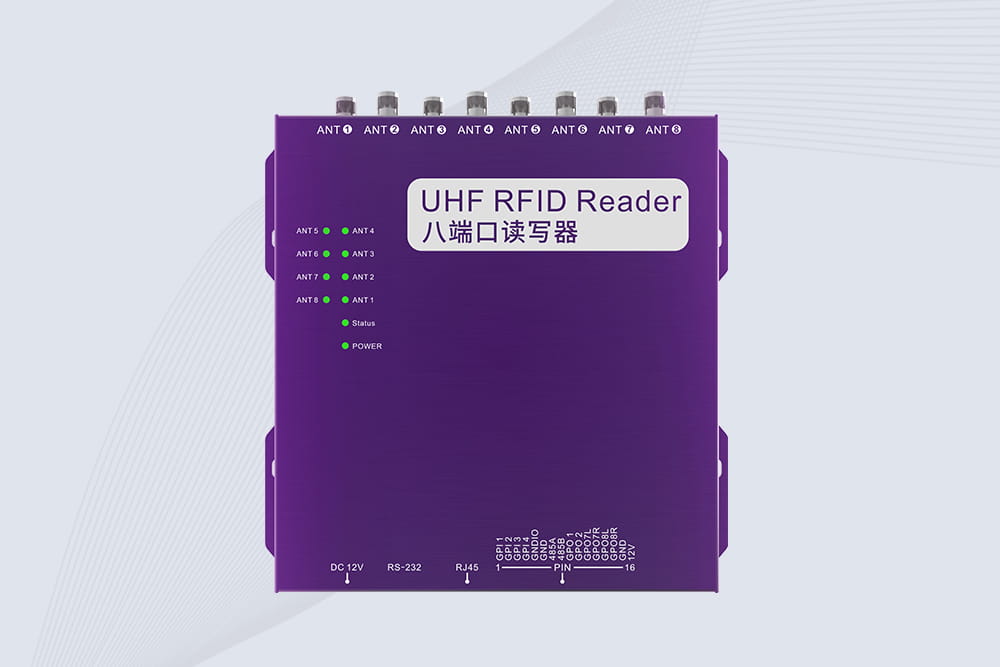
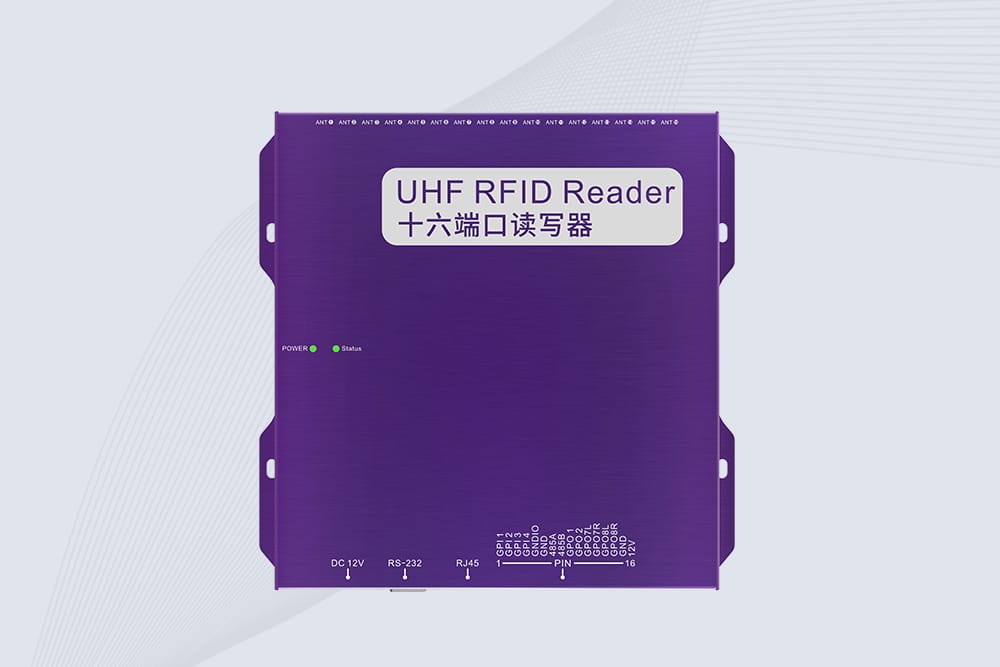
Check the product range depth. A real manufacturer builds a line, not a single SKU. Look at Cykeo’s full RFID reader catalog as a reference point: 4-, 8-, and 16-port fixed readers, forklift-mounted industrial units, and USB desktop models sharing the same firmware family. That breadth is expensive to fake.
Test the Hardware, Not the Datasheet
Datasheets are marketing documents. Your warehouse is not.
Order two or three samples and test them exactly where they’ll live — same tags, same metal shelving, same temperature. A few tests worth running:
Read rate under density: pile 200 real tags on a pallet and see whether the claimed “600+ tags/second” survives.
Write reliability: encode 100 tags back to back. Write failures at the desk become inventory errors in the field.
Duty cycle endurance: run a fixed reader continuously for 48 hours. Cheap power stages drift or shut down when hot.
Antenna port integrity: on multi-port models, verify each port’s output independently. This is where cost-cut manufacturers hide their savings.
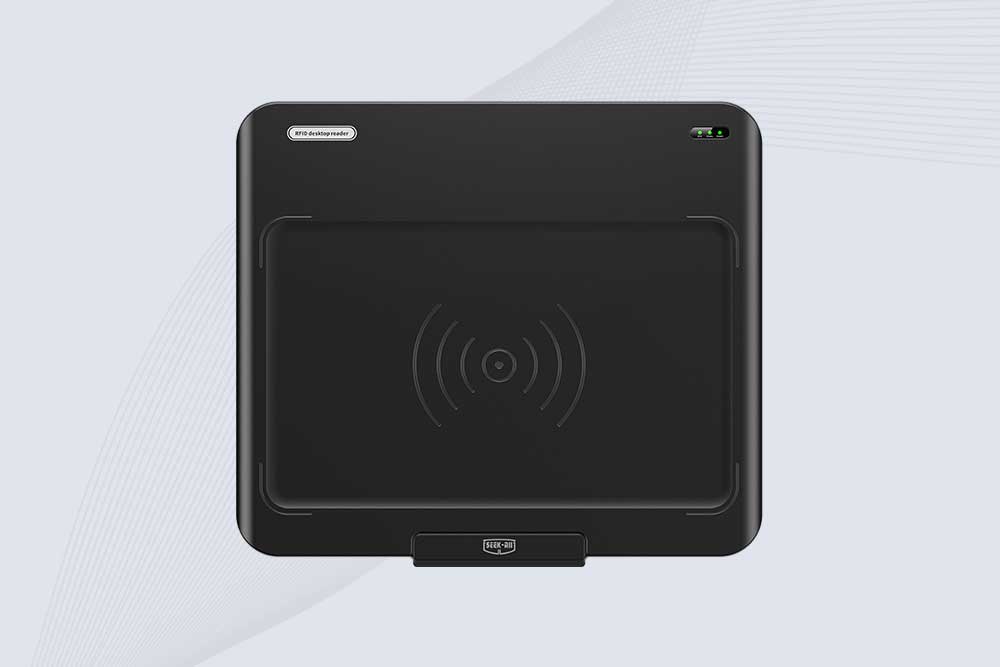
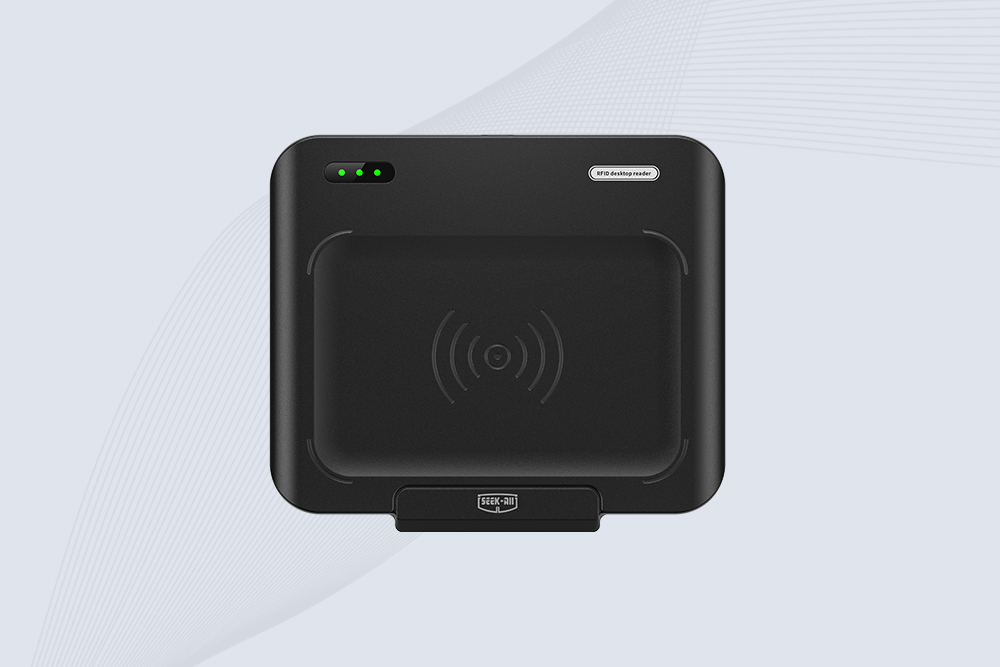
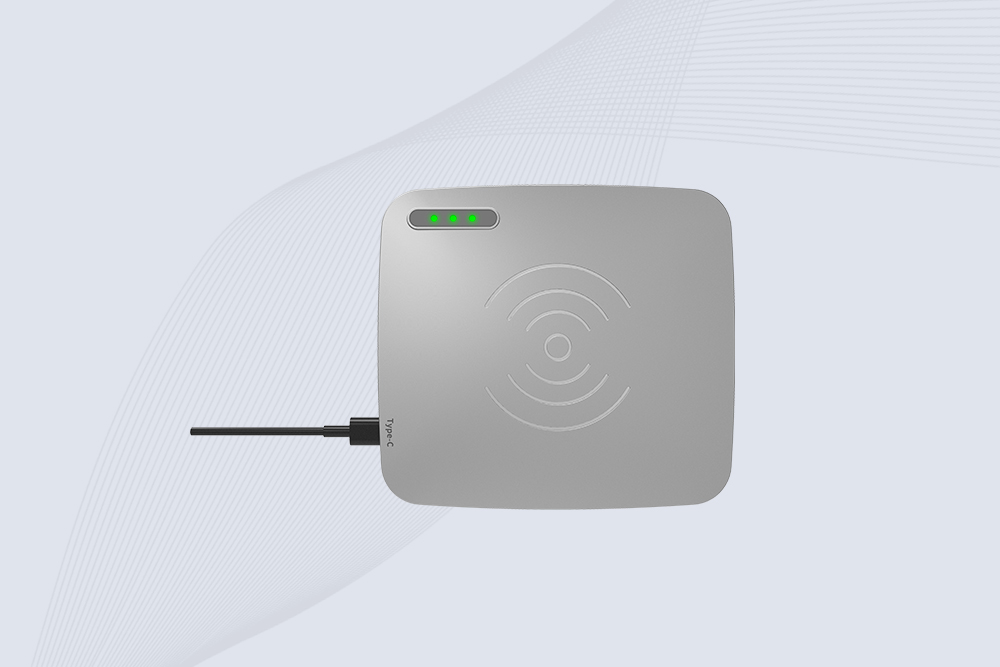
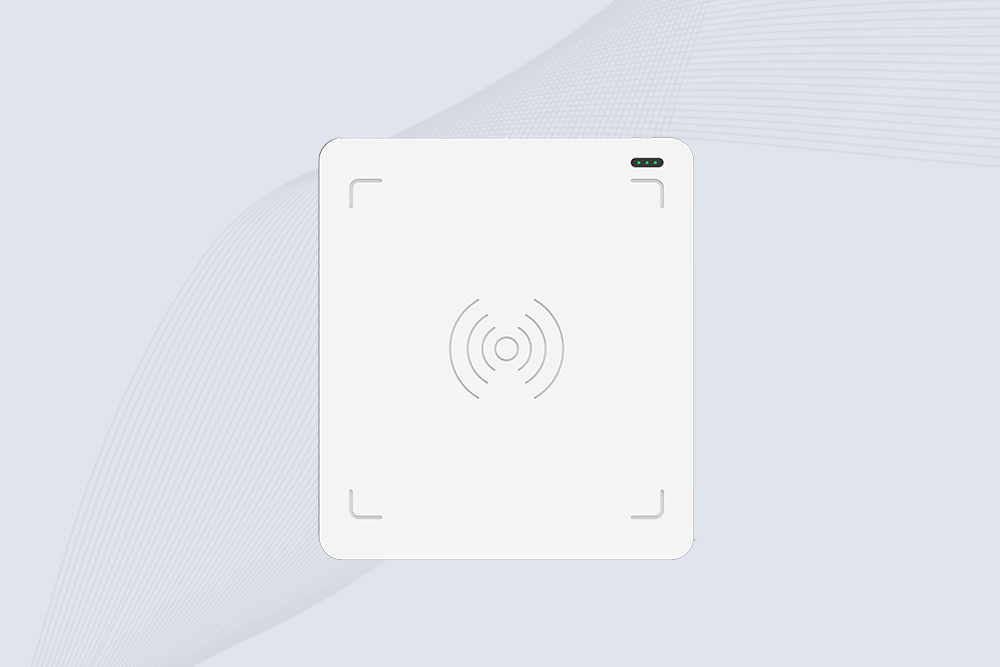
For desk-level encoding and verification, compare the sample against something like the CYKEO-D1C USB-C desktop reader — a unit with a stable 26 dBm near-field output shows quickly whether your tag stock is the problem or the hardware is.
Demand the SDK Before You Commit
If your project touches software at all — WMS, ERP, MES, or anything custom — the SDK is the real product. The reader is just the part you can see.
Before signing anything, download or request the actual SDK and read it. You’re checking for three things: complete documentation in usable English, code examples in the languages your team writes (typically C#, Java, or Python), and a changelog that shows the firmware is still being maintained. A manufacturer who publishes its API openly is betting its hardware can survive scrutiny. One who sends “SDK available after payment” is betting you won’t look until it’s too late.
Cykeo built its whole business model around this: open SDK and API access across the reader line, with integration support for WMS, SAP, Oracle, and custom platforms. It’s also a useful tell — a supplier confident enough to let you test integration before paying for volume is a supplier who expects the hardware to pass.
Read the OEM and After-Sales Terms Carefully
For resellers and project integrators, the after-sales terms matter as much as the unit price. Get these five points in writing:
Warranty length and process — 12 to 24 months is standard; ask who pays return shipping.
Firmware update policy — free for the product’s life, or charged per release?
OEM customization scope — logo, housing color, startup UI, multi-language firmware. Factories do this routinely; resellers charge markup on top of someone else’s factory.
MOQ for custom units — reasonable factories accept small first batches for qualified OEM partners.
Spare-part availability — ask whether you can buy replacement modules three years from now.
A supplier who answers all five without hesitation has done this before. One who goes quiet on warranty process has, too — just not in a way that helps you.
Match the Reader Type to the Job Before Comparing Prices
Half of “cheap reader failures” are actually selection failures. Fixed and USB readers solve different problems, and comparing them on price is like comparing a truck to a hand truck.
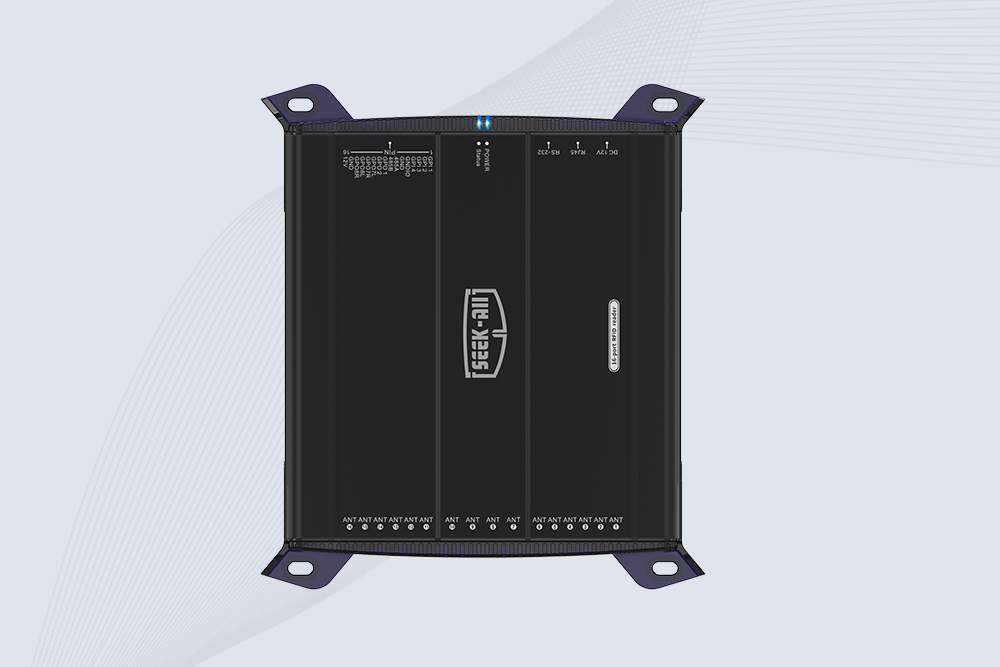
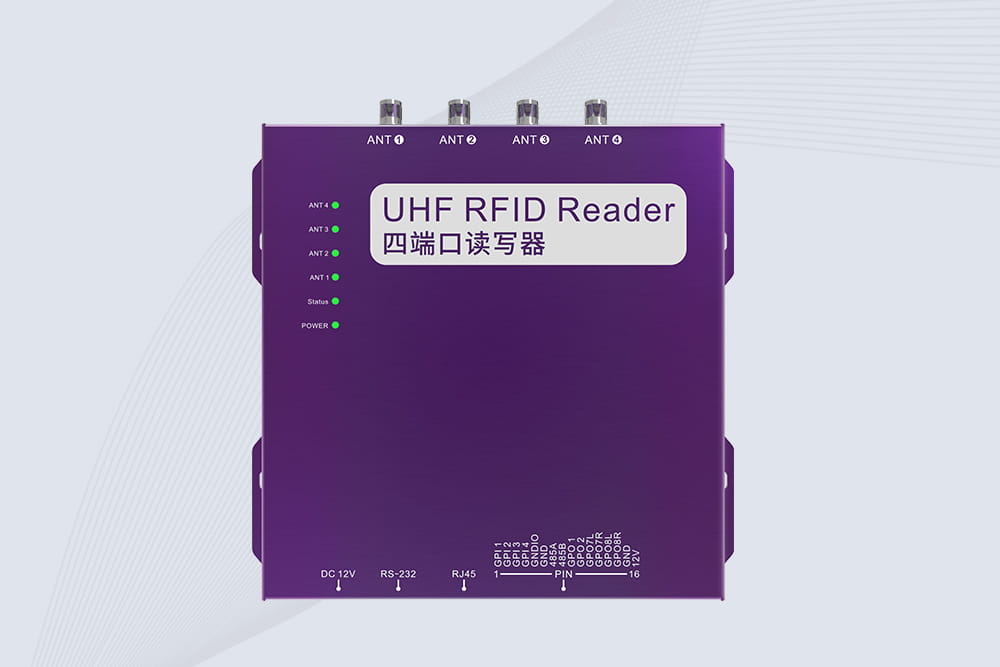
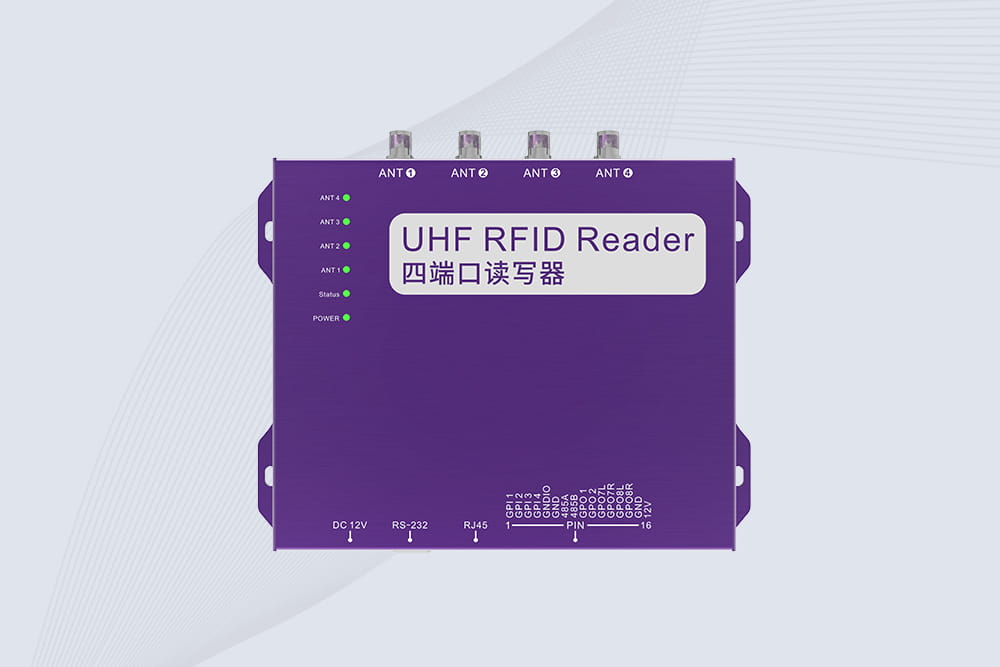
Fixed UHF readers — like Cykeo’s SSD-R8L 8-port unit with 33 dBm output and 20 m range — are built for dock doors, conveyor lines, smart cabinets, and anywhere tags move without a human holding a scanner. USB desktop readers handle encoding, badge issuance, point-of-sale verification, and library workflows at 10–30 cm. If your use case is desk work, a desktop unit is both cheaper and more accurate; forcing a fixed reader into that role wastes money. Our guide on choosing between fixed and USB RFID readers breaks this decision down in detail.
A Simple Scorecard to Close the Decision
Before the final call, score each candidate 1–5 on six axes: RF performance on your own tags, certification coverage for your markets, SDK quality, response time on technical questions, warranty terms, and total landed cost including antennas and cables. Weight them by what your project can’t recover from. A weak SDK kills integration projects; a weak antenna kills read rates; a weak warranty only costs you money once. Most buyers find that one or two suppliers separate clearly from the pack — and that the “cheapest” quote rarely survives the scoring.
FAQ
Q1: How much should a reliable cheap UHF RFID reader cost? Depends on ports and chip. A 4-port Impinj-based fixed reader typically lands in the low hundreds of dollars at factory-direct pricing; 8- and 16-port units scale up. If a quote sits far below that range for equivalent specs, treat it as a red flag, not a discount.
Q2: How do I confirm a supplier is a real manufacturer and not a reseller? Ask engineering-level questions, request a video factory walkthrough, and check business registration against the quoted address. Real manufacturers answer spec questions in hours and offer OEM customization as a matter of course.
Q3: Are certifications included in the price? CE and FCC versions usually are, at least for major markets. Always confirm which regional frequency profiles (ETSI, FCC, or China) are preloaded, since flashing non-compliant firmware can block customs clearance.
Q4: Should I buy samples before bulk ordering? Always. Test with your own tags in your own environment for at least a week, including write reliability and continuous-run stability. Sample cost is trivial next to a failed rollout.
Q5: What SDK support should a good manufacturer provide? Complete documentation, examples in your team’s languages, active firmware updates, and direct access to engineers during integration. If SDK access is gated behind payment, keep looking.
SSD-D3AL is a USB-HID UHF RFID reader with 0–30 cm reading, 0–15 cm writing, over 600 tags/s recognition, USB plug-and-play operation and OEM Logo customization.
SSD-D1AL is a compact USB UHF RFID reader with Impinj E710/X3M1 chipset, USB-HID, 600+ tags/s recognition, 4/8/16 antenna support and plug-and-play USB power.
SSD-R16L Multi-Channel RFID Infrastructure for Automated Inventory Management ✔️ 16-Port High-Density RFID Reading Equipped with 16 SMA antenna ports, SSD-R16L supports multi-antenna deployment for warehouses, retail stores, logistics, production lines, and large-area RFID identification. ✔️ High-Speed & Long-Range Performance With up to 33…
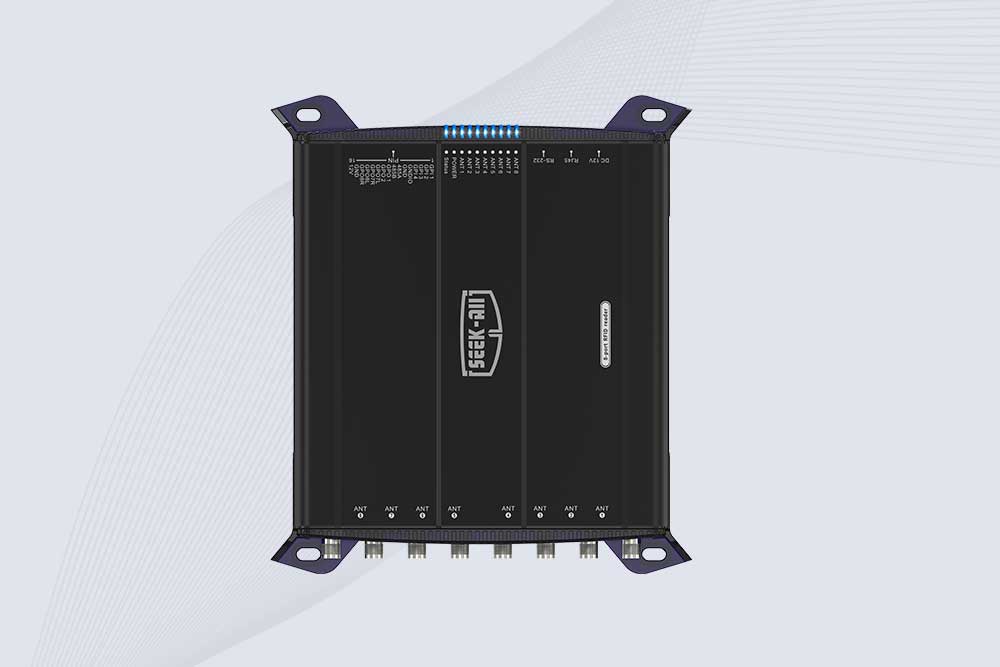
SSD-R8L 8-port UHF RFID reader with 33dBm output, up to 20m reading range and 600+ tags/s recognition. Ideal for warehouse, logistics, retail and asset tracking.
CYKEO CYKEO-D1LA USB RFID Reader is a compact desktop solution with near-field control for precise tag reading and encoding. Powered by USB, supporting ISO 18000-6C, and built for stable batch writing, this usb rfid tag reader fits retail, libraries, offices, and controlled RFID encoding tasks.
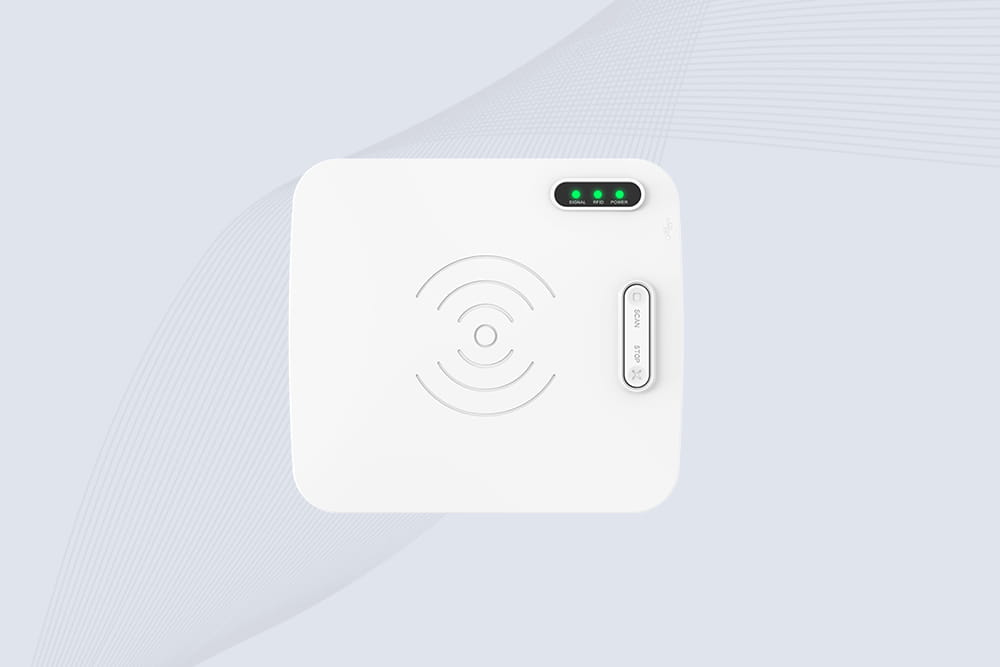
CYKEO CYKEO-D1L RFID scanner USB is a compact desktop UHF RFID scanner designed for short-range tag writing and verification. This usb rfid scanner supports batch encoding, stable 0–26 dBm output, and works across Windows, Linux, and Android systems.
CYKEO CYKEO-D1C USB RFID Card Reader is a near-field UHF desktop writer designed for secure, short-range tag encoding. With USB-C connectivity and stable 26 dBm output, this rfid reader usb c is ideal for badge issuance, label encoding, and controlled desktop RFID workflows.
CYKEO CYKEO-D2L RFID Reader USB is a compact desktop encoder built on the Impinj R500 chip. With near-field control and stable USB power, this usb rfid card reader delivers precise tag writing for offices, retail counters, and small-scale logistics encoding tasks.
CYKEO CYKEO-D3L USB RFID Tag Reader delivers stable UHF tag reading and writing for daily desktop and light industrial tasks. Designed for controlled short-range operation, this USB RFID Tag Reader works reliably with rfid tag and reader systems in libraries, tool tracking, and inventory registration.
The CYKEO CYKEO-D4L UHF RFID Tag Reader is a stable Desktop RFID Reader designed for accurate tag registration, borrowing, and return workflows. Built with the Impinj R2000 chip, this UHF RFID Tag Reader delivers controlled short-range reads for libraries, asset tracking, and inventory management environments.
The CYKEO CYKEO-D5L Desktop RFID Card Reader is a stable UHF RFID Card Reader designed for controlled short-range reading and writing. Built for libraries, tool rooms, and asset desks, this UHF RFID Card Reader supports dense tag handling, secure data processing, and easy USB integration.
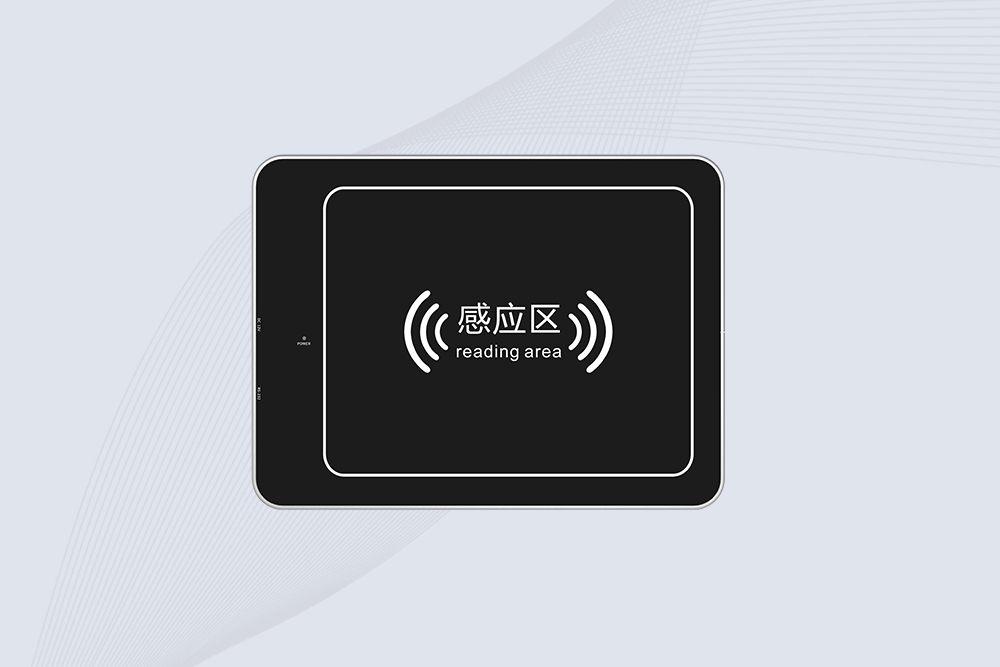
The CYKEO CYKEO-D6L RFID Reader Writer is a heavy-duty Desktop RFID Reader designed for short-range, high-accuracy tag programming. Built for libraries, labs, and asset desks, this RFID Reader Writer supports batch processing, stable 33dBm output, and seamless integration with existing management systems.
Cykeo CYKEO-D8A embedded RFID badge reader offers 30+ tags/sec scanning, 20cm anti-crosstalk precision, and DC 12V power for unmanned stores, warehouses, and smart inventory systems.
Cykeo’s CYKEO-D8C UHF RFID gate reader achieves 200-tag/batch scanning with adjustable power control, ideal for retail inventory and smart warehouse management.
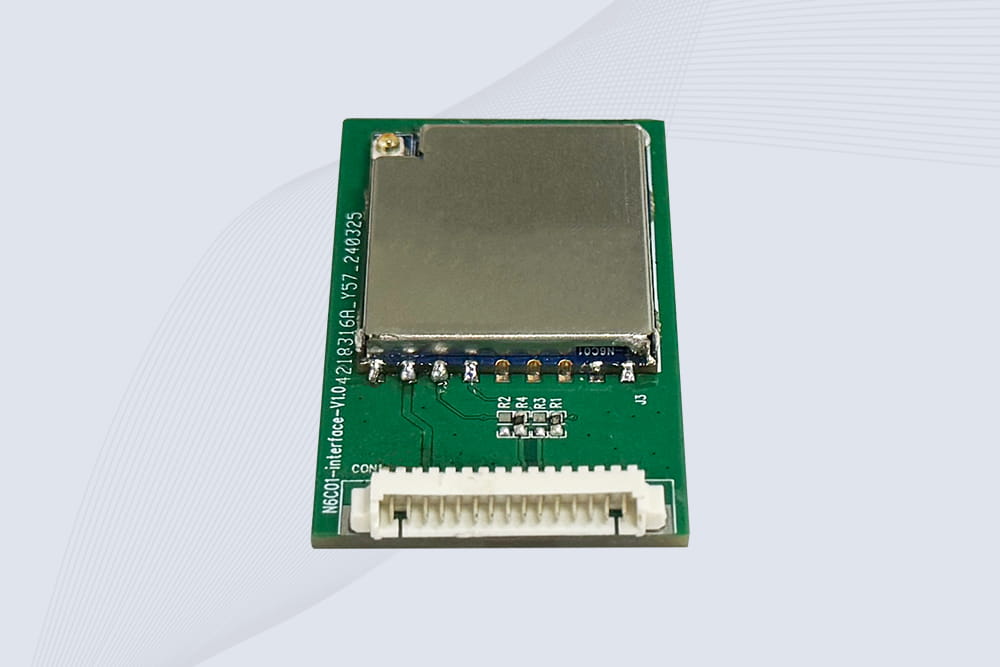
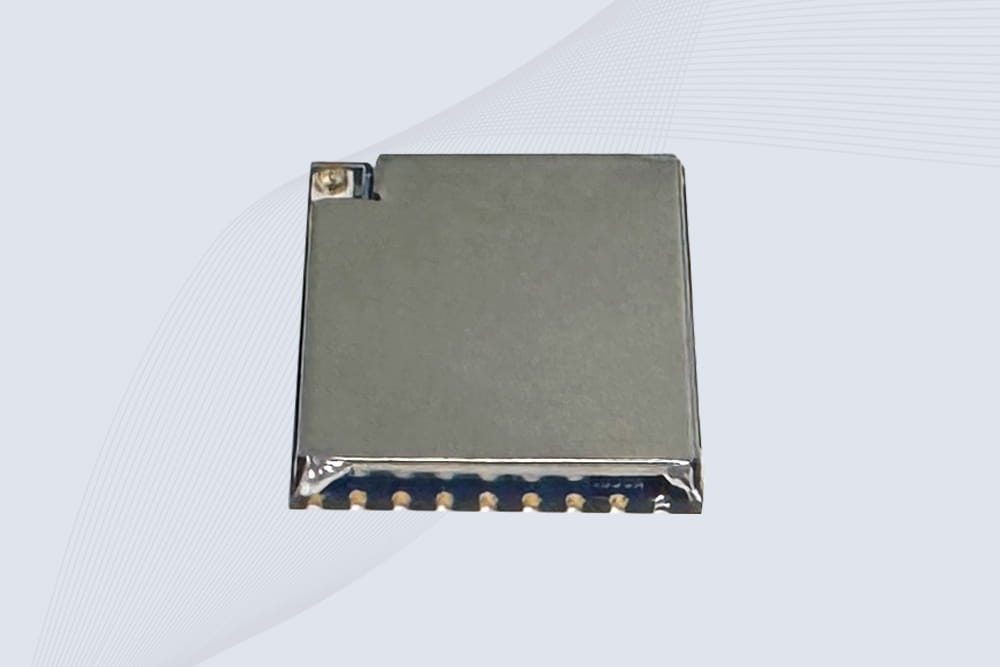
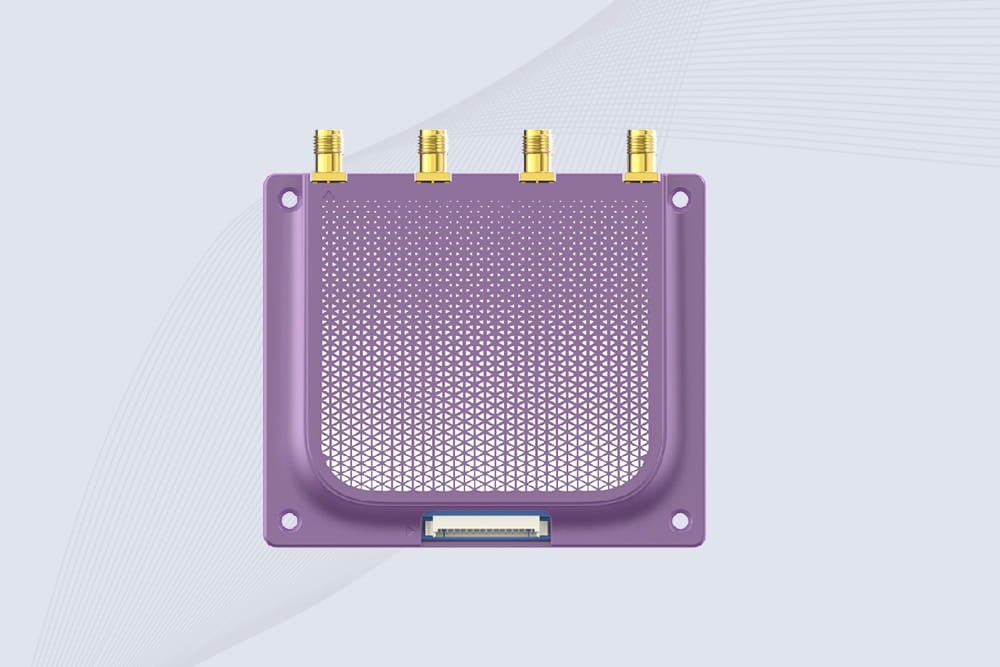
CYKEO Embedded RFID Modules are designed for compact industrial and IoT devices that require stable UHF performance. These UHF RFID Modules support global protocols, flexible power control, and reliable multi-tag reading for smart cabinets, production lines, and asset tracking systems.
CYKEO Embedded RFID Module is built for compact IoT and industrial devices that need stable UHF performance. This UHF module supports global protocols, low power operation, and reliable multi-tag reading for smart lockers, production lines, and always-on RFID systems.
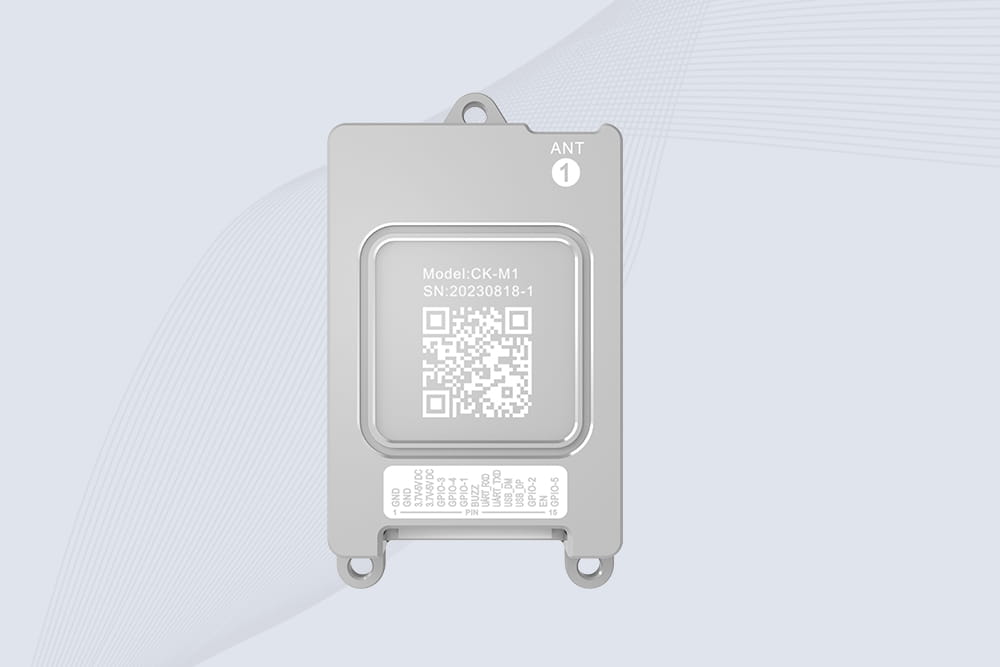
CYKEO CYKEO-M1 drone rfid module is a compact UHF RFID reader module designed for drones and UAV platforms. It supports long-range aerial scanning, fast multi-tag reading, and stable performance in wind, vibration, and outdoor environments.
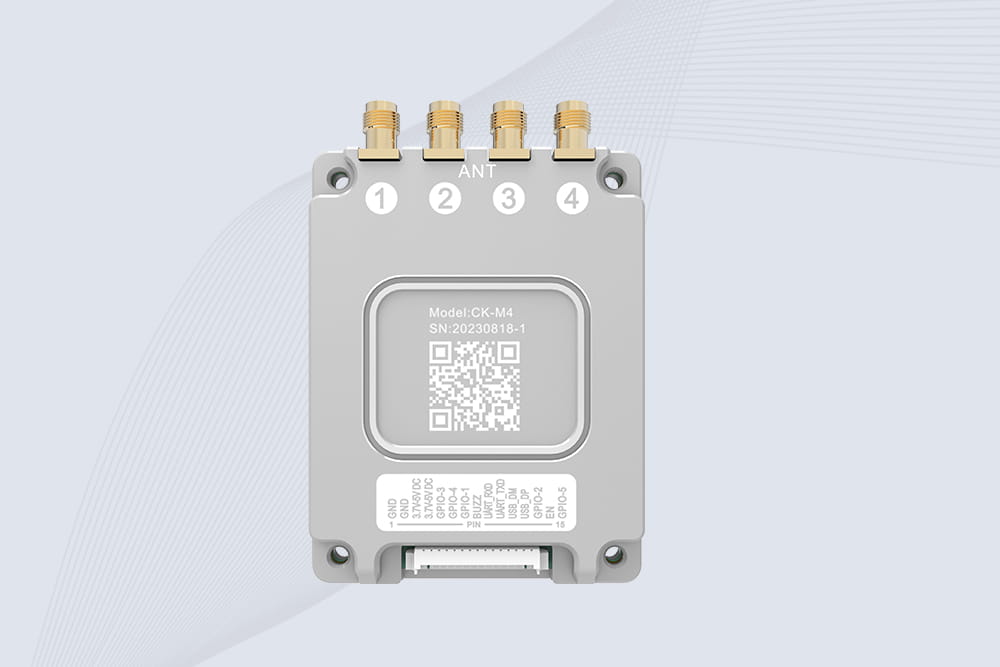
CYKEO CYKEO-M4 RC522 RFID Module is an industrial-grade UHF RFID reader with 4 ports, supporting ISO, EPC, and GB protocols. High-speed, accurate reading for IoT, automation, and warehouse applications.
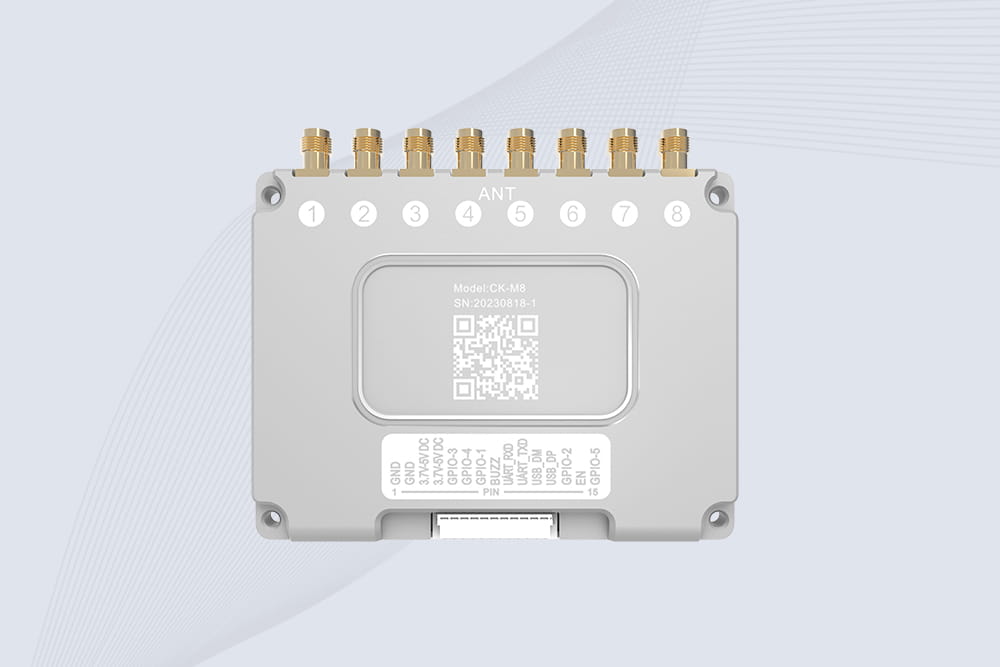
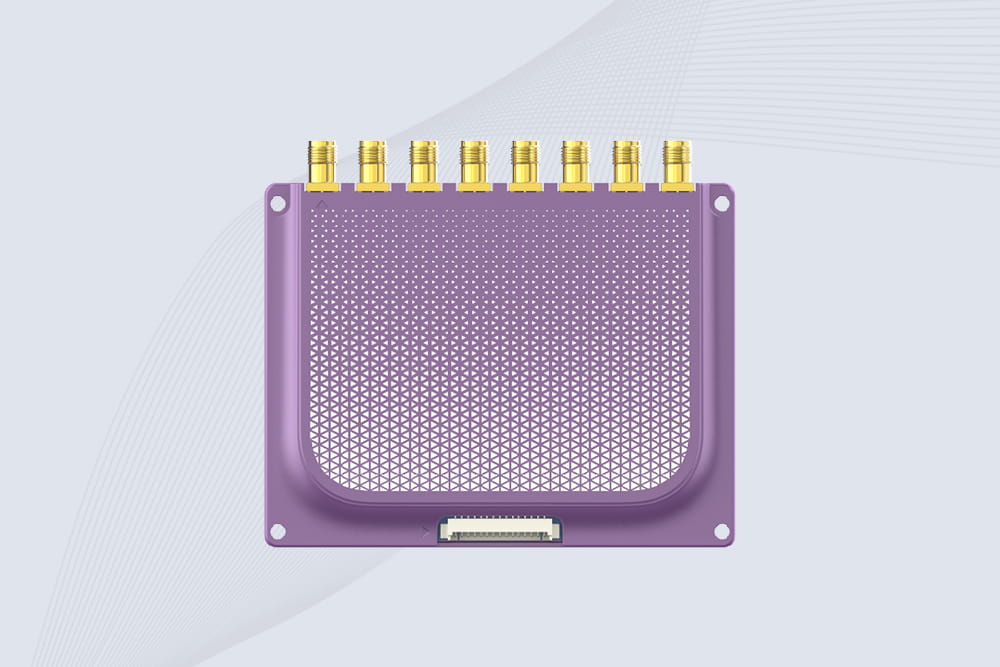
CYKEO CYKEO-M8 Module RFID is an 8-port UHF R2000 RFID Module designed for high-density, multi-tag environments. Stable 33dBm output, ISO & GB protocol support, ideal for warehouses, factories, and automated systems.
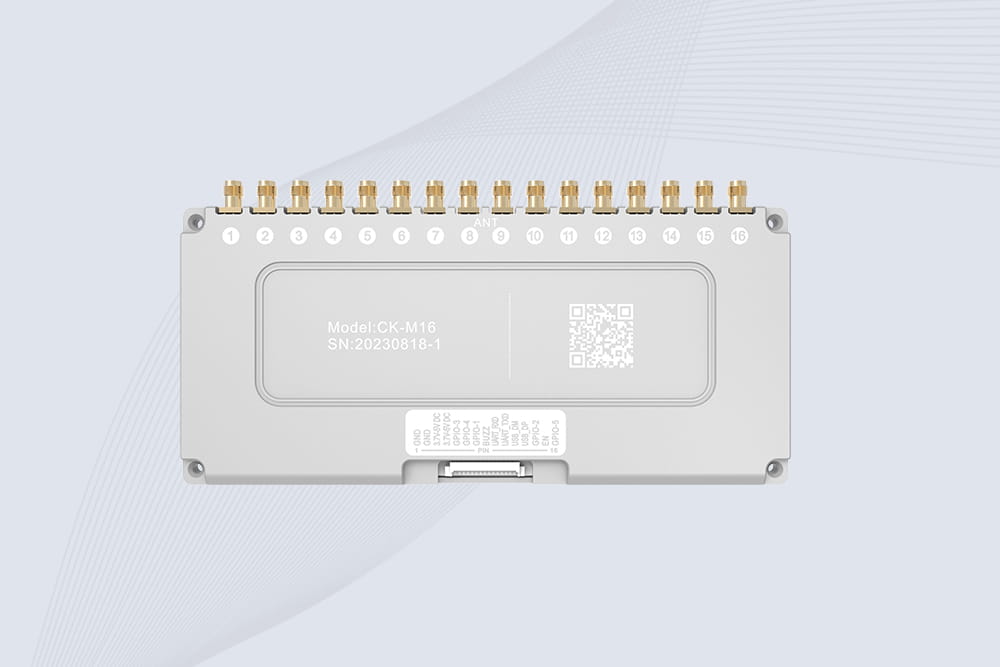
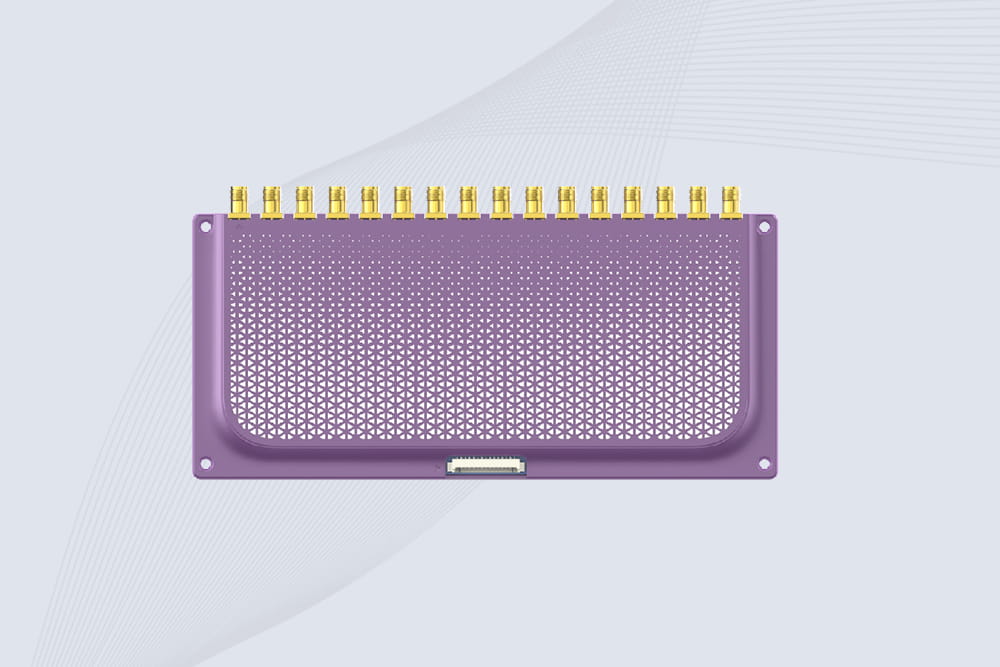
CYKEO CYKEO-M16 RFID Module is a 16-port UHF RFID reader module based on the R2000 chipset. Designed for dense tag environments, it supports ISO and GB standards and delivers stable multi-antenna control for industrial automation.
The CYKEO CYKEO-M16L RFID Reader Module is a 16-channel UHF RFID core designed for dense tag environments. With adjustable 33dBm output, multi-protocol support, and stable multi-antenna control, this RFID Tag Reader Module fits industrial automation, warehouse systems, and large-scale IoT deployments.
CYKEO CYKEO-M8L module RFID is a compact industrial UHF module built for dense tag and multi-antenna environments. With 8 RF ports, adjustable 33 dBm output, and ISO & GB protocol support, it is widely used in factories, warehouses, and automated tracking systems.
CYKEOCYKEO-M4L UHF RFID Module is a compact 4-channel RFID tag reader module designed for dense tag environments. Supporting ISO and GB protocols, it delivers stable reads up to 10 meters for industrial and IoT systems.
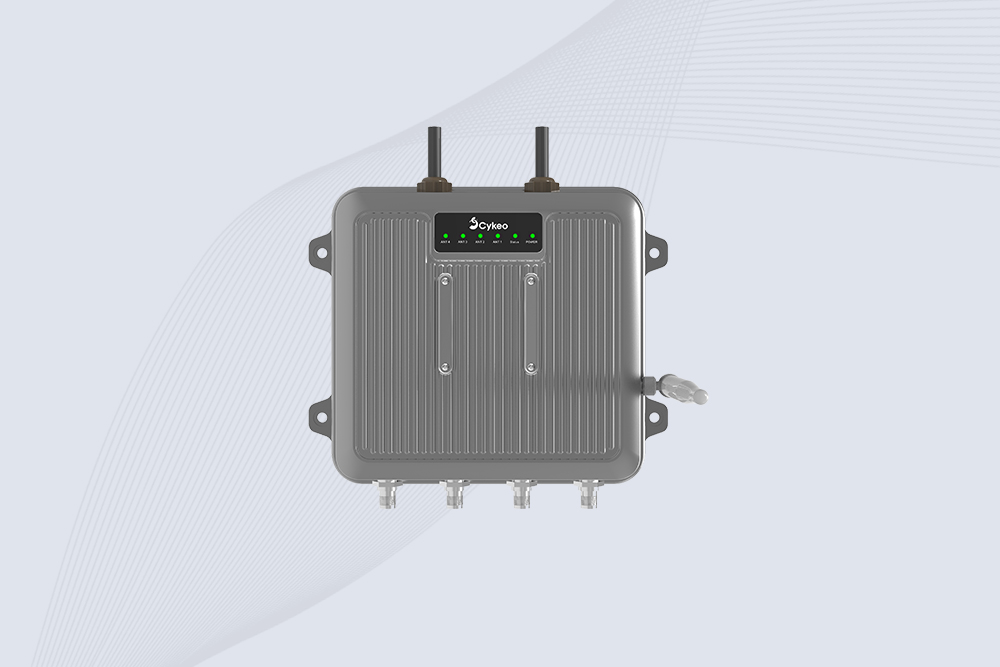
Cykeo CYKEO-C1 industrial Forklift RFID Reader features 20m read range, 600 tags/sec scanning, Impinj R2000 chipset, and IP67 rugged design. Ideal for warehouse logistics and manufacturing. Supports ISO 18000-6C/6B protocols.
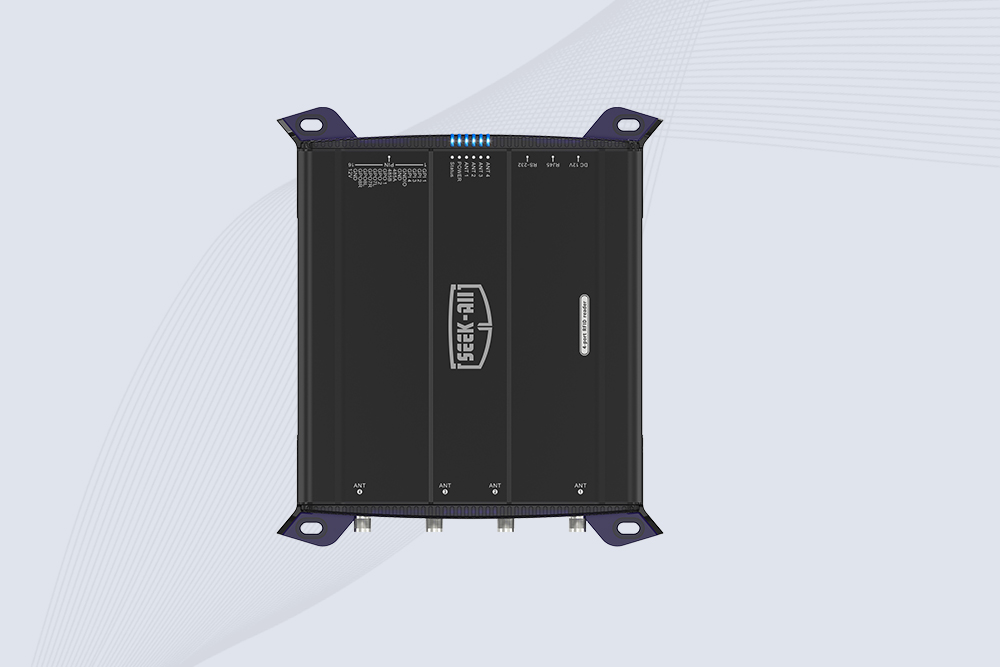
Cykeo CYKEO-R4 industrial UHF RFID Fixed Reader features 4 TNC ports, 400+ tags/sec speed, IP67 housing, and global frequency compliance for vehicle inspection, smart warehouse, and asset management systems.
CYKEO CYKEO-R8L Fixed RFID Reader with 8-port UHF design, Impinj-based RF core and up to 20m read range. An industrial Fixed RFID Reader for vehicle inspection, warehouse portals, smart manufacturing lines and secure access checkpoints.
RFID Fixed Reader from CYKEO – the CYKEO-R16L 16-port UHF fixed reader for warehouses, smart cabinets, and production lines. Long-range, multi-tag reading, stable performance for 24/7 industrial use.
RFID Industry Writer | IoT & Asset Tracking Analyst
James writes about RFID technology, asset tracking, and the practical challenges of digital transformation across warehousing, retail, manufacturing, and logistics.
His work focuses on how RFID is applied in real-world operations—improving inventory visibility, automating workflows, and helping businesses manage assets with greater accuracy and efficiency.
He regularly covers topics including UHF RFID, smart cabinets, RFID portals, tool tracking, warehouse automation, and industrial IoT trends..
As technology continues to advance, Radio Frequency Identification (RFID) technology has found applications across various fields. In identity verification, RFID offers unique advantages, providing innovative solutions for safeguarding privacy and...
In today digital era, businesses are increasingly demanding efficient management and precise data collection. As key technology in the age of the Internet of Things (IoT), RFID tag readers offer transformative benefits across industries through fe...
Discover how Cykeo tool tracker system improves industrial tool visibility, reduces loss, and enables real-time RFID tracking for smarter asset management.
 Cykeo RFID IoT Solution Products R&D Manufacturer