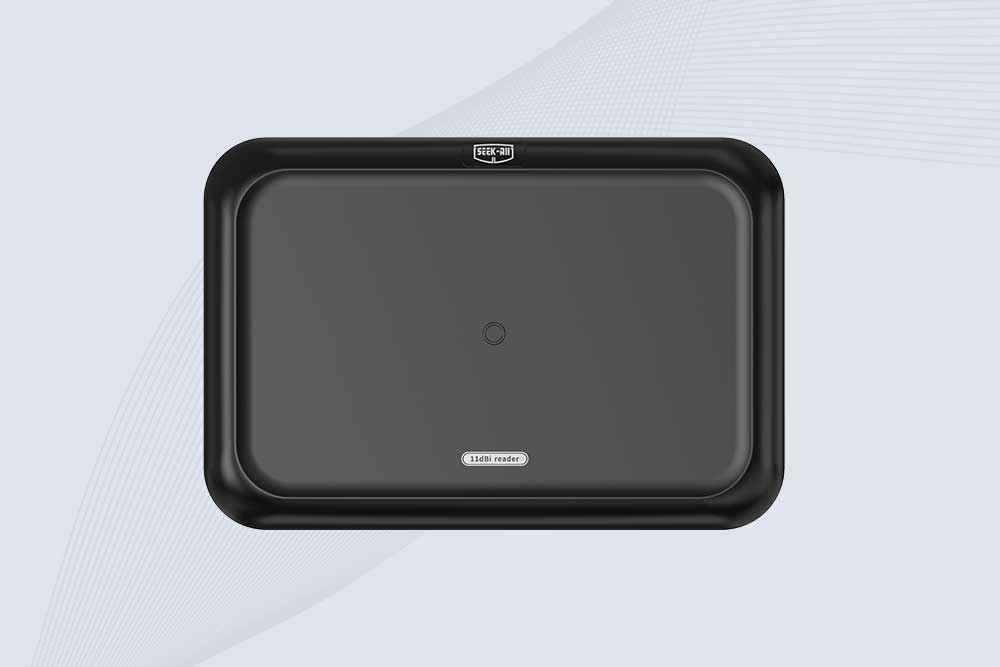
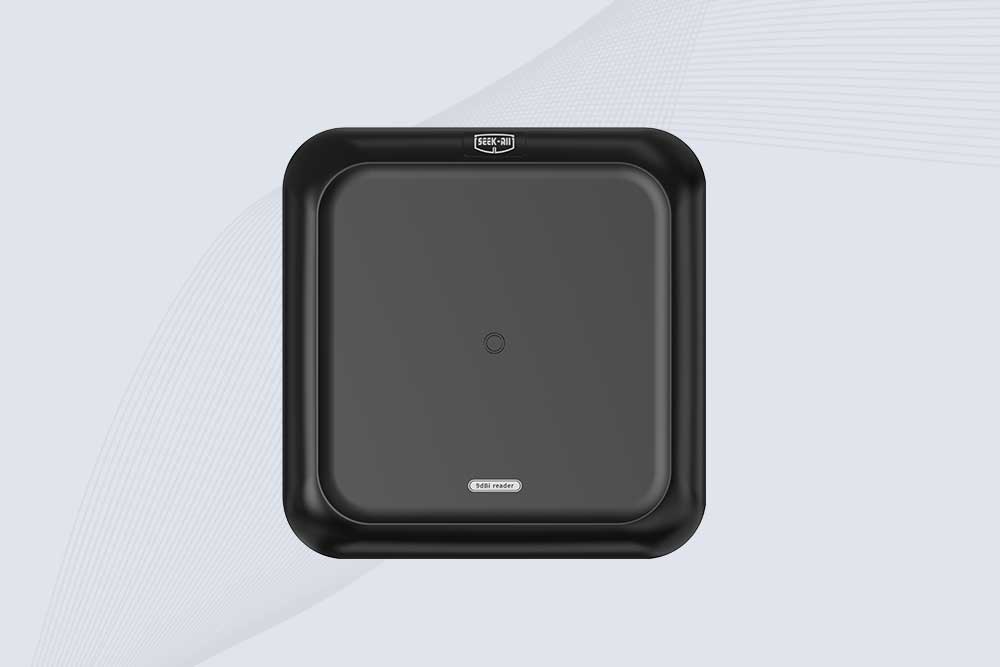
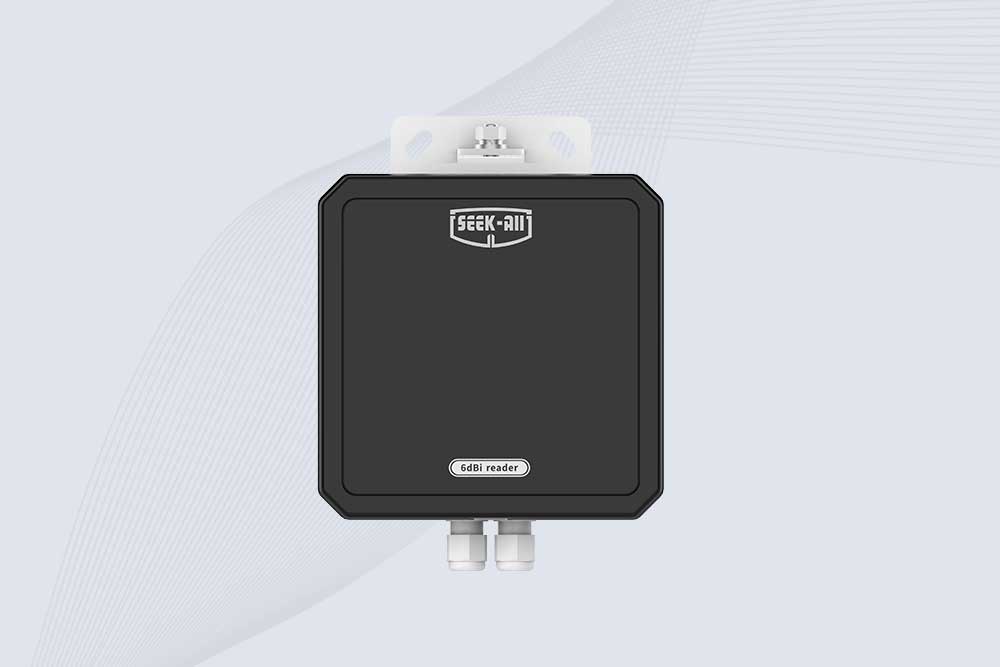
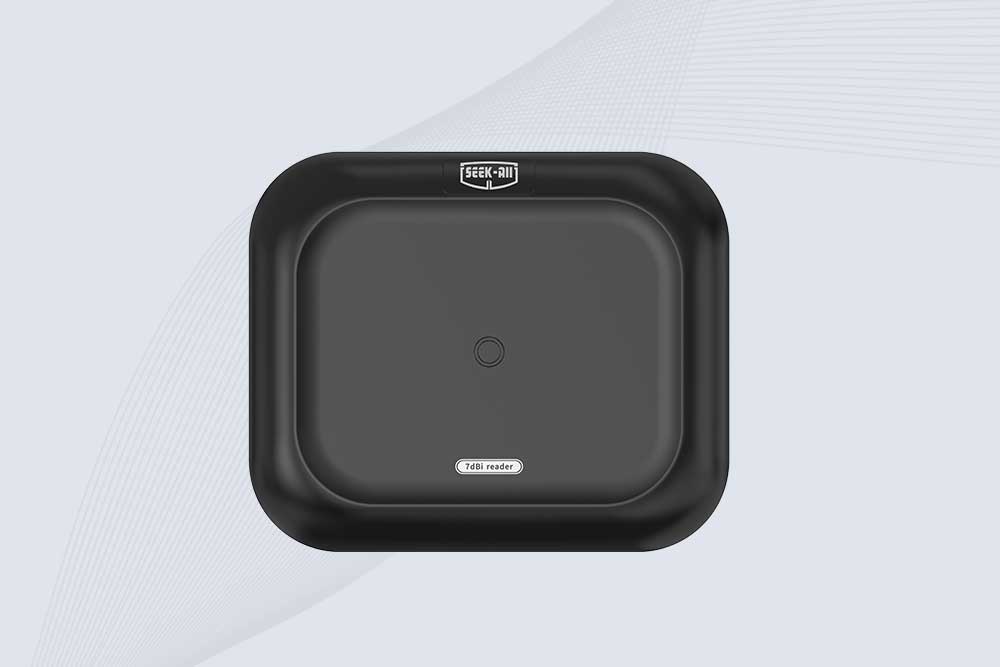
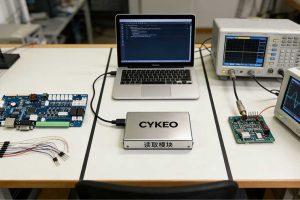
For years, 15 meters was the holy grail for passive UHF RFID systems. But when a Cykeo-powered automotive plant started reading tags on overhead conveyors 22 meters away, it changed everything. Here’s why 2025 is the breakthrough year for long-range RFID:
New FCC regulations allow +36 dBm EIRP in industrial zones (up from +32.5 dBm)
Battery-assisted passive (BAP) tags now last 7+ years at 2-second ping intervals
AI-powered interference mitigation reduces signal noise by 89% in crowded RF environments
3 Proven Methods to Break the 15-Meter Ceiling
1. Antenna Stacking with Phase Control Traditional setups use single antennas. Cykeo’s method:
Stack 4× UHF antennas in vertical/horizontal polarization pairs
Use phase shifters to create focused beamwidth (15° vs. standard 70°)
Achieves 18–22m reads on EPC Gen 2 tags
Real-world test: Reduced reader count by 60% in a 12-acre lumber yard while maintaining 99.7% read rates.
2. Hybrid Power Architecture Combine passive RFID with low-energy IoT:
Cykeo Handheld RFID reader trigger BAP tags to activate at set distances
Bluetooth 5.3 mesh relays data from dead zones
Solar-powered repeaters extend coverage without wiring
Construction site case study: Tracked rebar bundles at 19 meters through concrete dust interference.
3. Dynamic Frequency Hopping Old systems stuck to 902–928 MHz. Cykeo’s 2025 approach:
Scan 840–960 MHz spectrum 100×/second
Auto-switch to least congested channels
Coordinate multi-reader networks via TDoA (Time Difference of Arrival)
Airport baggage handling results: 21-meter reads on suitcases moving at 8 m/s.
Discover how RFID laundry tracking systems help hotels, hospitals, industrial laundries, and uniform rental companies reduce linen loss, improve inventory accuracy, automate sorting, and gain real-time visibility across the entire textile lifecycle.
Learn how does a passive rfid tag work, from reader energy and antenna coupling to backscatter, EPC identification, read range, and real-world RFID deployment with Cykeo.
Want to learn how to make an RFID reader? We break down the real engineering choices: build a simple HF cloner, integrate a UHF module, or embark on a multi-year RF design journey.
in-depth look at RFID bank card readers, from commercial applications to the controversy around RFID-blocking wallets. Drawing from real-world cases and industry experience, this article unpacks the tension between payment convenience and security...
 Cykeo RFID IoT Solution Products R&D Manufacturer