 Cykeo RFID IoT Solution Products R&D Manufacturer



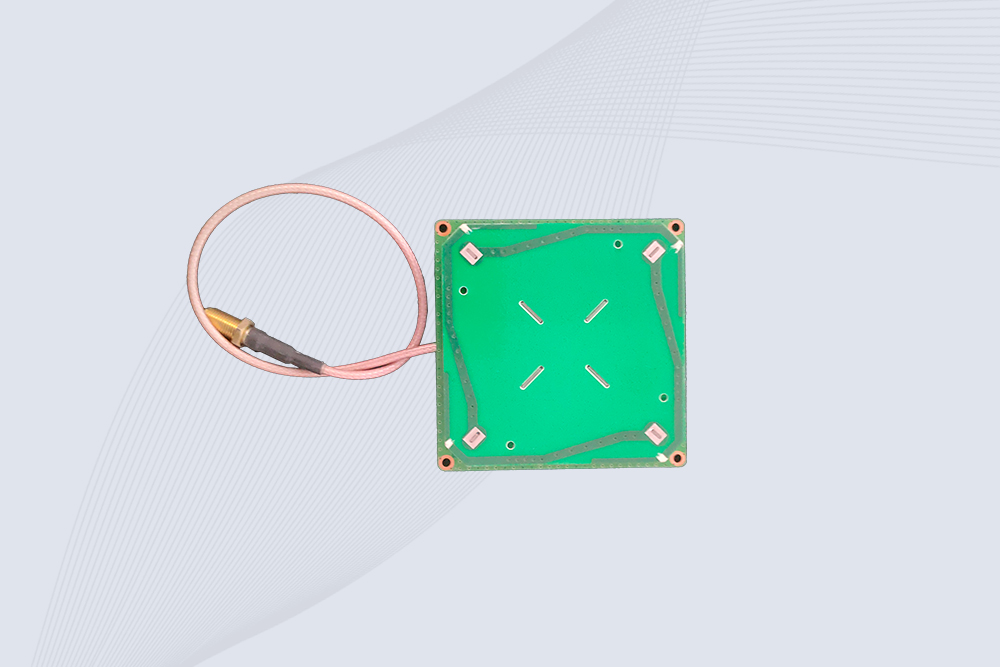
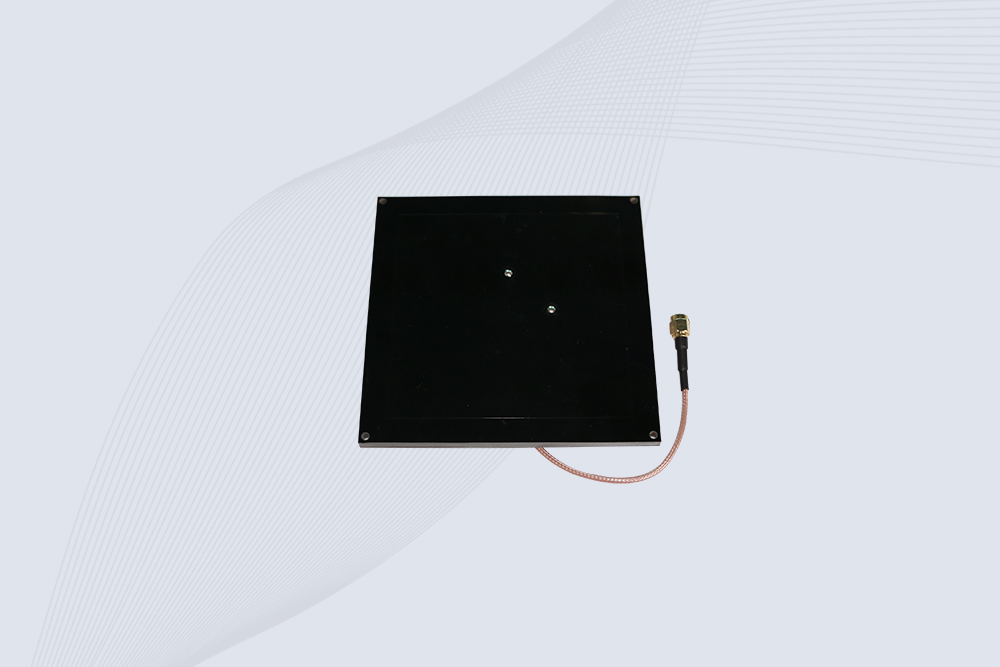
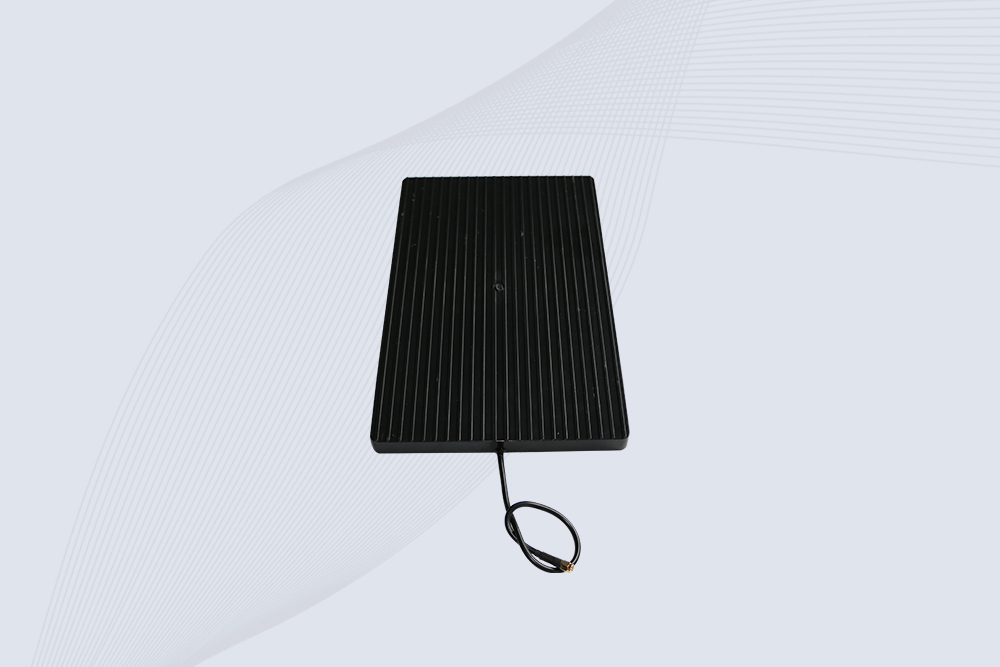

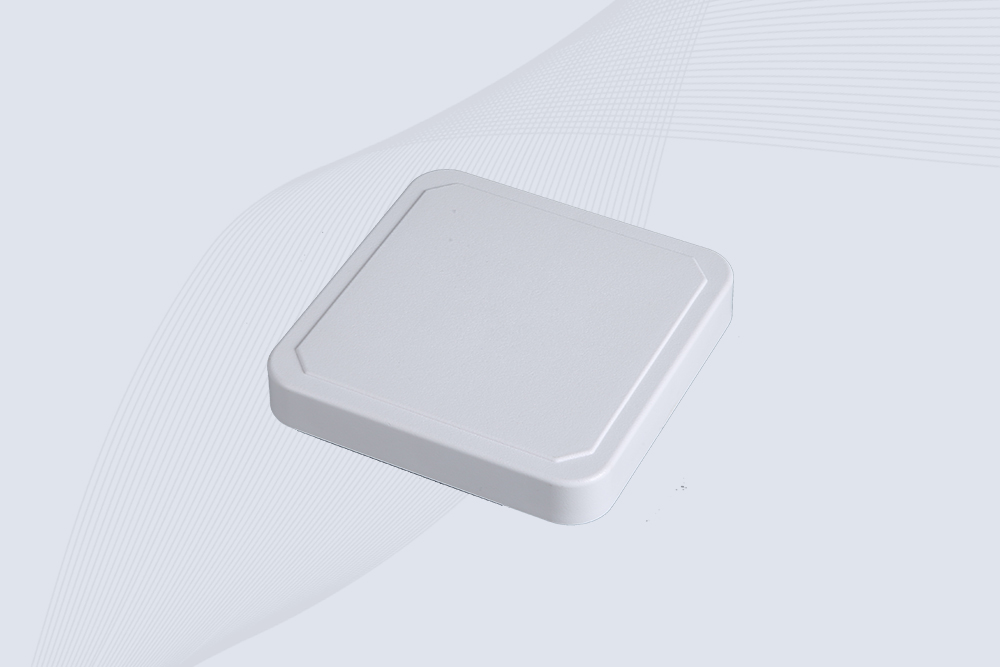
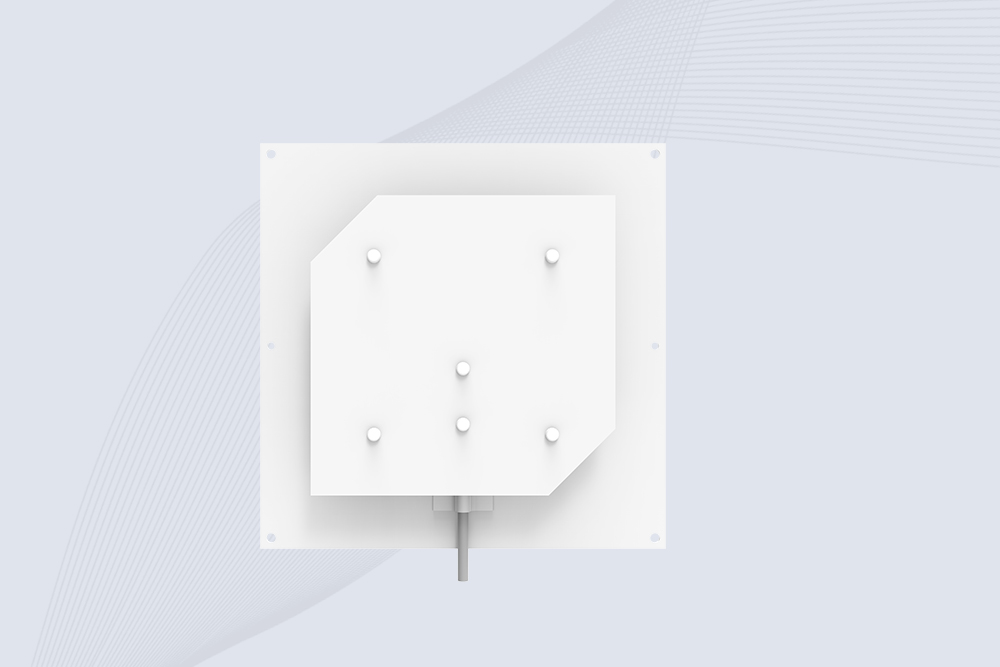
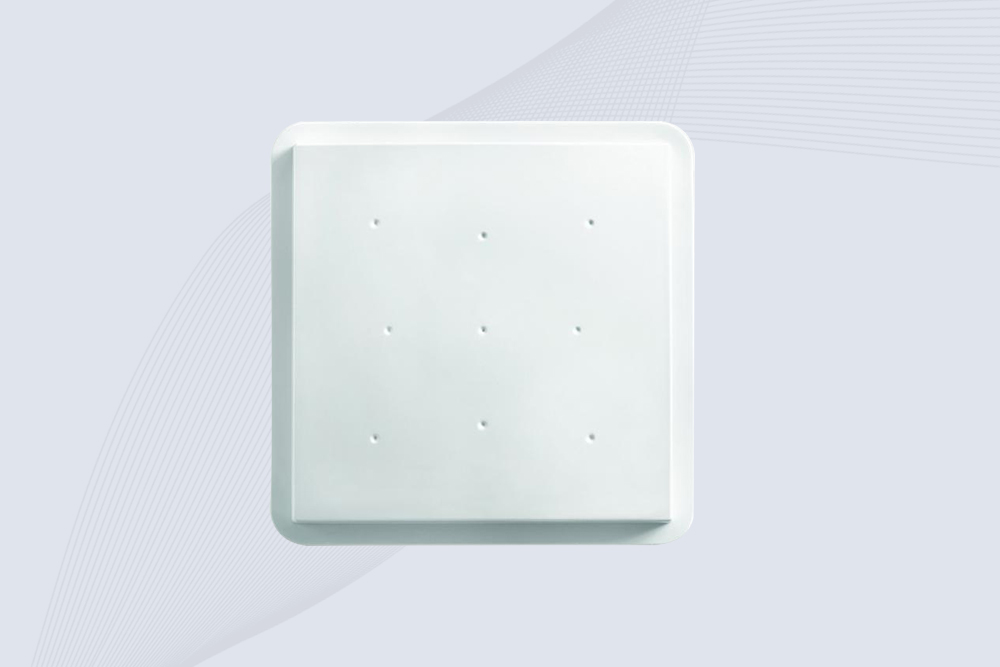
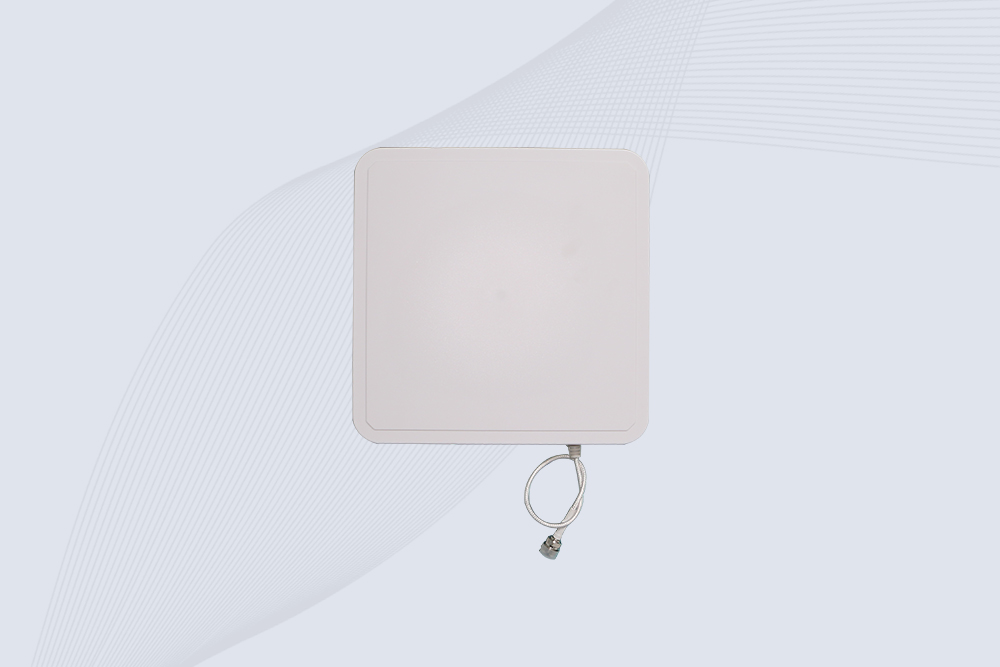

The “One-Size-Fits-All” RFID Antenna: What It Actually Means for Your Project
328Searching for one antenna for all jobs? We explore the reality behind a universal UHF RFID reader antenna, its ideal uses, and when you need a specialist.
MoreAll RFID Product
If you’ve ever peeled open an RFID label and seen that tiny silver speck, you might wonder: how do they connect RFID chip to antenna at such a small scale? This isn’t a job for a soldering iron. In reality, it’s a microscopic manufacturing feat that happens by the millions in specialized cleanrooms. The way that silicon chip gets married to its copper or aluminum foil antenna decides whether your tag will work across a warehouse or fail on the shelf.
The core challenge isn’t just making physical contact. The RFID chip is a complex little circuit with a specific electrical “personality” – its impedance. The antenna is designed to harvest radio waves efficiently. If you just stick them together, they argue. Most of the precious RF energy the antenna collects gets reflected at the connection point, starving the chip. This is why you can’t just glue a chip onto foil and expect it to work.
So, the connection zone – often a carefully designed pad or a tiny bridging structure on the antenna itself – acts as an impedance matching network. It’s a translator that ensures over 95% of the harvested energy flows smoothly into the chip. Every millimeter of that antenna trace near the chip is part of this calculation.
In the factories that produce the tags you buy, there are two dominant RFID chip connection methods:
Aligning a sub-millimeter chip directly onto a flimsy, moving antenna web is incredibly hard. That’s why most manufacturers use an intermediate step: the strap.
Think of a strap as a tiny circuit board, just big enough to handle easily. The chip is first bonded (flip-chip or wire bond) to this strap, creating a robust micro-module. This strap, now a manageable component, is then attached to the main antenna using conductive epoxy or a solder paste. This two-stage process drastically improves manufacturing yield and speed. When you look at a tag, the small rectangular block under the chip is often this strap.
You might think this is just factory trivia, but it directly impacts your RFID project’s success. The quality of this connection defines:
We’ve seen projects stumble because of cheap tags where the RFID inlay manufacturing process was an afterthought. Tags would work in the lab but fail after a week in the field because the microscopic connection fatigued and broke.
At CYKEO, we source tags from partners who master this invisible art. We know that how to connect RFID chip to antenna isn’t just a technical step—it’s the foundation of reliability. When we recommend a tag, we’ve vetted the manufacturing behind that critical, hidden handshake. It’s what turns a radio-wave idea into a tool you can trust.
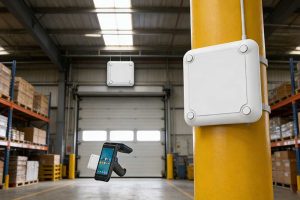
Searching for one antenna for all jobs? We explore the reality behind a universal UHF RFID reader antenna, its ideal uses, and when you need a specialist.
More
Need to track tools across sprawling construction sites? Discover rugged UHF RFID readers that survive dust, rain, and chaos while scanning up to 100 ft.
More
Discover how does a RFID reader work. We explain the simple radio wave conversation between readers and tags that powers modern tracking & inventory.
More
Discover what kind of antenna RFID use for different applications. We explain coil antennas for proximity and patch/dipole antennas for long-range UHF systems.
More