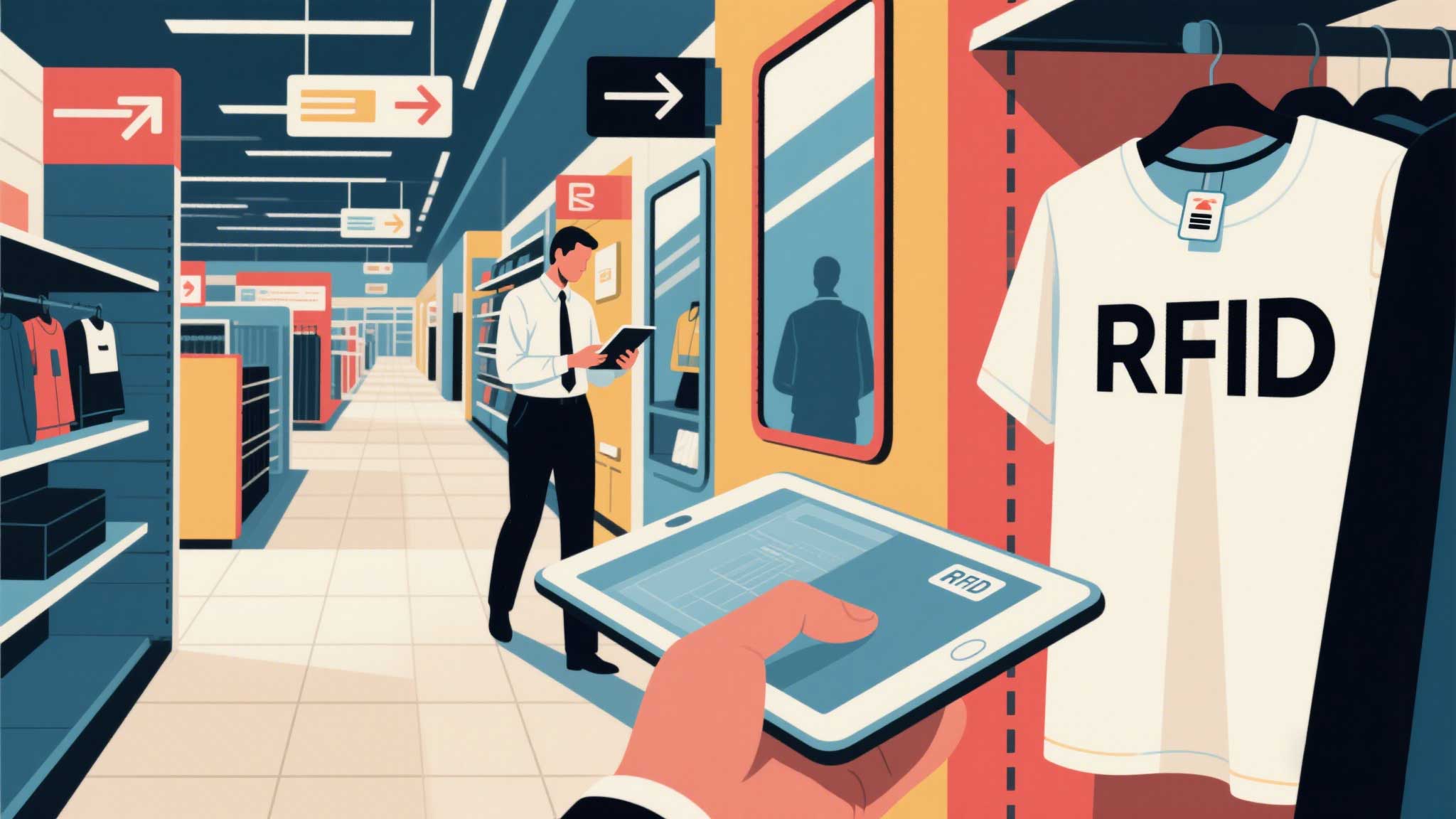
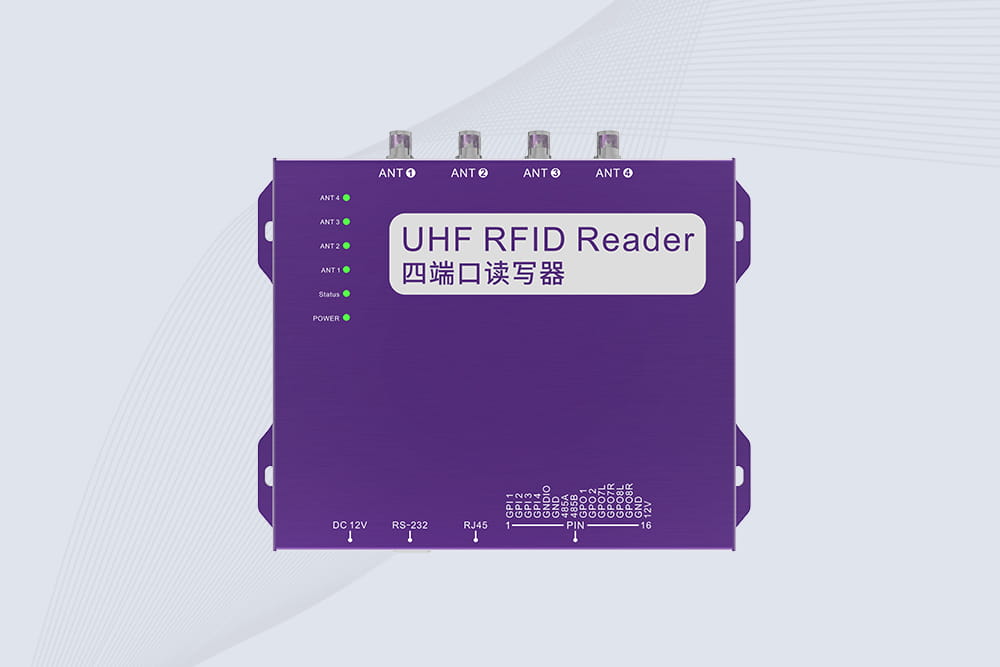
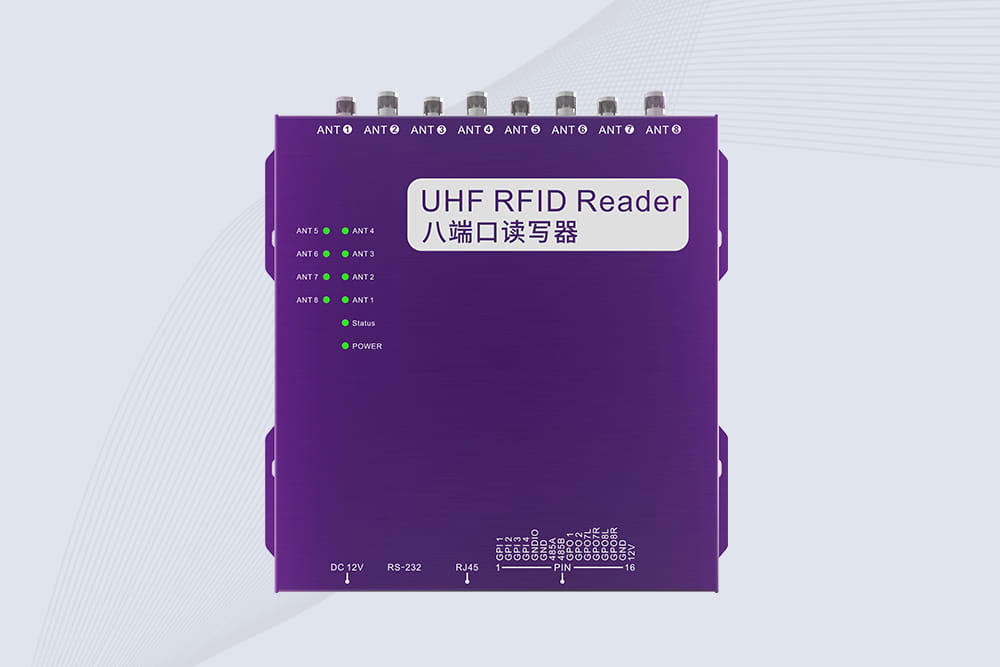
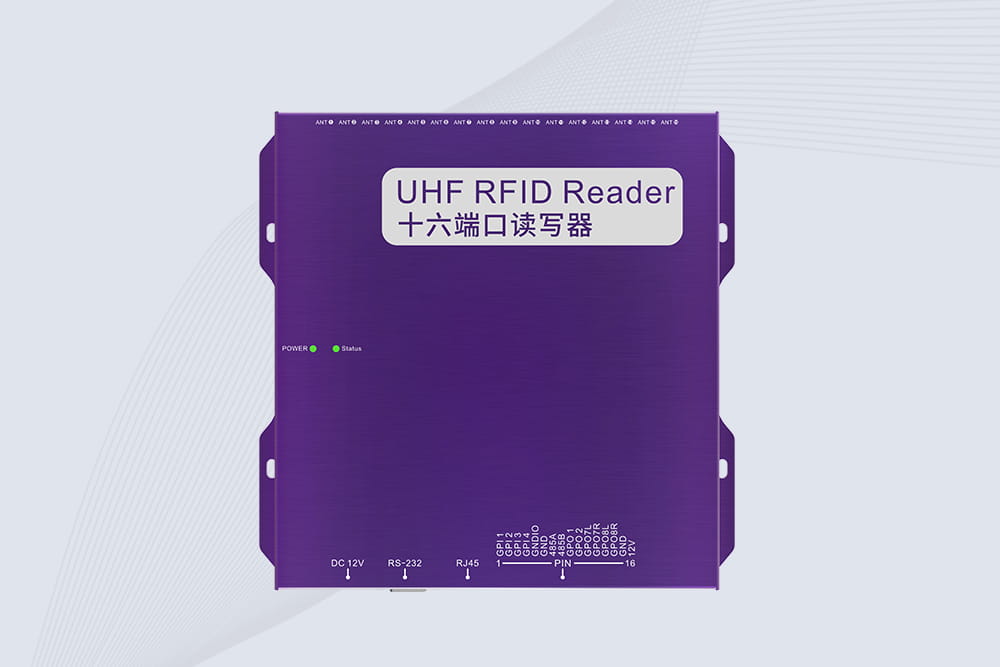
Calculating the ROI of RFID implementation in retail involves quantifying upfront costs against long-term savings from improved inventory accuracy, reduced labor, and lower shrinkage. A well-structured analysis can reveal payback periods as short as 12–18 months. Below, we break down the process with formulas, real-world benchmarks, and strategies to maximize returns.
1. Identify Upfront Costs
Hardware:
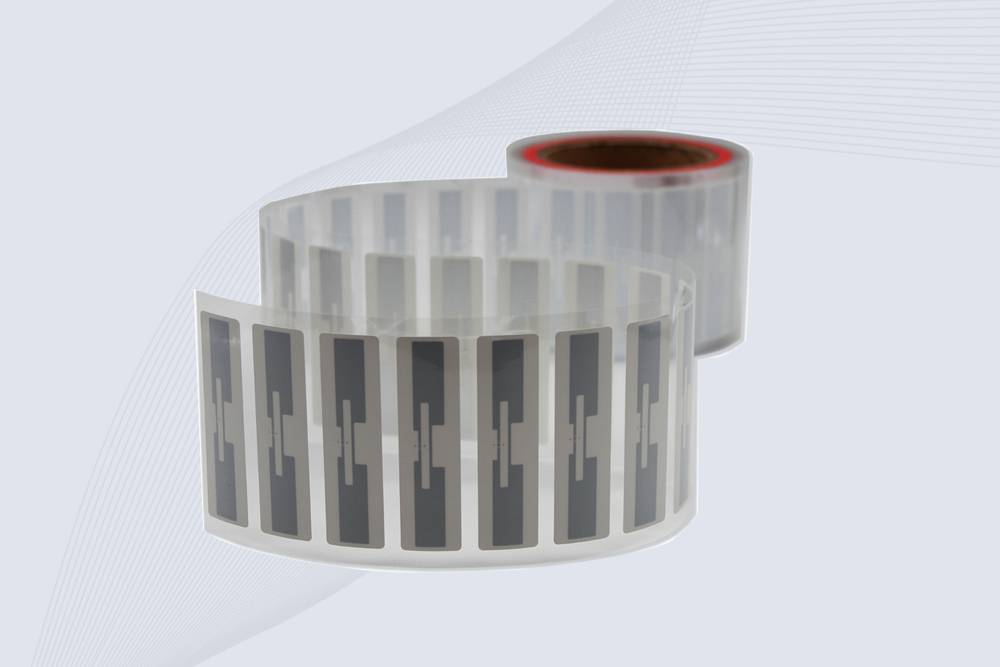
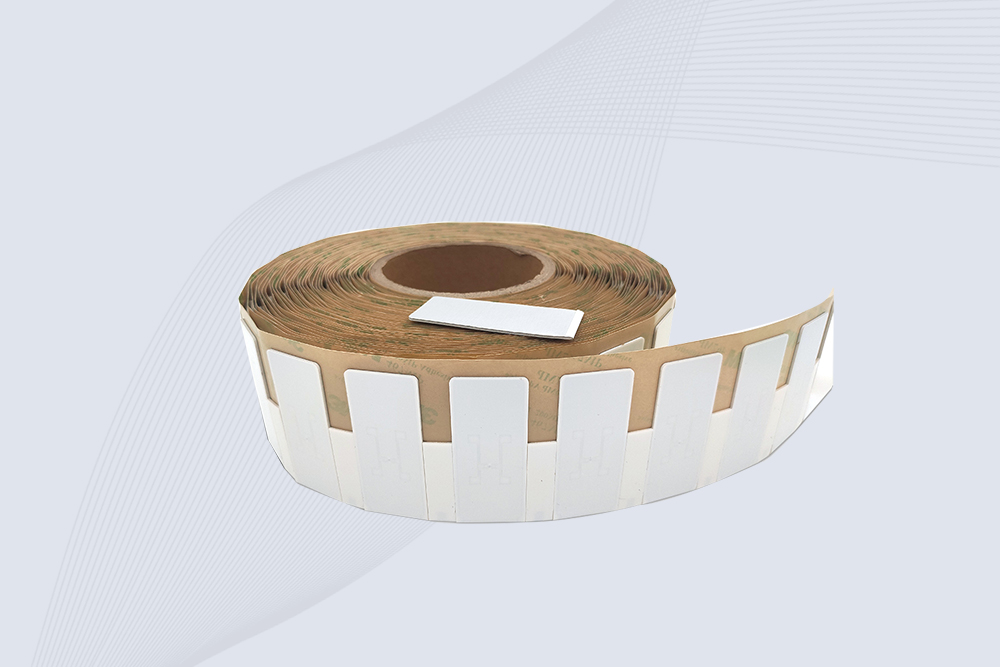
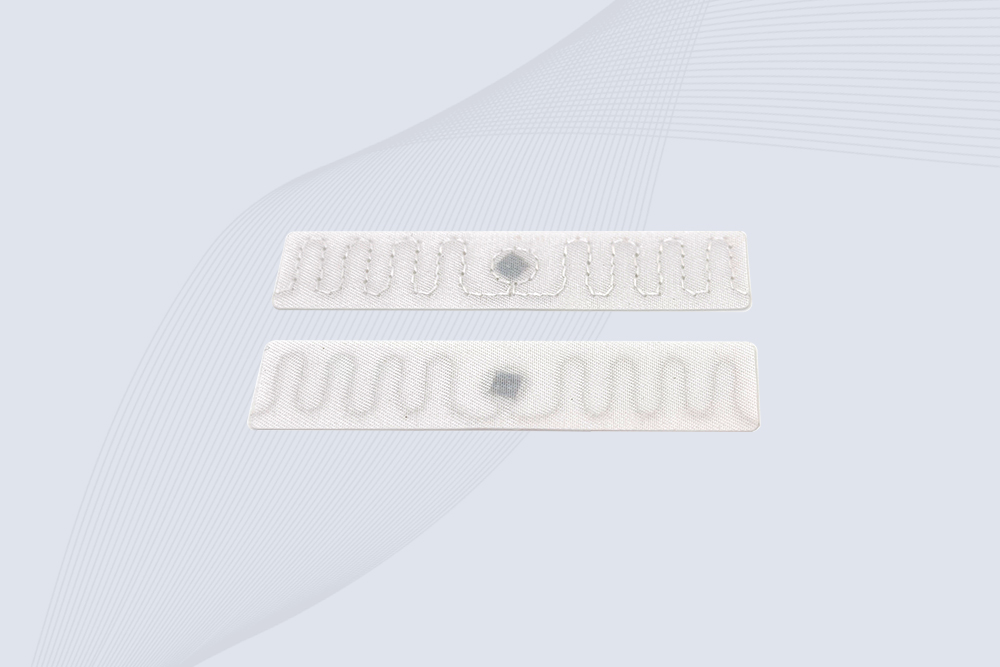
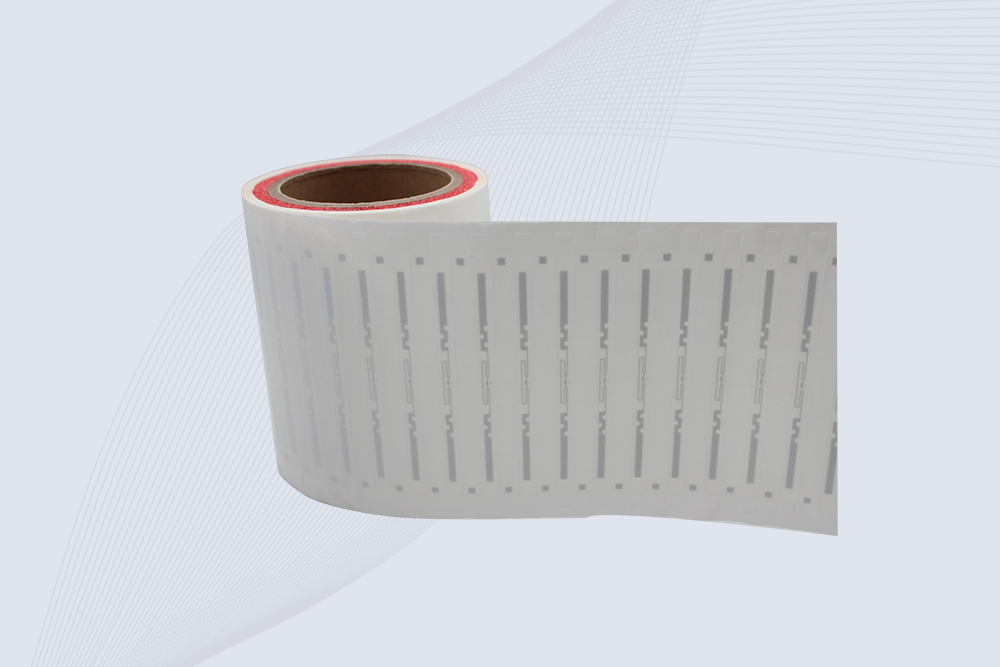
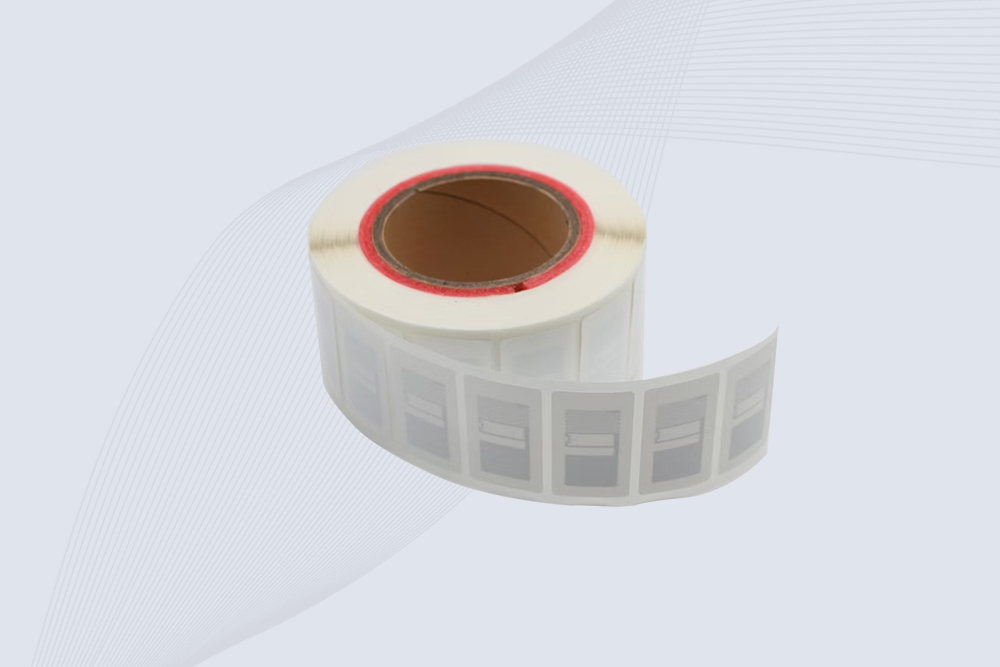
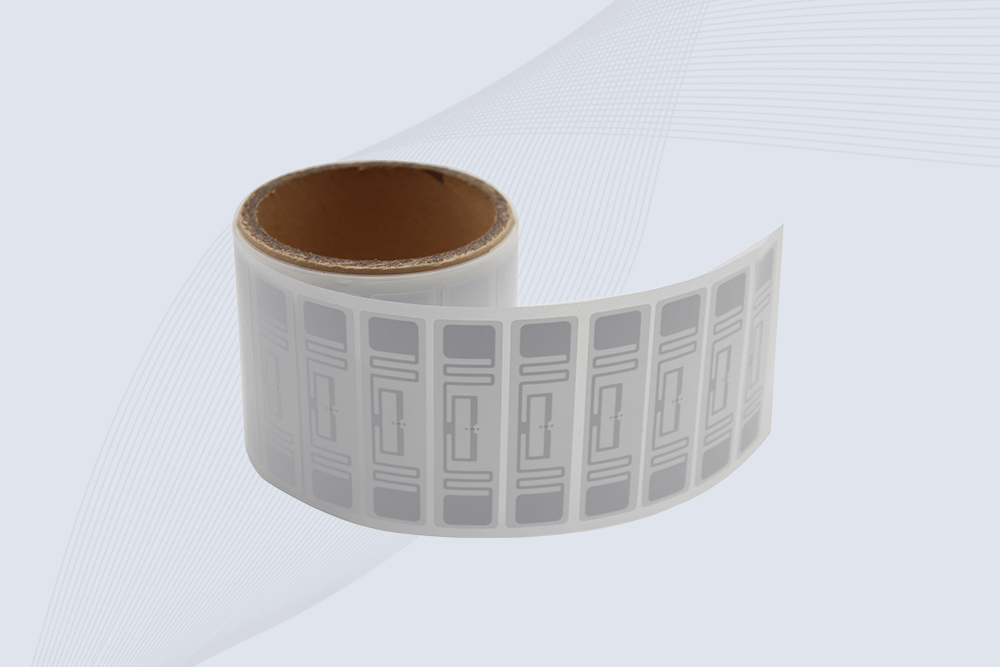
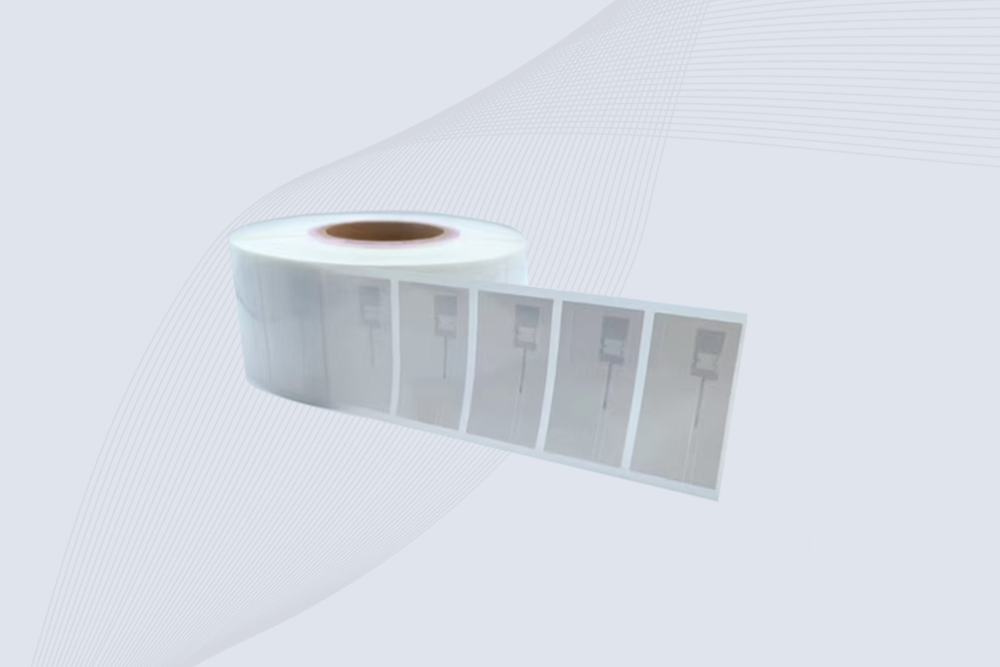
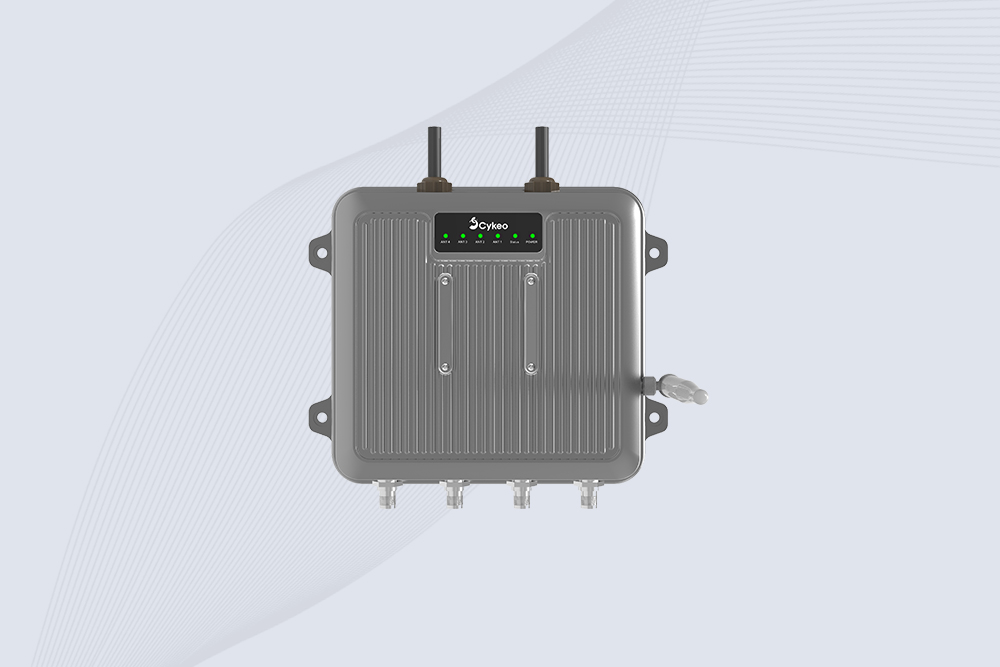
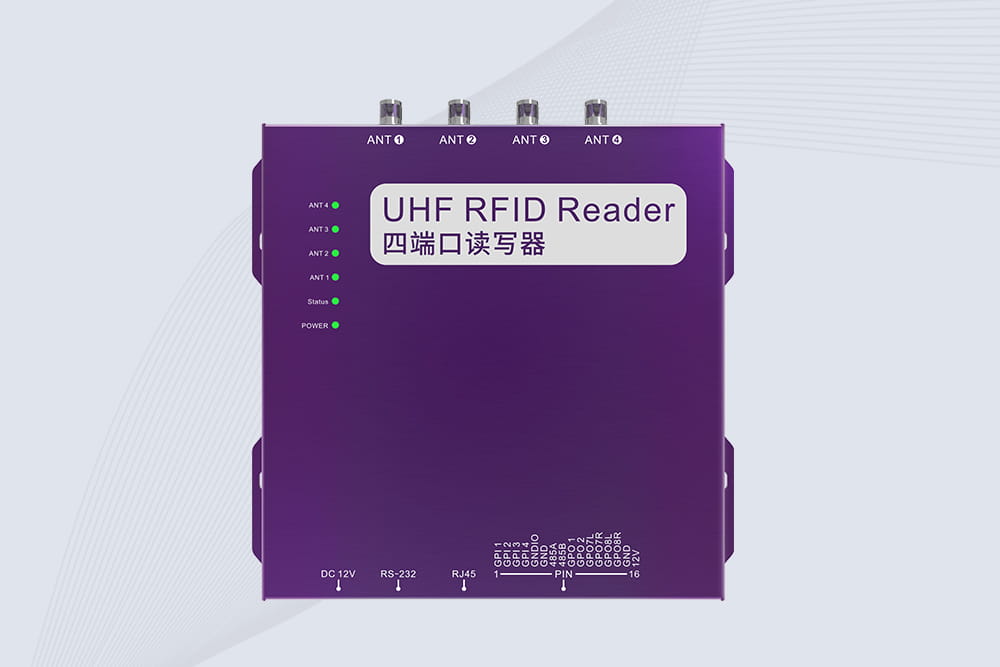
RFID tags (0.10–0.50 each), readers (1,000–4,000), antennas, and printers.
Example: A 10,000-item store needs ~15,000fortagsand8,000 for 2 handheld readers.
Software:
Inventory management platforms (200–1,000/month) and integration fees (5,000–20,000).
Labor:
Staff training (2,000–5,000) and process redesign consulting ($10,000+).
2. Calculate Annual Savings
Labor Efficiency:
RFID reduces manual counts by 70–90%. If staff spend 20 hours/week counting at 18/hour:∗∗AnnualSavings∗∗=20hrs×52weeks×18 × 0.75 = $14,040.
Shrinkage Reduction:
Retailers lose 1.5–2% of sales to shrinkage. RFID can cut this by 30–50%. Annual Savings = Annual Revenue × 1.75% × 0.4 (assuming 40% reduction). For a 2Mstore:2M × 0.0175 × 0.4 = $14,000.
Stockout Prevention:
RFID boosts inventory accuracy to 99%, reducing lost sales by 3–7%. Revenue Gain = Annual Revenue × 5% (avg. stockout loss reduction). For 2Mrevenue:100,000.
3. Factor in Revenue Growth
Omnichannel Fulfillment:
Stores with RFID-enabled “endless aisle” see 8–12% higher online sales from in-store pickups.
Customer Experience:
Faster checkout and personalized promotions via RFID-linked apps increase basket size by 5–10%.
4. ROI Calculation Example
Category
Costs
Savings/Revenue
Upfront (Year 1)
$45,000
–
Annual Savings (Year 1)
–
14,040+14,000
Revenue Growth (Year 1)
–
$100,000
Net Year 1 Benefit
$45,000
$128,040
ROI
((128,040−45,000) / $45,000) × 100 = 184.5%
5. Accelerating ROI with Cykeo’s Solutions
Cykeo’s RetailBoost platform bundles RFID hardware, cloud software, and analytics into a fixed $35,000/year subscription. Clients like a Midwest apparel chain achieved 214% ROI in 14 months by:
Cutting shrinkage from 2.1% to 1.2%.
Reducing stockouts by 60% via real-time replenishment alerts.
Enabling staff to audit 10,000 items in 45 minutes vs. 8 hours manually.
A realistic, no-fluff guide to RFID attendance systems. Learn how RFID check-in works, where it fits, the pros and cons, and what to consider before deploying it in your organization.
Discover how RFID gate access control systems are transforming property management. Explore trends in smart entry, data-driven access control, and the integration of RFID with license plate recognition, mobile credentials, and industrial-grade rea...
Ever wonder how an RFID reader actually works? This article breaks it down in a human way — how the reader talks to tags, what happens in warehouses or metro gates, and why it’s quietly powering daily life everywhere.
RFID (Radio Frequency Identification) technology has become a crucial tool in enabling intelligent management across many industries, thanks to its contactless automatic identification capability. A typical RFID system consists of RFID tags, read...
 Cykeo RFID IoT Solution Products R&D Manufacturer