Let’s be honest — vehicles don’t just move things; they move entire businesses. And in the modern supply chain, knowing where your vehicles are and what they’re doing is as valuable as the goods they carry. That’s where the RFID vehicle tracking system steps in — quietly, efficiently, and often overlooked by those still stuck in the GPS-only mindset.
The Idea Behind RFID Tracking
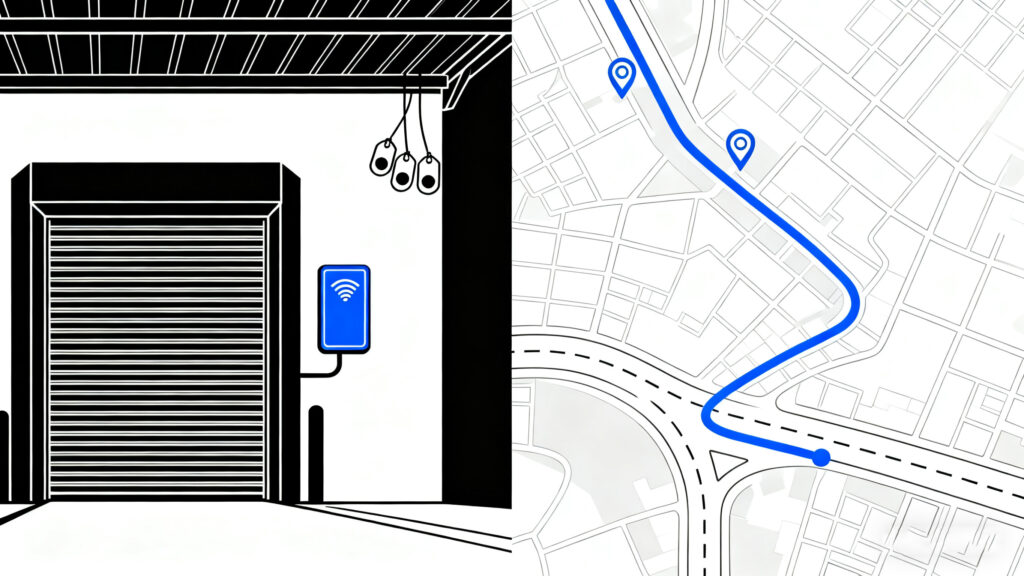
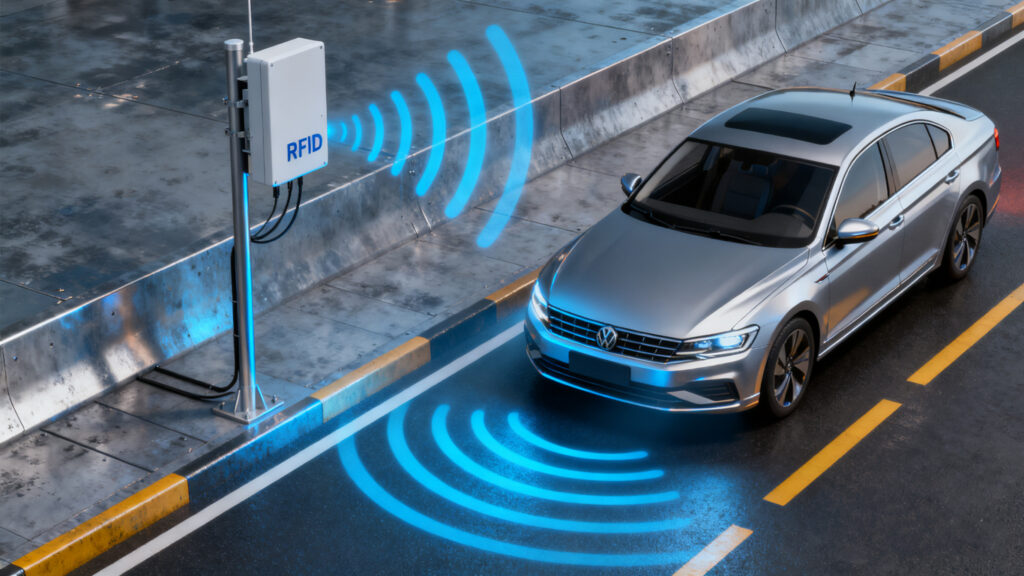
Imagine a gate that recognizes every vehicle entering a site without anyone rolling down a window or scanning a card. That’s RFID in action. Each vehicle carries RFID tag — a small, silent data carrier — that talks to fixed rfid readers installed along routes, at checkpoints, or inside depots. Every time a truck passes by, data is sent to a central system that logs entry, exit, and even timing patterns.
What’s clever here isn’t just “where the vehicle is,” but how that data connects to the entire operation — security, scheduling, and maintenance can all be automated with this real-time visibility.
RFID vs GPS: The Unexpected Battle
It’s tempting to think GPS tracking is all you need. But RFID plays a different game. GPS tells you where something is — RFID tells you what’s happening when it gets there.
GPS struggles indoors or in dense industrial zones, while RFID thrives in such controlled environments — parking facilities, factories, ports, warehouses. It doesn’t rely on satellites; it relies on smart positioning and data triggers. RFID systems also tend to be more cost-effective when scaled for hundreds or thousands of vehicles within defined perimeters.
Why Businesses Are Quietly Switching to RFID
Because data beats guesswork. Fleet managers are realizing that RFID doesn’t just track; it streamlines. When every truck has a digital fingerprint, companies can automate gate access, monitor loading bays, and prevent theft or misplacement of vehicles and cargo.
It’s not glamorous, but it’s powerful. For example, in large logistics yards, RFID eliminates manual check-ins and reduces idle time. Trucks don’t queue up waiting for someone to verify paperwork — they move when systems say they can move.
And that’s the magic: RFID doesn’t just give information; it creates flow.
Thinking Beyond Tracking: The System’s Future
The real story of RFID isn’t about antennas and tags — it’s about data integration. As supply chains evolve, RFID systems are merging with AI-based analytics and IoT platforms. Imagine predicting vehicle movement patterns or detecting unusual routes automatically.
In a future where logistics must be both fast and traceable, RFID vehicle tracking systems might quietly become the nervous system of industrial mobility.
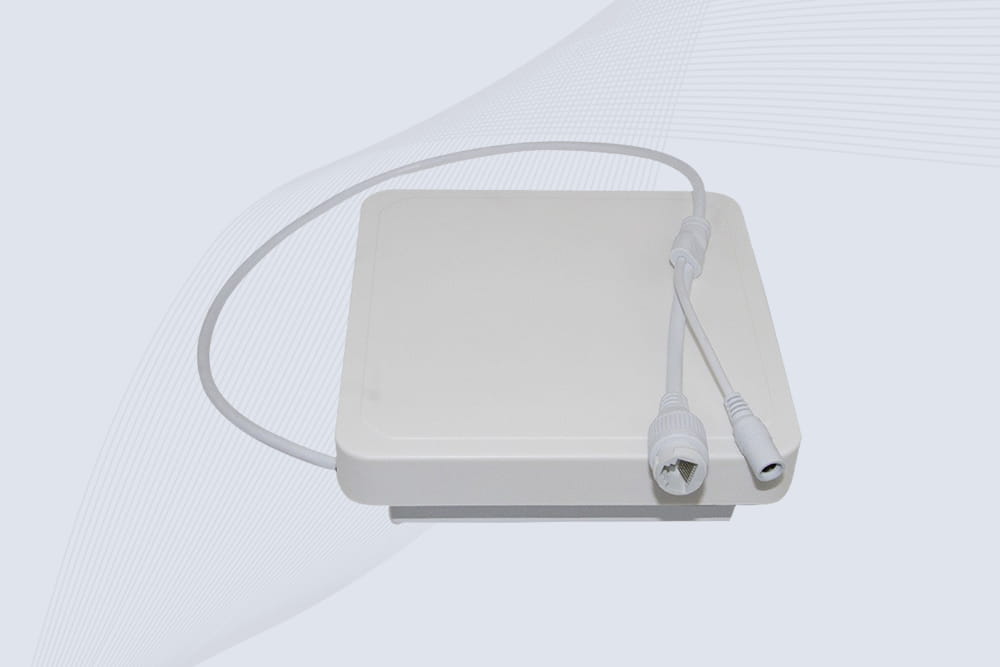
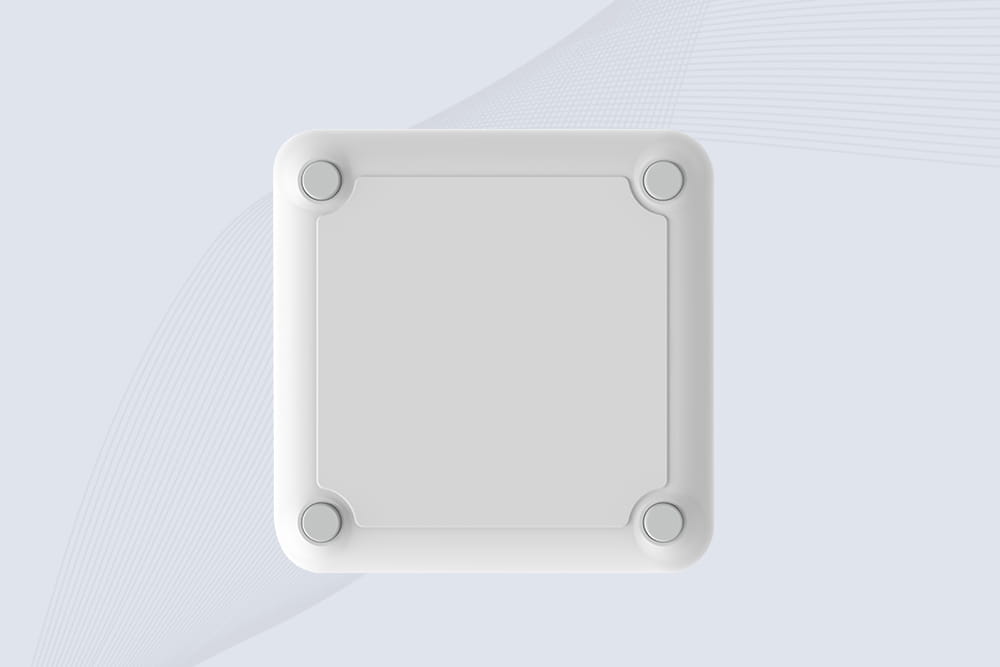
Cykeo’s industrial long range RFID reader delivers 20-meter scanning, 500+ tags/sec speed, and IP67 waterproof design for automated warehouses, logistics, and harsh environment applications.
Cykeo’s CYKEO-RA6L industrial RFID long range reader features 20m read distance, 500 tags/sec speed, and IP67 protection. Ideal for warehouse automation, manufacturing WIP tracking, and smart logistics. Supports ISO 18000-6C/6B protocols.
CYKEO Long Range RFID Tag Reader built for outdoor and industrial operations. This Outdoor RFID Reader delivers 20m read distance, fast tag processing, and IP67 durability for wide-area tracking.
Cykeo CYKEO-RA12L industrial Long Range RFID Reader delivers 20m read range, 200+ tags/sec scanning, and IP67 protection for manufacturing/logistics applications. Supports ISO 18000-6C/GB protocols.
Understand passive RFID range capabilities across frequencies (LF, HF, UHF). Learn how to optimize read distances for inventory, assets, and access control with Cykeo solutio
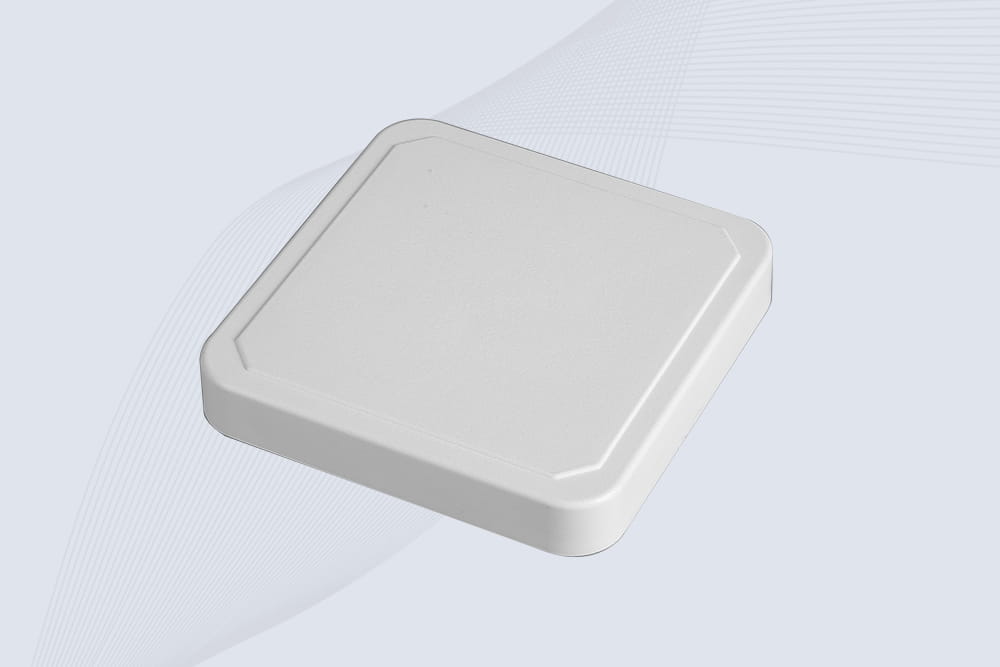
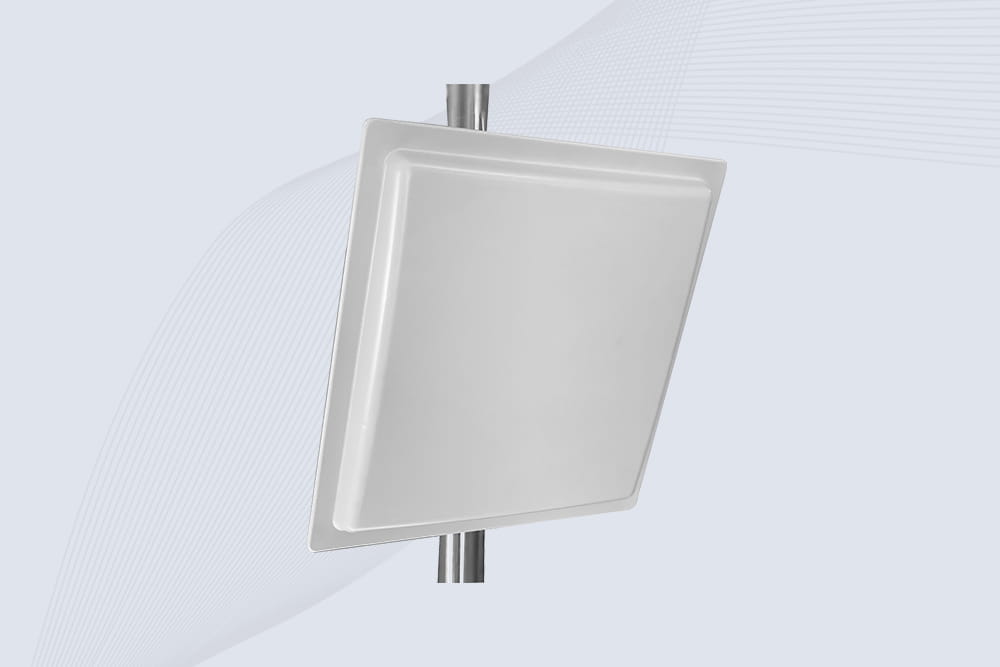
The CYKEO CK-A9 UHF RFID Antenna delivers stable long-range performance with high gain, low VSWR, and rugged outdoor-ready construction. Ideal for warehouses, access control, logistics, and intelligent inventory systems.
 Cykeo RFID IoT Solution Products R&D Manufacturer