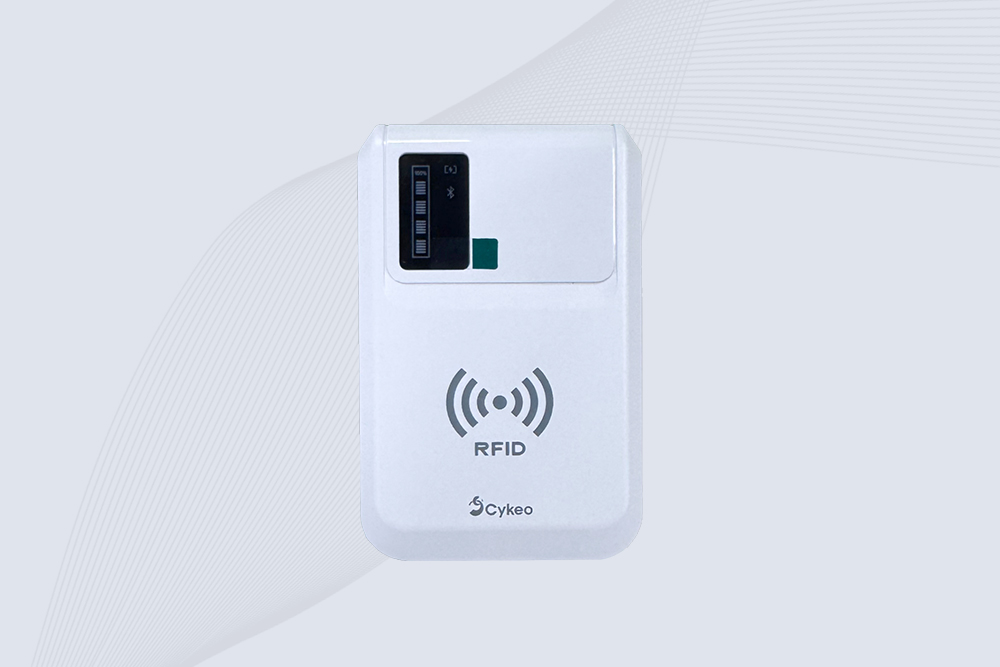
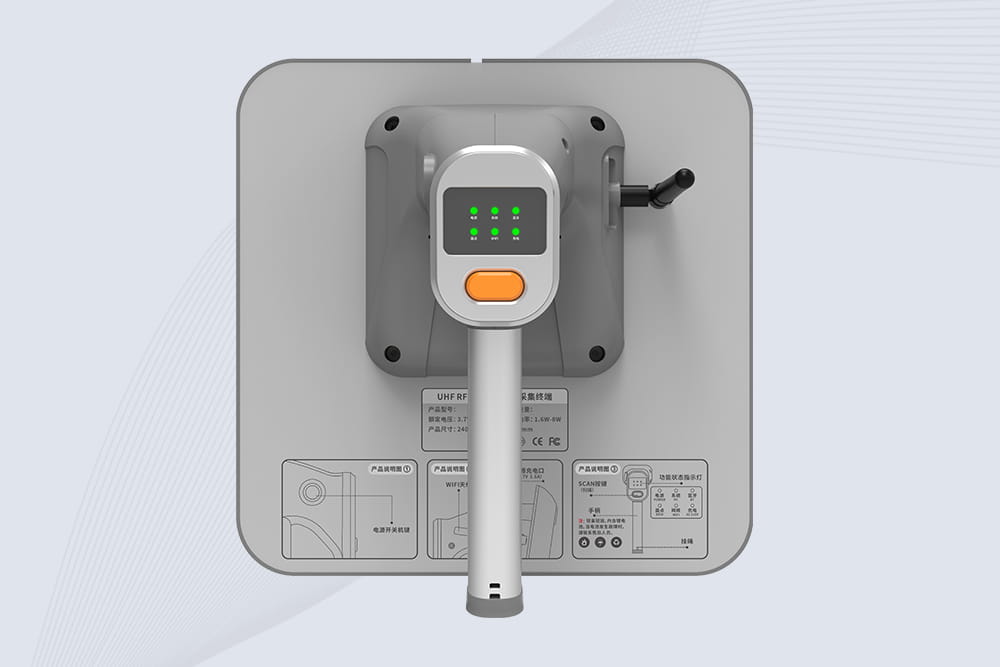
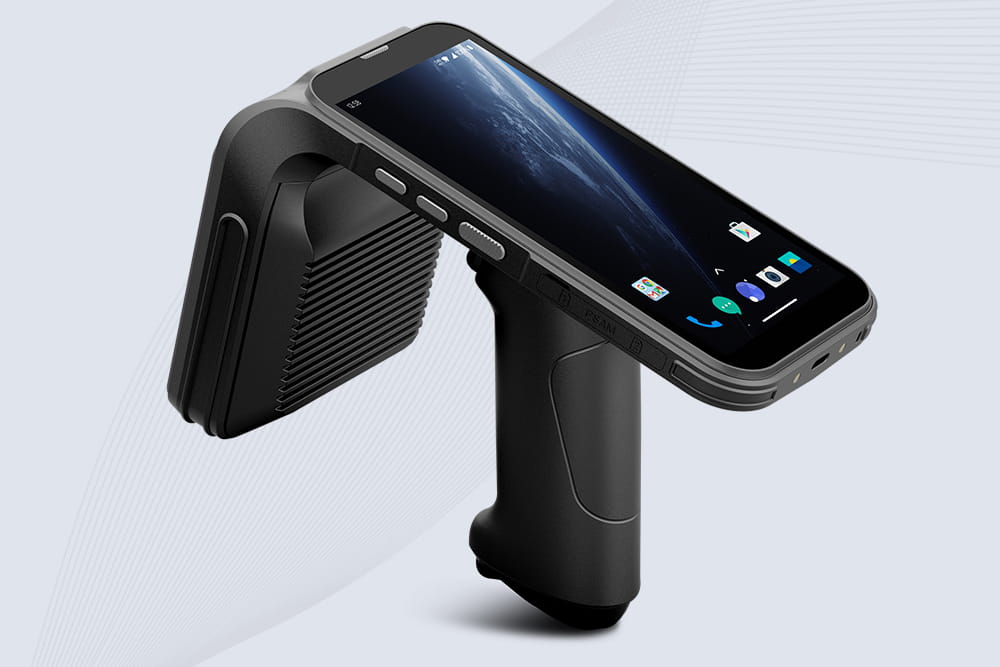
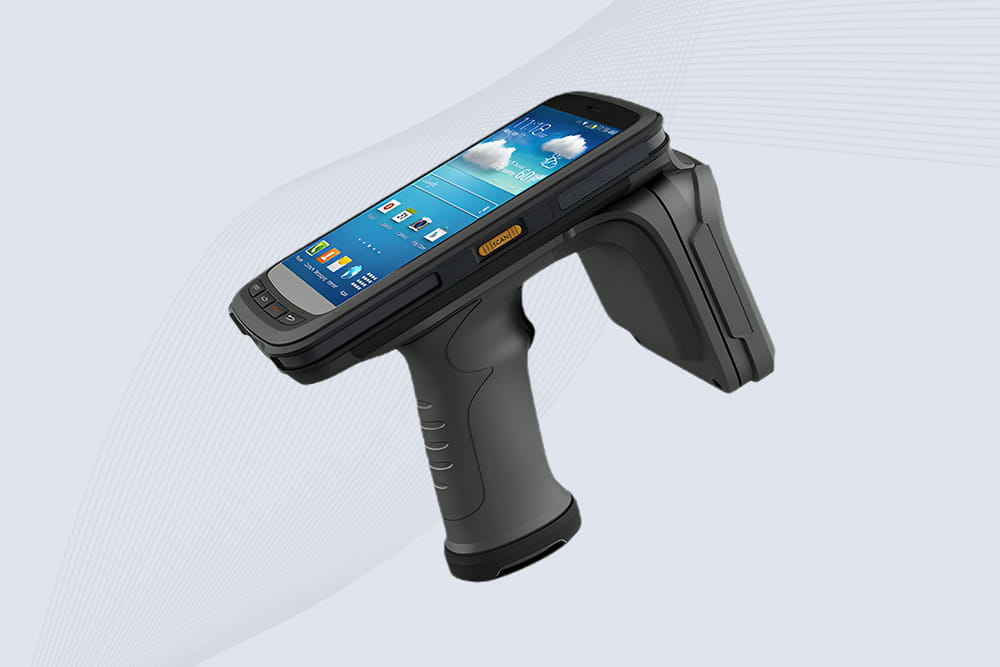
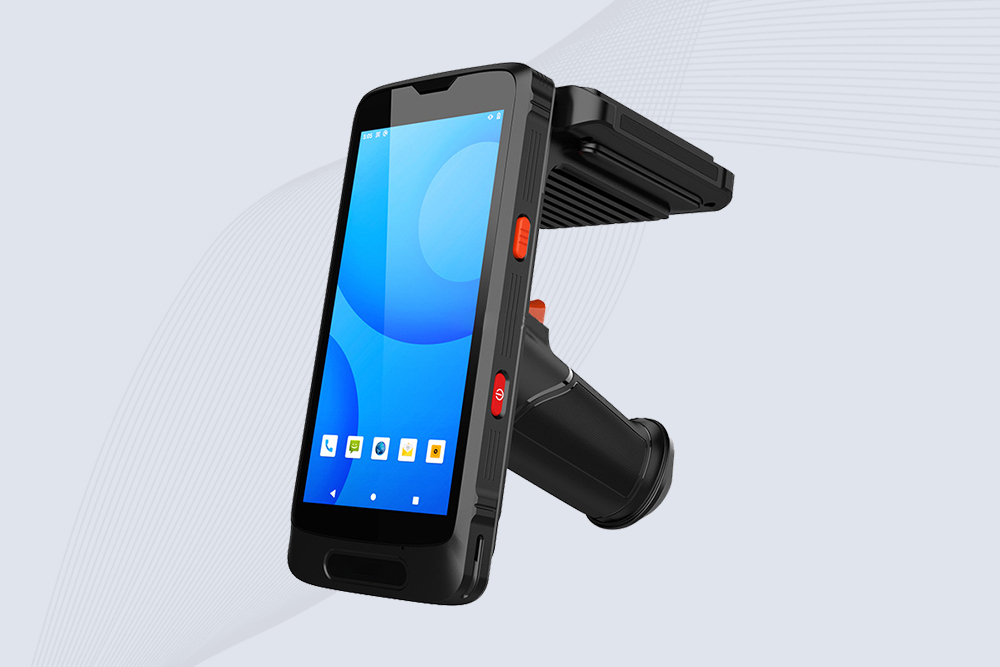
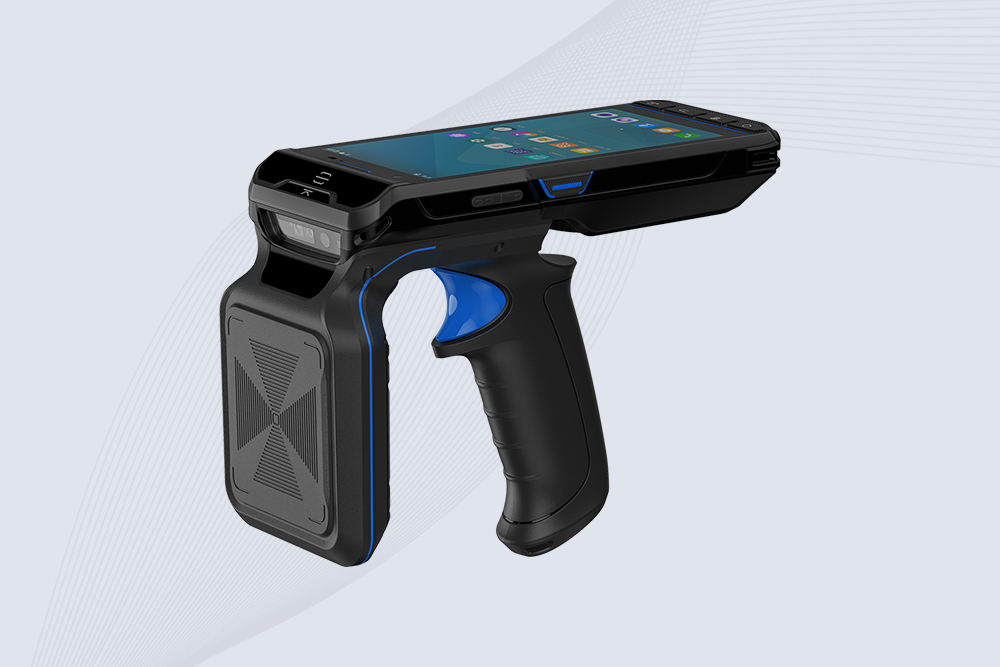
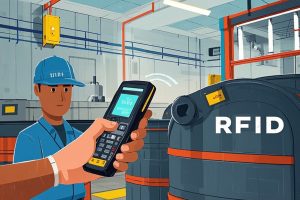
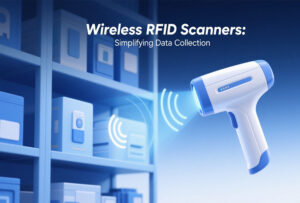
With the digitalization of global trade, RFID (Radio Frequency Identification) technology has become a key tool for improving efficiency in supply chain management, logistics, and transportation. How RFID Scanners Work – In the following sections, we will explore in depth the working principles, application scenarios, and advantages of RFID scanners.
Basic Working Principle of RFID Scanners
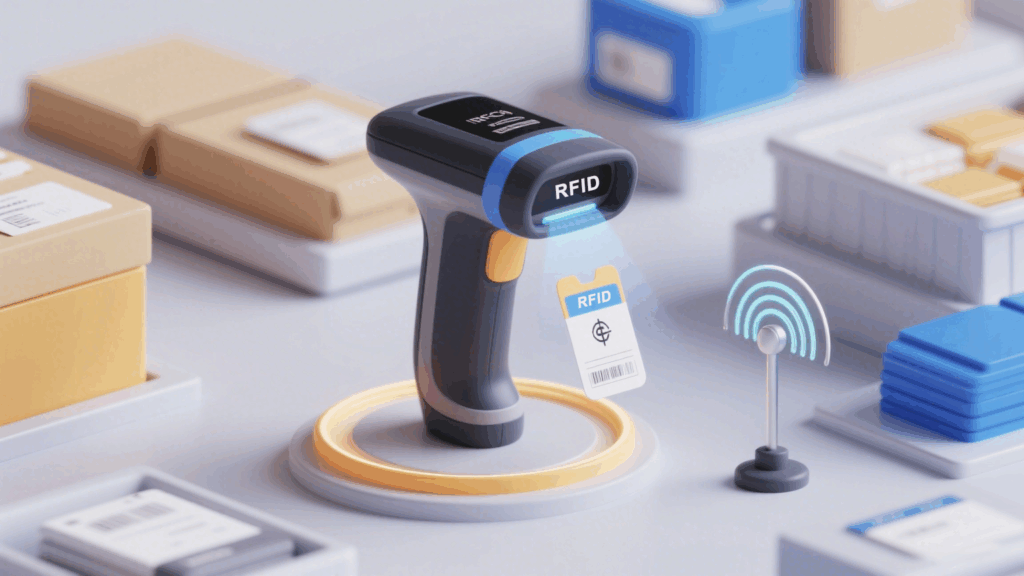
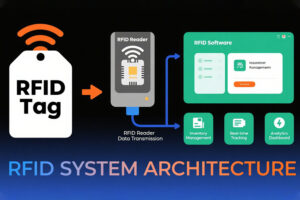
RFID scanners operate based on electromagnetic induction and wireless communication technology. A complete RFID system consists of three core components: Tag, Reader (the scanner), and Antenna.
The tag contains a chip and an antenna. The chip stores a unique identification code. The reader transmits a radio frequency (RF) signal through the antenna. When the tag enters the coverage area of the RF signal, its antenna receives energy and activates the chip. The chip then modulates the stored data and sends it back via the antenna. The reader captures this return signal and decodes it, thereby enabling identification and data retrieval of the tagged object.
Working Process of an RFID Scanner
Signal Transmission: The reader transmits radio frequency (RF) signals via the antenna, generating an electromagnetic field in the surrounding space.
Tag Activation:
When passive tag (without internal battery) enters the electromagnetic field, it draws energy from the signal through electromagnetic induction to power up the chip.
An active tag (with internal battery) actively sends signals to the reader.
Data Transmission: Once activated, the tag encodes its stored data and transmits it via its antenna as an RF signal to the reader.
Signal Reception and Decoding: The reader receives the signal sent by the tag and decodes it through its internal decoding circuit, converting it into computer-readable information such as product ID, batch number, etc.
Information Processing: The reader sends the decoded information to the backend system for data storage, analysis, and management.
Extensive Application Scenarios of RFID Scanners
Thanks to their advantages such as contactless operation, multi-target identification, and long-distance reading, RFID scanners play a vital role across various industries.
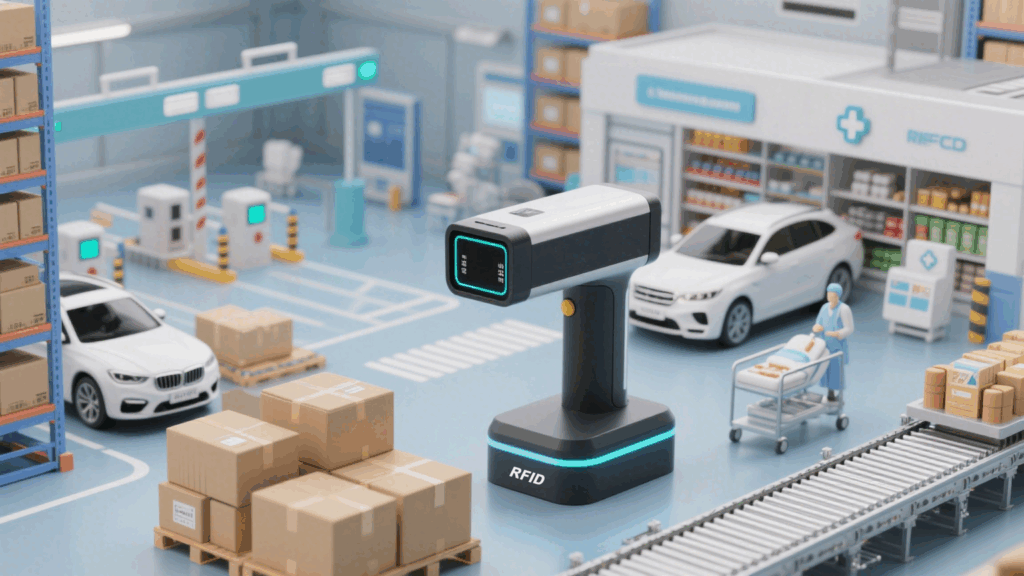
In logistics and warehousing, they enable rapid inventory checks and efficient inbound/outbound management, significantly reducing manual labor time. In the retail sector, RFID is used for anti-theft, real-time inventory monitoring, and enhancing the shopping experience.
In manufacturing, RFID tags help track production processes, optimizing supply chain management. Additionally, RFID scanners are widely used in transportation management (e.g., highway ETC toll systems) and healthcare (e.g., patient identification, medication traceability).
Core Advantages of RFID Scanners
High Efficiency: Capable of identifying multiple tags simultaneously, enabling batch processing. Compared to barcode scanning, RFID improves efficiency by several times.
High Accuracy: Not affected by environmental factors such as dust or stains, ensuring a high rate of accurate data reading.
Long-Range Identification: Some high-performance RFID scanners can read tags from several meters or even tens of meters away.
Large Data Capacity: RFID tags can store extensive product information, including production date, batch number, user instructions, and more.
Key Considerations When Choosing an RFID Scanner
Choosing the right RFID scanner is crucial for users. Important factors to consider include:
Operating Frequency (LF, HF, or UHF – each suited to different applications)
Reading Distance
Data Transmission Method (wired or wireless)
Protection Rating (to suit various environmental conditions)
Additionally, selecting supplier that offers strong after-sales service and technical support can ensure smooth operation and long-term reliability.
As global digitalization advances, RFID scanners will see even broader applications. If you’re interested in RFID scanner products, feel free to contact us for professional solutions and high-quality service!
Discover whether handheld RFID readers can scan through metal or liquid containers. Learn about anti-metal tags, UHF limitations, and best practices for reliable detection.
Discover what an RFID inventory system is, how it automates tracking, its benefits over barcodes, and real-world applications. Optimize your operations with Cykeo.
How wireless RFID scanners work, their main types, key features, and real-world applications. A practical guide to RFID technology for inventory, retail, and access control.
 Cykeo RFID IoT Solution Products R&D Manufacturer