 Cykeo RFID IoT Solution Products R&D Manufacturer

Can an RFID Reader Read Multiple Passive RFID Tags at Once?
1439Discover how RFID readers scan multiple passive tags simultaneously using anti-collision technology. Learn best practices and Cykeo’s solutions for bulk tag reading.
MoreAll RFID Product
RFID chips are used to identify and track products, equipment, cards, and other objects through radio-frequency communication. When a compatible reader detects an RFID tag, it retrieves the tag’s available data and sends it to software for tasks such as inventory updates, access control, asset tracking, and automated identification.
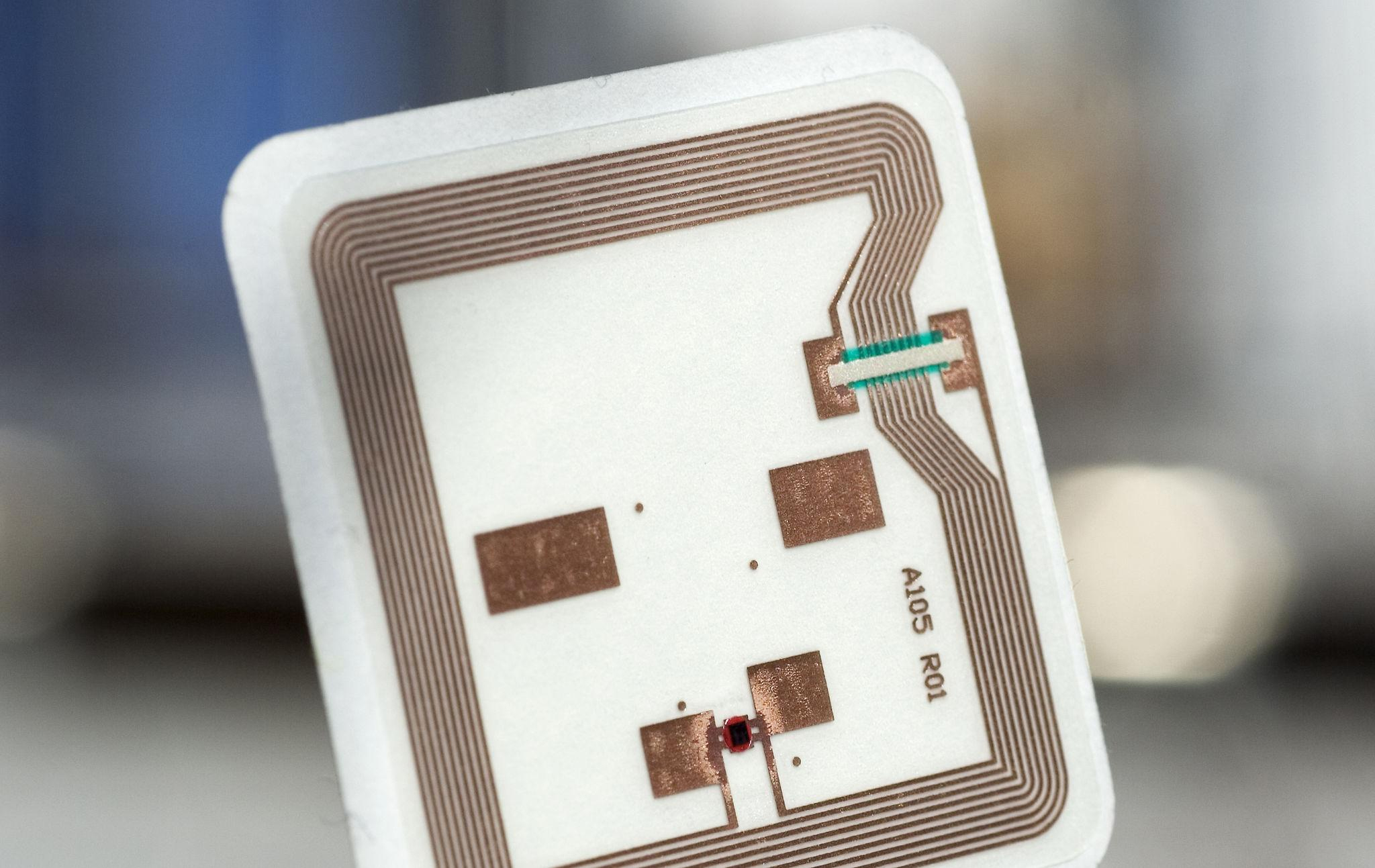
The chip itself is only one part of the system. An RFID application also depends on the tag antenna, reader, communication protocol, and software that interprets the data. A tag attached to a warehouse carton, for example, can help identify the carton during receiving, storage, and shipping, provided the reader and application are configured for that workflow.
This distinction explains why RFID is used in so many different industries. The technology can support anything from identifying a single employee credential at a door to reading many tagged products during an inventory count. The hardware and operating method change with the job.
An RFID chip stores and processes information used in radio-frequency identification. Depending on the design, it may contain a unique identifier, additional application data, or security-related functions. It is typically connected to an antenna within an RFID tag, card, label, or embedded device.
When a compatible reader sends a radio signal, the tag responds according to its technology and protocol. The reader converts the response into digital data, which an application can use to identify the object or trigger a business process.
For most passive RFID tags, the chip does not need its own battery. It receives energy from the reader’s electromagnetic field and uses that energy to communicate. Active RFID devices, by contrast, use an onboard power source.
GS1 provides technical background on RFID operation and product identification through its RFID standards resources. These standards are particularly relevant to organizations using RFID to identify products and share supply-chain information.
Stores an identifier or other supported data and performs the functions provided by its integrated circuit.
Enables communication with the reader. Its design and placement influence read performance.
Sends and receives radio-frequency signals and converts tag responses into data.
Associates the identifier with an item record and decides what happens next, such as updating stock or checking an access permission.
The four components serve different purposes. A reader can successfully detect a tag while the software still fails to update the right record. Likewise, a well-designed database cannot compensate for a tag that the reader never detects. Good RFID implementation requires the complete chain to work.
RFID chips are used wherever objects need to be identified, located within a process, counted, or associated with a digital record. The application depends on the object being tagged and how the organization needs to collect its data.
Inventory management is one of the best-known uses of RFID. Businesses attach RFID tags to products, cartons, reusable containers, or other stock. Readers capture tag identifiers at selected points, and inventory software uses those events to update or verify records.
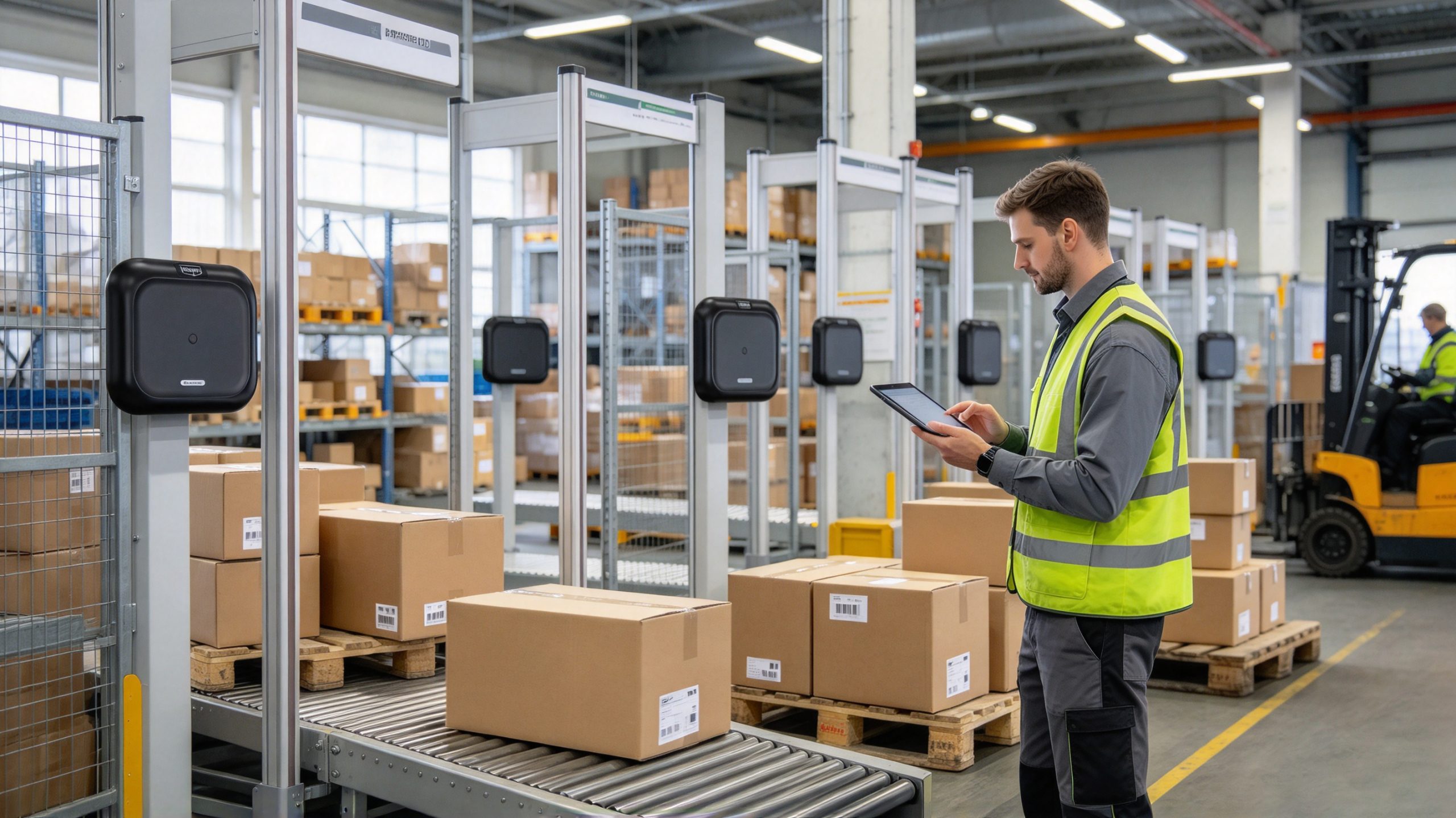
A warehouse might use RFID during receiving, put-away, cycle counting, order picking, and dispatch. With suitable UHF equipment, a reader can identify multiple tags in a read zone without requiring an employee to scan each barcode individually.
Consider a receiving dock where cartons arrive on a pallet. A barcode workflow typically requires the operator or system to scan the relevant labels. An RFID setup may read multiple compatible tags as the pallet passes through a configured portal. The software then compares the detected identifiers with the expected shipment.
The distinction is important: RFID does not automatically know whether a carton belongs to a particular purchase order. That relationship comes from the data stored on the tag or, more commonly, from a database lookup and transaction rules.
Common warehouse applications include:
RFID performance must be tested with the actual goods. Metal shelving, liquid products, tag orientation, and neighboring stock can affect read reliability. Antenna placement and software filtering need to reflect the real layout, not just the dimensions of an empty test area.
RFID chips are widely used to identify individual retail products, particularly where stores need better visibility into stock across shelves, stockrooms, and distribution centers.
An RFID label may carry an electronic product identifier that connects to a product record in the retailer’s inventory system. Staff can then use compatible readers to perform stock checks without locating and scanning every visible barcode individually.
Research provides a useful indication of what this can achieve. Hardgrave, Aloysius, and Goyal published a field study in Production and Operations Management in 2013. Their first experiment covered 13 retail stores over 23 weeks and found that RFID-enabled inventory visibility reduced inventory record inaccuracy by approximately 26%. A second experiment covered 62 stores and five product categories; results varied by category, ranging from no statistically significant improvement to an 81% improvement
These figures describe changes in inventory record inaccuracy under the study conditions. They do not mean that every RFID installation will improve inventory accuracy by 26%, nor do they represent a universal RFID chip read rate.
The practical lesson is more specific: RFID can be valuable when a business uses the additional item-level visibility to correct inventory records and improve the way stock is managed.
In apparel retail, for example, staff may need to know whether a particular size and color is on the sales floor, in the stockroom, or missing from the expected location. The chip provides an identifier; the reader captures it; and the software connects that identifier to the item’s record. The benefit depends on the system maintaining a reliable relationship between physical products and digital inventory.
RFID chips are also used in employee badges, access cards, visitor credentials, and other identification systems.
When someone presents a compatible card to a reader, the system reads the credential data and checks it against the relevant permissions. If the credential is valid and authorized for that door or time period, the access-control system can grant entry.
The card does not make the authorization decision on its own. That responsibility belongs to the access-control system.
Organizations should also distinguish basic RFID identification from stronger credential security. Some systems rely on identifiers that may be read by compatible equipment, while more security-sensitive applications use authentication and protected communication features. Choosing a card based solely on frequency or reading distance is not sufficient for a secure access-control deployment.
Typical applications include:
For these uses, compatibility with existing readers and the required security features should be confirmed before cards are purchased.
Healthcare organizations manage many different kinds of physical assets: reusable instruments, equipment, medication containers, laboratory samples, and patient-related items. RFID can help identify selected assets and associate them with digital records.
For example, a tagged piece of reusable equipment may be checked at a designated storage or return point. A compatible reader captures its identifier, and the software records the event or updates the asset’s status.
However, an RFID tag does not independently establish that an instrument is sterile, that a medicine is safe to administer, or that a sample belongs to a particular patient. Those decisions require validated workflows and appropriate records. RFID can support identification and traceability, but it does not replace clinical controls or regulatory requirements.
Tag selection is particularly important in medical environments. The tag must be suitable for its mounting surface, cleaning process, temperature exposure, and intended use. If an item is sterilized or exposed to chemicals, the tag’s materials and performance need to be verified for those conditions.
RFID chips can help businesses record the movement of products and assets at important points in a supply chain. A tagged carton, pallet, reusable container, or individual item can be identified when it passes a suitable reader location.
A manufacturer may capture a shipment event before dispatch. A distribution center may capture the arrival of a pallet. A receiving business can then compare the recorded identifiers with expected shipment information.
The key is to connect identification events with useful business context. A tag read alone does not explain whether an item was shipped, received, transferred, or returned. The application must associate the event with a location, time, business step, and relevant transaction.
GS1’s EPCIS standard supports the sharing of supply-chain visibility event data. Its framework addresses information about what happened, when and where it happened, and the business context of the event.
This distinction becomes important when multiple organizations need to exchange data. The RFID tag provides an identifier that can be captured; standards and software help turn that identifier into information that different systems can interpret consistently.
Libraries use RFID tags to identify books, media, and other items. A tag identifier can be linked to a catalog entry, allowing compatible systems to support circulation, inventory checks, and item handling.
A library’s workflow may involve registering new books, associating tags with catalog records, checking items in and out, and locating materials during inventory audits. RFID can reduce the need to align a scanner with each individual label, but the reader and library software must still correctly associate each tag with the appropriate record.
RFID is also used for reusable assets such as tool cases, returnable transport containers, and equipment assigned to staff or departments. These applications are especially useful when an organization needs to identify an asset repeatedly over its working life.
The important design decision is where to attach the tag. A tag placed on a metal tool or near liquid contents may need a design specifically suited to that surface. A standard label should not be assumed to perform consistently on every material.
RFID applications use different chip and tag technologies. Frequency, protocol, antenna design, memory, and security features all influence what a tag can do.
| RFID category | Common frequency | Typical uses | Key consideration |
|---|---|---|---|
| LF RFID | Around 125–134.2 kHz | Certain access systems and animal identification | Generally used for close-range identification |
| HF RFID | 13.56 MHz | Contactless cards, library systems, and some NFC applications | Compatibility depends on the supported card standard |
| UHF RFID | Approximately 860–960 MHz globally, depending on region | Retail inventory, warehouse logistics, and supply-chain tracking | Read performance depends on tag design, antenna placement, and the environment |
| Active RFID | Frequency varies by system | Selected tracking and monitoring applications | Uses an onboard power source |
These are broad categories rather than a compatibility chart. Two tags that operate at the same frequency may still use different protocols or security mechanisms.
For example, a UHF reader designed for compatible EPC Gen2 tags will not automatically read an HF access card. Likewise, an HF card reader may not support every type of 13.56 MHz card.
Before choosing RFID hardware, confirm the chip or tag model, frequency, protocol, memory requirements, and intended application. GS1’s RFID standards documentation is a useful starting point for EPC-based product identification.
RFID is useful for automatic identification, but it is not a complete tracking system by itself.
A passive RFID tag generally does not provide GPS coordinates or independently know where an item is. Its location is inferred from the reader or system that detects it. If a tag is read at a warehouse entrance, the system can record that event at that checkpoint; it cannot assume that the item remains there indefinitely.
Other limitations deserve attention:
The practical question is therefore not simply whether an RFID chip can be read. It is whether the tag, reader, and software can perform the required task consistently in the intended environment.
The right RFID chip depends on what needs to be identified, how far away it must be read, the surrounding materials, and the volume of items moving through the process. A chip that works well on a plastic warehouse tote may perform poorly when attached directly to a metal tool or a liquid-filled container. Selection should begin with the real operating environment—not the maximum read range advertised on a product sheet.
| RFID type | Typical frequency | Common applications | Main consideration |
|---|---|---|---|
| LF RFID | 125–134 kHz | Animal identification and selected access or identification systems | Usually short-range |
| HF RFID | 13.56 MHz | Contactless cards, selected library and item-identification systems | Short-range, controlled interactions |
| UHF RFID | Approximately 860–960 MHz, depending on region | Warehouse inventory, retail stock, logistics and bulk item identification | Read performance depends heavily on tag placement and the environment |
For warehouse or retail inventory, passive UHF RFID is often a practical choice because a reader can identify multiple compatible tags without requiring each tag to have its own battery. HF or LF may be more suitable when the application uses an established card system, a deliberately short reading distance, or a specific identification standard.
Frequency alone does not determine compatibility. Confirm that the tag, reader, regional frequency settings, air-interface protocol, and software can work together. GS1 provides information on RFID standards and their use in supply chains.
A tag’s performance can change significantly when its installation changes. Metal can detune a conventional UHF tag; water-rich products can absorb or alter radio-frequency energy. The angle of the tag, distance from the antenna, surrounding packages, and reflections from nearby structures can also affect which tags are detected.
For this reason, a sample test should use the actual item and mounting position. If inventory consists of metal tools, liquid containers, tightly packed cartons, or goods stacked on pallets, test those configurations rather than evaluating tags loose on a desk.
RFID works best when identification events are connected to a clearly defined business process. Installing readers is only one part of the project. The system also needs reliable tag assignment, sensible read zones, and rules for turning read events into useful inventory records.
Decide what the system must record: an item entering a warehouse, a carton passing a portal, a tool being issued, or a product being checked out. These are different events and may need different antenna positions, software logic, and verification steps.
For example, a receiving portal should distinguish items entering the receiving area from items already stored nearby. Without a controlled read zone, a reader may detect tags outside the intended process and create confusing records.
Run tests with the actual tags, reader, antenna arrangement, packaging, and operating speed. Measure more than whether a tag can be read once.
Record:
Repeated RF reads are not necessarily repeated inventory movements. Application logic should distinguish raw tag observations from confirmed business events.
An RFID tag identifier is not automatically a complete product record. The application generally needs a database or business system that maps the identifier to an item, SKU, asset, shipment, or other relevant information.
For supply-chain visibility, GS1 EPCIS provides a standard for sharing event information, including what happened, when and where it happened, and the business context of the event.
Choose a baseline before rollout. Depending on the application, useful measures may include cycle-count time, inventory record accuracy, missing-item investigations, receiving throughput, or manual scanning effort.
One field study by Hardgrave, Aloysius, and Goyal examined RFID-enabled inventory visibility in retail. Its first experiment covered 13 stores over 23 weeks and reported an approximately 26% reduction in inventory record inaccuracy. A second experiment involving 62 stores and five product categories found that results varied by category. The findings support measuring RFID in the specific workflow rather than assuming the same improvement everywhere.
Even compatible RFID hardware can produce disappointing results when the system design ignores the operating environment.
The appropriate equipment depends on whether the task involves encoding individual tags, counting many items, or detecting assets moving through a defined area.
Cykeo’s SSD-D1AL desktop RFID reader/writer is designed for near-field tag reading and writing. Its stated specifications include a maximum RF output of 33 dBm, a read distance within 30 cm, and a write distance within 10 cm. These are product specifications, not guaranteed results for every tag or setup. Confirm tag protocol and frequency compatibility before selecting it for a project.
Cykeo’s RA9L/CK-D9L family is an integrated UHF fixed-reader option with a 9 dBi antenna and RS-232/Ethernet connectivity options. This type of installation may suit defined reading points such as inventory stations or controlled material-flow areas, subject to tag compatibility and site testing.
The key selection question is not simply how powerful a reader is. It is whether the complete system can identify the intended tags, in the intended area, at the required speed, and then deliver usable data to the application.
RFID chips are used to identify tagged products, equipment, credentials, and other objects through radio-frequency communication. Common applications include inventory management, asset tracking, access control, retail operations, logistics, and automated identification. The exact use depends on the tag type, reader, software, and business process.
Most passive RFID chips do not need a battery. They obtain operating energy from the reader’s radio-frequency field and communicate by reflecting a modulated signal back to the reader. Active RFID tags use an onboard power source, while battery-assisted passive designs combine a battery with backscatter communication.
Yes. RFID does not generally require the optical line of sight needed for barcode scanning. However, this does not mean every tag can be read through every material. Metal, liquid, tag orientation, antenna design, and the surrounding environment can affect performance.
There is no single read distance for all RFID chips. LF and HF applications often operate at short distances, while passive UHF systems can typically read tags several meters away under suitable conditions. GS1 notes that UHF range can reach up to 15 meters in very special cases. The actual result depends on the tag, reader, antenna, power, and environment.
RFID chips can store identifiers and, depending on the tag, additional data. Many supply-chain systems store a unique identifier on the tag and keep detailed product information in a connected database. This can simplify updates and help multiple business systems work with the same item identity.
No. Readers support particular frequency bands, protocols, and tag types. A reader designed for UHF EPC Gen2 tags will not automatically read every LF, HF, NFC, or proprietary RFID tag. Check the reader’s supported standards and the tag’s technical specifications before purchasing equipment.
Neither technology is universally better. RFID can identify multiple compatible tags without direct visual scanning, making it useful for bulk inventory and automated tracking. Barcodes are often inexpensive and straightforward for item-by-item scanning. Some businesses use both technologies, choosing the method that best fits each workflow. GS1 publishes guidance on interoperability between RFID and barcodes.
This article is prepared for business readers evaluating RFID identification, inventory, and asset-tracking technologies. Technical statements are grounded in published GS1 guidance and the cited retail field study. Product specifications should be verified against the latest Cykeo datasheet and validated with representative tags in the intended operating environment before deployment.

Discover SSD-D4AL, a USB-HID UHF RFID reader with 4/8/16 antenna options, Impinj E710/X3M1 chipset, plug-and-play USB power, and OEM customization.
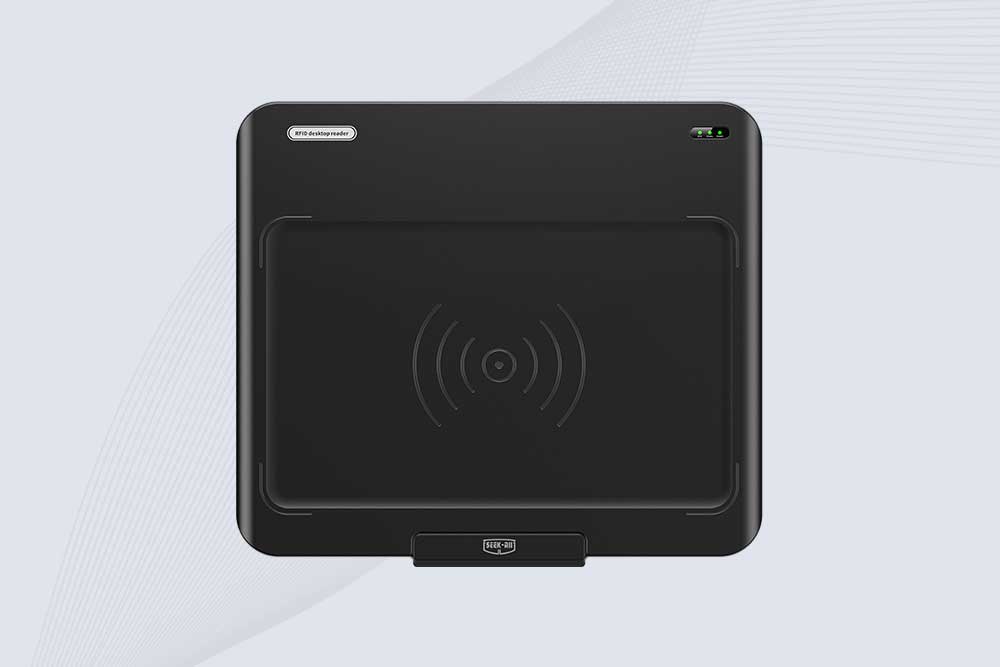
SSD-D3AL is a USB-HID UHF RFID reader with 0–30 cm reading, 0–15 cm writing, over 600 tags/s recognition, USB plug-and-play operation and OEM Logo customization.
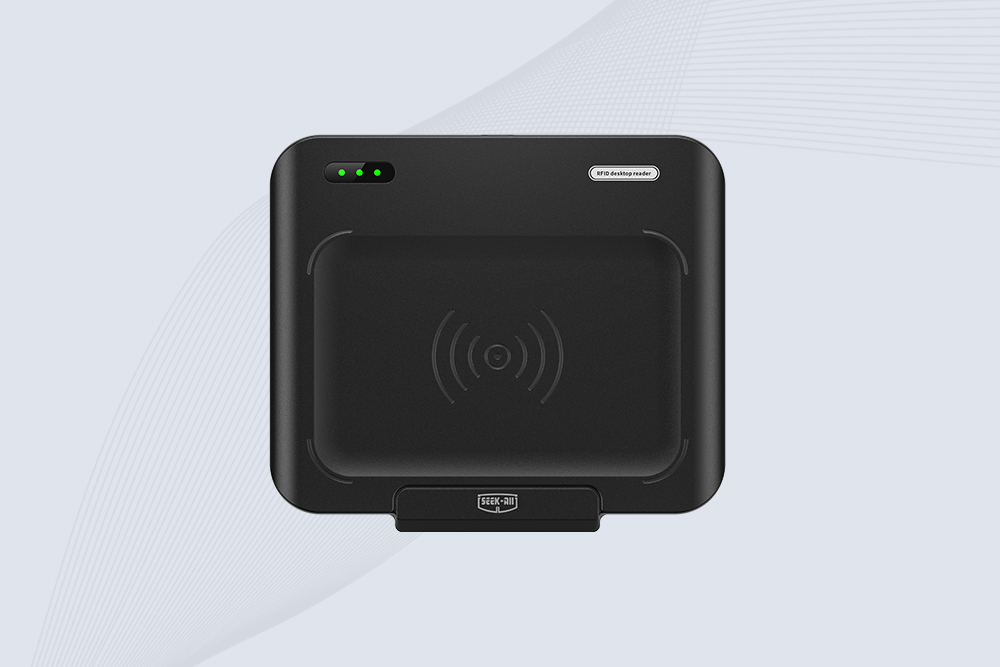
SSD-D1AL is a compact USB UHF RFID reader with Impinj E710/X3M1 chipset, USB-HID, 600+ tags/s recognition, 4/8/16 antenna support and plug-and-play USB power.

SSD-R16L Multi-Channel RFID Infrastructure for Automated Inventory Management ✔️ 16-Port High-Density RFID Reading Equipped with 16 SMA antenna ports, SSD-R16L supports multi-antenna deployment for warehouses, retail stores, logistics, production lines, and large-area RFID identification. ✔️ High-Speed & Long-Range Performance With up to 33…

SSD-R8L 8-port UHF RFID reader with 33dBm output, up to 20m reading range and 600+ tags/s recognition. Ideal for warehouse, logistics, retail and asset tracking.

SSD-R4L is a 4-port UHF RFID fixed reader with 33dBm output power, up to 20m reading range, EPC C1G2 support and 600+ tags/s reading speed.

CYKEO CYKEO-D1LA USB RFID Reader is a compact desktop solution with near-field control for precise tag reading and encoding. Powered by USB, supporting ISO 18000-6C, and built for stable batch writing, this usb rfid tag reader fits retail, libraries, offices, and controlled RFID encoding tasks.
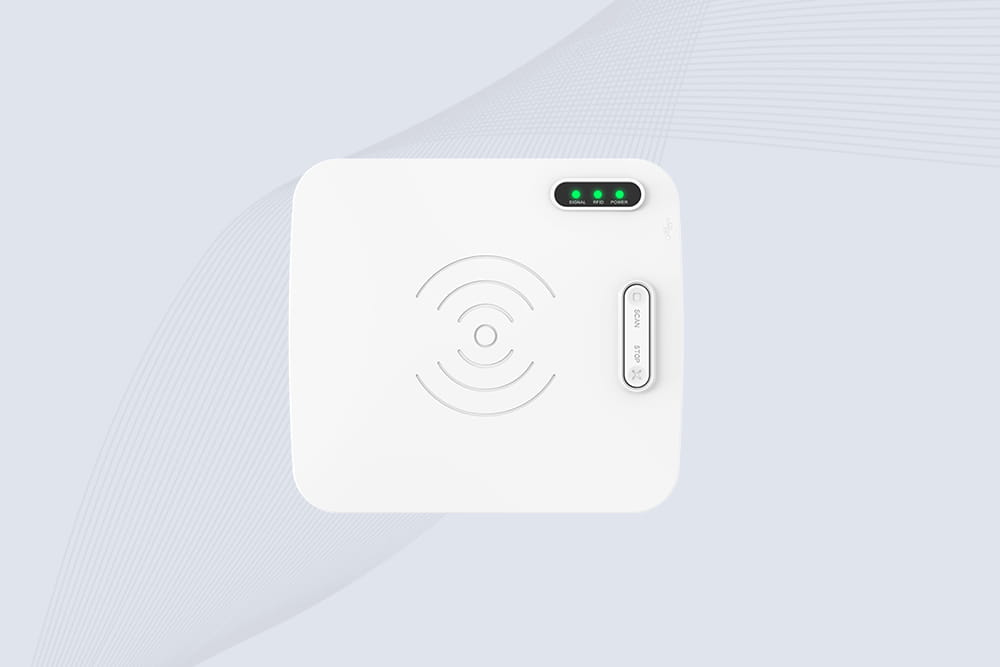
CYKEO CYKEO-D1L RFID scanner USB is a compact desktop UHF RFID scanner designed for short-range tag writing and verification. This usb rfid scanner supports batch encoding, stable 0–26 dBm output, and works across Windows, Linux, and Android systems.
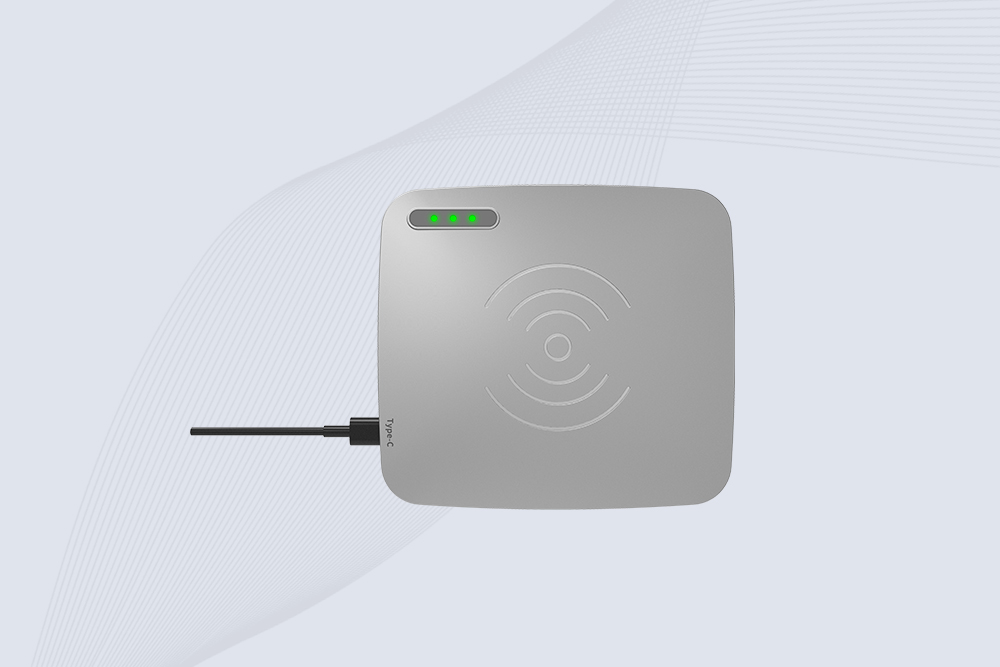
CYKEO CYKEO-D1C USB RFID Card Reader is a near-field UHF desktop writer designed for secure, short-range tag encoding. With USB-C connectivity and stable 26 dBm output, this rfid reader usb c is ideal for badge issuance, label encoding, and controlled desktop RFID workflows.
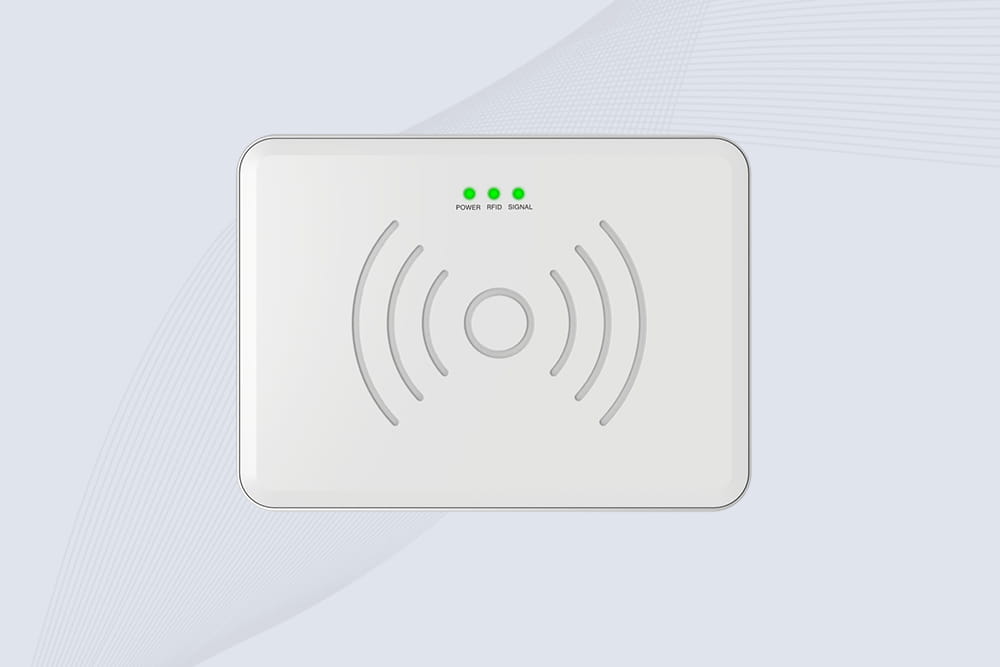
CYKEO CYKEO-D2L RFID Reader USB is a compact desktop encoder built on the Impinj R500 chip. With near-field control and stable USB power, this usb rfid card reader delivers precise tag writing for offices, retail counters, and small-scale logistics encoding tasks.
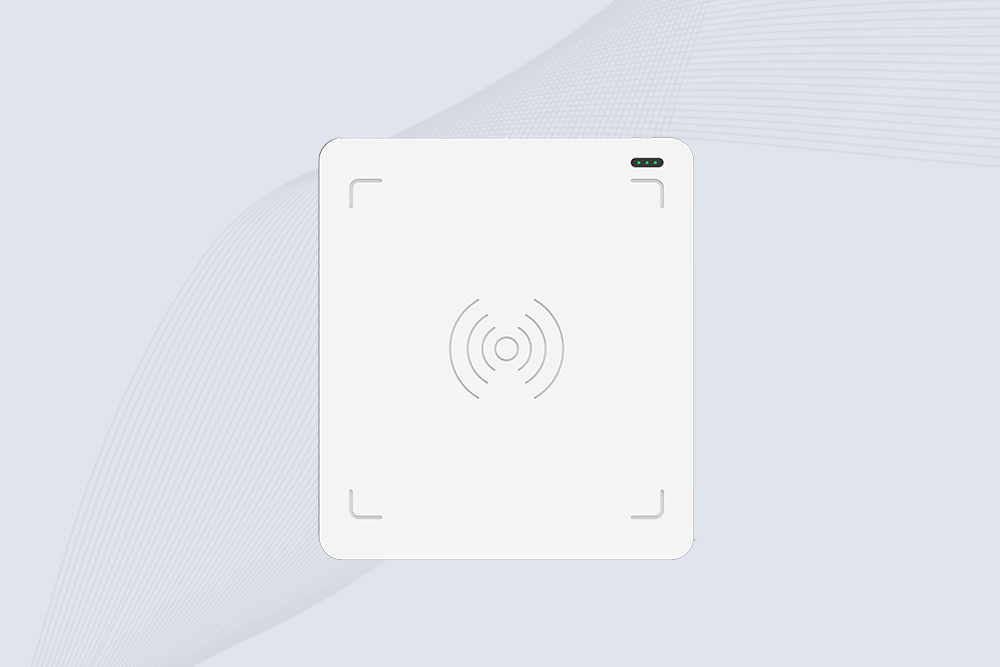
CYKEO CYKEO-D3L USB RFID Tag Reader delivers stable UHF tag reading and writing for daily desktop and light industrial tasks. Designed for controlled short-range operation, this USB RFID Tag Reader works reliably with rfid tag and reader systems in libraries, tool tracking, and inventory registration.
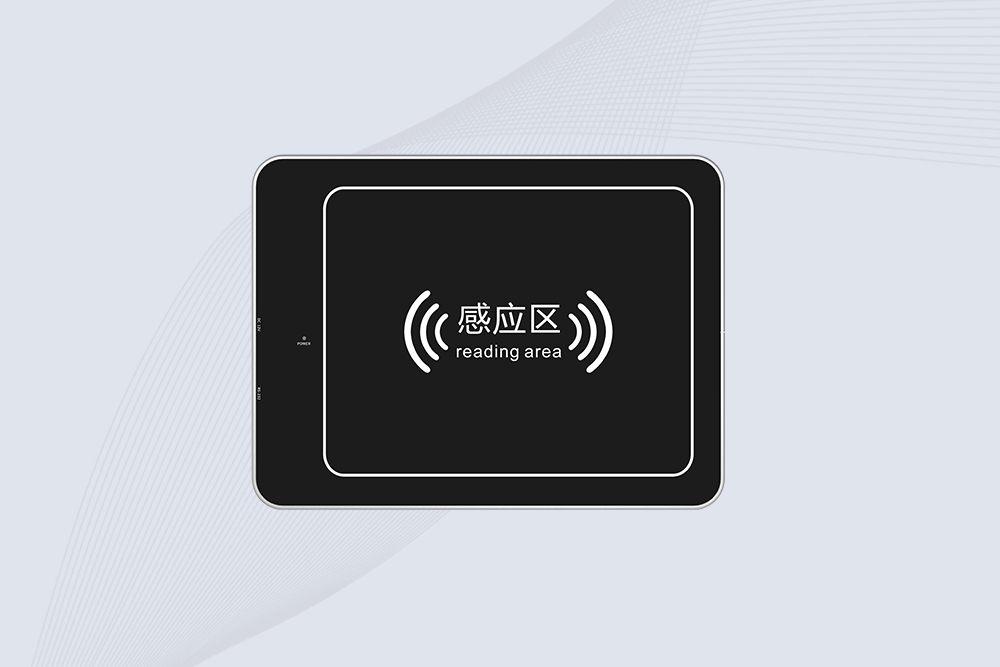
The CYKEO CYKEO-D4L UHF RFID Tag Reader is a stable Desktop RFID Reader designed for accurate tag registration, borrowing, and return workflows. Built with the Impinj R2000 chip, this UHF RFID Tag Reader delivers controlled short-range reads for libraries, asset tracking, and inventory management environments.
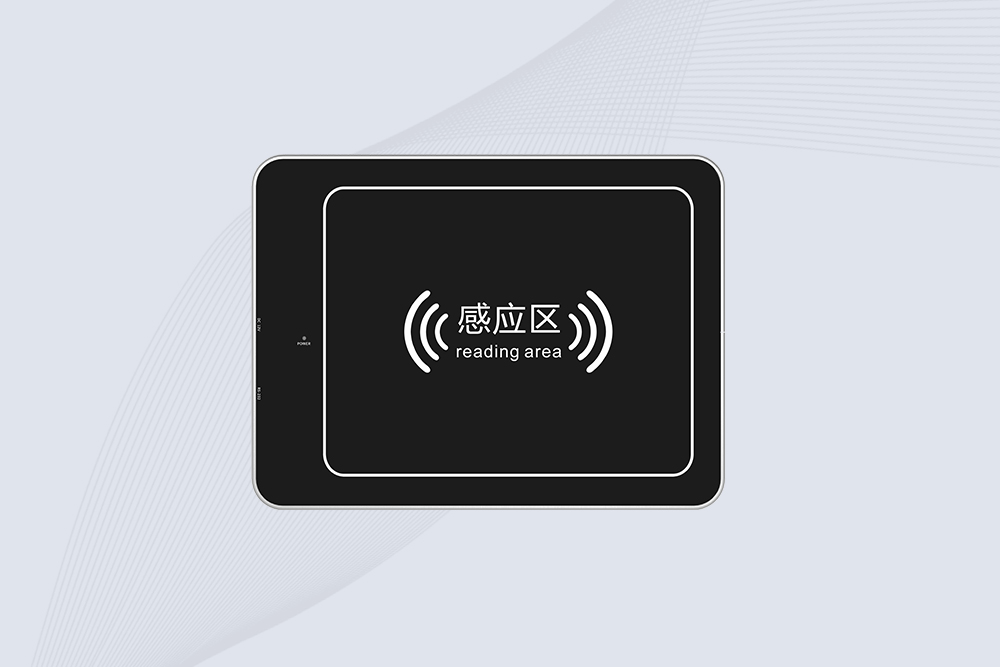
The CYKEO CYKEO-D5L Desktop RFID Card Reader is a stable UHF RFID Card Reader designed for controlled short-range reading and writing. Built for libraries, tool rooms, and asset desks, this UHF RFID Card Reader supports dense tag handling, secure data processing, and easy USB integration.
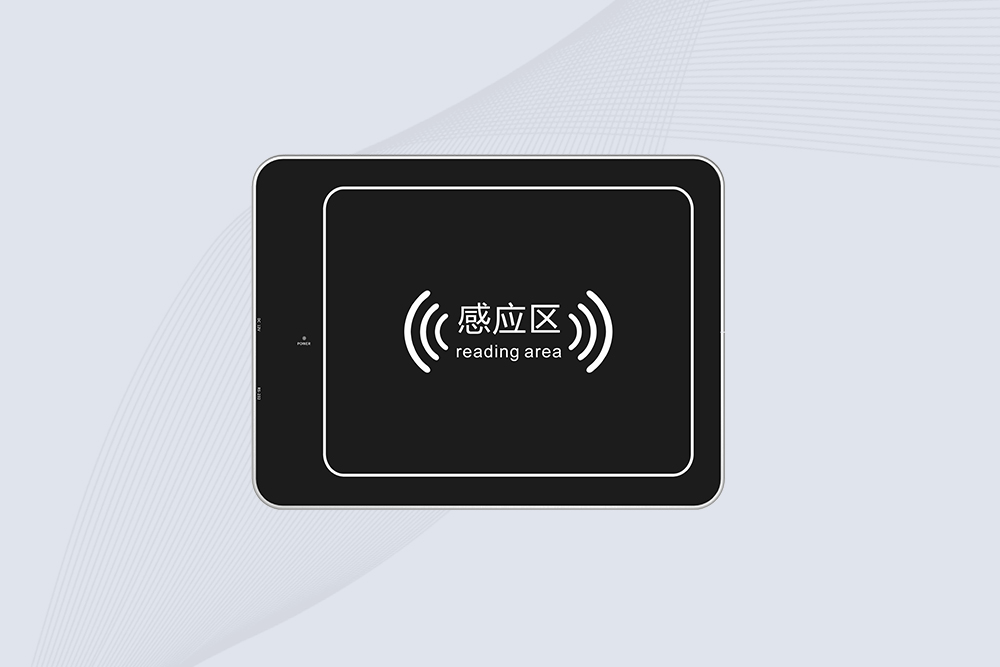
The CYKEO CYKEO-D6L RFID Reader Writer is a heavy-duty Desktop RFID Reader designed for short-range, high-accuracy tag programming. Built for libraries, labs, and asset desks, this RFID Reader Writer supports batch processing, stable 33dBm output, and seamless integration with existing management systems.
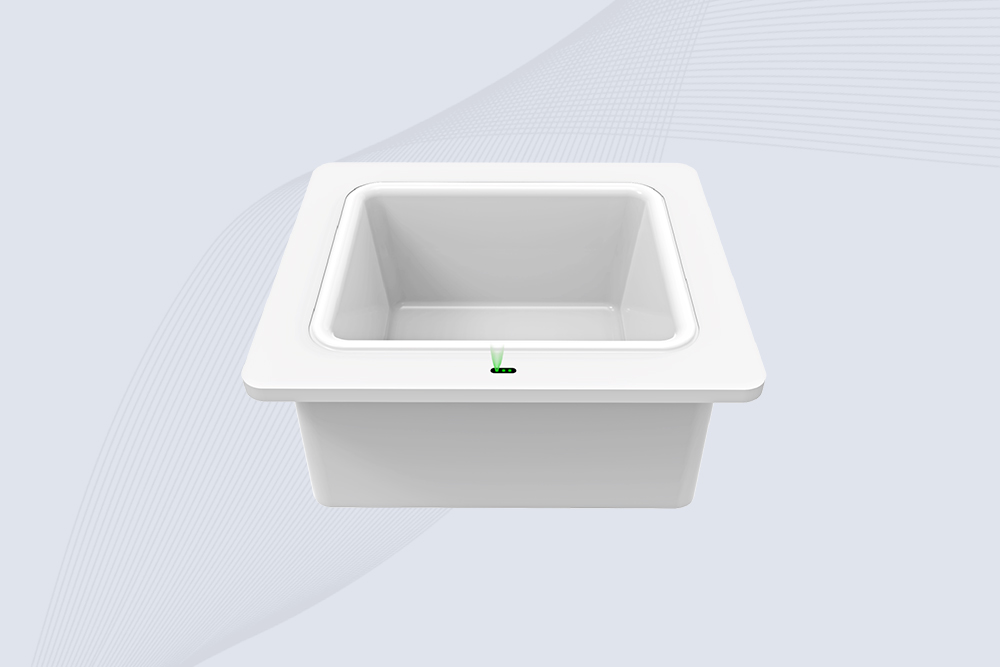
Cykeo CYKEO-D8B UHF RFID tunnel and RFID Desktop Reader features 30+ items batch reading,
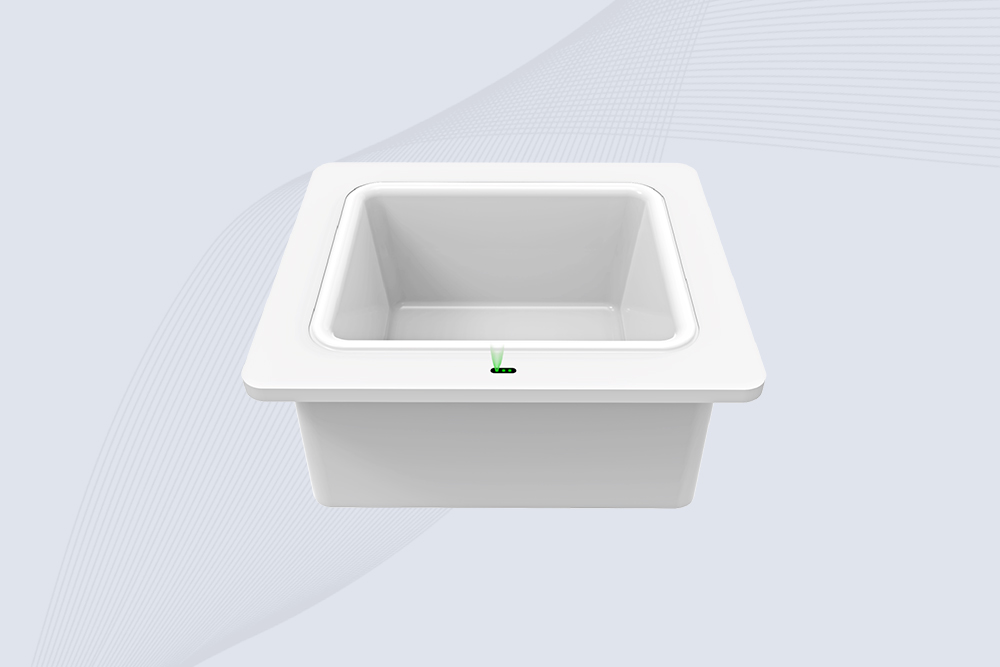
Cykeo CYKEO-D8A embedded RFID badge reader offers 30+ tags/sec scanning, 20cm anti-crosstalk precision, and DC 12V power for unmanned stores, warehouses, and smart inventory systems.
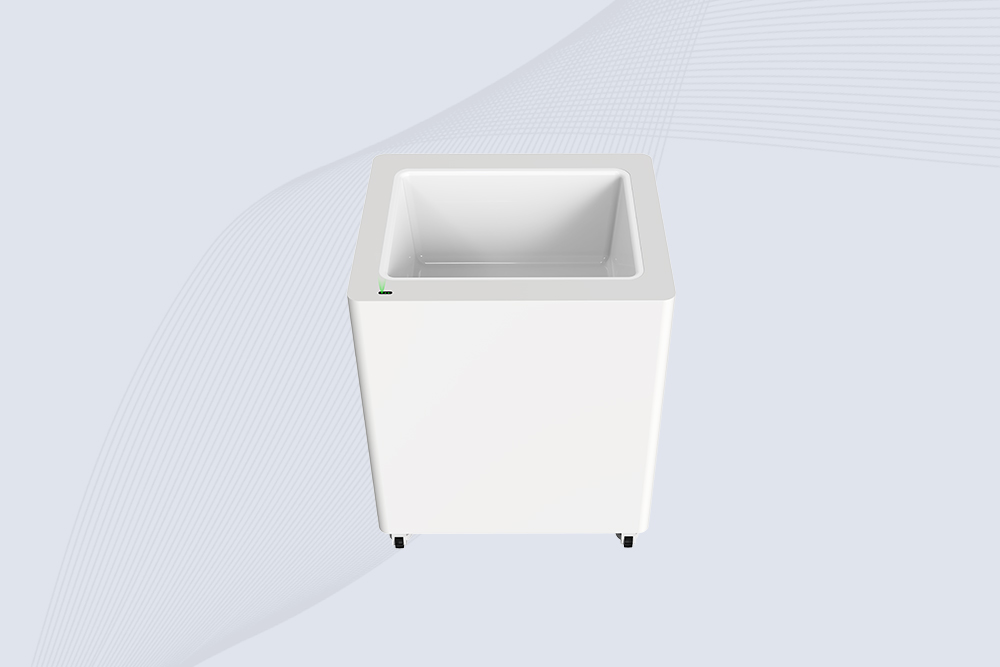
Cykeo’s CYKEO-D8C UHF RFID gate reader achieves 200-tag/batch scanning with adjustable power control, ideal for retail inventory and smart warehouse management.
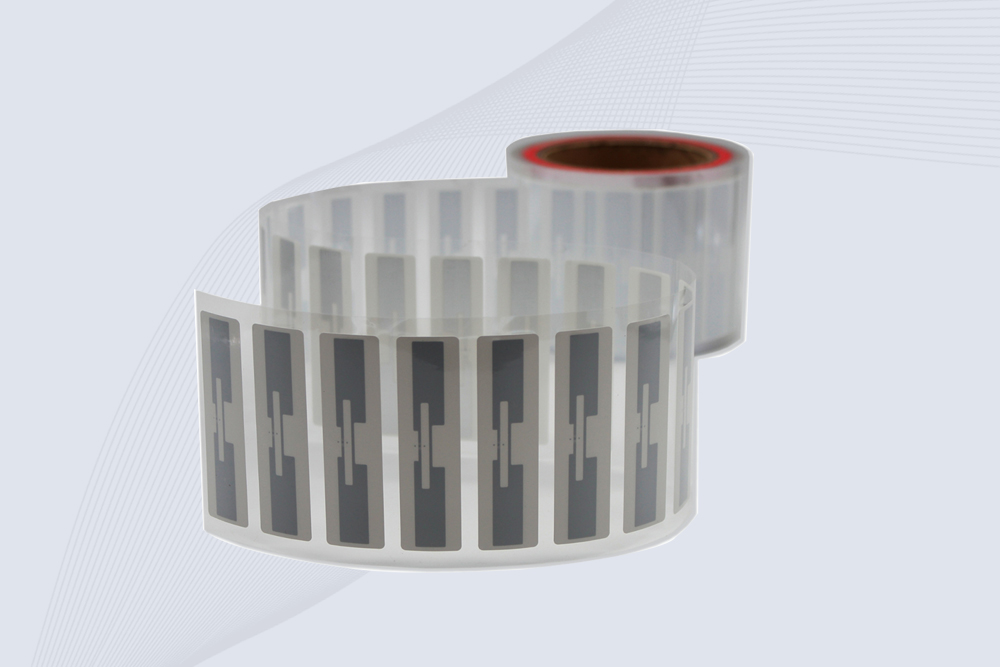
CYKEO Passive RFID Tags are made for wet and high-humidity environments where standard labels do not last. This rfid passive tag is often used around liquids, chemicals and temperature changes, providing stable reading distance and long data life for industrial tracking.
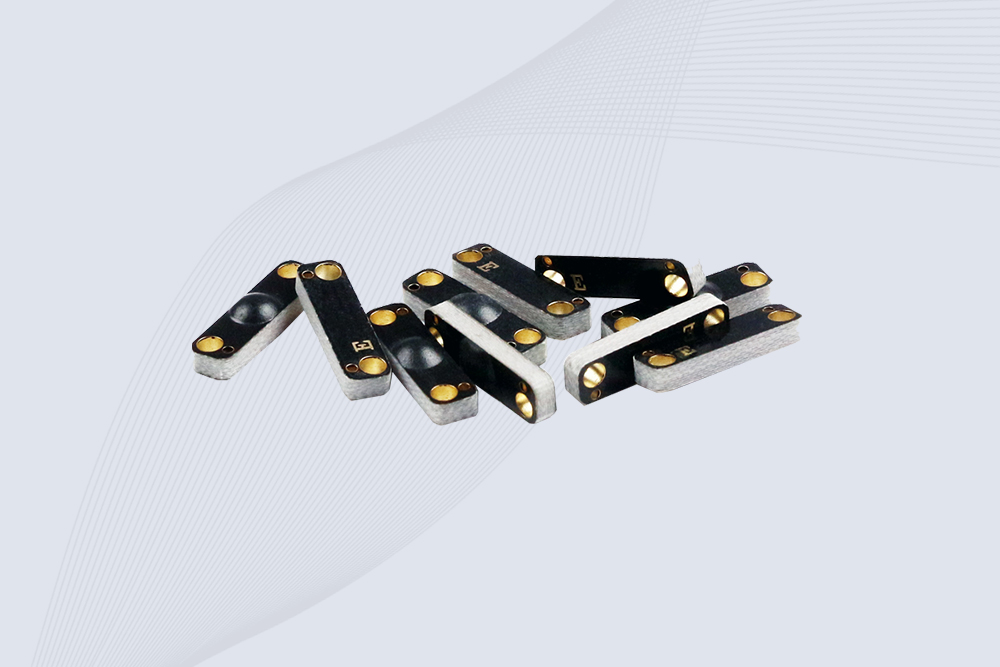
CYKEO CYKEO-PCB1504 Metal RFID Tags is a compact anti-metal UHF RFID solution built for direct mounting on metal surfaces. With stable 8-meter read range, Ucode-8 chip, and long data retention, this rfid metal tag fits tools, containers, automotive parts, and industrial asset tracking.
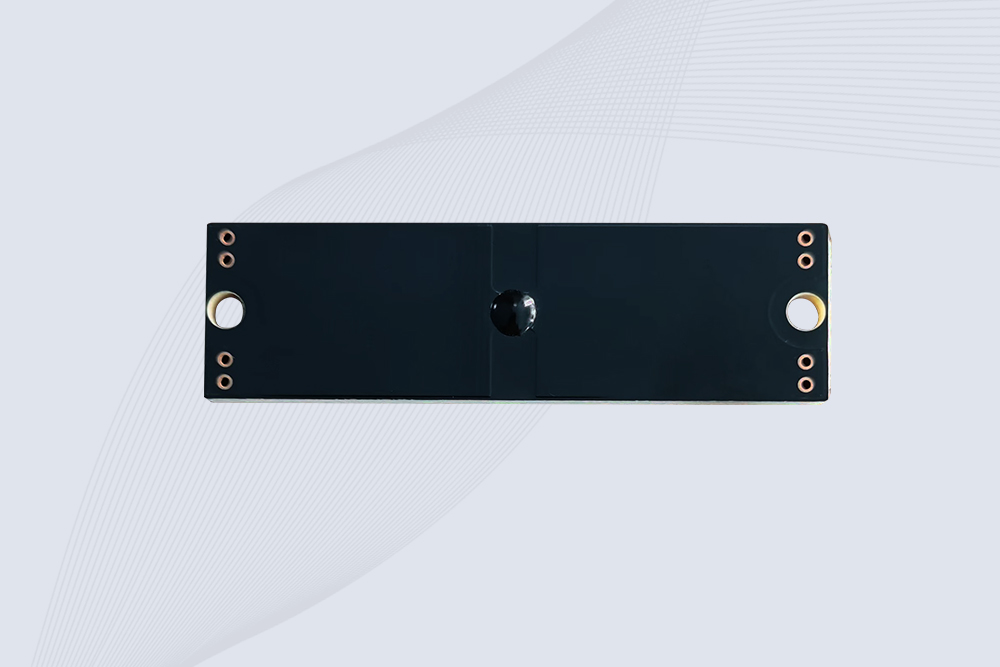
CYKEO CYKEO-PCB7020 On-Metal RFID Tags are designed for reliable tracking on steel and metal surfaces. Built with an FR4 epoxy body and industrial-grade chips, these On-Metal RFID Tags deliver stable performance, long data life, and chemical resistance, making them a dependable RFID anti-metal tag for harsh environments.
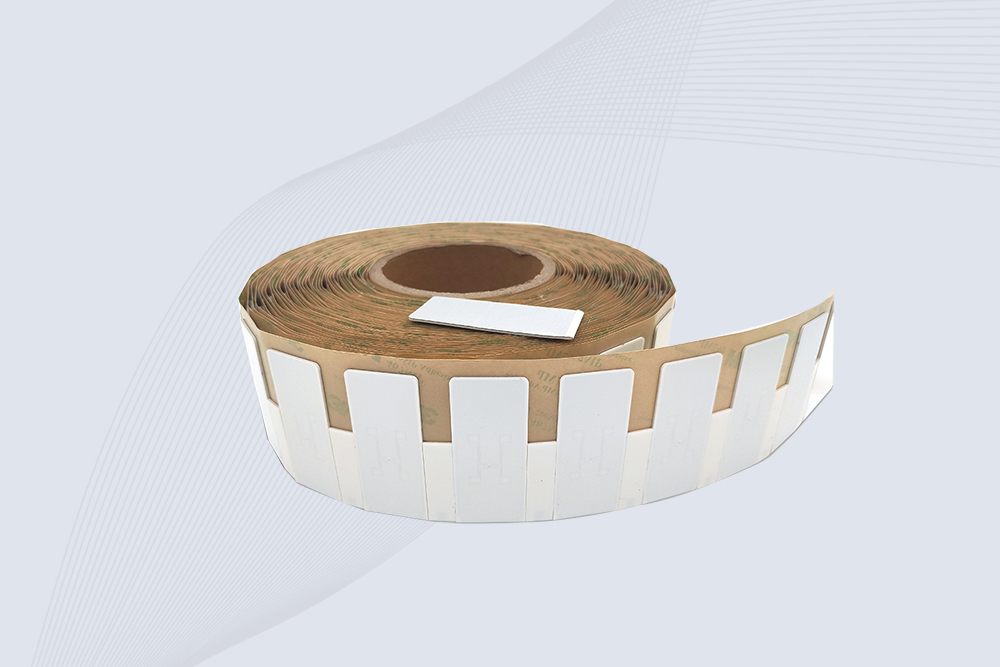
The CYKEO CYKEO-60-25 Anti-Metal RFID Tag is built for metal surfaces where standard tags fail. Designed for long-range performance, harsh environments, and stable data retention, this Anti-Metal RFID Tag is ideal for industrial assets, containers, and equipment tracking using on metal RFID tags.
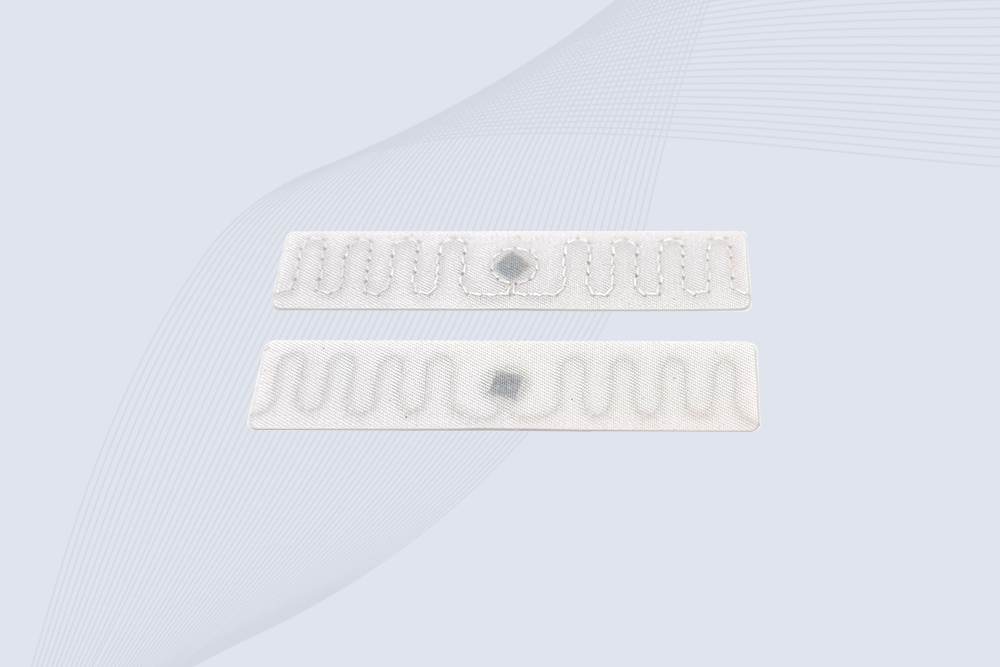
The CYKEO RFID Laundry Tag is designed for long-term textile identification in harsh laundry environments. Built to withstand high heat, chemicals, and repeated washing, this RFID Laundry Tag delivers stable performance for hotels, hospitals, and industrial laundry operations using laundry rfid tags at scale.
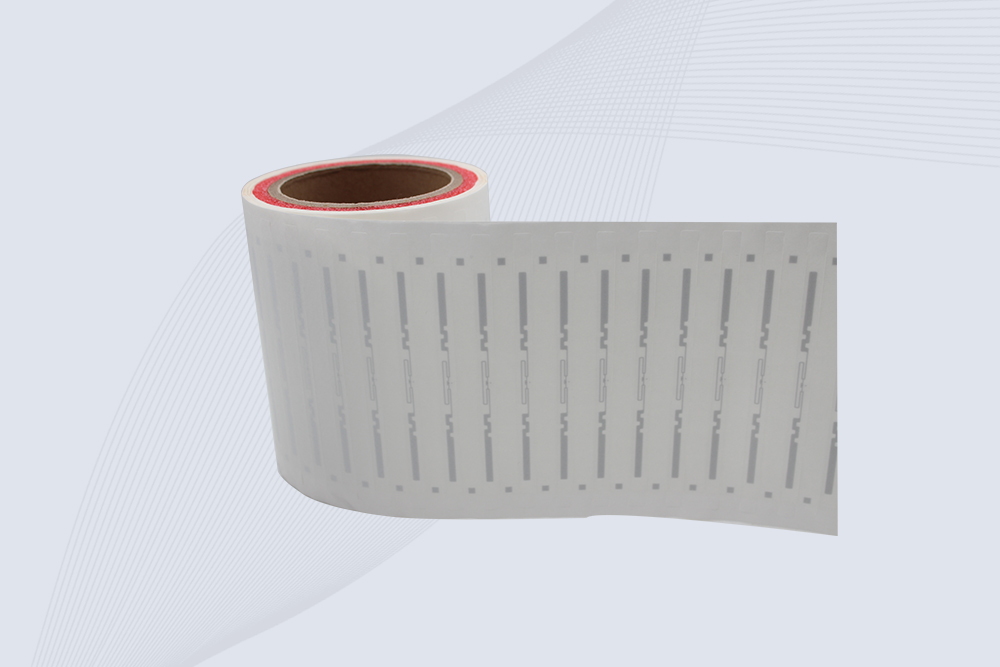
The CYKEO CYKEO-125-7 RFID Book Tag is designed for reliable book and document tracking in libraries and archives. This RFID Book Tag delivers long read range, dense placement support, and stable performance on shelves, making it a practical rfid tag on books for library automation, file management, and archival systems.
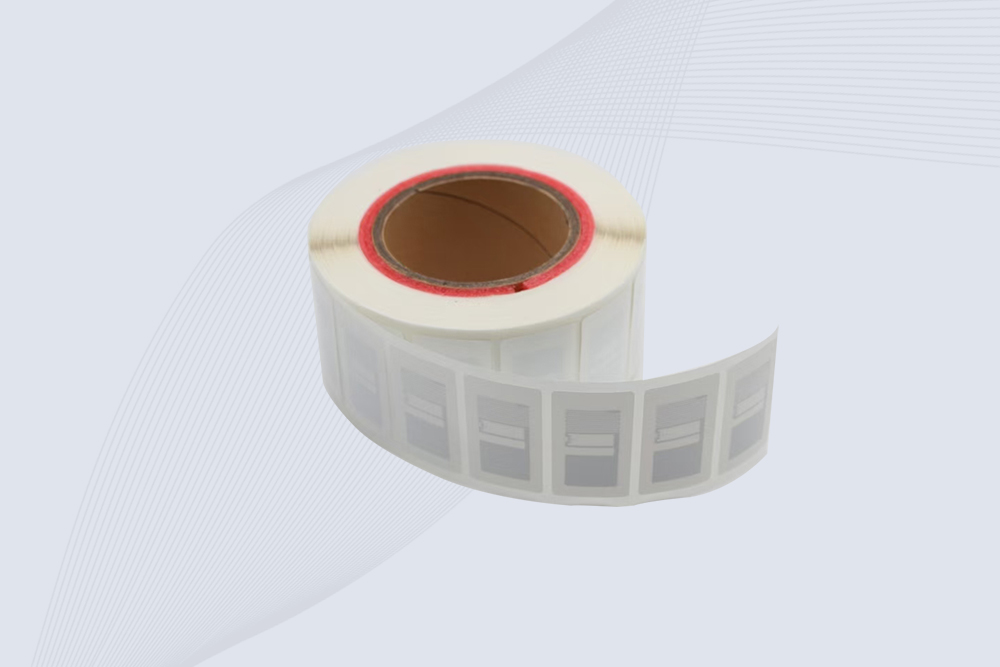
CYKEO RFID tags in hospitals are designed for sterile environments where accuracy matters. These autoclavable RFID tags support long-term tracking of surgical tools, implants, and medications, helping hospitals improve visibility, compliance, and patient safety.

CYKEO RFID Cable Tie Tag is built for reliable identification on metal surfaces. This UHF RFID Cable Tie Tag is widely used in rfid tags for inventory systems, industrial asset management and Hospital RFID Tags, offering stable read performance, long service life and global EPC Gen2 compatibility.
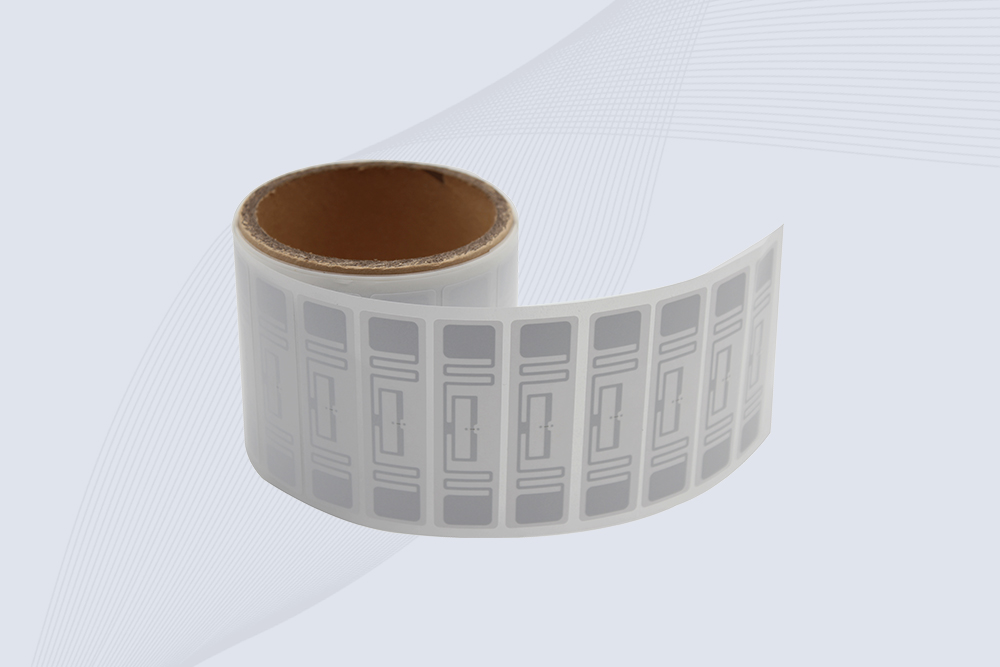
CYKEO RFID Asset Tag is designed for stable identification of metal assets in industrial environments. This UHF RFID Asset Tag is commonly used for rfid tag asset tracking on equipment, tools and containers, providing reliable reads, long service life and ISO/IEC 18000-6C support.

CYKEO UHF RFID Card is designed for fast identification and long-term use in industrial and commercial systems. Supporting ISO 18000-6C, this UHF RFID Card works at 860–960 MHz and is suitable for custom RFID cards used in asset tracking, access control and inventory management.
CYKEO HF RFID Cards are designed for secure and stable access control systems. These 13.56 MHz RFID key cards support ISO 14443-A, reliable rewriting and long service life, making HF RFID Cards suitable for offices, campuses, events and membership management.
CYKEO UHF RFID Tag is designed for reliable tracking of metal jewelry and high-value items. This Jewelry RFID Tag supports long-range reading up to 8 meters, anti-counterfeit protection and stable performance on metal, making it suitable for retail, inventory control and asset management.
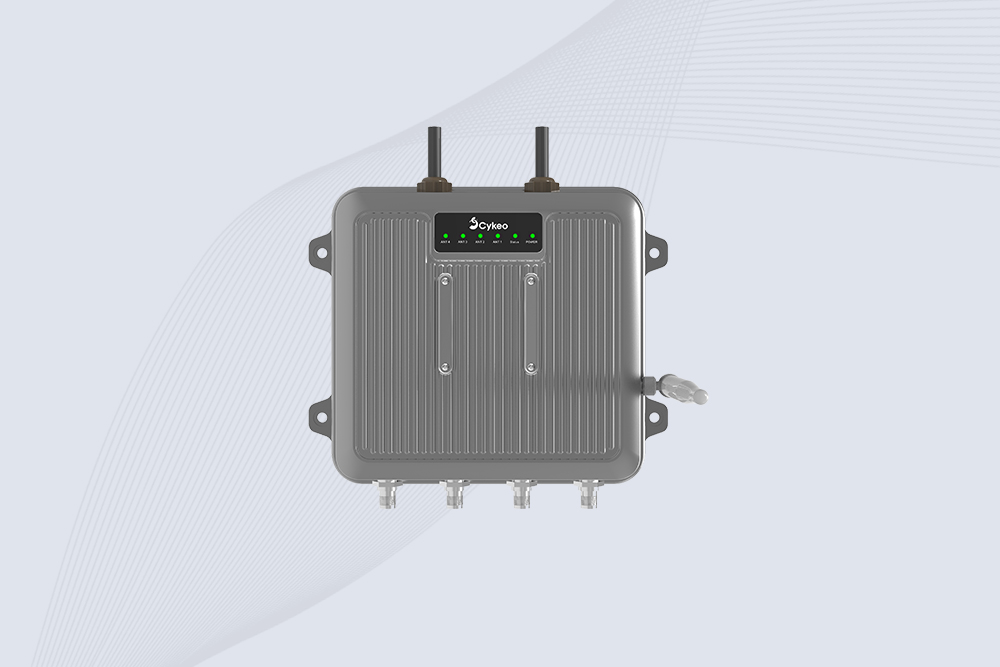
Cykeo CYKEO-C1 industrial Forklift RFID Reader features 20m read range, 600 tags/sec scanning, Impinj R2000 chipset, and IP67 rugged design. Ideal for warehouse logistics and manufacturing. Supports ISO 18000-6C/6B protocols.
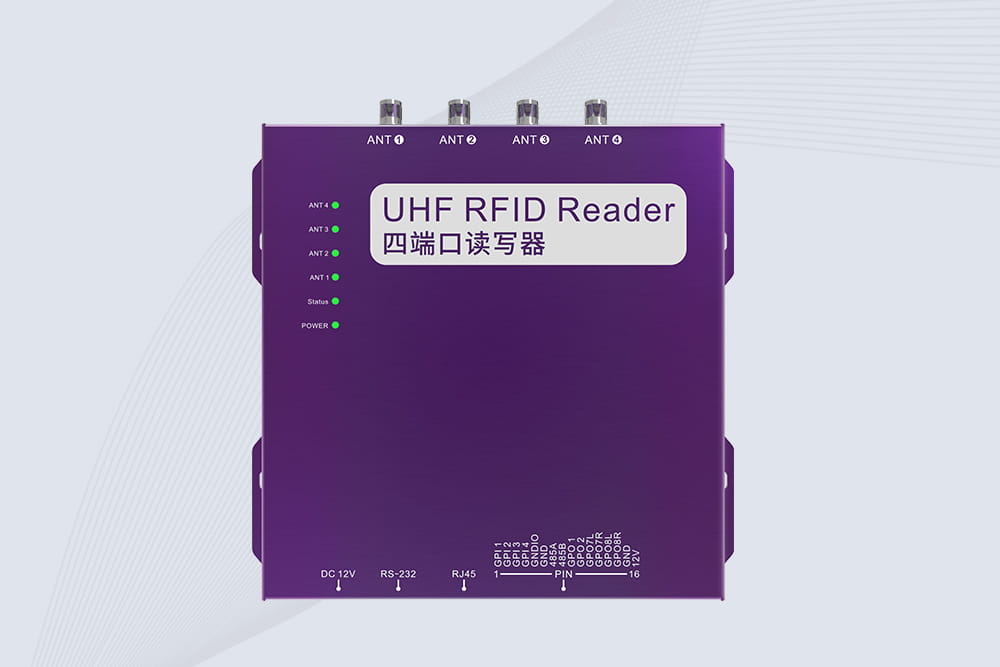
Cykeo CYKEO-R4 industrial UHF RFID Fixed Reader features 4 TNC ports, 400+ tags/sec speed, IP67 housing, and global frequency compliance for vehicle inspection, smart warehouse, and asset management systems.
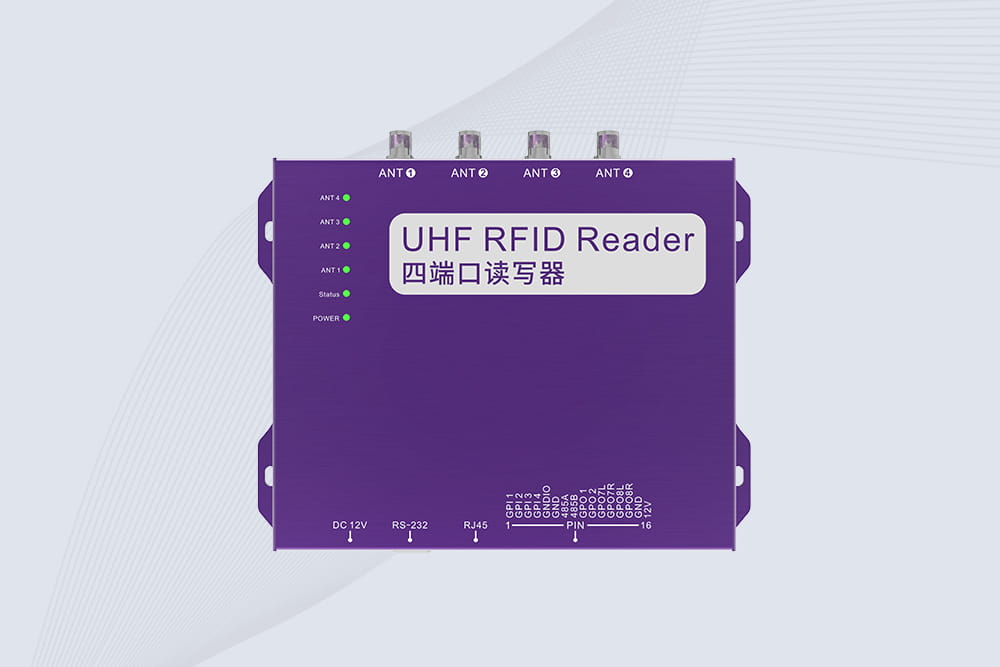
Cykeo’s CYKEO-R4L 4-port Fixed UHF RFID Reader delivers 400 tags/sec scanning, ISO 18000-6C compliance, and IP65 protection. Ideal for warehouse automation, manufacturing WIP tracking, and logistics management.
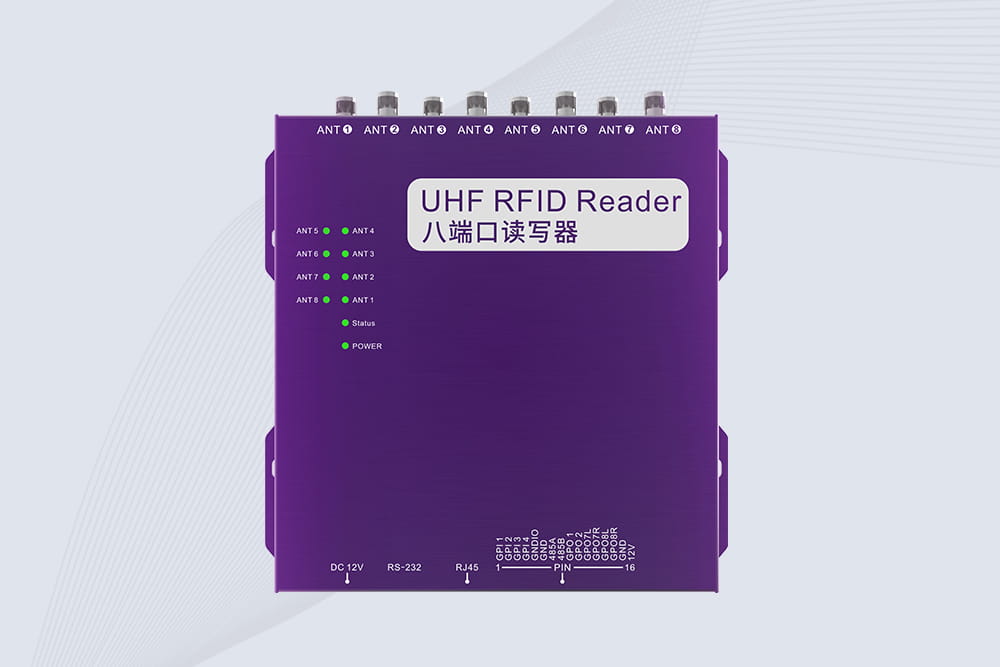
CYKEO CYKEO-R8L Fixed RFID Reader with 8-port UHF design, Impinj-based RF core and up to 20m read range. An industrial Fixed RFID Reader for vehicle inspection, warehouse portals, smart manufacturing lines and secure access checkpoints.
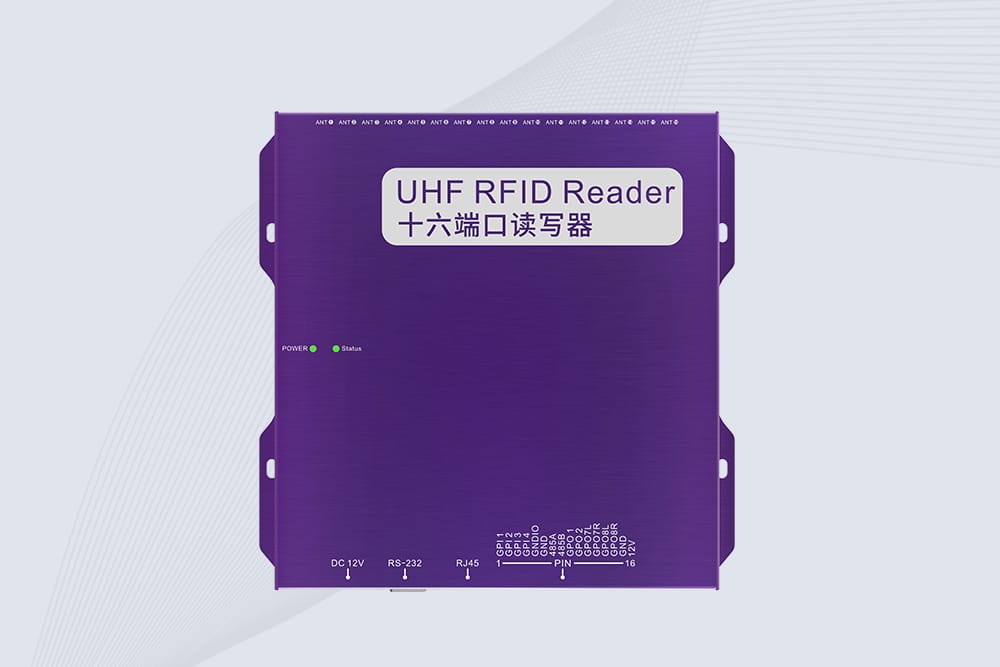
RFID Fixed Reader from CYKEO – the CYKEO-R16L 16-port UHF fixed reader for warehouses, smart cabinets, and production lines. Long-range, multi-tag reading, stable performance for 24/7 industrial use.
Discover how RFID readers scan multiple passive tags simultaneously using anti-collision technology. Learn best practices and Cykeo’s solutions for bulk tag reading.
More
Learn how tag RFID EPC technology enables precise asset identification, RFID encoding, inventory visibility, and traceability. Discover practical EPC management strategies from Cykeo RFID experts.
More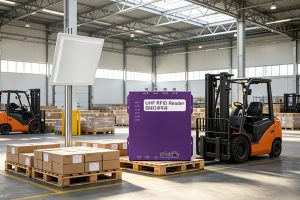
Learn how to build rfid tracking system with proven steps, real deployment insights, and Cykeo hardware. Improve accuracy, automation, and efficiency today.
More
Explore rfid receiver solutions from Cykeo for stable RFID signal detection, asset tracking, inventory automation, and industrial identification with accurate real-time data capture.
More