 Cykeo RFID IoT Solution Products R&D Manufacturer
How to Hook Up an RFID Antenna to Arduino: Getting Your First Read
542Learn how to hook up an RFID antenna to Arduino using common modules like the RC522. Our guide covers the connections, code basics, and what to do when it doesn't work.
MoreAll RFID Product
A tag RFID EPC is an RFID tag containing a unique Electronic Product Code (EPC) that enables automatic identification, tracking, and management of physical assets. Proper EPC encoding improves inventory accuracy, asset traceability, and operational efficiency across libraries, manufacturing facilities, warehouses, and tool management systems.
Many RFID projects appear successful during pilot testing but struggle during full deployment. In my experience overseeing RFID implementations across industrial asset management, library automation, and equipment tracking systems, the root cause is often surprisingly simple: poorly managed EPC data.
The EPC is not merely a number stored inside a tag. It becomes the digital identity of an object throughout its entire lifecycle.
Without EPC data, an RFID tag can only respond to radio signals.
With EPC data, that same tag becomes a unique digital identifier connected to databases, business systems, and operational records.
The EPC structure was developed through standards maintained by the organization now known as GS1 EPCglobal.
Today, EPC-based RFID systems support:
According to GS1, EPC standards were designed to provide globally unique identification for physical objects moving through supply chains and enterprise environments.
EPC stands for Electronic Product Code.
An EPC typically contains:
| Component | Purpose |
|---|---|
| Header | EPC format definition |
| Company Prefix | Organization identifier |
| Object Class | Product category |
| Serial Number | Unique item identifier |
This structure ensures that every tagged item can possess a globally unique identity.
Think of EPC as the digital passport attached to a physical object.
Once assigned correctly, the identity follows the asset everywhere
The process begins with tag registration.
Using a desktop RFID encoding station, administrators assign EPC values and verify successful writes before assets enter circulation.
The Cykeo RFID desktop platform is specifically designed for high-volume EPC registration environments.
Because registration errors can affect thousands of downstream transactions, EPC verification is as important as EPC writing itself.
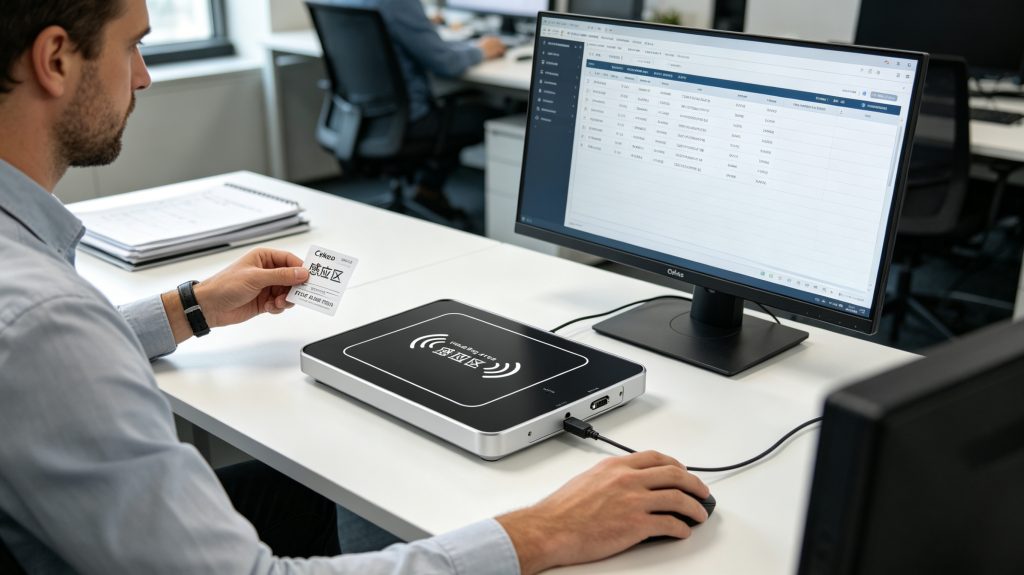
A common misconception is that RFID performance depends mainly on reader power.
In practice, encoding quality often matters more.
A misplaced EPC digit can create:
Cykeo’s desktop RFID platform incorporates advanced anti-collision algorithms and proprietary signal processing designed to maintain stable tag communication during dense tag operations.
| Feature | Specification |
| Interface | USB |
| Output Power | Up to 33 dBm |
| Read Distance | Up to 30 cm |
| Write Distance | Up to 10 cm |
| Multi-Tag Reading | Supported |
| RSSI Detection | Supported |
| Data Filtering | Supported |
| Anti-Collision Processing | Advanced |
The controlled near-field antenna design intentionally limits read zones, preventing accidental encoding of nearby tags.
That design choice improves accuracy far more than simply increasing reading distance.
Libraries use EPC-enabled RFID systems for:
Industrial organizations use EPC identifiers to establish accountability for:
EPC-based RFID systems support:
According to RAIN Alliance, billions of RAIN RFID tags are deployed annually across retail, logistics, healthcare, and industrial applications worldwide.
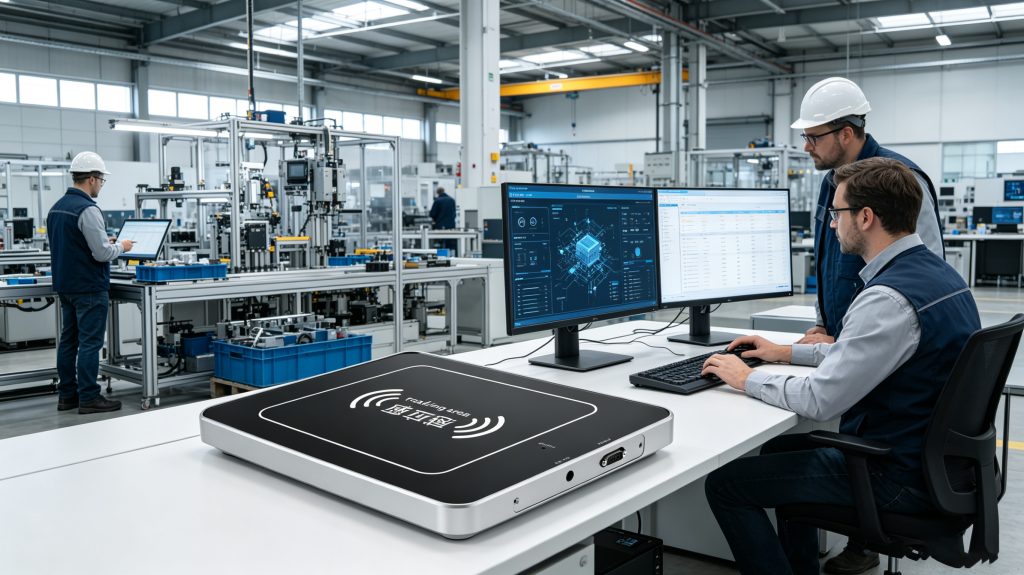
One observation consistently appears across projects.
Organizations rarely struggle with reading tags.
They struggle with managing identities.
When EPC structures are planned carefully before deployment:
The most successful RFID systems are usually the simplest.
Clear EPC rules outperform complicated numbering schemes almost every time.
A tag RFID EPC is an RFID tag containing an Electronic Product Code that uniquely identifies an item for tracking, inventory, and asset management purposes.
EPC provides a globally unique digital identity that allows assets to be tracked accurately throughout their lifecycle.
Yes. Depending on security settings and application requirements, EPC memory can be updated using compatible RFID writer-reader devices.
An RFID writer-reader communicates with the tag and programs EPC information into its memory while verifying data accuracy.
Manufacturing, logistics, healthcare, libraries, government agencies, retail, aviation, and industrial maintenance operations all rely heavily on EPC-based RFID systems.
A well-designed tag RFID EPC strategy creates the foundation for reliable RFID performance. Accurate EPC encoding, verification, and management enable organizations to achieve higher inventory accuracy, stronger traceability, and scalable asset visibility. With advanced desktop encoding platforms, anti-collision processing, and enterprise RFID expertise, Cykeo helps organizations build RFID systems that start with the right identity and remain dependable throughout the asset lifecycle.

Discover SSD-D4AL, a USB-HID UHF RFID reader with 4/8/16 antenna options, Impinj E710/X3M1 chipset, plug-and-play USB power, and OEM customization.
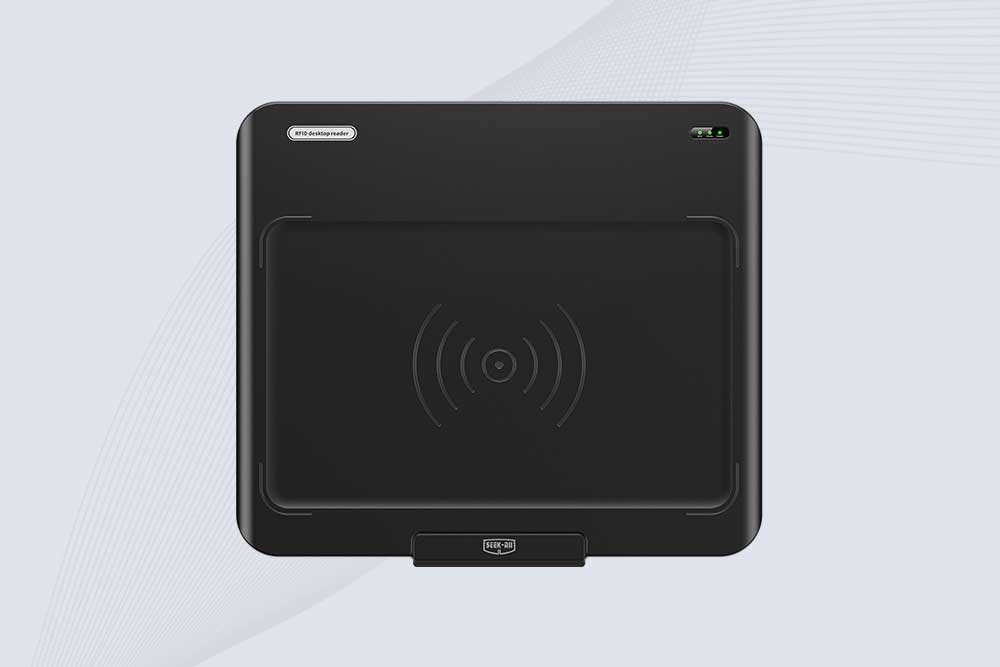
SSD-D3AL is a USB-HID UHF RFID reader with 0–30 cm reading, 0–15 cm writing, over 600 tags/s recognition, USB plug-and-play operation and OEM Logo customization.
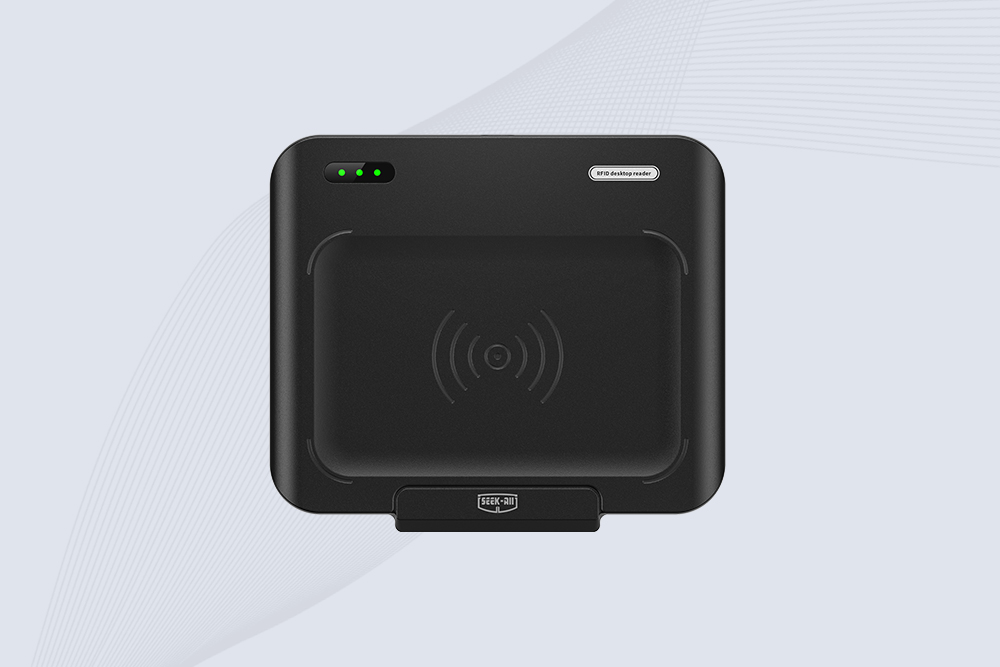
SSD-D1AL is a compact USB UHF RFID reader with Impinj E710/X3M1 chipset, USB-HID, 600+ tags/s recognition, 4/8/16 antenna support and plug-and-play USB power.

CYKEO CYKEO-D1LA USB RFID Reader is a compact desktop solution with near-field control for precise tag reading and encoding. Powered by USB, supporting ISO 18000-6C, and built for stable batch writing, this usb rfid tag reader fits retail, libraries, offices, and controlled RFID encoding tasks.
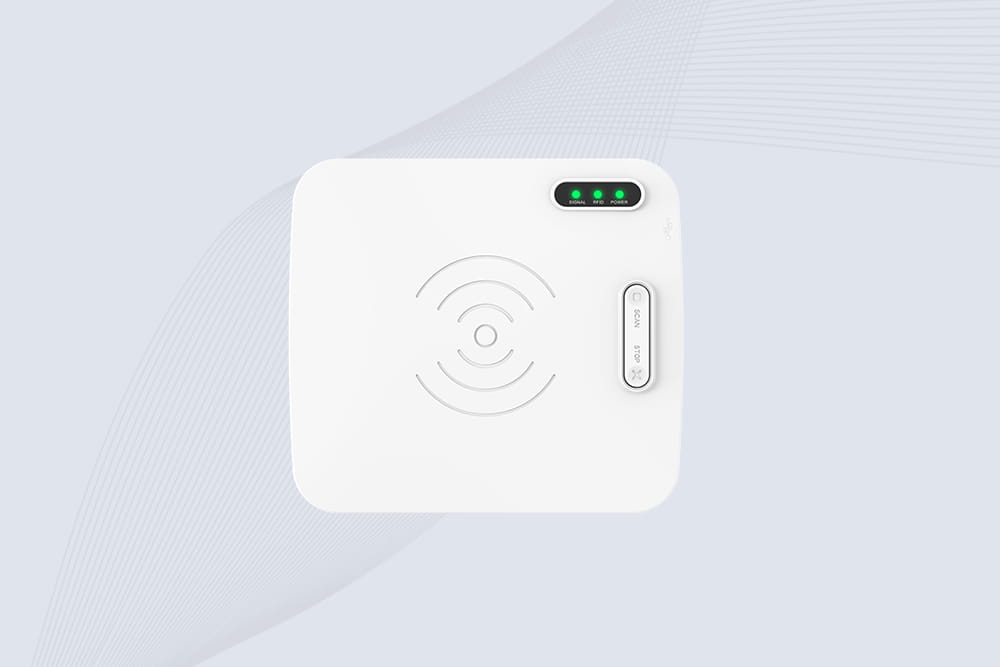
CYKEO CYKEO-D1L RFID scanner USB is a compact desktop UHF RFID scanner designed for short-range tag writing and verification. This usb rfid scanner supports batch encoding, stable 0–26 dBm output, and works across Windows, Linux, and Android systems.
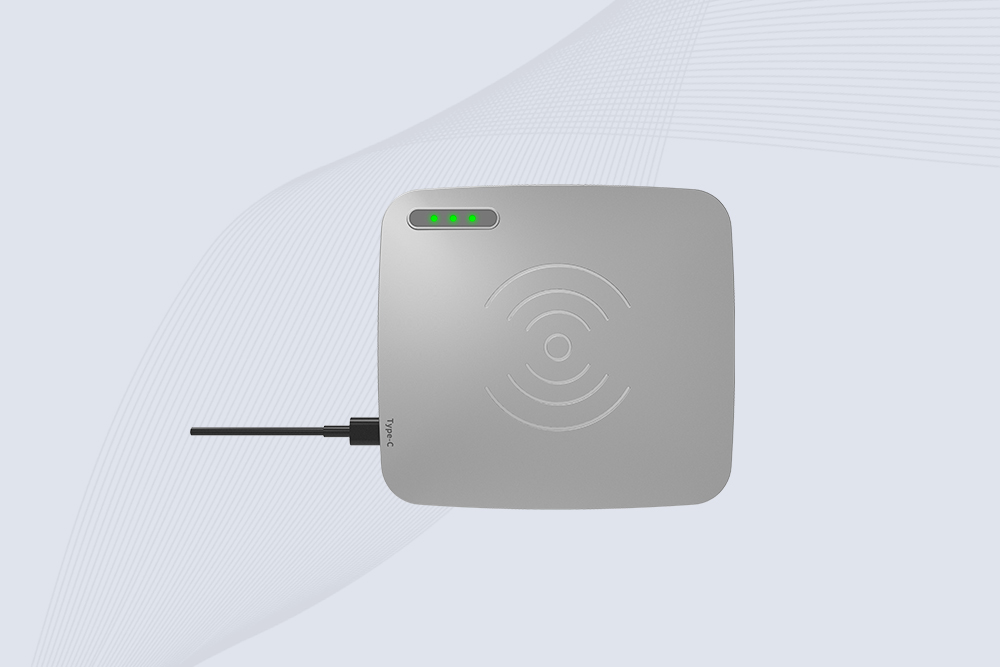
CYKEO CYKEO-D1C USB RFID Card Reader is a near-field UHF desktop writer designed for secure, short-range tag encoding. With USB-C connectivity and stable 26 dBm output, this rfid reader usb c is ideal for badge issuance, label encoding, and controlled desktop RFID workflows.
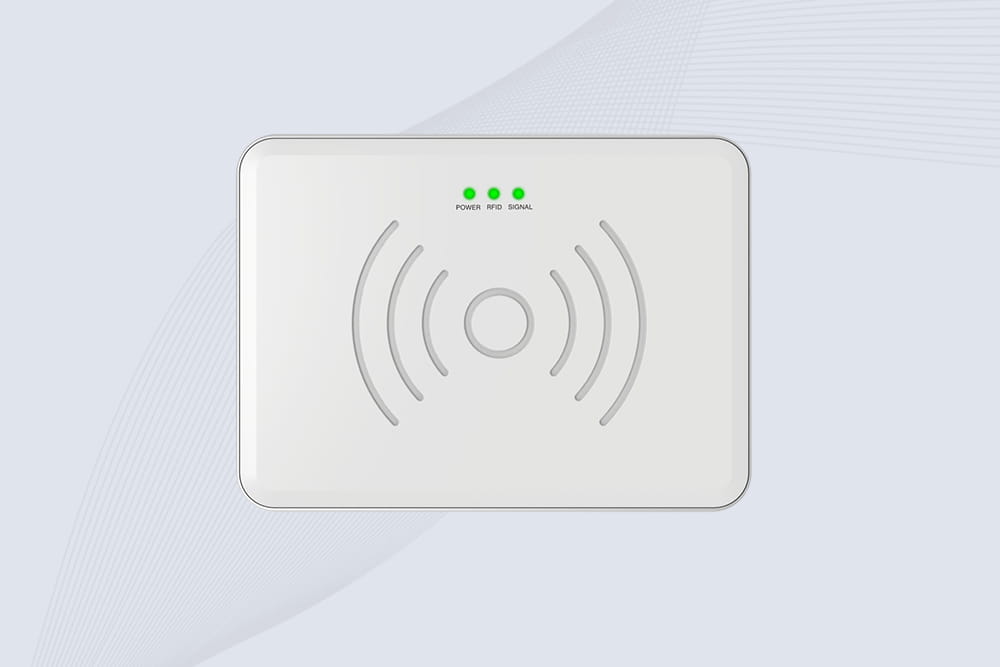
CYKEO CYKEO-D2L RFID Reader USB is a compact desktop encoder built on the Impinj R500 chip. With near-field control and stable USB power, this usb rfid card reader delivers precise tag writing for offices, retail counters, and small-scale logistics encoding tasks.
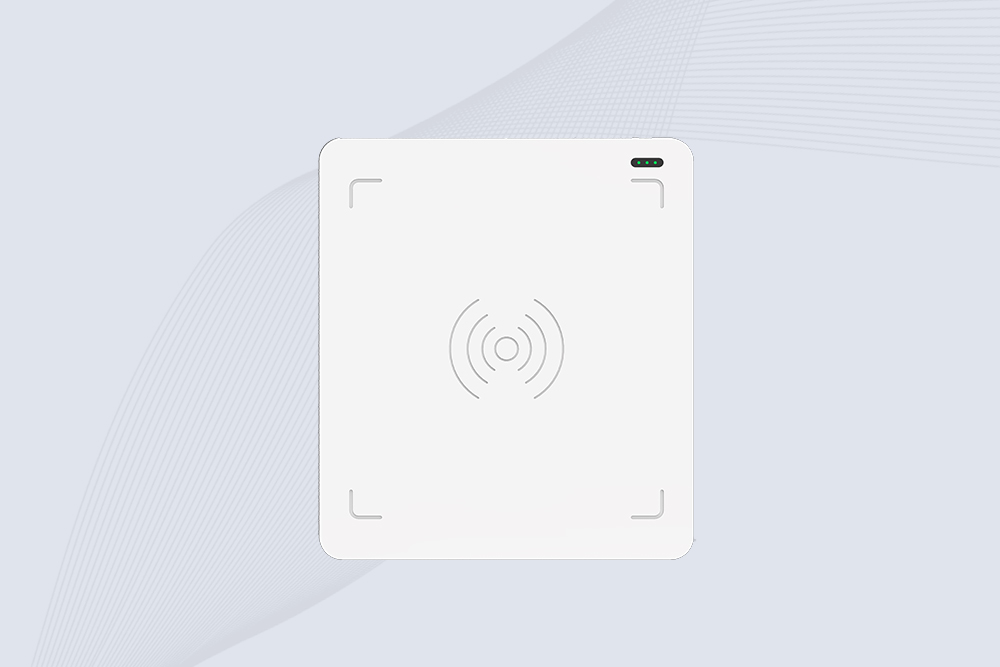
CYKEO CYKEO-D3L USB RFID Tag Reader delivers stable UHF tag reading and writing for daily desktop and light industrial tasks. Designed for controlled short-range operation, this USB RFID Tag Reader works reliably with rfid tag and reader systems in libraries, tool tracking, and inventory registration.
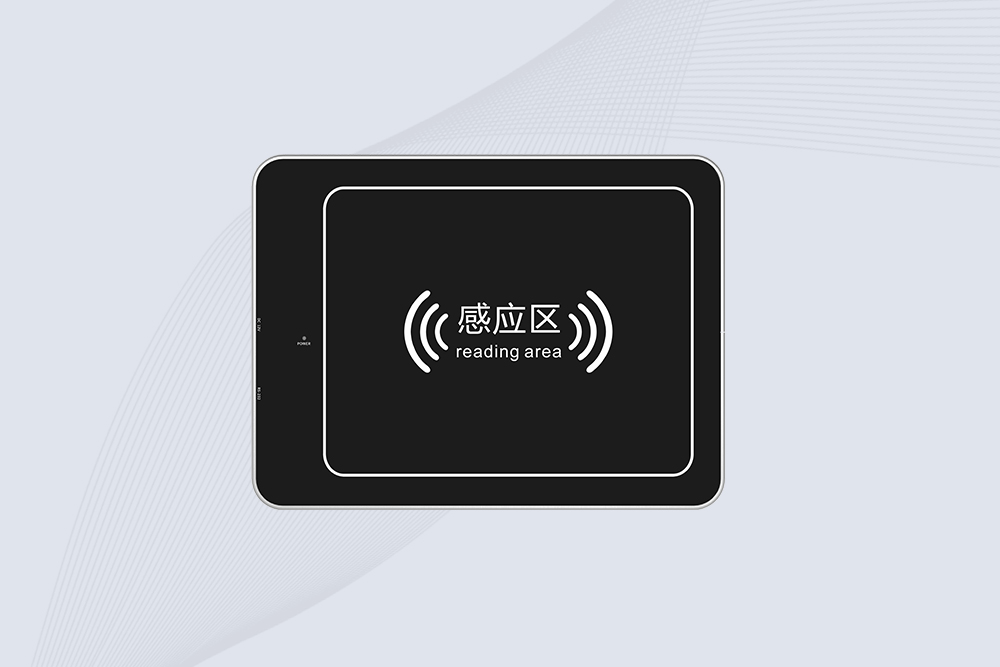
The CYKEO CYKEO-D4L UHF RFID Tag Reader is a stable Desktop RFID Reader designed for accurate tag registration, borrowing, and return workflows. Built with the Impinj R2000 chip, this UHF RFID Tag Reader delivers controlled short-range reads for libraries, asset tracking, and inventory management environments.
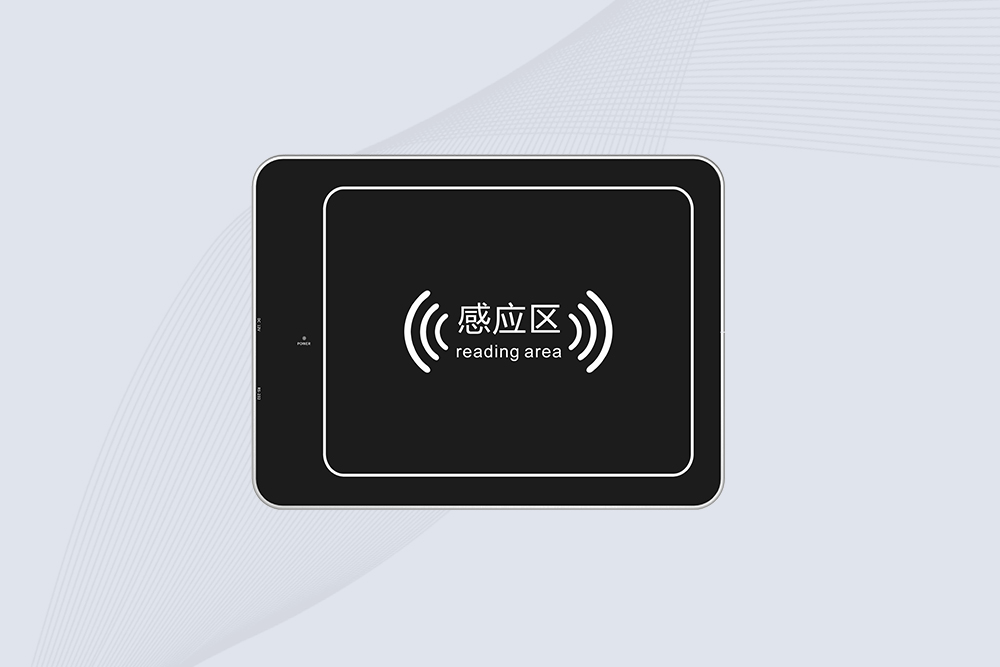
The CYKEO CYKEO-D5L Desktop RFID Card Reader is a stable UHF RFID Card Reader designed for controlled short-range reading and writing. Built for libraries, tool rooms, and asset desks, this UHF RFID Card Reader supports dense tag handling, secure data processing, and easy USB integration.
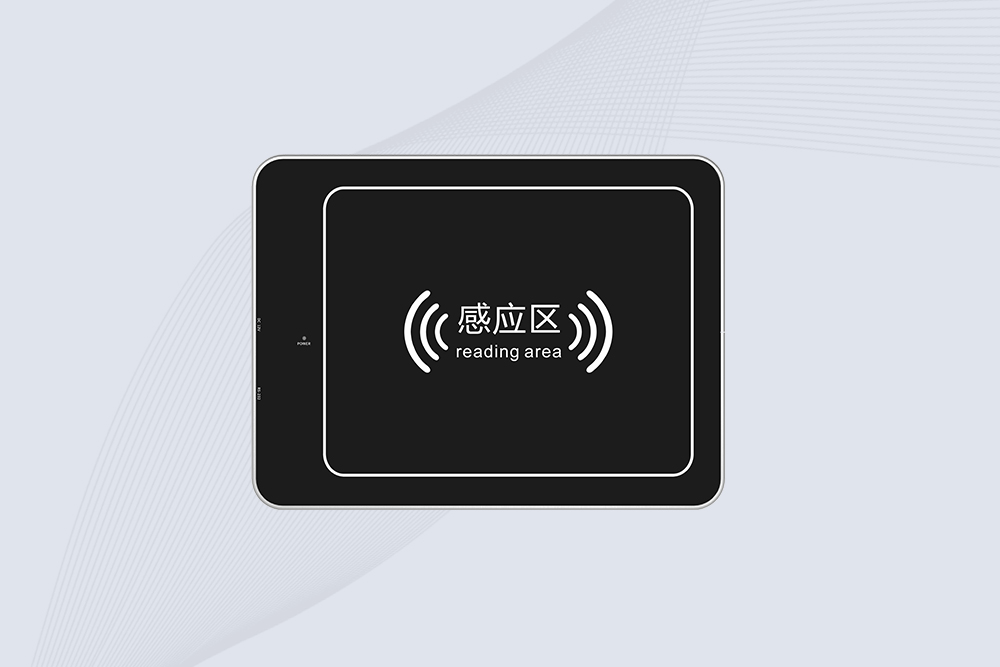
The CYKEO CYKEO-D6L RFID Reader Writer is a heavy-duty Desktop RFID Reader designed for short-range, high-accuracy tag programming. Built for libraries, labs, and asset desks, this RFID Reader Writer supports batch processing, stable 33dBm output, and seamless integration with existing management systems.
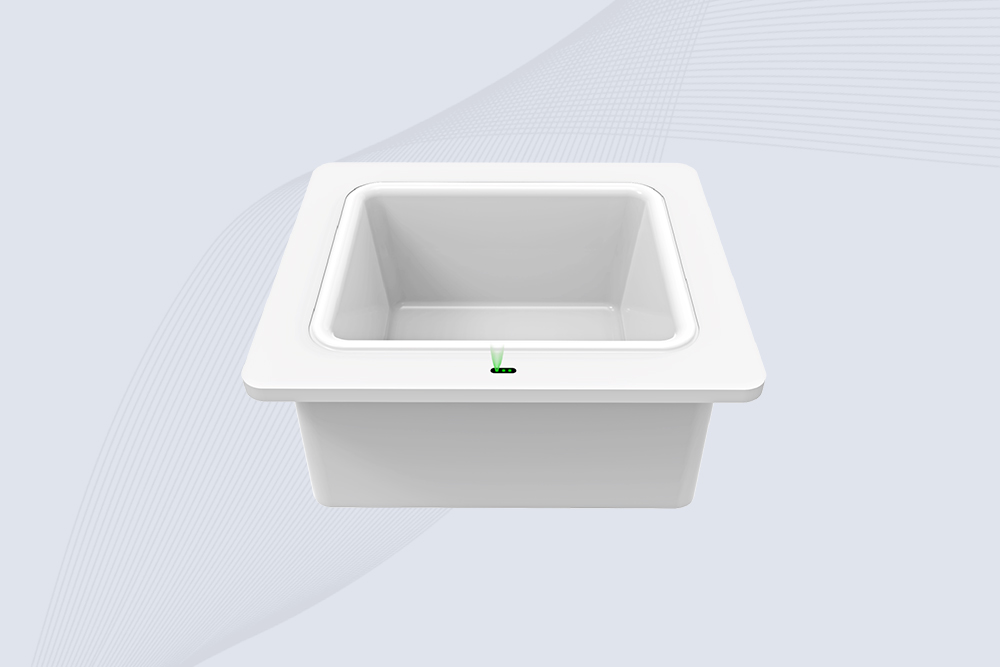
Cykeo CYKEO-D8B UHF RFID tunnel and RFID Desktop Reader features 30+ items batch reading,
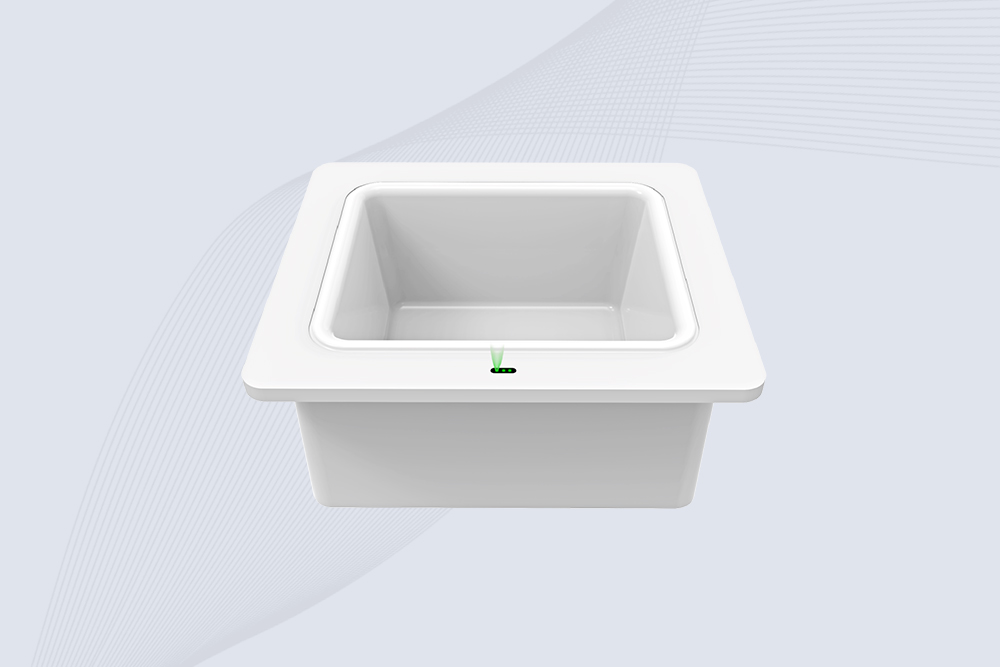
Cykeo CYKEO-D8A embedded RFID badge reader offers 30+ tags/sec scanning, 20cm anti-crosstalk precision, and DC 12V power for unmanned stores, warehouses, and smart inventory systems.
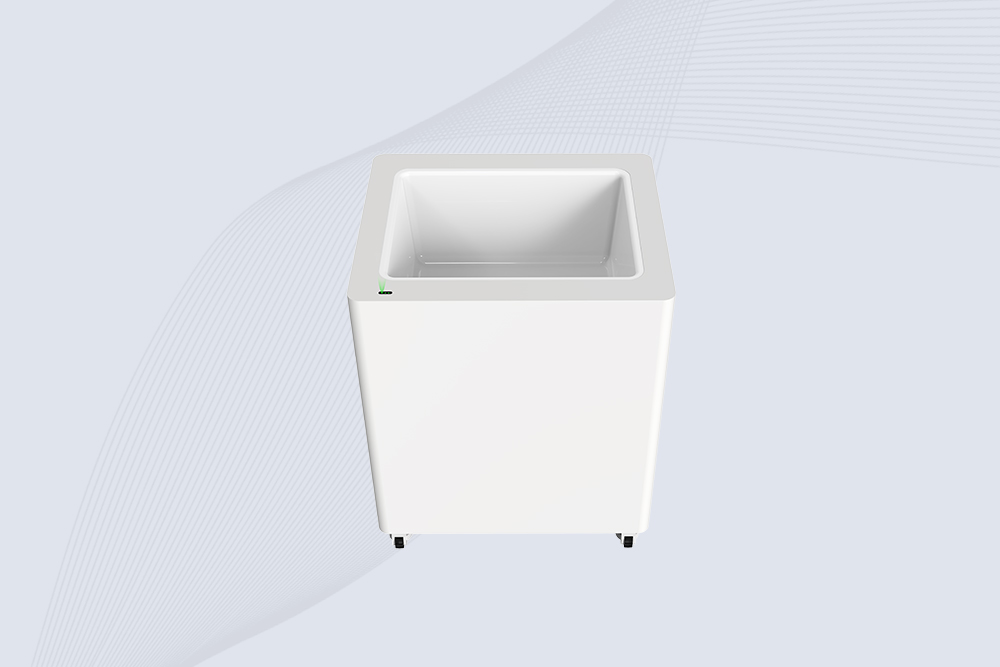
Cykeo’s CYKEO-D8C UHF RFID gate reader achieves 200-tag/batch scanning with adjustable power control, ideal for retail inventory and smart warehouse management.
Learn how to hook up an RFID antenna to Arduino using common modules like the RC522. Our guide covers the connections, code basics, and what to do when it doesn't work.
More
RFID multiple tag reading tested: Discover real-world speeds, interference solutions, and how Cykeo users scan pallets in seconds. No hype - just warehouse results.
More
Tracking reader technology enables real-time RFID asset monitoring, automated inventory control, and accurate equipment tracking. Discover how Cykeo tracking reader solutions improve operational efficiency.
More
A long range RFID scanner can help oil and gas companies track equipment, tools, containers, spare parts, and reusable assets at warehouses, workshops, termi...
More