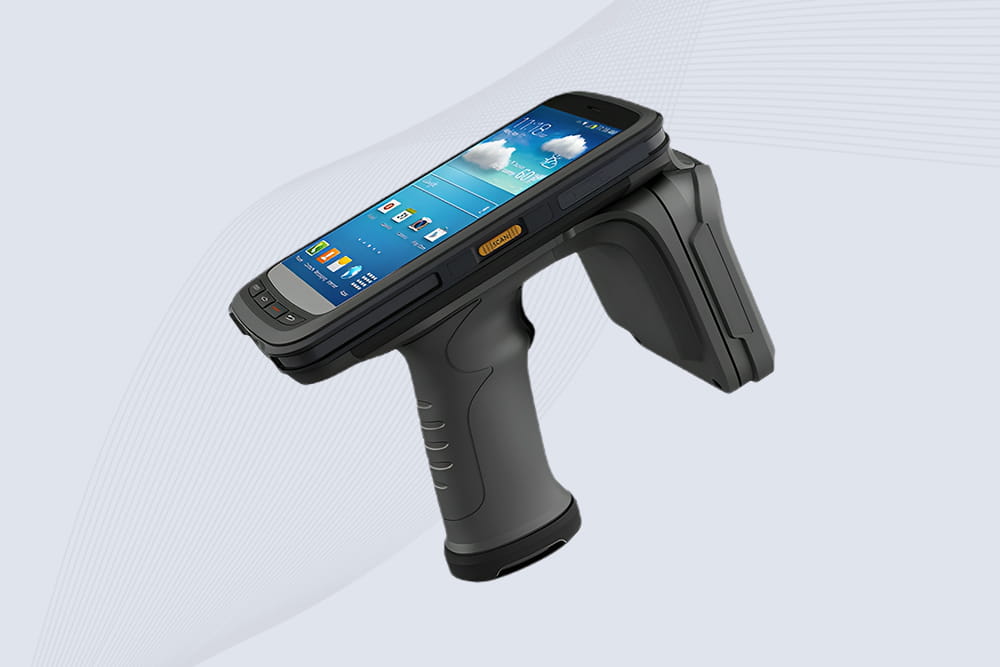
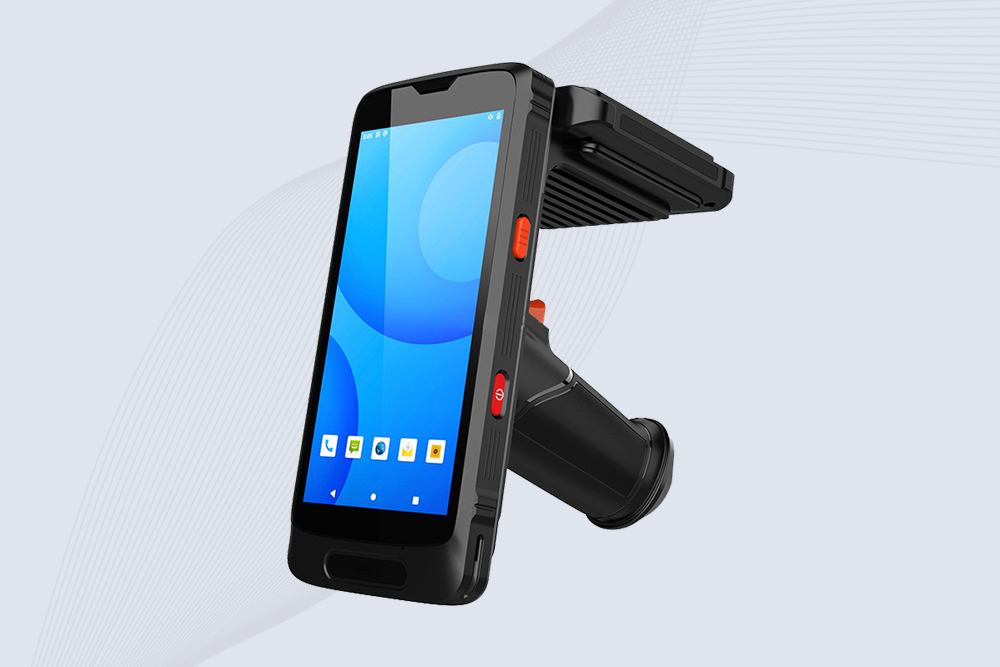
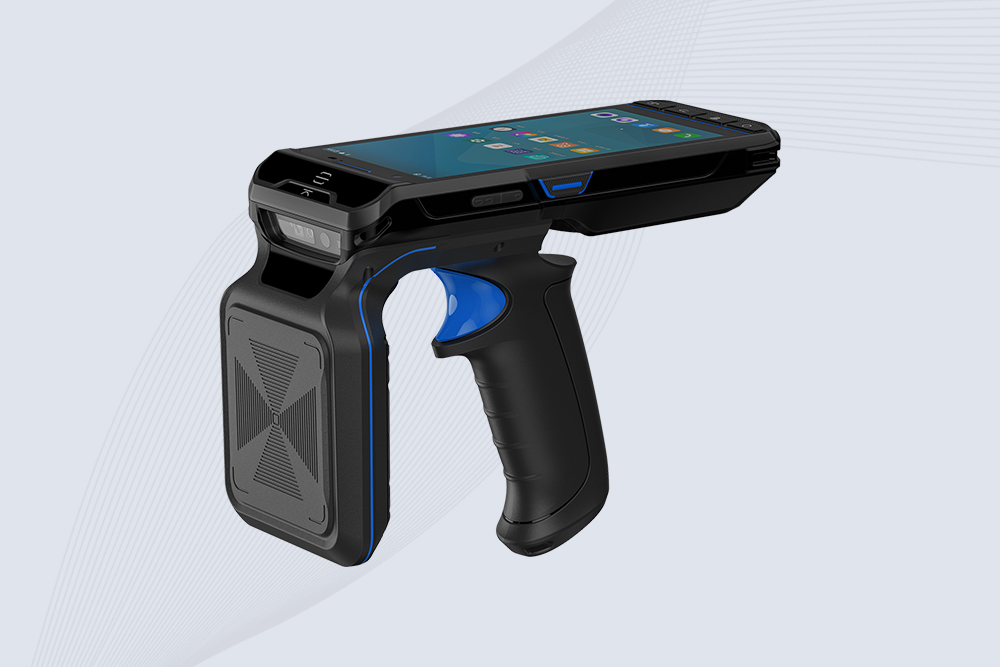
All RFID Product

Can handheld RFID readers scan through metal or liquid containers?​

Cykeo News RFID FAQ 12700

Handheld RFID readers face significant challenges scanning ​​through​​ dense metal or liquid containers due to physics-based signal interference. However, specialized techniques and tags can enable reliable scanning ​​on or near​​ these materials. Here’s a detailed breakdown of the limitations and solutions:

​​1. Why Metal and Liquids Disrupt RFID Scanning​​

  • ​​Metal Surfaces:​​
    • ​​Signal Reflection:​​ UHF (Ultra-High Frequency, 860–960 MHz) radio waves bounce off metal, creating “dead zones” and false reads.
    • ​​Tag Detuning:​​ Metal alters the electromagnetic field, rendering standard RFID tags ineffective.
  • ​​Liquid Containers:​​
    • ​​Absorption:​​ Water and other liquids absorb UHF signals, reducing read range by ​​50–90%​​.
    • ​​Tag Submersion:​​ Most tags fail when submerged (e.g., inside water bottles or IV bags).

​​2. Solutions for Scanning Near Metal​​

  • ​​Anti-Metal RFID Tags:​​
    • Use tags with ​​ferrite or foam spacers​​ to isolate the antenna from metal surfaces. Examples:
      • ​​Impinj H47 Metal Tag:​​ Effective on steel drums, machinery (read range: ​​5–8 meters​​).
      • ​​Metalcraft MTI 240:​​ Built-in adhesive foam for tool tracking.
  • ​​Tag Placement:​​
    • Mount tags ​​2–5 cm away​​ from metal using plastic brackets or nylon straps.
  • ​​Low-Frequency (LF) RFID:​​
    • LF (125–134 kHz) penetrates metal better but offers short range (<1 meter). Rarely used with handhelds.

​​Case Study:​​ A logistics company tagged steel gas cylinders with ​​Alien Higgs-9 Metal tags​​, achieving 98% read accuracy using Zebra RFD8500 handhelds.

​​3. Workarounds for Liquid Containers​​

  • ​​Tag Positioning:​​
    • Attach tags to ​​dry areas​​ (e.g., bottle caps, IV bag tops).
  • ​​HF RFID for Liquids:​​
    • High-Frequency (HF, 13.56 MHz) performs better near liquids but requires close proximity (<10 cm). Example:
      • ​​Feig OBID iScan HF:​​ Used for medical IV bag tracking.
  • ​​Liquid-Resistant Tags:​​
    • Tags with hydrophobic coatings (e.g., ​​Smartrac Short Dipole​​) survive humid or wet environments.

​​Example:​​ A brewery tracks kegs by tagging ​​plastic seals​​ instead of metal barrels, using Impinj Speedway xPortal handhelds.
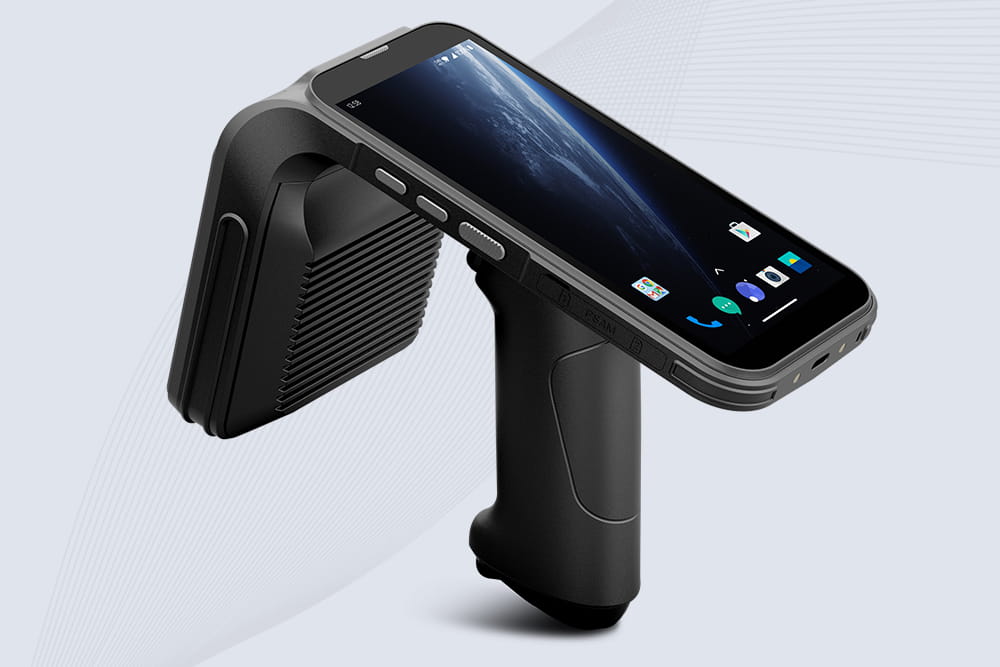
​​4. Best Handheld Readers for Challenging Environments​​

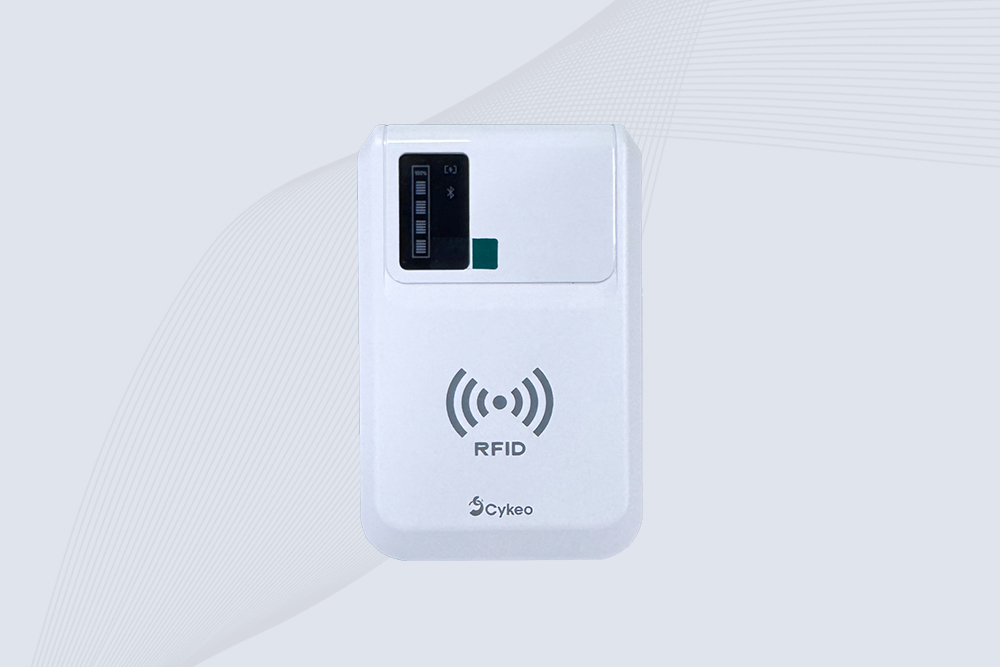
  1. ​​Cykeo CK-B2G (UHF):​​
    • Pairs with anti-metal tags for 5–8m range near machinery.
  2. ​​CAEN RFID Handy Flex (UHF):​​
    • Bendable antenna for scanning inside toolboxes or containers.
  3. ​​Feig OBID iScan HF (HF):​​
    • Optimized for medical liquid containers and NFC-enabled workflows.

​​5. When RFID Can’t Penetrate: Alternatives​​

  • ​​Barcode Hybrid Systems:​​ Use Cykeo CK-B2G​​ (RFID + barcode) for labeled metal/liquid items.
  • ​​NFC for Close-Range:​​ Scan tags on metal toolboxes with smartphones (e.g., ​​ACS ACR1255U-N1​​).

​​Pro Tips for Reliable Scanning​​

  • ​​Test Tag Placement:​​ Use ​​RFID simulation software​​ (e.g., ​​Impinj Octane SDK​​) to model signal paths.
  • ​​Boost Power Cautiously:​​ Increase TX power to ​​30–33 dBm​​ for metal environments (check local regulations).
  • ​​Avoid Direct Obstruction:​​ Never place tags ​​behind​​ thick metal/liquid barriers—opt for surface mounting.
PgUp: PgDn:

Relevance

View more