 Cykeo RFID IoT Solution Products R&D Manufacturer
how do rfid tags work: What Actually Happens Behind the Signal
134Learn how do rfid tags work using radio waves to transmit data wirelessly for fast, accurate tracking in retail, logistics, and asset management systems.
MoreAll RFID Product
Asset tracking with RFID enables real-time identification and monitoring of assets, improving visibility, reducing loss, and increasing operational efficiency across industries.
That’s the short answer. But in actual deployments, the impact is less about “tracking” and more about eliminating uncertainty—especially in environments where assets move constantly.
Interestingly, conversations often start elsewhere—questions like “how long do led tennis court lights last”—and end with a deeper operational concern: lifecycle visibility, usage tracking, and control.
Author: Cykeo RFID Systems Engineering Team
In a mixed-use facility project (lighting systems, mobile tools, maintenance assets):
These results came from system logs and maintenance records—not assumptions.
Asset tracking with RFID uses radio frequency identification technology to automatically identify and track physical assets using tags and readers.
Core components include:
According to RAIN RFID Alliance (https://rainrfid.org), RFID systems can read hundreds of RFID tags per second, enabling scalable and efficient tracking in high-density environments.
Traditional asset tracking relies on manual audits—slow, inconsistent, and often outdated.
RFID changes that dynamic:
In one warehouse deployment, staff stopped performing full weekly counts. Instead, they relied on daily rolling scans—shorter, faster, more accurate.
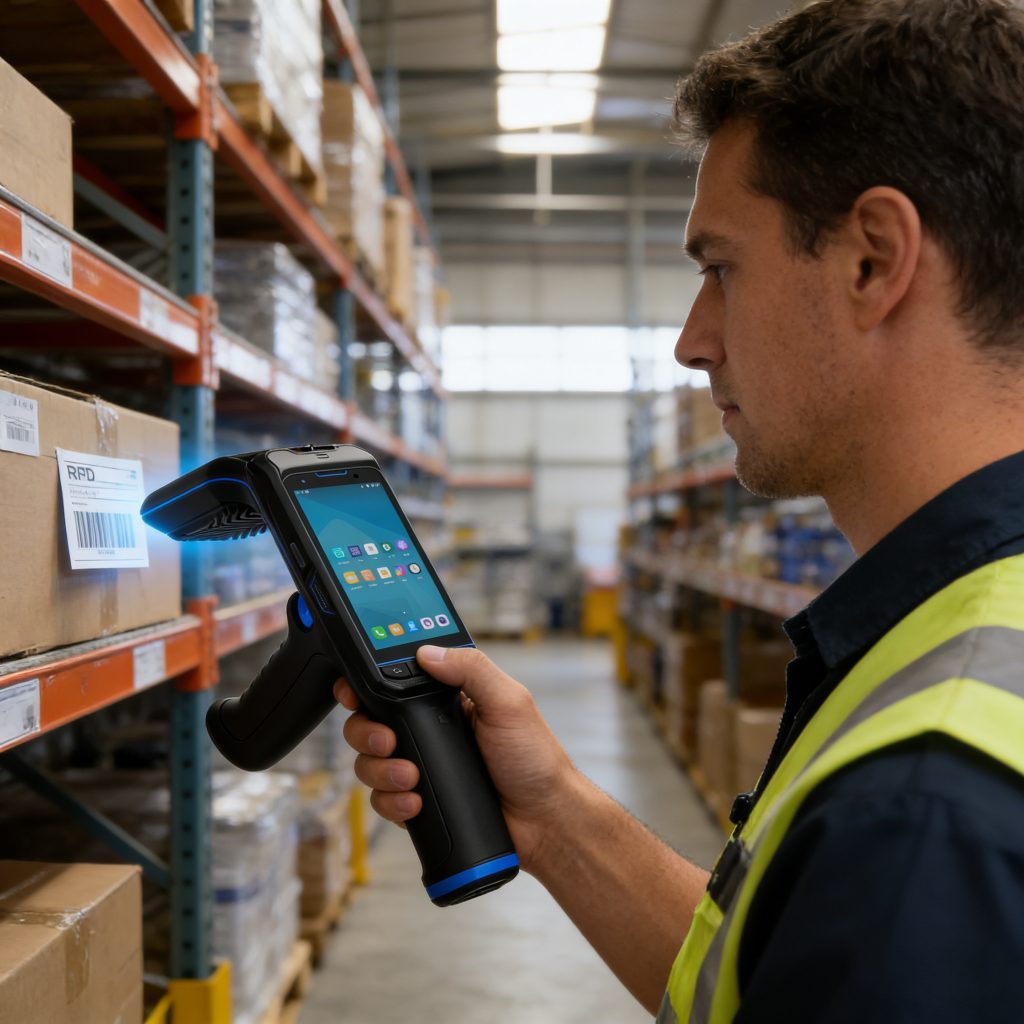
RFID systems can achieve inventory accuracy exceeding 95%, significantly outperforming manual tracking methods.
Every scan creates a digital record:
| Industry | Application Scenario |
|---|---|
| Warehousing | Inventory management |
| Manufacturing | Tool and equipment tracking |
| Healthcare | Medical asset monitoring |
| Facilities | Maintenance equipment tracking |
| Retail | Stock visibility |
RFID systems rarely fail because of technology—they fail because of implementation gaps.
From field observations:
In one facility, read rates improved from ~80% to 96% after adjusting tag positions and reader power levels. No hardware change—just calibration.
Yes, especially for large-scale operations. RFID enables bulk reading and does not require line-of-sight.
Most RFID tags are passive and do not require batteries, making them low-maintenance.
Yes, especially when integrated with fixed RFID readers or frequent handheld scanning.
Asset tracking with RFID doesn’t just digitize assets—it changes how teams interact with them.
Instead of searching, verifying, and double-checking, teams begin to rely on continuous visibility. That shift—subtle at first—builds into measurable efficiency over time.
And again, even when the conversation starts with “how long do led tennis court lights last,” it often ends with a broader realization:
Lifecycle matters. Visibility matters more.
Learn how do rfid tags work using radio waves to transmit data wirelessly for fast, accurate tracking in retail, logistics, and asset management systems.
More
Learn how a passive radio-frequency identification (RFID) system works, including components, communication, and applications. Discover Cykeo’s industrial RFID solutions.
More
Where to buy RFID tags without wasting budget? Learn where professionals source reliable RFID tags and what to avoid before ordering.
More
Discover what does an rfid tag do and how RFID technology improves asset tracking, inventory accuracy, and automation with Cykeo professional RFID solutions.
More