 Cykeo RFID IoT Solution Products R&D Manufacturer

How to Choose the Right USB RFID Reader for Your Application
142This article explains how to choose a USB RFID reader based on tag frequency, reading distance, multi-tag requirements, USB connectivity, and software integr...
MoreAll RFID Product
You retrieve data from an RFID tag by using a compatible RFID reader and software to interrogate the tag wirelessly. The reader captures the tag’s identifier and, when supported and authorized, reads additional memory. The data is then passed to an application for display, storage, or processing.
The exact procedure depends on the tag’s frequency, communication protocol, memory structure, and access settings. Reading a passive UHF tag’s EPC identifier is usually different from retrieving information stored in its user memory or reading a protected memory bank.
One detail often causes confusion: an RFID reader does not automatically retrieve every piece of information associated with an item. It retrieves the data the tag exposes through its supported protocol and access permissions. Product descriptions, warehouse locations, ownership records, and transaction histories may exist in a connected database rather than on the tag itself.
For example, a warehouse operator may scan a tagged carton and receive an EPC identifier. Inventory software then uses that identifier to look up the product record. The reader has retrieved the tag data; the software has retrieved the associated business information. Those are connected operations, but they are not the same thing.
The information available depends on the RFID technology and the specific tag. Some tags are designed mainly to provide an identifier, while others support additional writable memory or application-specific data.
In many passive UHF RFID systems, the reader retrieves an Electronic Product Code (EPC) from the tag. The EPC can identify a tagged object within an inventory system, depending on the encoding scheme and how the organization assigns identifiers.
For example, a retailer may associate an EPC with a particular garment, while a logistics operator may associate one with a carton or reusable transport container.
The EPC does not necessarily contain a human-readable product name, price, or complete stock record. Software typically interprets the identifier or uses it as a key to retrieve more information from a database.
Some RFID tags support several memory areas. The exact layout depends on the technology and tag specification.
For passive UHF tags conforming to the GS1 EPC Gen2 / ISO/IEC 18000-63 family of protocols, common memory-bank concepts include:
| Memory area | General purpose | Important consideration |
|---|---|---|
| Reserved memory | Includes security-related fields such as access and kill passwords in applicable tag designs | Access depends on the tag, permissions, and protocol |
| EPC memory | Holds the EPC-related data and associated control information | Exact structure depends on the tag and encoding |
| TID memory | Contains a tag identifier associated with the chip or tag manufacturer; contents vary | Not every field should be assumed to be user-programmable |
| User memory | Optional additional storage for application-specific data | Capacity and availability vary by tag |
Not every tag implements every memory area in the same way, and not every area is freely readable. Check the tag’s datasheet and the applicable protocol before planning a data-retrieval workflow.
The GS1 UHF Gen2 air-interface specification provides the technical foundation for compatible UHF readers and tags. Refer to GS1 RFID standards and the GS1 EPC UHF Gen2 air-interface protocol
A reader may return a short identifier even when the business system displays a detailed record. This is normal.
Suppose a maintenance team scans an RFID tag attached to a machine. The tag may provide only an EPC or another identifier. The maintenance application can use that value to display the machine’s model, service history, inspection status, or assigned department—provided those records exist in the database and the user has permission to access them.
Keep these data sources separate when designing a system:
Confusing these categories can lead to incorrect assumptions about what a tag contains and what a reader can retrieve.
A typical retrieval process has four parts: the reader establishes radio communication, the tag responds, the reader decodes the response, and software delivers the result to the user or another system.
The reader sends radio-frequency energy through its antenna using a supported protocol. A passive tag within suitable range uses the available energy to respond.
Depending on the command and tag capabilities, the tag may return its identifier or respond to a request for additional memory. Access restrictions and supported commands determine what can be retrieved.
The reader processes the received signal and provides the captured data through its interface, SDK, API, or supported application software.
The application displays the identifier, stores the read event, or looks up the corresponding item record. The result depends on the software integration and the user’s access rights.
A reader may successfully communicate with a tag but still fail to deliver usable information to the operator’s application. The device might be configured correctly while the host connection, API call, serial-port settings, network service, or application logic is not.
When testing a new setup, check the retrieval chain in order:
This approach makes troubleshooting more precise. If the demo software reads the EPC consistently but the inventory application shows no item, the tag and radio link may already be working. The remaining issue could be in the data interface or database lookup.
For many inventory and asset-tracking applications, a passive UHF RFID reader is used to retrieve tag identifiers from multiple items. The practical steps vary by reader model and software, but the same basic checks apply whether the device connects through USB, RS-232, Ethernet, or an application programming interface (API).
Before scanning, verify that the reader and tag operate on compatible frequencies and communication protocols. A UHF reader will not automatically read an HF access card simply because both devices use RFID.
For passive UHF inventory applications, check whether the equipment supports the relevant EPC Gen2 / ISO/IEC 18000-63 protocol. Also verify that the reader is configured for the country or region where it will operate.
Depending on the model, an RFID reader may communicate with a host computer through USB, a serial connection, Ethernet, or a software interface. Some devices provide a demonstration application for reading tags before developers integrate the hardware into their own systems.
Start with the manufacturer’s documented connection method. If the reader uses a serial interface, confirm the port and communication parameters. For Ethernet devices, check network addressing and connectivity. For USB readers, verify that the operating system recognizes the device and that the required driver or software is installed.
Many UHF reader applications provide an inventory function that detects compatible tags within the reading zone and returns their identifiers. The exact command names and output fields depend on the reader’s SDK and firmware.
For a basic retrieval test:
Do not assume that every detected tag has been read exactly once. A reader may detect the same tag repeatedly during continuous inventory. Applications commonly use tag identifiers and event-handling logic to manage duplicate observations.
If the application needs more than the tag identifier, first confirm that the tag supports the relevant memory area and that the reader software provides the necessary read command.
Some memory operations require specific parameters, such as a memory bank, starting address, word count, or access credentials. These parameters are protocol- and product-dependent. Use the manufacturer’s documentation rather than copying command values from an unrelated reader.
Additional memory should only be read when needed. For many retail and warehouse applications, retrieving the EPC and using it to query a database is simpler than storing large amounts of business data directly on the tag.
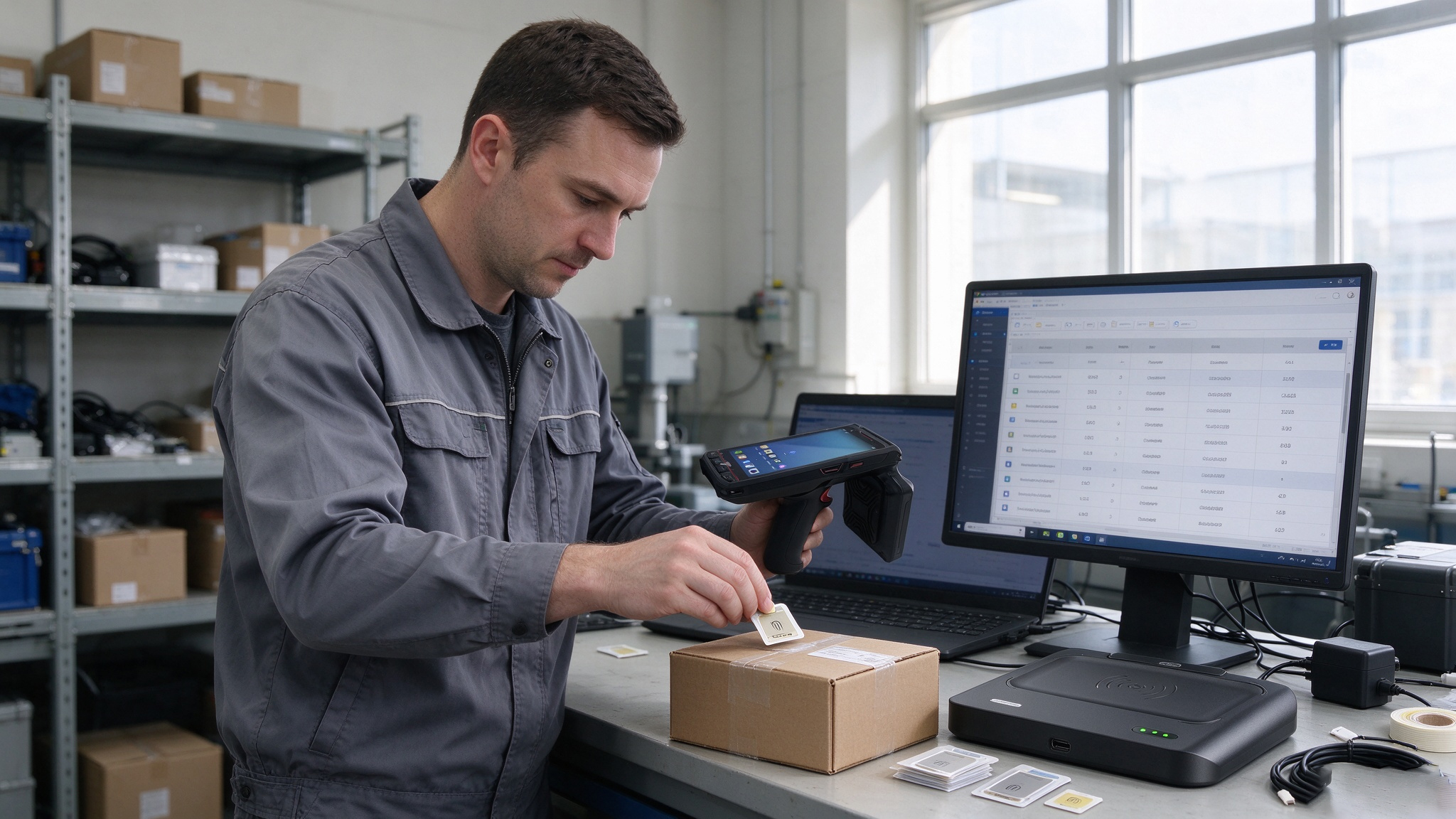
A reader can detect an RFID tag without successfully retrieving every piece of information stored on it. The distinction matters: detecting a tag, decoding its identifier, and reading a specific memory location are separate operations. When a system returns incomplete data, check the reader configuration, tag compatibility, command sequence, and application logs before assuming the tag is defective.
Start by confirming which data the software is displaying. Many RFID applications show the tag’s EPC identifier by default, not its entire memory contents. If you need additional information, the reader and software must support the relevant memory-read command.
For passive UHF systems, check whether the tag and reader support the same air-interface protocol, such as the GS1 EPC Gen2 standard. Then verify that the application is issuing the correct command for the intended memory bank and address.
RFID performance depends on the tag, antenna, reader settings, and surrounding materials. Metal surfaces, liquid-filled products, tag orientation, and overlapping tags can affect communication.
During testing, keep the tag position consistent and read one tag at a time. Once the basic operation works, introduce multiple tags and realistic product placements. This makes it easier to determine whether the problem comes from RF performance or the software workflow.
Check the following before changing hardware:
Not every RFID tag contains a readable product description or serial number in its user memory. In many deployments, the tag supplies an identifier that software uses to retrieve richer information from a database.
RFID data retrieval should follow the access rules of the system in which the tag is used. A tag’s radio response does not automatically grant permission to access associated business records or modify its contents.
For inventory and asset-tracking applications, define which users and devices can read identifiers, access protected memory, or write new values. Where supported, use the reader manufacturer’s security functions and follow the tag’s documented access-control procedures.
It is also important to separate tag data from database data. An RFID tag may contain an EPC or another identifier, while a connected application retrieves the item’s description, owner, location, or transaction history from an authorized database. Those records may require separate authentication and access permissions.
For supply-chain systems, GS1 EPCIS provides a standardized way to share visibility event information, such as what happened to an object, when and where it happened, and the business context. EPCIS is not a command for reading tag memory; it supports the exchange of event data across systems.
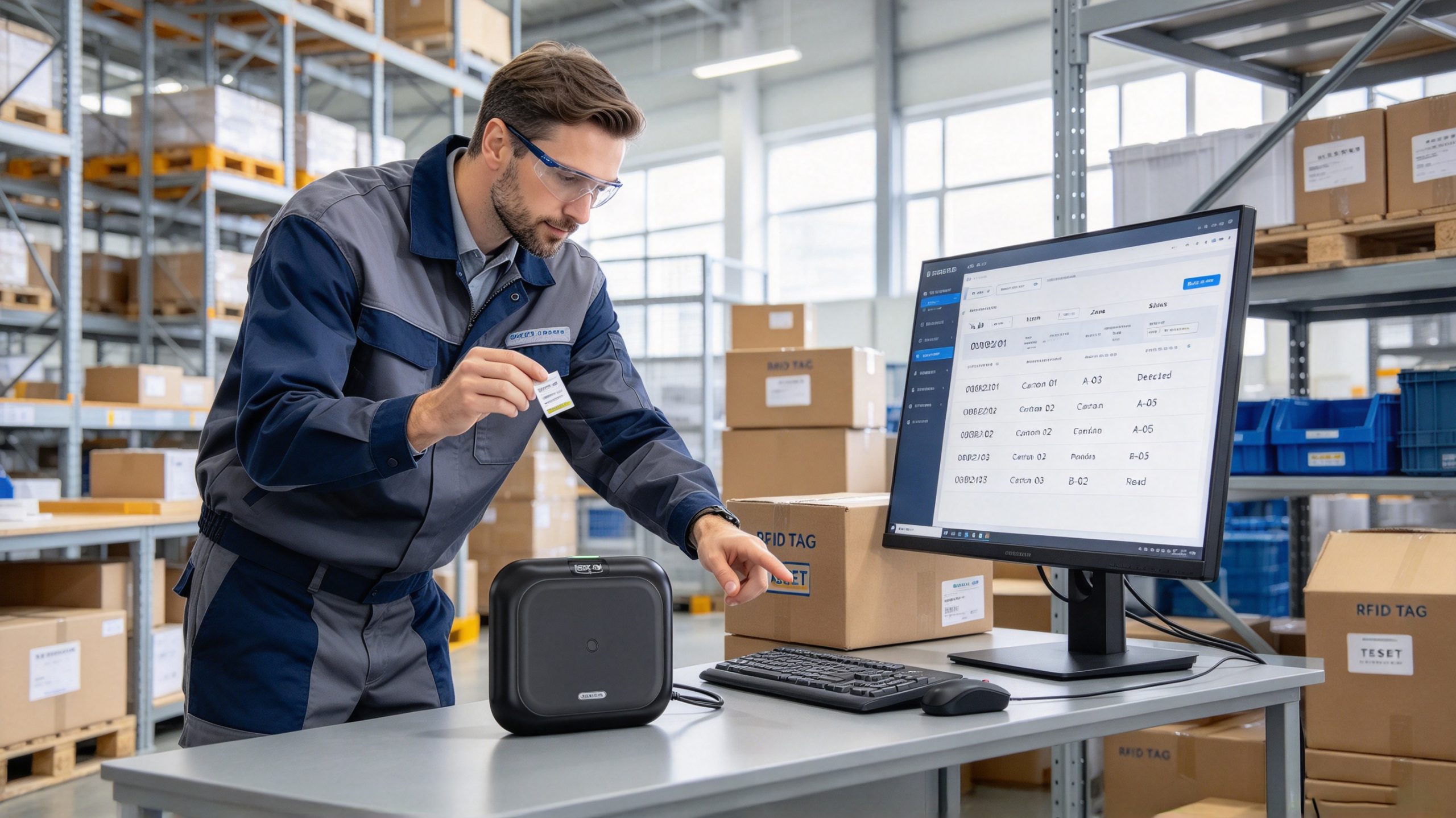
The appropriate reader depends on where tags are read, how many tags must be processed, and whether the application only needs an identifier or must access additional memory.
| Requirement | Suitable reader type | Important consideration |
|---|---|---|
| Read or encode tags at a desk | Desktop RFID reader/writer | Confirm supported frequency, protocol, connection interface, and read/write distance |
| Scan tags at a workstation or production station | Fixed RFID reader | Plan antenna placement and the intended read zone |
| Integrate RFID into a custom device | OEM RFID module | Check SDK/API availability, host interface, and integration requirements |
| Identify many tags in a warehouse or portal | Fixed reader with suitable antennas | Test tag orientation, read-zone boundaries, and multi-tag performance |
For example, Cykeo’s desktop RFID platforms are intended for tag administration tasks such as registration and read/write operations. The CYKEO-D4 product information specifies a near-field reading distance of up to 30 cm and a writing distance of up to 10 cm. Actual results depend on the tag and operating conditions, so these figures should be validated with the intended tag model.
When evaluating a reader, request documentation for the supported protocols, SDK or API, available memory-read commands, connection options, and software examples. A reader that can inventory tags may not necessarily expose every advanced memory operation through its default application.
Not necessarily. The available data depends on the tag’s memory structure, supported protocol, access permissions, and the reader software. Some applications retrieve only the tag identifier; others can read additional memory when the tag and reader support the required commands.
Some phones can read certain NFC tags using built-in NFC hardware and compatible software. NFC generally operates at 13.56 MHz, so an ordinary NFC-enabled phone cannot directly read passive UHF EPC Gen2 tags unless suitable external hardware is used.
No. A compatible reader can often retrieve tag data locally without internet access. An internet or network connection may be needed if the application must query a remote database, synchronize records, or send data to a cloud platform.
The EPC is an identifier, not necessarily a human-readable product description. The application may need to look up that identifier in an inventory database or enterprise system to display the associated product name and other details.
Some RFID tags support writing to designated memory areas, provided the reader, software, and tag support the operation and the required access conditions are met. Other fields may be locked or permanently non-writable. Always confirm the tag’s memory map before writing.
No. Data retrieval reads information from a tag. Tracking generally requires repeated reads at known locations, timestamps, or connected systems to build a record of an item’s movement. A single RFID read does not establish an item’s full location history.
Use a reader compatible with the tag’s frequency and protocol, confirm the intended memory location, and test with the actual tags and materials used in the application. Log reader responses and verify that the software interprets the returned data correctly before deploying the workflow at scale.

Discover SSD-D4AL, a USB-HID UHF RFID reader with 4/8/16 antenna options, Impinj E710/X3M1 chipset, plug-and-play USB power, and OEM customization.
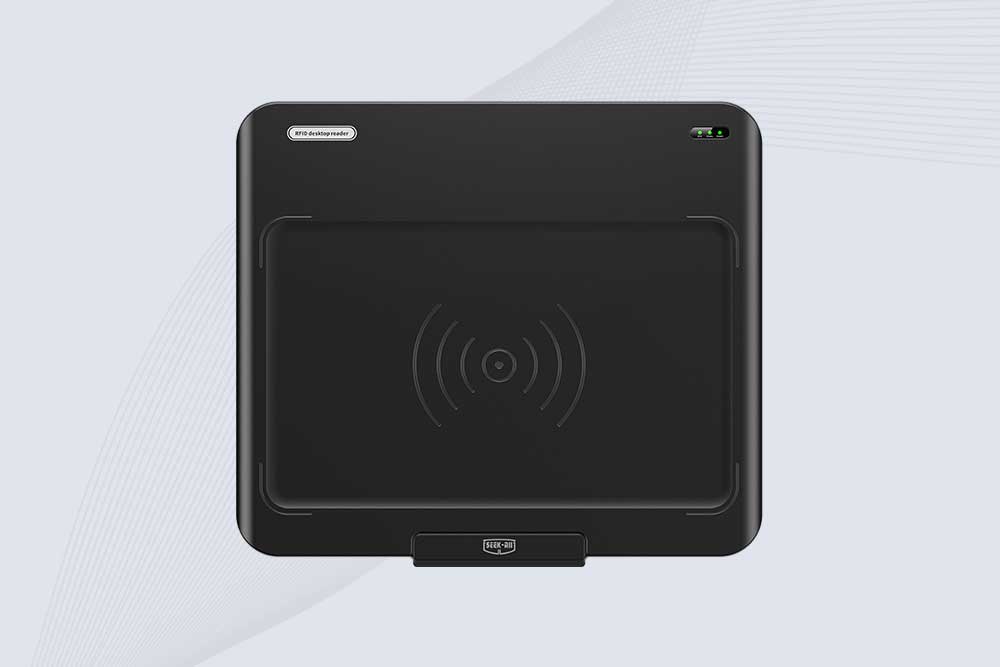
SSD-D3AL is a USB-HID UHF RFID reader with 0–30 cm reading, 0–15 cm writing, over 600 tags/s recognition, USB plug-and-play operation and OEM Logo customization.
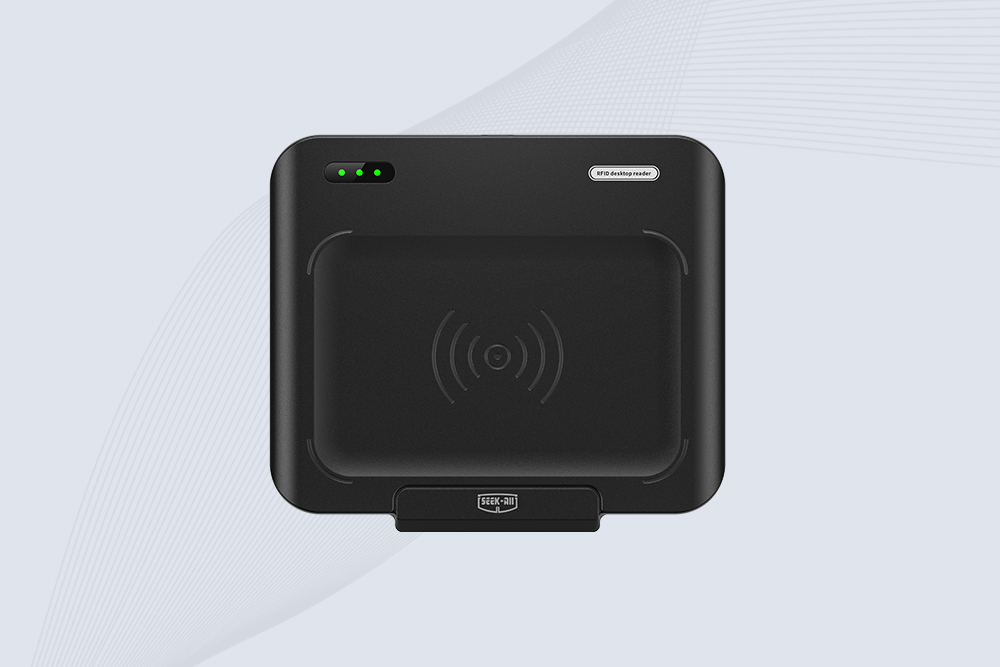
SSD-D1AL is a compact USB UHF RFID reader with Impinj E710/X3M1 chipset, USB-HID, 600+ tags/s recognition, 4/8/16 antenna support and plug-and-play USB power.
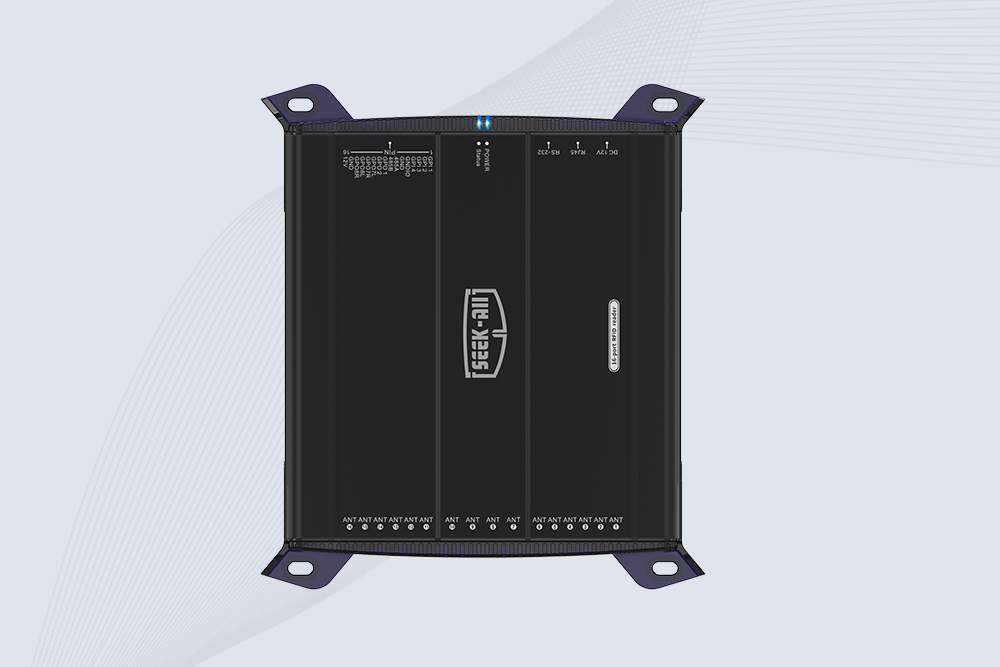
SSD-R16L Multi-Channel RFID Infrastructure for Automated Inventory Management ✔️ 16-Port High-Density RFID Reading Equipped with 16 SMA antenna ports, SSD-R16L supports multi-antenna deployment for warehouses, retail stores, logistics, production lines, and large-area RFID identification. ✔️ High-Speed & Long-Range Performance With up to 33…
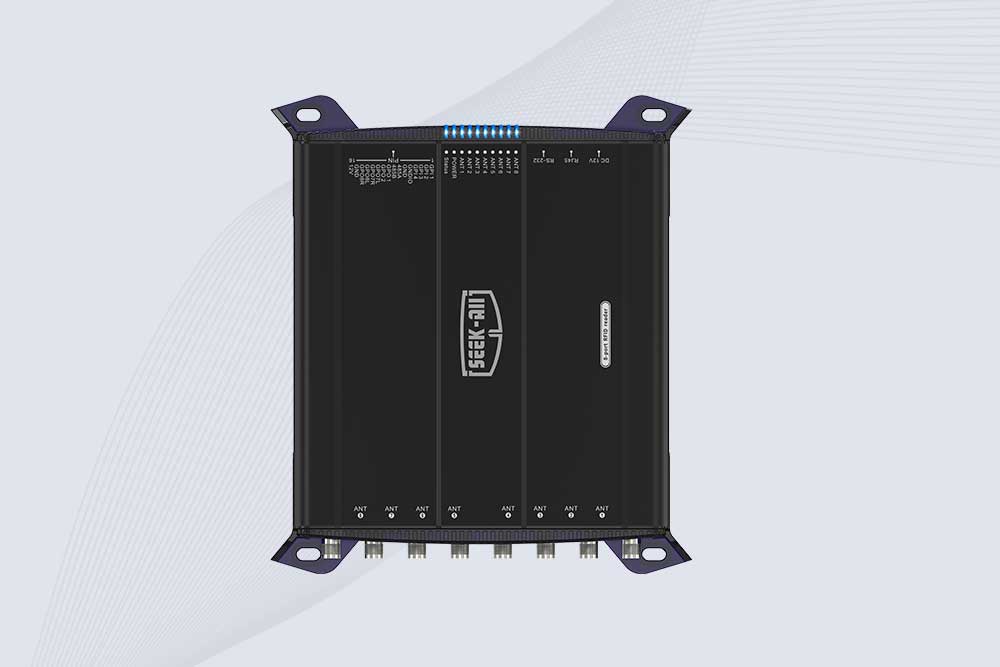
SSD-R8L 8-port UHF RFID reader with 33dBm output, up to 20m reading range and 600+ tags/s recognition. Ideal for warehouse, logistics, retail and asset tracking.
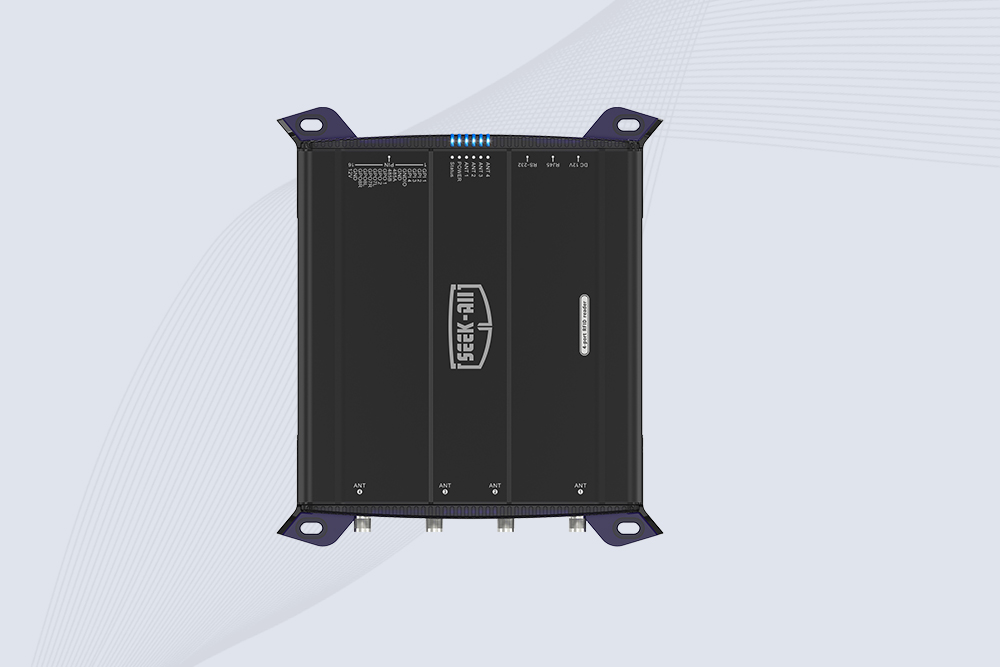
SSD-R4L is a 4-port UHF RFID fixed reader with 33dBm output power, up to 20m reading range, EPC C1G2 support and 600+ tags/s reading speed.

CYKEO CYKEO-D1LA USB RFID Reader is a compact desktop solution with near-field control for precise tag reading and encoding. Powered by USB, supporting ISO 18000-6C, and built for stable batch writing, this usb rfid tag reader fits retail, libraries, offices, and controlled RFID encoding tasks.
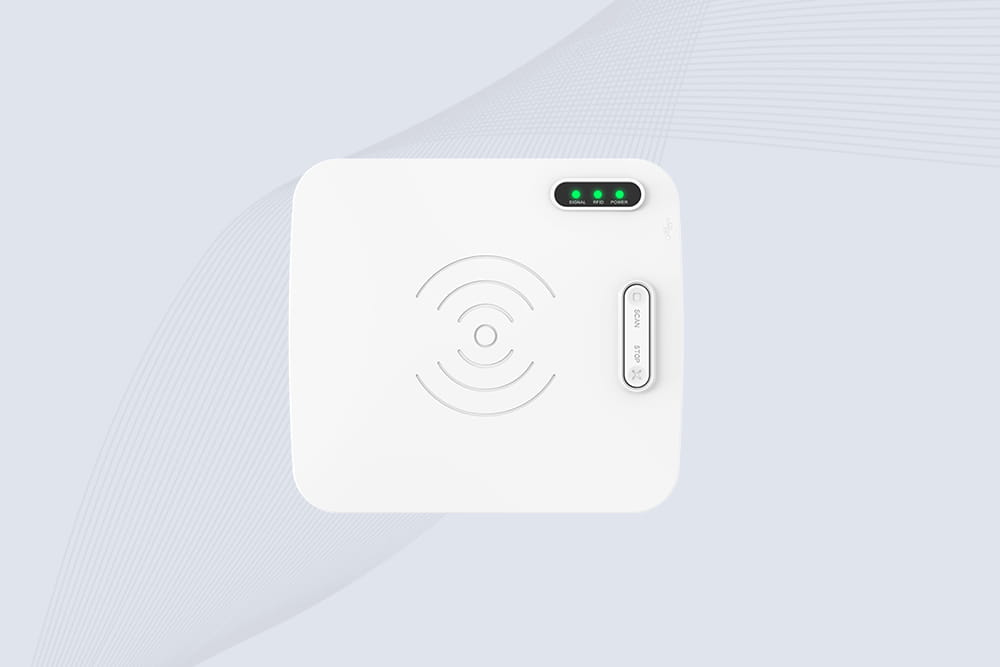
CYKEO CYKEO-D1L RFID scanner USB is a compact desktop UHF RFID scanner designed for short-range tag writing and verification. This usb rfid scanner supports batch encoding, stable 0–26 dBm output, and works across Windows, Linux, and Android systems.
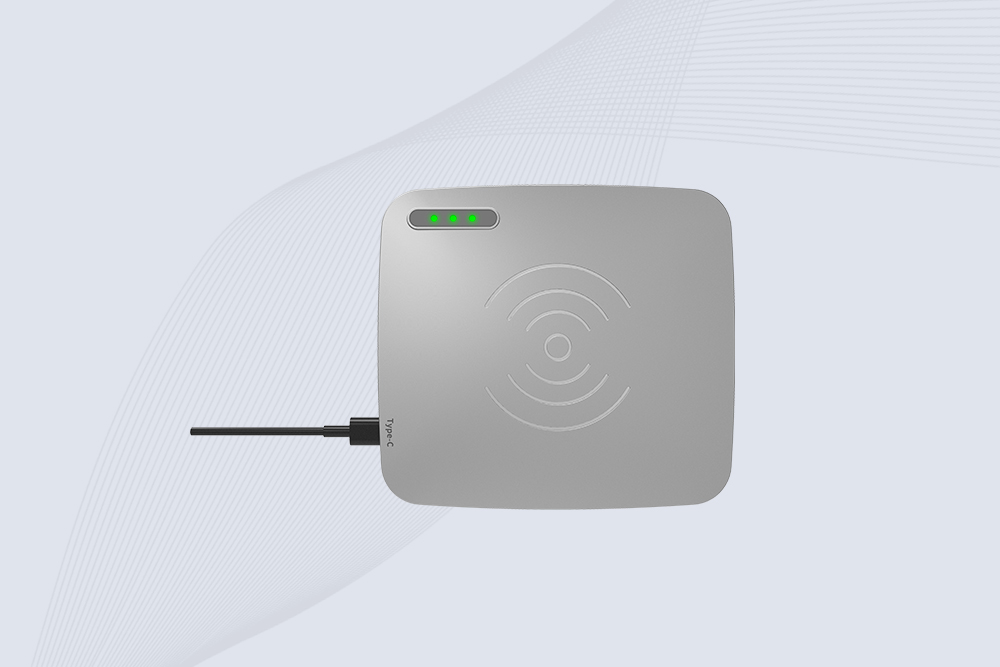
CYKEO CYKEO-D1C USB RFID Card Reader is a near-field UHF desktop writer designed for secure, short-range tag encoding. With USB-C connectivity and stable 26 dBm output, this rfid reader usb c is ideal for badge issuance, label encoding, and controlled desktop RFID workflows.
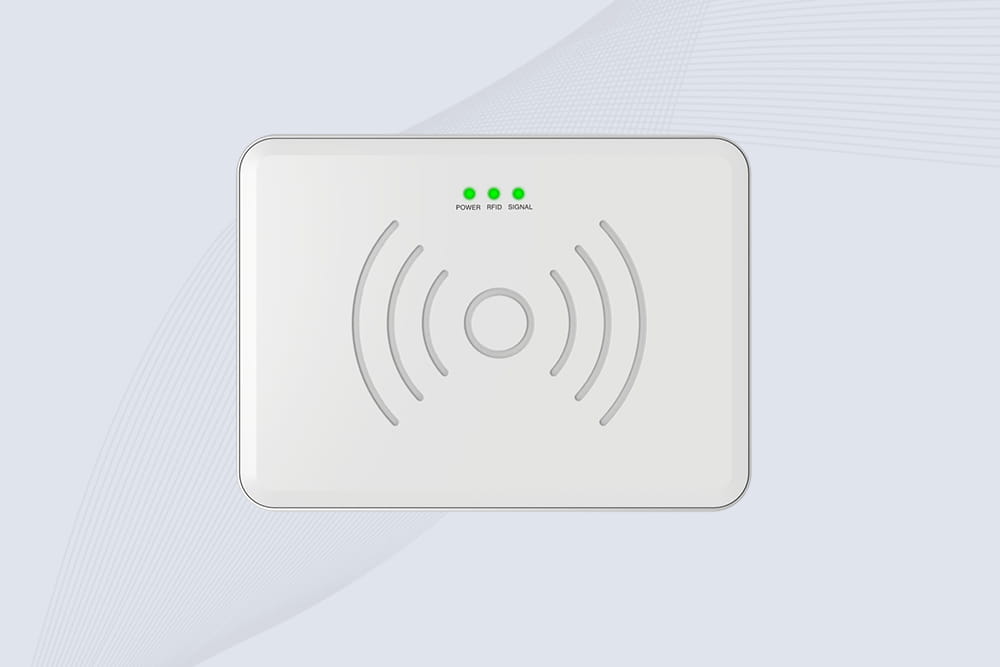
CYKEO CYKEO-D2L RFID Reader USB is a compact desktop encoder built on the Impinj R500 chip. With near-field control and stable USB power, this usb rfid card reader delivers precise tag writing for offices, retail counters, and small-scale logistics encoding tasks.
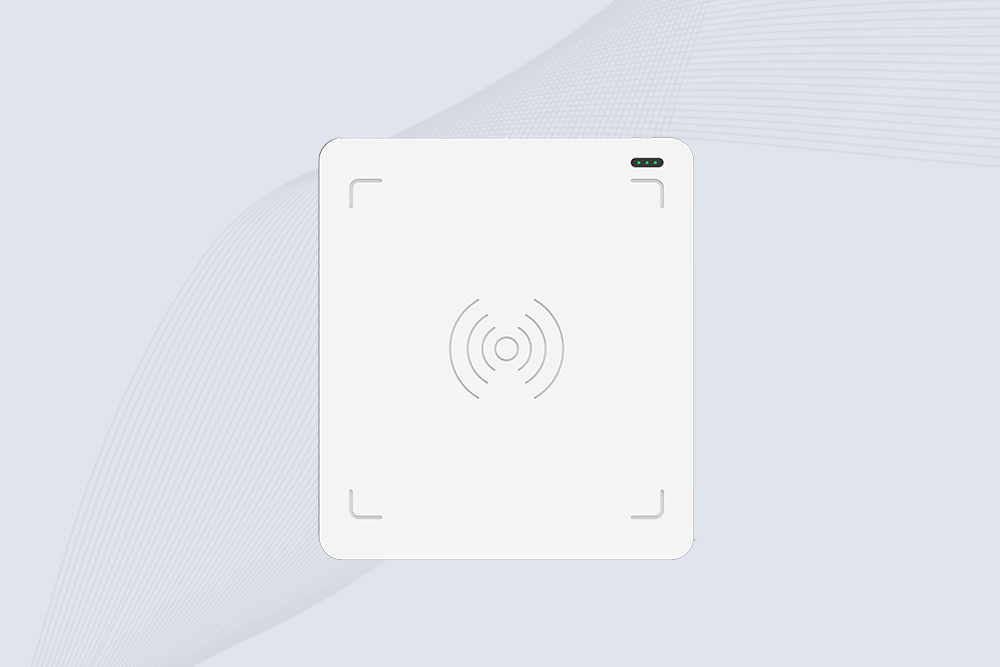
CYKEO CYKEO-D3L USB RFID Tag Reader delivers stable UHF tag reading and writing for daily desktop and light industrial tasks. Designed for controlled short-range operation, this USB RFID Tag Reader works reliably with rfid tag and reader systems in libraries, tool tracking, and inventory registration.
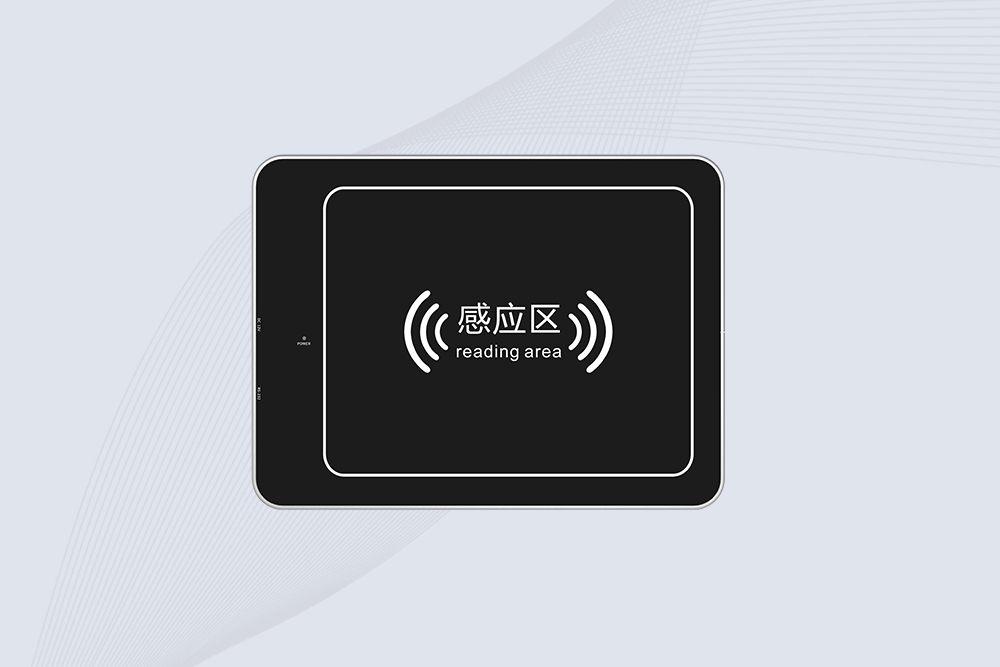
The CYKEO CYKEO-D4L UHF RFID Tag Reader is a stable Desktop RFID Reader designed for accurate tag registration, borrowing, and return workflows. Built with the Impinj R2000 chip, this UHF RFID Tag Reader delivers controlled short-range reads for libraries, asset tracking, and inventory management environments.
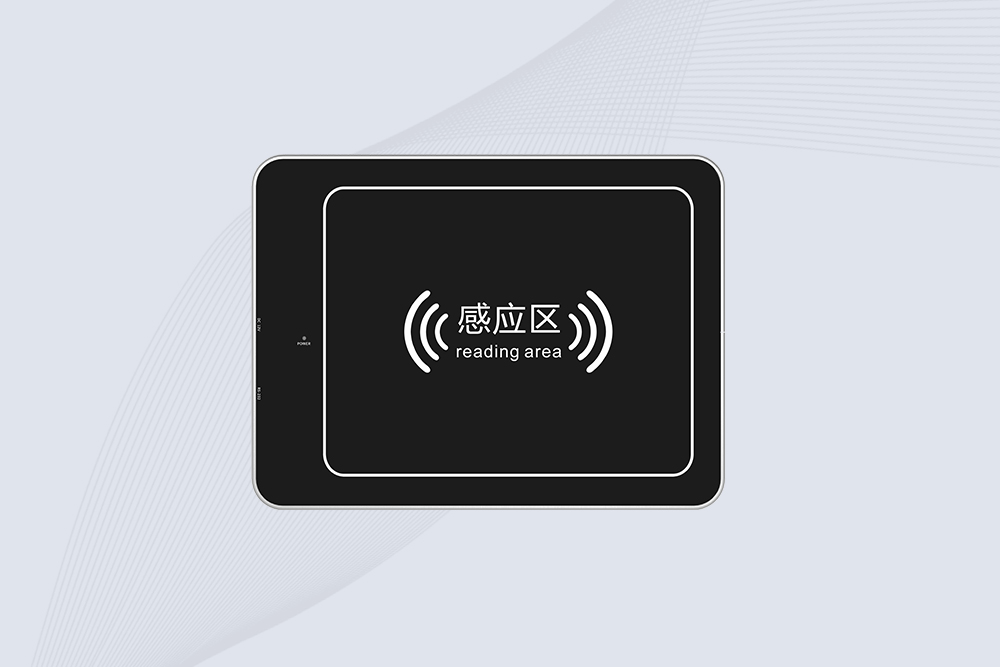
The CYKEO CYKEO-D5L Desktop RFID Card Reader is a stable UHF RFID Card Reader designed for controlled short-range reading and writing. Built for libraries, tool rooms, and asset desks, this UHF RFID Card Reader supports dense tag handling, secure data processing, and easy USB integration.
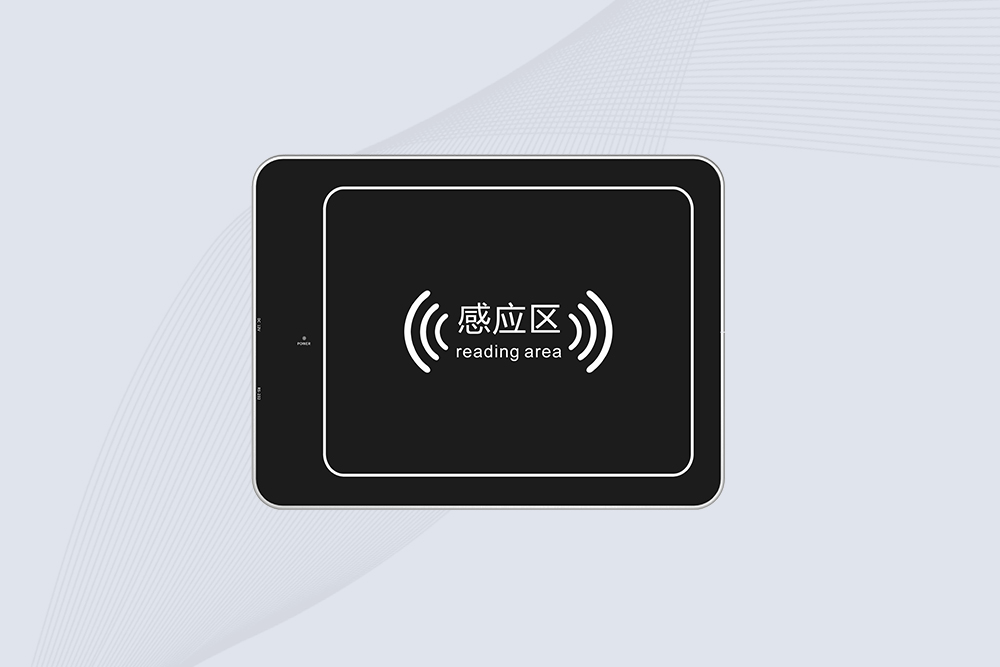
The CYKEO CYKEO-D6L RFID Reader Writer is a heavy-duty Desktop RFID Reader designed for short-range, high-accuracy tag programming. Built for libraries, labs, and asset desks, this RFID Reader Writer supports batch processing, stable 33dBm output, and seamless integration with existing management systems.
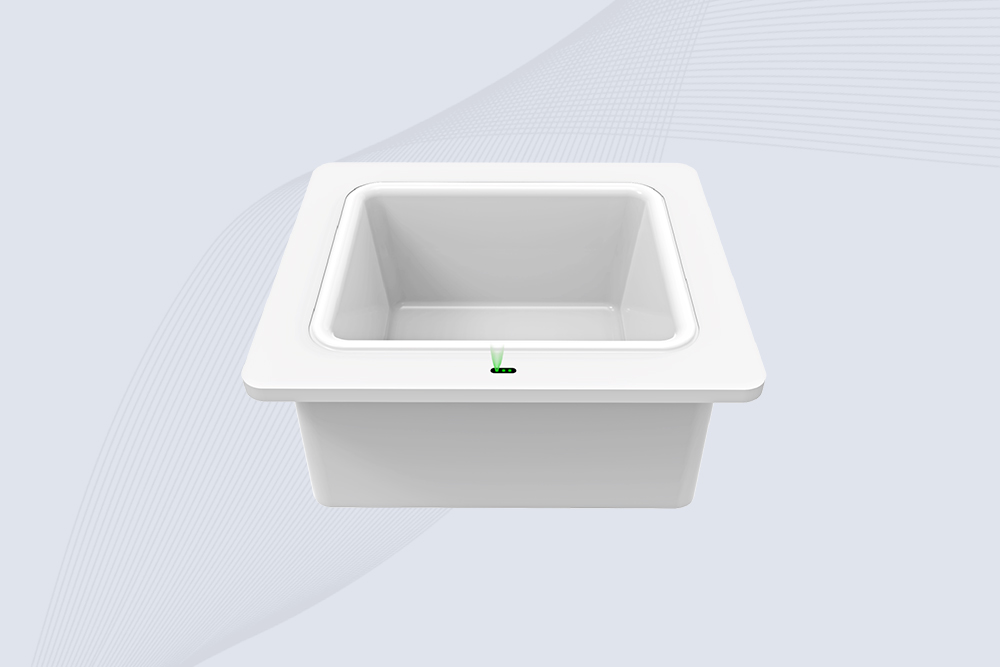
Cykeo CYKEO-D8B UHF RFID tunnel and RFID Desktop Reader features 30+ items batch reading,
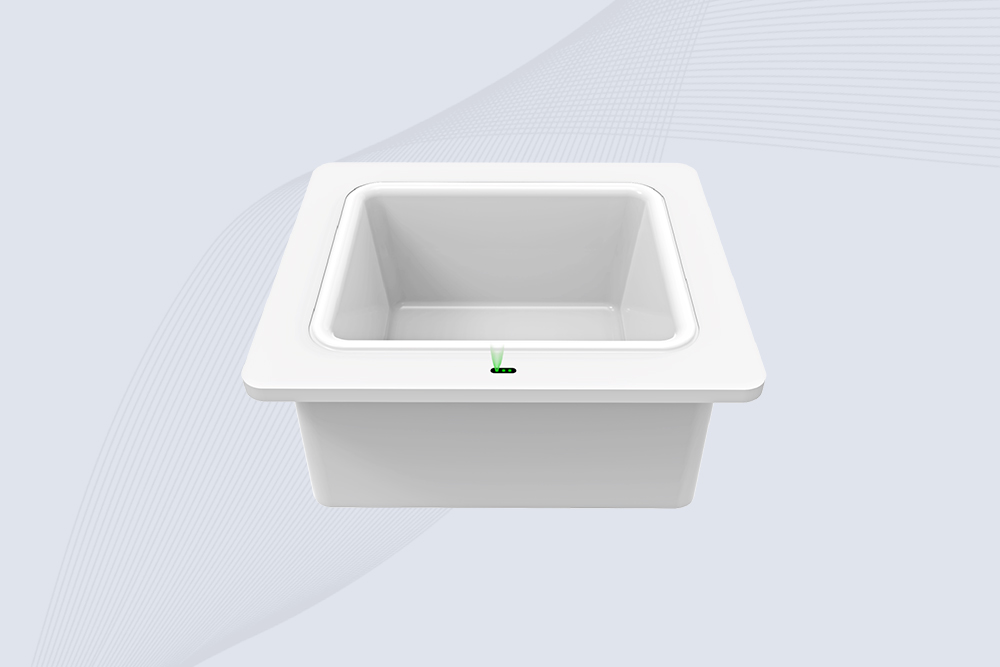
Cykeo CYKEO-D8A embedded RFID badge reader offers 30+ tags/sec scanning, 20cm anti-crosstalk precision, and DC 12V power for unmanned stores, warehouses, and smart inventory systems.
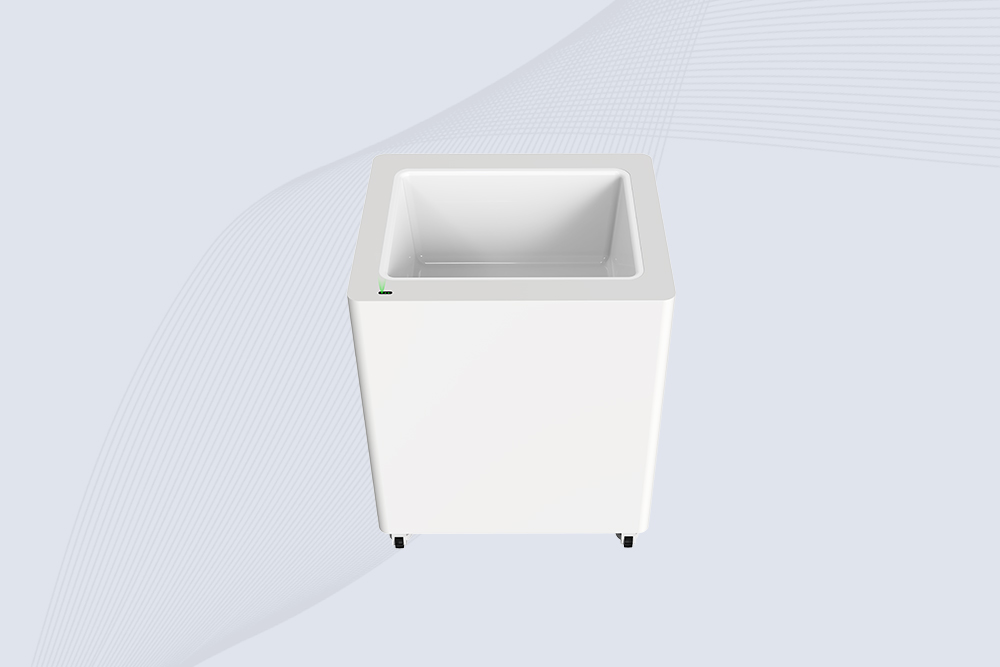
Cykeo’s CYKEO-D8C UHF RFID gate reader achieves 200-tag/batch scanning with adjustable power control, ideal for retail inventory and smart warehouse management.
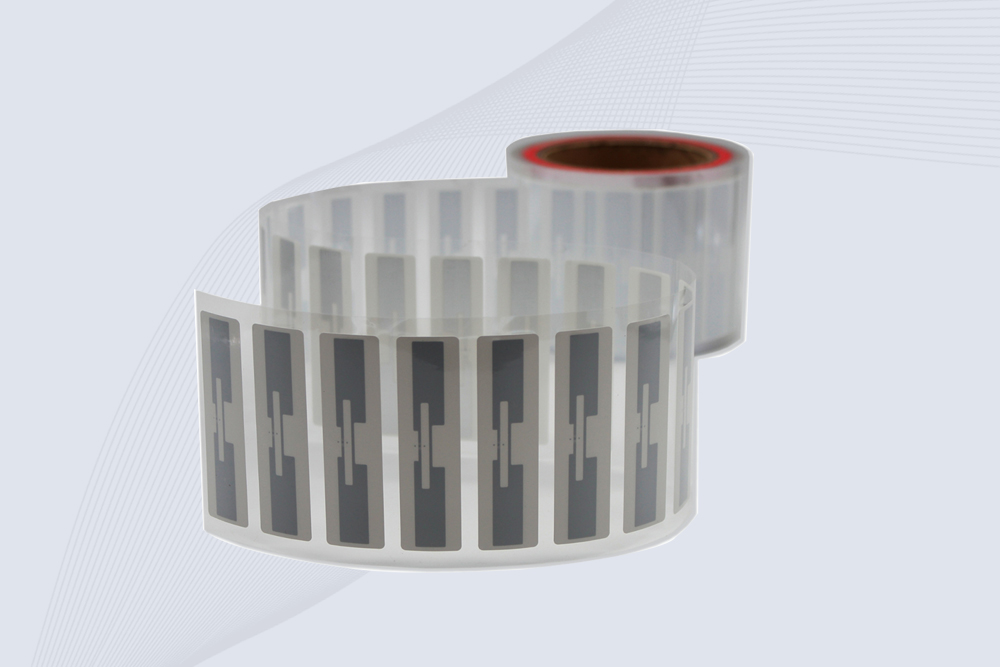
CYKEO Passive RFID Tags are made for wet and high-humidity environments where standard labels do not last. This rfid passive tag is often used around liquids, chemicals and temperature changes, providing stable reading distance and long data life for industrial tracking.
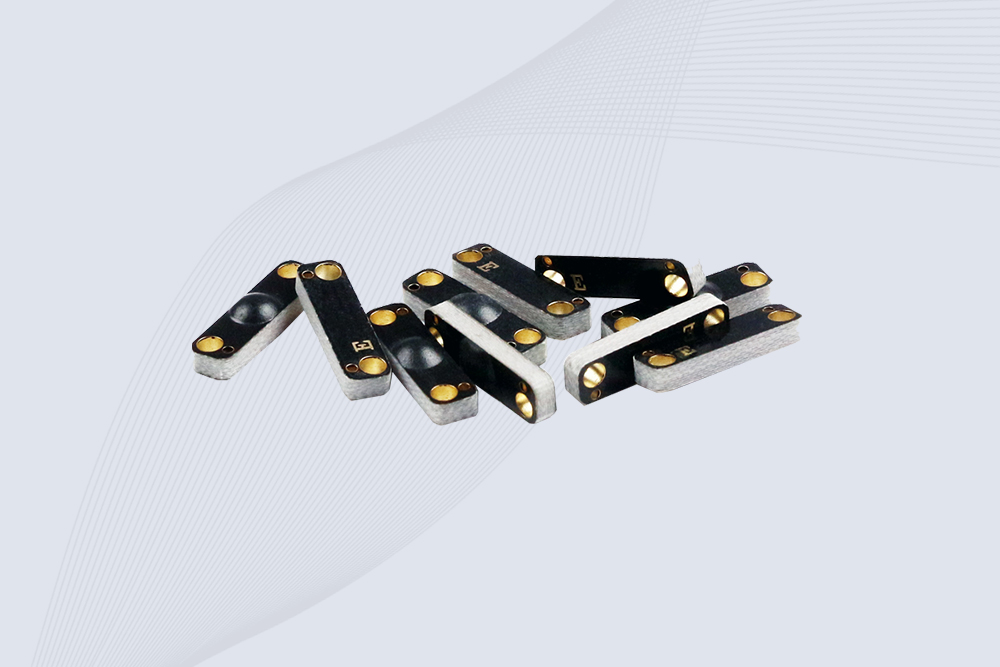
CYKEO CYKEO-PCB1504 Metal RFID Tags is a compact anti-metal UHF RFID solution built for direct mounting on metal surfaces. With stable 8-meter read range, Ucode-8 chip, and long data retention, this rfid metal tag fits tools, containers, automotive parts, and industrial asset tracking.
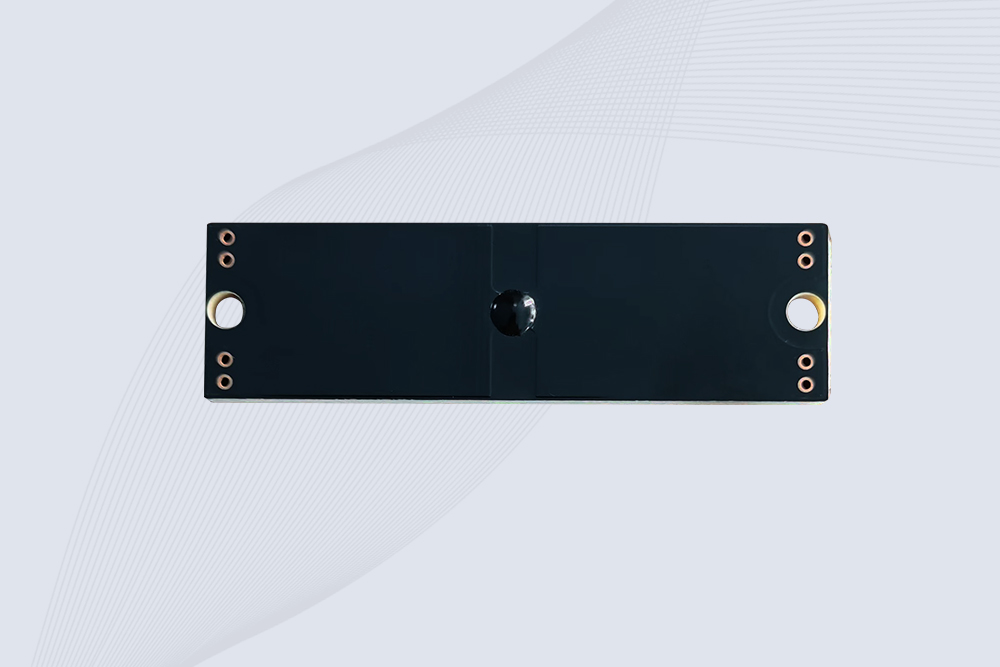
CYKEO CYKEO-PCB7020 On-Metal RFID Tags are designed for reliable tracking on steel and metal surfaces. Built with an FR4 epoxy body and industrial-grade chips, these On-Metal RFID Tags deliver stable performance, long data life, and chemical resistance, making them a dependable RFID anti-metal tag for harsh environments.
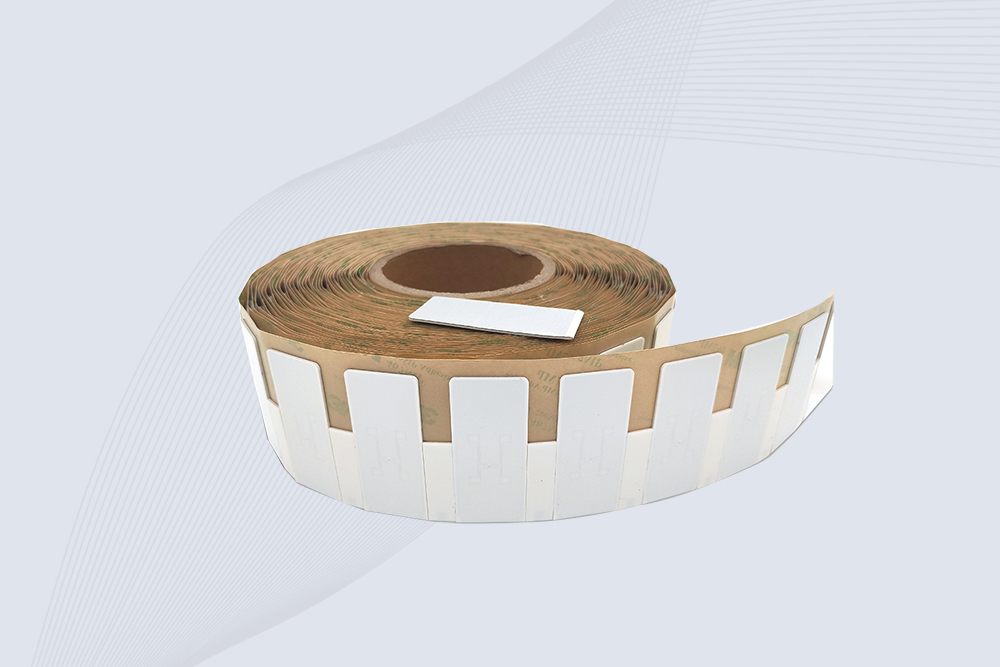
The CYKEO CYKEO-60-25 Anti-Metal RFID Tag is built for metal surfaces where standard tags fail. Designed for long-range performance, harsh environments, and stable data retention, this Anti-Metal RFID Tag is ideal for industrial assets, containers, and equipment tracking using on metal RFID tags.
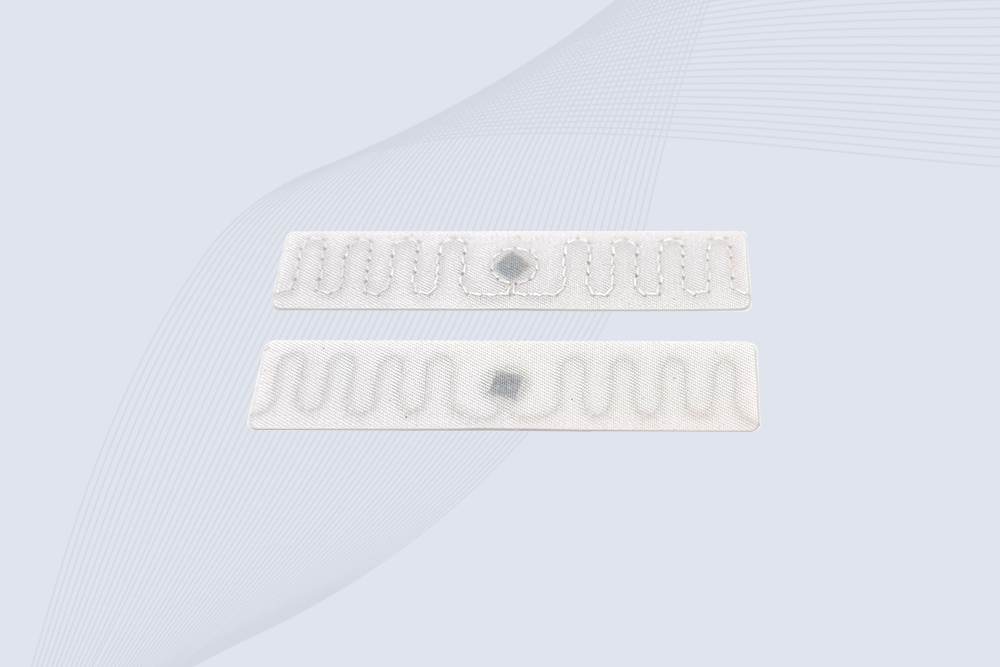
The CYKEO RFID Laundry Tag is designed for long-term textile identification in harsh laundry environments. Built to withstand high heat, chemicals, and repeated washing, this RFID Laundry Tag delivers stable performance for hotels, hospitals, and industrial laundry operations using laundry rfid tags at scale.
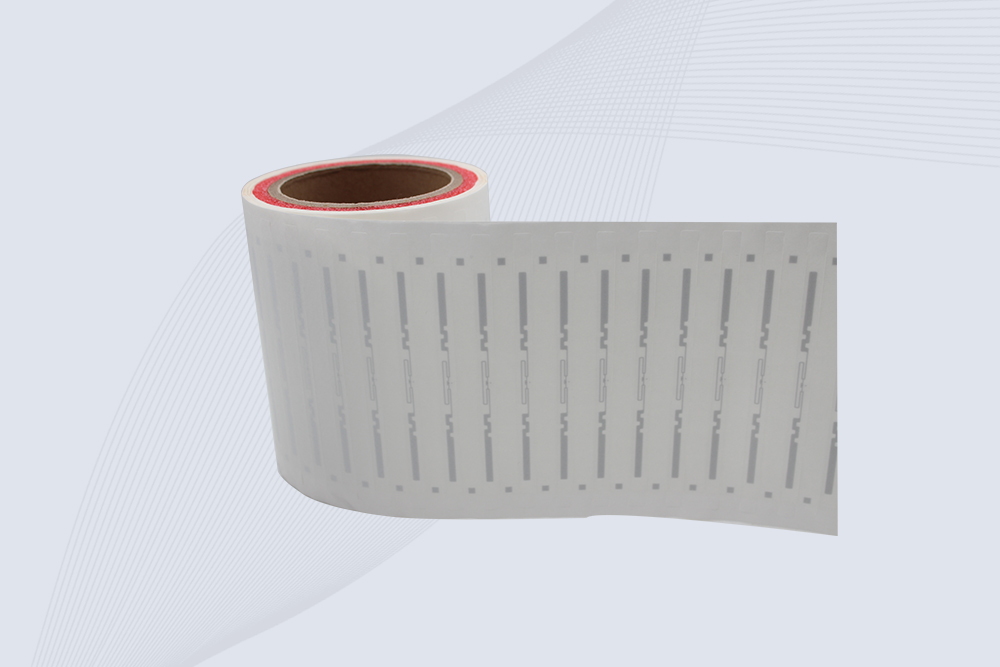
The CYKEO CYKEO-125-7 RFID Book Tag is designed for reliable book and document tracking in libraries and archives. This RFID Book Tag delivers long read range, dense placement support, and stable performance on shelves, making it a practical rfid tag on books for library automation, file management, and archival systems.
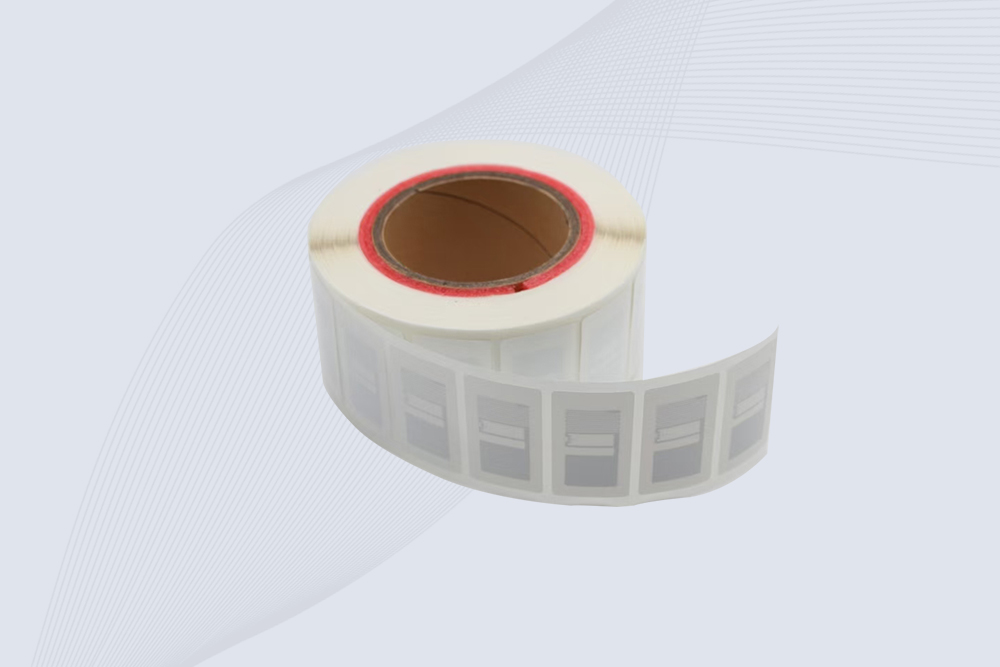
CYKEO RFID tags in hospitals are designed for sterile environments where accuracy matters. These autoclavable RFID tags support long-term tracking of surgical tools, implants, and medications, helping hospitals improve visibility, compliance, and patient safety.

CYKEO RFID Cable Tie Tag is built for reliable identification on metal surfaces. This UHF RFID Cable Tie Tag is widely used in rfid tags for inventory systems, industrial asset management and Hospital RFID Tags, offering stable read performance, long service life and global EPC Gen2 compatibility.
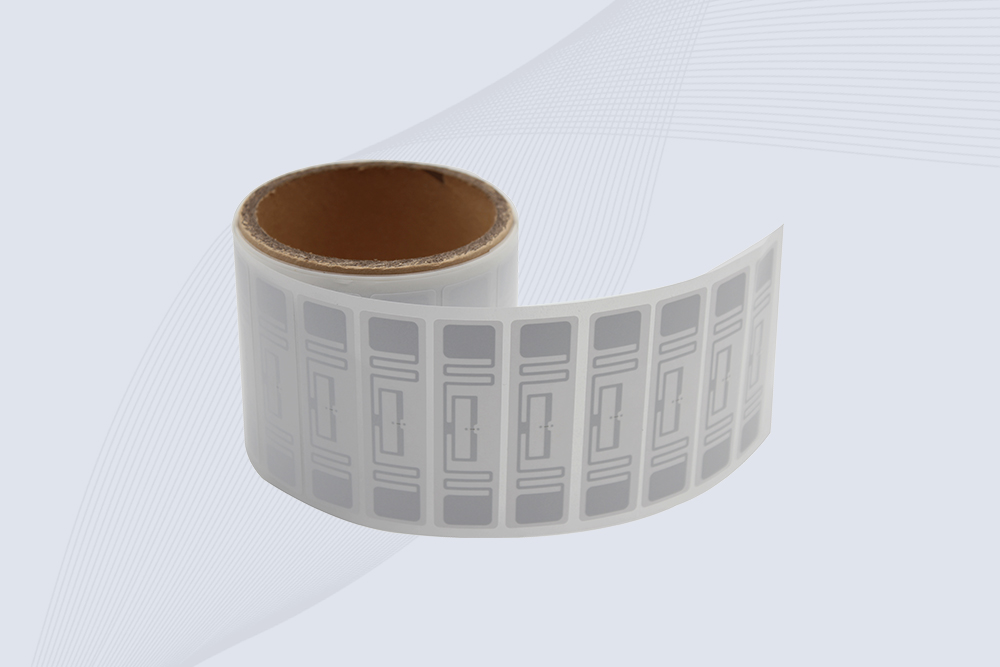
CYKEO RFID Asset Tag is designed for stable identification of metal assets in industrial environments. This UHF RFID Asset Tag is commonly used for rfid tag asset tracking on equipment, tools and containers, providing reliable reads, long service life and ISO/IEC 18000-6C support.

CYKEO UHF RFID Card is designed for fast identification and long-term use in industrial and commercial systems. Supporting ISO 18000-6C, this UHF RFID Card works at 860–960 MHz and is suitable for custom RFID cards used in asset tracking, access control and inventory management.
CYKEO HF RFID Cards are designed for secure and stable access control systems. These 13.56 MHz RFID key cards support ISO 14443-A, reliable rewriting and long service life, making HF RFID Cards suitable for offices, campuses, events and membership management.
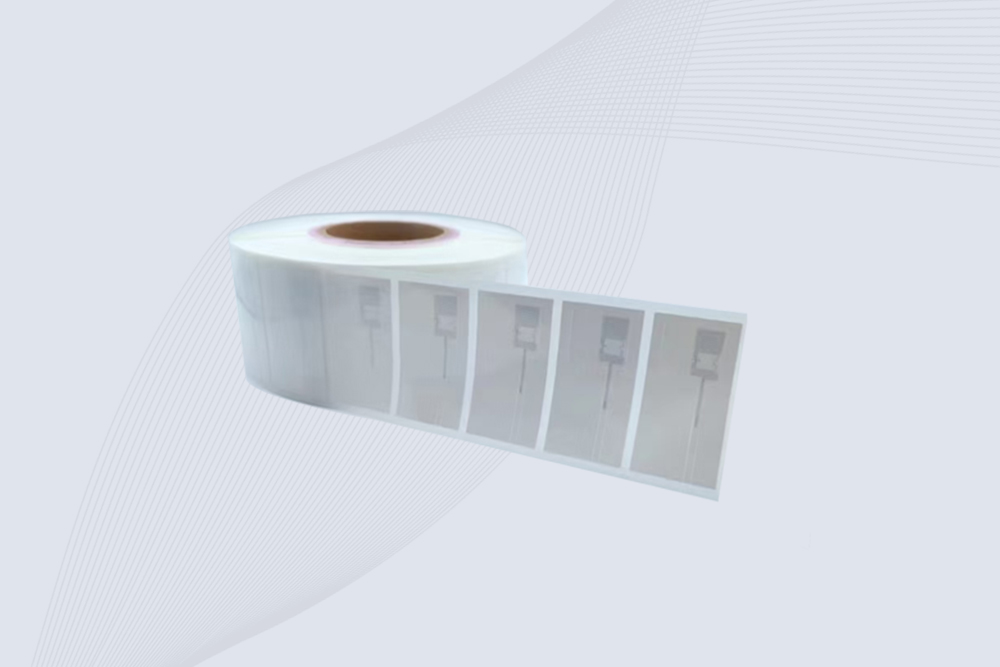
CYKEO UHF RFID Tag is designed for reliable tracking of metal jewelry and high-value items. This Jewelry RFID Tag supports long-range reading up to 8 meters, anti-counterfeit protection and stable performance on metal, making it suitable for retail, inventory control and asset management.
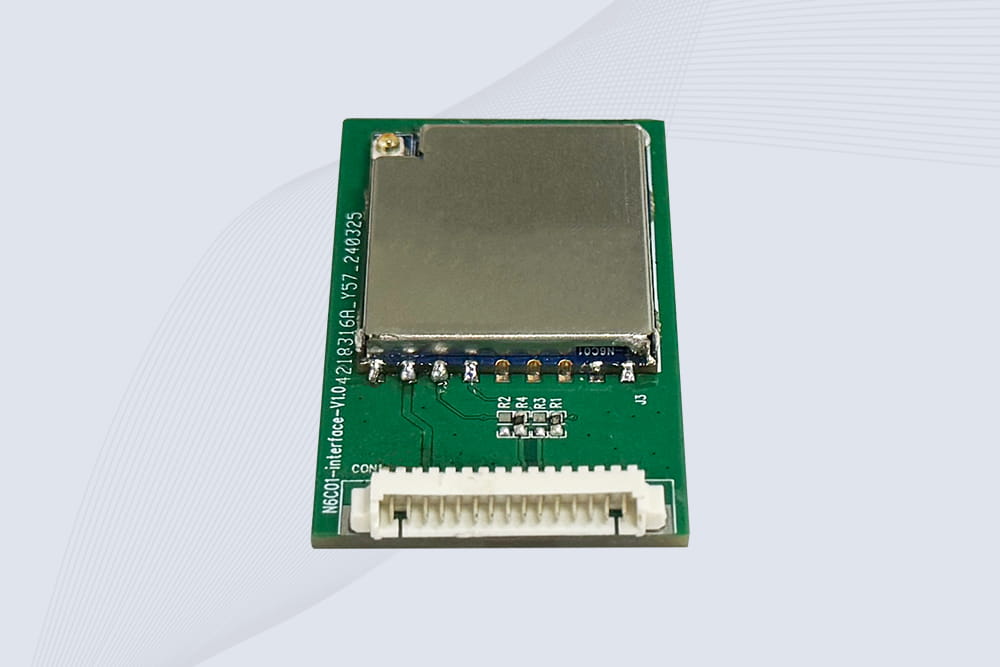
CYKEO Embedded RFID Modules are designed for compact industrial and IoT devices that require stable UHF performance. These UHF RFID Modules support global protocols, flexible power control, and reliable multi-tag reading for smart cabinets, production lines, and asset tracking systems.
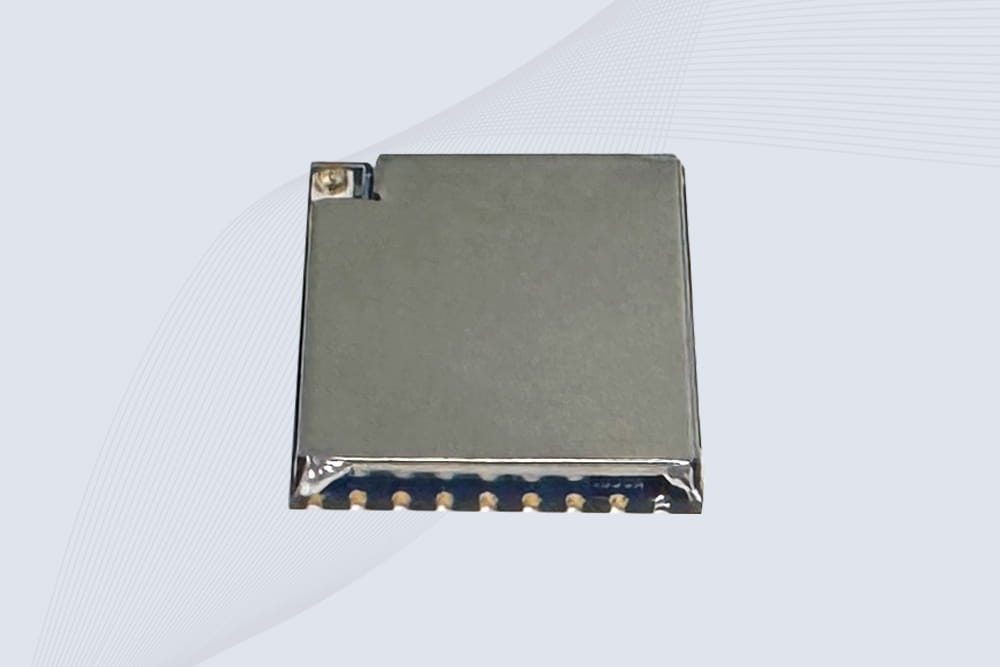
CYKEO Embedded RFID Module is built for compact IoT and industrial devices that need stable UHF performance. This UHF module supports global protocols, low power operation, and reliable multi-tag reading for smart lockers, production lines, and always-on RFID systems.
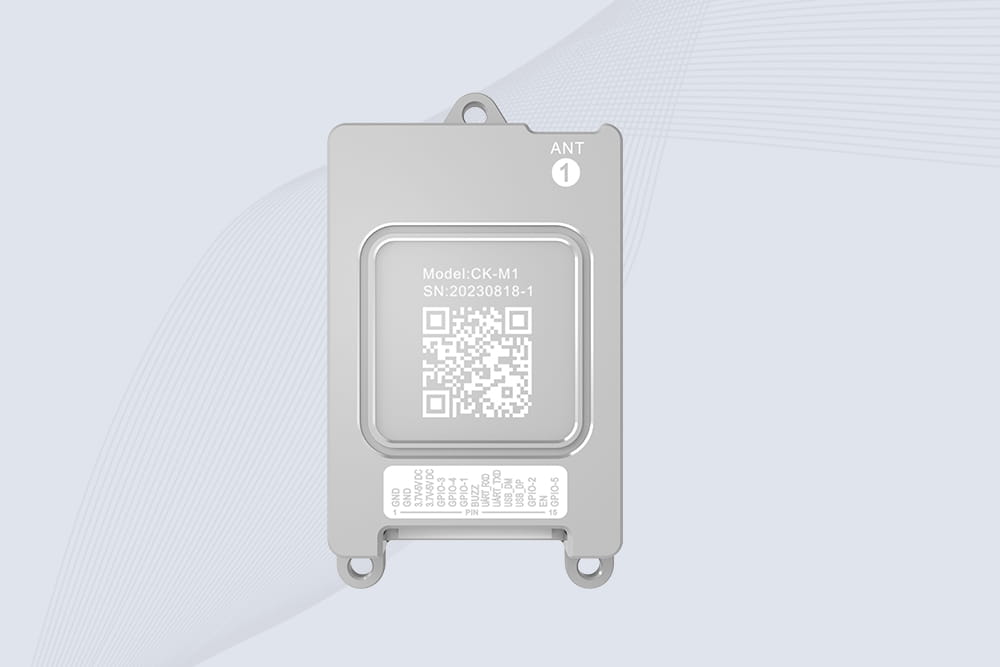
CYKEO CYKEO-M1 drone rfid module is a compact UHF RFID reader module designed for drones and UAV platforms. It supports long-range aerial scanning, fast multi-tag reading, and stable performance in wind, vibration, and outdoor environments.
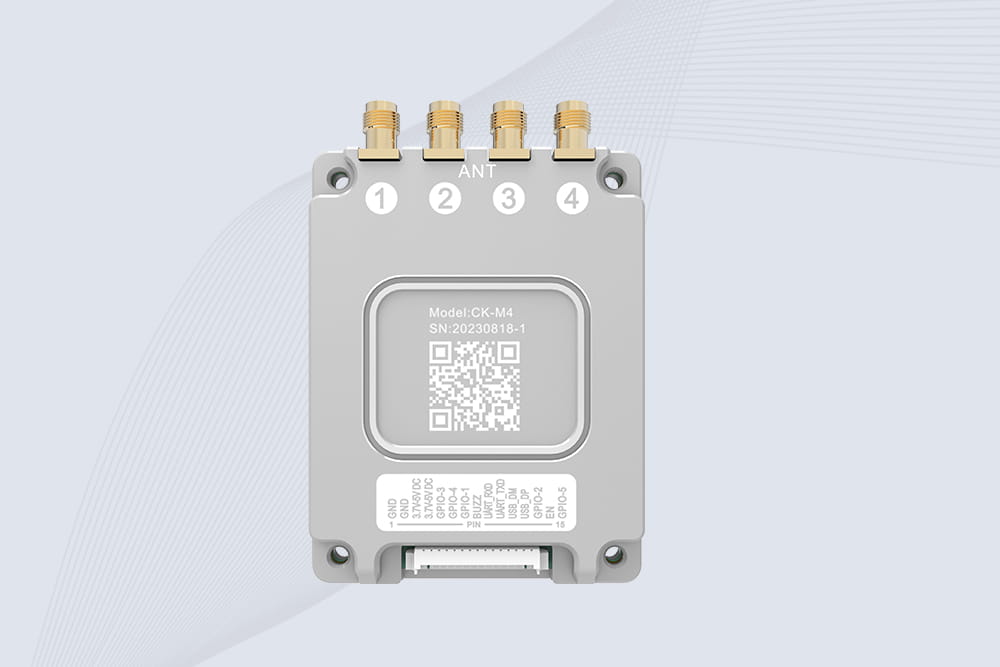
CYKEO CYKEO-M4 RC522 RFID Module is an industrial-grade UHF RFID reader with 4 ports, supporting ISO, EPC, and GB protocols. High-speed, accurate reading for IoT, automation, and warehouse applications.
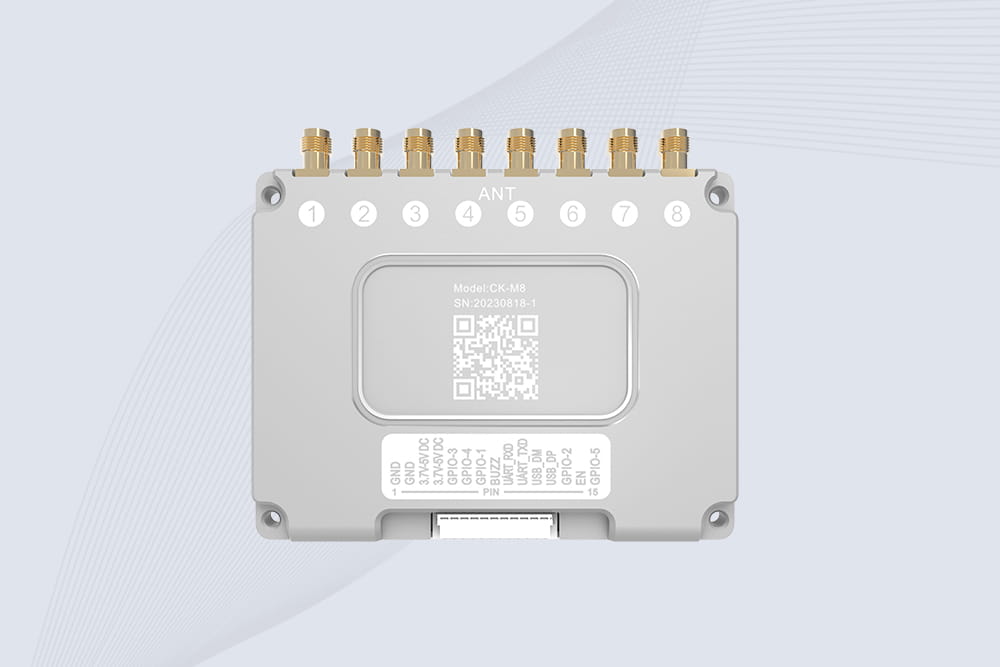
CYKEO CYKEO-M8 Module RFID is an 8-port UHF R2000 RFID Module designed for high-density, multi-tag environments. Stable 33dBm output, ISO & GB protocol support, ideal for warehouses, factories, and automated systems.
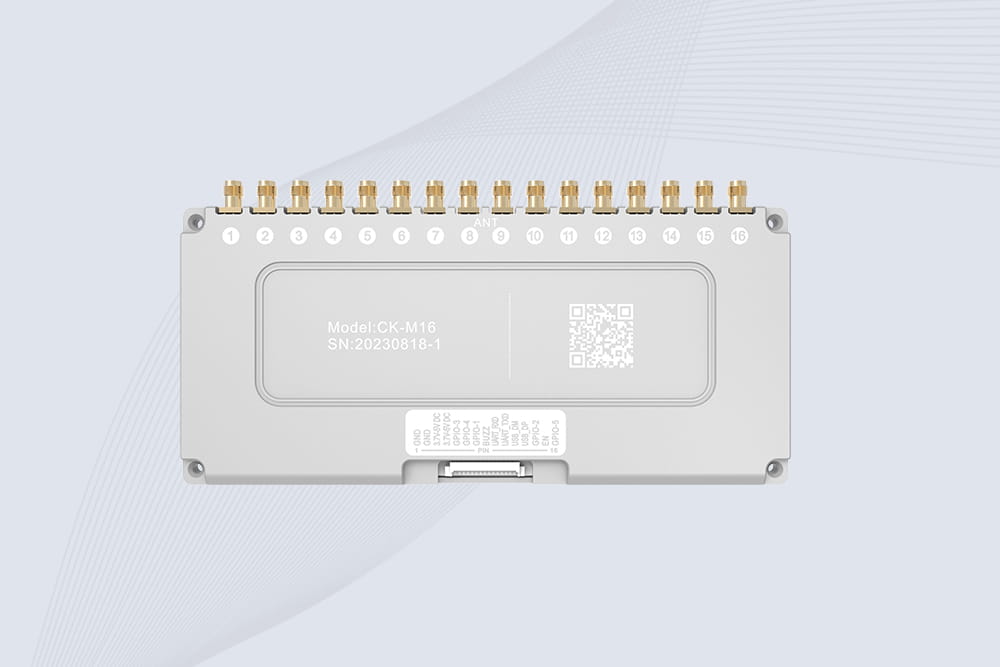
CYKEO CYKEO-M16 RFID Module is a 16-port UHF RFID reader module based on the R2000 chipset. Designed for dense tag environments, it supports ISO and GB standards and delivers stable multi-antenna control for industrial automation.
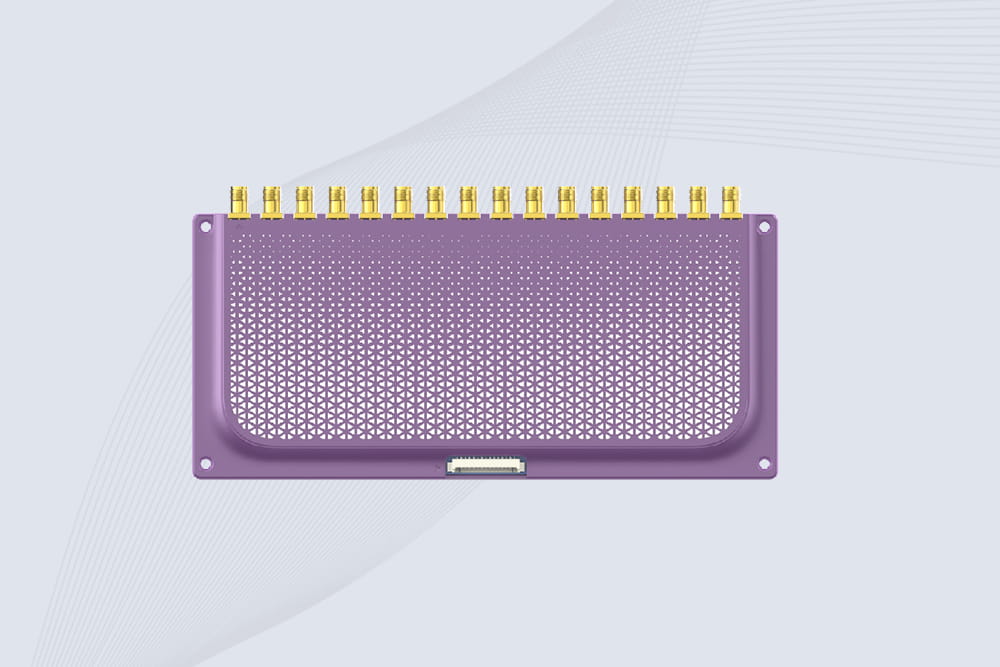
The CYKEO CYKEO-M16L RFID Reader Module is a 16-channel UHF RFID core designed for dense tag environments. With adjustable 33dBm output, multi-protocol support, and stable multi-antenna control, this RFID Tag Reader Module fits industrial automation, warehouse systems, and large-scale IoT deployments.
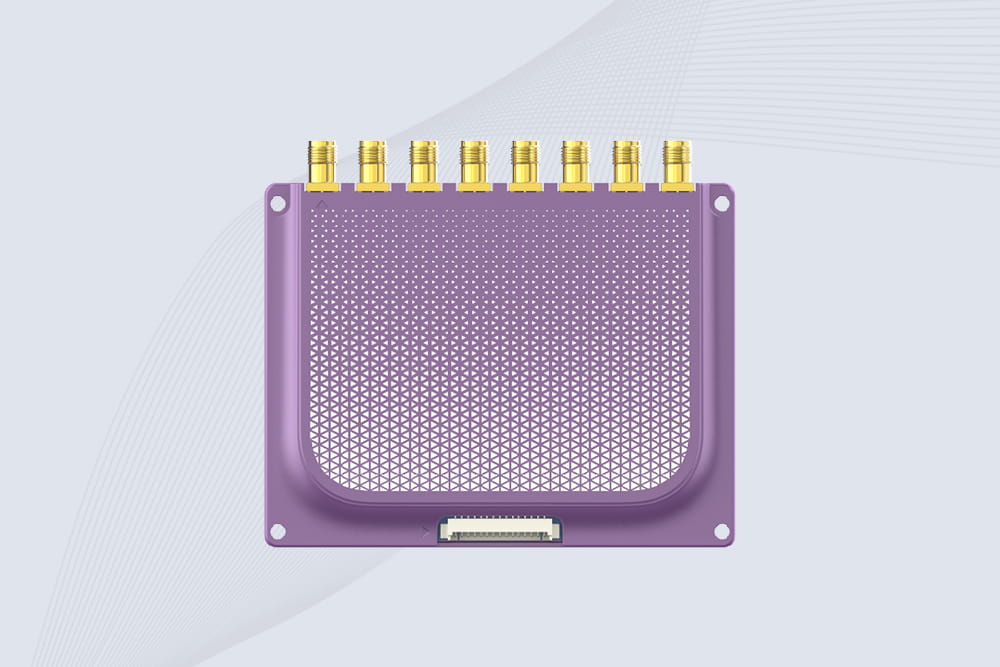
CYKEO CYKEO-M8L module RFID is a compact industrial UHF module built for dense tag and multi-antenna environments. With 8 RF ports, adjustable 33 dBm output, and ISO & GB protocol support, it is widely used in factories, warehouses, and automated tracking systems.
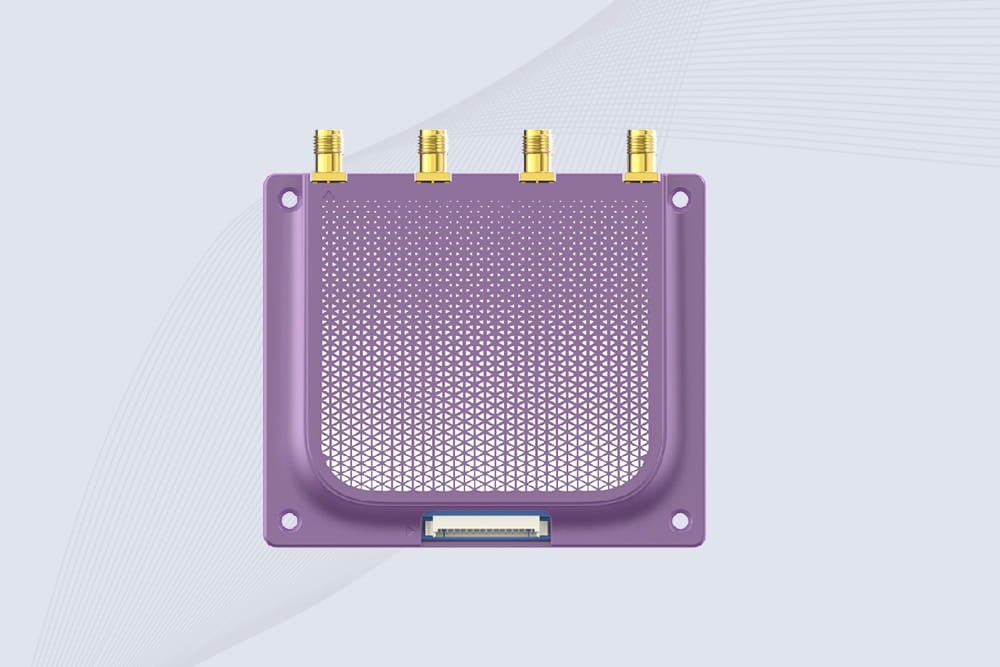
CYKEOCYKEO-M4L UHF RFID Module is a compact 4-channel RFID tag reader module designed for dense tag environments. Supporting ISO and GB protocols, it delivers stable reads up to 10 meters for industrial and IoT systems.
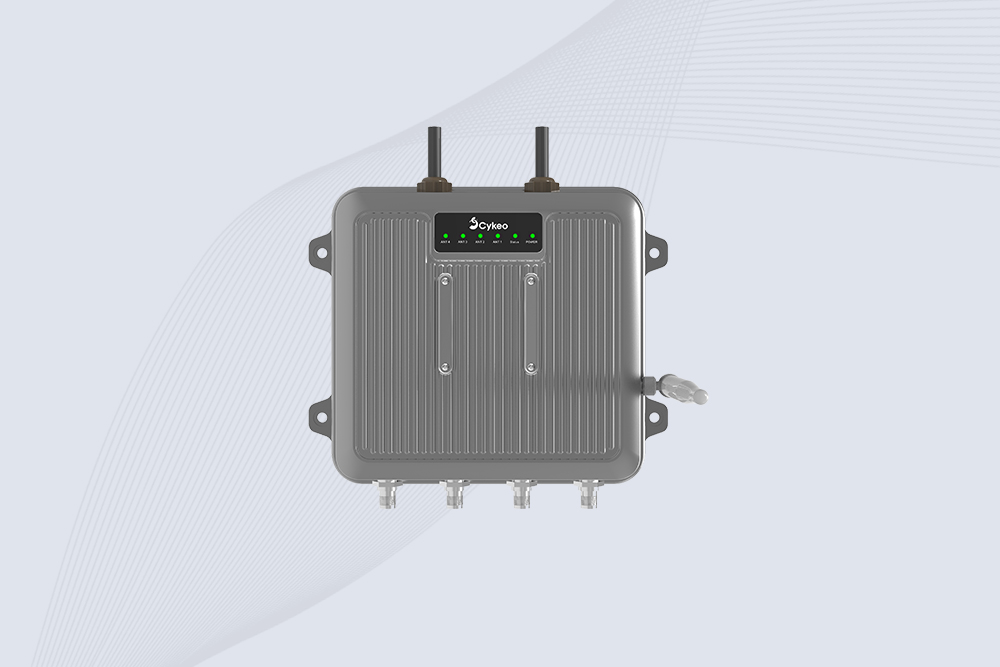
Cykeo CYKEO-C1 industrial Forklift RFID Reader features 20m read range, 600 tags/sec scanning, Impinj R2000 chipset, and IP67 rugged design. Ideal for warehouse logistics and manufacturing. Supports ISO 18000-6C/6B protocols.
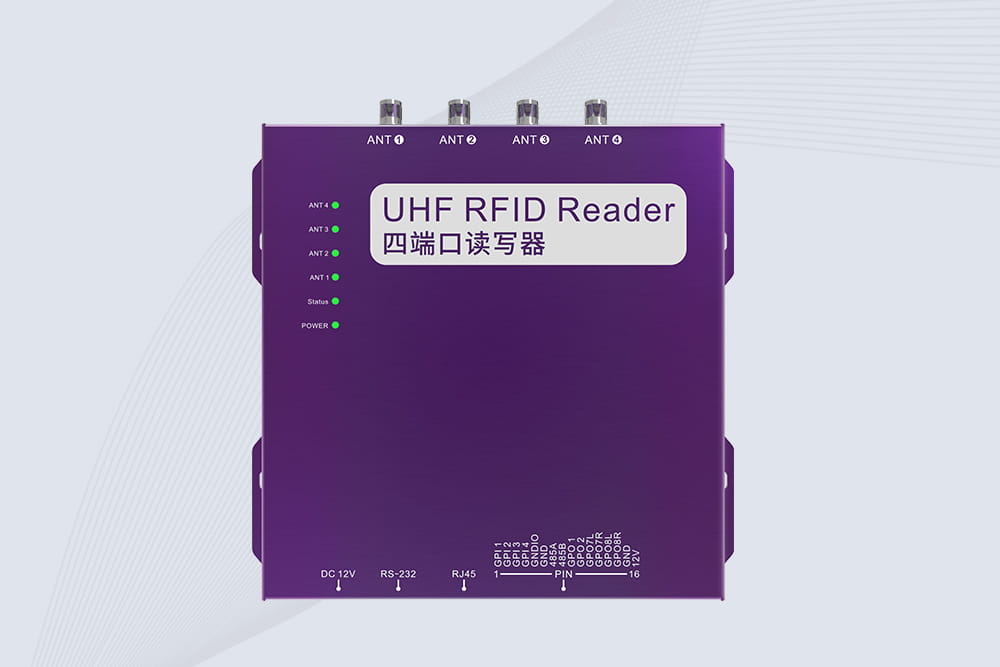
Cykeo CYKEO-R4 industrial UHF RFID Fixed Reader features 4 TNC ports, 400+ tags/sec speed, IP67 housing, and global frequency compliance for vehicle inspection, smart warehouse, and asset management systems.
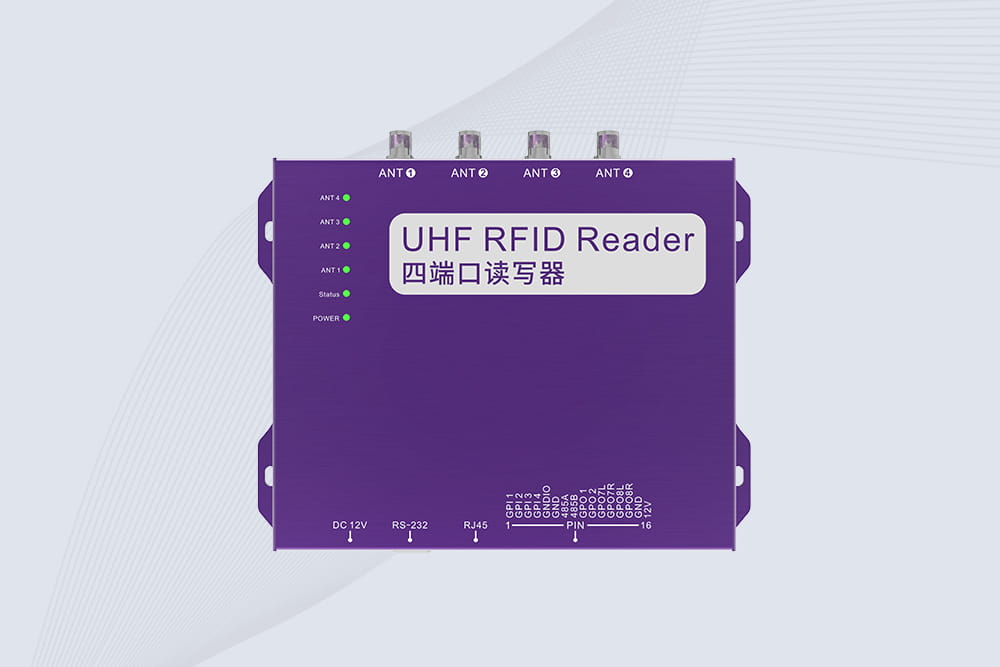
Cykeo’s CYKEO-R4L 4-port Fixed UHF RFID Reader delivers 400 tags/sec scanning, ISO 18000-6C compliance, and IP65 protection. Ideal for warehouse automation, manufacturing WIP tracking, and logistics management.
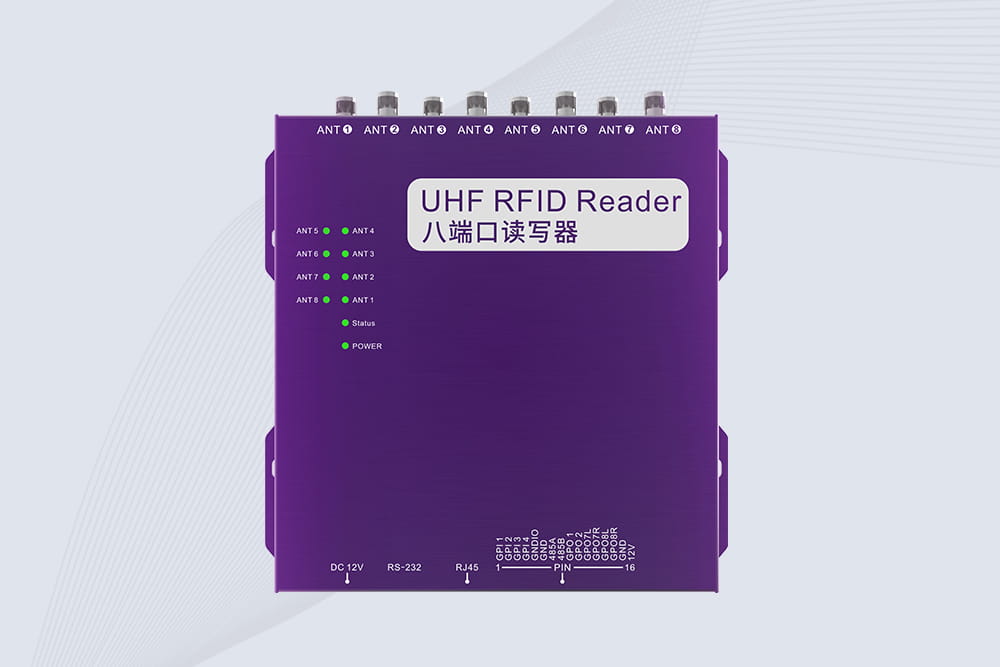
CYKEO CYKEO-R8L Fixed RFID Reader with 8-port UHF design, Impinj-based RF core and up to 20m read range. An industrial Fixed RFID Reader for vehicle inspection, warehouse portals, smart manufacturing lines and secure access checkpoints.
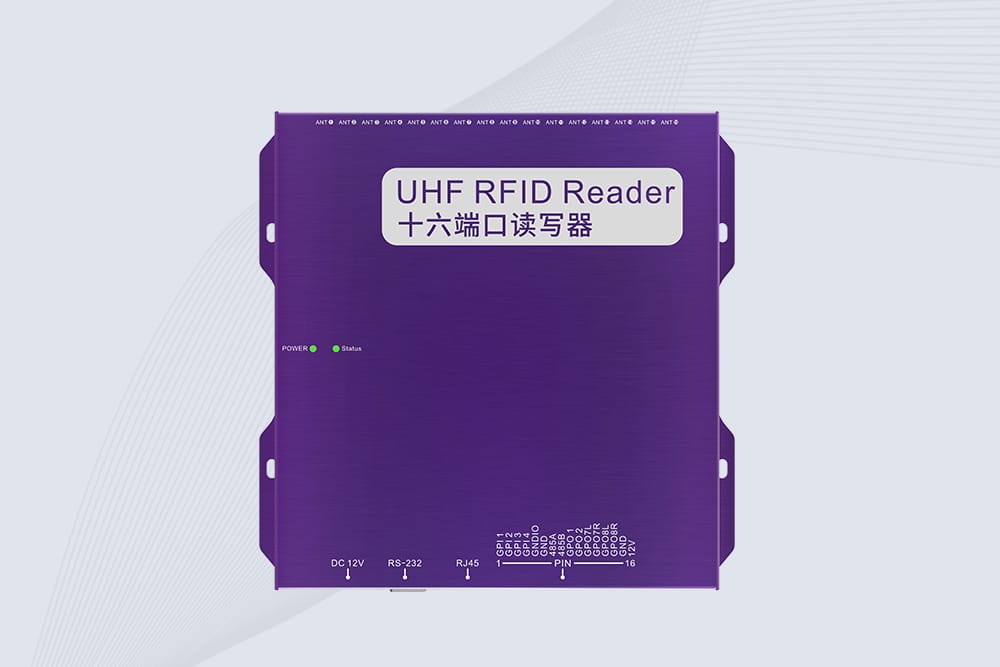
RFID Fixed Reader from CYKEO – the CYKEO-R16L 16-port UHF fixed reader for warehouses, smart cabinets, and production lines. Long-range, multi-tag reading, stable performance for 24/7 industrial use.
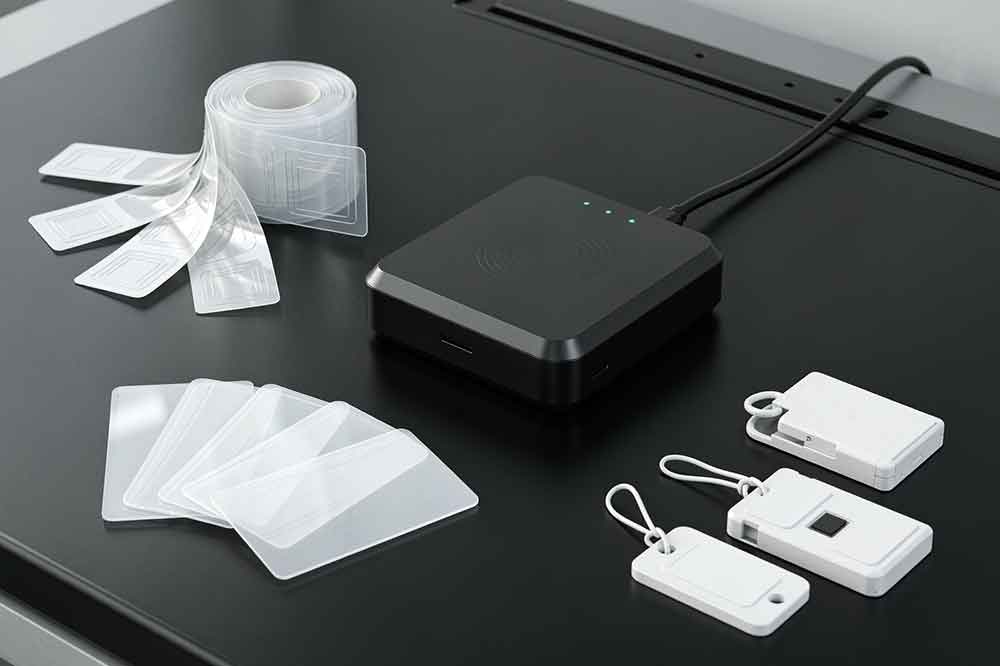
This article explains how to choose a USB RFID reader based on tag frequency, reading distance, multi-tag requirements, USB connectivity, and software integr...
More
Modern RFID gate access control systems improve vehicle flow, enhance security, and enable intelligent entry management for residential communities, commercial properties, and industrial sites. Learn how RFID readers and structured access logic cr...
More
Protect your fixed RFID readers from cyber threats with Cykeo’s expert strategies. Learn encryption, network hardening, and compliance practices to safeguard sensitive data.
More
Improve tool control with Cykeo tool tagging system. Track, identify, and manage tools in real time with RFID technology for safer and smarter operations.
More