 Cykeo RFID IoT Solution Products R&D Manufacturer
Can You Use Your iPhone as an RFID Card Emulator?
2650Discover why iPhones can't emulate RFID cards natively. Learn how Cykeo's Bluetooth device turns your iPhone into an RFID emulator for keycards & badges.
MoreAll RFID Product
RFID scanners are the invisible conductors of modern supply chains, retail checkouts, and even hospital equipment tracking. But how do these devices turn radio waves into actionable data? Let’s peel back the layers of antennas, frequencies, and microchips to uncover the surprisingly elegant dance between scanner and tag.
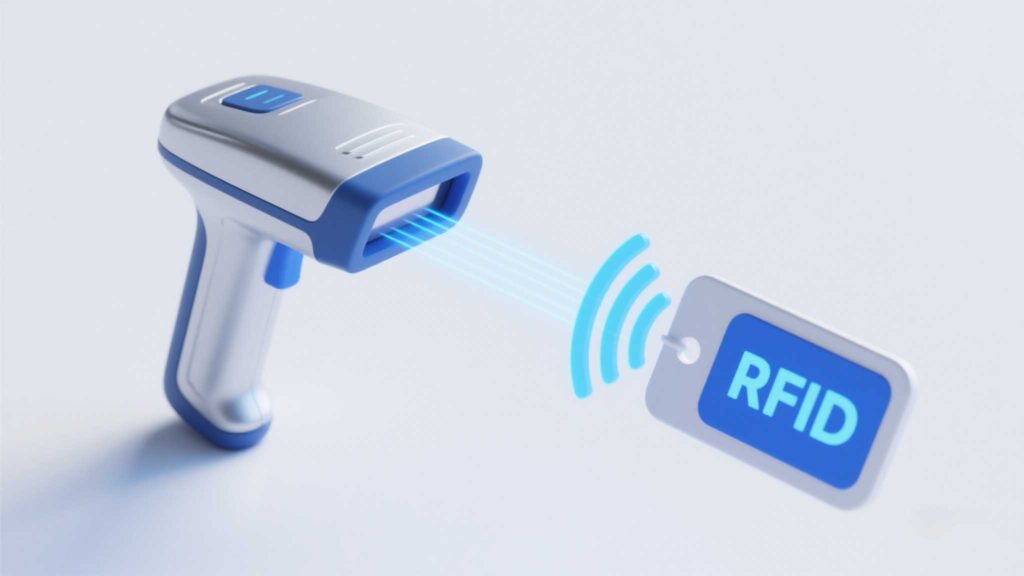
An RFID system isn’t a single gadget—it’s a trio working in unison:
Key Fact: The scanner and antenna are often combined into one unit, but large-scale setups (e.g., warehouses) separate them for optimal coverage.
Step 1: Energy Transmission
The scanner’s antenna emits radio frequency (RF) waves—a call to any tags in range.
Step 2: Tag Activation
Step 3: Data Exchange
Tags modulate the RF signal (a technique called backscatter) to send back their unique ID and any stored data (e.g., expiration dates, location history).
Step 4: Signal Decoding
The scanner deciphers the modulated signal, filters out noise, and forwards clean data to connected software.
Step 5: Action
The system updates inventories, triggers alarms, or logs asset movements in real time.
Example: Cykeo’s retail scanners read 300+ tags per second, instantly updating stock levels as carts pass checkout lanes.
| Aspect | Passive RFID | Active RFID |
|---|---|---|
| Power Source | Scanner’s RF waves | Onboard battery |
| Range | Up to 12m (UHF) | 100m+ |
| Cost | 0.10–2 per tag | 20–100 per tag |
| Best For | High-volume tagging (retail) | High-value assets (construction gear) |
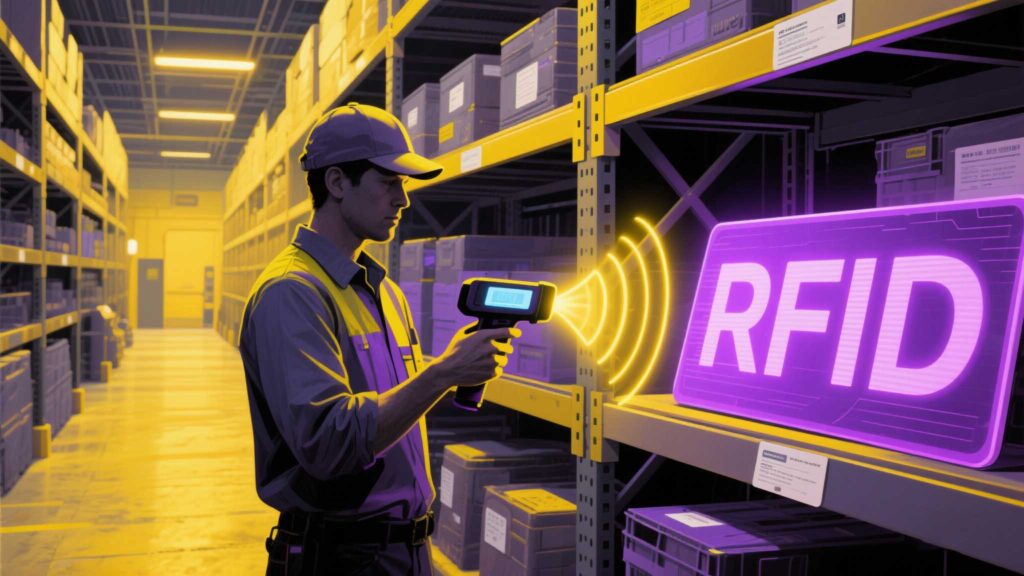
Cykeo’s Innovation: Their hybrid scanners support multiple frequencies, enabling retailers to manage in-store items (HF) and backstock (UHF) with one device.
Takeaway: RFID scanners are more than just “beep machines”—they’re sophisticated translators converting radio waves into business intelligence. By understanding their inner workings, industries can push automation further, turning everyday objects into data-rich assets.
Discover why iPhones can't emulate RFID cards natively. Learn how Cykeo's Bluetooth device turns your iPhone into an RFID emulator for keycards & badges.
More
RFID card enables secure contactless access control and identification in offices, transport, and industry. Learn real deployments, standards, and insights with Cykeo.
More
How much does an RFID tool cabinet cost? Discover key pricing factors, cost ranges, and how to choose the right RFID tool tracking system for your budget.
More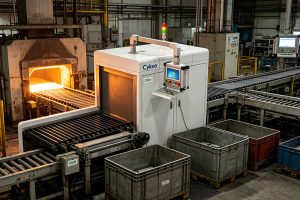
high temperature uhf rfid tags deliver reliable industrial asset tracking in harsh manufacturing environments with durable Cykeo UHF RFID solutions.
More