 Cykeo RFID IoT Solution Products R&D Manufacturer

RFID Reader DIY: Can You Actually Build One That Works? (Spoiler: It’s Painful)
675RFID reader DIY guide: Brutally honest parts list, why 73% fail, and when Cykeo’s pre-built saves cash. Real solder-burn stories included.
MoreAll RFID Product
High temperature UHF RFID tags are engineered for industrial environments where ordinary RFID labels fail under heat, vibration, chemicals, and continuous production stress. They provide stable long-range identification for manufacturing, metal processing, and industrial asset tracking.
That sounds simple enough until you stand next to a curing oven at 220°C and watch standard labels slowly curl away from steel surfaces.
Industrial RFID is never just about reading distance.
It is about survival.
Over the past few years working with RFID deployments inside automotive factories, machining facilities, and production workshops, I noticed the same pattern repeatedly: companies underestimate environmental stress during the early project stage.
The RFID chip itself often survives.
The surrounding materials do not.
According to research from the U.S. Department of Commerce manufacturing technology programs, industrial automation systems increasingly depend on durable identification technologies for traceability and operational visibility.
RFID Journal has also documented growing use of industrial UHF RFID systems across aerospace, automotive, and industrial manufacturing sectors.
A warehouse environment is forgiving.
A heat-processing production line is not.
Inside industrial manufacturing facilities, RFID tags may face:
Standard RFID labels degrade quickly under those conditions.
High temperature UHF RFID tags are built specifically to tolerate harsh environments while maintaining consistent reading performance.
One production facility we observed was losing traceability data every few weeks because standard adhesive RFID labels detached after repeated oven exposure.
The issue was not software.
It was thermal fatigue.
After switching to industrial high temperature UHF RFID tags with heat-resistant encapsulation and mechanical fastening, the read reliability stabilized across the production line.
That difference changed inventory confidence almost immediately.
Industrial RFID tags typically use specialized materials such as:
These materials help protect the antenna and integrated chip from thermal distortion.
Cykeo industrial RFID systems use ultra high frequency RFID technology to support:
That becomes especially valuable in manufacturing environments where manual scanning slows production flow.
There is a strange tendency in RFID marketing to focus entirely on specifications.
Read distance. Frequency. Protocols.
Important, yes.
But real-world deployment failures usually come from mechanical conditions.
One facility installed rugged RFID tags directly onto vibrating steel containers without accounting for resonance stress. After several months, tiny fractures appeared around the mounting points.
The tags technically survived the temperature.
The vibration destroyed them first.
Industrial RFID engineering always involves environmental interaction, not just electronics.
That distinction separates successful projects from expensive pilots.
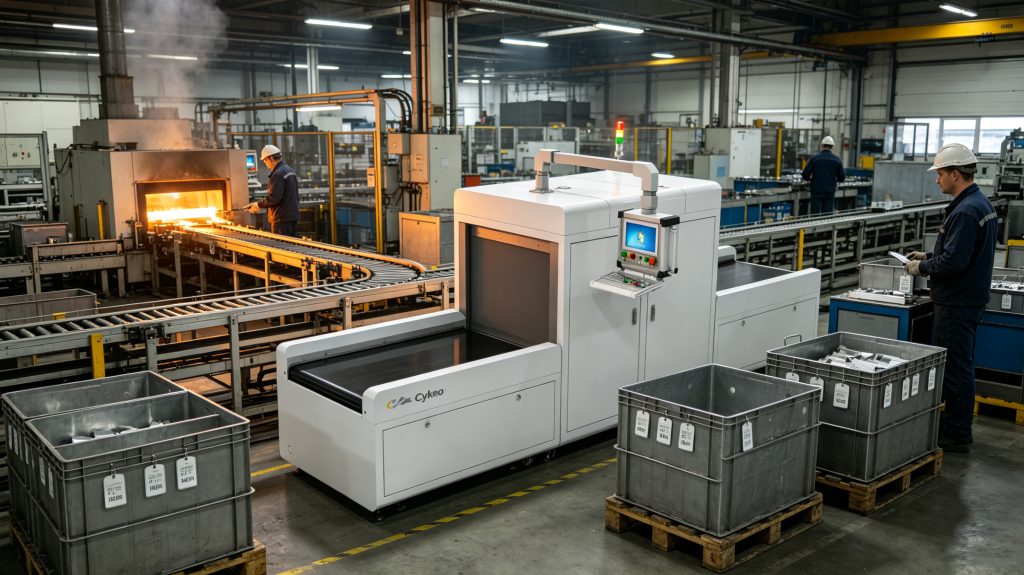
Not every industrial RFID tag is truly designed for continuous high-temperature operation.
Testing conditions matter.
| Factor | Why It Matters |
|---|---|
| Operating temperature | Determines continuous survival capability |
| Peak temperature tolerance | Handles short thermal spikes |
| Mounting method | Affects long-term stability |
| Metal compatibility | Prevents signal interference |
| Chemical resistance | Protects against solvents and oils |
A tag that survives 250°C briefly may still fail after repeated heating cycles over several months.
That detail gets overlooked surprisingly often.
High frequency RFID works well for localized identification.
But large industrial production environments often require longer reading distance and faster inventory throughput.
That is where UHF RFID becomes valuable.
According to Deloitte manufacturing research, industrial digitalization continues increasing demand for automated asset visibility technologies.
Factories increasingly need real-time operational data, not delayed spreadsheets.
RFID supports that transition directly.
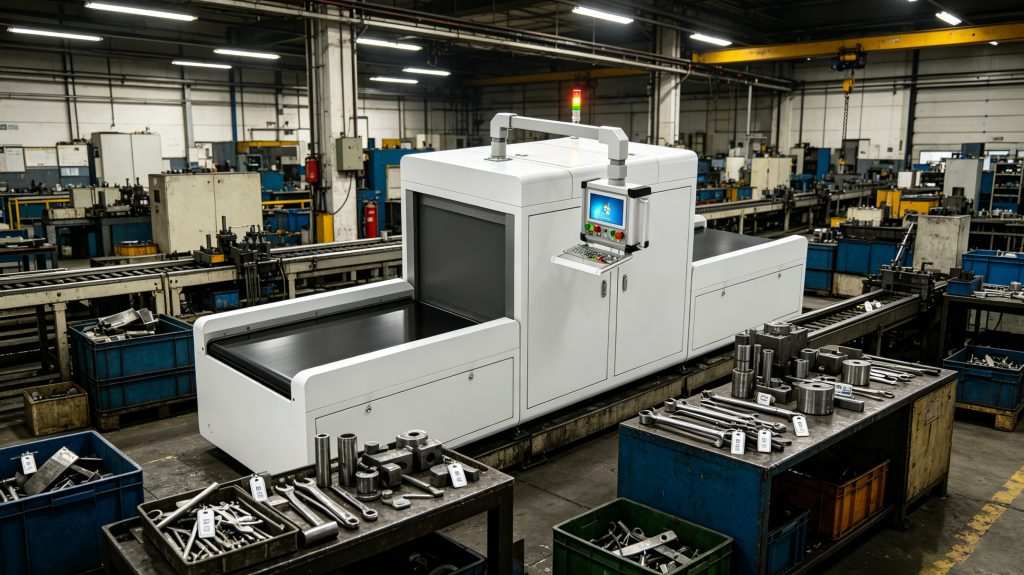
Industrial-grade RFID tags can tolerate temperatures ranging from 150°C to over 250°C depending on design and materials.
Yes. Specialized anti-metal UHF RFID tags are designed for stable performance on metallic assets.
UHF RFID supports long-range bulk reading, making it ideal for automated industrial inventory and production tracking.
Industrial RFID tags designed for harsh environments can resist oils, solvents, detergents, and repeated cleaning processes.
High temperature UHF RFID tags are not simply tougher labels. In many industrial facilities, they become part of the operational infrastructure itself.
When traceability disappears inside manufacturing environments, productivity problems follow quietly behind it.
Cykeo industrial UHF RFID solutions are designed for stable long-term identification across harsh production environments where ordinary RFID systems simply do not last.
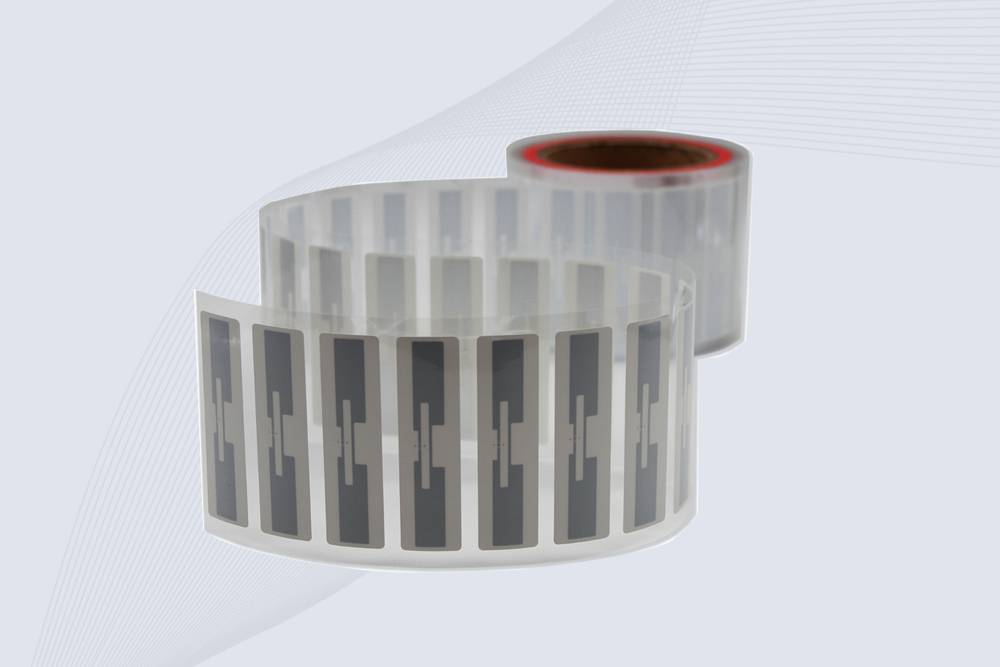
CYKEO Passive RFID Tags are made for wet and high-humidity environments where standard labels do not last. This rfid passive tag is often used around liquids, chemicals and temperature changes, providing stable reading distance and long data life for industrial tracking.
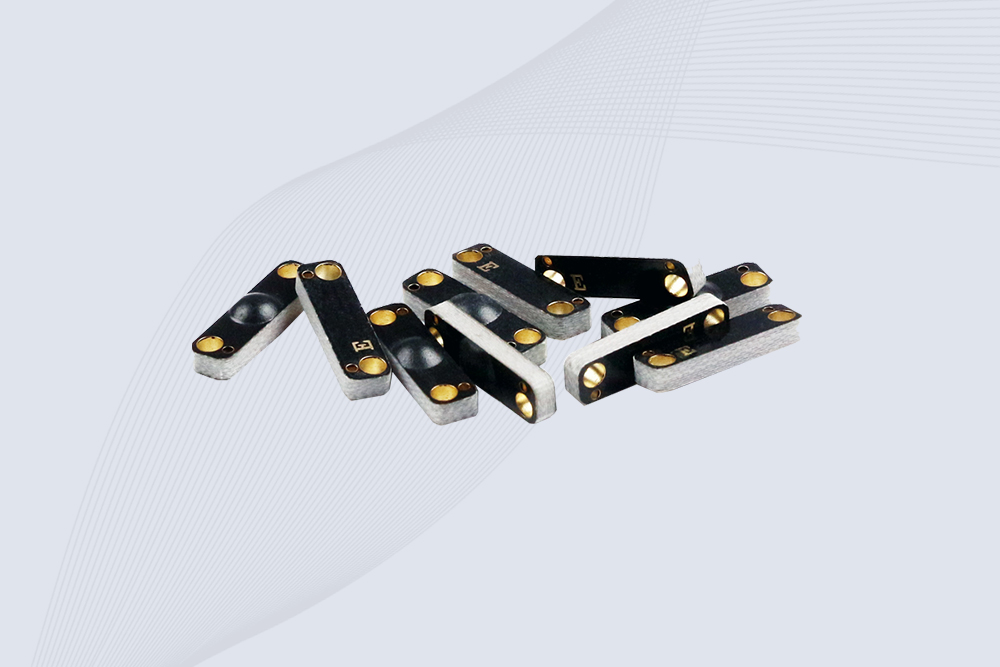
CYKEO CYKEO-PCB1504 Metal RFID Tags is a compact anti-metal UHF RFID solution built for direct mounting on metal surfaces. With stable 8-meter read range, Ucode-8 chip, and long data retention, this rfid metal tag fits tools, containers, automotive parts, and industrial asset tracking.
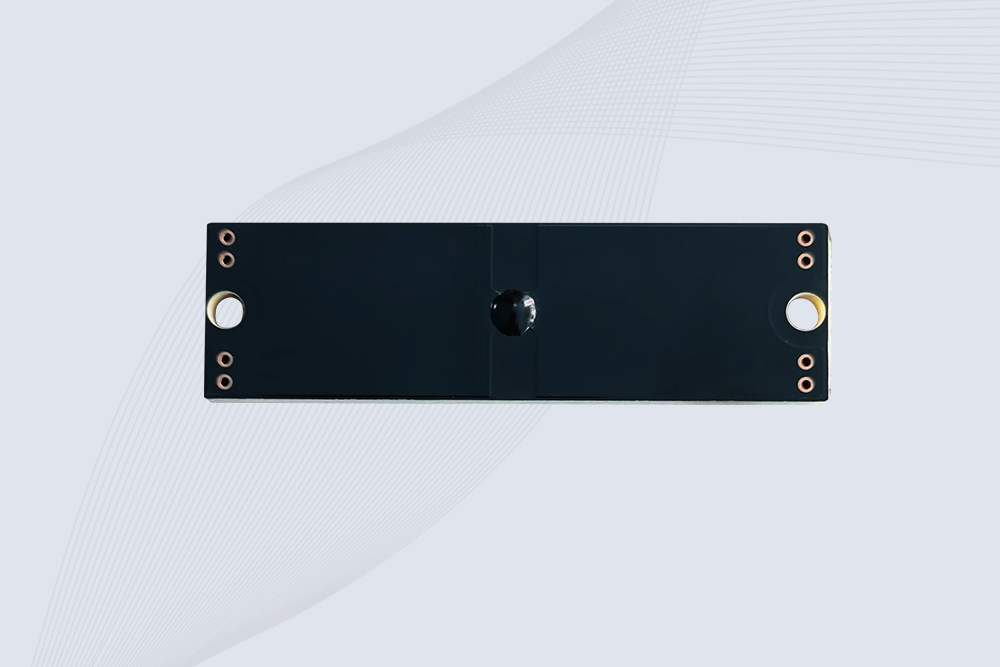
CYKEO CYKEO-PCB7020 On-Metal RFID Tags are designed for reliable tracking on steel and metal surfaces. Built with an FR4 epoxy body and industrial-grade chips, these On-Metal RFID Tags deliver stable performance, long data life, and chemical resistance, making them a dependable RFID anti-metal tag for harsh environments.
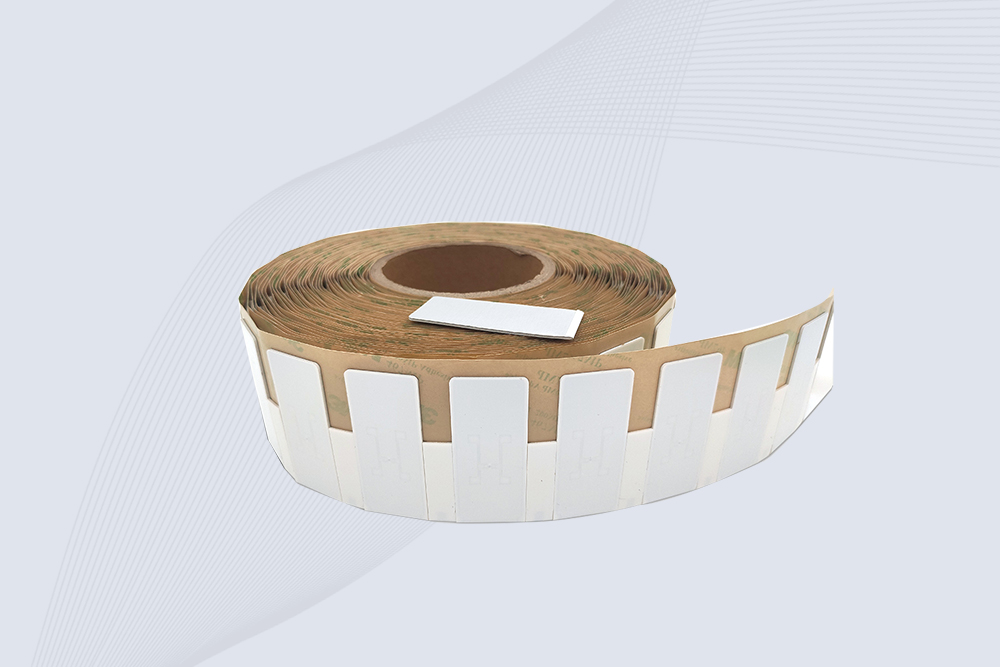
The CYKEO CYKEO-60-25 Anti-Metal RFID Tag is built for metal surfaces where standard tags fail. Designed for long-range performance, harsh environments, and stable data retention, this Anti-Metal RFID Tag is ideal for industrial assets, containers, and equipment tracking using on metal RFID tags.
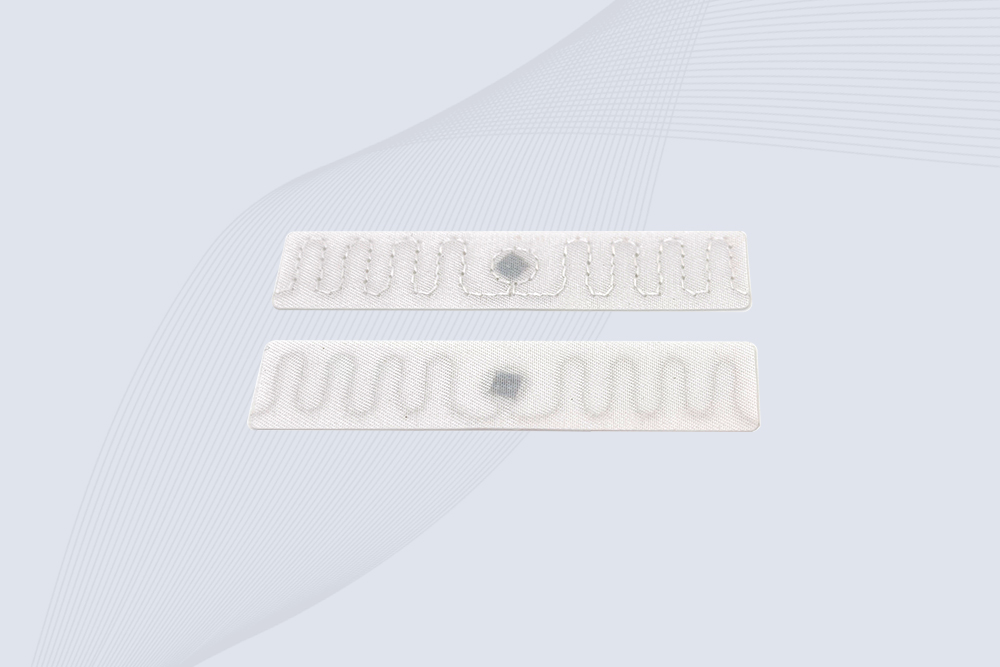
The CYKEO RFID Laundry Tag is designed for long-term textile identification in harsh laundry environments. Built to withstand high heat, chemicals, and repeated washing, this RFID Laundry Tag delivers stable performance for hotels, hospitals, and industrial laundry operations using laundry rfid tags at scale.
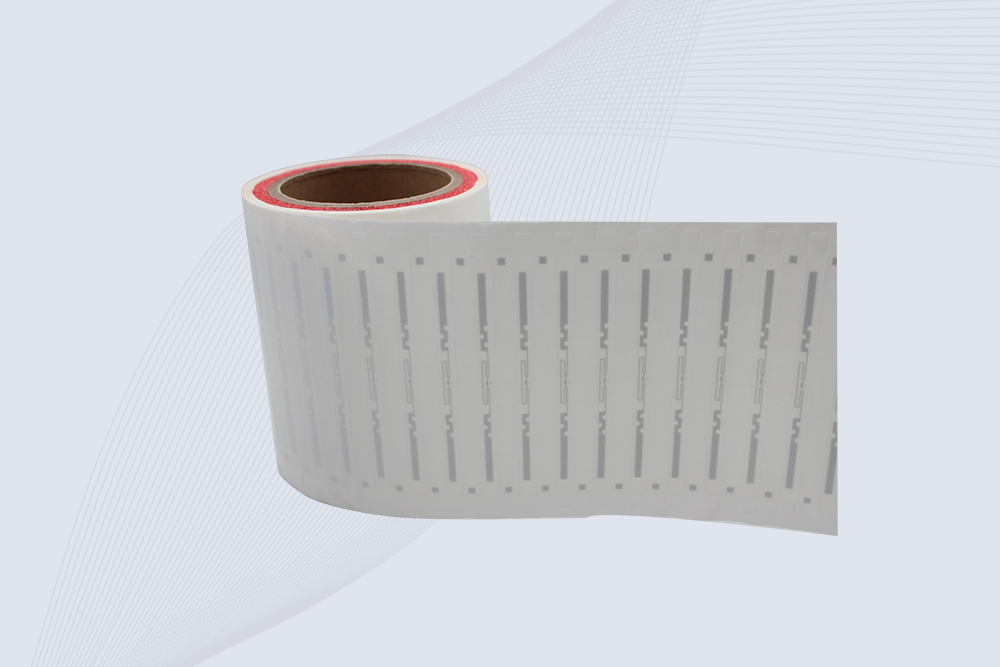
The CYKEO CYKEO-125-7 RFID Book Tag is designed for reliable book and document tracking in libraries and archives. This RFID Book Tag delivers long read range, dense placement support, and stable performance on shelves, making it a practical rfid tag on books for library automation, file management, and archival systems.
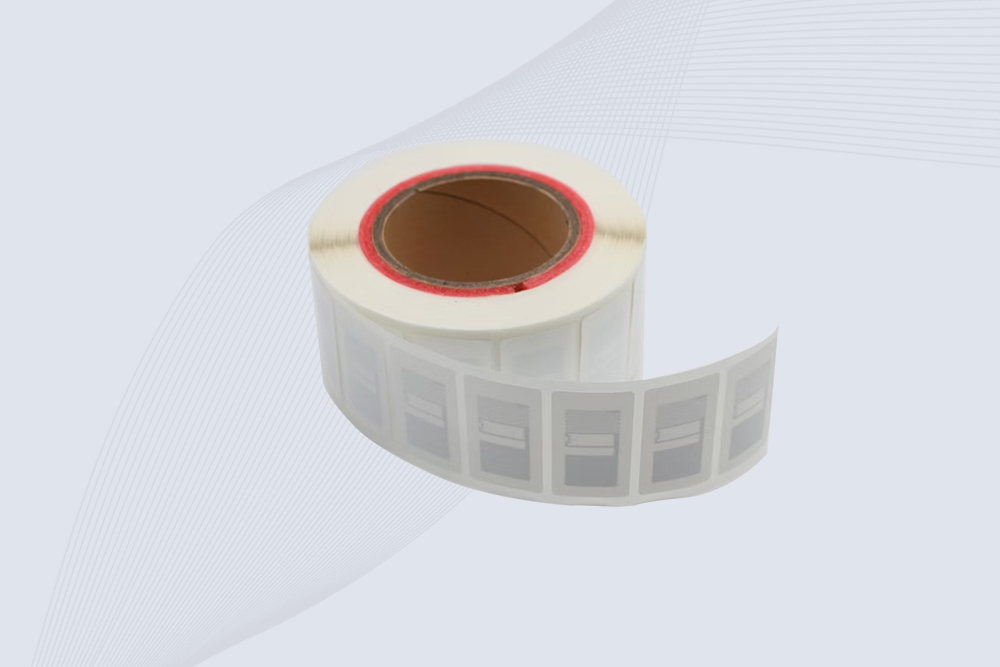
CYKEO RFID tags in hospitals are designed for sterile environments where accuracy matters. These autoclavable RFID tags support long-term tracking of surgical tools, implants, and medications, helping hospitals improve visibility, compliance, and patient safety.

CYKEO RFID Cable Tie Tag is built for reliable identification on metal surfaces. This UHF RFID Cable Tie Tag is widely used in rfid tags for inventory systems, industrial asset management and Hospital RFID Tags, offering stable read performance, long service life and global EPC Gen2 compatibility.
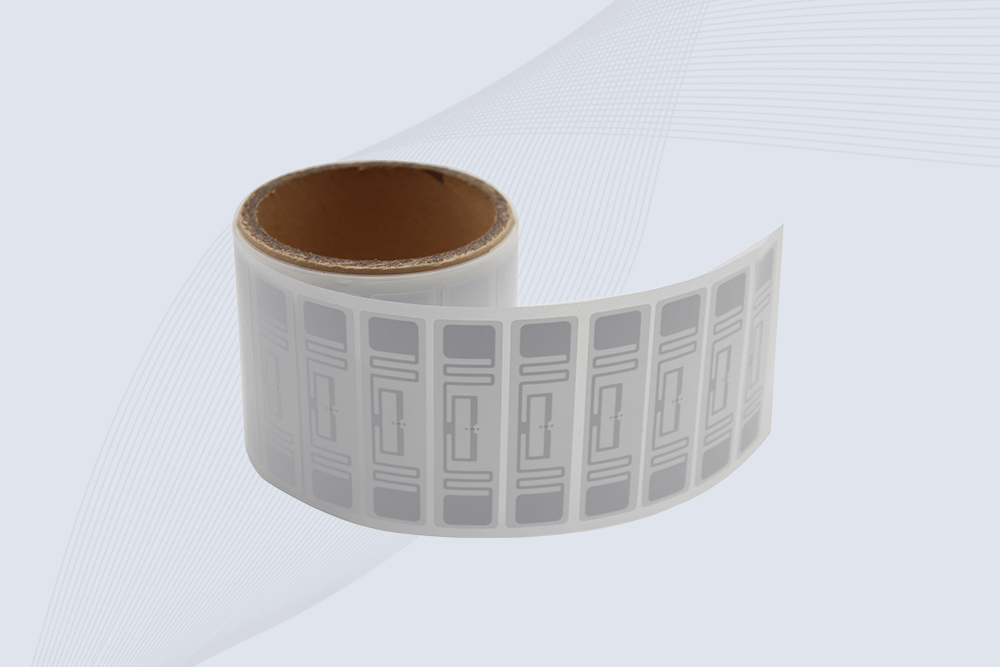
CYKEO RFID Asset Tag is designed for stable identification of metal assets in industrial environments. This UHF RFID Asset Tag is commonly used for rfid tag asset tracking on equipment, tools and containers, providing reliable reads, long service life and ISO/IEC 18000-6C support.

CYKEO UHF RFID Card is designed for fast identification and long-term use in industrial and commercial systems. Supporting ISO 18000-6C, this UHF RFID Card works at 860–960 MHz and is suitable for custom RFID cards used in asset tracking, access control and inventory management.
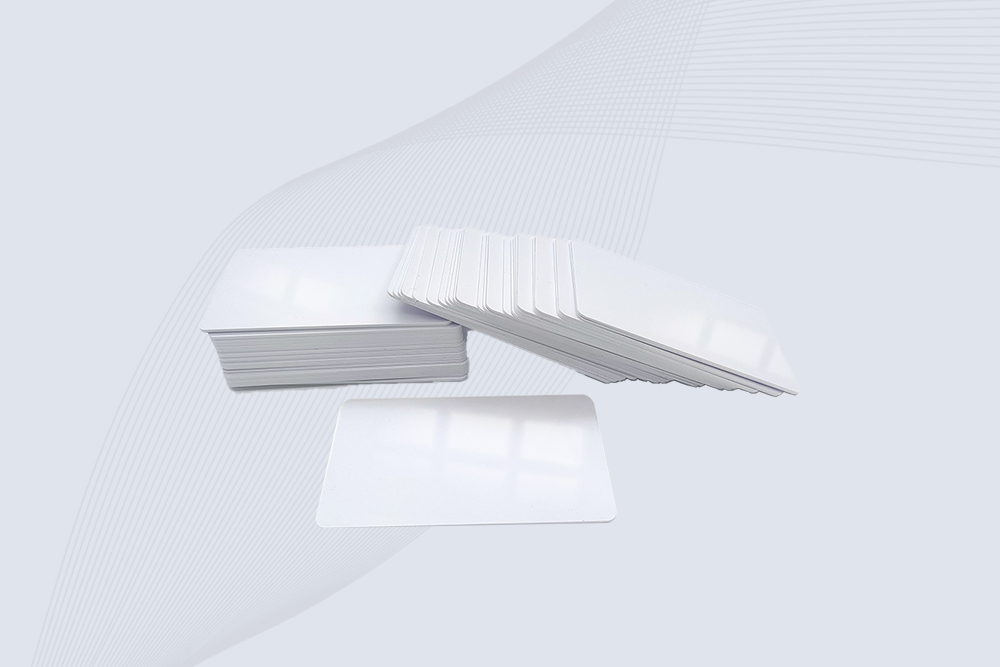
CYKEO HF RFID Cards are designed for secure and stable access control systems. These 13.56 MHz RFID key cards support ISO 14443-A, reliable rewriting and long service life, making HF RFID Cards suitable for offices, campuses, events and membership management.
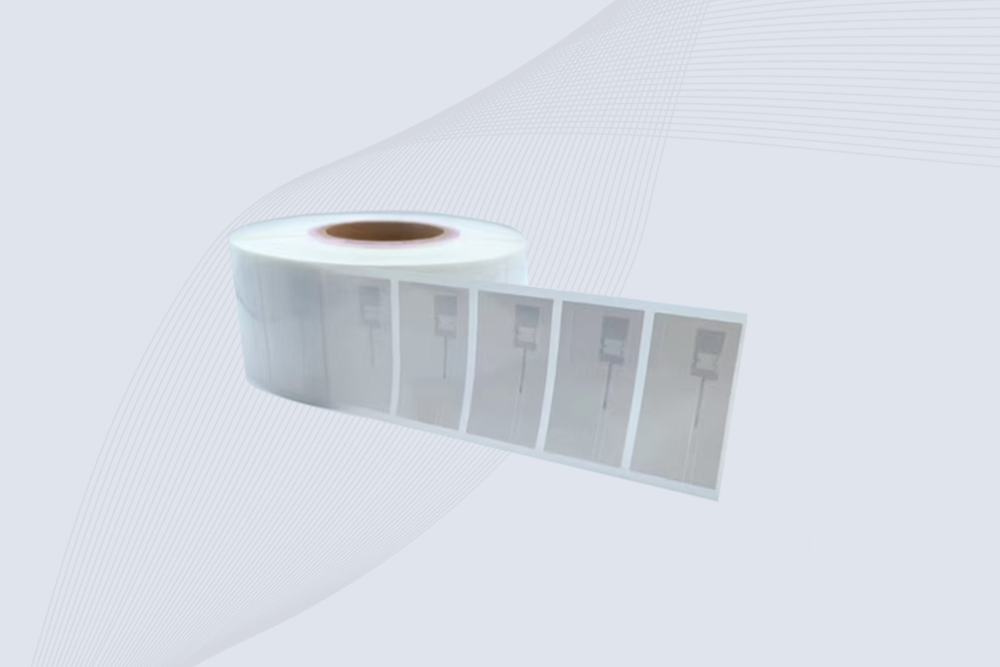
CYKEO UHF RFID Tag is designed for reliable tracking of metal jewelry and high-value items. This Jewelry RFID Tag supports long-range reading up to 8 meters, anti-counterfeit protection and stable performance on metal, making it suitable for retail, inventory control and asset management.
RFID Industry Writer | IoT & Asset Tracking Analyst
James writes about RFID technology, asset tracking, and the practical challenges of digital transformation across warehousing, retail, manufacturing, and logistics.
His work focuses on how RFID is applied in real-world operations—improving inventory visibility, automating workflows, and helping businesses manage assets with greater accuracy and efficiency.
He regularly covers topics including UHF RFID, smart cabinets, RFID portals, tool tracking, warehouse automation, and industrial IoT trends..

RFID reader DIY guide: Brutally honest parts list, why 73% fail, and when Cykeo’s pre-built saves cash. Real solder-burn stories included.
More
Discover how to integrate long-range RFID readers into industrial systems. Learn about automated asset tracking, WMS/MES integration, and deployment strategies for warehouses, production lines, and gate management.
More
Wondering "how far away can police read RFID chip"? Discover actual law enforcement reading distances from 0.6m to 50m+, equipment types, and privacy considerations with CYKEO.
More
Looking to buy RFID laundry tags in bulk? Learn how to choose durable industrial tags, reduce linen loss, and improve laundry efficiency with real-world insights.
More