I remember the first time someone handed me an RFID card and pointed at a reader on the door. Nobody explained anything. Just “tap that.” I stood there waving the card around like a confused tourist, trying different angles, wondering if I was doing it wrong. If you’re asking how do i use a rfid card reader, you’re not alone. The good news is it’s usually simple once you know the basics. The short answer is hold your card near the reader until you see a light or hear a beep, but different readers work slightly differently. Let me walk you through exactly what to do.
The Short Answer: Tap, Wait, Go
how do i use a rfid card reader? Most of the time, you just hold your RFID card within a few inches of the reader’s surface. The reader emits radio waves that power the card’s chip, the card sends back its unique ID, and the system decides whether to let you in or record the transaction . You’ll typically see a green light or hear a beep when it works. If nothing happens, move the card closer or adjust the angle.
Step One: Know What Kind of Reader You’re Using
Before you start waving cards around, look at the reader. how do i use a rfid card reader depends on what type it is.
Access control readers are mounted on walls by doors. They usually have a flat surface where you hold your card. Some want you to tap and go. Others want you to hold the card steady for a second or two .
Desktop readers sit next to computers. The 2N documentation shows how these work for programming cards—you put the card on the reader, and the software reads the ID automatically . The IRIS BioStore setup describes using an Omnikey reader where you present a Mifare card and the system displays the number .
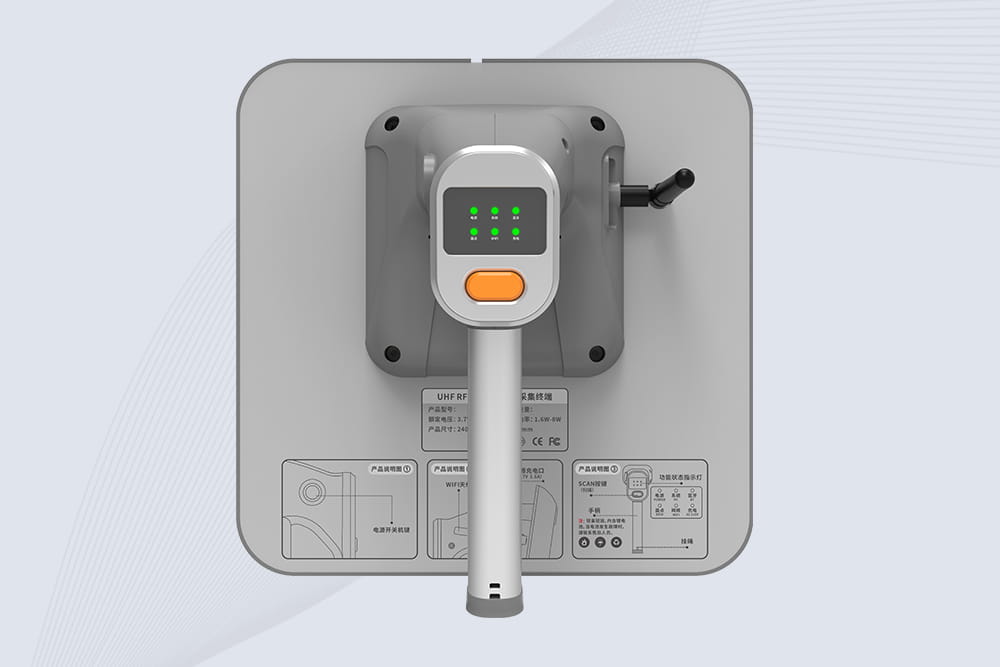
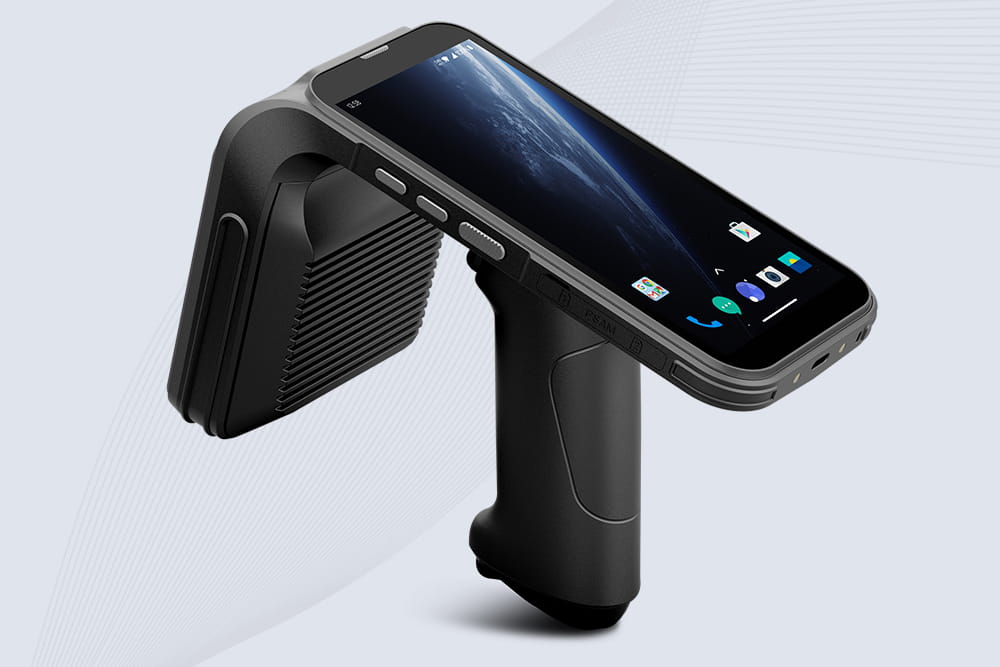
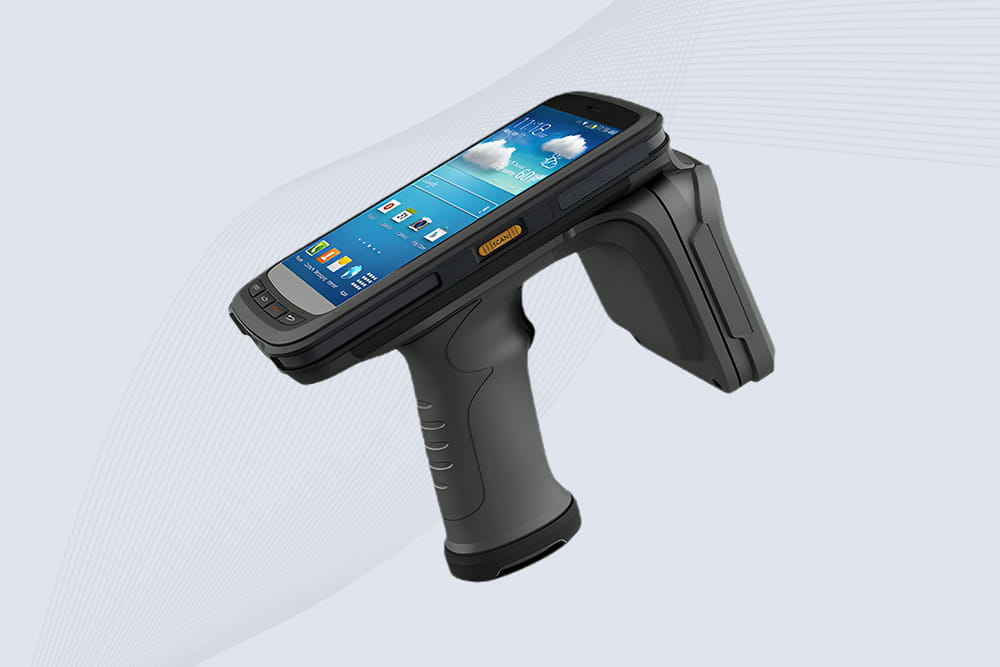
Handheld readers look like chunky phones or barcode scanners. You point them at tags, not the other way around. The IT Nam Viet guide explains that with handheld rfid readers, you turn them on and bring them close to the card until you get a response signal .
USB readers plug directly into computers. Some, like the 2N 125kHz USB reader, work like a keyboard—they type the card number into whatever field your cursor is in . No software needed. Just click where you want the number, swipe the card, and it appears.
Step Two: Position the Card Correctly
Here’s where most beginners get confused. how do i use a rfid card reader with the right technique?
Hold the card flat, parallel to the reader surface. Most readers have a “sweet spot” right in the middle. The Siegenia documentation notes not to cover the reader with anything metallic, and the same applies to cards—keep metal wallets and phone cases away .
Distance matters by frequency. IT Nam Viet’s guide breaks it down :
- Low Frequency (125 kHz) cards: hold within about 10 cm (4 inches)
- High Frequency (13.56 MHz) cards: 10-100 cm range, but typically you’ll be within a few inches for access control
- UHF cards: can work at several meters, but you’re probably not using those for door access
If your card isn’t reading, move it closer. The Phidgets documentation notes that smaller tags must be closer to operate . A key fob needs to be nearer than a wallet-size card.
Hold steady for a moment. Don’t wave it around. The IT Nam Viet experts recommend holding the card in the reading area for 1-2 seconds or until you get a response signal . Some readers are faster than others, but give it a beat.
Step Three: Watch for Feedback
Readers tell you when they’ve read your card. how do i use a rfid card reader successfully means understanding these signals.
Lights are the most common. The Prox’N’Roll scanner from Spring Card blinks yellow during startup, then shows a smooth cyan “breath” when ready . When it reads a card, you’ll typically see a flash or a steady green light. The Allegion CISA Reader App documentation mentions the USB reader lights up a green LED when a read is complete .
Sounds are everywhere. A beep means success. Some readers use different tones—one for grant, another for deny. The Raspberry Pi Pico project from Tom’s Hardware used a buzzer for audio feedback on successful and failed scans .
Screen displays on advanced readers show card numbers or access granted messages. The 2N web interface shows events like “CardEntered” and “UserAuthenticated” when a card is read .
If you don’t get feedback, try again. If you get a red light or an error beep, your card might not be authorized for that system.
Step Four: Using a USB Reader with a Computer
This is a common scenario. how do i use a rfid card reader plugged into a PC?
The 2N USB 125kHz reader works without drivers—it’s recognized as a keyboard . Here’s the simple process :
- Plug the reader into any USB port
- Open the program where you want the card number (web browser, database, notepad)
- Click in the field where the number should go
- Swipe or hold your card near the reader
- The card number appears instantly, just like you typed it
For 13.56 MHz readers, you might need drivers. The 2N documentation has separate instructions for their dual-frequency readers that require driver installation . The IRIS BioStore guide also mentions installing drivers for Omnikey readers before they work .
If you’re programming access control systems, the 2N process is straightforward :
- Go to the device web interface
- Find the user directory
- Click in the Card ID field
- Present the card to the USB reader
- The ID appears automatically
- Save the configuration
Step Five: Troubleshooting When Cards Don’t Read
Even experienced people sometimes struggle. how do i use a rfid card reader when nothing happens?
Check orientation. Some cards have directional antennas. If it doesn’t read one way, flip it or rotate 90 degrees. The Siegenia manual notes that card orientation affects readability .
Remove obstacles. Metal kills RFID signals. If your card is in a metal wallet or behind a phone with a metal plate, take it out. The Prox’N’Roll troubleshooting specifically warns not to place the reader on metal surfaces or near other electronics .
Clean the card. Dirt and scratches can interfere. IT Nam Viet advises avoiding scratches and chemicals that damage the chip and antenna .
Try a different spot. The reader might have dead zones. Move the card around the surface slowly.
Check the card type. Not all cards work with all readers. A 125 kHz card won’t work on a 13.56 MHz reader. The Prox’N’Roll compliance list shows which standards it supports—ISO 14443 and ISO 15693 for HF .
Restart the reader. The SpringCard guide suggests unplugging and replugging if the reader keeps blinking yellow .
Different Uses, Same Basic Idea
how do i use a rfid card reader varies slightly by application, but the core is the same.
For door access: Hold card near reader until light flashes or door unlocks. Usually takes 1-2 seconds .
For time tracking: Tap card on desktop reader when starting and ending work. The Allegion documentation shows reading cards to identify owners and program them .
For payments: Tap phone or card on payment terminal. NFC works at 13.56 MHz with very short range for security .
For inventory: Point handheld reader at tags, not the other way around. Pull trigger, listen for beeps, watch screen for tag counts.
For programming: Use USB rfid reader with software to write data to cards. The 2N and IRIS guides both cover assigning cards to users in access control systems .
Common Questions About Using RFID Readers
Do I need to touch the card to the reader? Usually not. Most RFID works without contact. The read range is short—inches typically—but you don’t need to physically touch .
Why do some readers beep and others don’t? Different manufacturers design different feedback. Some use lights only. Some use sound. Some have both. It’s just preference.
Can I use my phone as an RFID card? If your phone has NFC and the reader supports 13.56 MHz, yes. Many modern access control readers work with phones .
What if I have multiple cards in my wallet? They might interfere with each other. Take out the specific card you need. The reader might get confused by multiple signals.
How do I know what frequency my card is? Look for markings. 125 kHz cards are often just “RFID.” 13.56 MHz cards might say “MIFARE” or “NFC.” Or ask whoever issued it.
The CYKEO Approach
At CYKEO, we get asked how do i use a rfid card reader constantly. Our readers are designed to be intuitive—clear LED indicators, audible feedback, and consistent performance across different card types.
But we also know that even the best reader needs a human who understands the basics. That’s why we provide simple instructions with every device. Hold the card flat. Keep it close. Wait for the beep. It’s that simple.
For system integrators, our documentation covers USB reader setup, web interface programming, and troubleshooting steps based on real-world experience.
The Bottom Line
how do i use a rfid card reader breaks down to: hold your card near the reader’s surface, keep it steady for a second or two, watch for lights or listen for beeps, and adjust if nothing happens.
Different readers have different quirks, but the principle is always the same. The reader sends energy. The card wakes up and talks back. The system decides what to do.
If you’re setting up a new system, test your specific cards with your specific readers. Run a few trial swipes. Figure out the sweet spot. And when in doubt, get closer. Most reading problems are solved by moving the card an inch nearer.
RFID isn’t magic. It’s just radio waves and chips. And once you know how to use the reader, it feels as natural as turning a key.

2025-12-17
CYKEO Passive RFID Tags are made for wet and high-humidity environments where standard labels do not last. This rfid passive tag is often used around liquids, chemicals and temperature changes, providing stable reading distance and long data life for industrial tracking.
2025-12-17
CYKEO CK-BQ1504 Metal RFID Tags is a compact anti-metal UHF RFID solution built for direct mounting on metal surfaces. With stable 8-meter read range, Ucode-8 chip, and long data retention, this rfid metal tag fits tools, containers, automotive parts, and industrial asset tracking.
2025-12-17
CYKEO CK-BQ7020 On-Metal RFID Tags are designed for reliable tracking on steel and metal surfaces. Built with an FR4 epoxy body and industrial-grade chips, these On-Metal RFID Tags deliver stable performance, long data life, and chemical resistance, making them a dependable RFID anti-metal tag for harsh environments.
2025-12-17
The CYKEO CK-BQ6025 Anti-Metal RFID Tag is built for metal surfaces where standard tags fail. Designed for long-range performance, harsh environments, and stable data retention, this Anti-Metal RFID Tag is ideal for industrial assets, containers, and equipment tracking using on metal RFID tags.
2025-12-17
The CYKEO RFID Laundry Tag is designed for long-term textile identification in harsh laundry environments. Built to withstand high heat, chemicals, and repeated washing, this RFID Laundry Tag delivers stable performance for hotels, hospitals, and industrial laundry operations using laundry rfid tags at scale.
2025-12-17
The CYKEO CK-BQ12507 RFID Book Tag is designed for reliable book and document tracking in libraries and archives. This RFID Book Tag delivers long read range, dense placement support, and stable performance on shelves, making it a practical rfid tag on books for library automation, file management, and archival systems.
2025-12-16
CYKEO RFID tags in hospitals are designed for sterile environments where accuracy matters. These autoclavable RFID tags support long-term tracking of surgical tools, implants, and medications, helping hospitals improve visibility, compliance, and patient safety.
2025-12-16
CYKEO RFID Cable Tie Tag is built for reliable identification on metal surfaces. This UHF RFID Cable Tie Tag is widely used in rfid tags for inventory systems, industrial asset management and Hospital RFID Tags, offering stable read performance, long service life and global EPC Gen2 compatibility.
2025-12-16
CYKEO RFID Asset Tag is designed for stable identification of metal assets in industrial environments. This UHF RFID Asset Tag is commonly used for rfid tag asset tracking on equipment, tools and containers, providing reliable reads, long service life and ISO/IEC 18000-6C support.
2025-12-16
CYKEO UHF RFID Card is designed for fast identification and long-term use in industrial and commercial systems. Supporting ISO 18000-6C, this UHF RFID Card works at 860–960 MHz and is suitable for custom RFID cards used in asset tracking, access control and inventory management.
2025-12-16
CYKEO HF RFID Cards are designed for secure and stable access control systems. These 13.56 MHz RFID key cards support ISO 14443-A, reliable rewriting and long service life, making HF RFID Cards suitable for offices, campuses, events and membership management.
2025-12-16
CYKEO UHF RFID Tag is designed for reliable tracking of metal jewelry and high-value items. This Jewelry RFID Tag supports long-range reading up to 8 meters, anti-counterfeit protection and stable performance on metal, making it suitable for retail, inventory control and asset management.
2025-12-15
CYKEO Embedded RFID Modules are designed for compact industrial and IoT devices that require stable UHF performance. These UHF RFID Modules support global protocols, flexible power control, and reliable multi-tag reading for smart cabinets, production lines, and asset tracking systems.
2025-12-15
CYKEO Embedded RFID Module is built for compact IoT and industrial devices that need stable UHF performance. This UHF module supports global protocols, low power operation, and reliable multi-tag reading for smart lockers, production lines, and always-on RFID systems.
2025-12-15
CYKEO CYKEO-M1 drone rfid module is a compact UHF RFID reader module designed for drones and UAV platforms. It supports long-range aerial scanning, fast multi-tag reading, and stable performance in wind, vibration, and outdoor environments.
2025-12-15
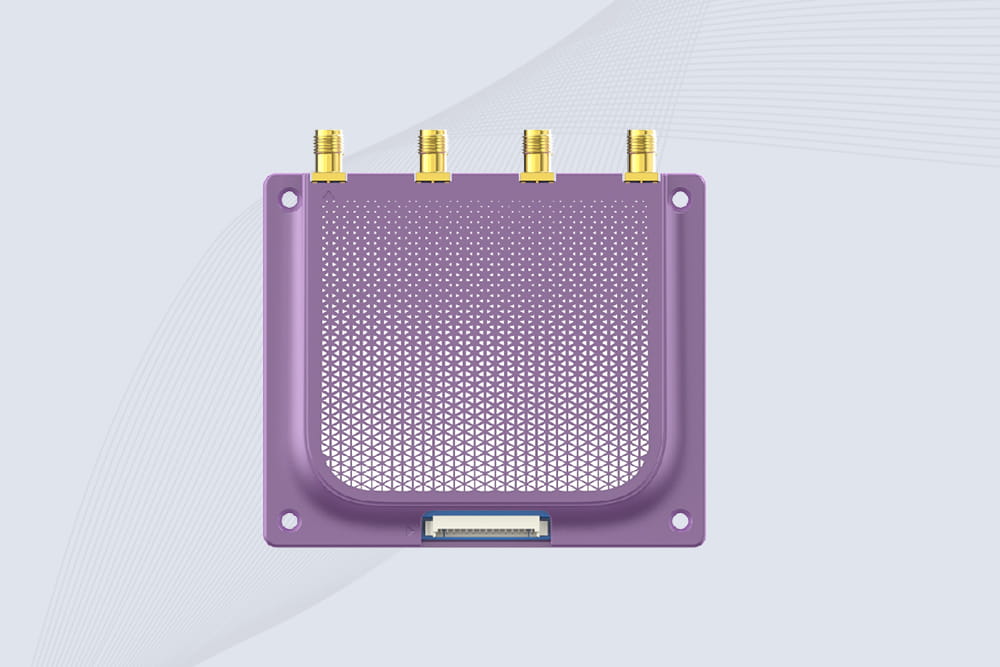
CYKEO CYKEO-M4 RC522 RFID Module is an industrial-grade UHF RFID reader with 4 ports, supporting ISO, EPC, and GB protocols. High-speed, accurate reading for IoT, automation, and warehouse applications.
2025-12-15
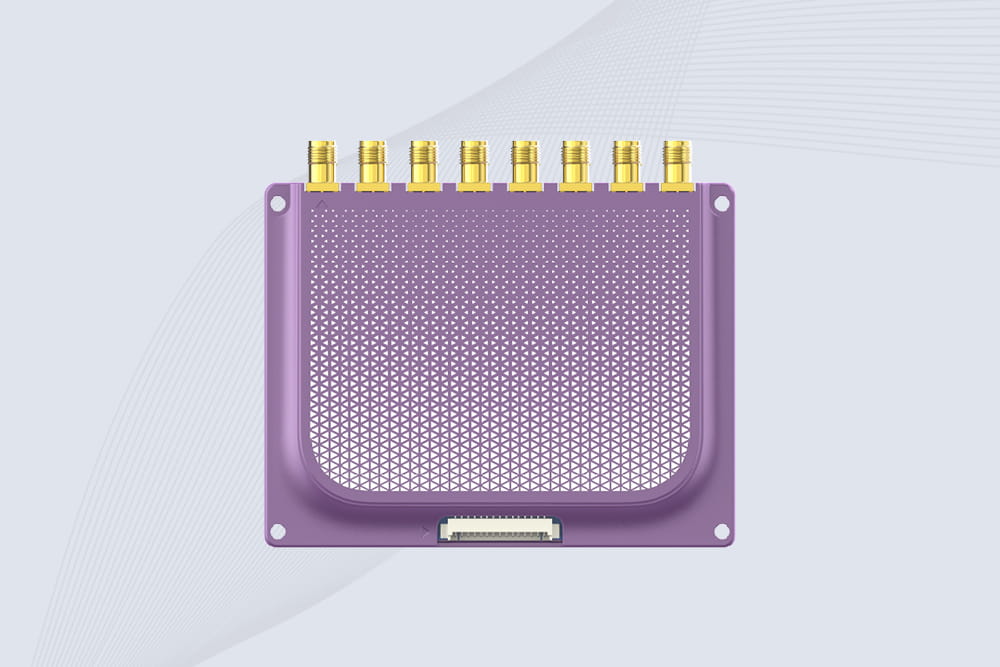
CYKEO CYKEO-M8 Module RFID is an 8-port UHF R2000 RFID Module designed for high-density, multi-tag environments. Stable 33dBm output, ISO & GB protocol support, ideal for warehouses, factories, and automated systems.
2025-12-15
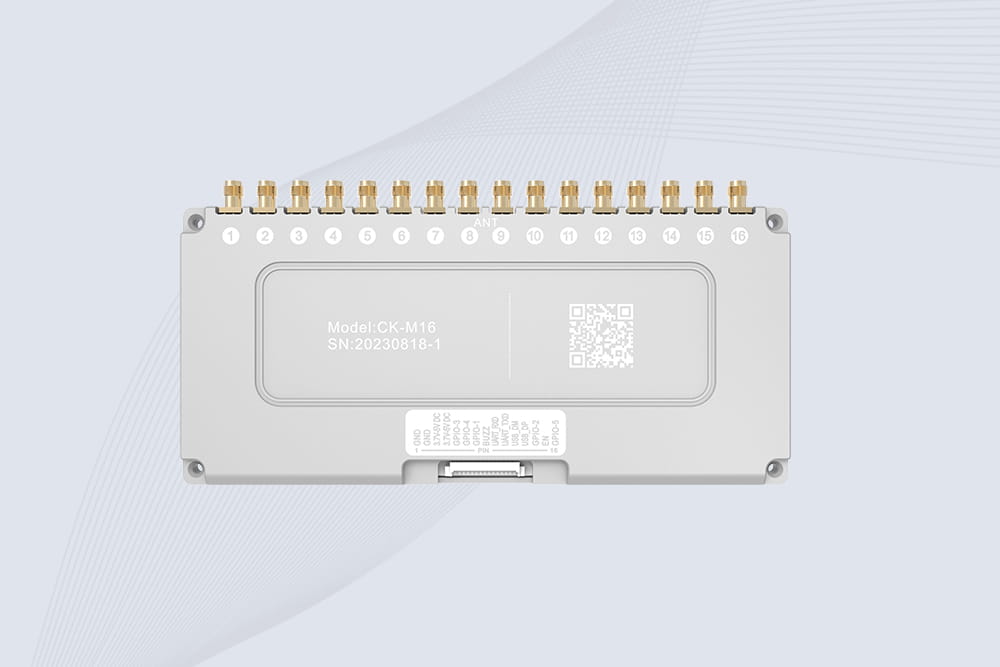
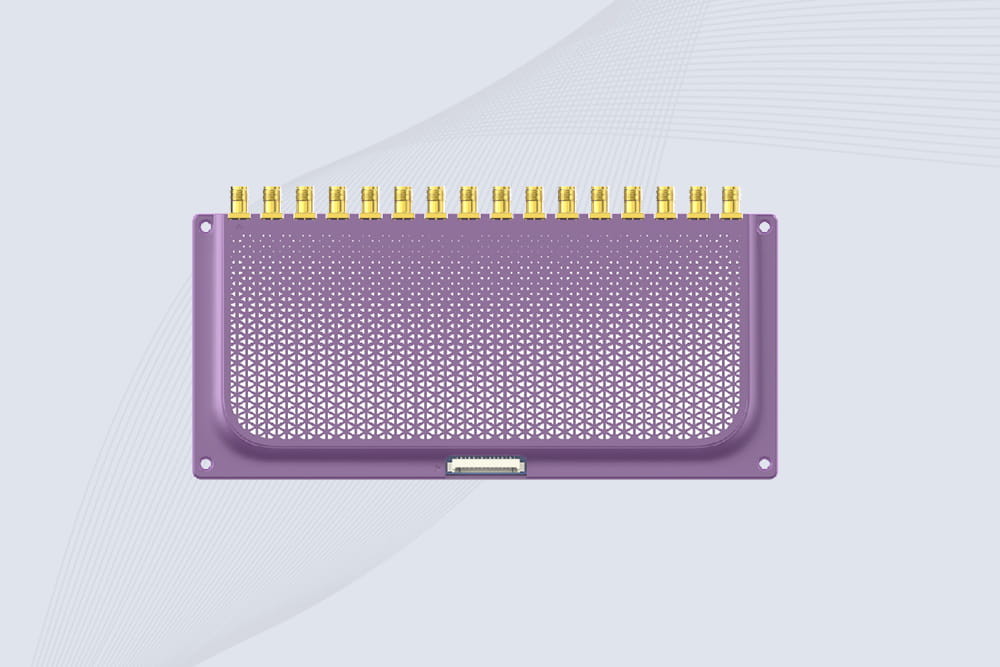
CYKEO CYKEO-M16 RFID Module is a 16-port UHF RFID reader module based on the R2000 chipset. Designed for dense tag environments, it supports ISO and GB standards and delivers stable multi-antenna control for industrial automation.
2025-12-15
The CYKEO CYKEO-M16L RFID Reader Module is a 16-channel UHF RFID core designed for dense tag environments. With adjustable 33dBm output, multi-protocol support, and stable multi-antenna control, this RFID Tag Reader Module fits industrial automation, warehouse systems, and large-scale IoT deployments.
2025-12-15
CYKEO CYKEO-M8L module RFID is a compact industrial UHF module built for dense tag and multi-antenna environments. With 8 RF ports, adjustable 33 dBm output, and ISO & GB protocol support, it is widely used in factories, warehouses, and automated tracking systems.
2025-12-15
CYKEOCYKEO-M4L UHF RFID Module is a compact 4-channel RFID tag reader module designed for dense tag environments. Supporting ISO and GB protocols, it delivers stable reads up to 10 meters for industrial and IoT systems.
2025-12-04
Cykeo CYKEO-A11 UHF RFID reader antenna delivers 11dBi gain, 840-960MHz frequency range, and IP65 ruggedness for retail, logistics, and industrial RFID systems. Features low VSWR and easy installation.
2025-12-04
CYKEO Antenna RFID Reader delivers stable long-range UHF performance with a 10.5dBi directional design, built for warehouses, conveyor portals, and industrial RFID systems. This rfid reader antenna provides 20m+ read distance and rugged IP67 protection.
2025-12-04
Cykeo CYKEO-PHF3 industrial HF RFID Antenna offers 24-point dynamic tracking, ISO 14443A/15693 protocols, metal-environment stability for archives/libraries/manufacturing.
2025-12-04
Cykeo CYKEO-A5B industrial Linear RFID Antenna delivers 5dBi gain, ≤1.5:1 VSWR, and IP65 rugged design for warehouse, production line, and logistics UHF systems.
2025-12-04
Cykeo’s CYKEO-B12 Long Range RFID Antenna delivers 15m+ read range with 12dBi gain, IP65 rugged design, and global 840-960MHz UHF support. Ideal for warehouse/logistics asset tracking.
2025-12-04
Cykeo CYKEO-B10 Long Distance RFID Antenna offers 10dBi gain, 840-960MHz frequency range, IP65 rating, and 20m+ coverage for logistics/warehousing/ETC systems. Low VSWR ensures stable signal transmission.
2025-12-04
Cykeo CYKEO-A6 UHF RFID panel antenna features 6dBi gain, 840-960MHz broadband, IP65 metal-ready housing for logistics/smart retail. 18mm ultra-thin design with tool-free mounting.
2025-12-04
Cykeo CK-A3 industrial antenna RFID UHF offers 5m+ tag detection, ≤1.3:1 VSWR, IP65 rugged design, and global UHF spectrum compatibility (840-960MHz) for warehouses, factories, and retail.
2025-12-04
Cykeo CYKEO-B5 directional RFID antenna provides 5dBi gain with 60° narrow beamwidth for precise inventory tracking. IP65-rated, global UHF frequency support, and low VSWR.
2025-12-04
Create your own high-performance DIY RFID antenna! 5dBi gain, 840-960MHz tunable, step-by-step guides. Compatible with Arduino, Raspberry Pi, and commercial UHF readers.
2025-12-04
Cykeo CYKEO-A7 Flexible RFID Antenna features 840-960MHz wideband tuning, 7dBi gain, and IP68 rating for medical/retail/industrial curved surface deployments. 98% read accuracy with peel-and-stick installation.
2025-12-04
Cykeo CYKEO-B5A industrial Passive RFID Antenna delivers 5dBi gain, 70° beamwidth, and -40°C~55°C operation for warehouses/smart cabinets. Compatible with Zebra/Impinj readers.
2025-12-04
Cykeo’s CYKEO-A9B High Gain RFID Antenna delivers 15m+ read range with 9dBi amplification. Features IP54 rugged design, 840-960MHz bandwidth, and 80° beamwidth for warehouse/manufacturing RFID systems.
2025-12-03
Cykeo’s enterprise-grade 8dbi Impinj RFID Antenna 10m+ read range with 840-960MHz tuning. Features IP65 housing, 1.4 VSWR, 35° beamwidth for retail/warehouse RFID systems.
2025-12-03
Cykeo CYKEO-A9 industrial UHF RFID antenna delivers 9dBi gain, 840-960MHz frequency range, and IP65 protection for warehouse/logistics/retail RFID systems. Features N-type connector and ≤1.3:1 VSWR.
2025-12-03
CYKEO UHF RFID Antenna built for long-distance and industrial applications. This antenna rfid uhf delivers strong gain, outdoor durability, and reliable tag performance in warehouses, yards, and vehicle ID systems.
2025-12-03
CYKEO Antenna RFID delivers reliable long-range UHF performance in warehouses, retail shelves, and cold-chain environments. This compact uhf rfid antenna provides stable reads with circular polarization and ultra-wide 840–960 MHz support, ideal for industrial tracking, smart shelves, and asset monitoring.
2025-12-03
Cykeo’s CYKEO-C8 UHF RFID antennas delivers 8dBi gain, 840-960MHz full-band coverage, and IP65 ruggedness for manufacturing/warehouse RFID systems. Industrial RFID Antennas Features
2025-12-03
Cykeo’s 8dBi UHF RFID antenna and reader kit delivers 10m+ range, 840-960MHz broadband, and IP65 ruggedness for factories, warehouses, and logistics. ISO 18000-6C & EPC Gen2 certified.
2025-12-03
Cykeo CYKEO-A9A industrial UHF RFID reader and antenna kit delivers 10m range, 500 tags/sec, IP65 ruggedness for manufacturing/logistics. Supports EPC Gen2, ISO18000-6C.
2025-12-03
Cykeo’s CYKEO-A12C UHF Large RFID Antenna delivers 12dBi gain, 840-960MHz global frequency, IP65 ruggedness for logistics/warehousing/automotive. 40° beamwidth ensures stable 15m+ tag reads.
2025-12-02
CYKEO Near Field RFID Antenna provides precise 5–30 cm reading for shelves, cabinets, and workstations. This compact rfid shelf antenna delivers stable short-range performance around metal and clutter, ideal for pharmacies, libraries, and electronics sorting.
2025-12-02
Cykeo’s industrial long range RFID reader delivers 20-meter scanning, 500+ tags/sec speed, and IP67 waterproof design for automated warehouses, logistics, and harsh environment applications.
2025-12-02
Cykeo’s CYKEO-RA6L industrial RFID long range reader features 20m read distance, 500 tags/sec speed, and IP67 protection. Ideal for warehouse automation, manufacturing WIP tracking, and smart logistics. Supports ISO 18000-6C/6B protocols.
2025-12-02
CYKEO Long Range RFID Tag Reader built for outdoor and industrial operations. This Outdoor RFID Reader delivers 20m read distance, fast tag processing, and IP67 durability for wide-area tracking.
2025-12-02
Cykeo CYKEO-RA12L industrial Long Range RFID Reader delivers 20m read range, 200+ tags/sec scanning, and IP67 protection for manufacturing/logistics applications. Supports ISO 18000-6C/GB protocols.
2025-12-01
Cykeo CYKEO-B9 UHF Bluetooth handheld RFID scanner features 12m UHF range, 200+ tags/sec scanning, IP67 rugged design for retail/warehouse/pharma. Supports Android SDK & real-time Bluetooth 5.0 transmission.
2025-12-01
Cykeo CYKEO-B4 UHF Handheld RFID Reader scanner delivers 1300 tags/sec reading, 30m UHF range, and 12-hour battery life. IP65 rugged design with barcode/NFC/ID scanning for retail/manufacturing/logistics.
2025-12-01
Cykeo CYKEO-B2 industrial UHF RFID handheld offers 10m range, 500 tags/sec scanning, Android 11 OS, and IP65 rugged design for retail/warehouse/manufacturing.
 Cykeo RFID IoT Solution Products R&D Manufacturer