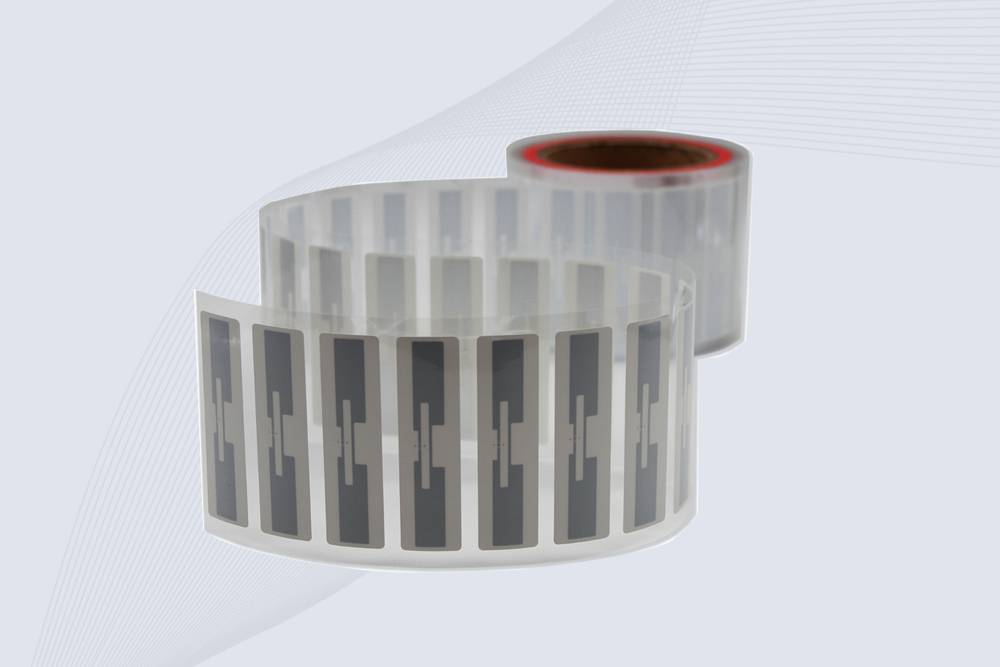
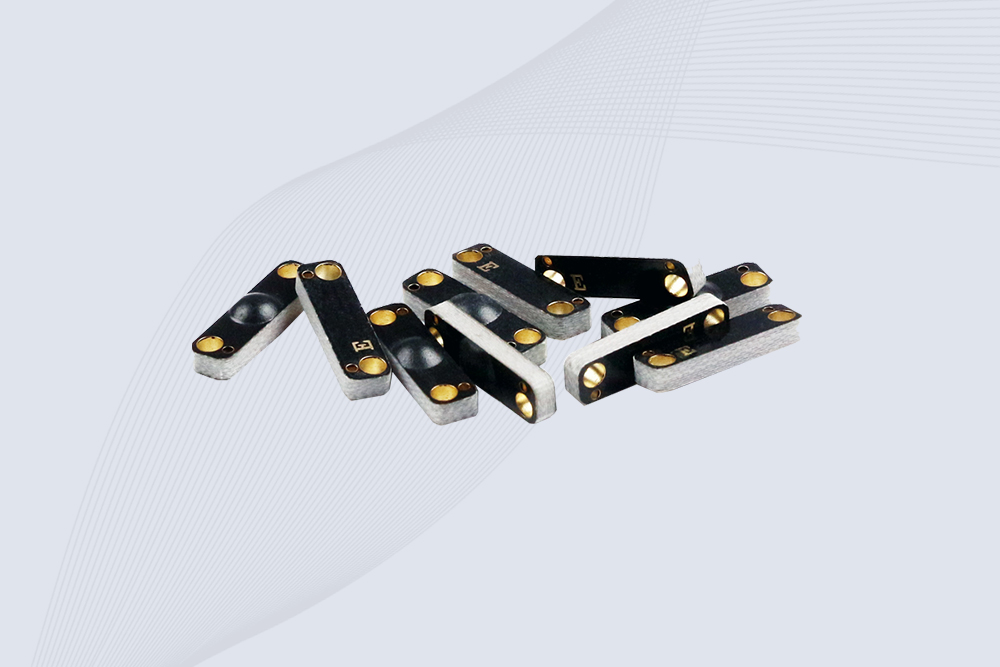
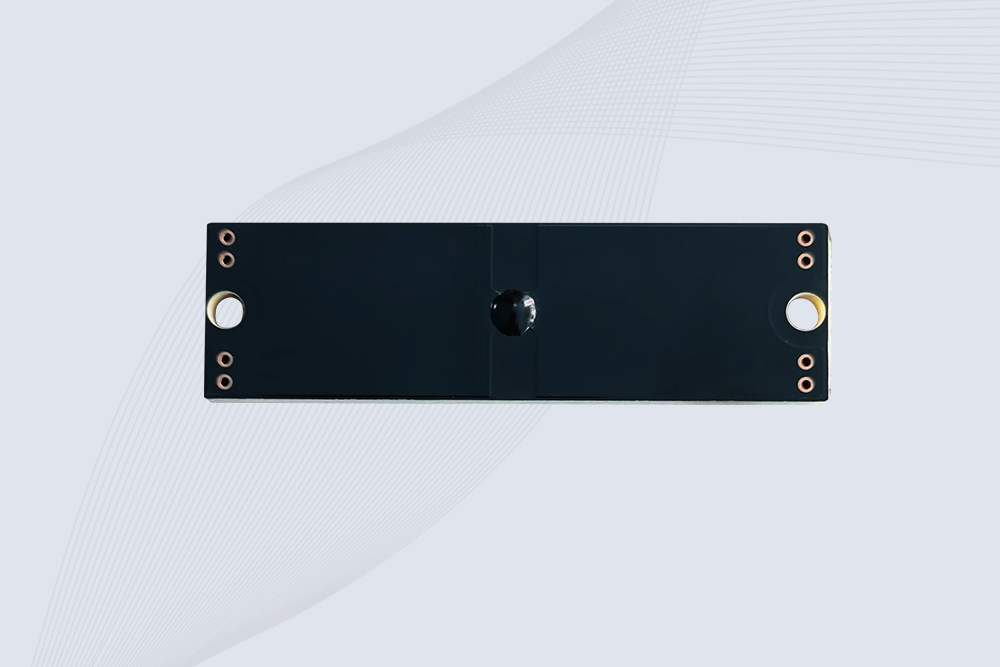
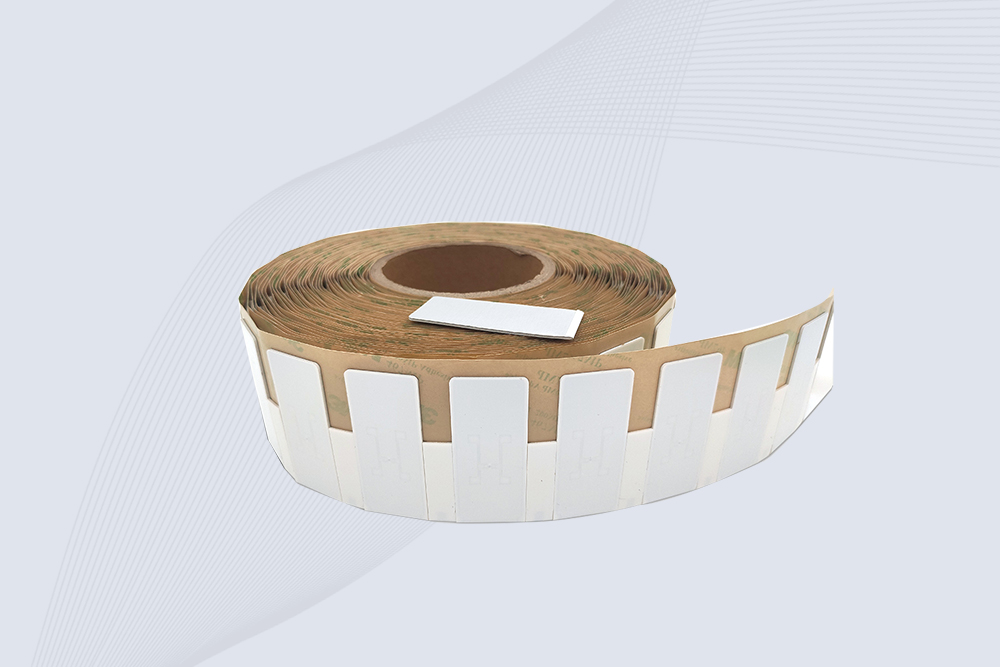
Yes, RFID reduces human errors critical in healthcare—preventing misidentified patients, wrong-site procedures, and incorrect medication dosages. However, implementation requires stringent encryption to protect sensitive health data from interception.*
1. Key Advantages of RFID in Healthcare
Life-Saving Applications
Patient-Wristband Matching: Verifies identities before surgeries/med administration (99.9% accuracy)
Real-Time Equipment Tracking: Locates defibrillators/wheelchairs in <30 seconds
Sterilization Monitoring: Tracks autoclave cycles via temperature-sensitive tags
Drug Authentication: Detects counterfeit medicines using encrypted UIDs
Case Study: UK hospitals using RFID reported 78% fewer lost assets and 63% reduced medication errors.
2. Critical Limitations & Risks
Operational and Ethical Challenges
Limitation
Impact
Mitigation Strategy
Electromagnetic Interference (EMI)
Potential disruption of pacemakers/vents
Frequency selection testing & 1m safe distance
Data Vulnerability
Unencrypted tags risk patient privacy leaks
AES-256 encryption + HIPAA-compliant servers
Metal/Liquid Interference
Failed reads on metal instruments or IV bags
HF/LF tags instead of UHF; on-metal adhesives
Implementation Costs
15k–200k+ for full-hospital deployment
Phased rollouts starting with high-impact areas
3. Comparison with Barcodes in Clinical Settings
Factor
RFID Technology
Barcodes
Error Reduction
98% accuracy
85% accuracy
Scanning Speed
100+ items simultaneously
Single-item scanning
Line-of-Sight Requirement
Not required
Critical limitation
Data Capacity
Up to 8KB (medical history data)
25–50 characters
Tag Durability
Withstands sterilization cycles
Label degradation after cleaning
4. Best Practice Implementation Guide
Balancing Efficiency and Compliance
Start with High-ROI Areas: Equipment tracking > patient ID systems
Privacy-First Architecture:
Separate patient identifiers from clinical data
Temporary tag deactivation at discharge
Interference Testing: Validate EMI thresholds with biomedical engineers
Staff Training: Address concerns about “surveillance” culture
Cykeo’s HIPAA-validated tags reduced Lahey Health’s asset losses by $4.2M/year
Discover how long-distance RFID readers streamline vehicle tracking for toll booths, parking management, fleet logistics, and more. Explore UHF RFID benefits and real-world applications.
This article explains what a rugged RFID tag is, how it handles tough environments, tips for choosing and maintaining them, plus some hands-on experience for better performance in industrial or outdoor use.
A realistic, no-fluff guide to RFID attendance systems. Learn how RFID check-in works, where it fits, the pros and cons, and what to consider before deploying it in your organization.
 Cykeo RFID IoT Solution Products R&D Manufacturer