Do RFID Readers Require Antenna? Here’s What Actually Works
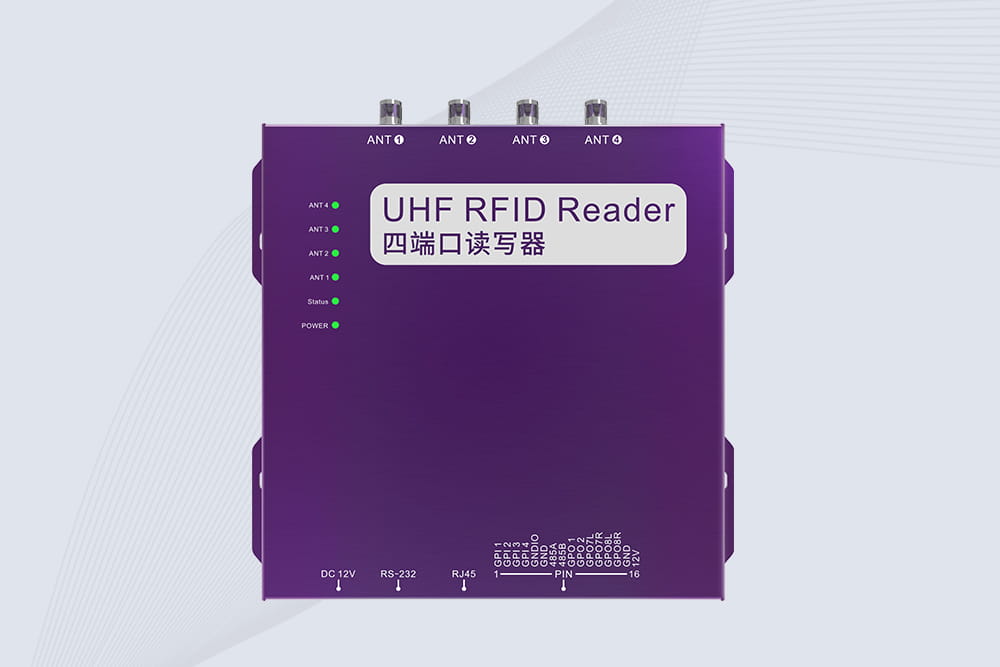
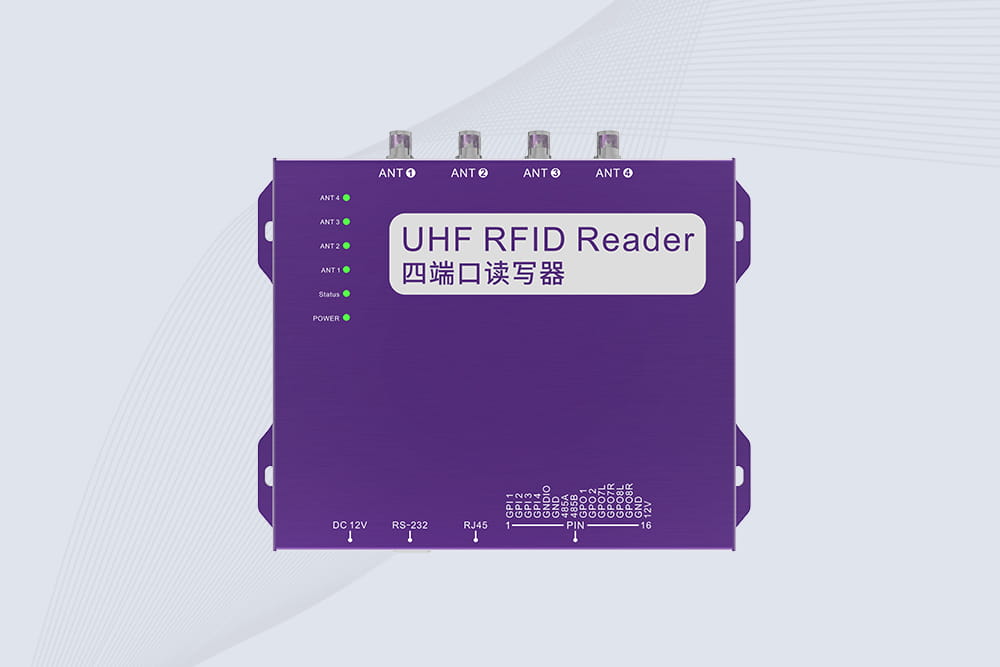
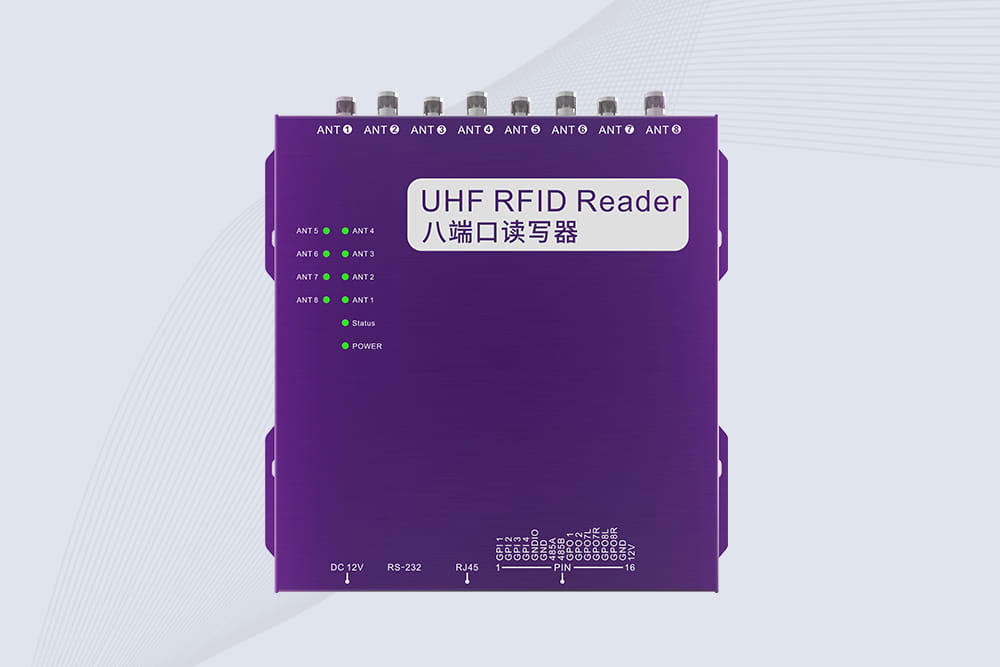
Let’s get straight to the point. If you’ve unpacked a fixed RFID reader and see antenna ports but no antenna included, you might wonder: do RFID readers require antenna? The answer isn’t just yes—it’s that the reader is practically useless without one. An RFID reader without an antenna is like a stereo system without speakers. The amplifier (reader) can process signals all day, but with no speakers (antenna) to broadcast the sound, you’ll never hear music.
The RFID Antenna is the Reader’s Voice and Ears
The confusion often comes from not understanding what each part does. The reader is the brain—it creates the command signals and decodes the responses. But radio waves can’t travel through thin air as electrical signals. This is where the antenna comes in.
The antenna’s job in answering why RFID systems need antennas is two-fold:
- Transmit: It converts the reader’s electrical signal into electromagnetic radio waves that radiate out to power and communicate with tags.
- Receive: It captures the incredibly weak radio signal reflected back from a tag and converts it into an electrical signal the reader can understand.
No antenna means no conversion. The reader’s signal goes nowhere, and no tag response can be captured.
“Built-In” vs. “External” – The Real Difference
When people ask this question, they’re often looking at different types of hardware:
- Handheld Readers: These almost always have integrated antennas. The antenna is built into the plastic housing, wrapped around the edges. You don’t see it, but it’s there and absolutely essential.
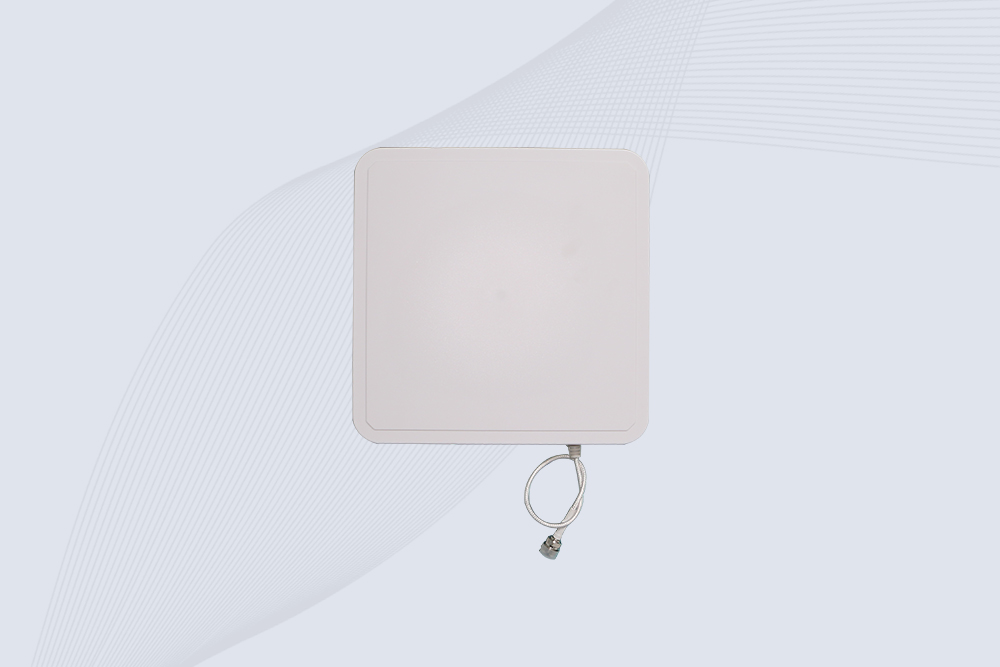
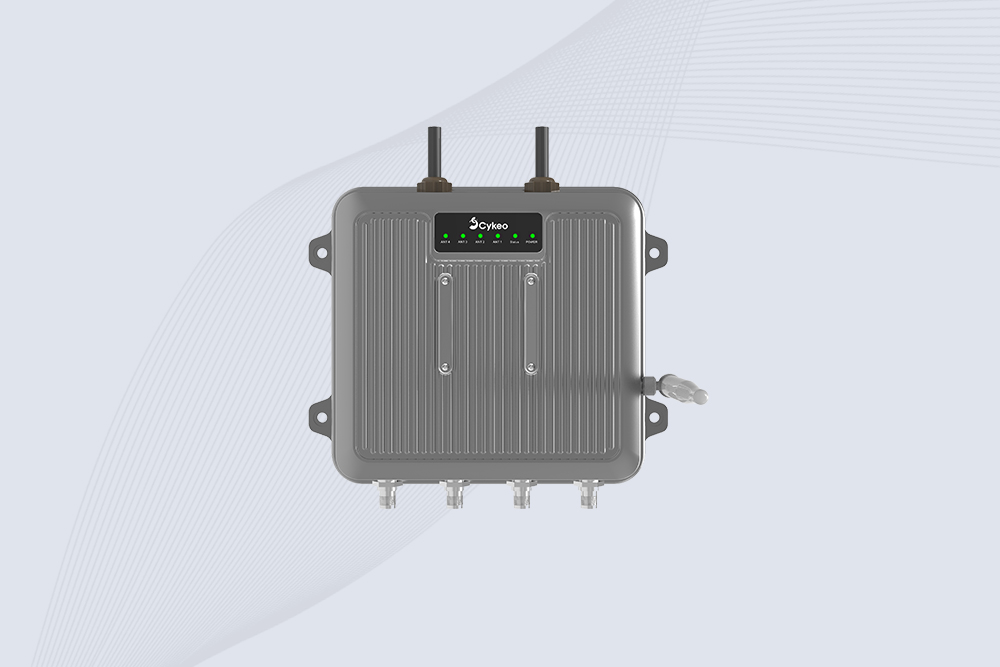
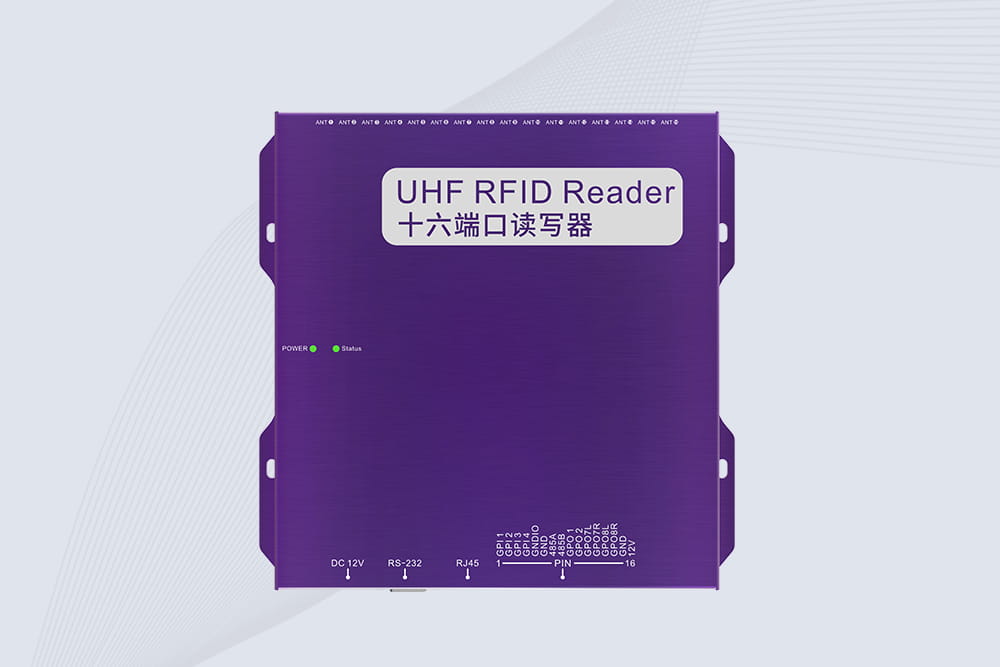
- Fixed/Portal Readers: These come with external antenna ports. You must purchase and connect separate antennas via coaxial cables. This isn’t an upsell; it’s because different applications (a wide warehouse door vs. a narrow conveyor) need different antenna types for optimal performance.
So, whether hidden or visible, an antenna is non-negotiable.
What You’ll See If You Try to Run a Reader Without One
If you’re curious about what happens without an RFID antenna, plug in the reader and power it on. You’ll likely encounter one of three outcomes:
- Complete Failure: Nothing happens. No tags are read, ever.
- Error Messages: Most industrial readers have circuit protection and diagnostics. They’ll throw a fault code like “High VSWR” or “Antenna Disconnected” because they detect the abnormal electrical load.
- Internal Damage Risk: In worst-case scenarios, the radio frequency energy with nowhere to go reflects back into the reader’s final amplifier. This can cause overheating and gradual component failure. It’s like revving a car engine while the transmission is in neutral—stressful for the machinery.
Connecting It Right: A Quick Reality Check
If you have a fixed reader, connecting an antenna to an RFID reader is straightforward but precise:
- Match the Connector: Most use RP-TNC. Don’t force a different connector; use an adapter if you must.
- Use Proper Cable: Not all coaxial cables are equal. Use low-loss cable (like LMR-400) for runs over a few feet to preserve signal strength.
- Tighten by Hand: Secure the connector firmly by hand. Over-tightening with a wrench can damage the threads.
- Power On Last: Connect all antennas before applying power to the reader.
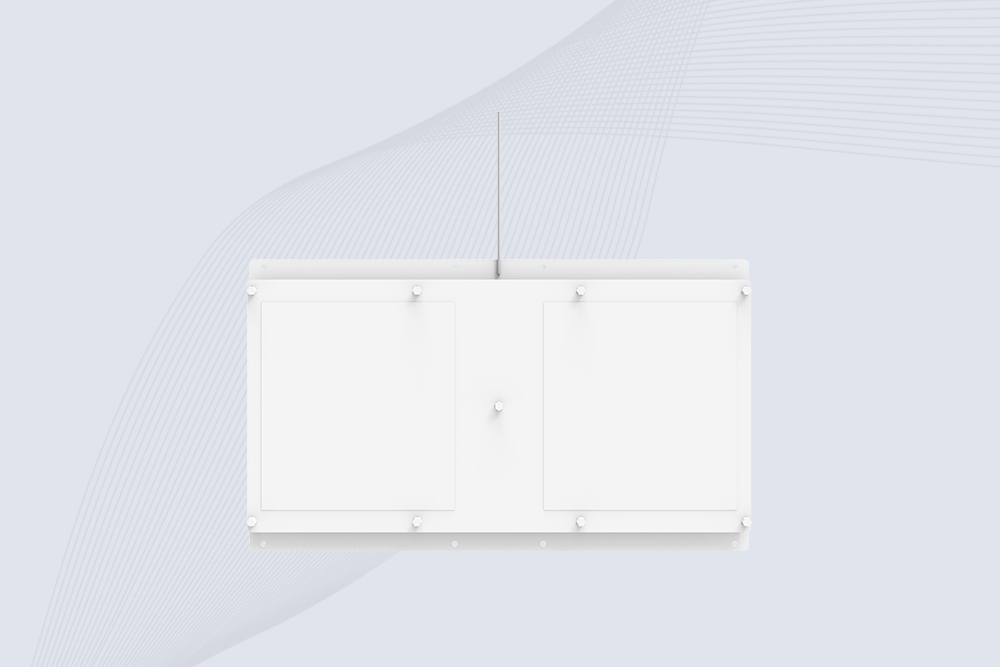
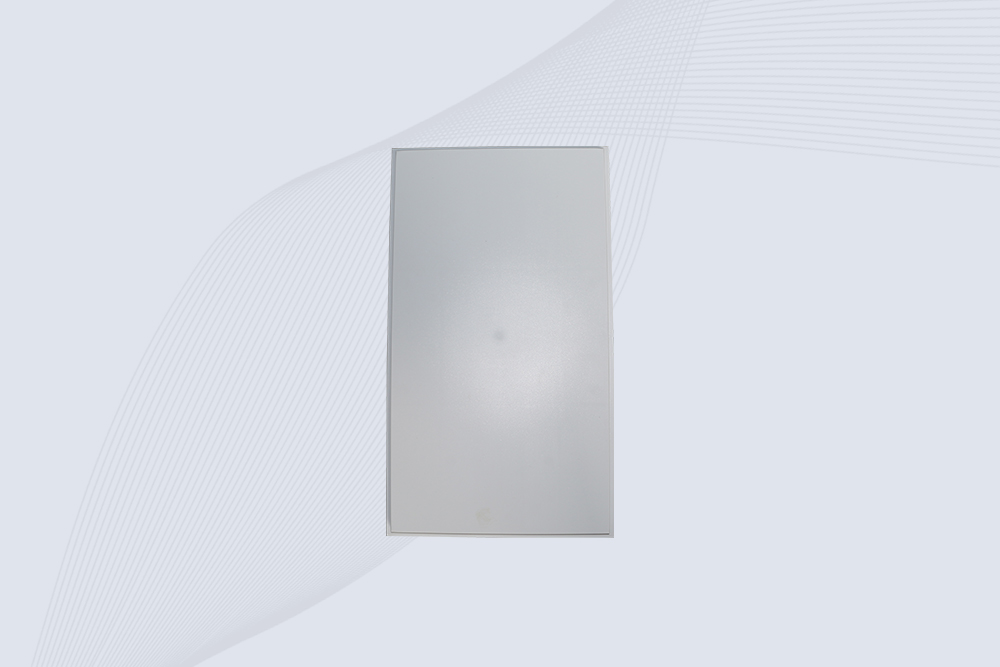
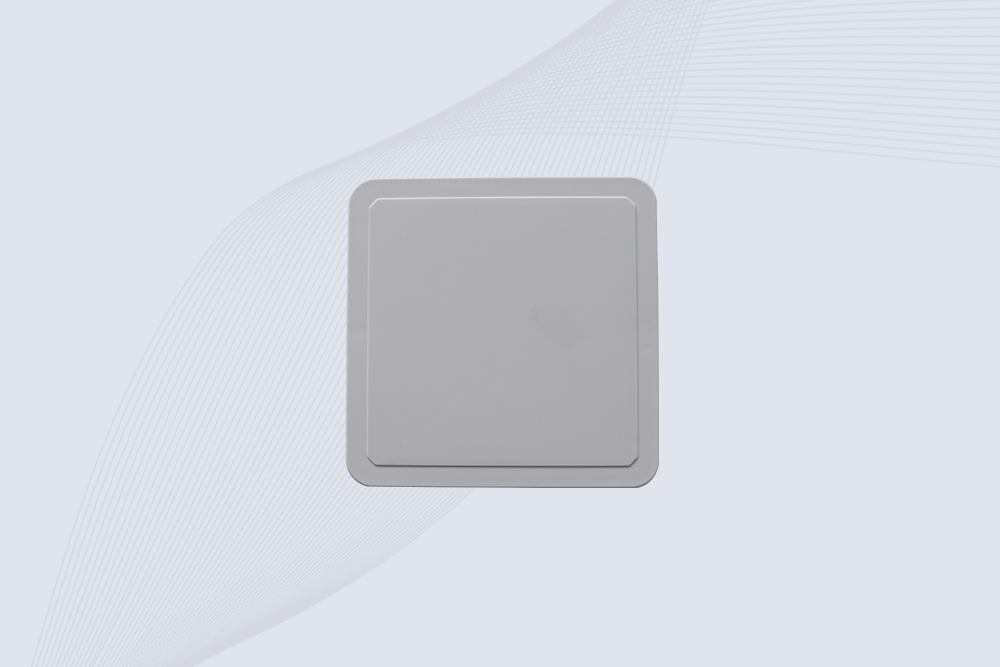
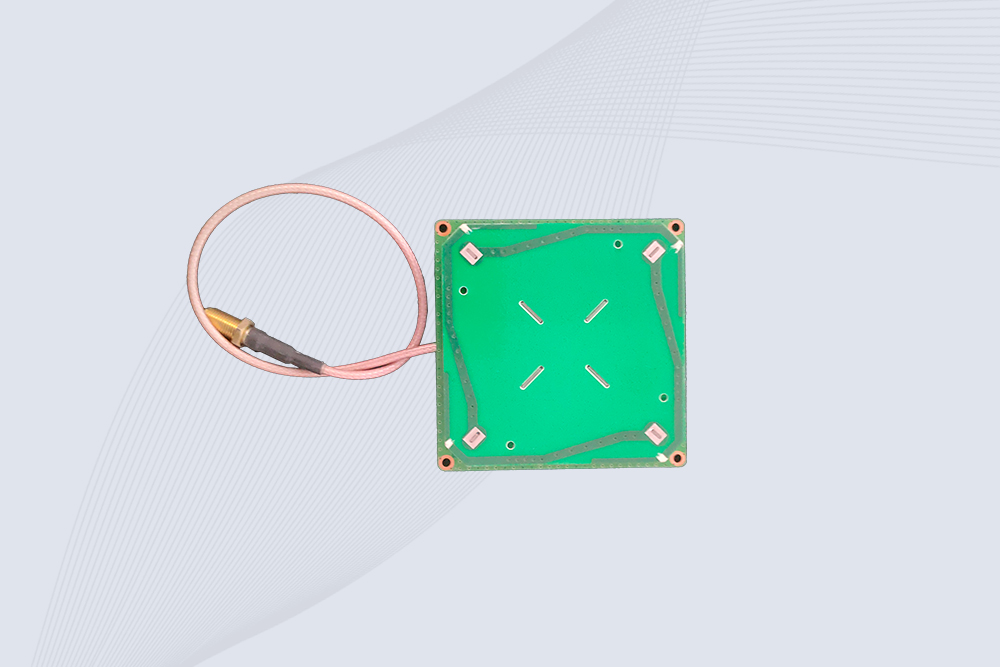
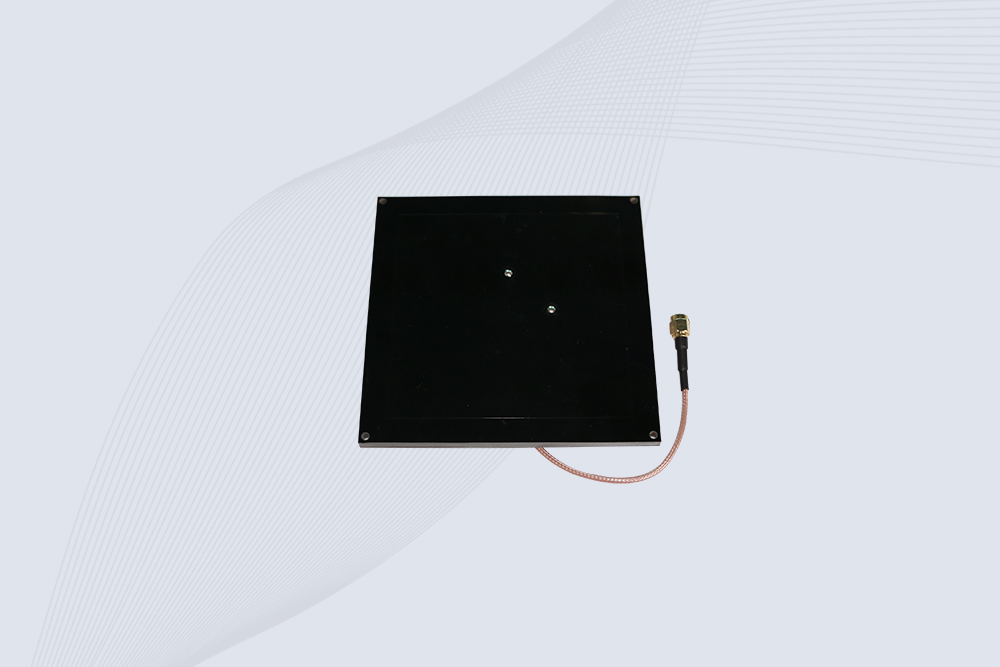
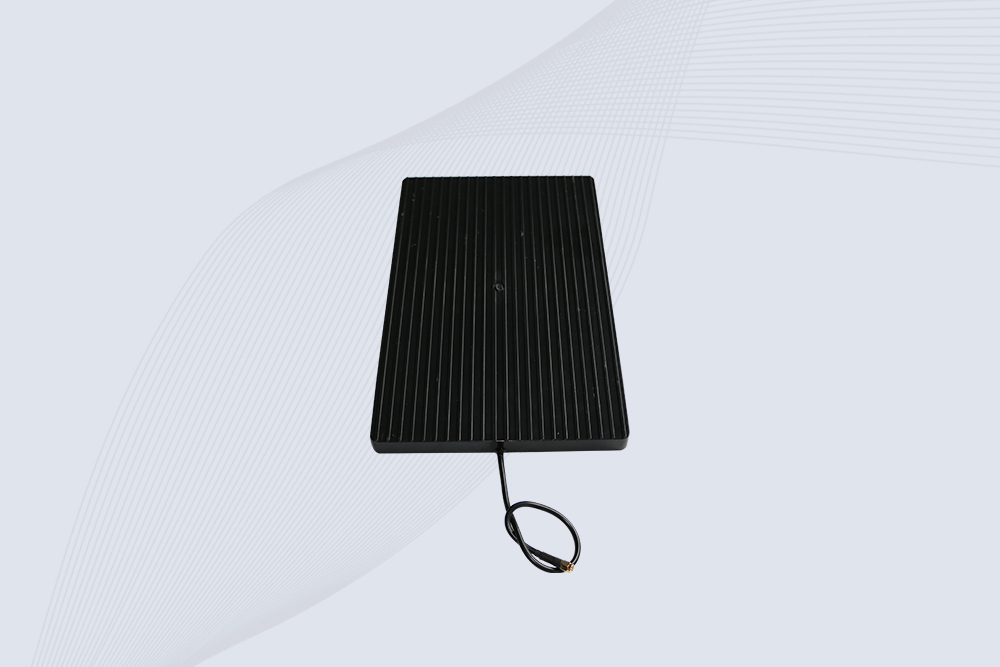
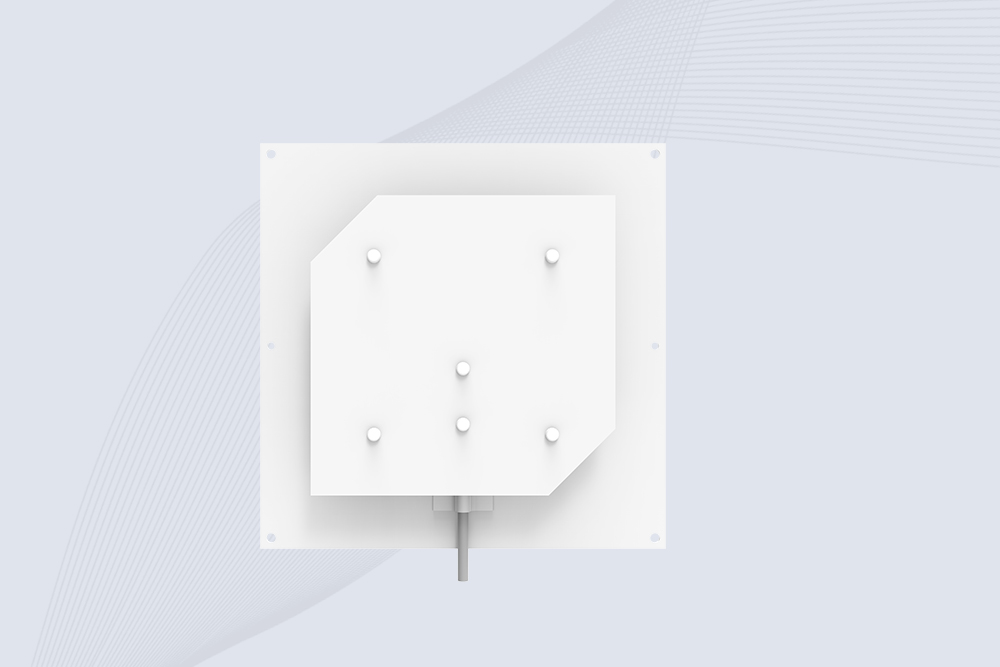
When choosing an antenna for your RFID reader CYKEO style, think about your environment. A busy dock door needs a circular polarized antenna with moderate gain. A shelf facing a specific bin might need a near-field antenna.
So, to lock in the answer: Do RFID readers require antenna? Yes, 100%. It is the single most critical physical component for creating the wireless link. Whether it’s inside the handheld unit you bought or a separate panel you’re mounting on a wall, it’s not an optional accessory. It’s the essential piece that makes the entire system speak and listen.
RFID Reader Antennas Recommendation
 Cykeo RFID IoT Solution Products R&D Manufacturer