Inventory loss is a silent profit killer. From theft and misplacement to administrative errors, businesses lose an average of 1-2% of annual revenue to “shrinkage”—a figure that can reach millions for large enterprises. But what if you could slash those losses by 40% or more? RFID readers are proving to be a game-changer for companies aiming to protect their bottom line. Here’s how this technology works, why it’s effective, and how Cykeo’s solutions are helping businesses turn the tide against inventory loss.
The Hidden Costs of Inventory Loss
Before diving into solutions, let’s quantify the problem. Inventory loss isn’t just about stolen goods. It includes:
Theft: External (shoplifting) and internal (employee theft).
Misplaced Items: Products lost in warehouses or misplaced during transfers.
Administrative Errors: Manual data entry mistakes, incorrect stock counts, or shipment mismatches.
Expired Goods: Perishables that go unsold due to poor tracking.
For a 10Mrevenuebusiness,evena1100,000 annually—funds that could be reinvested in growth.
How RFID Readers Tackle Inventory Loss
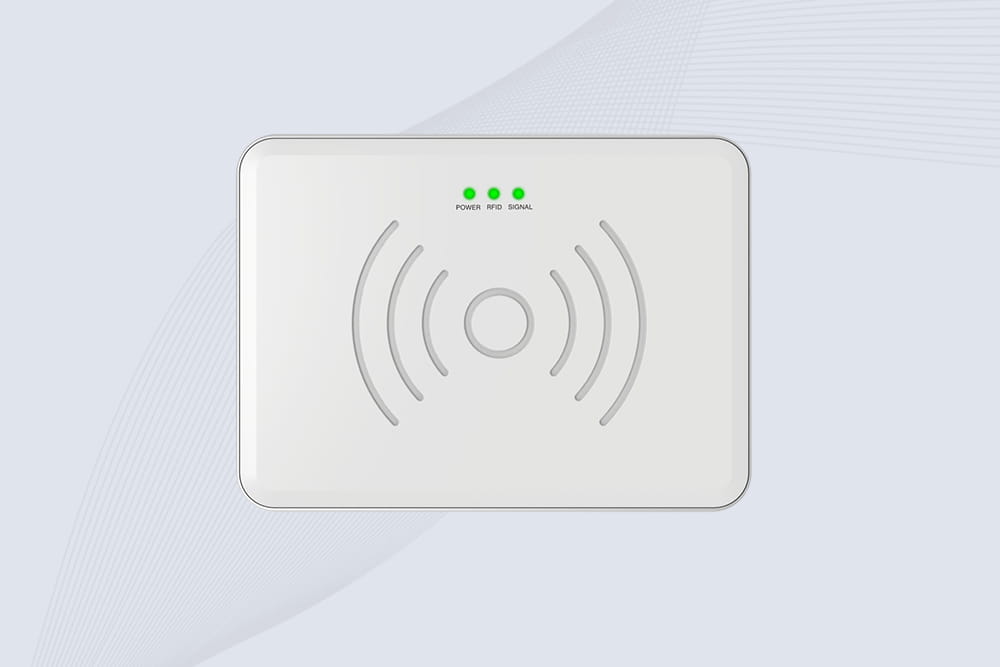
Traditional inventory management relies on manual counts, spreadsheets, or barcode scans. These methods are slow, error-prone, and reactive. RFID (Radio Frequency Identification) readers, however, automate tracking with precision and speed. Here’s how they work:
RFID Tags: Attached to products, pallets, or assets, these tags store unique identifiers.
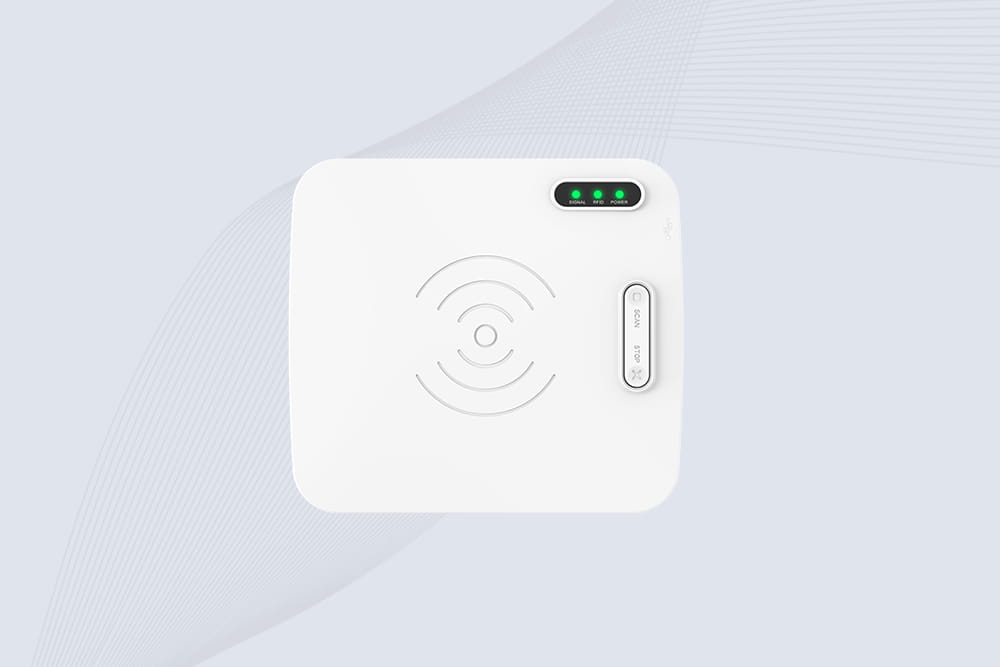
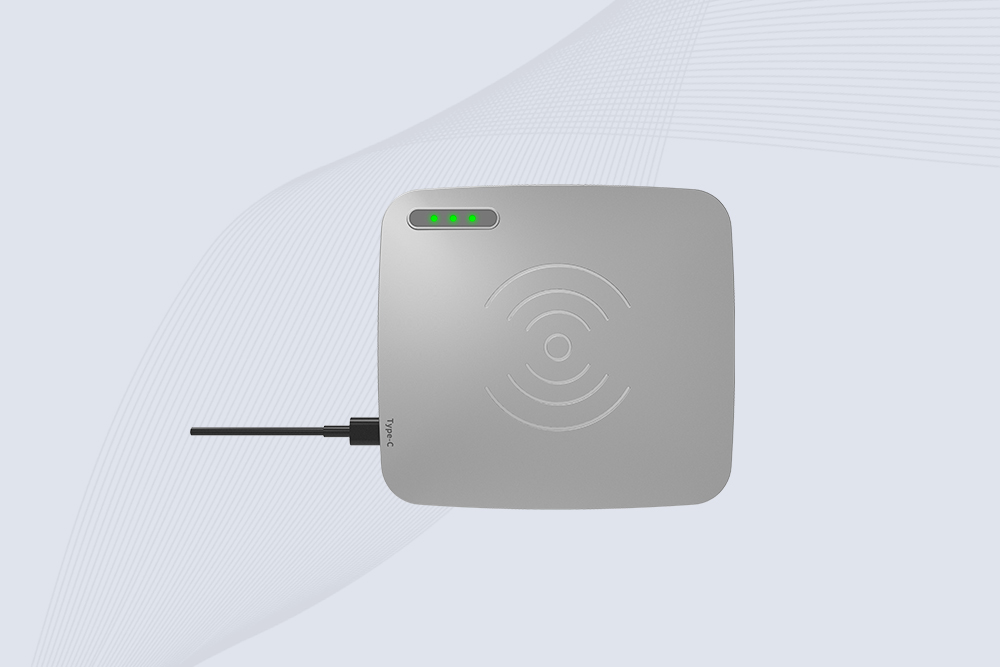
RFID Readers: Fixed or handheld devices that scan tags wirelessly, even without line of sight.
Software Integration: Real-time data syncs with inventory management systems, flagging discrepancies instantly.
The result? A system that detects and prevents losses proactively.
“Ghost inventory” occurs when system records and physical stock levels don’t match. RFID readers scan entire shelves or pallets in seconds, updating counts automatically. This prevents overselling, misplaced items, and delays.
Cykeo Example: A retail client reduced ghost inventory by 75% after deploying Cykeo’s UHF RFID readers, cutting stockouts and overordering.
2. Theft Deterrence Through Smart Monitoring
RFID tags can trigger alerts when items move beyond designated zones. For example:
High-value items in a store’s backroom trigger alarms if taken without authorization.
Tags on pharmaceuticals or electronics notify staff if products approach exits.
Result: A Cykeo user in electronics retail saw theft-related losses drop by 60% within six months.
3. Automated Audits Reduce Human Error
Manual counts are tedious and error-prone. RFID readers perform cycle counts 10x faster and with 99.9% accuracy. This means fewer discrepancies and faster reconciliation.
Data Point: A logistics warehouse using Cykeo’s handheld RFID scanners reduced audit time by 85% and administrative errors by 90%.
4. Expiry Date Management for Perishables
For industries like food or pharmaceuticals, RFID tags with sensor capabilities can:
Monitor temperature or humidity during storage.
Alert teams when products near expiration dates.
This minimizes waste and ensures compliance with safety standards.
Why RFID Outperforms Barcodes in Loss Prevention
While barcodes are cheaper upfront, they lack the proactive capabilities of RFID:
No Line of Sight Needed: RFID readers scan items inside boxes or behind obstacles.
Bulk Scanning: Hundreds of tags read per second vs. one-at-a-time barcode scans.
Durability: RFID tags survive harsh environments (heat, moisture, chemicals) better than paper labels.
Cykeo’s RFID Solutions: Precision Engineered for Loss Prevention
Our systems are designed to address the root causes of inventory loss:
Fixed RFID Gateways: Installed at warehouse exits or high-risk zones to detect unauthorized movements.
Handheld Scanners: Portable devices for rapid audits and spot checks.
Cloud Analytics Platform: Identifies loss patterns (e.g., recurring discrepancies in specific aisles) to guide corrective actions.
Client Success: A fashion retailer reduced annual inventory loss from 450Kto270K (a 40% drop) after implementing Cykeo’s RFID system across 50 stores.
Implementing RFID: Best Practices for Maximum Savings
1. Start with High-Risk Items
Tag high-value or frequently lost products first to demonstrate quick ROI.
2. Train Staff on Real-Time Alerts
Ensure teams understand how to respond to RFID-triggered notifications (e.g., unauthorized item movements).
3. Integrate with Existing Tools
Cykeo’s RFID software works with ERP systems like SAP or Oracle, avoiding data silos.
4. Regularly Update Tag Data
Use rewritable RFID tags to adjust information (e.g., pricing, expiry dates) as needed.
Ready to Save 40% on Inventory Loss?
Don’t let shrinkage eat into your profits. Contact Cykeo’s experts at contact@cykeo.com to explore how our RFID readers can safeguard your inventory—and your bottom line.
Discover the real difference between active and passive RFID tags. Learn how active RFID tag range impacts asset tracking, when to use passive tags for low-cost solutions, and how hybrid options fit in real-world applications.
long-range UHF RFID readers that scan tags from up to 20 meters. Cykeo CK‑RA4L, CK‑RA6L, CK‑RA9L, and CK‑RA12L handle high-speed batch reading, work in tough industrial environments, and easily integrate with WMS, ERP, and IoT systems.
Explore how RFID ceiling readers work in real warehouses, from ceiling installation to staff adaptation, revealing efficiency gains and human-centered management.
 Cykeo RFID IoT Solution Products R&D Manufacturer