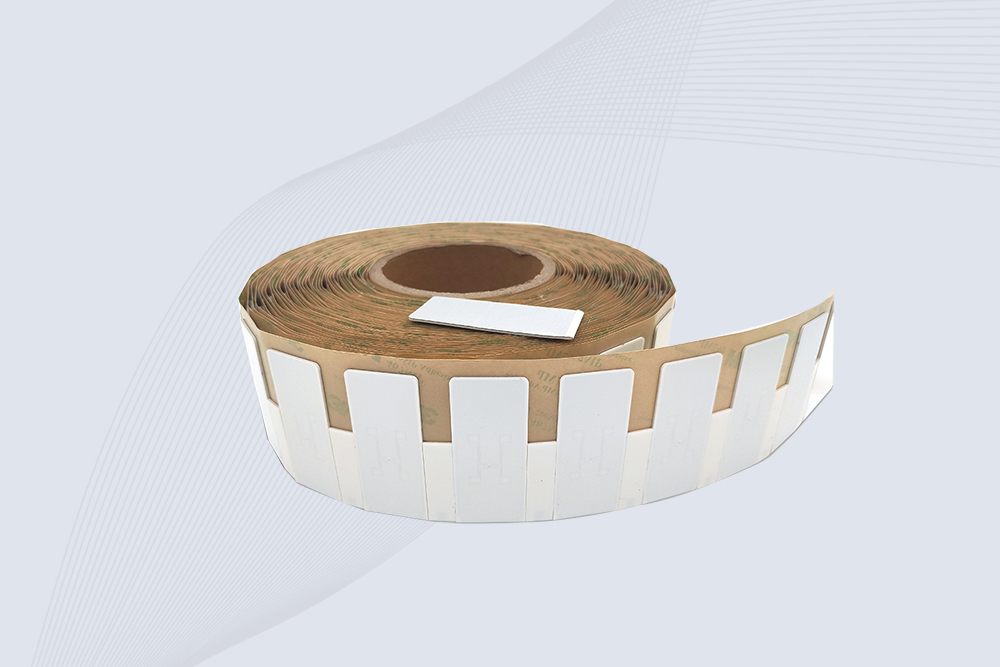
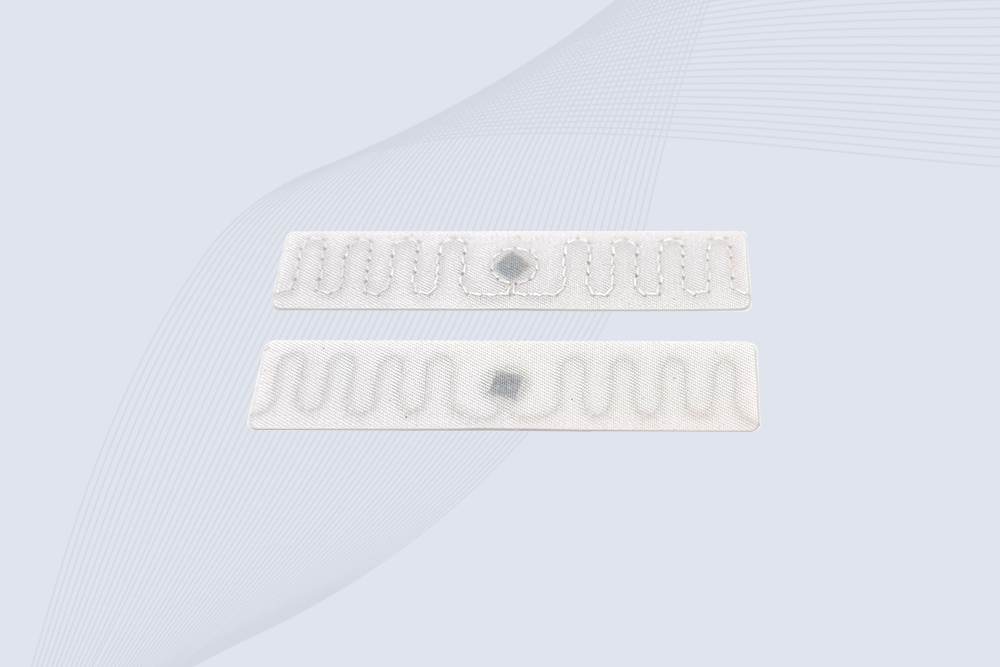
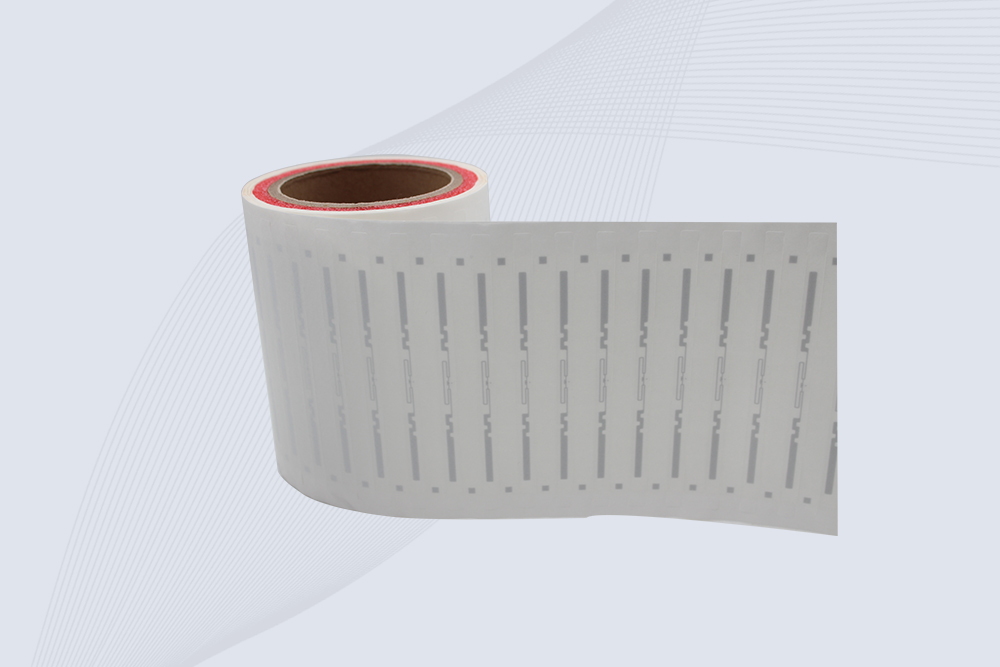
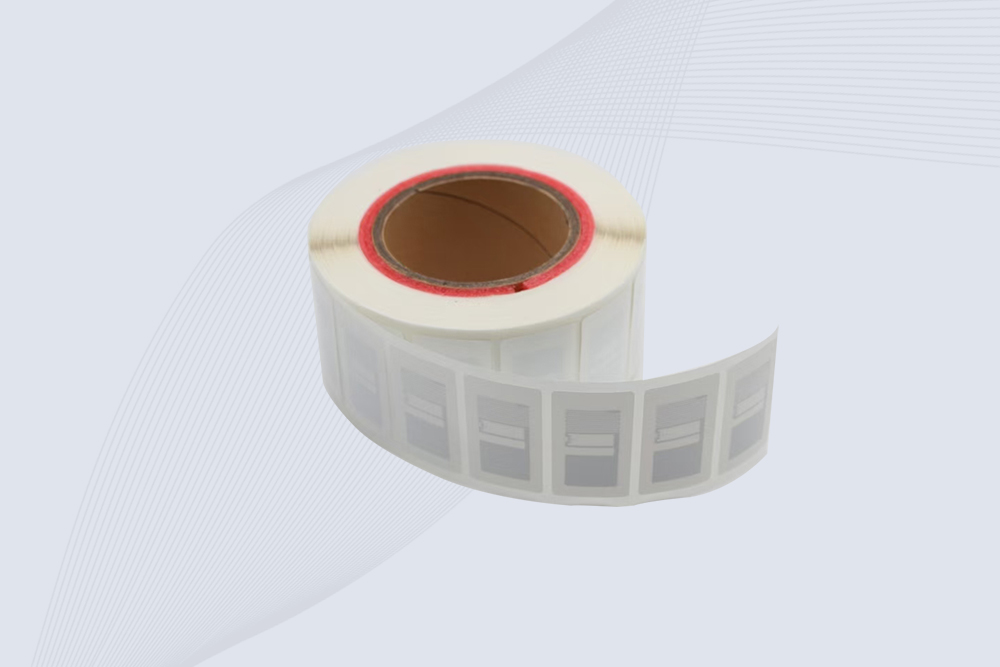
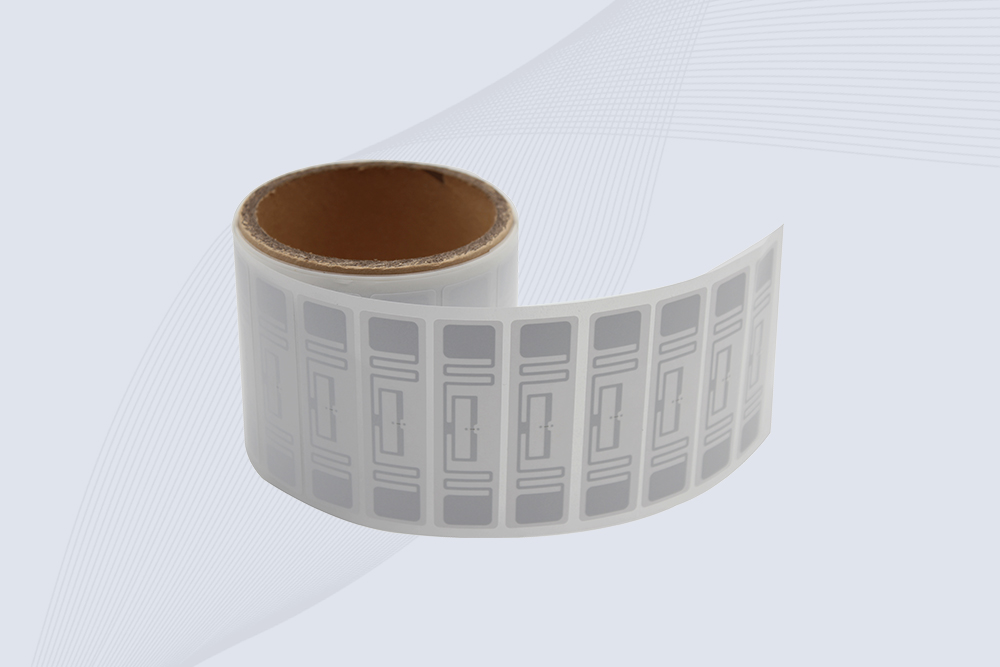
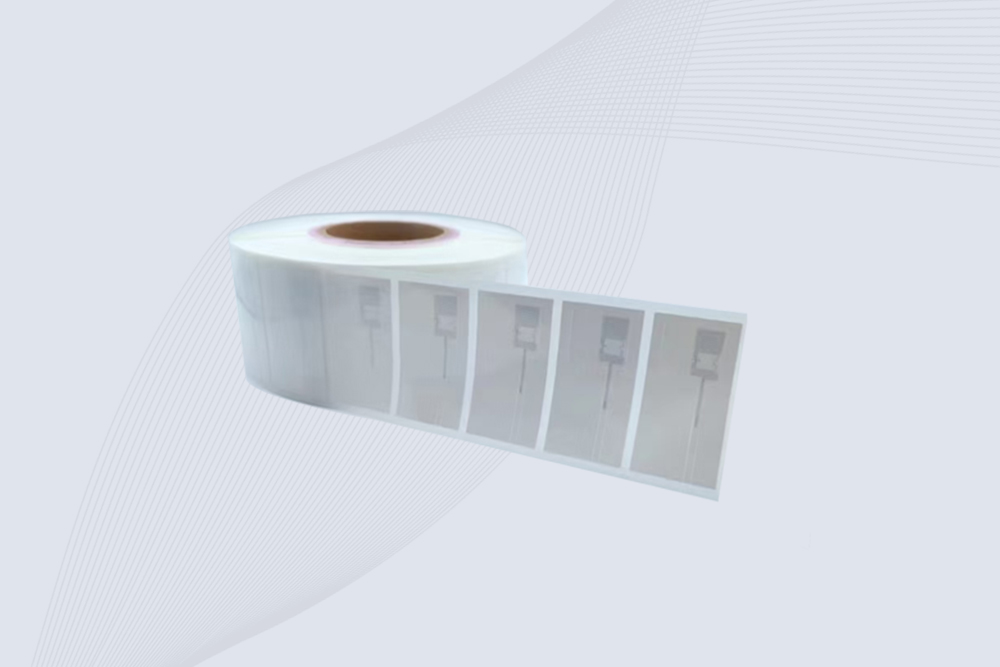
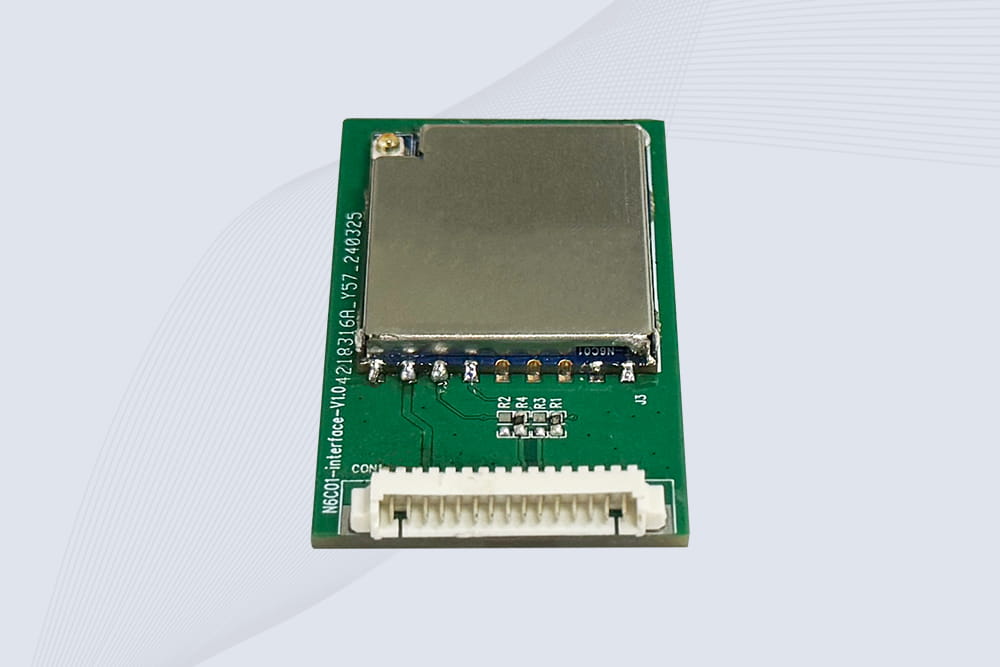
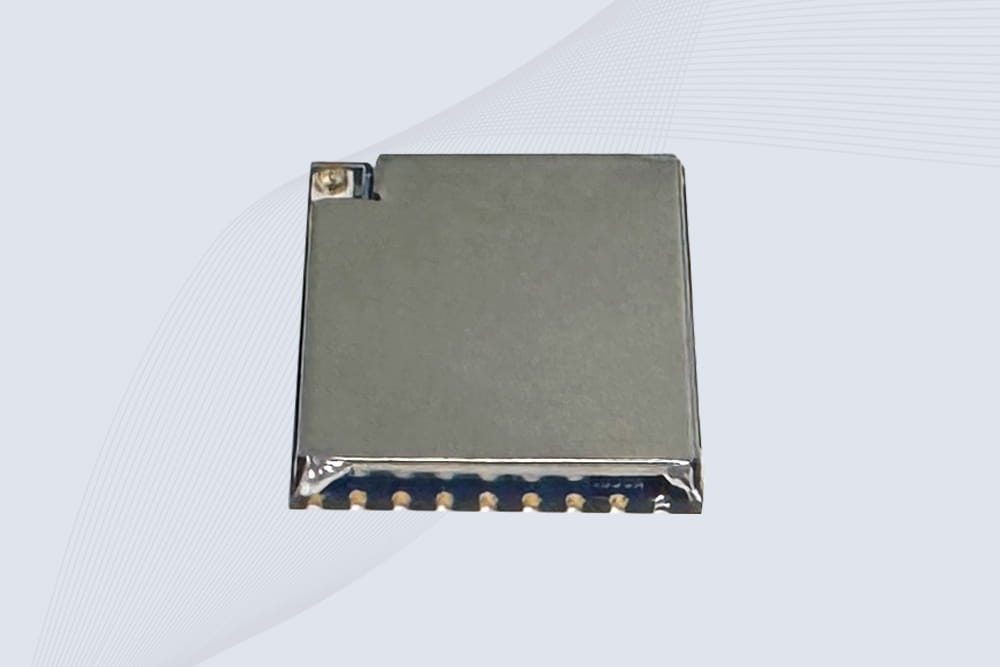
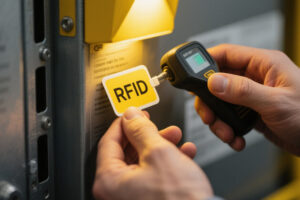
Yes, RFID can manage inventory by identifying tagged items wirelessly, recording stock movements, and updating inventory software without requiring staff to scan every item individually. With properly configured RFID tags, readers, and software, businesses can count multiple items quickly, improve stock visibility, and reduce errors associated with manual inventory processes.
For warehouses, retail stores, distribution centers, libraries, and manufacturing facilities, the real advantage is not simply reading tags faster. It is capturing inventory events that employees might otherwise miss: a carton entering a receiving area, tools returning to a storage cabinet, or merchandise moving from a stockroom to a sales floor.
RFID does not eliminate every inventory problem. Its performance depends on tag selection, reader placement, the surrounding materials, and how captured data is processed. When these elements work together, however, RFID becomes a practical way to maintain more reliable inventory records and support better operational decisions.
What Is RFID Inventory Management?
RFID inventory management uses radio frequency identification technology to identify and track physical items throughout their movement and storage. An RFID system typically combines electronic tags, RFID readers, antennas, and inventory management software. Each component has a specific role, and the system becomes useful when their data is connected to the company’s inventory records.
Unlike a conventional barcode workflow, which usually requires a scanner to see and read each label, RFID can identify multiple compatible tags within a reader’s effective coverage area. Depending on the tag and system configuration, employees may be able to count items inside cartons, scan a group of products at a receiving station, or capture stock movements as goods pass through a designated reading zone.
How RFID tracks inventory
The process generally follows four stages:
Tag the items. Attach an RFID label, tag, or other suitable transponder to each product, asset, carton, or inventory unit.
Read the tags. A handheld, desktop, portal, or fixed RFID reader receives the identifiers transmitted by tags within its reading zone.
Process the data. Middleware or inventory software filters duplicate reads, associates identifiers with inventory records, and processes relevant events.
Update inventory records. The system records the appropriate transaction, such as a receipt, transfer, stock count, or dispatch, according to the configured business rules.
A crucial distinction is that reading a tag does not automatically prove that an item has been sold, shipped, or placed in the correct bin. The application needs context. A reader at a receiving dock, for example, should be configured differently from one installed at a retail checkout station.
For businesses considering an RFID inventory management system, this distinction often matters more than the reader’s maximum advertised range.
How RFID Improves Inventory Accuracy
RFID can improve inventory accuracy by reducing dependence on individual barcode scans, supporting faster stock counts, and making inventory movements easier to capture. Its value becomes particularly apparent when employees handle hundreds or thousands of items across multiple locations.
A useful independent reference is the retail inventory research conducted by Auburn University’s RFID Lab in collaboration with industry partners. The research has examined how item-level RFID can support inventory accuracy and retail operations. The findings are relevant because inventory discrepancies are not simply counting problems; they affect replenishment decisions, product availability, and the reliability of stock records.
Another important reference is GS1, the global standards organization that develops identification and data-sharing standards used across supply chains. Its EPC/RFID standards provide a framework for encoding and reading electronic product identifiers consistently. Businesses can consult the official resources at GS1 when planning a standards-based RFID deployment.
Where RFID makes the biggest difference
Warehouse cycle counting
Employees can read multiple tagged items within a suitable reading zone rather than scanning every barcode separately. This can make frequent cycle counts more practical, especially in high-volume storage areas.
Retail stock visibility
Stores can use RFID to compare recorded inventory with physical stock, identify discrepancies, and make replenishment decisions with better information about item availability.
Asset and tool control
RFID can help organizations identify tagged tools, equipment, containers, and reusable assets as they move through controlled storage or handover points.
What the technology cannot guarantee
RFID reader may capture a tag more than once, miss a tag, or read a nearby item that is not part of the intended transaction. Metal surfaces, liquids, tag orientation, antenna placement, and interference can all affect performance, particularly in UHF RFID applications.
This is why inventory accuracy should be measured at the business-process level, not inferred from a reader’s raw tag-read rate. A system that reads 99% of tags during a laboratory test may deliver a different result when cartons are stacked irregularly, workers move at different speeds, or tagged products sit beside metal shelving.
For a reliable deployment, test the actual products, packaging, reading distance, and movement patterns before setting an accuracy target.
Choosing the Right RFID Setup for Inventory Management
The best RFID configuration depends on what needs to be counted, how items move, and whether employees need to identify individual products or entire groups of goods. A handheld reader is useful for investigating discrepancies, while a fixed reader can capture movement at a controlled entry point without requiring an employee to perform each scan.
For many warehouses, a combination works better than relying on a single reader type.
RFID equipment
Typical inventory task
Main consideration
Handheld UHF RFID reader
Cycle counts, shelf checks, locating tagged items
Reading distance and operator workflow
Fixed UHF RFID reader
Receiving, dispatch, conveyor tracking, movement monitoring
Antenna placement and read-zone control
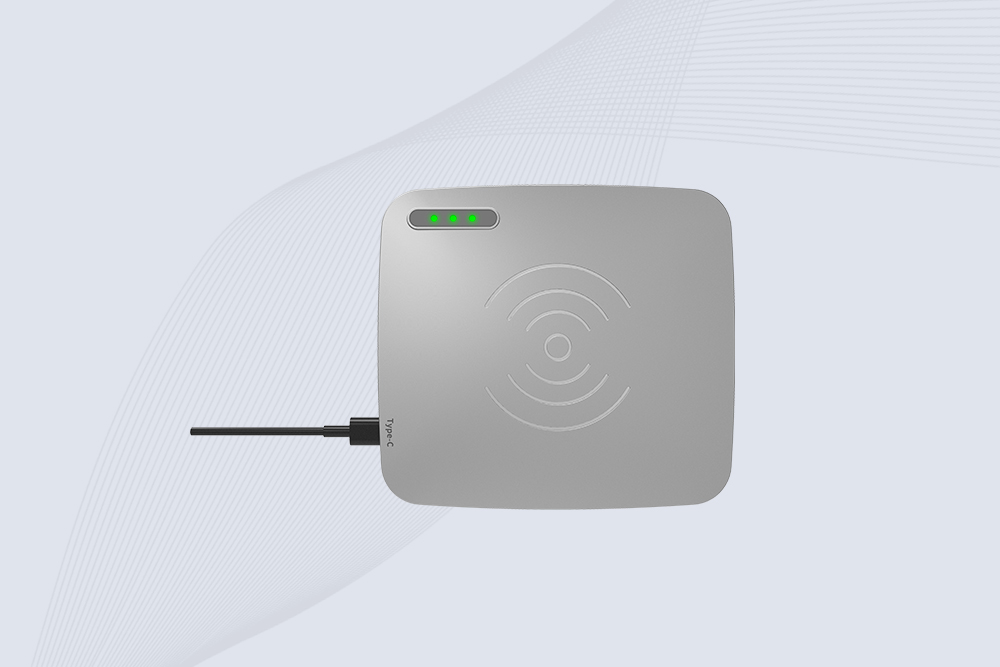
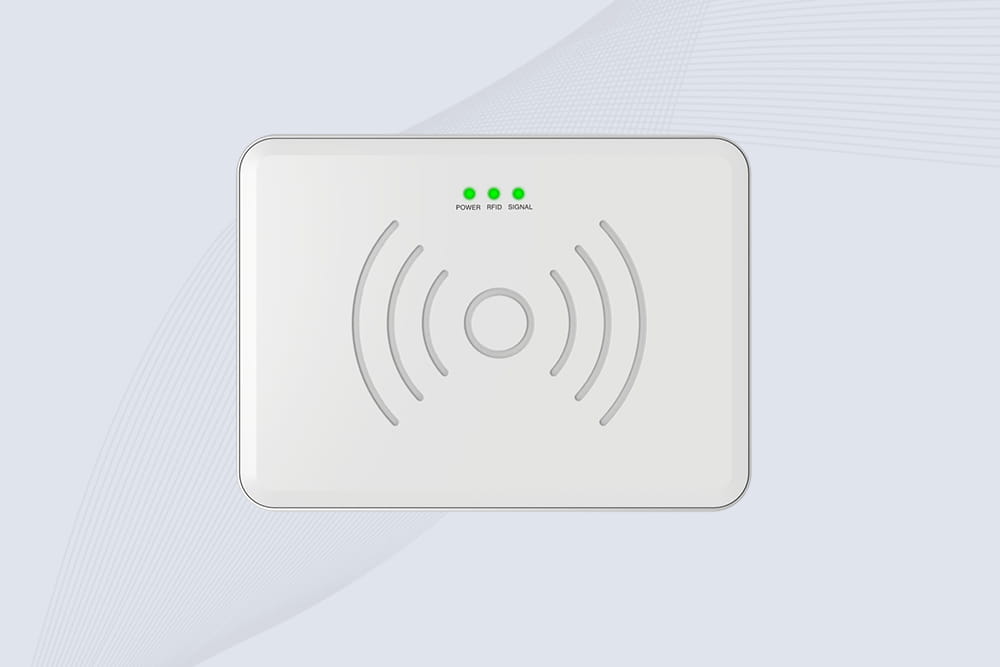
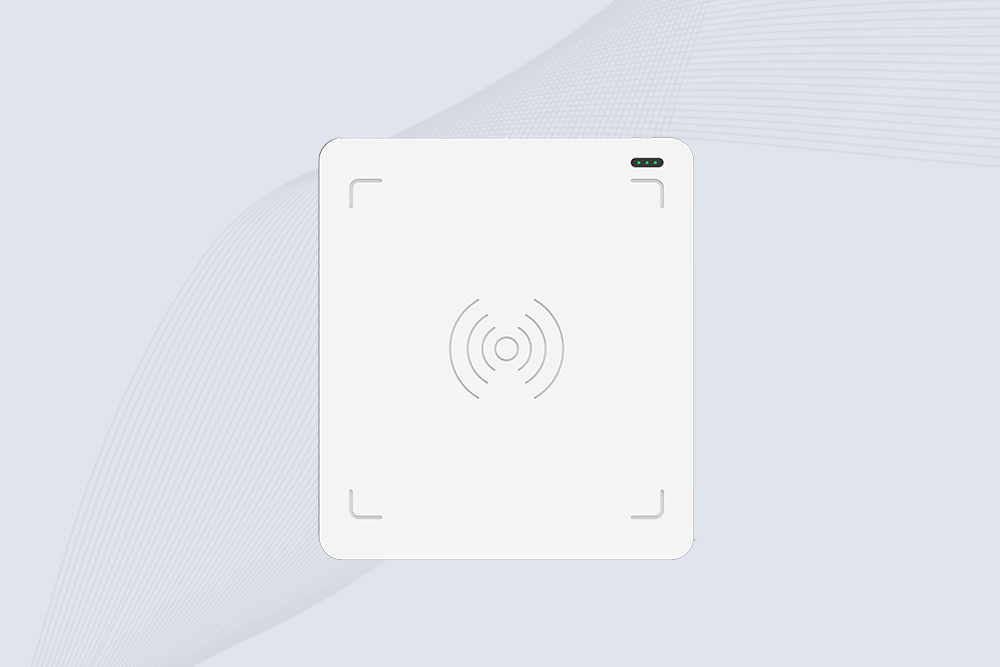
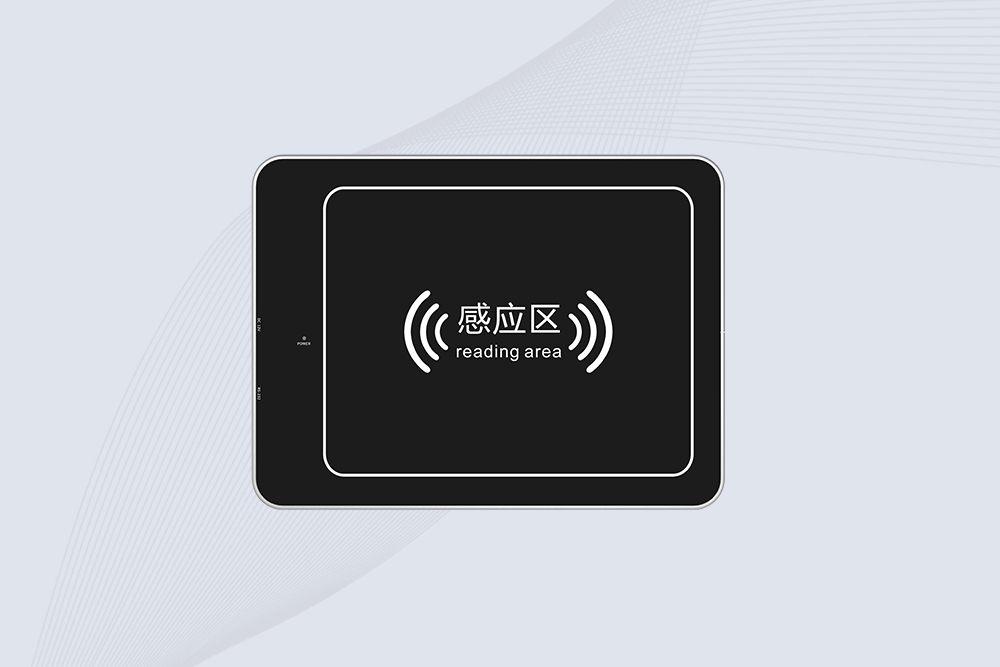
Desktop RFID reader/writer
Tag registration, item identification, data encoding
Read/write distance and tag compatibility
RFID portal or induction frame
Batch identification at doorways or transfer points
Preventing unintended reads from adjacent areas
RFID inventory software
Stock reconciliation, movement records, inventory reports
Integration with existing business systems
GS1’s RFID guidance explains how electronic product identifiers support identification across the supply chain, while its system architecture documentation describes the role of readers, tags, and associated software protocols. These standards provide a useful starting point when evaluating equipment compatibility.
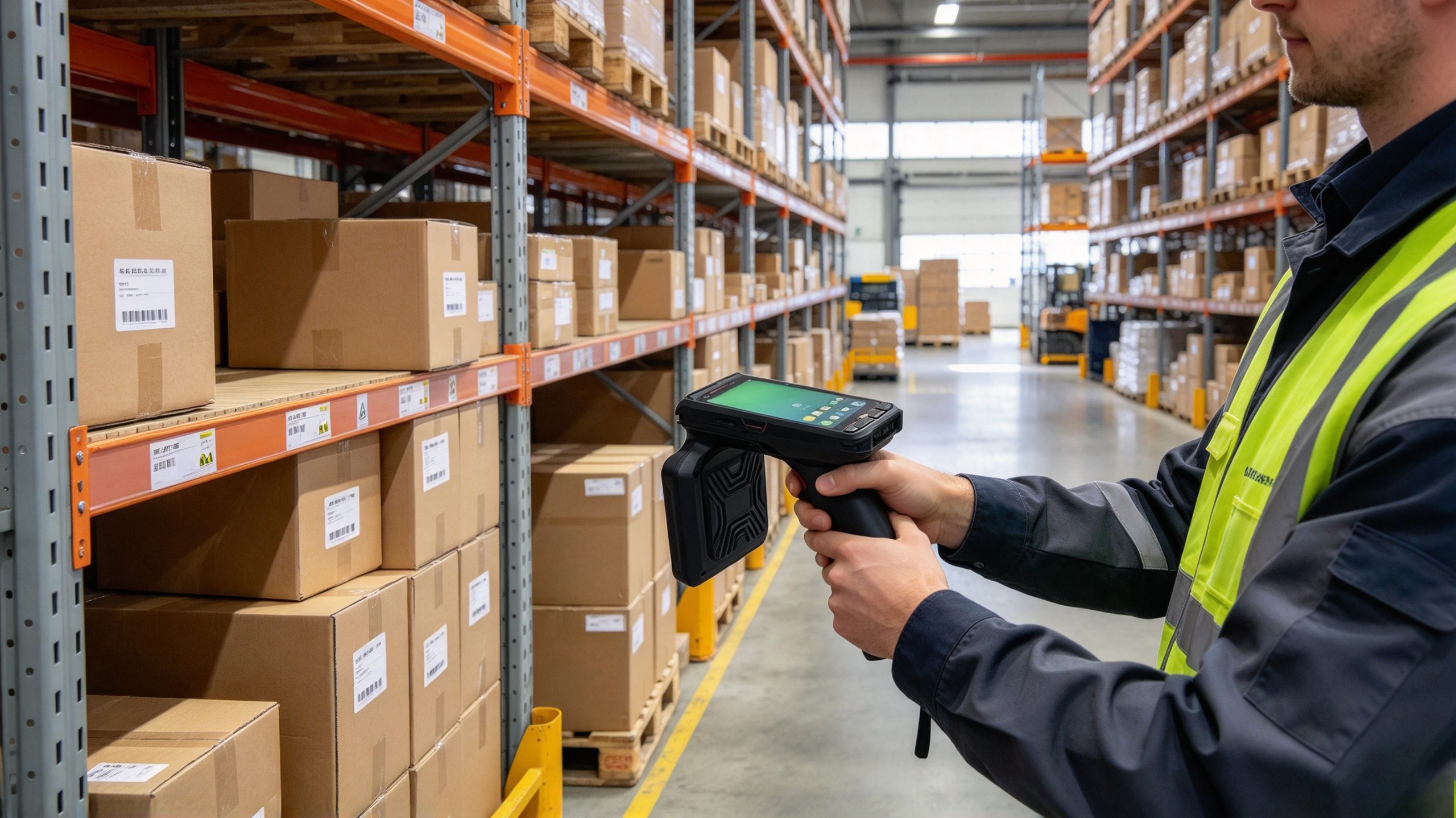
Handheld RFID readers help warehouse teams count tagged inventory and investigate stock discrepancies without scanning every item individually.
What RFID Inventory Management Looks Like in Practice
Consider a distribution warehouse receiving several pallets of mixed products. Under a conventional barcode workflow, employees may need to open cartons or scan individual labels, depending on the packaging and receiving process. With appropriately tagged goods, a UHF RFID reader can identify multiple items within its reading zone, allowing the receiving system to compare detected identifiers against the expected shipment.
The software still needs to validate the result. If an expected tag is missing, the operator may need to inspect the carton. If an unexpected tag appears, the system should flag it for review rather than automatically treating it as an accepted delivery.
This is where RFID inventory tracking becomes more than a faster counting method. It creates opportunities to compare what the business expected to receive with what the system actually detected.
A similar approach applies to stock transfers. A fixed reader installed at a carefully designed transfer point can capture tagged items moving between operational areas. When the software associates each read with the correct location and transaction, businesses gain a more useful record of inventory movement.
Why the reading zone matters
In a real installation, increasing reader power is not always the right solution to missed reads. A stronger signal may help identify distant tags, but it can also capture products on neighboring shelves or items moving through an adjacent aisle.
The better approach is to test the intended reading zone with representative products and packaging. Engineers should evaluate antenna direction, tag orientation, conveyor speed, carton spacing, and nearby reflective materials. For metal products or liquid-filled containers, tag selection and mounting position deserve particular attention.
An RFID system that consistently identifies the correct items within a controlled zone is usually more useful than one that achieves a longer range but produces ambiguous inventory events.
How to evaluate inventory performance
Before introducing RFID across an entire facility, establish a baseline using the existing inventory process. Then compare the results under comparable operating conditions.
Useful measures include:
Inventory record accuracy: How closely recorded quantities match physical stock.
Count completion time: How long it takes to verify a defined group of items.
Exception rate: How frequently the system flags missing, unexpected, or duplicate inventory events.
Receiving discrepancies: How often the received goods differ from the expected shipment.
Labor requirements: How much employee time is needed for routine counting and reconciliation.
These measures make it easier to determine whether the technology is solving a genuine operational problem.
Evidence from retail inventory research
A study published by researchers associated with Auburn University’s RFID Lab examined RFID-enabled inventory visibility in retail stores. In its first field experiment, researchers counted products daily across 13 stores over 23 weeks. The research reported that RFID-enabled inventory record adjustments reduced inventory record inaccuracy by approximately 26%. A second experiment expanded the study to 62 stores and five product categories. Results varied with the characteristics of the products and the inventory inaccuracies being addressed.
This result is worth considering, but it should not be presented as a guaranteed improvement for every warehouse. The research involved a particular retail environment and inventory-adjustment process. A manufacturer handling metal components or a distributor managing liquid-filled containers may encounter different technical constraints and operational benefits.
For Cykeo customers evaluating RFID, the more useful question is whether a proposed setup can improve the accuracy, speed, or traceability of their specific inventory workflow.
1. RFID vs. Barcode Inventory Management
RFID and barcode systems can both manage inventory, but they capture item information differently. Barcode scanning generally requires a scanner to read a visible printed code, while suitable RFID systems can identify multiple tags wirelessly without direct line of sight. The right choice depends on stock volume, item-level tracking requirements, operating conditions, and implementation costs.
For many businesses, the decision is not a simple choice between two competing technologies. Barcodes may remain practical for low-volume stockrooms, while RFID can add value where repeated scanning, labor-intensive counts, or frequent inventory discrepancies create operational bottlenecks.
Comparison factor
RFID inventory management
Barcode inventory management
Identification method
Radio waves communicate with compatible tags
Optical scanner reads a printed code
Line of sight
Not normally required for suitable RFID systems
Usually required
Multiple-item reading
Possible within a properly configured reading zone
Usually one code at a time
Tag or label cost
RFID tags and infrastructure generally cost more
Printed barcodes are usually inexpensive
Metal and liquid products
May require specialized tags and careful placement
Often easier to label, subject to label durability and visibility
Existing workflow
May require reader configuration, software integration, and tag encoding
Often integrates readily with established scanning processes
Best-fit applications
High-volume counts, item-level visibility, automated movement capture
GS1 provides standards and guidance for both RFID and barcodes, including how identification data can be used across supply chains. Its RFID standards and barcode standards are useful references when designing a system that may need to support both technologies.
A hybrid system can be sensible when different areas have different operational needs. For example, a warehouse might use fixed RFID readers at receiving and dispatch, handheld RFID devices for cycle counts, and barcode scanners for exception handling or products that have not yet been RFID-tagged.
There is no requirement to replace every barcode process at once. A phased rollout can preserve existing workflows while allowing the business to measure whether RFID reduces counting time, improves inventory visibility, or prevents recurring discrepancies.
2. How to Implement an RFID Inventory Management System
An RFID inventory management system should be designed around the inventory process, not around a particular reader’s specifications. Before purchasing equipment, identify where stock becomes difficult to track and what information employees need at each stage.
1: Identify the inventory problem
Start with one clearly defined process. Common examples include:
Receiving cartons and verifying purchase orders.
Counting items stored across multiple shelves or bins.
Tracking reusable tools, containers, or equipment.
Recording stock transfers between warehouses and production areas.
Verifying dispatch quantities before shipment.
Document the existing process, including how often stock is counted, how discrepancies are resolved, and how much employee time is involved. This creates a baseline for evaluating the new system.
2: Select suitable RFID tags
Not every RFID tag performs equally well on every product.
Passive UHF RFID is commonly used for supply-chain inventory because it supports rapid identification of multiple tagged items. However, the tag antenna, mounting position, product material, and packaging can all affect read performance.
For example, a standard label may work well on a cardboard carton but perform poorly when attached directly to a metal tool or positioned beside liquid-filled containers. Those products may require a different tag design or mounting arrangement.
GS1 describes RAIN RFID as a widely implemented form of passive UHF RFID used for item identification and supply-chain visibility. Its guidance also explains the role of Electronic Product Codes (EPCs) in identifying individual physical objects.
3: Choose the reader configuration
The reader should match the physical workflow.
Handheld RFID reader
Best for flexible cycle counting, shelf audits, and investigating inventory discrepancies. Employees can move through aisles and scan tagged items where needed.
Fixed RFID reader
Best for repeatable reading points, such as receiving stations, conveyor lines, and dispatch areas. Antenna positioning and read-zone control are critical.
Desktop RFID reader/writer
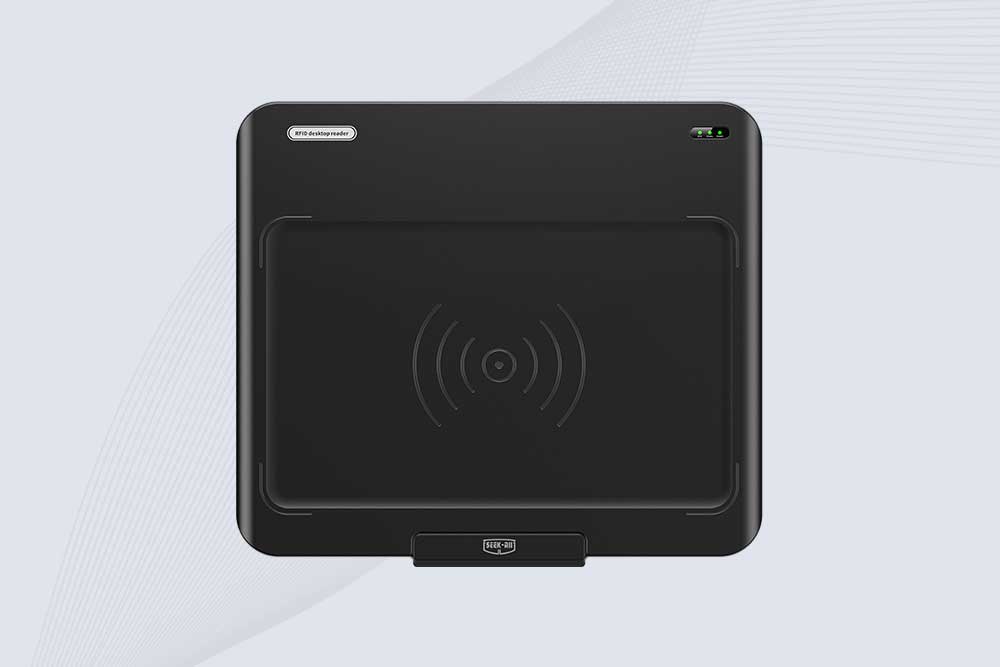
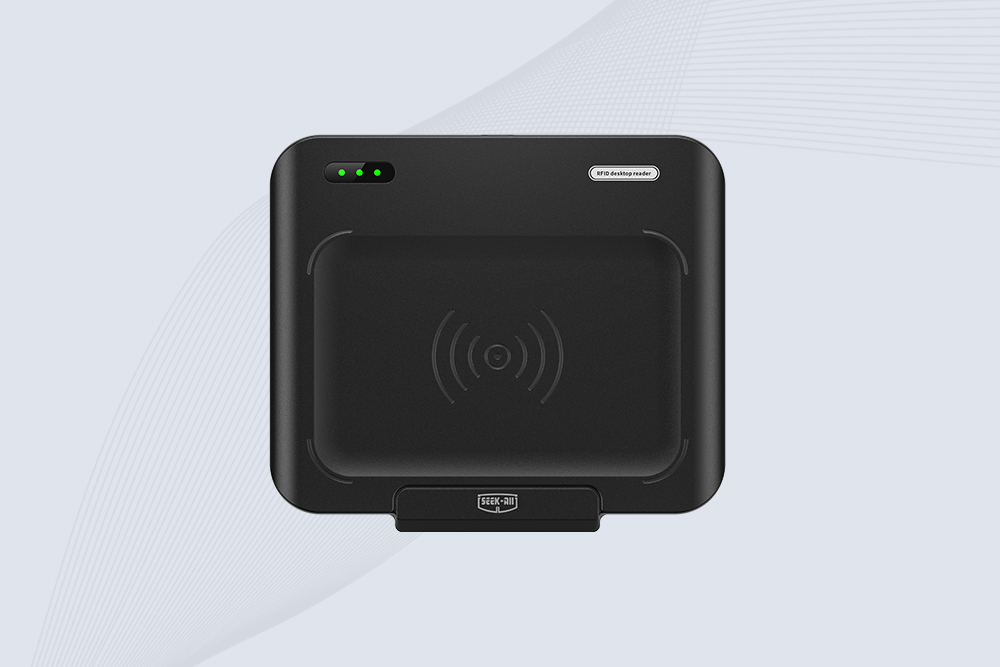
Best for tag registration, encoding, verification, and smaller-scale inventory administration. Confirm that the reader supports the required tag standard and read/write functions.
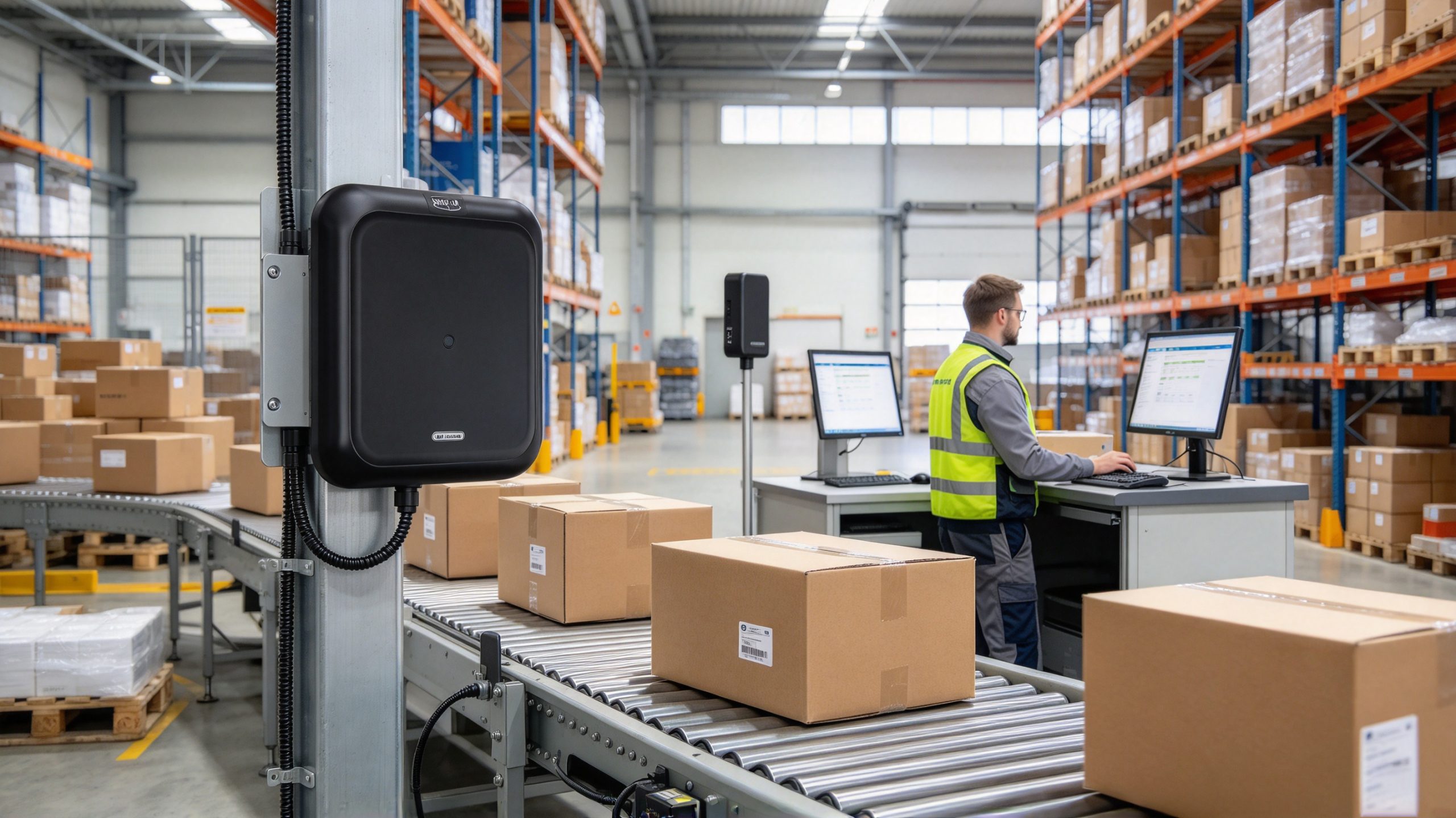
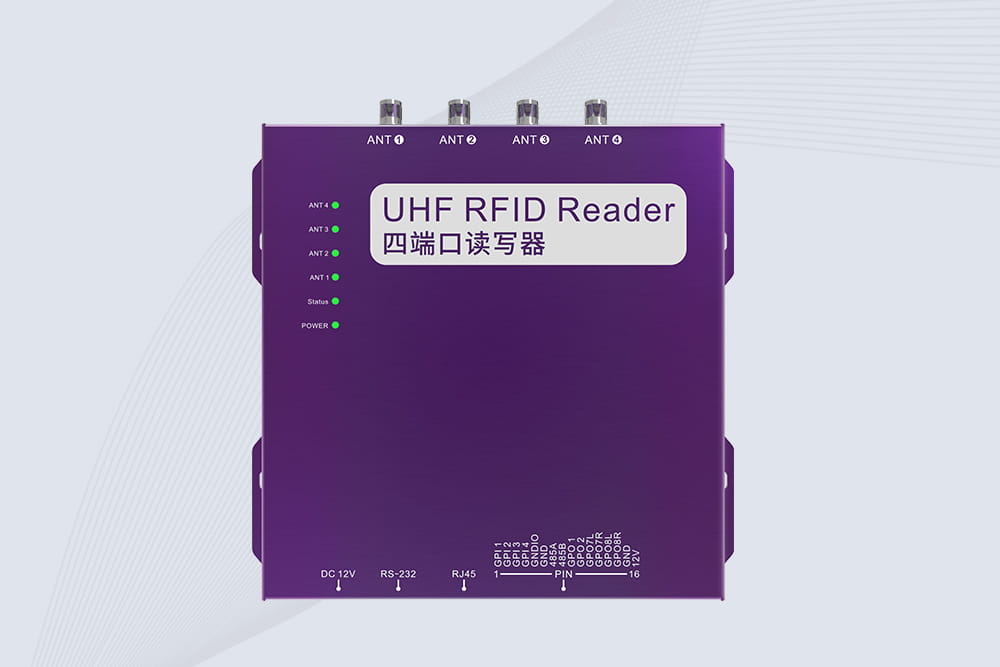
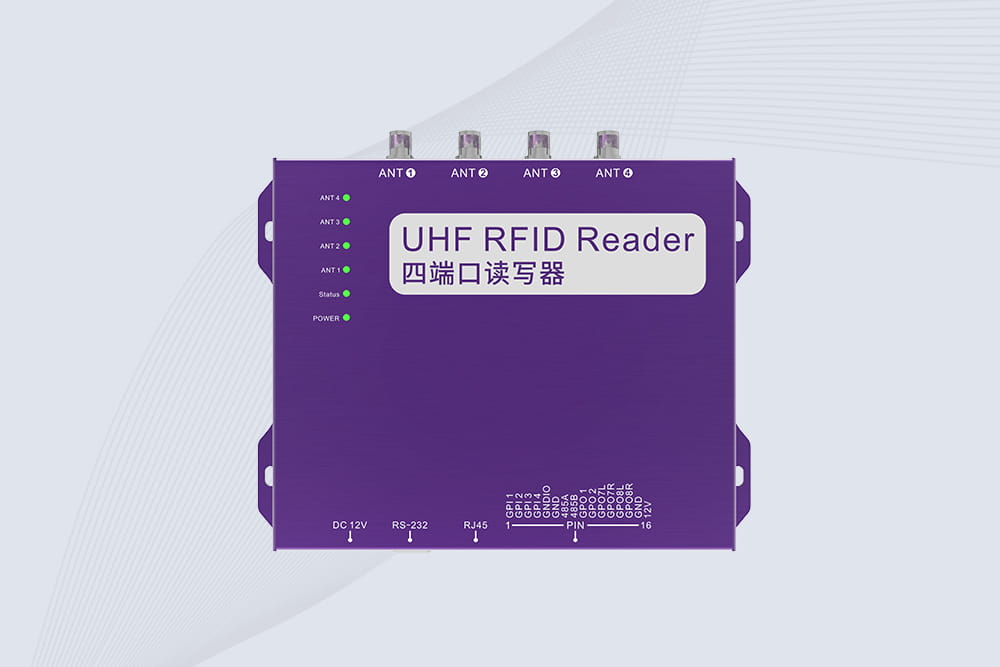
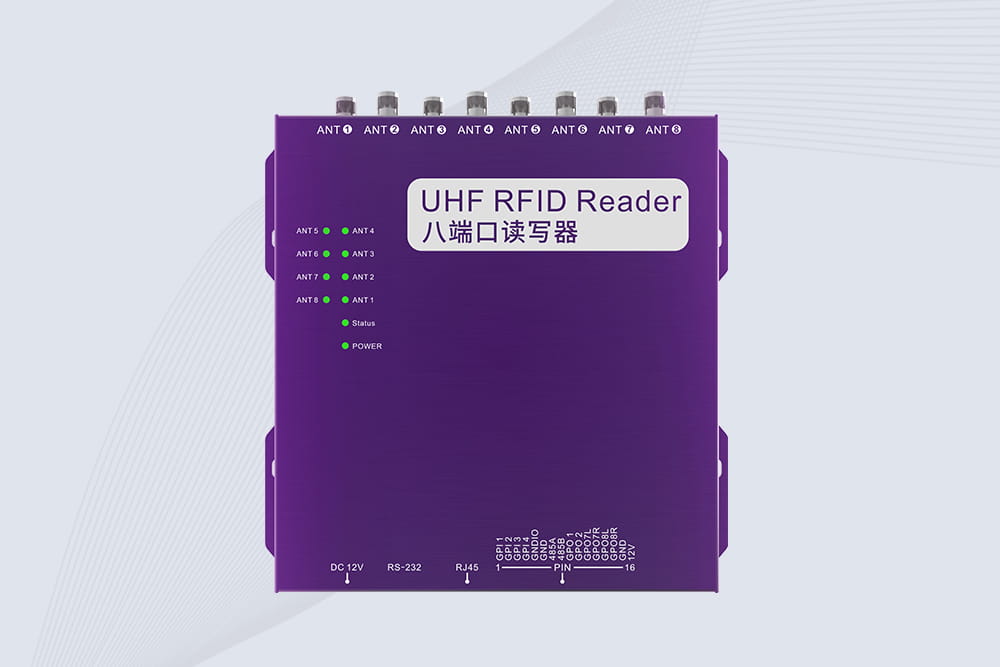
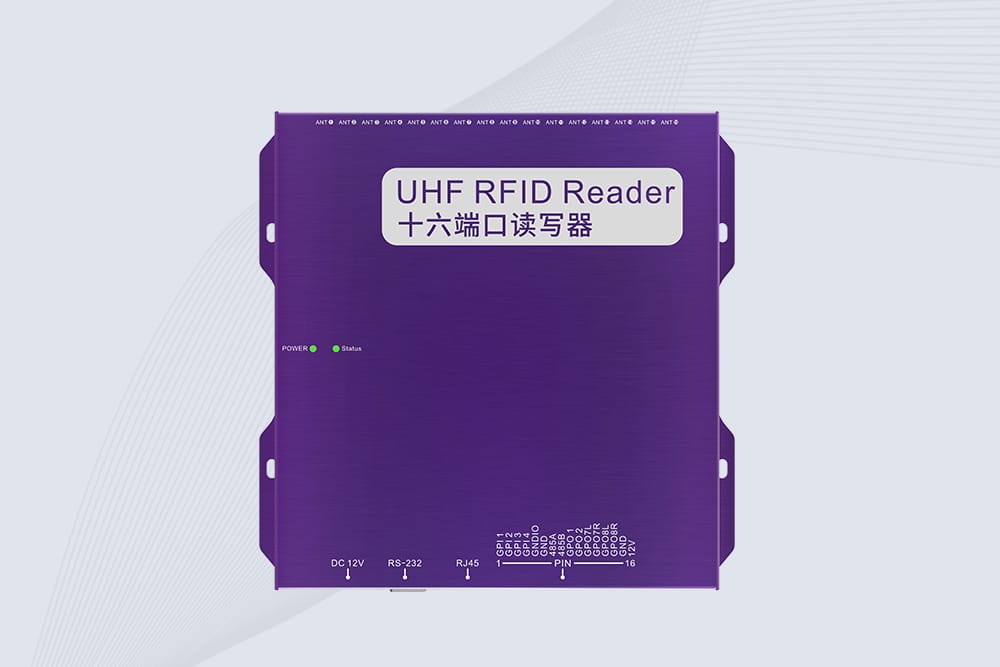
Fixed RFID readers can capture inventory identifiers at receiving and dispatch points when the reading zone and transaction rules are configured correctly.
Connect readers to inventory software
Reader hardware collects tag identifiers. Inventory software determines what those identifiers mean and how they affect business records.
A well-designed application should be able to:
Match each tag identifier to the correct item or asset record.
Associate reads with a location, time, and relevant transaction.
Filter repeated reads where appropriate.
Compare expected and detected inventory.
Flag missing, unexpected, or otherwise suspicious events.
Provide reports for reconciliation and operational review.
For organizations sharing product movement information across different systems, GS1 EPCIS provides a standardized approach to describing and sharing supply-chain events. GS1 describes EPCIS as a framework for sharing information about the what, when, where, why, and how of product and asset movements.
The software should also define what happens when data is incomplete. A missing read should not silently become a confirmed stock shortage, and a duplicate read should not automatically create multiple receipts for the same item.
5: Run a controlled pilot
Start with a representative area rather than deploying RFID throughout the entire facility immediately.
Test the system using real products, actual packaging, normal employee movements, and the expected operating speed. Include difficult cases: densely packed cartons, items beside metal shelving, overlapping tags, and products entering or leaving the reading zone together.
Compare the results with the baseline established earlier. A successful pilot should demonstrate a measurable operational improvement, not merely show that the reader can detect tags.
3. Can RFID Reduce Inventory Management Costs?
RFID can reduce inventory management costs when the savings from counting, reconciliation, stock visibility, and error prevention exceed the cost of tags, readers, software, and ongoing support. The financial outcome depends on the operation. A business with frequent cycle counts and costly stock discrepancies may benefit more than a small stockroom that performs a manual count only a few times each year.
The Auburn University RFID Lab research discussed in Part 1 offers a useful example of measurable inventory improvement. In the first field experiment, RFID-enabled inventory record adjustments reduced inventory record inaccuracy by approximately 26% across the study’s retail setting. The researchers also found that effectiveness varied across product categories in the broader research. These results support evaluating RFID in context rather than assuming every installation will achieve the same outcome
How to estimate RFID inventory ROI
A practical assessment should consider several cost and benefit categories.
Cost or benefit
What to measure
Labor savings
Hours spent on counts, scanning, and reconciliation before and after implementation
Inventory accuracy
Difference between recorded quantities and physical stock
Stock availability
Frequency of stockouts and items recorded as available but not found
Equipment investment
Readers, antennas, installation, and network infrastructure
Tagging costs
Tag or label price multiplied by the number of items tagged
Software and integration
Licensing, development, system integration, and maintenance
Training and support
Employee onboarding, troubleshooting, and ongoing operational support
ROI (%) = (Annual net benefit ÷ Initial investment) × 100
For a meaningful assessment, keep one-time implementation costs separate from recurring costs and avoid counting the same benefit twice. For example, if reduced counting time is already included in labor savings, do not add that same time saving again as a separate productivity benefit.
It is also important to distinguish released working time from actual cash savings. Faster counts may allow employees to perform other tasks, but they do not automatically reduce payroll expenses.
4. Common RFID Inventory Management Problems
Even a well-designed RFID system requires testing and ongoing operational controls. The following issues are worth investigating when a system does not produce the expected inventory results.
Missed tag reads
Possible causes include unsuitable tag selection, unfavorable tag orientation, excessive reading speed, poor antenna positioning, and interference from nearby materials.
Practical response: Test representative products in their normal packaging. Adjust tag placement, antenna configuration, or reader settings before increasing transmit power indiscriminately.
Unexpected reads from nearby inventory
A reader may identify tags outside the intended transaction area, especially when its reading zone overlaps adjacent shelves, aisles, or workstations.
Practical response: Refine antenna direction, output power, shielding where appropriate, and the physical layout. Test whether the system distinguishes items belonging to the current transaction from nearby stock.
Duplicate inventory transactions
RFID systems can detect the same tag repeatedly during a single passage. Duplicate detection is not necessarily a hardware fault; it may be a normal consequence of a tag remaining in the reading zone.
Practical response: Implement transaction logic, event filtering, and duplicate handling in the software. Ensure that multiple reads of one item do not create multiple receipts, transfers, or dispatch records.
Inventory records do not match physical stock
The cause may lie beyond RFID itself. Incorrect tag-to-product associations, incomplete initial tagging, unrecorded movements, and poor transaction rules can all create discrepancies.
Practical response: Verify tag registration and inventory master data. Reconcile system events against known physical movements, and maintain a clear exception-handling process.
5. Frequently Asked Questions About RFID Inventory Management
1. Can RFID manage inventory without manual scanning?
Yes. Fixed RFID readers can identify compatible tags within a configured reading zone without requiring an employee to scan each item individually. Handheld readers still require an operator to move through the inventory area, but they can capture multiple tags in a suitable zone. Software must process the resulting reads and associate them with the correct inventory transaction.
2. How accurate is RFID inventory tracking?
Accuracy depends on tag quality, product materials, reader configuration, software rules, and the operating environment. Auburn University’s field research reported an approximately 26% reduction in inventory record inaccuracy in its first retail experiment, while its broader research found that results varied by product category. Businesses should validate performance using their own products and workflows.
3. Is RFID better than barcodes for inventory management?
RFID can be more efficient for high-volume counts and applications that require multiple-item identification without direct line of sight. Barcodes are often less expensive and remain suitable for simple scanning workflows. Some businesses use both technologies, selecting RFID for repetitive inventory tasks and barcodes for exceptions or items that are not RFID-tagged.
4. Can RFID track inventory in real time?
RFID can support near-real-time inventory visibility when readers continuously or regularly capture item identifiers and the software processes those events promptly. However, a tag read does not automatically confirm an item’s exact location or business status. Those details depend on reader coverage, location configuration, transaction logic, and system integration.
5. Does RFID work on metal or liquid products?
Yes, but standard RFID labels may perform poorly when mounted directly on metal or near liquids. Specialized tags, suitable mounting positions, and careful reader configuration may be necessary. Testing the actual product and packaging is essential before deployment.
6. What equipment is needed for an RFID inventory management system?
A typical system includes compatible RFID tags, readers, antennas where required, and inventory management software. Some applications also need middleware, network connectivity, fixed mounting hardware, or integration with an existing warehouse management system. The exact configuration depends on whether the business needs cycle counting, receiving verification, asset tracking, or automated movement capture.
7. How can a business start using RFID for inventory management?
Start by identifying one inventory process with measurable problems, such as slow cycle counts or frequent receiving discrepancies. Select representative products, test compatible tags and readers, connect the system to inventory records, and run a pilot. Compare the results with the existing workflow before expanding to other departments or facilities.
6. Final Considerations for Businesses Evaluating RFID
RFID can manage inventory effectively when item identification, reader placement, software integration, and operational procedures are designed as one system. It can reduce the need for individual barcode scans, improve inventory visibility, and help businesses identify discrepancies earlier. It cannot, by itself, guarantee perfect stock records or eliminate the need for inventory controls.
For a Cykeo RFID project, the most useful starting point is the actual workflow: the products being tracked, the materials surrounding them, the expected reading distance, and the inventory events the software must record. Those details determine whether handheld readers, fixed UHF RFID equipment, desktop tag encoders, or a combination of devices will provide the most practical solution.
Businesses should judge the outcome using measured inventory accuracy, counting time, exception rates, and operating costs. Can RFID manage inventory? Yes—but its long-term value comes from turning reliable tag reads into reliable inventory decisions.
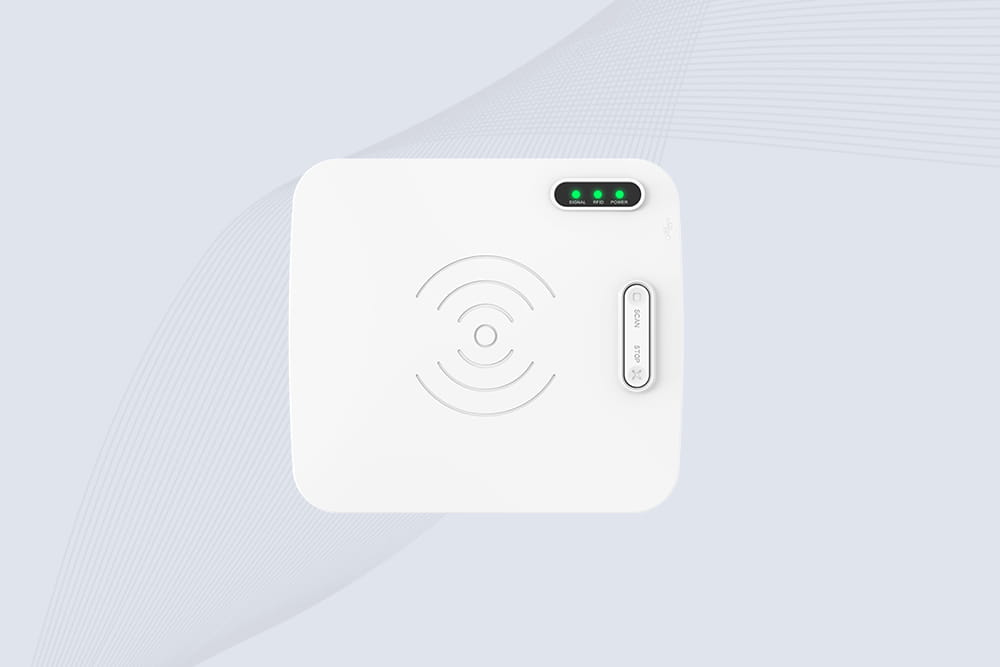
SSD-D3AL is a USB-HID UHF RFID reader with 0–30 cm reading, 0–15 cm writing, over 600 tags/s recognition, USB plug-and-play operation and OEM Logo customization.
SSD-D1AL is a compact USB UHF RFID reader with Impinj E710/X3M1 chipset, USB-HID, 600+ tags/s recognition, 4/8/16 antenna support and plug-and-play USB power.
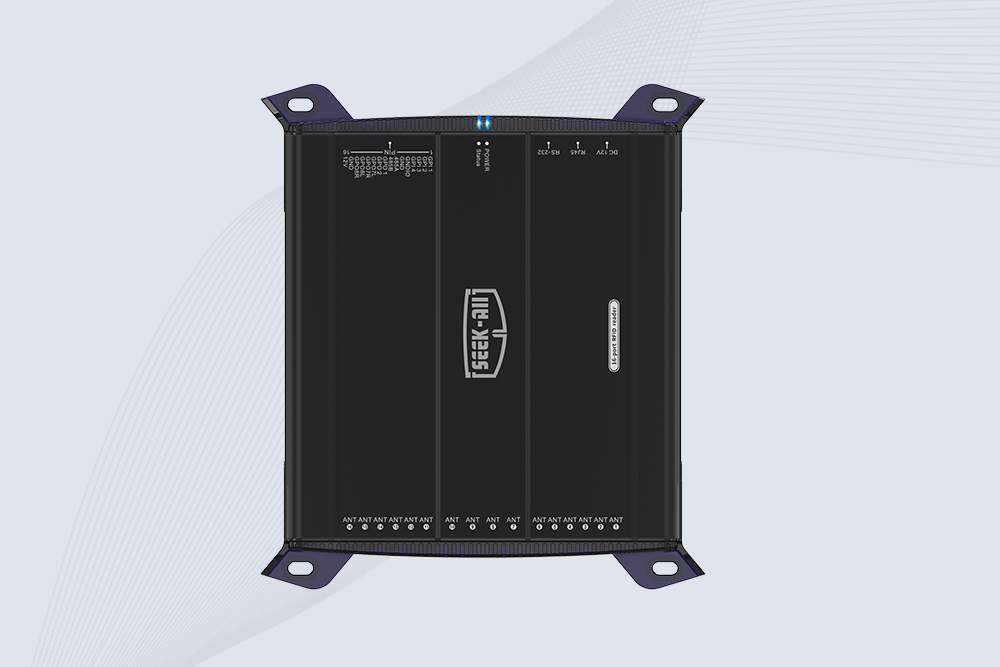
SSD-R16L Multi-Channel RFID Infrastructure for Automated Inventory Management ✔️ 16-Port High-Density RFID Reading Equipped with 16 SMA antenna ports, SSD-R16L supports multi-antenna deployment for warehouses, retail stores, logistics, production lines, and large-area RFID identification. ✔️ High-Speed & Long-Range Performance With up to 33…
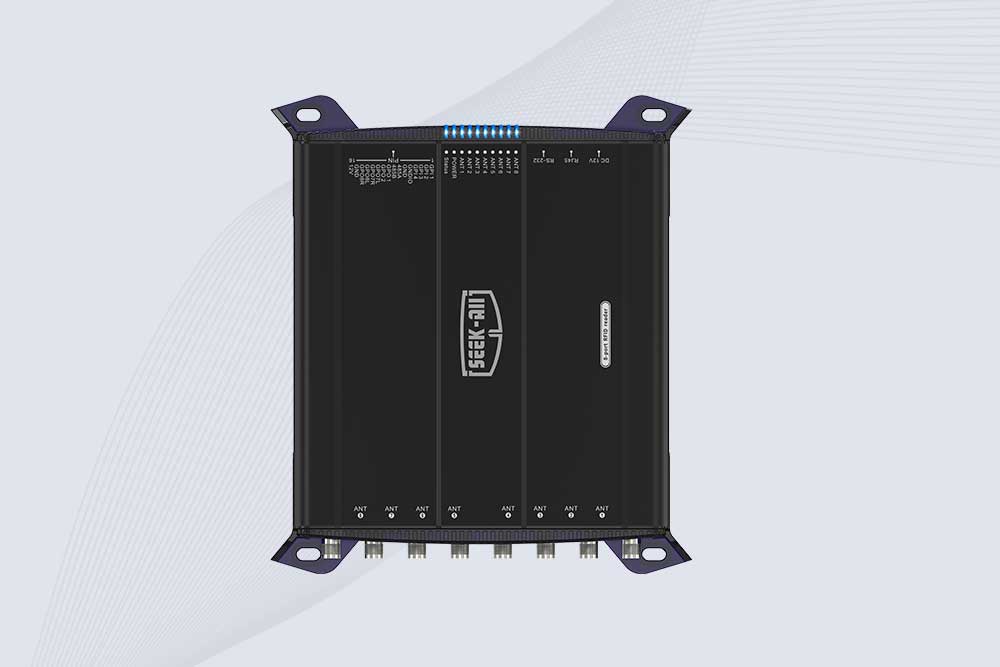
SSD-R8L 8-port UHF RFID reader with 33dBm output, up to 20m reading range and 600+ tags/s recognition. Ideal for warehouse, logistics, retail and asset tracking.
CYKEO CYKEO-D1LA USB RFID Reader is a compact desktop solution with near-field control for precise tag reading and encoding. Powered by USB, supporting ISO 18000-6C, and built for stable batch writing, this usb rfid tag reader fits retail, libraries, offices, and controlled RFID encoding tasks.
CYKEO CYKEO-D1L RFID scanner USB is a compact desktop UHF RFID scanner designed for short-range tag writing and verification. This usb rfid scanner supports batch encoding, stable 0–26 dBm output, and works across Windows, Linux, and Android systems.
CYKEO CYKEO-D1C USB RFID Card Reader is a near-field UHF desktop writer designed for secure, short-range tag encoding. With USB-C connectivity and stable 26 dBm output, this rfid reader usb c is ideal for badge issuance, label encoding, and controlled desktop RFID workflows.
CYKEO CYKEO-D2L RFID Reader USB is a compact desktop encoder built on the Impinj R500 chip. With near-field control and stable USB power, this usb rfid card reader delivers precise tag writing for offices, retail counters, and small-scale logistics encoding tasks.
CYKEO CYKEO-D3L USB RFID Tag Reader delivers stable UHF tag reading and writing for daily desktop and light industrial tasks. Designed for controlled short-range operation, this USB RFID Tag Reader works reliably with rfid tag and reader systems in libraries, tool tracking, and inventory registration.
The CYKEO CYKEO-D4L UHF RFID Tag Reader is a stable Desktop RFID Reader designed for accurate tag registration, borrowing, and return workflows. Built with the Impinj R2000 chip, this UHF RFID Tag Reader delivers controlled short-range reads for libraries, asset tracking, and inventory management environments.
The CYKEO CYKEO-D5L Desktop RFID Card Reader is a stable UHF RFID Card Reader designed for controlled short-range reading and writing. Built for libraries, tool rooms, and asset desks, this UHF RFID Card Reader supports dense tag handling, secure data processing, and easy USB integration.
The CYKEO CYKEO-D6L RFID Reader Writer is a heavy-duty Desktop RFID Reader designed for short-range, high-accuracy tag programming. Built for libraries, labs, and asset desks, this RFID Reader Writer supports batch processing, stable 33dBm output, and seamless integration with existing management systems.
Cykeo CYKEO-D8A embedded RFID badge reader offers 30+ tags/sec scanning, 20cm anti-crosstalk precision, and DC 12V power for unmanned stores, warehouses, and smart inventory systems.
Cykeo’s CYKEO-D8C UHF RFID gate reader achieves 200-tag/batch scanning with adjustable power control, ideal for retail inventory and smart warehouse management.
CYKEO Passive RFID Tags are made for wet and high-humidity environments where standard labels do not last. This rfid passive tag is often used around liquids, chemicals and temperature changes, providing stable reading distance and long data life for industrial tracking.
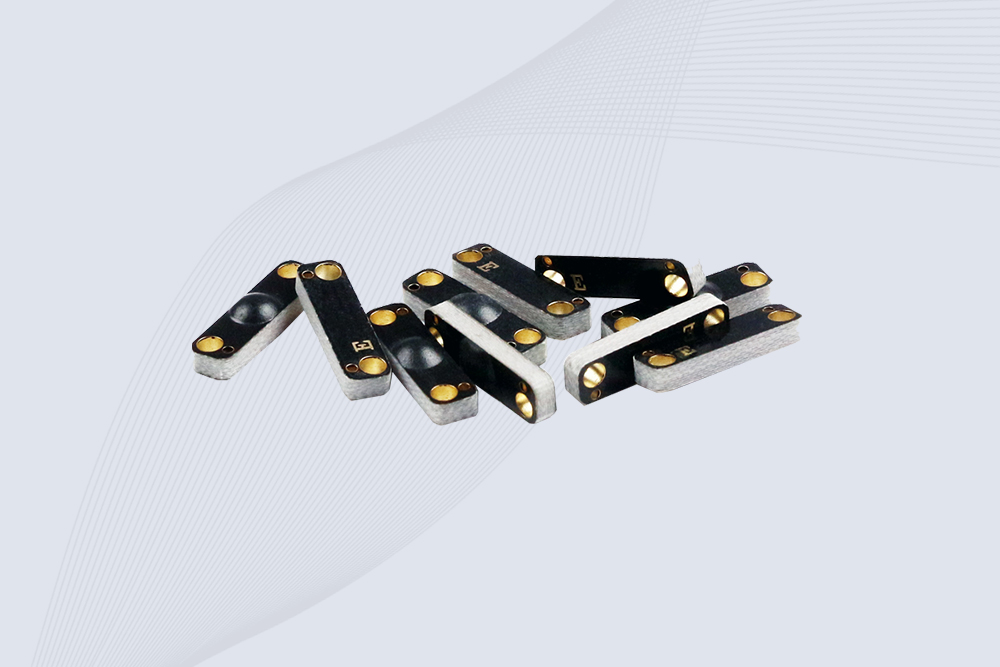
CYKEO CYKEO-PCB1504 Metal RFID Tags is a compact anti-metal UHF RFID solution built for direct mounting on metal surfaces. With stable 8-meter read range, Ucode-8 chip, and long data retention, this rfid metal tag fits tools, containers, automotive parts, and industrial asset tracking.
CYKEO CYKEO-PCB7020 On-Metal RFID Tags are designed for reliable tracking on steel and metal surfaces. Built with an FR4 epoxy body and industrial-grade chips, these On-Metal RFID Tags deliver stable performance, long data life, and chemical resistance, making them a dependable RFID anti-metal tag for harsh environments.
The CYKEO CYKEO-60-25 Anti-Metal RFID Tag is built for metal surfaces where standard tags fail. Designed for long-range performance, harsh environments, and stable data retention, this Anti-Metal RFID Tag is ideal for industrial assets, containers, and equipment tracking using on metal RFID tags.
The CYKEO RFID Laundry Tag is designed for long-term textile identification in harsh laundry environments. Built to withstand high heat, chemicals, and repeated washing, this RFID Laundry Tag delivers stable performance for hotels, hospitals, and industrial laundry operations using laundry rfid tags at scale.
The CYKEO CYKEO-125-7 RFID Book Tag is designed for reliable book and document tracking in libraries and archives. This RFID Book Tag delivers long read range, dense placement support, and stable performance on shelves, making it a practical rfid tag on books for library automation, file management, and archival systems.
CYKEO RFID tags in hospitals are designed for sterile environments where accuracy matters. These autoclavable RFID tags support long-term tracking of surgical tools, implants, and medications, helping hospitals improve visibility, compliance, and patient safety.
CYKEO RFID Cable Tie Tag is built for reliable identification on metal surfaces. This UHF RFID Cable Tie Tag is widely used in rfid tags for inventory systems, industrial asset management and Hospital RFID Tags, offering stable read performance, long service life and global EPC Gen2 compatibility.
CYKEO RFID Asset Tag is designed for stable identification of metal assets in industrial environments. This UHF RFID Asset Tag is commonly used for rfid tag asset tracking on equipment, tools and containers, providing reliable reads, long service life and ISO/IEC 18000-6C support.
CYKEO UHF RFID Card is designed for fast identification and long-term use in industrial and commercial systems. Supporting ISO 18000-6C, this UHF RFID Card works at 860–960 MHz and is suitable for custom RFID cards used in asset tracking, access control and inventory management.
CYKEO HF RFID Cards are designed for secure and stable access control systems. These 13.56 MHz RFID key cards support ISO 14443-A, reliable rewriting and long service life, making HF RFID Cards suitable for offices, campuses, events and membership management.
CYKEO UHF RFID Tag is designed for reliable tracking of metal jewelry and high-value items. This Jewelry RFID Tag supports long-range reading up to 8 meters, anti-counterfeit protection and stable performance on metal, making it suitable for retail, inventory control and asset management.
CYKEO Embedded RFID Modules are designed for compact industrial and IoT devices that require stable UHF performance. These UHF RFID Modules support global protocols, flexible power control, and reliable multi-tag reading for smart cabinets, production lines, and asset tracking systems.
CYKEO Embedded RFID Module is built for compact IoT and industrial devices that need stable UHF performance. This UHF module supports global protocols, low power operation, and reliable multi-tag reading for smart lockers, production lines, and always-on RFID systems.
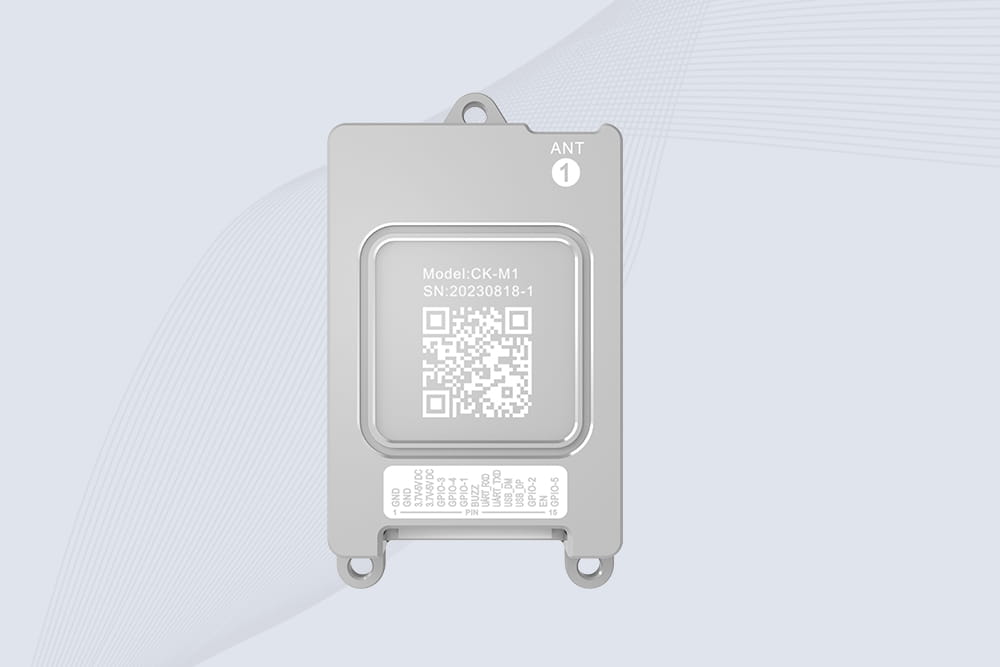
CYKEO CYKEO-M1 drone rfid module is a compact UHF RFID reader module designed for drones and UAV platforms. It supports long-range aerial scanning, fast multi-tag reading, and stable performance in wind, vibration, and outdoor environments.
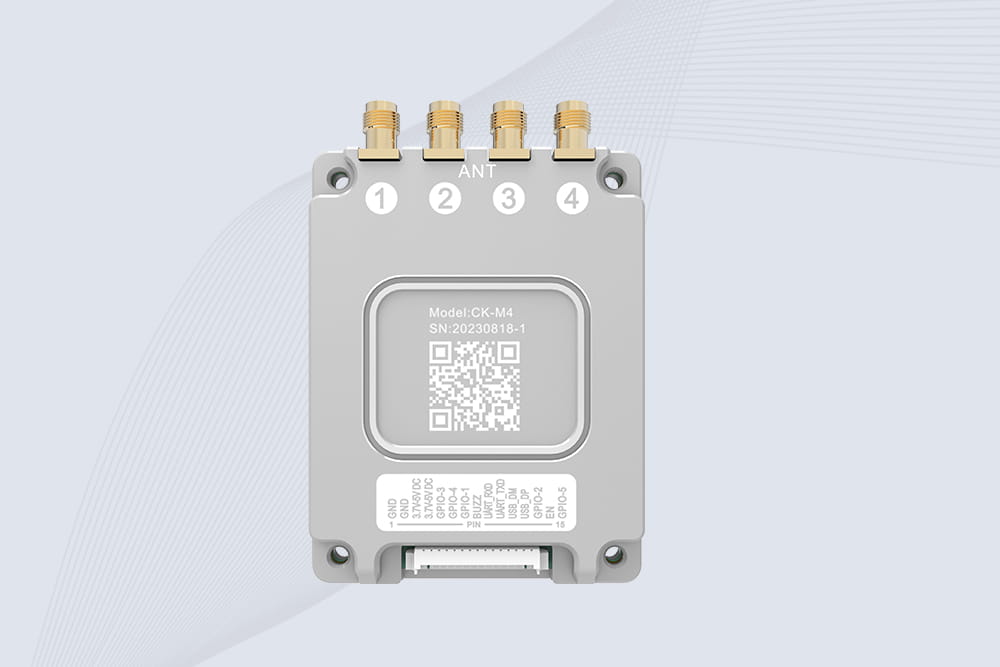
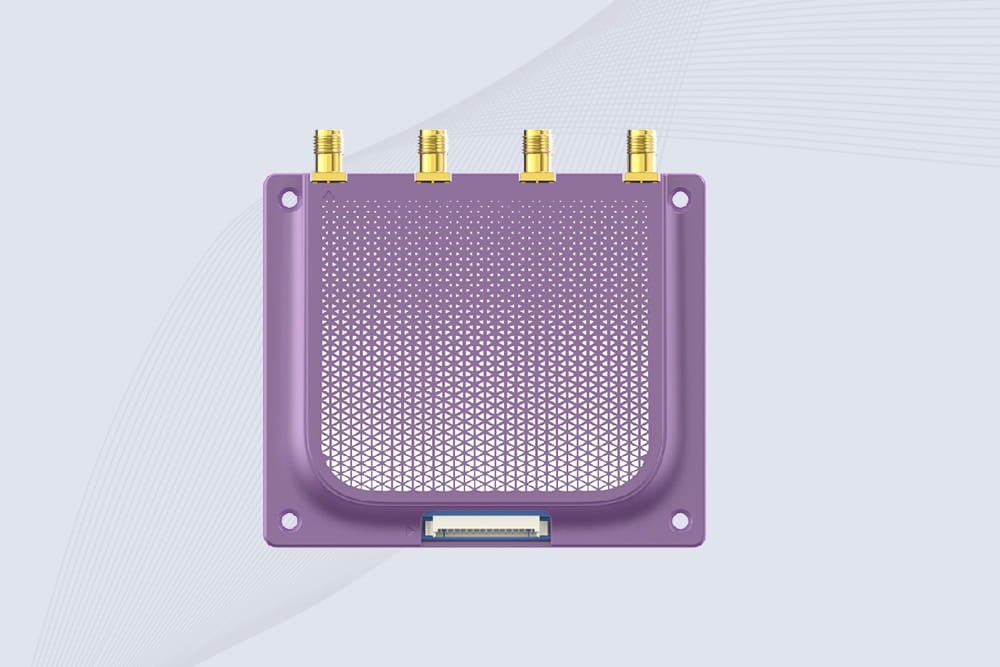
CYKEO CYKEO-M4 RC522 RFID Module is an industrial-grade UHF RFID reader with 4 ports, supporting ISO, EPC, and GB protocols. High-speed, accurate reading for IoT, automation, and warehouse applications.
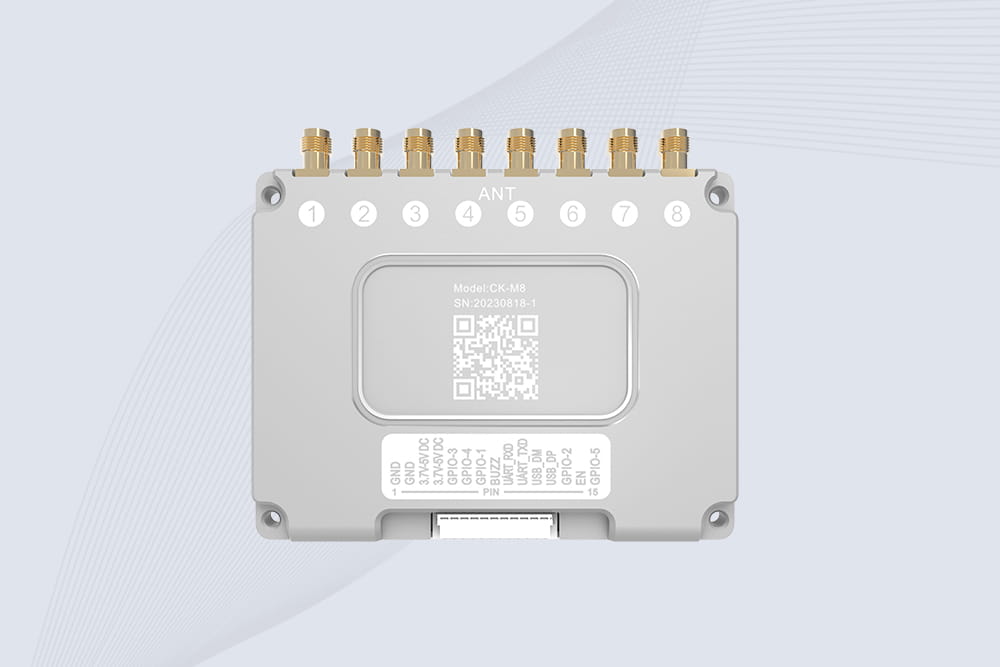
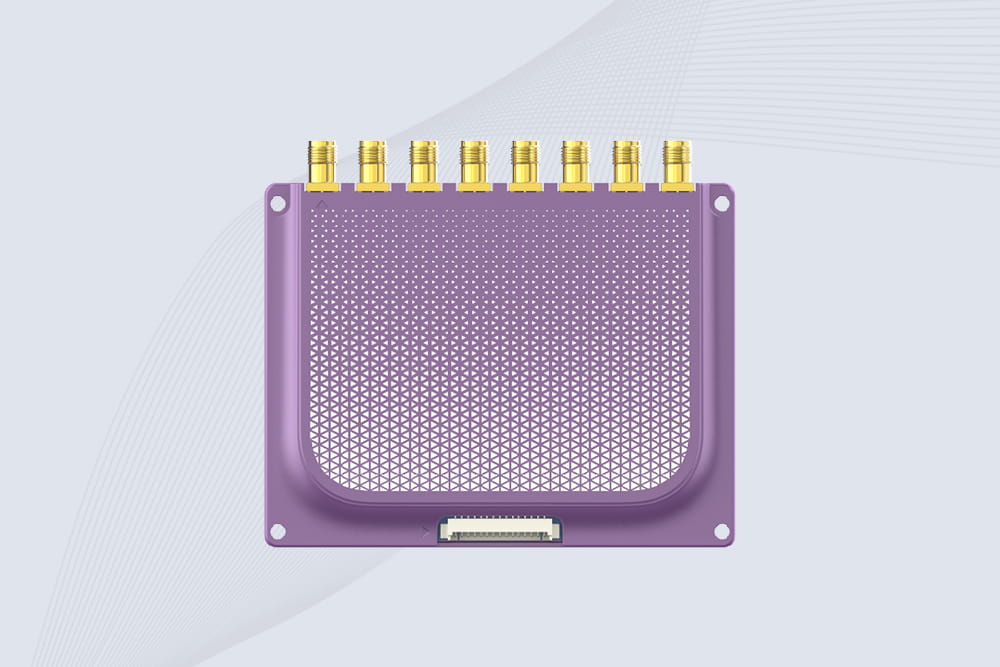
CYKEO CYKEO-M8 Module RFID is an 8-port UHF R2000 RFID Module designed for high-density, multi-tag environments. Stable 33dBm output, ISO & GB protocol support, ideal for warehouses, factories, and automated systems.
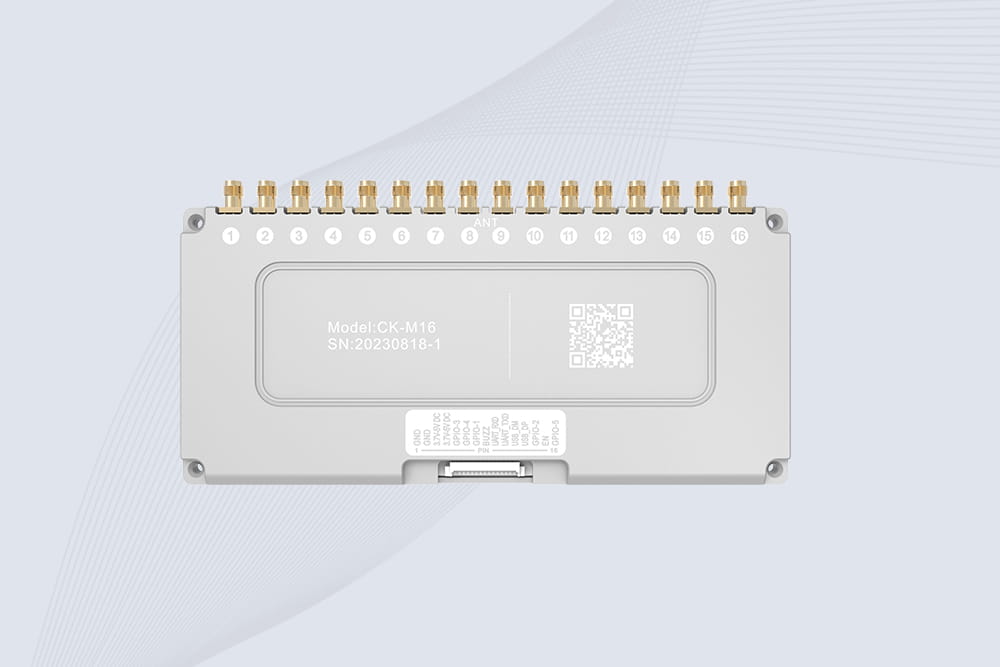
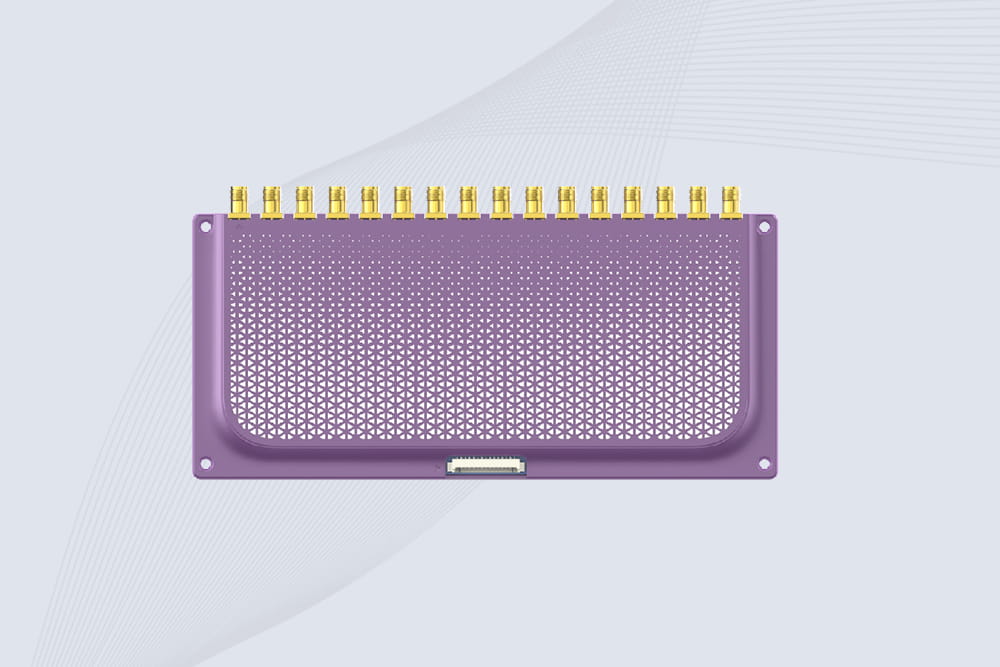
CYKEO CYKEO-M16 RFID Module is a 16-port UHF RFID reader module based on the R2000 chipset. Designed for dense tag environments, it supports ISO and GB standards and delivers stable multi-antenna control for industrial automation.
The CYKEO CYKEO-M16L RFID Reader Module is a 16-channel UHF RFID core designed for dense tag environments. With adjustable 33dBm output, multi-protocol support, and stable multi-antenna control, this RFID Tag Reader Module fits industrial automation, warehouse systems, and large-scale IoT deployments.
CYKEO CYKEO-M8L module RFID is a compact industrial UHF module built for dense tag and multi-antenna environments. With 8 RF ports, adjustable 33 dBm output, and ISO & GB protocol support, it is widely used in factories, warehouses, and automated tracking systems.
CYKEOCYKEO-M4L UHF RFID Module is a compact 4-channel RFID tag reader module designed for dense tag environments. Supporting ISO and GB protocols, it delivers stable reads up to 10 meters for industrial and IoT systems.
Cykeo CYKEO-C1 industrial Forklift RFID Reader features 20m read range, 600 tags/sec scanning, Impinj R2000 chipset, and IP67 rugged design. Ideal for warehouse logistics and manufacturing. Supports ISO 18000-6C/6B protocols.
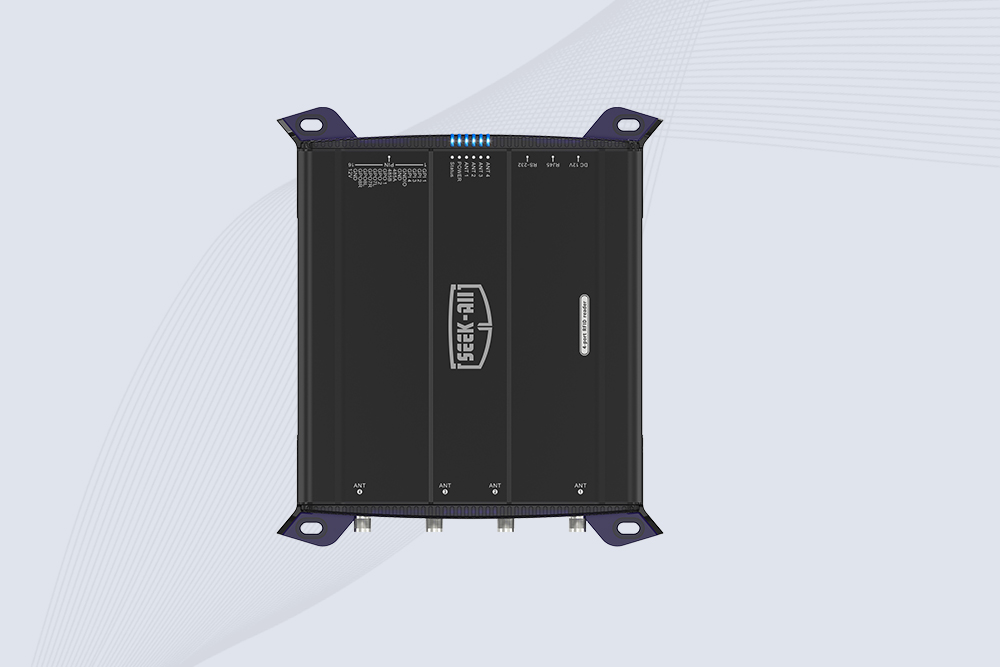
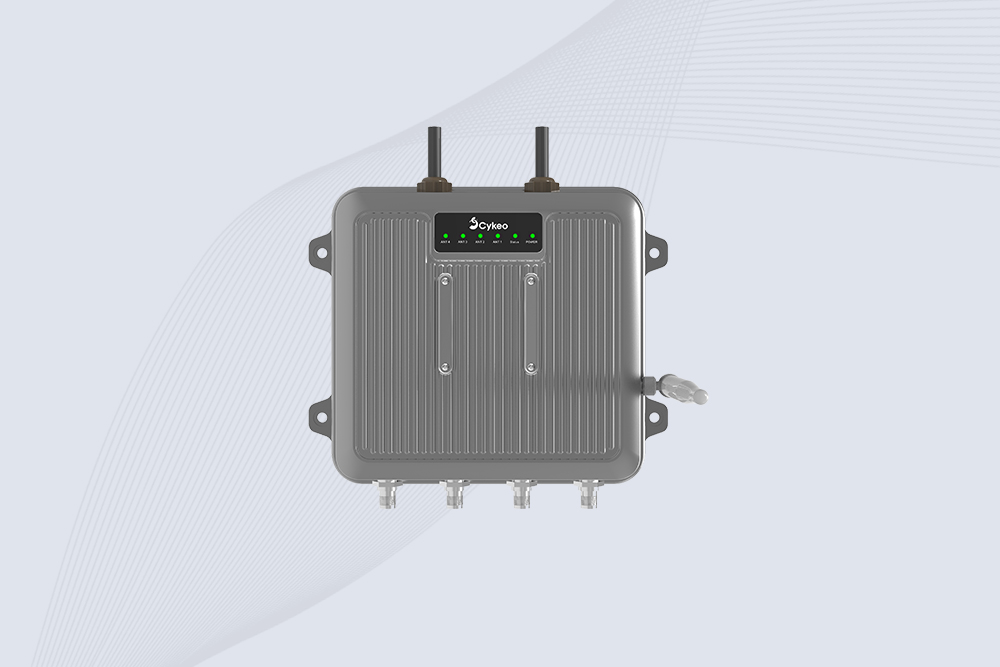
Cykeo CYKEO-R4 industrial UHF RFID Fixed Reader features 4 TNC ports, 400+ tags/sec speed, IP67 housing, and global frequency compliance for vehicle inspection, smart warehouse, and asset management systems.
CYKEO CYKEO-R8L Fixed RFID Reader with 8-port UHF design, Impinj-based RF core and up to 20m read range. An industrial Fixed RFID Reader for vehicle inspection, warehouse portals, smart manufacturing lines and secure access checkpoints.
RFID Fixed Reader from CYKEO – the CYKEO-R16L 16-port UHF fixed reader for warehouses, smart cabinets, and production lines. Long-range, multi-tag reading, stable performance for 24/7 industrial use.
Wondering how to check if your RFID is working? Learn simple and effective steps to test your RFID system, ensuring it’s operating correctly. Discover tips for troubleshooting RFID issues with Cykeo technology.
Discover what are rfid labels and how they improve asset tracking, inventory accuracy, and workflow efficiency with Cykeo RFID technology for modern industries.
how RFID gate systems provide contactless, automated access for residential, commercial, and industrial sites. Explore UHF RFID readers and integration options.
Learn how to calculate ROI for RFID implementation in retail stores. Discover Cykeo’s proven framework to quantify cost savings, reduced shrinkage, and revenue growth.
 Cykeo RFID IoT Solution Products R&D Manufacturer