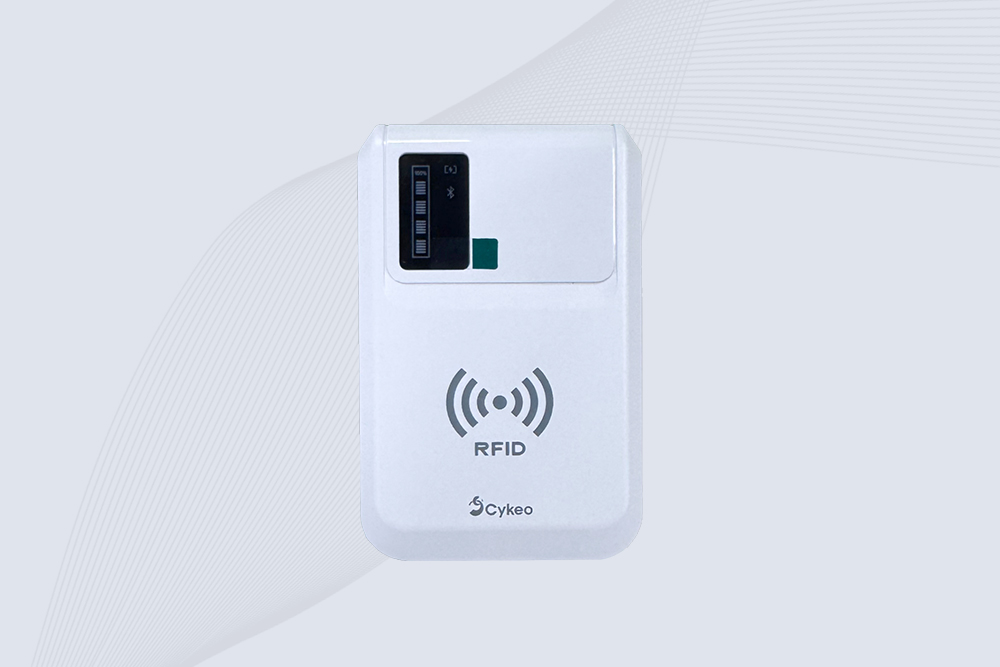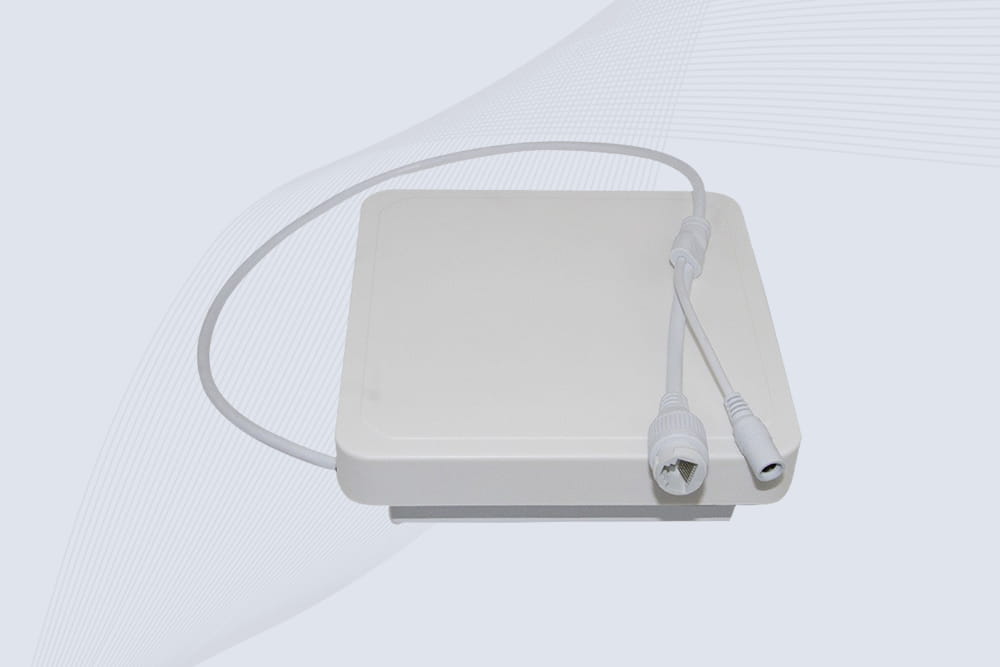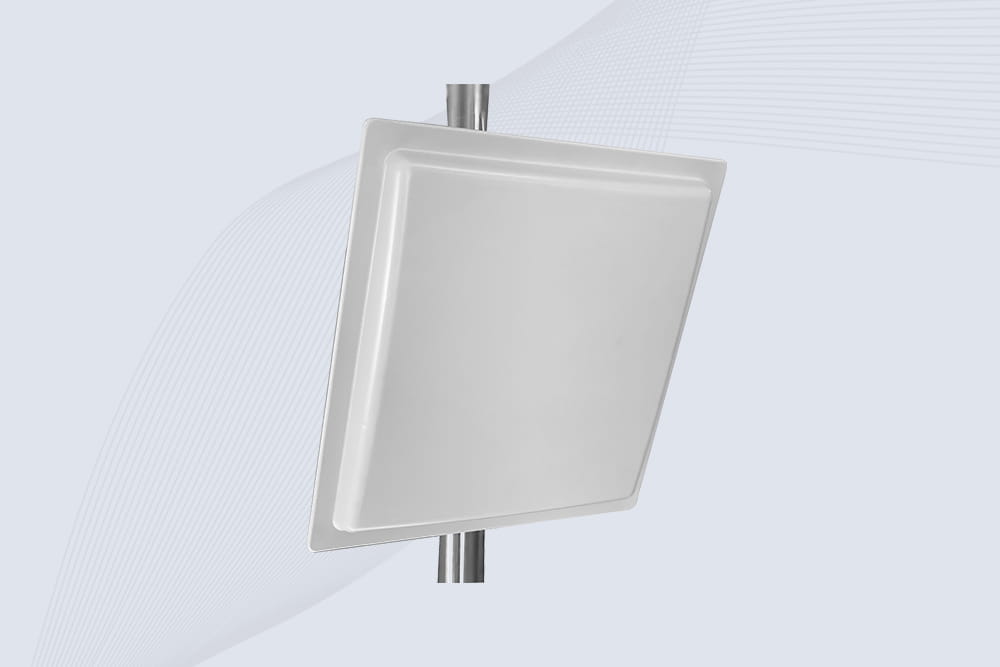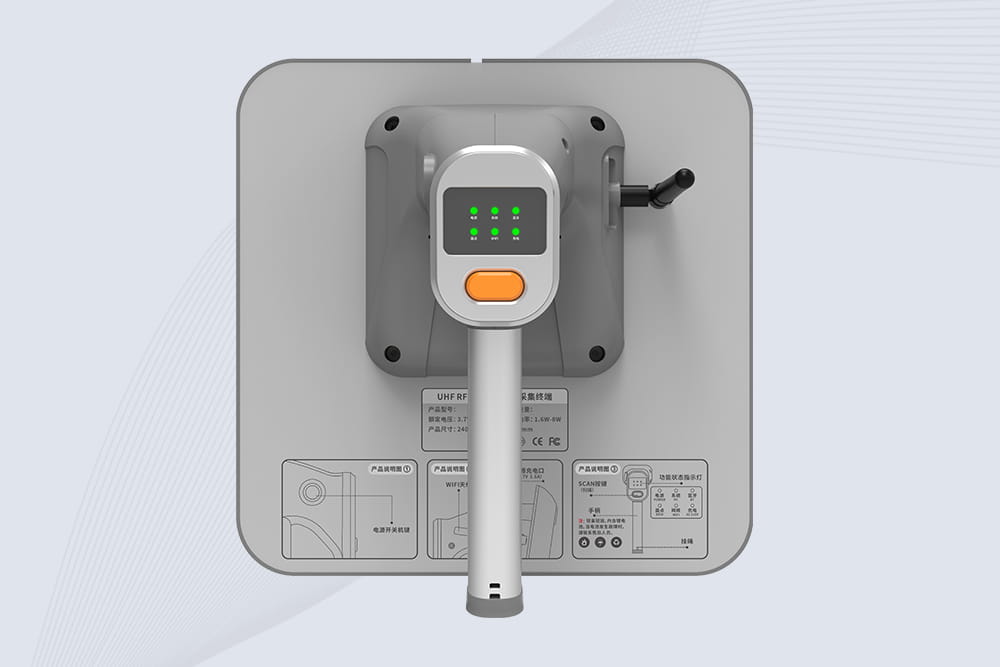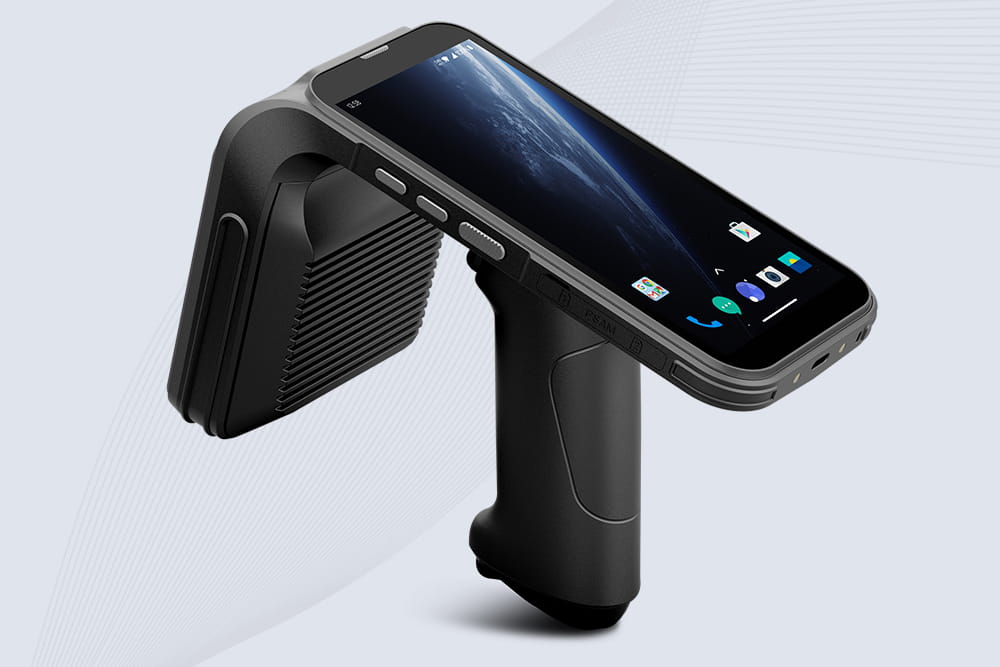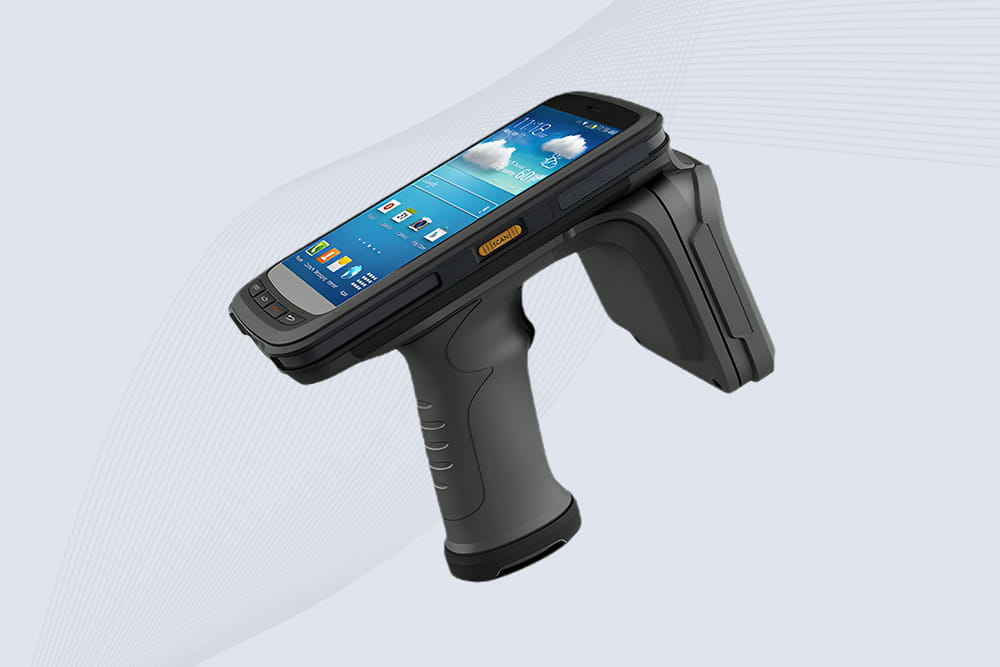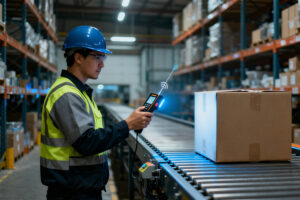
Standard Fixed RFID Reader cannot precisely measure the physical distance to a RFID tag. However, advanced systems estimate proximity using signal strength (RSSI), phase-based ranging, or hybrid technologies. While not as accurate as GPS or UWB, RFID ranging is sufficient for applications like inventory localization and access control. Here’s how it works and its limitations.
1. How RFID Ranging Works
Received Signal Strength Indicator (RSSI):
Estimates distance based on signal power degradation over space.
Limitation: Highly affected by obstacles, tag orientation, and interference. Accuracy: ±1–3 meters.
Phase-Based Ranging:
Measures phase shift of the radio wave between reader and tag.
Accuracy: ±10–50 cm in controlled environments.
Used in Cykeo’s PrecisionTrack System for warehouse item localization.
Multi-Antenna Triangulation:
Combines data from multiple antennas to calculate tag position.
2. Key Factors Affecting Accuracy
Factor
Impact on Ranging
Frequency
Higher frequencies (UHF) offer better resolution but shorter range.
Tag Type
Active tags (battery-powered) provide longer range than passive.
Environment
Metal, liquids, and walls scatter signals, reducing accuracy.
Antenna Design
Directional antennas improve localization in specific zones.
3. Practical Applications of RFID Ranging
Proximity Alerts:
Trigger alarms if tagged assets move beyond a defined zone (e.g., tools in construction sites).
Smart Shelving:
Identify which shelf or bin contains an item in retail/warehouse settings.
Attendance Tracking:
Estimate employee presence in designated areas without GPS.
4. Cykeo’s Hybrid Ranging Solutions
Cykeo’s ZoneLocate Platform combines RFID with Bluetooth Low Energy (BLE) beacons for ±1-meter accuracy in warehouses.
Their UltraSense RFID Tags embed accelerometers to improve proximity estimates based on movement patterns.
5. Limitations vs. Alternatives
RFID vs. UWB/GPS:
RFID: Low cost, no tag battery (passive), but limited to ~10-meter range and meter-level accuracy.
UWB/GPS: Centimeter accuracy and longer range but require powered tags and higher costs.
6. Case Study: 90% Fewer Misplaced Items
A hospital reduced lost equipment by 90% using Cykeo’s RFID-BLE hybrid system, pinpointing tagged devices within specific storage rooms.
This article provides a comprehensive overview of rfid reader portable (handheld RFID readers), covering core functions, working principles, typical application scenarios, and key selection criteria, helping enterprises achieve more efficient tag ...
Compare long-range RFID readers and barcode scanners for warehouse efficiency. Discover which technology reduces errors, speeds up workflows, and scales with Cykeo’s solutions.
Learn everything about the RC522 library for Arduino and ESP32. From installation and setup to reading/writing RFID cards and practical project tips. Perfect for DIY and access control systems.
RFID in logistics improves inventory accuracy, real-time visibility, and cost efficiency across warehouses, transportation, and supply chain operations.