 Cykeo RFID IoT Solution Products R&D Manufacturer
Can iPhones Read RFID?
226Get the truth. We answer can iPhones read RFID, explain the major limitations of iPhone NFC, and show when you need an industrial RFID reader instead.
MoreAll RFID Product
When people first start working with RFID systems, they usually focus on rfid tags, rfid readers, and software. But in real deployments, another group of components quietly plays a critical role: cables, connectors, and adapters.
In many RFID projects—especially UHF systems—signal transmission relies on high-frequency RF signals. If the cables or connectors are poorly selected, even the best reader and antenna may fail to perform as expected. This guide explains how cables, connectors, and adapters work in RFID environments and how to choose them properly.
In an RFID system, the communication chain typically looks like this:
RFID Reader → RF Cable → Antenna → RFID Tags
The reader sends RF signals to the antenna through the cable, and the antenna communicates wirelessly with the tags. If the cable or connector introduces signal loss, the reading range can drop significantly.
For example, in many deployments using UHF RFID, even a small amount of signal attenuation in the cable can reduce reading distance by several meters.
That’s why professional RFID installations always pay attention to cable length, connector type, and signal impedance.
RFID systems usually use coaxial RF cables, which are designed to carry high-frequency signals with minimal interference.
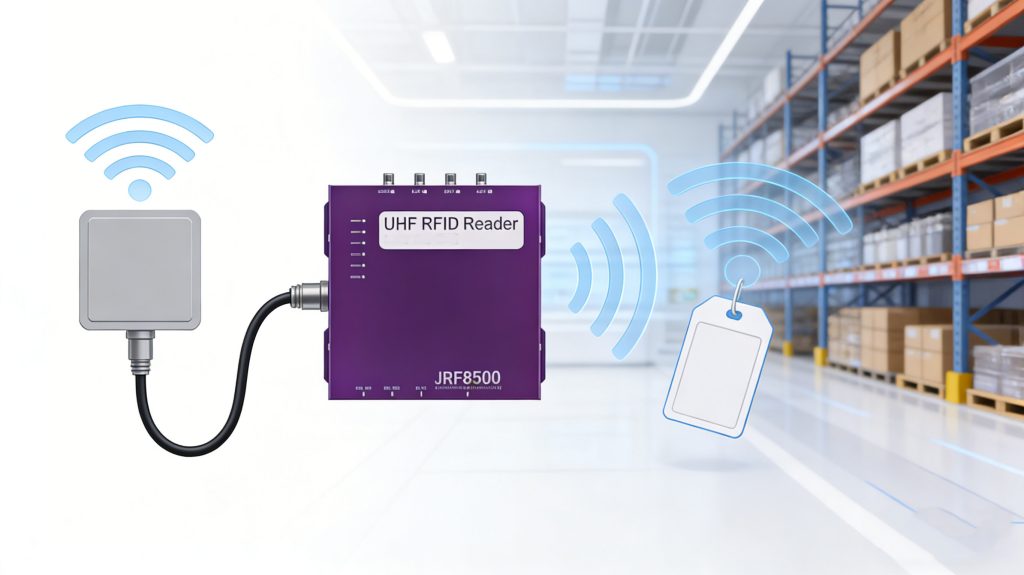
A coaxial cable contains several layers:
This structure protects RF signals from external interference and keeps signal quality stable.
Typical coaxial cables used in RFID installations include:
In large warehouses or industrial RFID systems, low-loss cables are preferred because they help maintain stable signal strength between the reader and antenna.
Connectors allow the cable to attach securely to the reader and antenna. In RFID hardware, RF connectors must maintain precise impedance to avoid signal reflection.
Here are some of the most common connector types used in RFID deployments.
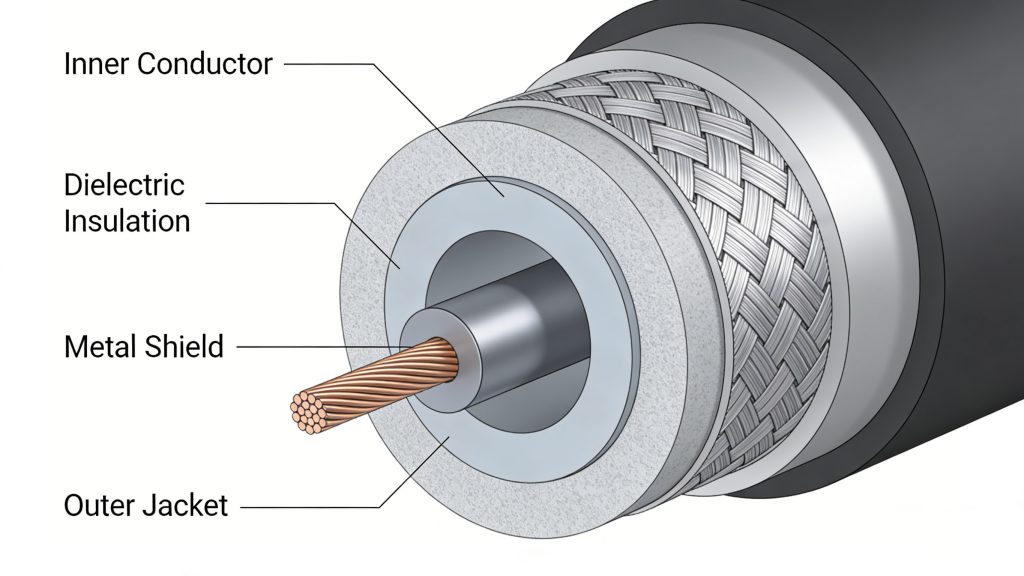
The SMA connector is compact and widely used in RFID modules and embedded devices.
Typical characteristics:
The N-type connector is often used in industrial RFID systems.
Advantages include:
Many industrial antennas used in UHF RFID installations rely on N-type connectors because they provide stable RF performance even in harsh environments.
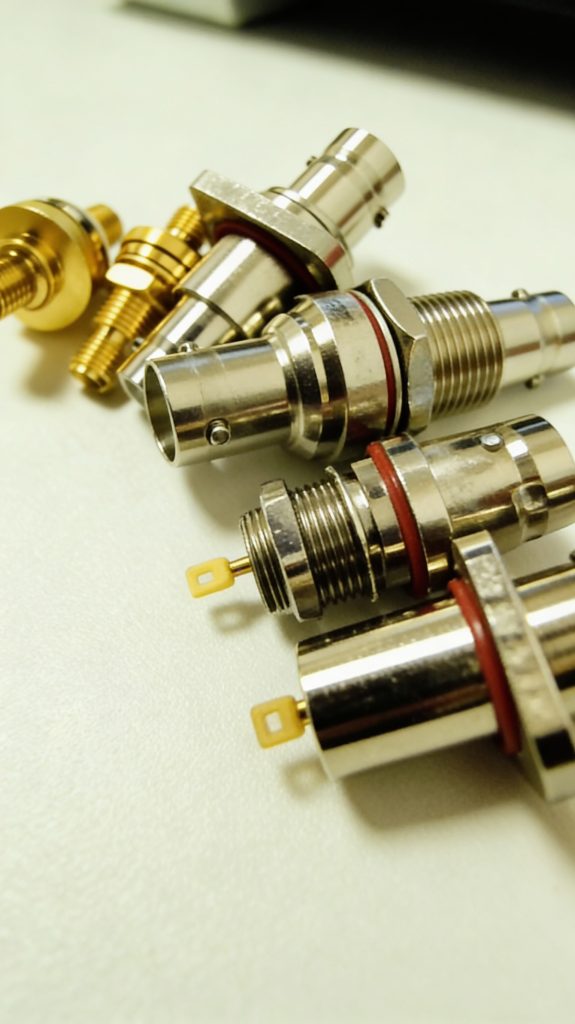
The TNC connector is a threaded version of the BNC connector and offers better RF stability. It is sometimes used in specialized RFID hardware.
Adapters are used when two devices use different connector types.
For example, you may encounter situations like:
Instead of replacing the cable or antenna, an RF adapter can convert one connector type to another.
Common RFID adapter combinations include:
Adapters are extremely useful during testing and system integration, but excessive use can introduce small signal losses.
One important factor many beginners overlook is RF cable loss.
RF signals weaken as they travel through cables. The longer the cable, the greater the signal attenuation.
For example:
In large RFID deployments, engineers often follow a simple rule:
Keep RF cables as short as possible.
If longer distances are required, using low-loss coaxial cables helps maintain reader performance.
From real-world RFID deployments, several best practices can help improve system reliability.
Each adapter introduces a small amount of signal loss. Try to minimize the number of conversion points.
Cheap connectors can loosen over time and cause unstable readings.
In outdoor RFID installations, connectors should be protected with waterproof tape or weatherproof enclosures.
In systems with multiple antennas, labeling cables helps simplify troubleshooting and maintenance.
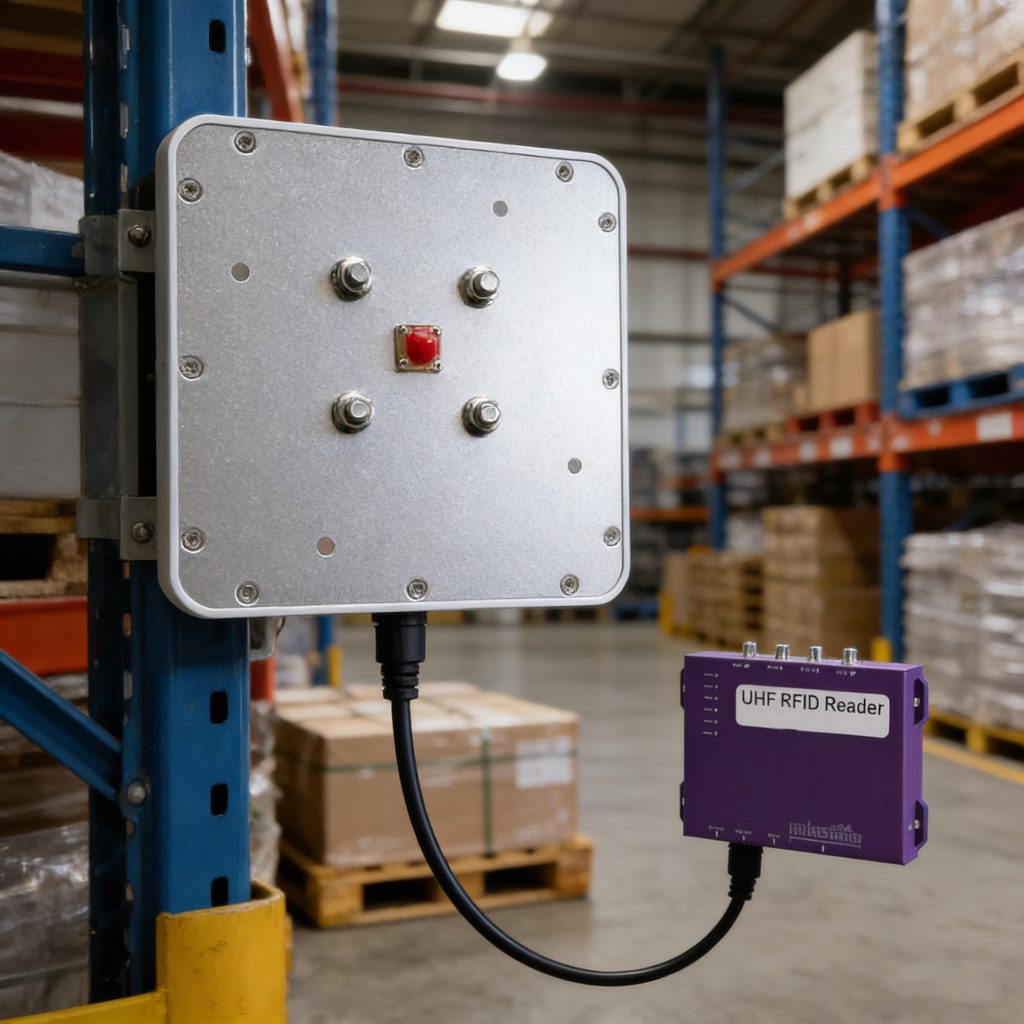
Imagine a warehouse using an RFID portal for inventory tracking.
The hardware setup may include:
In this case:
Even though these components seem simple, they determine how efficiently the RFID signals reach the antenna and how reliably tags are detected.
Cables, connectors, and adapters are often overlooked in RFID projects, but they are essential for reliable system performance.
Choosing the right RF cable, using compatible connectors, and minimizing signal loss can significantly improve RFID reading stability and range.
Whether you’re building a small RFID testing setup or deploying a large industrial system, understanding these components will help you avoid many common installation problems.
Related products
Guide Recommendations
rfid antenna installation guide
A Practical Guide to Antenna RFID Linear: What You Should Really Know
What is an RFID Antenna? (Hint: It’s the Most Important Piece You’ll Buy)
Do RFID Readers Require Antenna? Here’s What Actually Works
RFID Antenna Installation Guide
Para Que Sirve una RFID Antenna Coil: Explicación Sin Tecnicismos
What Antenna Types Maximize Performance for Long-Range RFID Readers?
What is RFID Reader Antenna? (And No, It’s Not the Same Thing)
RFID Antenna Design Unpacked: Theory · Practice · Lessons Learned
Can an RFID Reader Detect the Distance Away the RFID Tag Is?
Para qué sirve RFID antenna coil: La espiral que te abre puertas (literalmente)
Cykeo CYKEO-A11 UHF RFID reader antenna delivers 11dBi gain, 840-960MHz frequency range, and IP65 ruggedness for retail, logistics, and industrial RFID systems. Features low VSWR and easy installation.

CYKEO Antenna RFID Reader delivers stable long-range UHF performance with a 10.5dBi directional design, built for warehouses, conveyor portals, and industrial RFID systems. This rfid reader antenna provides 20m+ read distance and rugged IP67 protection.

Cykeo CYKEO-PHF3 industrial HF RFID Antenna offers 24-point dynamic tracking, ISO 14443A/15693 protocols, metal-environment stability for archives/libraries/manufacturing.

Cykeo CYKEO-A5B industrial Linear RFID Antenna delivers 5dBi gain, ≤1.5:1 VSWR, and IP65 rugged design for warehouse, production line, and logistics UHF systems.

Cykeo’s CYKEO-B12 Long Range RFID Antenna delivers 15m+ read range with 12dBi gain, IP65 rugged design, and global 840-960MHz UHF support. Ideal for warehouse/logistics asset tracking.
Cykeo CYKEO-B10 Long Distance RFID Antenna offers 10dBi gain, 840-960MHz frequency range, IP65 rating, and 20m+ coverage for logistics/warehousing/ETC systems. Low VSWR ensures stable signal transmission.
Cykeo CYKEO-A6 UHF RFID panel antenna features 6dBi gain, 840-960MHz broadband, IP65 metal-ready housing for logistics/smart retail. 18mm ultra-thin design with tool-free mounting.

Cykeo CK-A3 industrial antenna RFID UHF offers 5m+ tag detection, ≤1.3:1 VSWR, IP65 rugged design, and global UHF spectrum compatibility (840-960MHz) for warehouses, factories, and retail.
Cykeo CYKEO-B5 directional RFID antenna provides 5dBi gain with 60° narrow beamwidth for precise inventory tracking. IP65-rated, global UHF frequency support, and low VSWR.
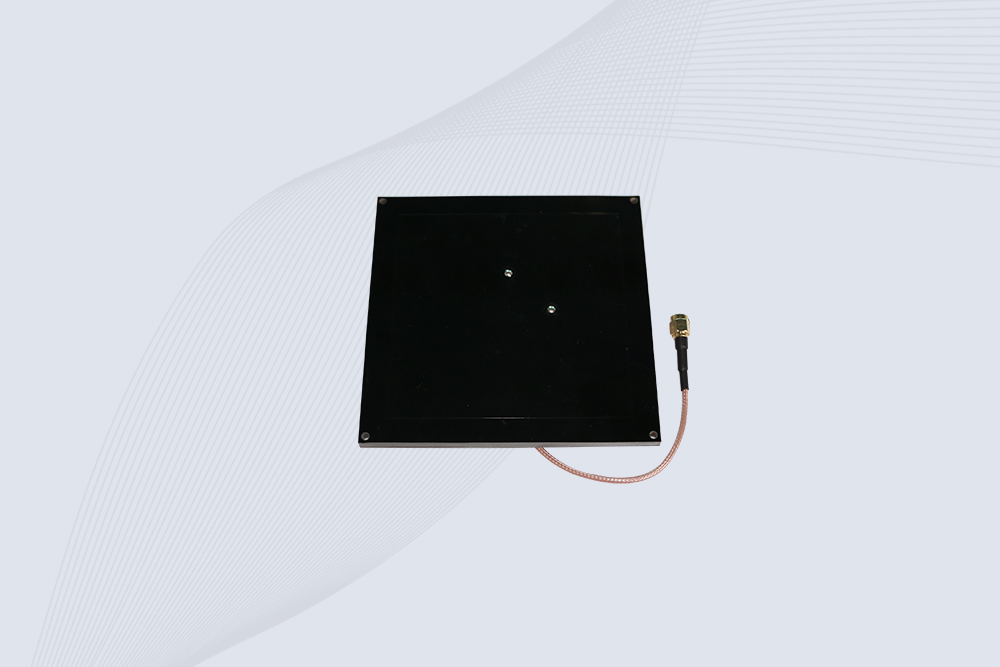
Create your own high-performance DIY RFID antenna! 5dBi gain, 840-960MHz tunable, step-by-step guides. Compatible with Arduino, Raspberry Pi, and commercial UHF readers.
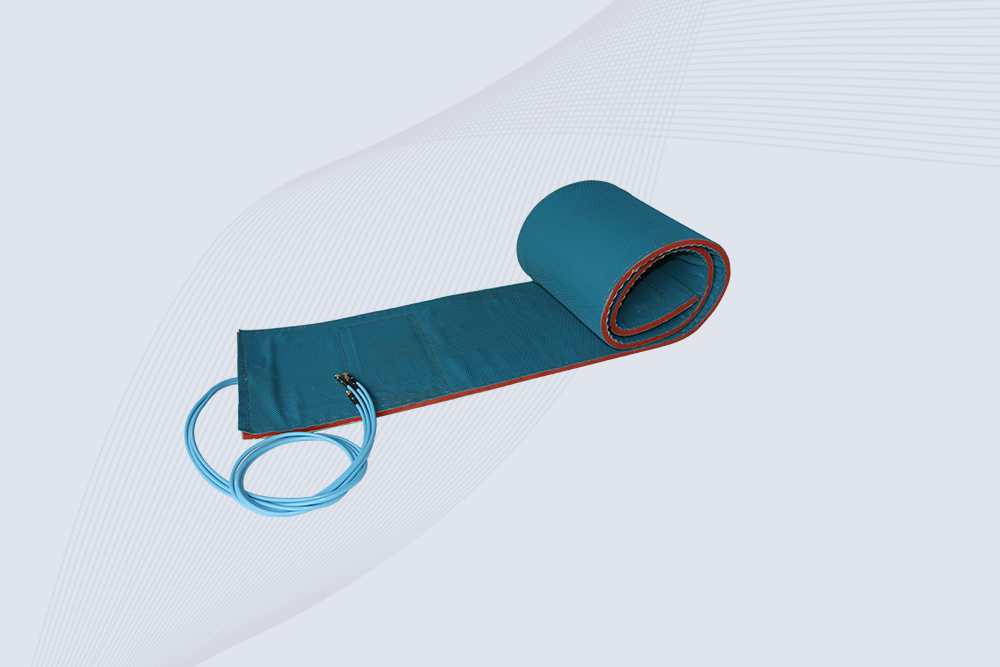
Cykeo CYKEO-A7 Flexible RFID Antenna features 840-960MHz wideband tuning, 7dBi gain, and IP68 rating for medical/retail/industrial curved surface deployments. 98% read accuracy with peel-and-stick installation.

Cykeo CYKEO-B5A industrial Passive RFID Antenna delivers 5dBi gain, 70° beamwidth, and -40°C~55°C operation for warehouses/smart cabinets. Compatible with Zebra/Impinj readers.
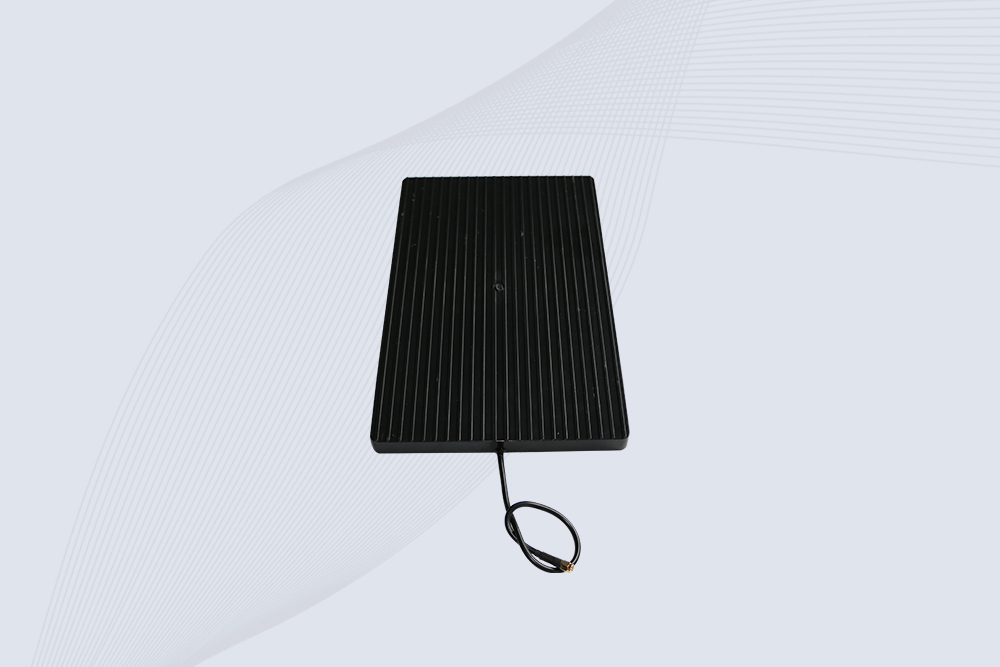
Cykeo’s CYKEO-A9B High Gain RFID Antenna delivers 15m+ read range with 9dBi amplification. Features IP54 rugged design, 840-960MHz bandwidth, and 80° beamwidth for warehouse/manufacturing RFID systems.

Cykeo’s enterprise-grade 8dbi Impinj RFID Antenna 10m+ read range with 840-960MHz tuning. Features IP65 housing, 1.4 VSWR, 35° beamwidth for retail/warehouse RFID systems.
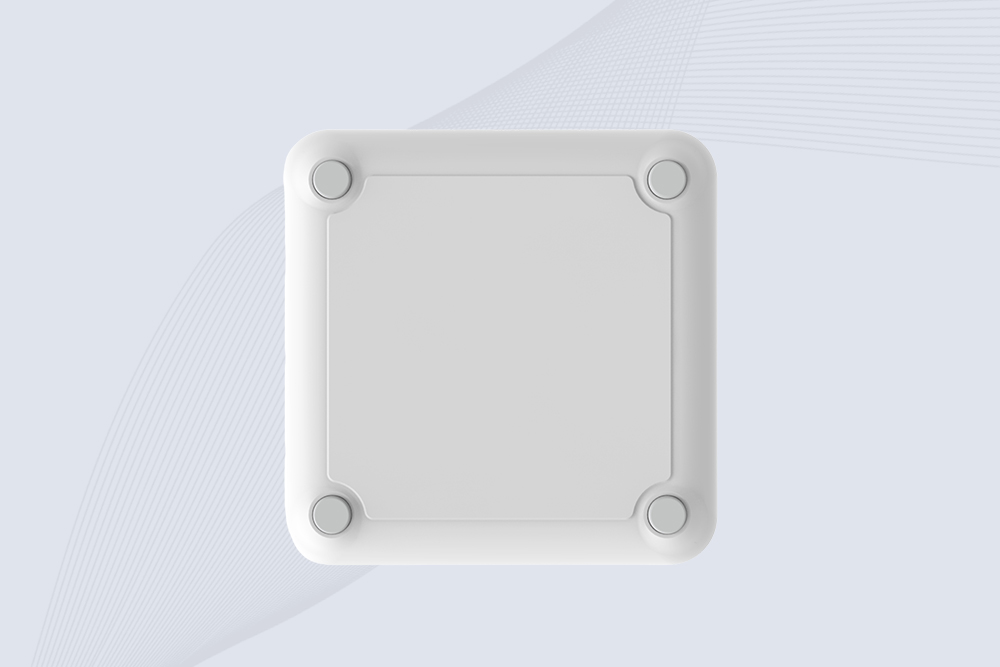
Cykeo CYKEO-A9 industrial UHF RFID antenna delivers 9dBi gain, 840-960MHz frequency range, and IP65 protection for warehouse/logistics/retail RFID systems. Features N-type connector and ≤1.3:1 VSWR.
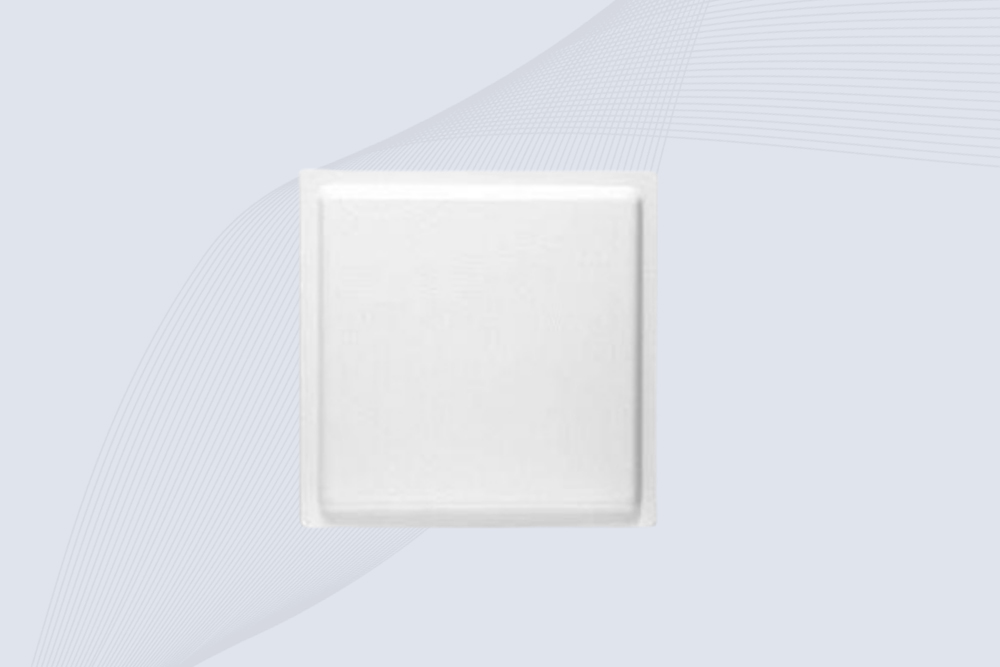
CYKEO UHF RFID Antenna built for long-distance and industrial applications. This antenna rfid uhf delivers strong gain, outdoor durability, and reliable tag performance in warehouses, yards, and vehicle ID systems.
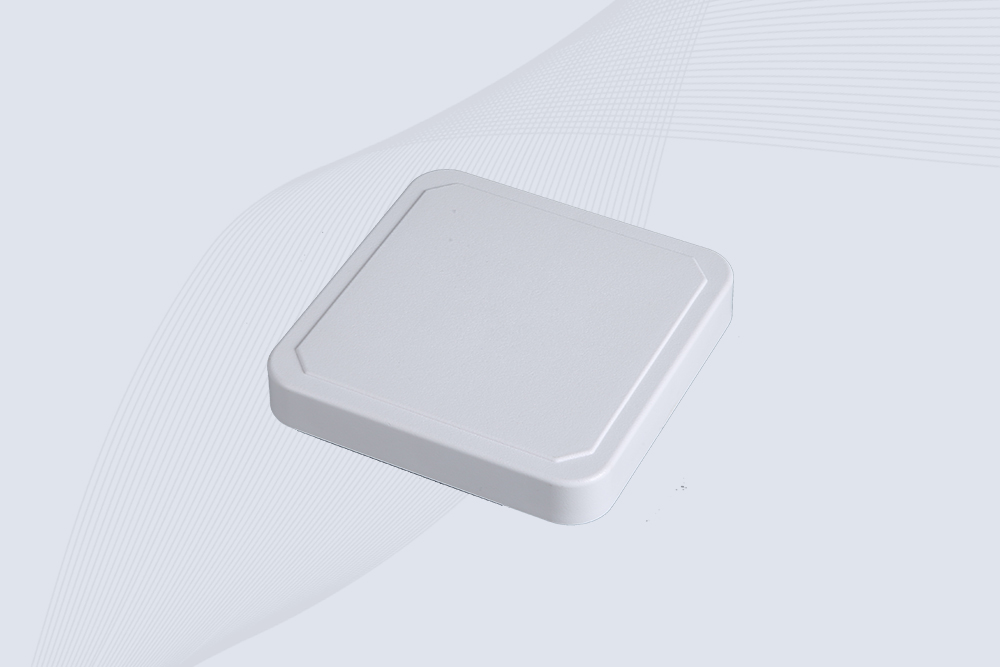
CYKEO Antenna RFID delivers reliable long-range UHF performance in warehouses, retail shelves, and cold-chain environments. This compact uhf rfid antenna provides stable reads with circular polarization and ultra-wide 840–960 MHz support, ideal for industrial tracking, smart shelves, and asset monitoring.
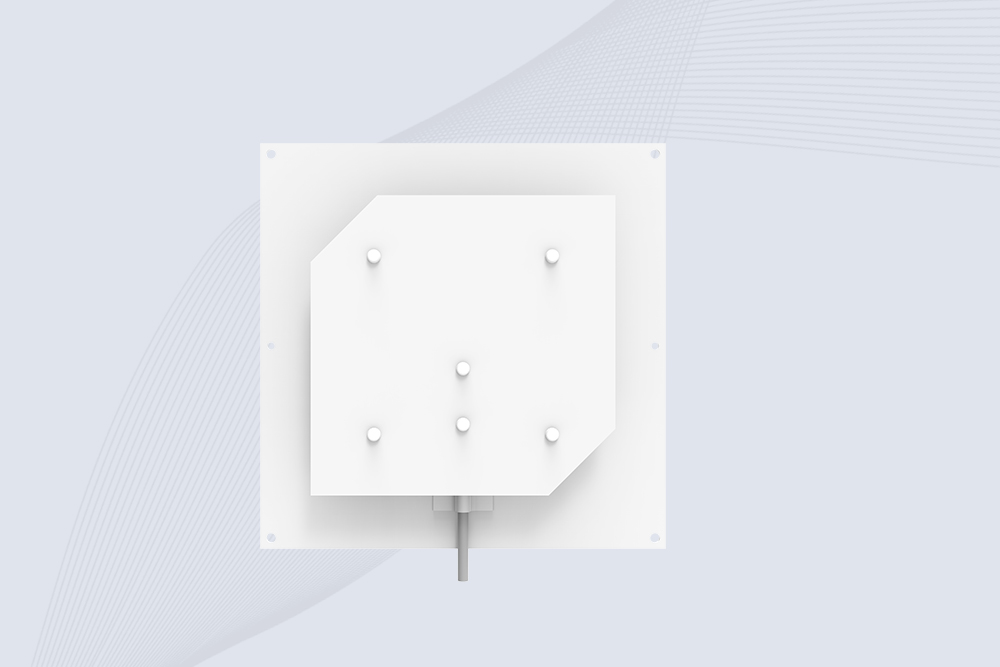
Cykeo’s CYKEO-C8 UHF RFID antennas delivers 8dBi gain, 840-960MHz full-band coverage, and IP65 ruggedness for manufacturing/warehouse RFID systems. Industrial RFID Antennas Features
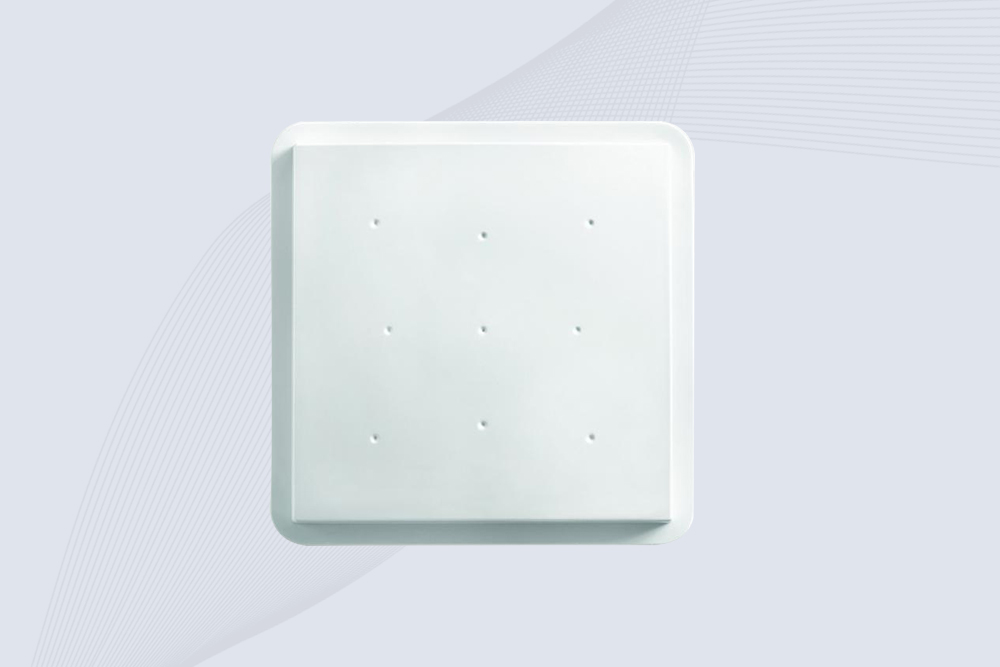
Cykeo’s 8dBi UHF RFID antenna and reader kit delivers 10m+ range, 840-960MHz broadband, and IP65 ruggedness for factories, warehouses, and logistics. ISO 18000-6C & EPC Gen2 certified.
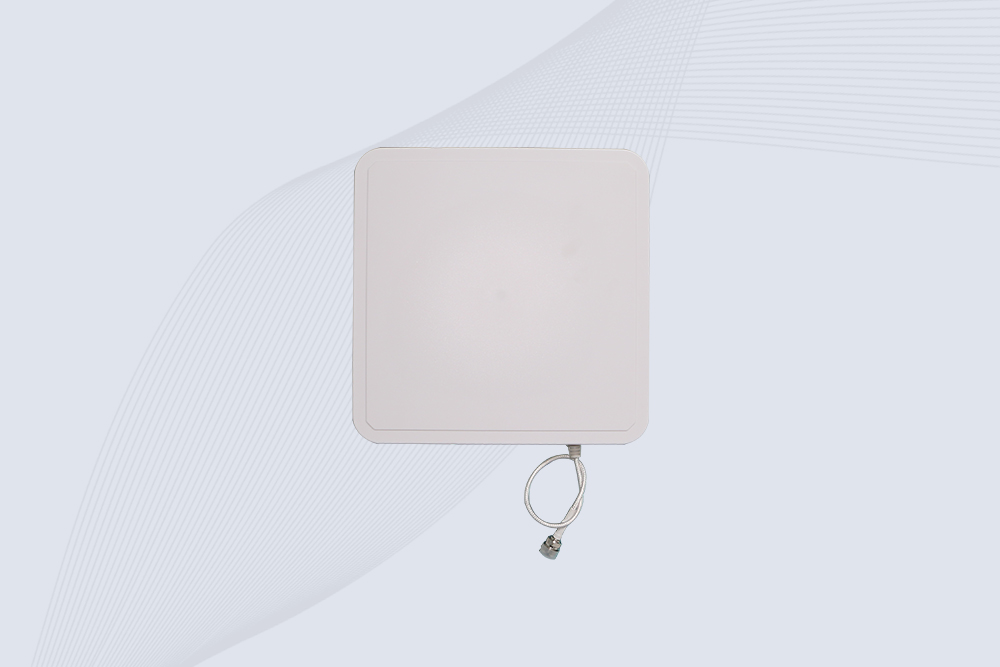
Cykeo CYKEO-A9A industrial UHF RFID reader and antenna kit delivers 10m range, 500 tags/sec, IP65 ruggedness for manufacturing/logistics. Supports EPC Gen2, ISO18000-6C.
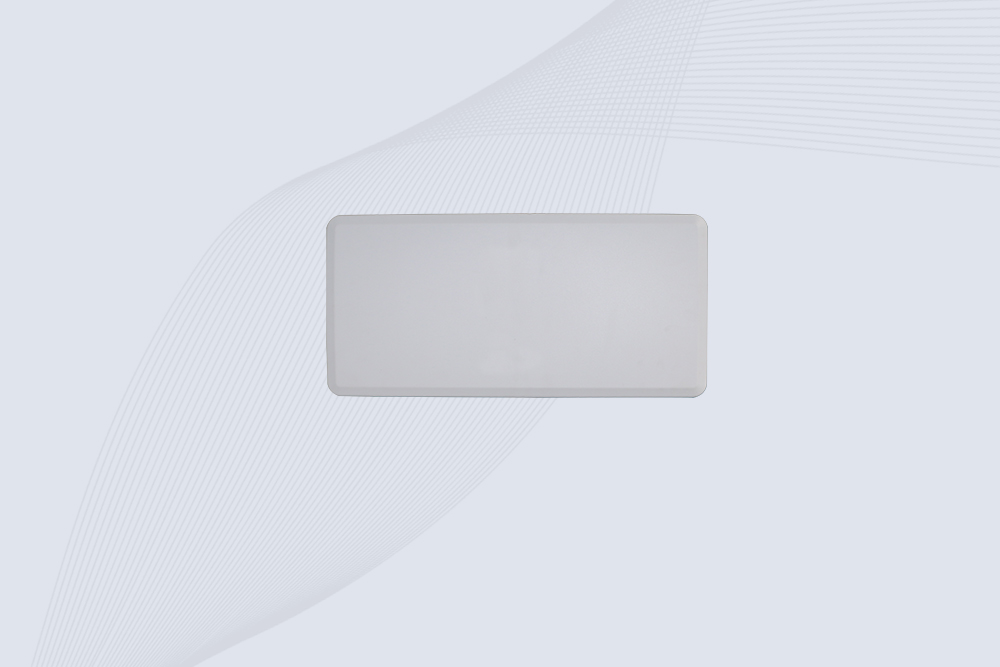
Cykeo’s CYKEO-A12C UHF Large RFID Antenna delivers 12dBi gain, 840-960MHz global frequency, IP65 ruggedness for logistics/warehousing/automotive. 40° beamwidth ensures stable 15m+ tag reads.

CYKEO Near Field RFID Antenna provides precise 5–30 cm reading for shelves, cabinets, and workstations. This compact rfid shelf antenna delivers stable short-range performance around metal and clutter, ideal for pharmacies, libraries, and electronics sorting.

Get the truth. We answer can iPhones read RFID, explain the major limitations of iPhone NFC, and show when you need an industrial RFID reader instead.
More
Learn how proper UHF RFID antenna layout can improve read rates and system reliability. Practical tips for solution providers and integrators using Cykeo RFID antennas.
More
Explore how RFID scanner devices work, including handheld UHF RFID readers, their uses in inventory management, asset tracking, and access control. Learn how to integrate RFID scanners into your operations effectively.
More
Discover if fixed RFID readers can operate in extreme temperatures. Learn how Cykeo’s industrial-grade solutions handle freezing cold, intense heat, and harsh environments.
More