Discover how the RFID Pharmacy Security Cabinet enhances security, automates inventory management, and ensures regulatory compliance. Learn about RFID reader module and antenna integration benefits.
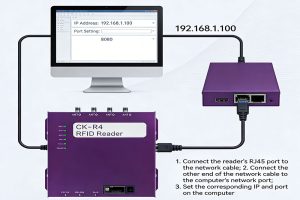
Having trouble with your CK-R4 UHF RFID reader? This guide walks you through common issues with TCP client mode, network connection, and demo software. Plus, learn how to optimize integration with CYKEO RFID antennas for faster and more accurate r...
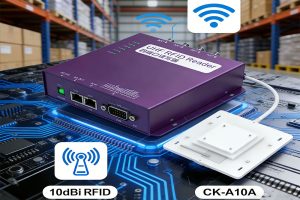
How to seamlessly integrate the CK-A10A 10dBi RFID antenna with your existing RFID reader system, improve signal strength, and enhance tracking accuracy. A straightforward approach to boosting RFID system performance.
Learn about UHF RFID technology—how it works, key advantages over LF/HF, real-world applications in warehousing and retail, and how to choose the right UHF RFID reader. Expert guidance from CYKEO engineers.
 Cykeo RFID IoT Solution Products R&D Manufacturer