Why Does My Washington State ID Have an RFID Antenna?
If you’ve recently received a new Washington State Enhanced Driver License (EDL) or ID and noticed something different, you’re not alone. Many people ask, “Why does my Washington State ID have an RFID antenna?” It’s a valid question about a visible piece of technology embedded in your credential.
The short answer is security and speed. That tiny copper coil embedded in the card is part of a radio-frequency identification (RFID) system designed for specific, high-trust scenarios. It’s not in every license—only the Washington Enhanced Driver License and Enhanced ID Card have it, and it serves a distinct purpose different from the magnetic stripe or barcode.
Here’s a breakdown of what it does and why it’s there:
1. It’s for Streamlined Border Crossings.
The primary reason is to comply with the federal Western Hemisphere Travel Initiative (WHTI). If you have an EDL, you can use it to re-enter the U.S. at land and sea borders from Canada, Mexico, and some Caribbean countries. The RFID antenna enables quick, secure communication with RFID readers at dedicated lanes. When you hold your card near the reader, it securely pulls up the same biographical information that’s visually on the card, allowing Customs and Border Protection (CBP) officers to verify your identity faster. This is a key part of knowing how to use RFID at land border crossing efficiently.
2. It Holds a Unique, Secured Number—Not Your Personal Data.
A major concern people have is privacy. So, what information is stored on the RFID ID chip? Crucially, it does not contain your name, address, or birthdate. It holds a unique reference number that is meaningless to anyone except the CBP database. When scanned at the border, this number is used to securely pull up your pre-verified traveler information from the government’s secure system. This design is a core part of Washington enhanced driver license RFID security, making it useless if lost or stolen, as the number alone reveals nothing.
3. It’s Built with Security in Mind.
Naturally, people ask, “Is the RFID in my ID safe from hacking?” The system is designed with several safeguards. First, it’s a proximity chip, not a long-range one. It only works within a few inches of a specialized reader. Second, the data is encrypted. While no technology is 100% invulnerable, the combination of minimal data storage, required physical proximity, and encryption makes it a robust system designed to prevent casual eavesdropping or skimming.
What You Should Know:
- It’s Optional: The RFID-enabled EDL/EID is an option for those who want a convenient WHTI-compliant document. A standard driver’s license does not have the RFID antenna.
- You Can Shield It: If you have privacy concerns, you can store your ID in a sleeve or wallet lined with RFID-blocking material. This prevents any accidental reads.
- It’s for Specific Use: The technology is intended almost exclusively for official border crossings. You won’t use it at the airport bar or during a traffic stop.
So, when you ask, “why does my Washington state id have a rfid antenna?” know that it’s a purposeful tool for secure and efficient identity verification at ports of entry, built with specific privacy protections in place. It represents a balance between modern convenience and controlled, official security.
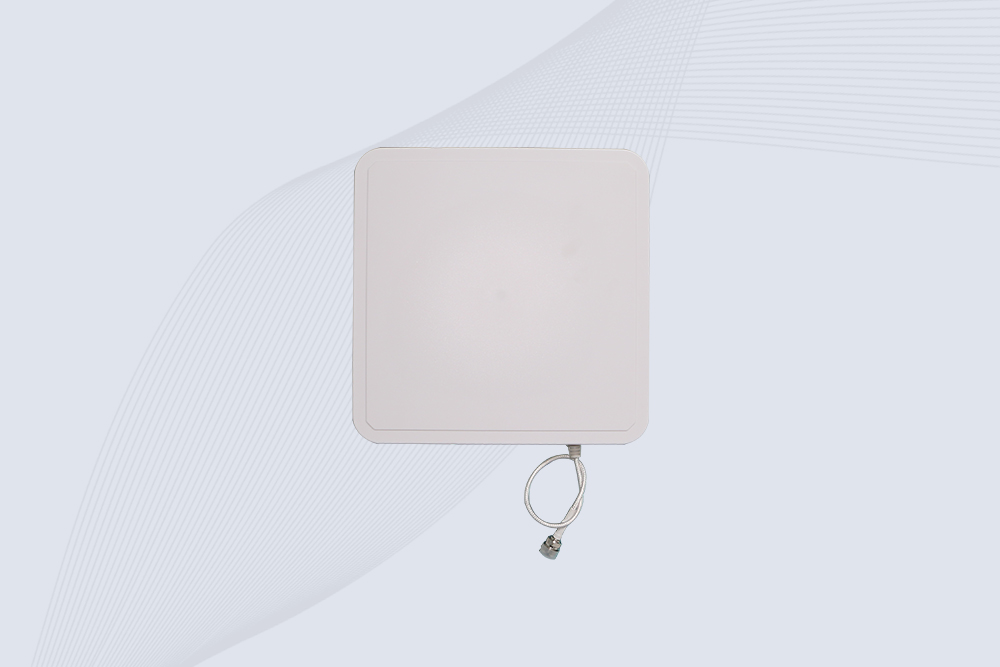
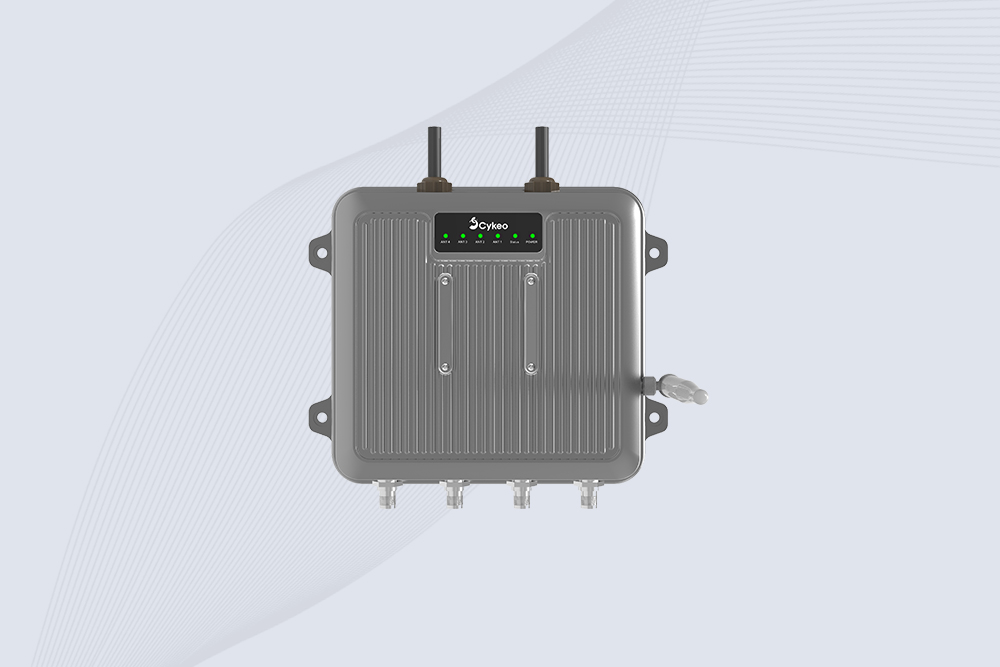
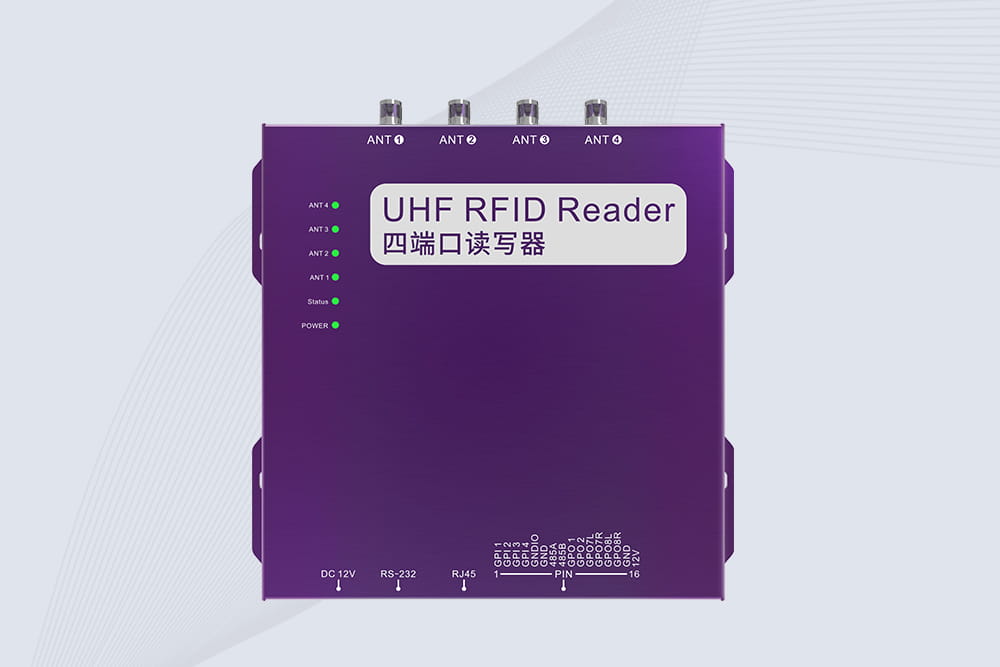
RFID Antennas Recommendation
 Cykeo RFID IoT Solution Products R&D Manufacturer