 Cykeo RFID IoT Solution Products R&D Manufacturer







How RFID Works in Warehouse,The Technology Behind Smarter Inventory Management
921The Guide breaks down the working principles, applications, and benefits of RFID technology in warehouses
MoreAll RFID Product
When setting up an RFID system, a common and crucial question is: what kind of antenna do RFID use? The answer isn’t simple because RFID isn’t a single technology—it’s a family of technologies operating at different frequencies for different jobs. The RFID antenna type is the most visible clue to what job that system is designed to do. From the coil in your access card to the flat panel on a warehouse door, the antenna shape tells the story.
If your application requires reading within a few centimeters—think door access, payment cards, or animal microchips—the system likely uses a coil antenna.
This isn’t an antenna in the traditional “radiating” sense. It’s a loop or spiral of wire (often copper). Its job is inductive coupling. The reader’s coil generates a magnetic field. The tag’s coil, when brought near, captures energy from this field to power its chip and then modulates the field to communicate back. You find these in:
For these applications, asking “what kind of antenna do RFID use?” leads you to the humble coil—the workhorse of secure, short-range communication.
When you need to read tags from several meters away—like scanning a pallet in a warehouse or items on a retail shelf—the system uses UHF (Ultra-High Frequency, 860-960 MHz). Here, the antennas are designed to radiate and receive electromagnetic waves.
For RFID Tags, the most common type is a dipole antenna. It looks like a simple, thin metallic strip or a printed pattern with two arms. Its design is miniaturized and optimized (often with a T-match or folded structure) to perfectly match the chip’s impedance. Some tags use a patch antenna (a small square) for more directional performance or when mounted on metal.
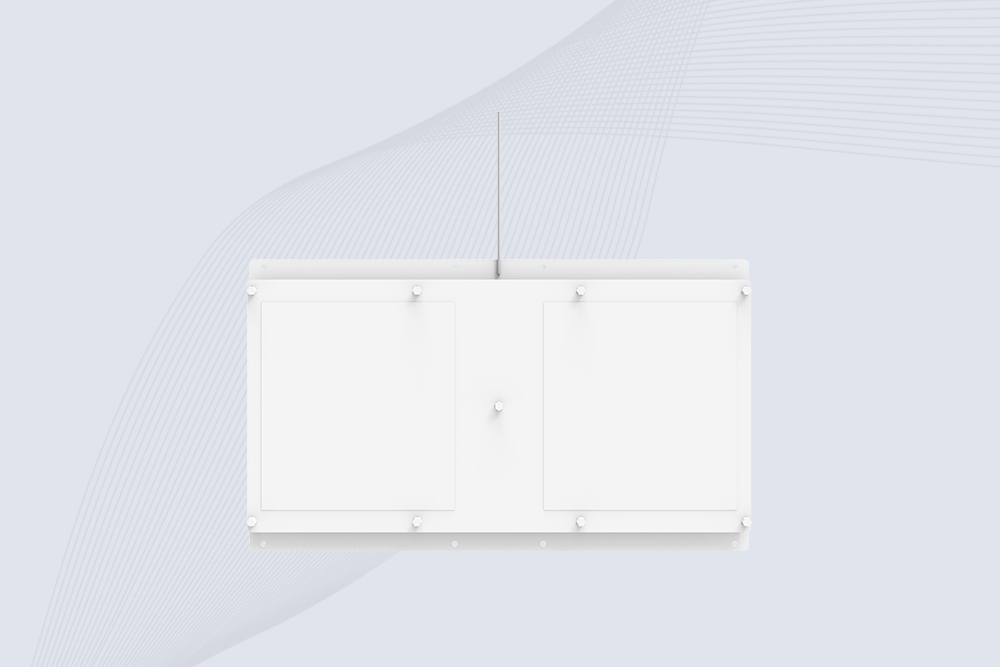
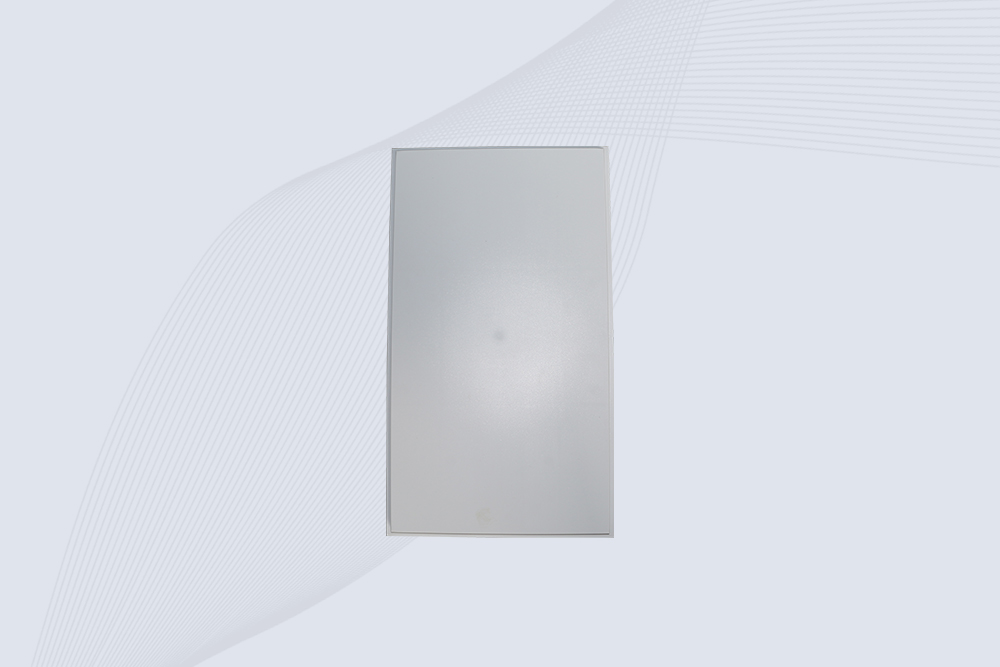
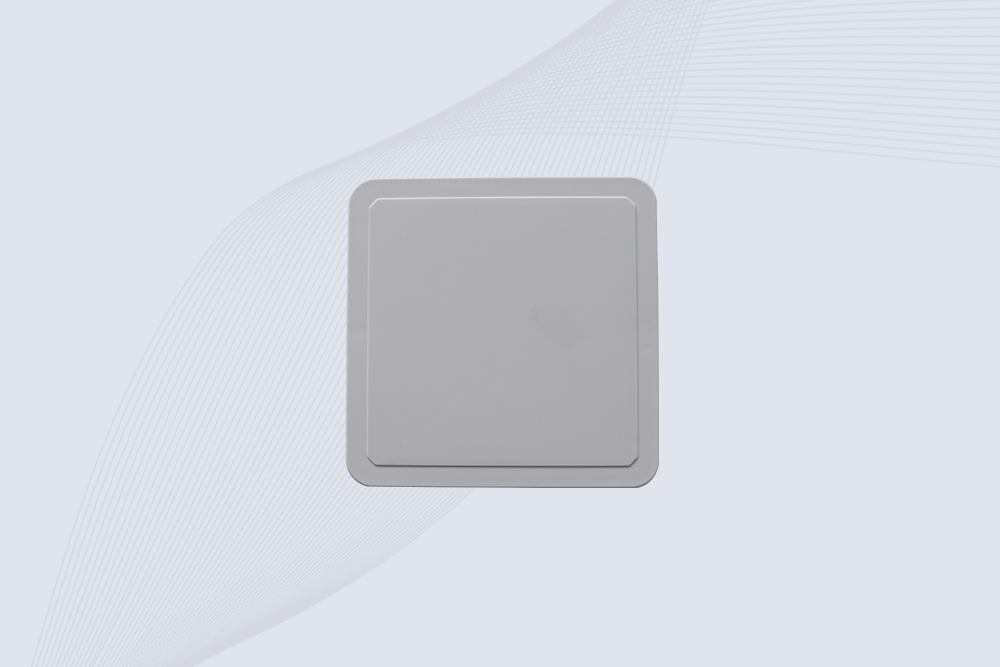
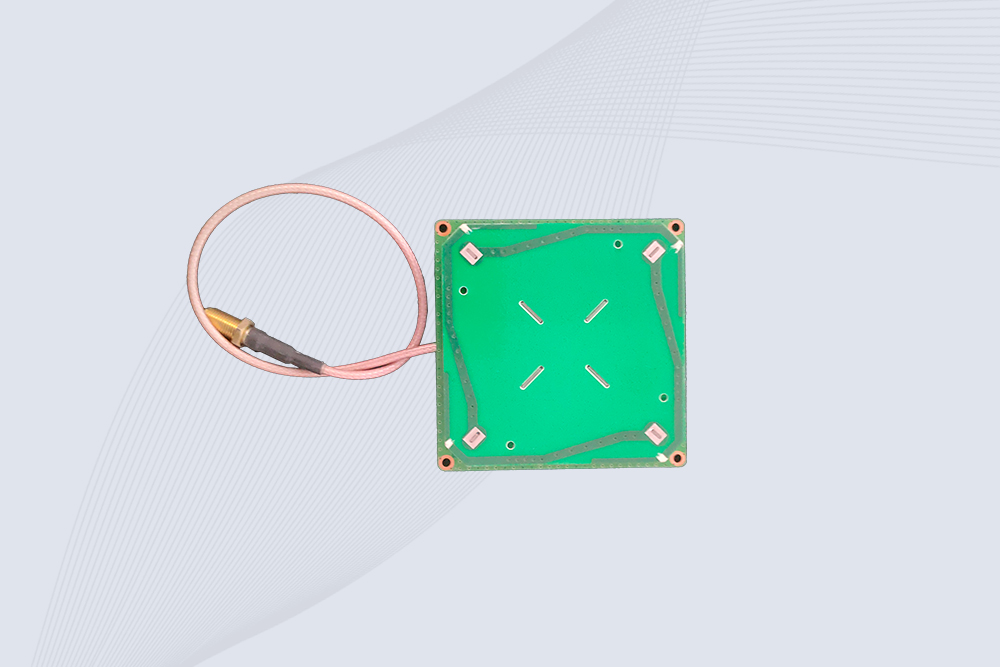
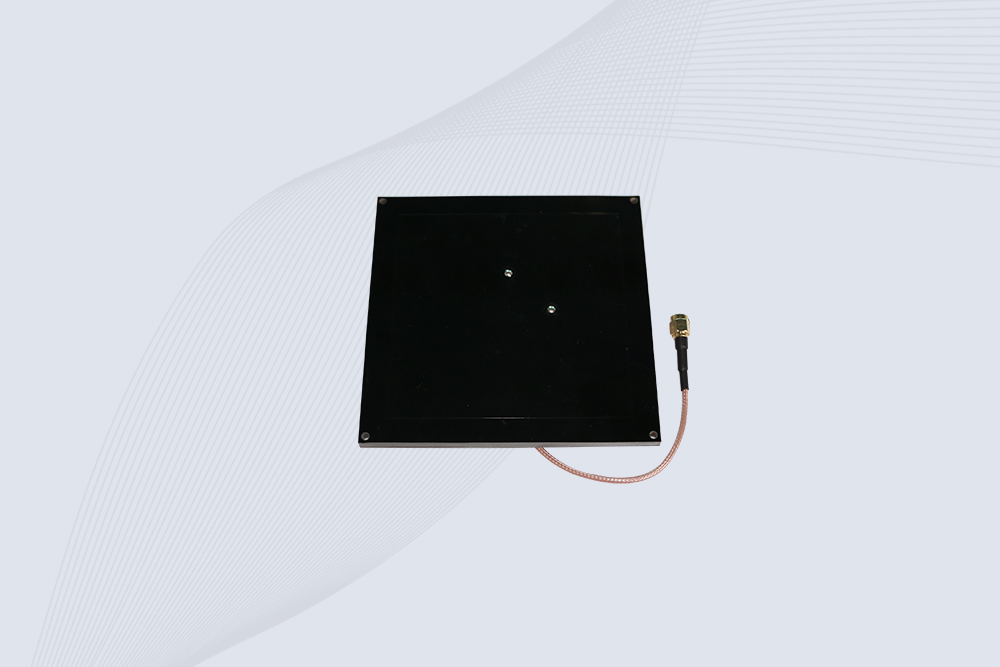
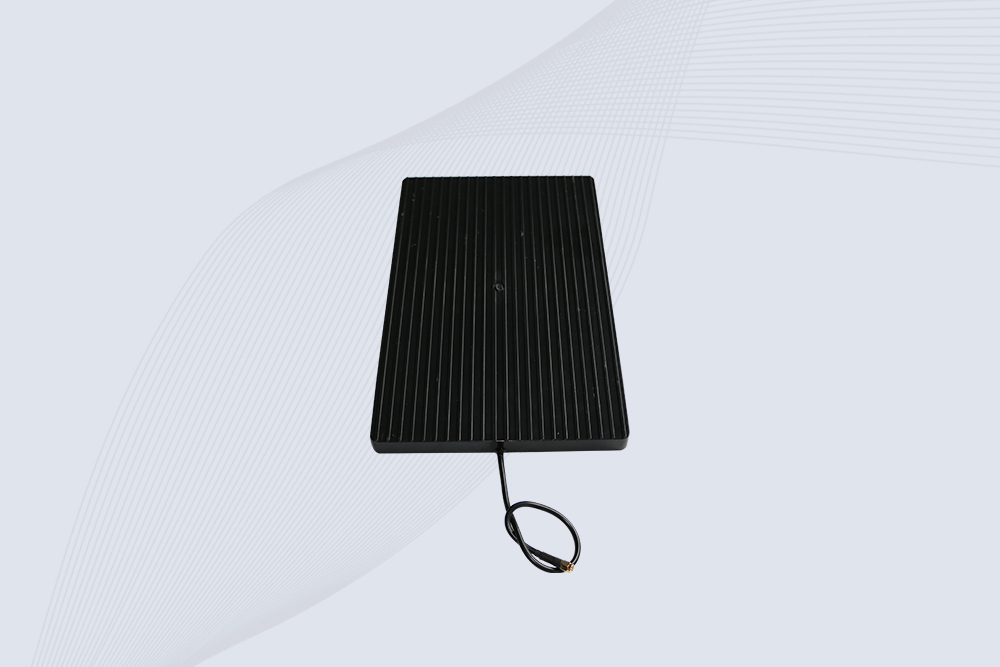
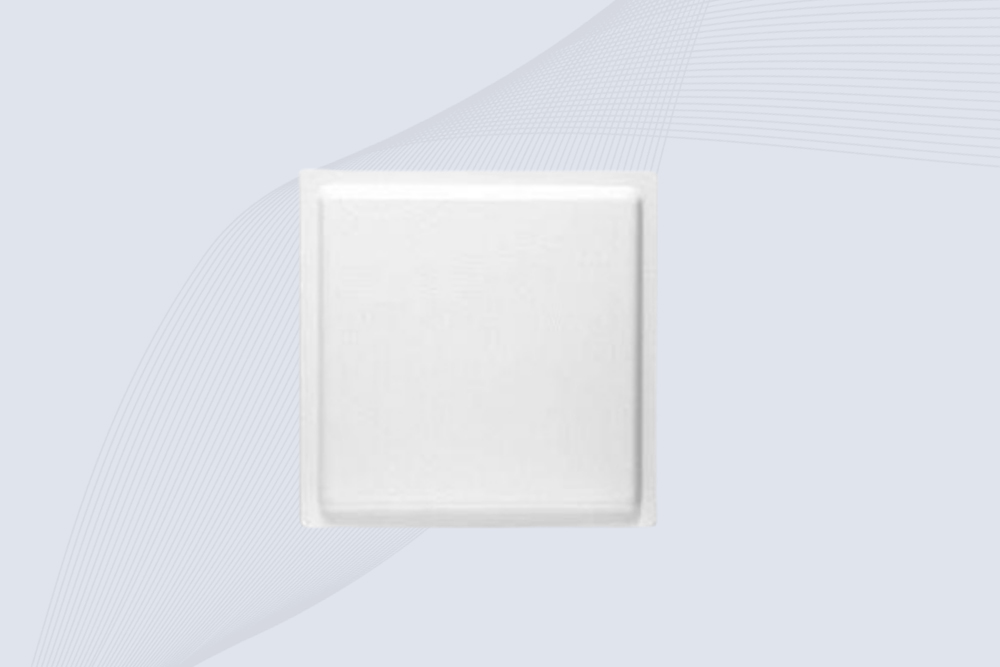
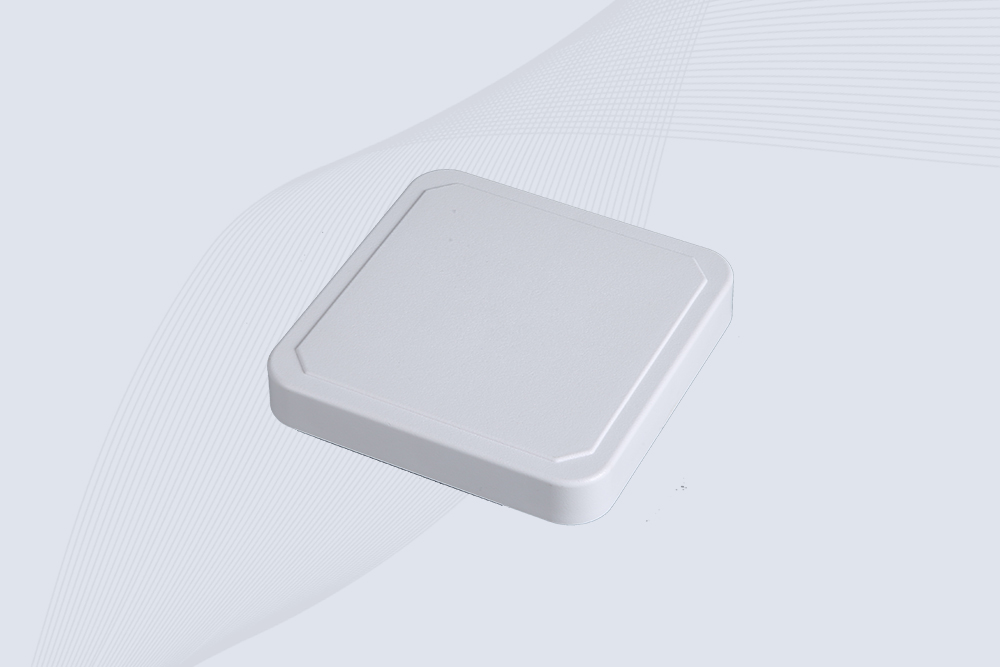
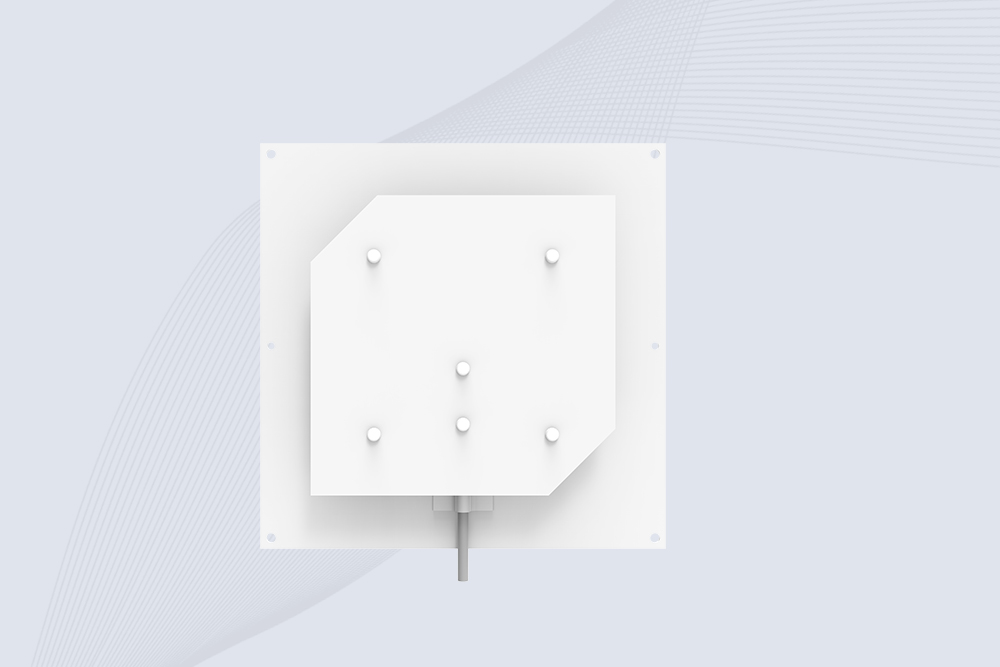
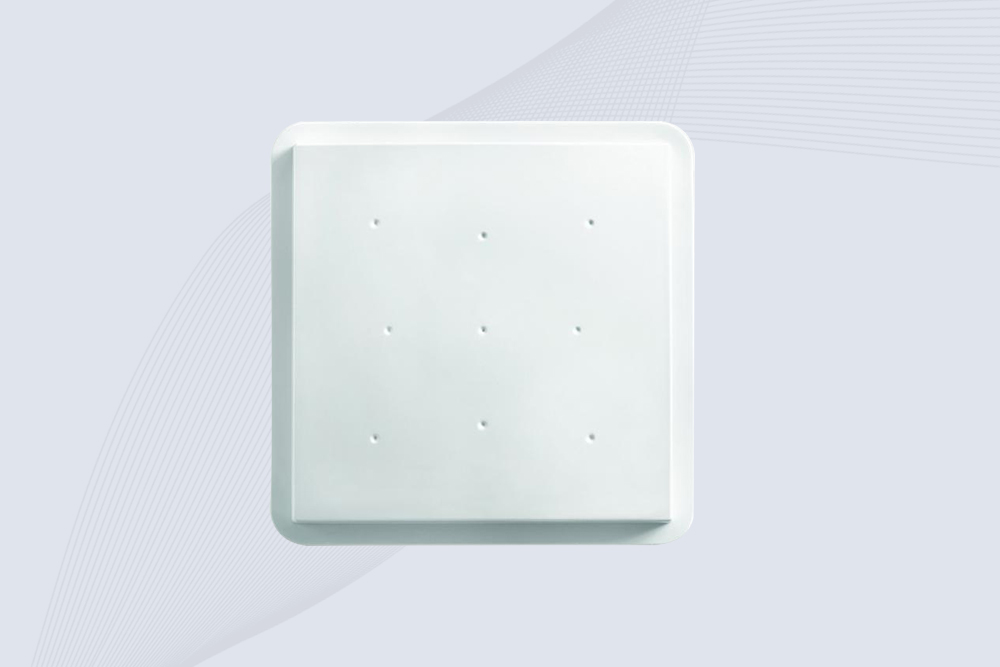
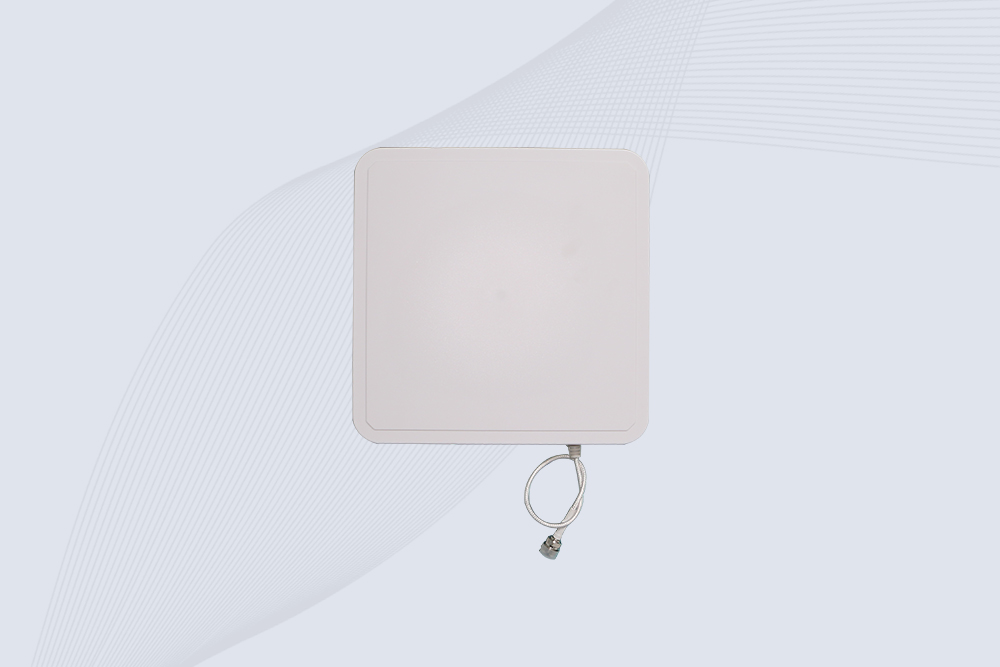
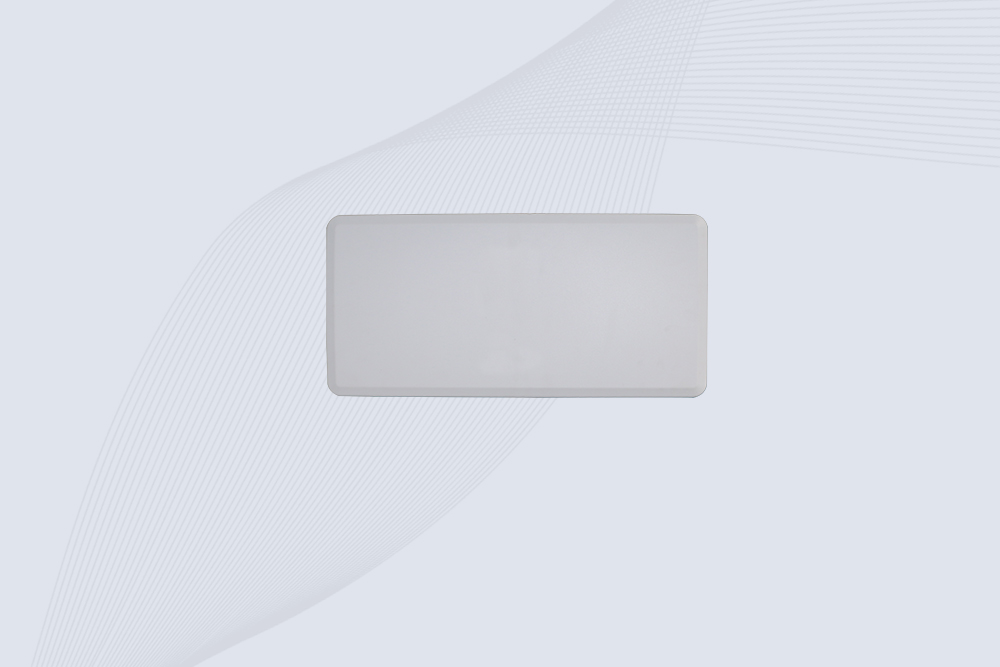
For RFID Readers, you typically see circularly polarized patch antennas. These are the flat, square, or rectangular panels in a plastic housing. Their flat structure contains a metal patch over a ground plane, fed in a way that makes the radio waves spiral out (circular polarization). This is critical for reliably reading tags at any orientation. You’ll also find high-gain linear antennas for focused, very long-range applications like vehicle identification.
Understanding the types of RFID antennas helps you choose correctly. Here’s a quick guide:
At CYKEO, we specialize in the high-performance UHF segment for industrial and commercial tracking. When clients ask us what kind of antenna do RFID use for their project, we don’t just name a type. We analyze the environment, the tag placement, and the business goal to specify the exact antenna model—be it a rugged outdoor portal antenna, a compact near-field antenna for precise reading, or an integrated antenna for a handheld device. The right antenna isn’t just a part; it’s the key to unlocking reliable performance.

The Guide breaks down the working principles, applications, and benefits of RFID technology in warehouses
More
Trying to use a Flipper Zero for RFID tasks? This no-nonsense guide explains its real-world capabilities, its hard limits, and when you truly need an industrial system.
More
CYKEO CK-R8L is one of thebest fixed rfid readers read range reliability 2025, offering stable long-distance UHF performance, 8 antenna ports, multi-protocol support and flexible deployment for industrial RFID projects.
More
How is RFID technology used in agriculture? Discover real-world applications for livestock, equipment, and crop management with cost analysis.
More