 Cykeo RFID IoT Solution Products R&D Manufacturer
What is the use of an RFID card reader?
1052Explore the key uses of RFID card readers, including access control, payments, and inventory tracking. Learn how Cykeo’s RFID solutions enhance security and efficiency.
MoreAll RFID Product
Honestly, I didn’t initially consider using an NFC phone as an RFID tag. For the longest time, NFC and RFID felt like two completely different technologies. NFC phones are mainly used for payments, transferring small files, and so on, while RFID tags are typically used for asset management, inventory tracking, and similar tasks. You might think these two can’t possibly intersect, right? But after trying things out, I realized that the line between them isn’t as clear-cut as I first thought.
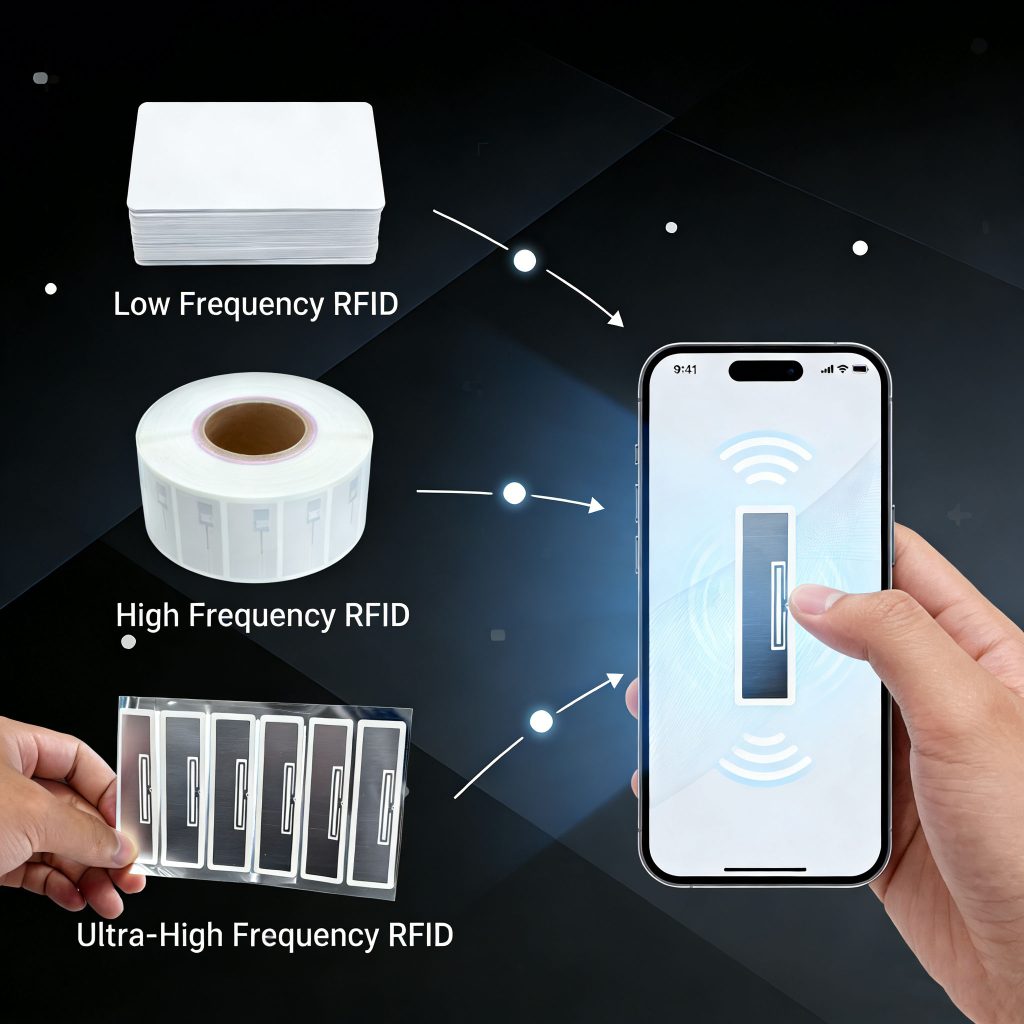
Can an NFC Phone Be Used as an RFID Tag?
First, we need to understand that NFC and RFID are quite similar in some ways, as they both rely on radio frequency communication. However, NFC technology typically works over very short distances, usually just a few centimeters, while RFID can operate over a longer range, depending on the tag type, sometimes even several meters. You’ll find that an NFC phone can indeed serve as an RFID tag in certain cases, especially for short-range, efficient data exchanges like in access control systems or item tracking, where NFC and RFID can practically replace each other.
In my own experience, I’ve tried using my phone as an RFID tag reader, and it works surprisingly well. It’s super easy—if your phone supports NFC, it can read the data from RFID tags. As for the tags themselves, the CYKEO RFID tags are incredibly diverse, with a wide range of options and features. You can select tags based on frequency and material, suited for various application scenarios.
However, sometimes you’ll run into situations where your phone doesn’t support certain RFID tags. After all, there are many different types of RFID tags. For example, low-frequency (LF), high-frequency (HF), and ultra-high-frequency (UHF) tags all have different reading capabilities, so it’s essential to choose the right tags based on your specific needs. Honestly, if you’re managing a large volume of assets, I’d recommend sticking with professional RFID tags because they offer better stability and resistance to interference.
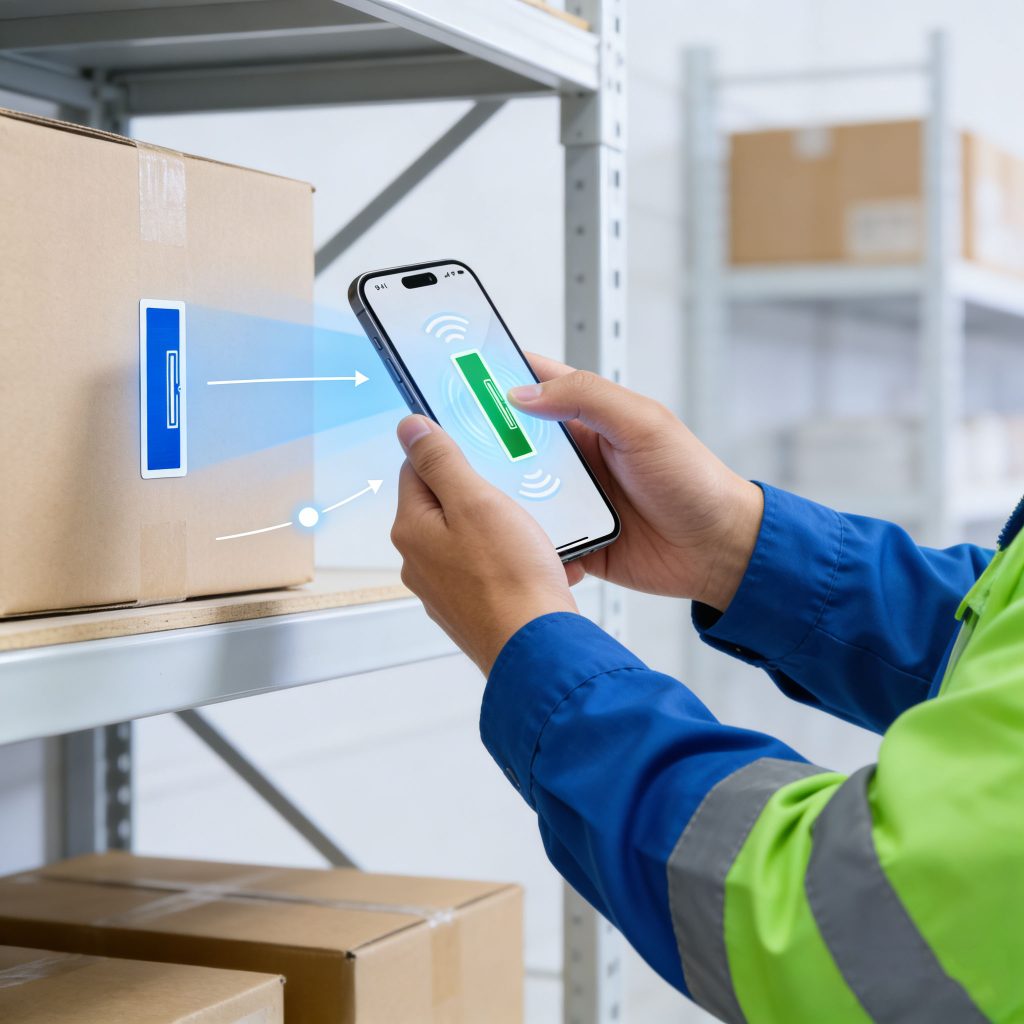
Real-World Applications of RFID Tags
RFID tags are already used across many industries, especially in logistics, warehouse management, and production control, where they provide huge benefits. Sometimes, I even wonder why so many businesses prefer RFID tags. The answer is simple—efficiency. Take warehouse management, for example. If you had to manually scan every single item, it would be a massive time waste. But with RFID, you just need to let the tag and reader “touch,” and you can instantly retrieve all the information, saving time and effort.
You might also wonder if combining RFID tags with NFC phones could improve efficiency even further. The answer is yes, absolutely. By using an NFC phone to read RFID tags, companies can leverage existing infrastructure, making it easier to automate data collection, reduce labor costs, and boost efficiency.
That said, while using an NFC phone to read RFID tags is convenient, there are still some limitations. For instance, the phone’s battery life and its operating system compatibility could impact the user experience. You’ll find that in certain scenarios, specialized CYKEO RFID tags designed for enterprise use deliver better performance and reliability.
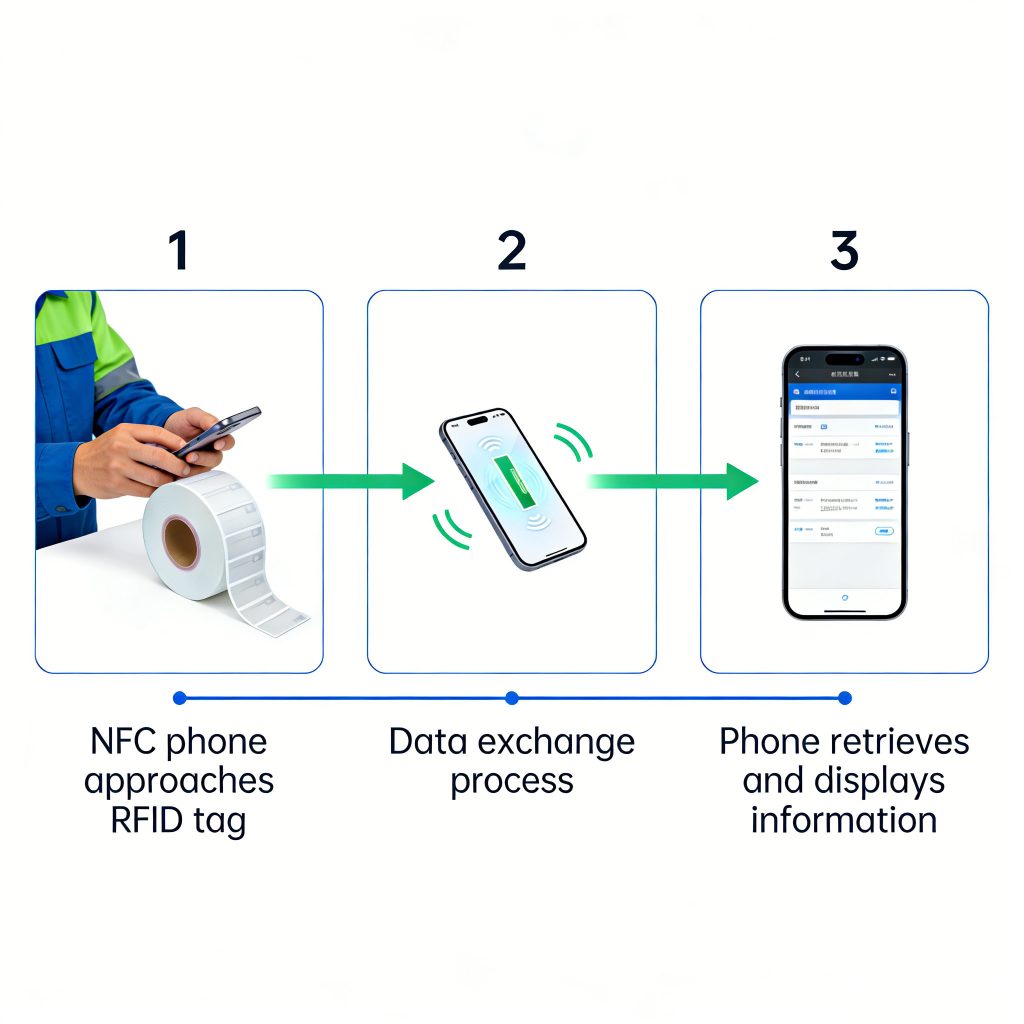
Wrapping Up: The Future of NFC and RFID Tags
I think that NFC phones could become a more common alternative for RFID tags in the future, especially as technology advances and the gap between NFC and RFID narrows. Sometimes, I find myself reflecting on how combining these technologies could lead to unexpected efficiency gains. Future IoT and smart devices will likely need these kinds of cross-over technologies, bringing even more surprises.
In fact, I’ve seen many companies already experimenting with this kind of integrated tech. If you’re looking to improve your asset management efficiency, this article is a good starting point. Learn more about RFID tags and explore how you can combine NFC phones with RFID tags to improve work efficiency and save costs.
If you’re interested in learning more about how NFC phones can be used as RFID tags, check out this detailed article: Can You Use an NFC Phone as an RFID Tag? for more technical details.
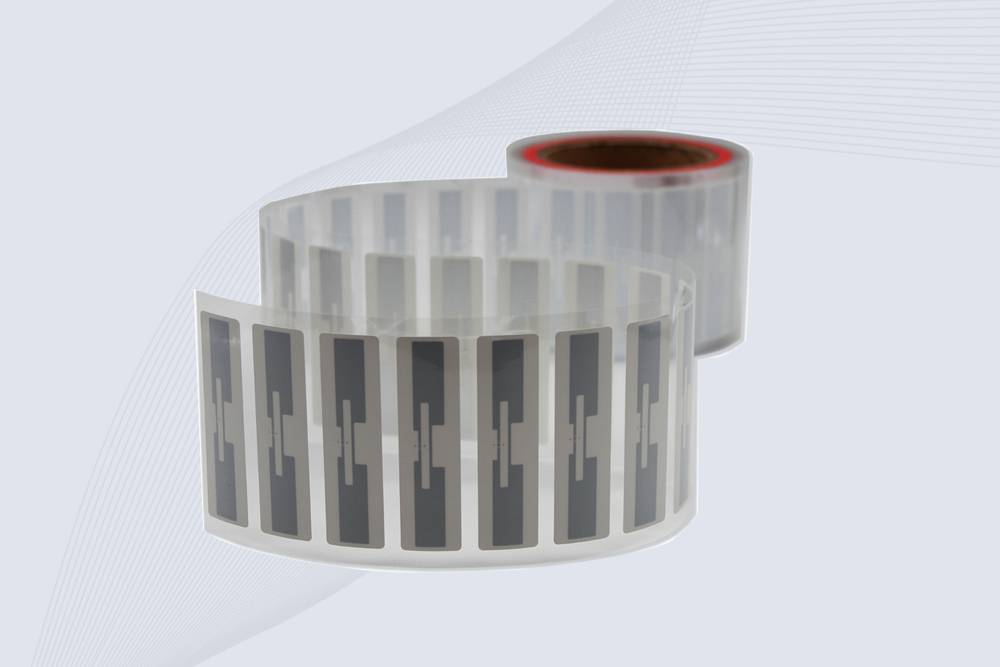
CYKEO Passive RFID Tags are made for wet and high-humidity environments where standard labels do not last. This rfid passive tag is often used around liquids, chemicals and temperature changes, providing stable reading distance and long data life for industrial tracking.
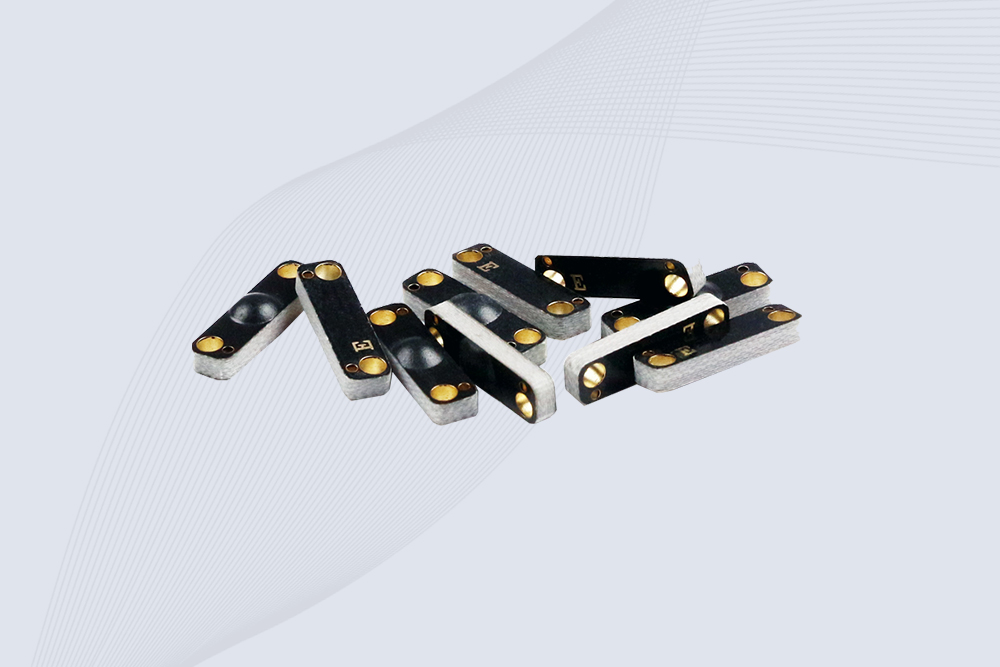
CYKEO CYKEO-PCB1504 Metal RFID Tags is a compact anti-metal UHF RFID solution built for direct mounting on metal surfaces. With stable 8-meter read range, Ucode-8 chip, and long data retention, this rfid metal tag fits tools, containers, automotive parts, and industrial asset tracking.
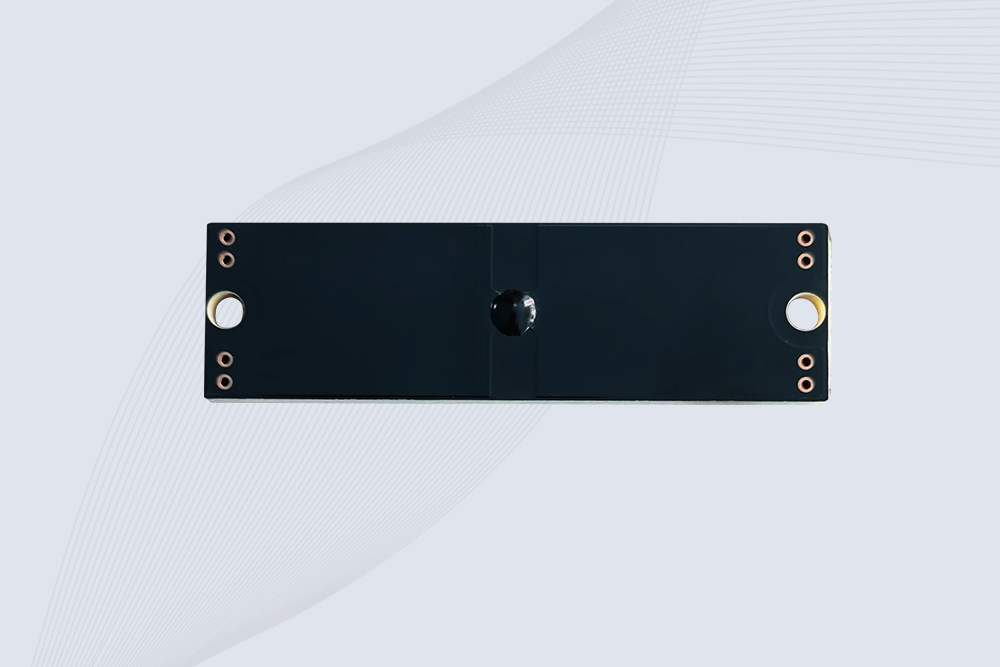
CYKEO CYKEO-PCB7020 On-Metal RFID Tags are designed for reliable tracking on steel and metal surfaces. Built with an FR4 epoxy body and industrial-grade chips, these On-Metal RFID Tags deliver stable performance, long data life, and chemical resistance, making them a dependable RFID anti-metal tag for harsh environments.
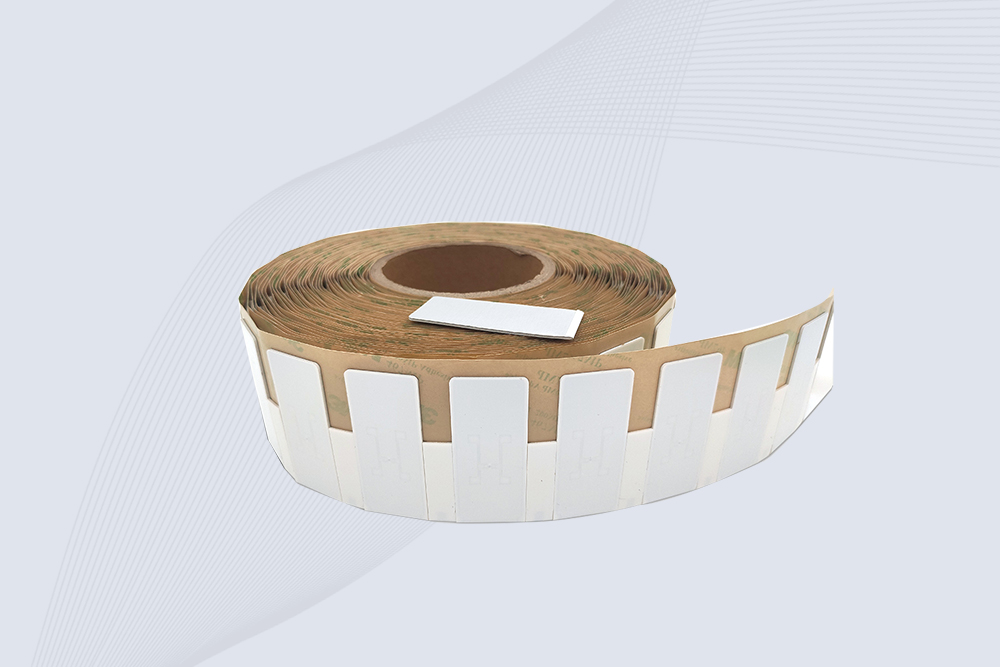
The CYKEO CYKEO-60-25 Anti-Metal RFID Tag is built for metal surfaces where standard tags fail. Designed for long-range performance, harsh environments, and stable data retention, this Anti-Metal RFID Tag is ideal for industrial assets, containers, and equipment tracking using on metal RFID tags.
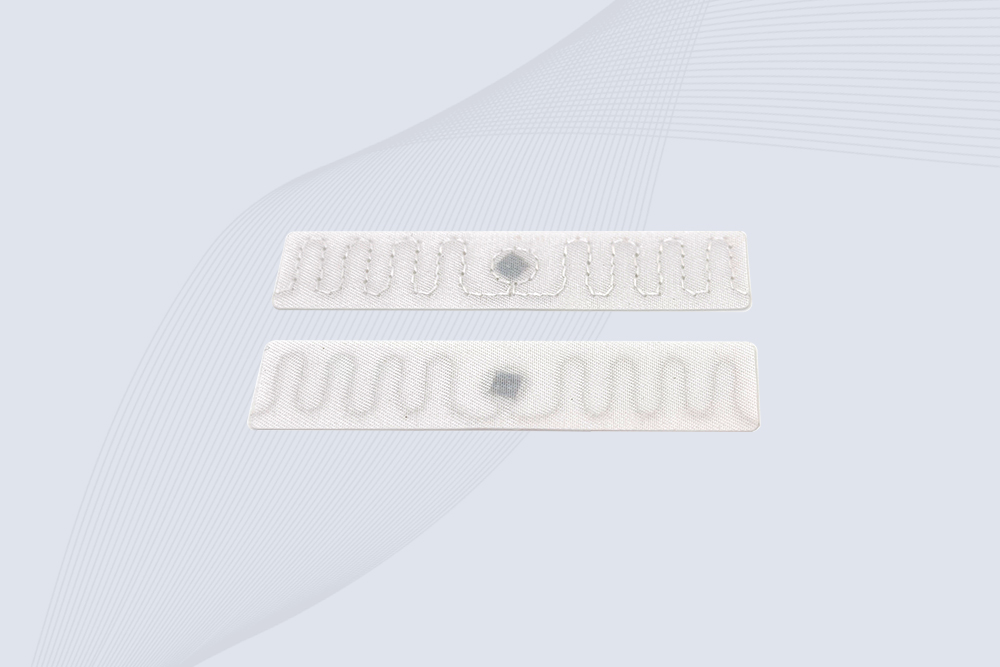
The CYKEO RFID Laundry Tag is designed for long-term textile identification in harsh laundry environments. Built to withstand high heat, chemicals, and repeated washing, this RFID Laundry Tag delivers stable performance for hotels, hospitals, and industrial laundry operations using laundry rfid tags at scale.
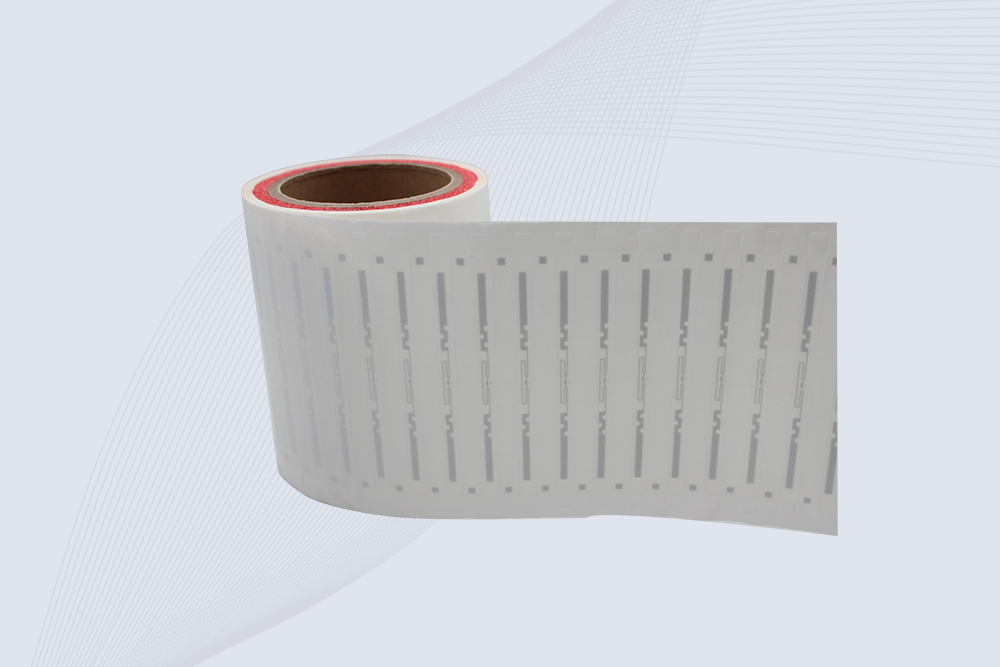
The CYKEO CYKEO-125-7 RFID Book Tag is designed for reliable book and document tracking in libraries and archives. This RFID Book Tag delivers long read range, dense placement support, and stable performance on shelves, making it a practical rfid tag on books for library automation, file management, and archival systems.
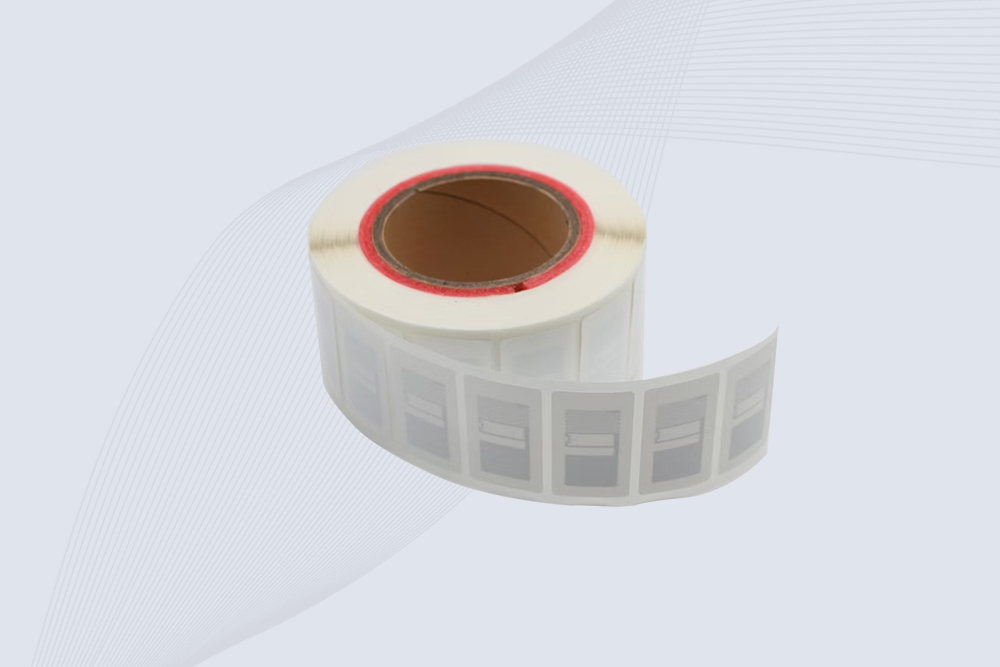
CYKEO RFID tags in hospitals are designed for sterile environments where accuracy matters. These autoclavable RFID tags support long-term tracking of surgical tools, implants, and medications, helping hospitals improve visibility, compliance, and patient safety.

CYKEO RFID Cable Tie Tag is built for reliable identification on metal surfaces. This UHF RFID Cable Tie Tag is widely used in rfid tags for inventory systems, industrial asset management and Hospital RFID Tags, offering stable read performance, long service life and global EPC Gen2 compatibility.
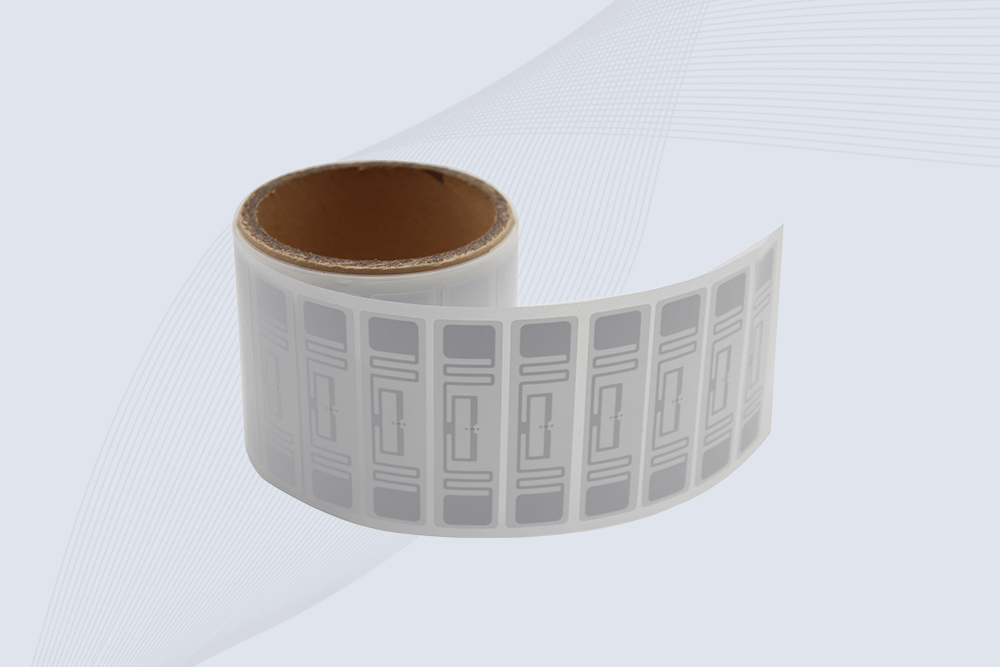
CYKEO RFID Asset Tag is designed for stable identification of metal assets in industrial environments. This UHF RFID Asset Tag is commonly used for rfid tag asset tracking on equipment, tools and containers, providing reliable reads, long service life and ISO/IEC 18000-6C support.
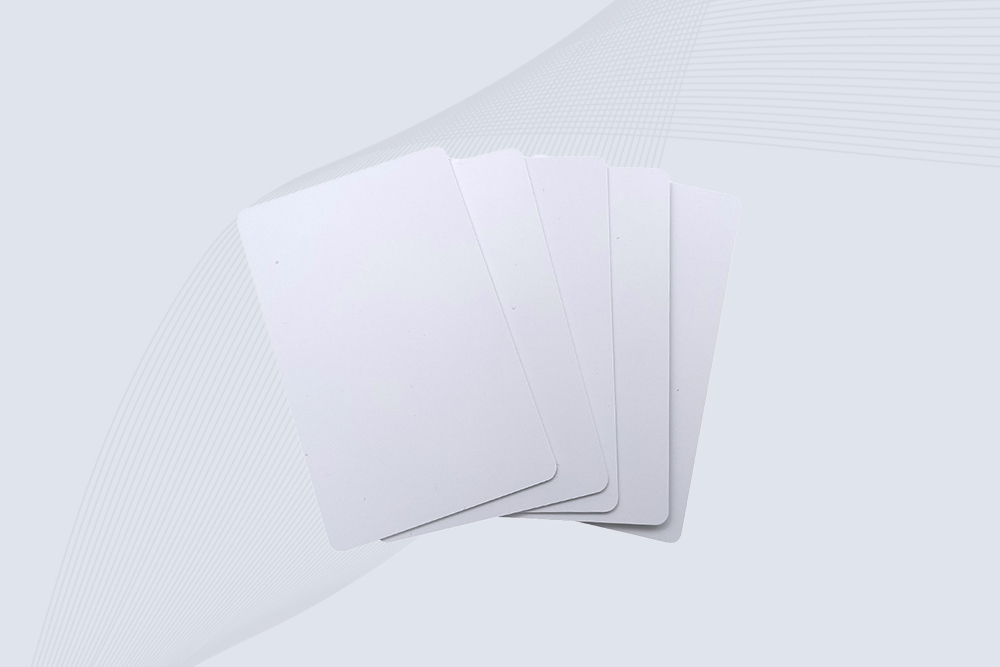
CYKEO UHF RFID Card is designed for fast identification and long-term use in industrial and commercial systems. Supporting ISO 18000-6C, this UHF RFID Card works at 860–960 MHz and is suitable for custom RFID cards used in asset tracking, access control and inventory management.
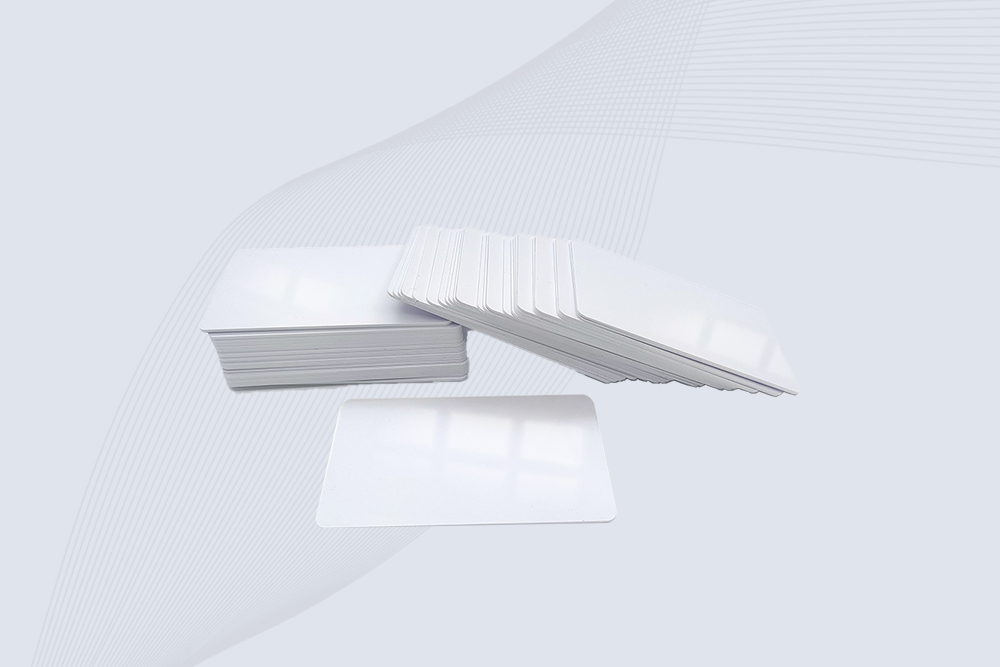
CYKEO HF RFID Cards are designed for secure and stable access control systems. These 13.56 MHz RFID key cards support ISO 14443-A, reliable rewriting and long service life, making HF RFID Cards suitable for offices, campuses, events and membership management.
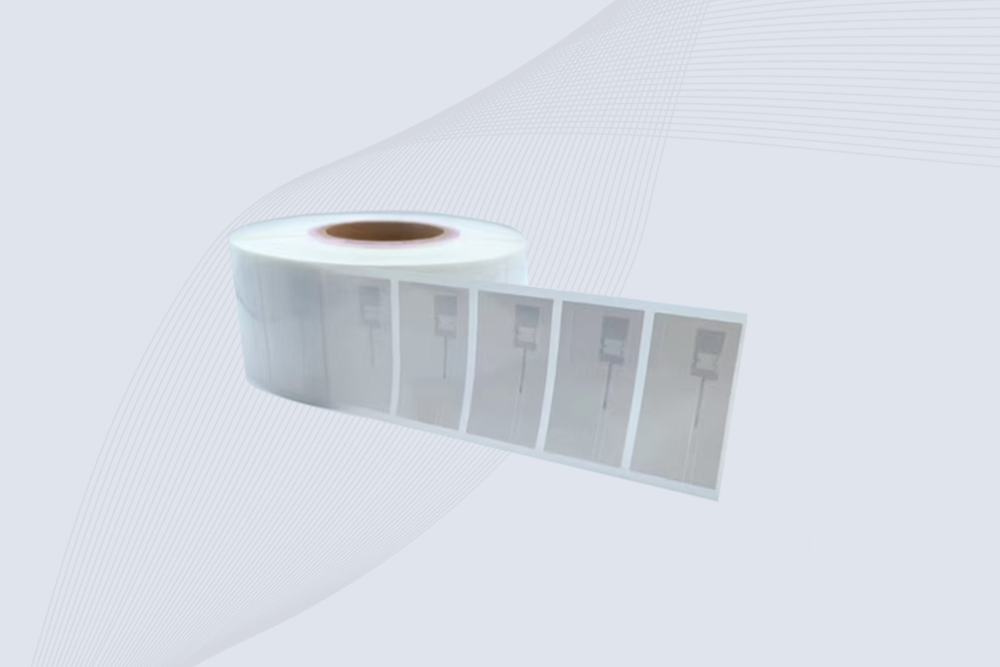
CYKEO UHF RFID Tag is designed for reliable tracking of metal jewelry and high-value items. This Jewelry RFID Tag supports long-range reading up to 8 meters, anti-counterfeit protection and stable performance on metal, making it suitable for retail, inventory control and asset management.
Explore the key uses of RFID card readers, including access control, payments, and inventory tracking. Learn how Cykeo’s RFID solutions enhance security and efficiency.
More
Improve tool control with Cykeo tool tagging system. Track, identify, and manage tools in real time with RFID technology for safer and smarter operations.
More
can rfid tags be reused? Learn when RFID tags can be rewritten, how memory locking affects reuse, and how Cykeo RFID solutions support practical tag management.
More
Explore the working principle of RFID tags: energy transfer, data transmission, and real-world applications. Learn about passive, active, and semi-passive RFID systems.
More