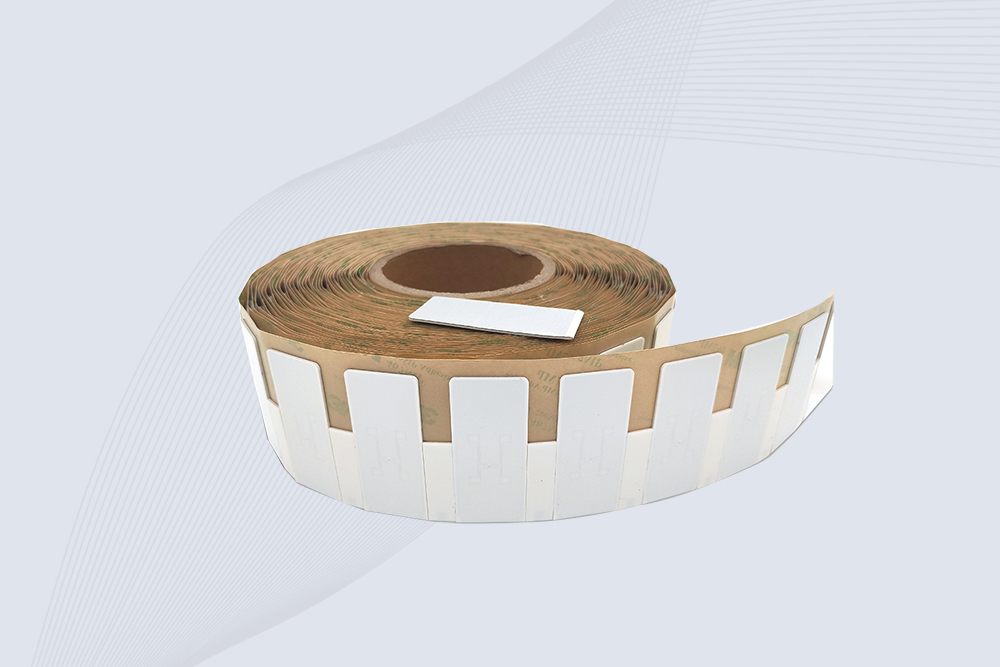
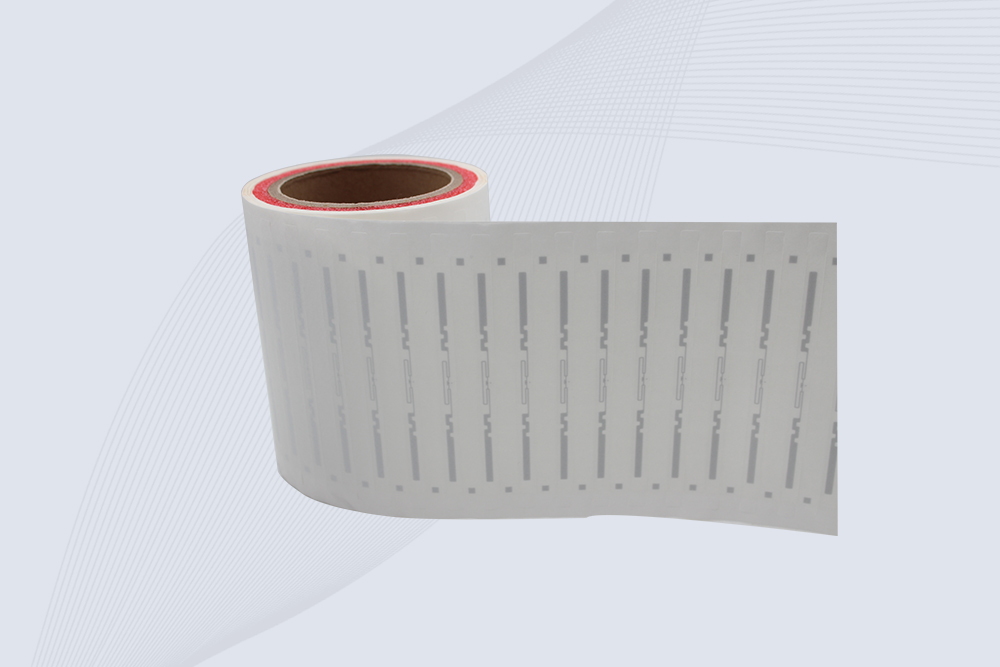
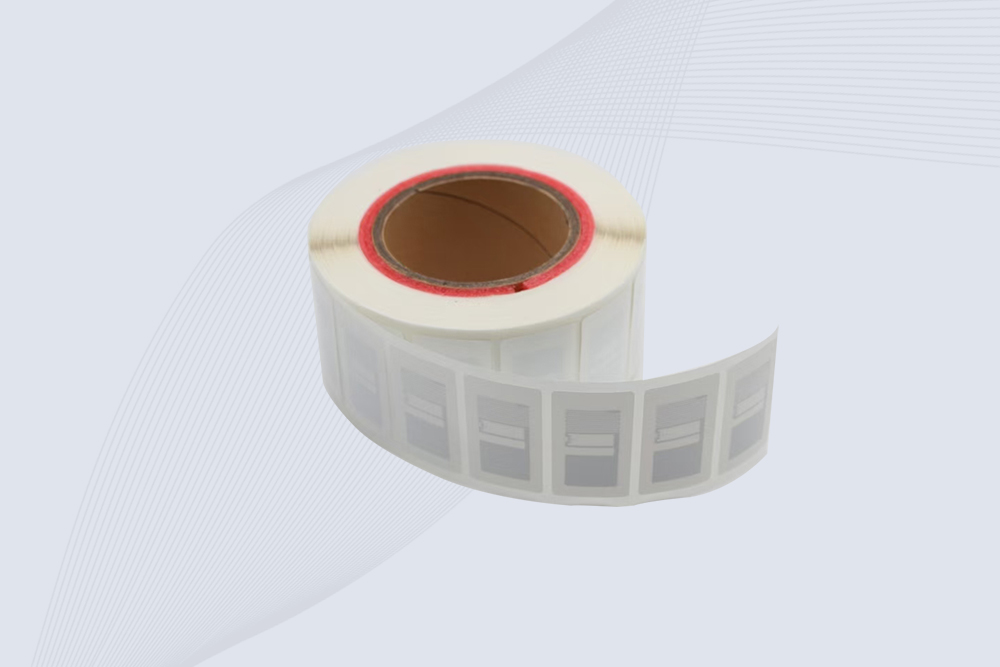
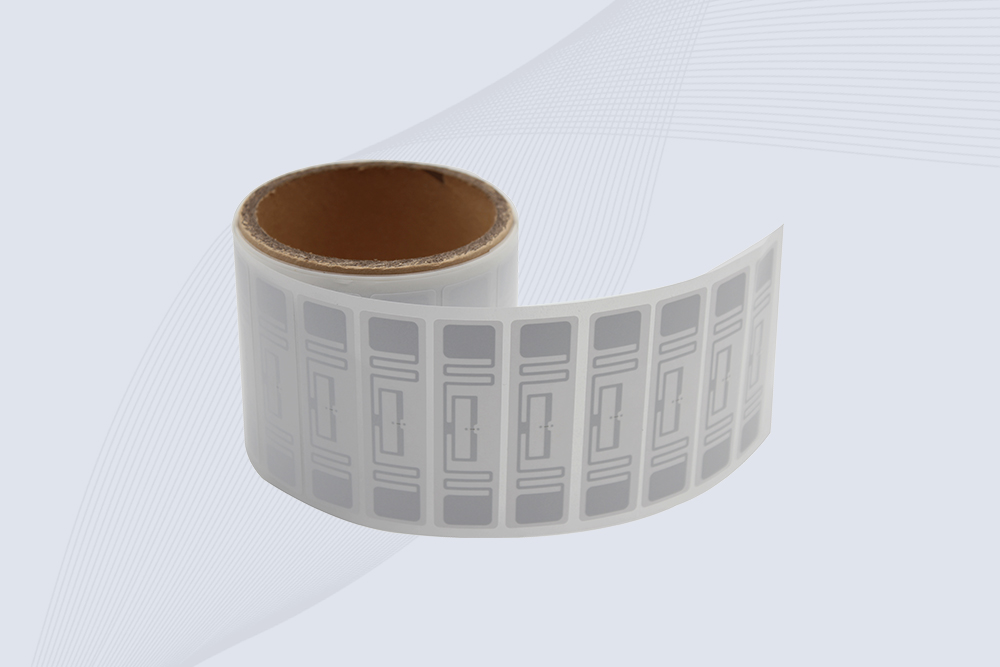
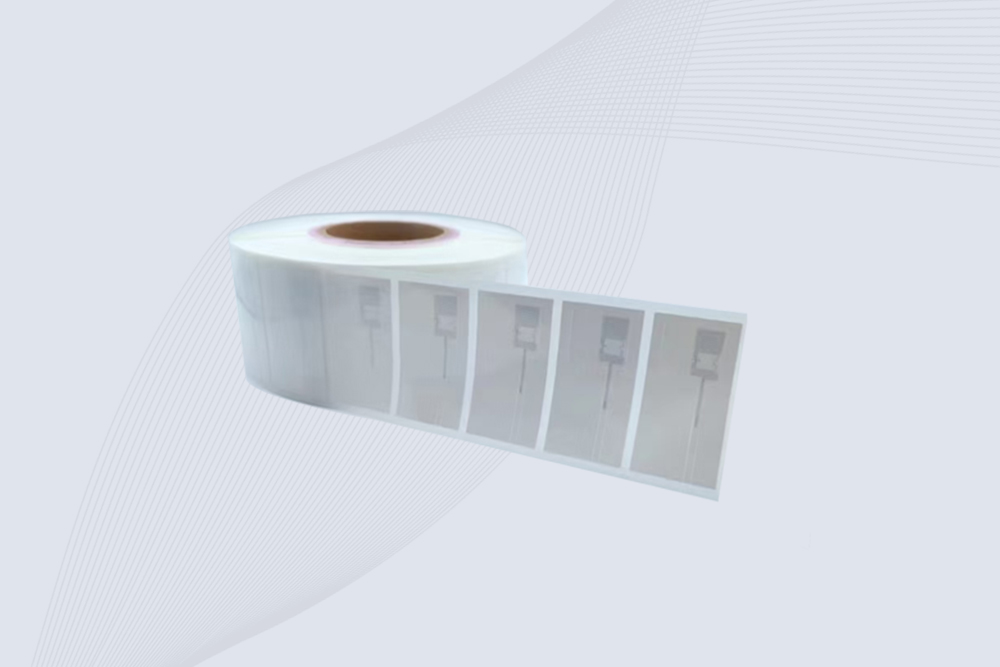
What is the meaning of RFID tag? An RFID tag is a radio-frequency identification device that uses a chip and antenna, or another compatible radio-frequency design, to communicate identification data to a reader. It helps businesses identify, track, and manage tagged items without requiring direct visual contact or manual barcode scanning.
RFID tags appear on retail products, reusable containers, library books, industrial tools, pallets, and many other assets. Their job is not always to store a large amount of information. In many systems, a tag supplies an identifier that software connects to a product record, location, ownership status, or inventory entry.
That distinction matters. A tag is only one component of an RFID system. The reader, antenna, software, tag placement, and operating environment determine whether the information can be captured reliably.
What Does RFID Mean in RFID Tag Technology?
RFID stands for Radio Frequency Identification. It describes a technology that uses radio waves to identify objects or retrieve supported data from electronic tags.
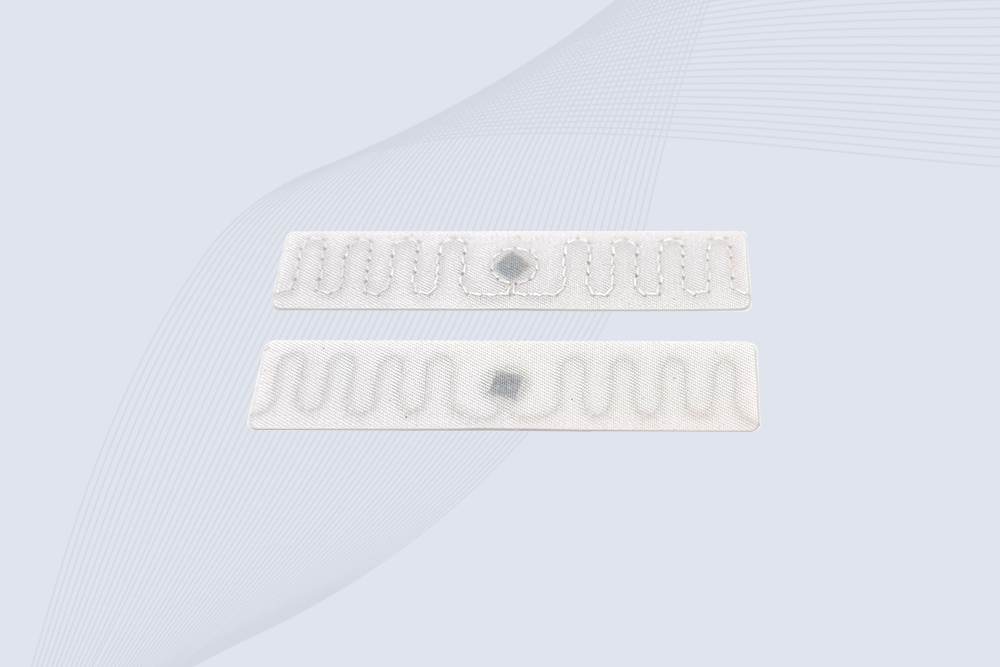
A typical RFID tag includes two important components:
Chip: Stores an identifier and, depending on the tag, additional information or security-related data.
Antenna: Enables the tag to receive radio-frequency signals and communicate with a compatible reader.
These components are often embedded in a label, plastic housing, card, textile insert, or rugged industrial enclosure. Some tags are designed for inexpensive disposable labels, while others are built to withstand repeated handling or demanding working conditions.
Unlike a printed barcode, an RFID tag does not generally need to be positioned directly in front of a scanner. The reader communicates with the tag through radio waves, although materials, orientation, interference, and system configuration can affect the result.
An important point for procurement teams: RFID does not describe one universal tag format. A small HF tag designed for a contactless application and a UHF tag attached to a warehouse carton may use different frequencies, protocols, antennas, and readers.
How Does an RFID Tag Work?
An RFID tag works by communicating with a compatible reader. The reader sends a radio-frequency signal, and the tag responds according to its design and supported protocol. The reader captures the response, and connected software processes the resulting identification data.
For a common passive UHF RFID system, the process generally follows these steps:
The reader transmits a signal. Its antenna creates the radio-frequency field needed for communication.
The tag responds. A passive tag obtains operating energy from the reader’s field and uses it to respond.
The reader captures the data. The system identifies the tag or retrieves supported information.
Software updates the relevant record. Depending on the application, the event may update inventory, register an asset movement, or support another workflow.
The software step is easy to overlook. Reading a tag successfully does not automatically confirm that an item has been shipped, that a tool has been returned, or that a product belongs in a particular location. Those outcomes depend on the rules and data connected to the reader.
For example, a warehouse portal may read several tagged cartons as a pallet passes through a controlled zone. The application must still associate those tag identifiers with the correct shipment and determine whether the observed items match the expected list.
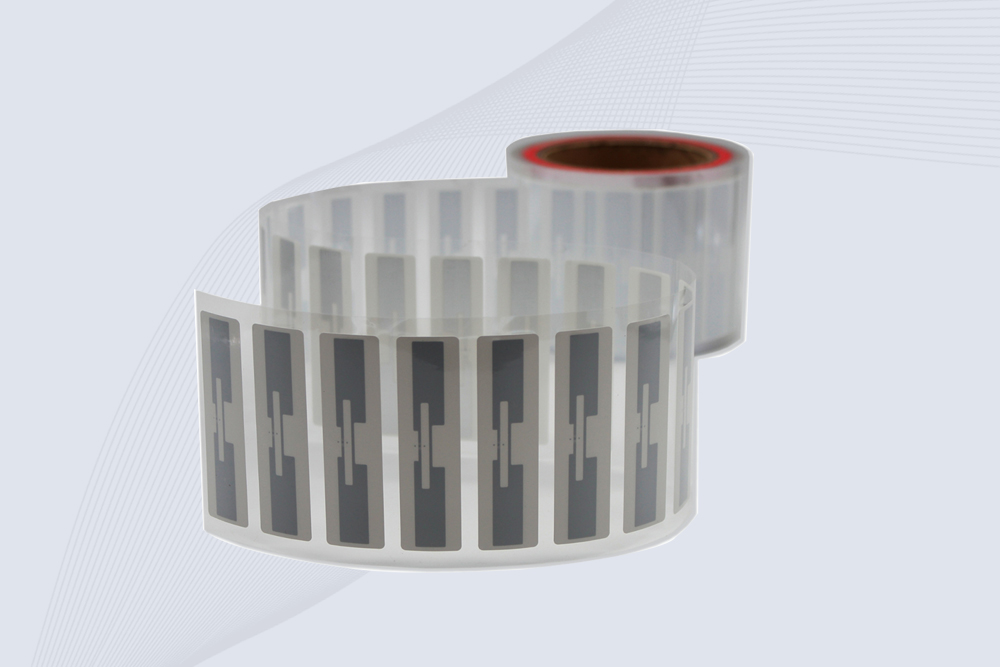
RFID tags allow compatible readers to identify tagged inventory without requiring every label to be scanned individually by line of sight.
What Is an RFID Tag Used For?
RFID tags identify items and provide data that connected systems can use to manage inventory, assets, materials, and workflows. The application depends on the tag type, reader capabilities, and software configuration.
Application
How RFID tags are used
Warehouse inventory
Identify cartons, pallets, and other tagged stock.
Retail operations
Support product identification and inventory visibility.
Asset tracking
Associate equipment with digital asset records.
Libraries
Identify tagged books and support circulation or inventory processes.
Industrial tools
Link tools to records for tracking and controlled workflows.
Laundry and textiles
Identify compatible tagged garments, linen, or reusable textiles.
Logistics
Support item identification at receiving, sorting, and dispatch points.
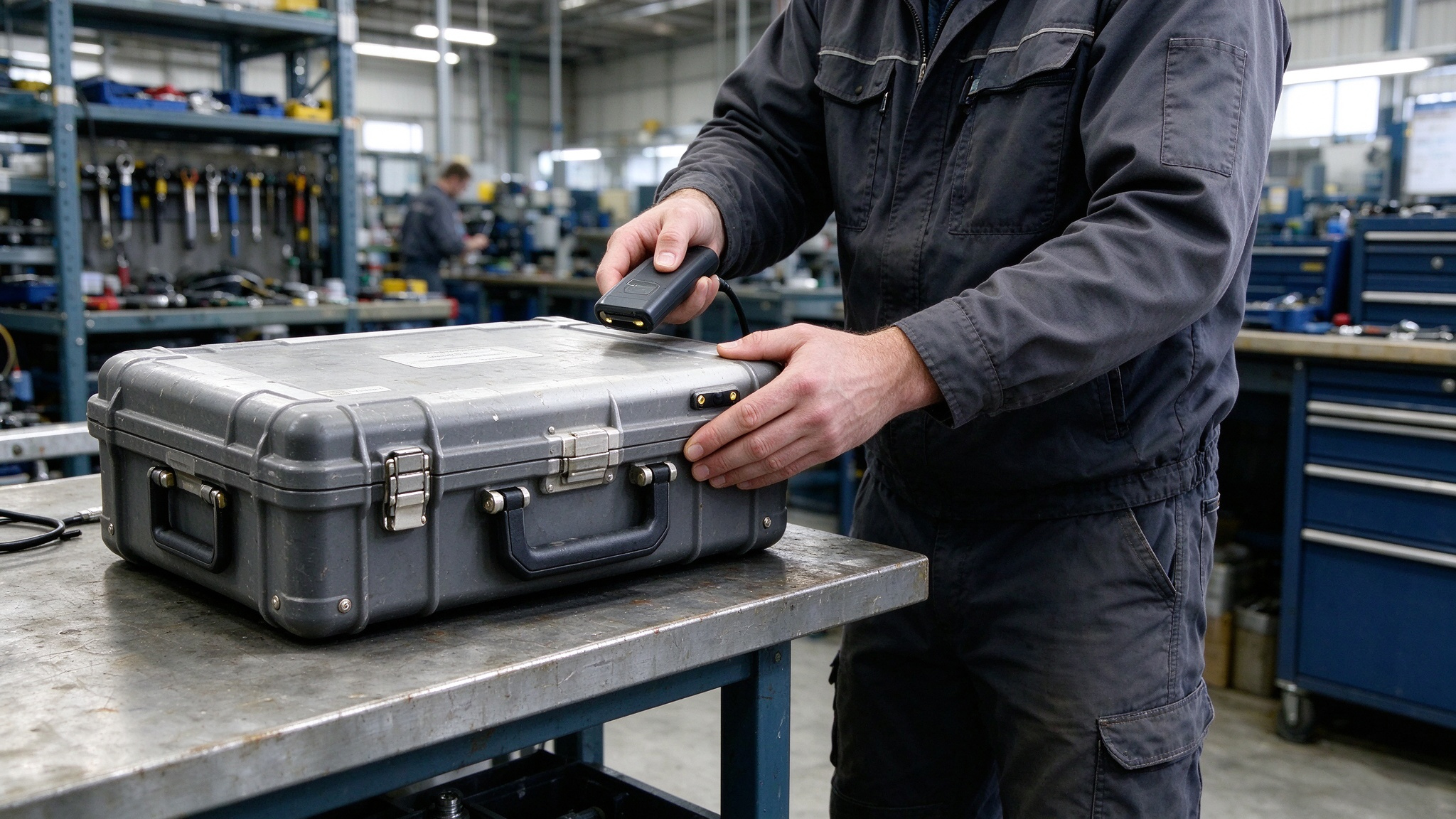
In a tool-management application, for instance, tags can help identify individual tools when they enter or leave a controlled area. The system may compare the detected identifiers with a tool register, helping staff investigate missing items or incomplete returns.
In a warehouse, the challenge is often different. Multiple tags may respond within a short interval, and nearby products may be moving through the reader zone together. Reader placement, antenna direction, tag orientation, and the logic used to associate reads with a particular shipment can matter as much as the tag itself.
RFID Tag Types and Frequency Differences
RFID tags are available in several designs. Frequency, power source, memory, antenna construction, and the material being tagged all influence which design is appropriate.
According to GS1, passive UHF RFID systems commonly operate in the 860–930 MHz range under the EPC Gen2 air-interface standard. This technology is widely used for inventory identification and tracking.
RFID tag type
Typical characteristics
Common applications
LF RFID
Low-frequency communication; typically short range
Selected identification and access systems
HF RFID
Commonly operates at 13.56 MHz
Contactless cards, ticketing, and item identification
A passive RFID tag does not need its own battery. In a passive UHF system, the reader provides operating energy, and the tag responds by modulating the radio signal reflected from its antenna. GS1 documents this operating principle in its system architecture guidance.
An active RFID tag has an onboard power source and can transmit its own signal. Its range and operating characteristics differ from passive designs, and it may be appropriate for applications with different identification requirements.
The right choice is not always the tag with the greatest reading distance. A warehouse may need to distinguish items passing through one doorway without reading inventory on an adjacent shelf. In that setting, controlling the read zone is often more useful than maximizing range.
Rugged RFID tags can link industrial equipment to identification and asset-management records.
Technical Considerations Before Selecting an RFID Tag
RFID performance depends on the entire installation, not just the tag specification. The following checks help reduce avoidable problems during deployment:
Tagged material: Metal surfaces and liquids can affect radio-frequency performance, depending on the frequency and tag design. Specialized tags may be needed.
Orientation: A tag’s antenna position relative to the reader antenna can influence successful reads.
Read zone: Reader power, antenna placement, and surrounding objects affect which tags are detected.
Protocol compatibility: The tag and reader must support compatible air-interface protocols.
Data handling: Confirm whether the system needs only an identifier or additional tag memory and encoding functions.
For passive UHF applications, GS1’s guidance notes that reading distance varies with the environment, reader power, interference, and other system factors. It is therefore more accurate to validate performance under actual operating conditions than to rely on a single advertised distance.
Security also deserves attention. The US National Institute of Standards and Technology published Guidelines for Securing RFID Systems (NIST SP 800-98), covering RFID risks, privacy considerations, and protective measures. Organizations should evaluate the security capabilities of the tag and the wider system against their actual requirements.
Frequently Asked Questions About RFID Tags
1. What is the meaning of RFID tag in simple terms?
An RFID tag is an electronic identification device that communicates with a compatible reader using radio waves. It typically contains a chip and antenna and can be attached to products, equipment, containers, or other assets. The information it provides helps connected software identify items and manage related records.
2. What is an RFID tag used for?
RFID tags are used for inventory management, warehouse operations, retail product identification, asset tracking, library systems, industrial tool management, and logistics. Their function depends on the tag technology and the application connected to the reader. Some tags provide a basic identifier, while others support additional data or security features.
3. How does an RFID tag work without a battery?
A passive RFID tag obtains the energy needed to respond from a compatible reader’s radio-frequency field. Its antenna receives the signal, and the chip responds according to the supported protocol. Active RFID tags work differently because they use an onboard power source.
4. What is the difference between an RFID tag and a barcode?
A barcode represents information in a printed visual pattern and generally requires a scanner to see the code. An RFID tag communicates wirelessly with a compatible reader, so direct visual alignment is not generally required. RFID systems can also identify multiple tags within a reading zone, depending on the technology and configuration.
5. Can RFID tags be read through packaging?
In many applications, RFID tags can be read without opening a package, provided the packaging and surrounding environment allow reliable radio-frequency communication. Metalized packaging, liquids, tag orientation, and nearby materials can affect performance. The correct tag and reader combination should be tested with the actual products and packaging.
6. Do all RFID tags work with the same reader?
No. RFID tags may use different frequency bands, communication protocols, chip technologies, and data formats. A reader must support the relevant technology and configuration. Before purchasing tags in bulk, check the manufacturer’s specifications and test representative tags with the intended equipment.
7. How far can an RFID tag be detected?
There is no single reading distance for all RFID tags. The effective range depends on the frequency, tag antenna, reader power, antenna design, tag orientation, and operating environment. Some applications use close-range identification, while properly configured UHF systems may read tags from considerably farther away. Actual performance should be validated on-site.
Choosing RFID Tags for a Real-World Application
The most suitable RFID tag is the one that performs reliably in the intended environment and works with the existing system. A low-cost label may be suitable for cardboard cartons, while reusable tools, metal equipment, or washable textiles may require a different tag construction.
For a Cykeo RFID project, start by defining three things: what must be identified, where the tag will be installed, and which reader or software platform will process the data.
Then verify the following:
Application: Product inventory, tool control, access management, or another defined workflow.
Tag construction: Label, card, hard tag, or a specialized design for the target material.
Reader compatibility: Supported frequency, protocol, antenna configuration, and data format.
Operating environment: Metal, liquids, temperature, moisture, repeated handling, or other relevant conditions.
Validation: Read performance, identification accuracy, and system integration under actual operating conditions.
An RFID tag’s advertised range alone is not a reliable measure of suitability. In a warehouse, an excessively broad reading zone can capture tags from the wrong pallet. In a tool room, a durable tag that stays attached throughout repeated use may matter more than maximum distance.
For procurement teams and system integrators, a small controlled test using representative tagged items is a practical step before committing to a large deployment.
What Is the Meaning of RFID Tag in Business Operations?
The meaning of RFID tag becomes clearer when viewed as part of a complete identification system. A tag supplies an electronic identity; a reader captures that identity; and software connects the reading to an operational record.
For businesses, that connection can support inventory visibility, asset identification, receiving, dispatch, and equipment management. GS1’s EPC/RFID standards define how identifiers can be encoded and communicated, helping systems exchange identification data in a consistent format.
Cykeo’s RFID solutions cover reader hardware and identification applications. When evaluating a deployment, confirm the required tag technology, reader compatibility, and environmental conditions before selecting equipment.
What is the meaning of RFID tag? It is an electronic identification device that communicates with a compatible reader, allowing connected systems to identify tagged items and use their data in business workflows.
CYKEO Passive RFID Tags are made for wet and high-humidity environments where standard labels do not last. This rfid passive tag is often used around liquids, chemicals and temperature changes, providing stable reading distance and long data life for industrial tracking.
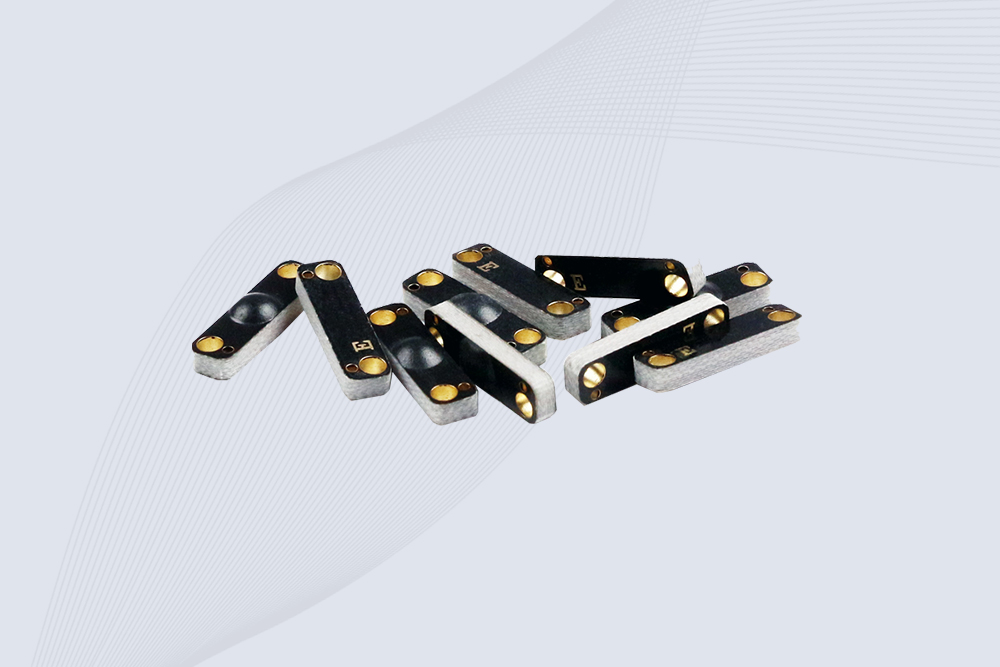
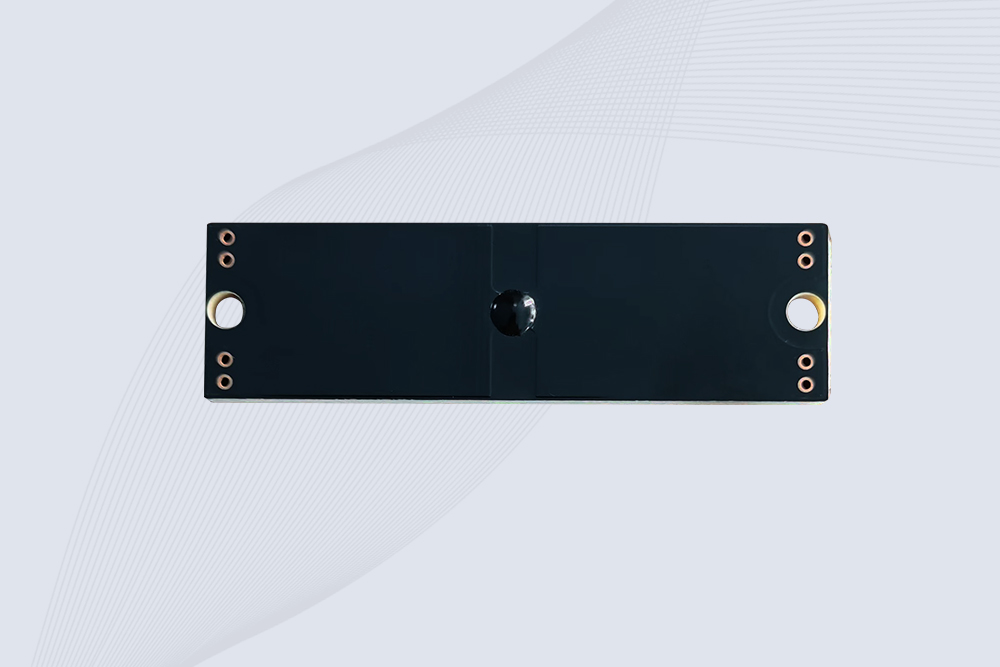
CYKEO CYKEO-PCB1504 Metal RFID Tags is a compact anti-metal UHF RFID solution built for direct mounting on metal surfaces. With stable 8-meter read range, Ucode-8 chip, and long data retention, this rfid metal tag fits tools, containers, automotive parts, and industrial asset tracking.
CYKEO CYKEO-PCB7020 On-Metal RFID Tags are designed for reliable tracking on steel and metal surfaces. Built with an FR4 epoxy body and industrial-grade chips, these On-Metal RFID Tags deliver stable performance, long data life, and chemical resistance, making them a dependable RFID anti-metal tag for harsh environments.
The CYKEO CYKEO-60-25 Anti-Metal RFID Tag is built for metal surfaces where standard tags fail. Designed for long-range performance, harsh environments, and stable data retention, this Anti-Metal RFID Tag is ideal for industrial assets, containers, and equipment tracking using on metal RFID tags.
The CYKEO RFID Laundry Tag is designed for long-term textile identification in harsh laundry environments. Built to withstand high heat, chemicals, and repeated washing, this RFID Laundry Tag delivers stable performance for hotels, hospitals, and industrial laundry operations using laundry rfid tags at scale.
The CYKEO CYKEO-125-7 RFID Book Tag is designed for reliable book and document tracking in libraries and archives. This RFID Book Tag delivers long read range, dense placement support, and stable performance on shelves, making it a practical rfid tag on books for library automation, file management, and archival systems.
CYKEO RFID tags in hospitals are designed for sterile environments where accuracy matters. These autoclavable RFID tags support long-term tracking of surgical tools, implants, and medications, helping hospitals improve visibility, compliance, and patient safety.
CYKEO RFID Cable Tie Tag is built for reliable identification on metal surfaces. This UHF RFID Cable Tie Tag is widely used in rfid tags for inventory systems, industrial asset management and Hospital RFID Tags, offering stable read performance, long service life and global EPC Gen2 compatibility.
CYKEO RFID Asset Tag is designed for stable identification of metal assets in industrial environments. This UHF RFID Asset Tag is commonly used for rfid tag asset tracking on equipment, tools and containers, providing reliable reads, long service life and ISO/IEC 18000-6C support.
CYKEO UHF RFID Card is designed for fast identification and long-term use in industrial and commercial systems. Supporting ISO 18000-6C, this UHF RFID Card works at 860–960 MHz and is suitable for custom RFID cards used in asset tracking, access control and inventory management.
CYKEO HF RFID Cards are designed for secure and stable access control systems. These 13.56 MHz RFID key cards support ISO 14443-A, reliable rewriting and long service life, making HF RFID Cards suitable for offices, campuses, events and membership management.
CYKEO UHF RFID Tag is designed for reliable tracking of metal jewelry and high-value items. This Jewelry RFID Tag supports long-range reading up to 8 meters, anti-counterfeit protection and stable performance on metal, making it suitable for retail, inventory control and asset management.
This article systematically introduces the application value of rfid stickers for inventory in stock management, covering common tag types, functional features, and applicable scenarios to help enterprises select suitable options and improve asset...
Learn how to choose and procure long-range RFID readers for industrial asset tracking. Covers reading distance, throughput, durability, and model recommendations for warehouses, logistics, and production lines.
Discover how RFID laundry tag solutions help hotels improve linen tracking, reduce textile loss, and manage laundry operations more efficiently with automated inventory visibility.
Learn how handheld RF scanners improve RFID inventory management and asset tracking. Discover how mobile RFID scanners help warehouses, retail stores, and hospitals manage assets faster and more accurately.
 Cykeo RFID IoT Solution Products R&D Manufacturer