 Cykeo RFID IoT Solution Products R&D Manufacturer

Can NFC Reader Read RFID Tags? The Real Compatibility Guide.
250Trying to figure out if your NFC reader is enough? We explain exactly which RFID tags an NFC reader can and cannot read, and why it's not a warehouse solution.
MoreAll RFID Product
What is the purpose of an RFID tag? An RFID tag gives an object an electronic identity that a compatible reader can detect using radio-frequency communication. Businesses use tags to identify products, track assets, record item movements, and connect physical objects with digital inventory or management systems.
An RFID tag is not necessarily a miniature database. Many tags primarily provide an identifier that software links to a product record, equipment register, or shipment. Other designs can store additional information, depending on the chip and application.
This distinction matters in practical deployments. A tag may be attached to a cardboard carton, embedded in an access card, fixed to industrial equipment, or integrated into a reusable textile. The physical format changes, but the central purpose remains the same: making identification easier to capture and use in a connected system.
The primary purpose of an RFID tag is to identify an item without requiring a person to scan a visible code individually. When a compatible reader detects the tag, the system can use the captured information to support a business process.
Common applications include:
Consider a warehouse receiving hundreds of cartons. With barcodes, staff generally need to position each code within a scanner’s field of view. An appropriately configured RFID system can detect multiple tags within its reading zone, reducing the need for individual visual scans. Actual throughput depends on the tags, reader configuration, item arrangement, and surrounding environment.
RFID does not eliminate every manual check. Staff may still need to resolve exceptions, inspect damaged goods, or verify a shipment against its expected contents. The benefit is that item identification can become part of the workflow rather than a separate task performed for every object.
An RFID tag works with a compatible reader and software. The reader sends a radio-frequency signal, the tag responds according to its technology, and the system processes the captured identifier or other supported data.
For a typical passive UHF RFID deployment, the process has four stages:
For example, a tagged tool leaving a controlled storage area can be identified by an RFID reader. Software may compare that reading with an authorized tool register and record the event. The tag itself does not automatically know whether the tool has been approved for removal; that decision depends on the connected system.
This is why tag selection and software design should be considered together. A technically readable tag provides limited operational value if the application cannot associate its identifier with the correct asset.

The purpose of an RFID tag determines which design is suitable. Frequency, power source, antenna construction, memory, and environmental resistance all influence how a tag performs.
According to GS1, the EPC UHF Gen2 standard defines air-interface communication for UHF RFID systems used in applications such as product identification and inventory management. See the GS1 EPC UHF Gen2 standard.
| RFID tag type | Main characteristics | Typical purpose |
|---|---|---|
| LF RFID | Low-frequency communication, usually short range | Selected identification applications |
| HF RFID | Commonly operates at 13.56 MHz | Contactless cards and item identification |
| Passive UHF RFID | Uses energy from the reader’s radio field | Warehouse inventory, logistics, and asset tracking |
| Active RFID | Uses an onboard power source | Applications requiring different range or signaling capabilities |
Passive RFID tags are widely used where businesses need to identify many items without maintaining a battery in every tag. Their operating distance varies with the tag antenna, reader, power settings, materials, and installation environment.
A tag attached to a cardboard carton may perform differently from one mounted directly on a metal tool. For metal assets, a purpose-designed on-metal tag may be necessary. For textile management, the tag must also suit the expected handling and washing conditions.
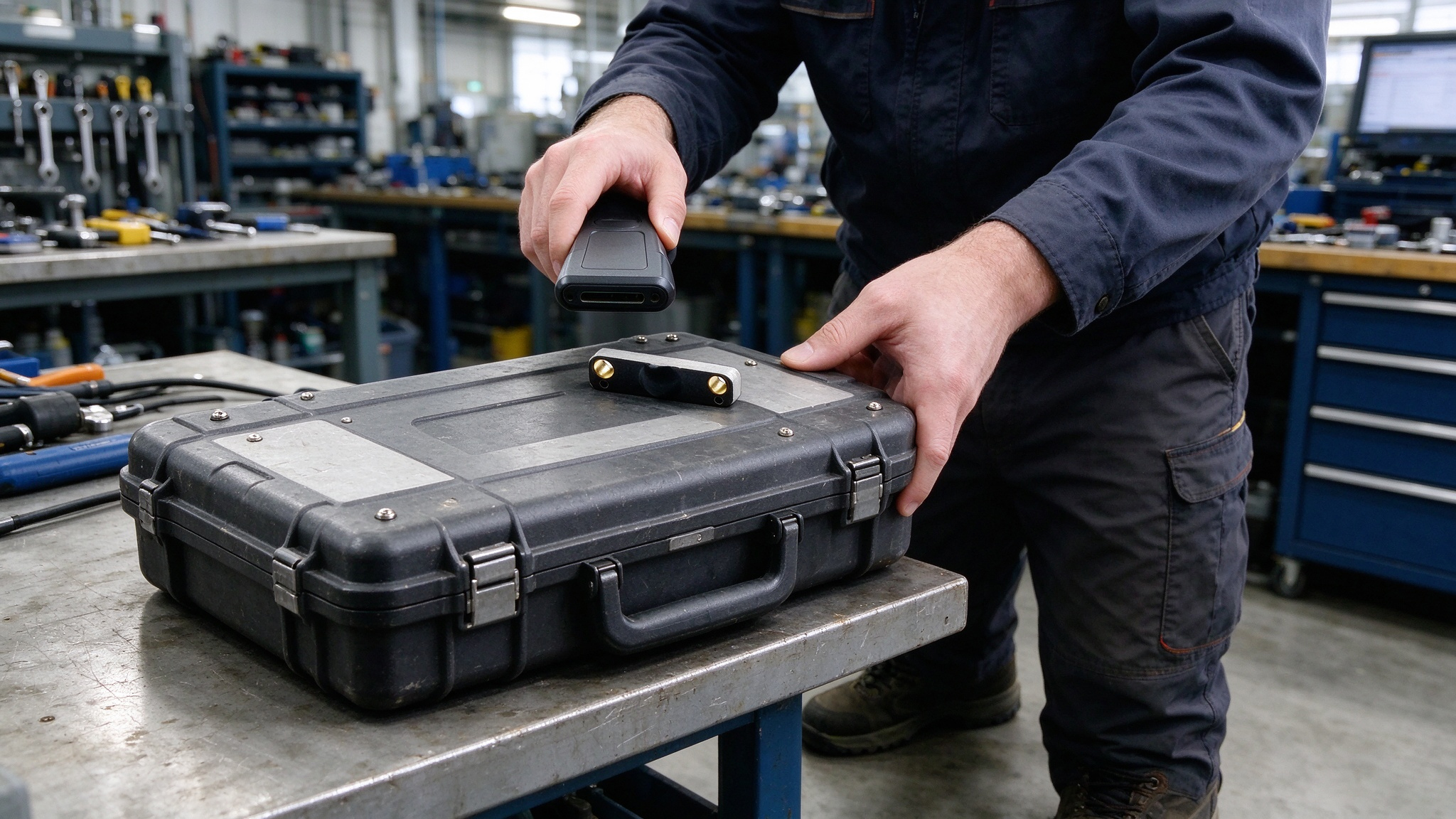
Before selecting tags for a commercial project, check the conditions in which they will be used.
The National Institute of Standards and Technology (NIST) provides guidance on RFID security and privacy considerations in Special Publication 800-98. For sensitive applications, the security capabilities of the tag, reader, and connected software should be assessed together.
For Cykeo customers, a practical evaluation should begin with the identification task and the reader environment. Testing representative tagged items before purchasing in volume helps uncover compatibility and read-zone issues while changes are still manageable.
The main purpose of an RFID tag is to provide an electronic identity that a compatible reader can capture wirelessly. Businesses use this capability to identify products, track equipment, manage inventory, and connect physical items with digital records.
RFID tags allow compatible readers to capture item identifiers without requiring direct visual scanning of each tag. When connected to inventory software, these readings can support receiving, stocktaking, shipment verification, and replenishment workflows. Performance depends on tag placement, reader configuration, and the surrounding environment.
Most passive RFID tags do not need their own battery. They obtain operating energy from a reader’s radio-frequency field and communicate by reflecting or modulating the incoming signal. Active RFID tags have an onboard power source and operate differently.
RFID can support tracking workflows, but a tag does not automatically provide continuous GPS-style location data. Fixed readers can record when tagged items pass specific points, while some active RFID systems support more frequent location updates. The result depends on the technology and infrastructure.
Yes, when the readers support the tag’s frequency, communication protocol, and required data format. Compatibility should be confirmed against manufacturer specifications. A UHF inventory tag, for example, will not automatically work with an HF contactless card reader.
Yes, but ordinary RFID tags may perform poorly when mounted directly on metal. Specialized on-metal tags are designed for these conditions. The appropriate choice depends on the mounting surface, frequency, required read distance, and environmental conditions.
An RFID tag commonly contains an identifier and may include additional data, depending on its chip and configuration. In many business applications, the reader captures the identifier and software retrieves the associated item record from a database. A tag does not necessarily store the complete product or owner record.
The purpose of an RFID tag is to make physical items identifiable through compatible electronic systems. That capability supports inventory management, asset tracking, logistics, retail operations, and industrial workflows by linking tag readings to useful business records.
For a successful deployment, organizations need to consider the tag, reader, software, and operating environment together. The best solution is not necessarily the one with the longest advertised read range; it is the one that identifies the right items reliably at the right point in the workflow.
Cykeo’s RFID solutions support identification and tracking applications that depend on compatible reader hardware and system integration. Confirm the technical requirements of the intended application before selecting specific tags or equipment.
Ultimately, what is the purpose of an RFID tag? It is to give an object a readable electronic identity so a connected system can identify it and use that information to support a defined operational task.
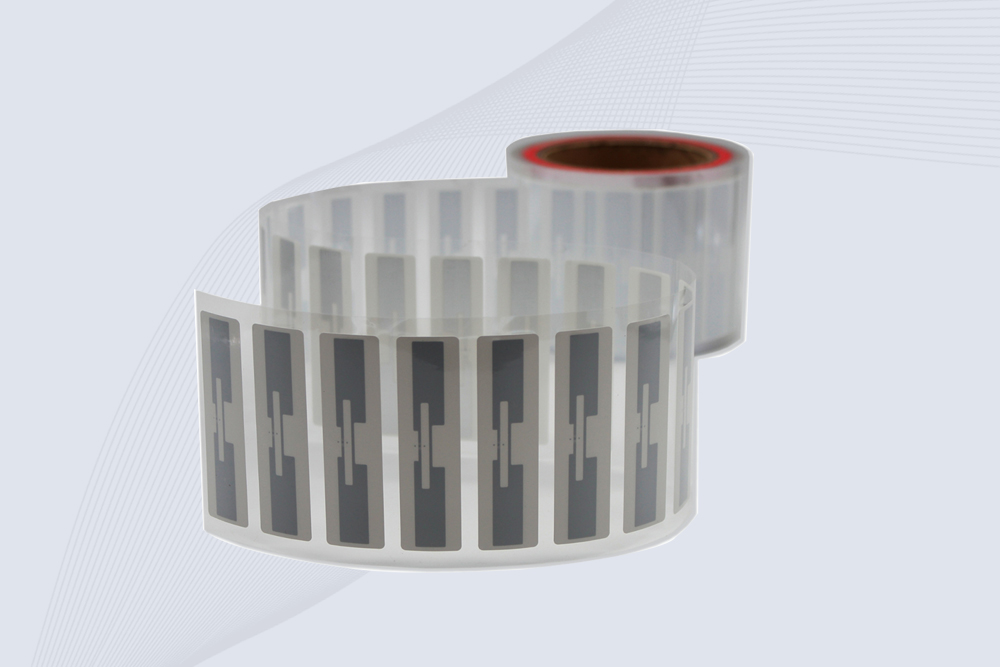
CYKEO Passive RFID Tags are made for wet and high-humidity environments where standard labels do not last. This rfid passive tag is often used around liquids, chemicals and temperature changes, providing stable reading distance and long data life for industrial tracking.
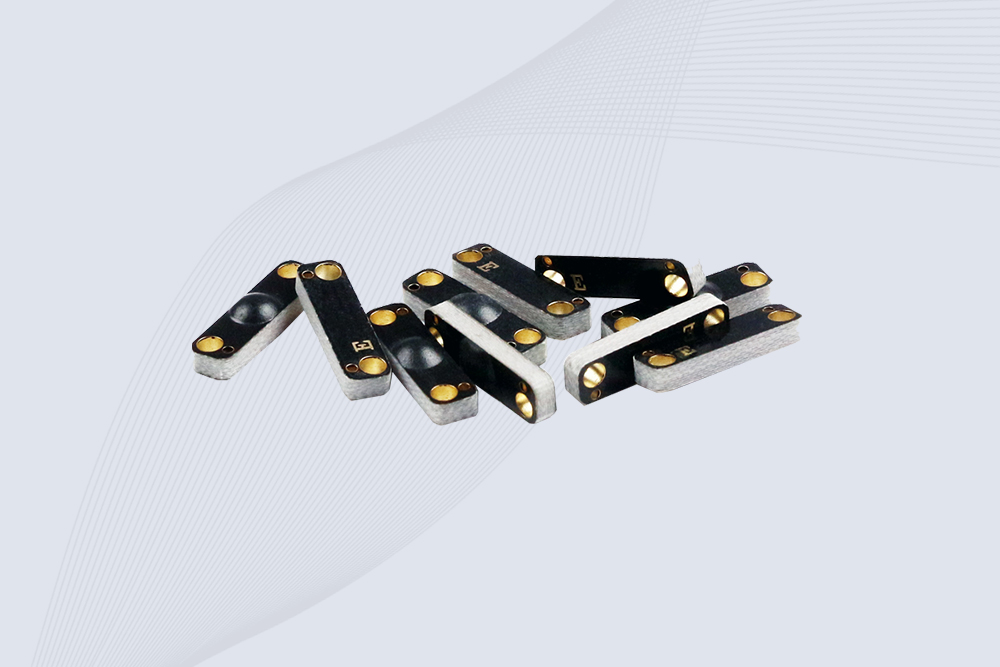
CYKEO CYKEO-PCB1504 Metal RFID Tags is a compact anti-metal UHF RFID solution built for direct mounting on metal surfaces. With stable 8-meter read range, Ucode-8 chip, and long data retention, this rfid metal tag fits tools, containers, automotive parts, and industrial asset tracking.
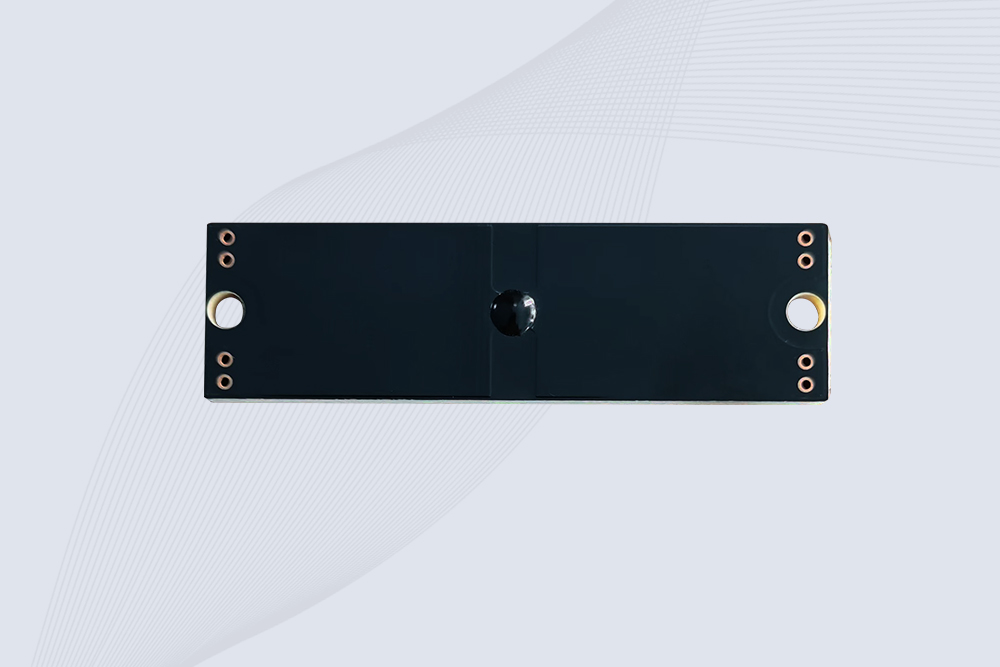
CYKEO CYKEO-PCB7020 On-Metal RFID Tags are designed for reliable tracking on steel and metal surfaces. Built with an FR4 epoxy body and industrial-grade chips, these On-Metal RFID Tags deliver stable performance, long data life, and chemical resistance, making them a dependable RFID anti-metal tag for harsh environments.
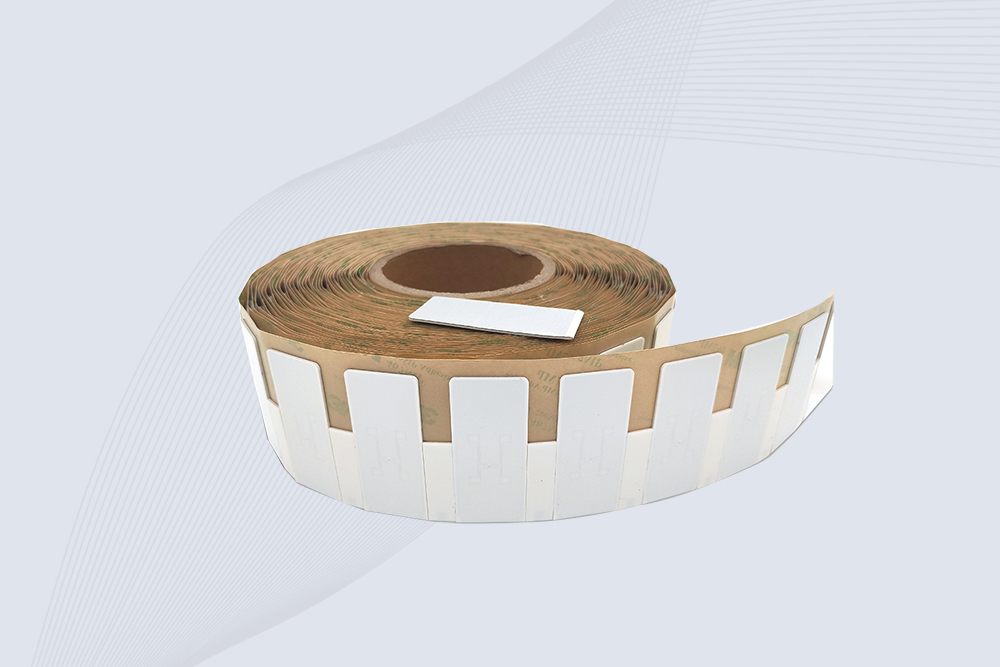
The CYKEO CYKEO-60-25 Anti-Metal RFID Tag is built for metal surfaces where standard tags fail. Designed for long-range performance, harsh environments, and stable data retention, this Anti-Metal RFID Tag is ideal for industrial assets, containers, and equipment tracking using on metal RFID tags.
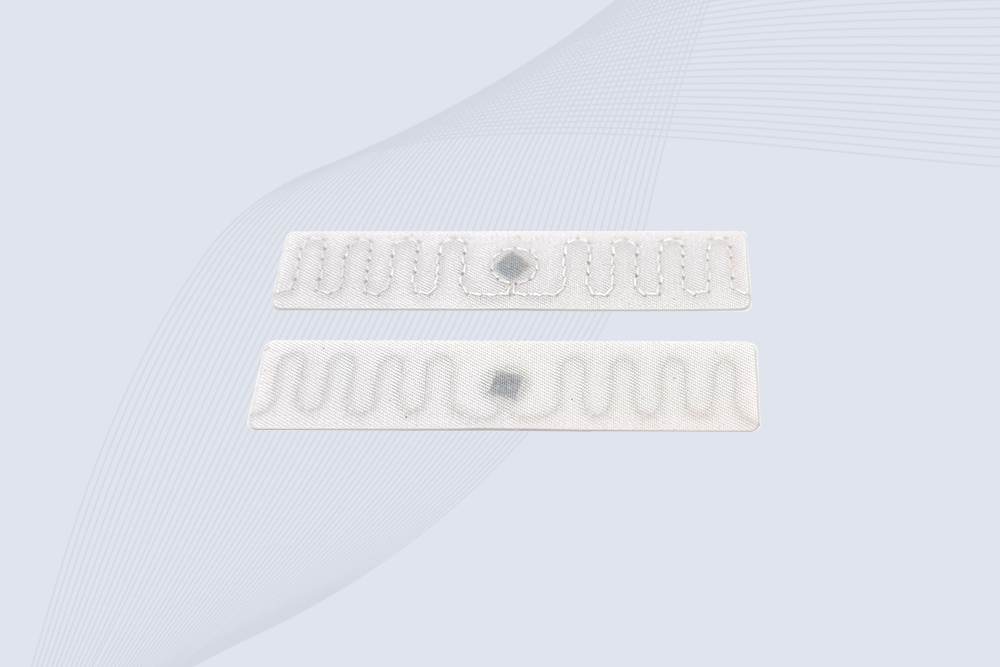
The CYKEO RFID Laundry Tag is designed for long-term textile identification in harsh laundry environments. Built to withstand high heat, chemicals, and repeated washing, this RFID Laundry Tag delivers stable performance for hotels, hospitals, and industrial laundry operations using laundry rfid tags at scale.
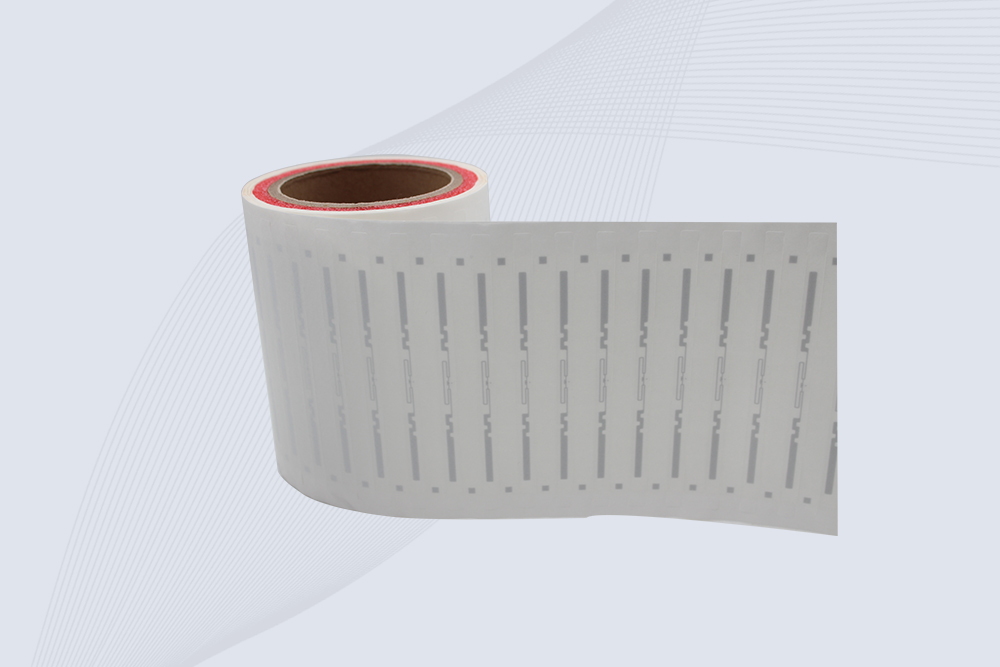
The CYKEO CYKEO-125-7 RFID Book Tag is designed for reliable book and document tracking in libraries and archives. This RFID Book Tag delivers long read range, dense placement support, and stable performance on shelves, making it a practical rfid tag on books for library automation, file management, and archival systems.
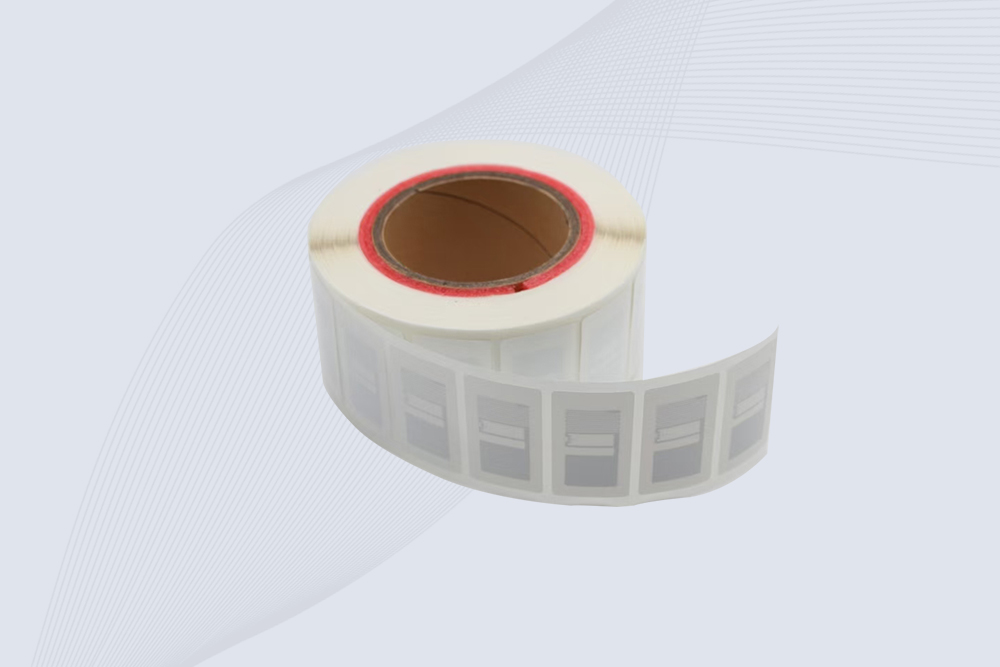
CYKEO RFID tags in hospitals are designed for sterile environments where accuracy matters. These autoclavable RFID tags support long-term tracking of surgical tools, implants, and medications, helping hospitals improve visibility, compliance, and patient safety.

CYKEO RFID Cable Tie Tag is built for reliable identification on metal surfaces. This UHF RFID Cable Tie Tag is widely used in rfid tags for inventory systems, industrial asset management and Hospital RFID Tags, offering stable read performance, long service life and global EPC Gen2 compatibility.
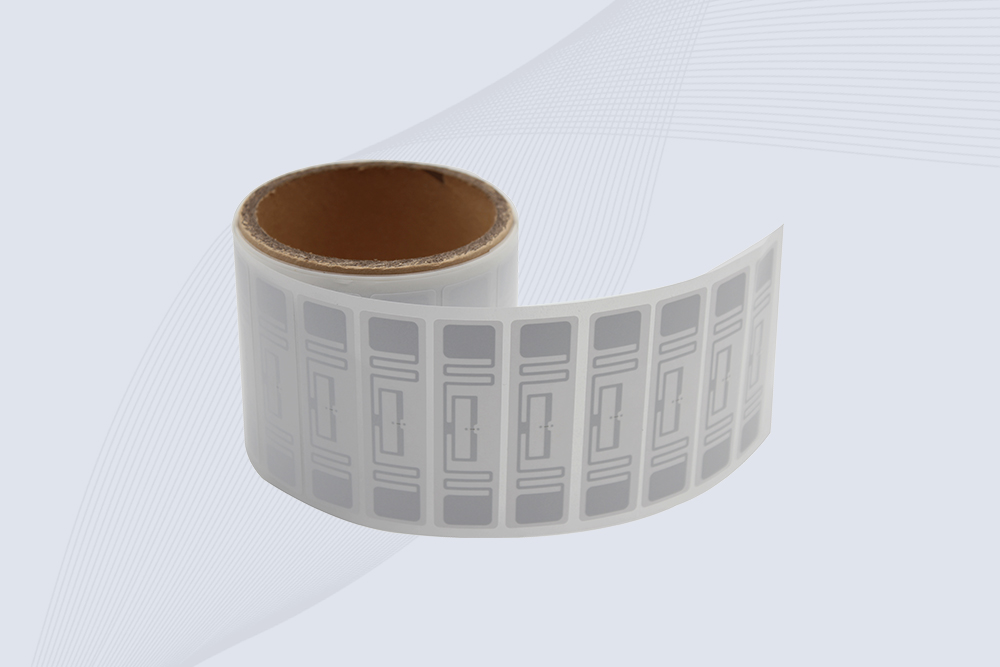
CYKEO RFID Asset Tag is designed for stable identification of metal assets in industrial environments. This UHF RFID Asset Tag is commonly used for rfid tag asset tracking on equipment, tools and containers, providing reliable reads, long service life and ISO/IEC 18000-6C support.

CYKEO UHF RFID Card is designed for fast identification and long-term use in industrial and commercial systems. Supporting ISO 18000-6C, this UHF RFID Card works at 860–960 MHz and is suitable for custom RFID cards used in asset tracking, access control and inventory management.
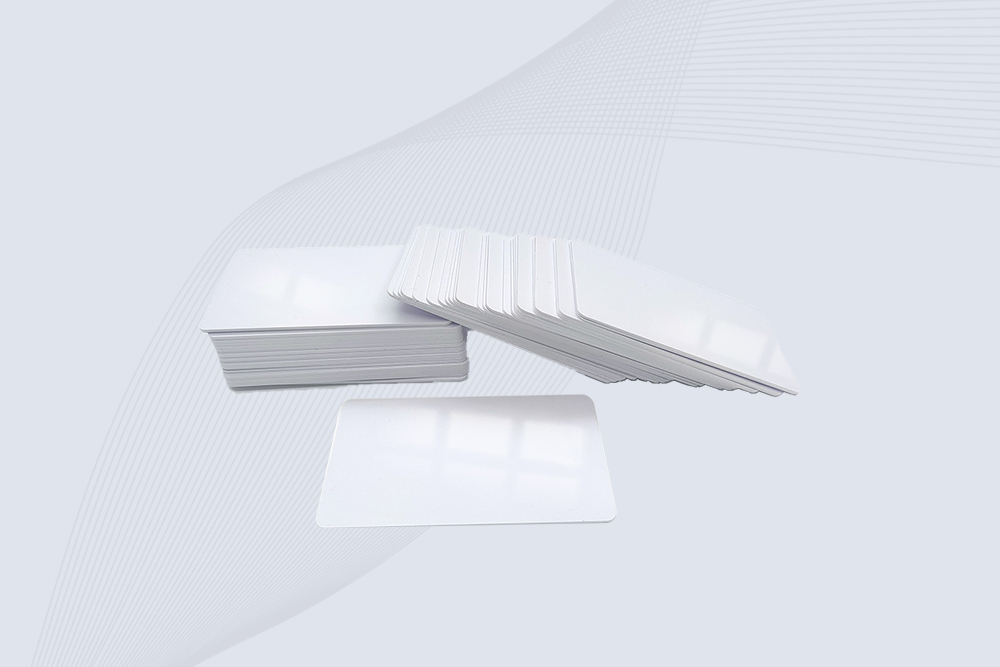
CYKEO HF RFID Cards are designed for secure and stable access control systems. These 13.56 MHz RFID key cards support ISO 14443-A, reliable rewriting and long service life, making HF RFID Cards suitable for offices, campuses, events and membership management.
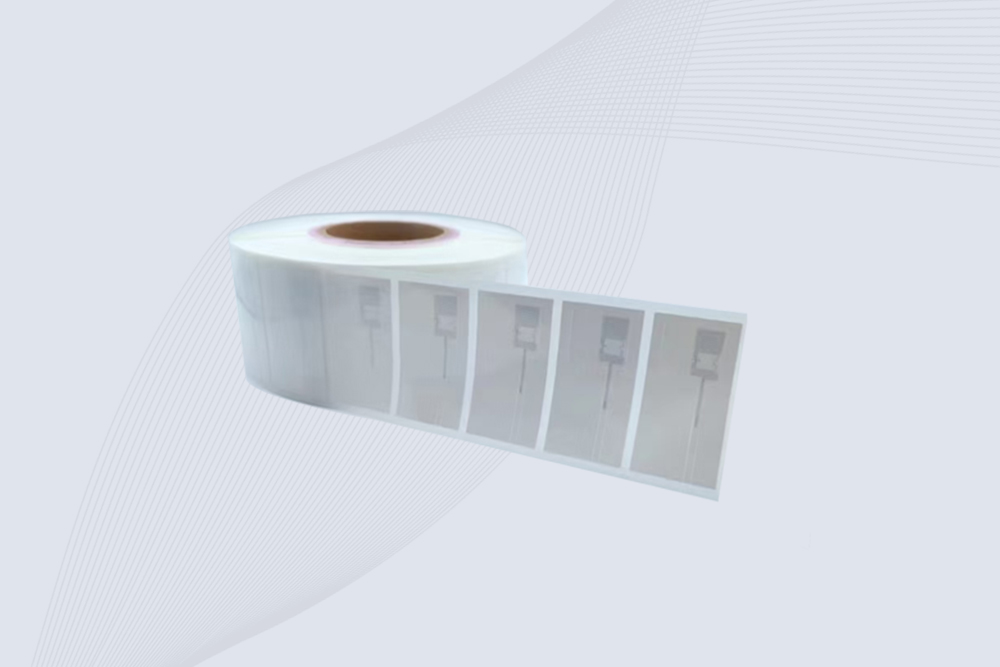
CYKEO UHF RFID Tag is designed for reliable tracking of metal jewelry and high-value items. This Jewelry RFID Tag supports long-range reading up to 8 meters, anti-counterfeit protection and stable performance on metal, making it suitable for retail, inventory control and asset management.
Trying to figure out if your NFC reader is enough? We explain exactly which RFID tags an NFC reader can and cannot read, and why it's not a warehouse solution.
More
Wondering what are barcodes and RFID tags? We explain how each works, their pros and cons, and when to use them. A clear comparison for inventory and asset tracking from CYKEO engineers.
More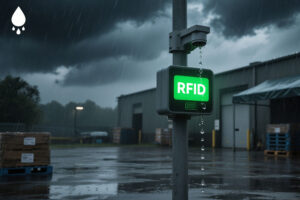
Discover how weather conditions affect long-range RFID reader performance and learn to mitigate rain, snow, and temperature challenges with Cykeo’s rugged solutions.
More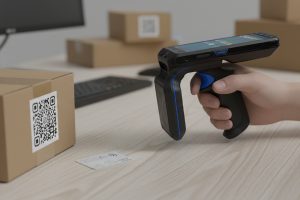
CYKEO CK-B3L is a rugged uhf rfid bluetooth handheld reader with long read range, Android system and stable performance. This UHF RFID Handheld Reader is designed for warehousing, logistics, manufacturing and outdoor field operations.
More