 Cykeo RFID IoT Solution Products R&D Manufacturer
Why Your IoT Device Needs a Low-Power RFID Module (and How to Select One)
829Discover why low-power RFID modules are critical for IoT devices and learn how to select the right one for battery life, efficiency, and seamless integration.
MoreAll RFID Product
You walk through a warehouse door and every pallet gets counted automatically. You hold a card near a reader and the door unlocks. You wave a handheld across a shelf and instantly know what needs restocking.
All of these moments depend on the same underlying technology—RFID readers. But what actually happens inside that box on the wall or that device in your hand?
Here is the thing. When people search what is rfid reader technology, they usually want to understand not just what the device does, but how it does it. The radio waves, the chips, the protocols—the invisible magic that makes RFID work.
Let me explain the technology behind RFID readers in plain terms.
RFID reader technology is the combination of hardware and software that enables a device to communicate with RFID tags using radio waves, extracting identification data and sometimes writing new information back to the tags .
At its core, an RFID reader is a specialized radio transceiver. It transmits energy and commands, listens for faint responses from tags, decodes those responses, and passes the information to a computer system . Think of it as a translator that speaks the language of radio to tags and then translates their replies into data your systems can understand.
When you trigger an RFID read, a precise sequence of events happens in milliseconds :
Step 1: Energy Transmission
The reader’s antenna emits a continuous radio frequency wave at a specific power level. For UHF systems, this is typically in the 860-960 MHz range . This wave fills the space around the antenna, creating an electromagnetic field that extends as far as the reader’s power and antenna design allow.
Step 2: Tag Activation
Passive tags have no battery. They harvest energy from the reader’s radio waves through their own antenna . The captured energy is rectified into DC power that wakes up the tag’s tiny microchip. This is why passive tags can last decades—they only power on when a reader energizes them.
Step 3: Command and Response
Once powered, the tag listens for commands from the reader. The reader might ask all tags in range to identify themselves. The tag responds by modulating the reflection of the reader’s carrier wave—a technique called backscatter modulation . It essentially flickers the signal in a pattern that encodes its unique ID and any stored data.
Step 4: Reception and Decoding
The reader’s antenna captures these faint, modulated reflections. The radio frequency module inside the reader filters out the original carrier signal, amplifies the weak tag response, and demodulates it to extract the digital data . This is where receiver sensitivity matters—better sensitivity means hearing weaker signals from farther away.
Step 5: Anti-Collision Processing
If multiple tags respond at once, their signals would normally collide and become unreadable. The reader’s technology includes sophisticated anti-collision algorithms (often based on time-division multiple access) that sort out the responses, allowing hundreds of tags to be read per second .
Step 6: Data Delivery
Finally, the reader sends the collected tag data to a host system via its communication interface—USB, Ethernet, Wi-Fi, Bluetooth, RS232, or others . Some readers also perform local filtering, formatting, or decision-making before forwarding data.
An RFID reader is not a single component but a system of specialized modules working together :
The Antenna is the interface between the reader’s electronics and the air. It converts electrical signals into radio waves for transmission, and captures incoming radio waves to convert back to electrical signals . Some readers have built-in antennas; others connect to external antennas via coaxial cables.
The RF Interface Module handles all radio-frequency tasks. On the transmit side, it modulates commands onto the carrier wave and amplifies the signal to the desired power level. On the receive side, it filters, amplifies, and demodulates the weak tag responses . This module’s sensitivity and noise performance largely determine read range.
The Logic Control Module is the brain . Typically built around a microcontroller or microprocessor, it:
The Power Management System regulates voltage and current to all components. For fixed readers, this might be a simple AC/DC converter. For portable readers, it includes battery charging circuits and power-saving modes to extend battery life .
The Communication Interface connects the reader to the outside world. Common interfaces include RS232, RS485, USB, Ethernet, Wi-Fi, and Bluetooth . Some readers also include GPIO for direct control of lights, relays, or sensors.
RFID technology uses two fundamentally different physical principles depending on frequency :
Inductive Coupling is used by Low Frequency (125 kHz) and High Frequency (13.56 MHz) systems. Here, the reader and tag each have coils that act like transformers. The reader’s coil generates a magnetic field; the tag’s coil couples with that field, inducing current to power the tag. Communication happens through load modulation—the tag changes the load on its coil, which the reader detects as a change in current . Range is limited to near-field distances, typically under one meter.
Backscatter Coupling is used by Ultra High Frequency (UHF) systems. The reader radiates electromagnetic waves through the air. The tag antenna reflects a portion of that wave back to the reader, modulating the reflection to encode data . This works at longer ranges—several meters for handhelds, up to 15 meters for fixed readers with high-gain antennas—because it leverages far-field propagation.
Understanding RFID reader technology means knowing what specifications actually matter :
Transmit Power: Measured in dBm or watts. Higher power generally means longer range, but is limited by regional regulations (e.g., 2W ERP in Europe, 4W EIRP in the US).
Receiver Sensitivity: How faint a signal the reader can detect. Measured in dBm, with lower (more negative) numbers indicating better sensitivity. A difference of a few dB can significantly affect read range.
Read Speed: Tags per second. Modern UHF readers achieve 200-500+ tags per second with advanced anti-collision .
Frequency Range: Must match both regional regulations and tag types. UHF readers typically cover 860-960 MHz with software-selectable sub-bands .
Protocol Support: The reader must support the protocols used by your tags—ISO 18000-6C (EPC Gen2) for most UHF tags, ISO 14443/15693 for HF tags .
Antenna Ports: Fixed readers often have multiple ports (4, 8, even 16) for connecting external antennas to cover different zones .
You might hear RFID readers called “interrogators.” This is actually the more technically accurate term from the ISO standards . An interrogator does exactly what the name suggests—it interrogates tags, sending queries and receiving responses. The term emphasizes that RFID communication is initiated and controlled by the reader, with tags responding only when asked.
The technological gap is substantial :
| Aspect | RFID Reader Technology | Barcode Scanner |
|---|---|---|
| Communication | Two-way radio, can read and write | One-way optical, read only |
| Line of sight | Not required—works through materials | Required—must see the barcode |
| Multiple items | Hundreds per second | One at a time |
| Data capacity | Up to several KB per tag | Typically 20-100 characters |
| Tag power | Provides energy to passive tags | Tag is just printed ink |
CYKEO RFID readers incorporate the latest advances in reader technology:
What is RFID reader technology? It is the sophisticated combination of radio engineering, digital signal processing, and protocol management that enables automatic identification without line of sight. It transforms raw radio waves into actionable data, connecting physical items to digital systems.
At its heart, an RFID reader is a specialized radio that:
Understanding this technology helps you appreciate why RFID works where other identification methods fail—through boxes, in dirty environments, at distances, and at speeds that make manual scanning obsolete.
CYKEO readers embody this technology in practical, reliable devices. From the CK-B5L handheld that fits in your palm to the CK-R8L fixed reader that powers warehouse automation, the same core technology drives them all: radio waves, smart decoding, and seamless data delivery.
When you are ready to put this technology to work, CYKEO engineers can help you choose the right reader for your specific application.
Need a deeper dive into RFID technology?
CYKEO offers technical white papers and webinars on RFID reader technology. Contact our engineering team for resources or to discuss your specific requirements.
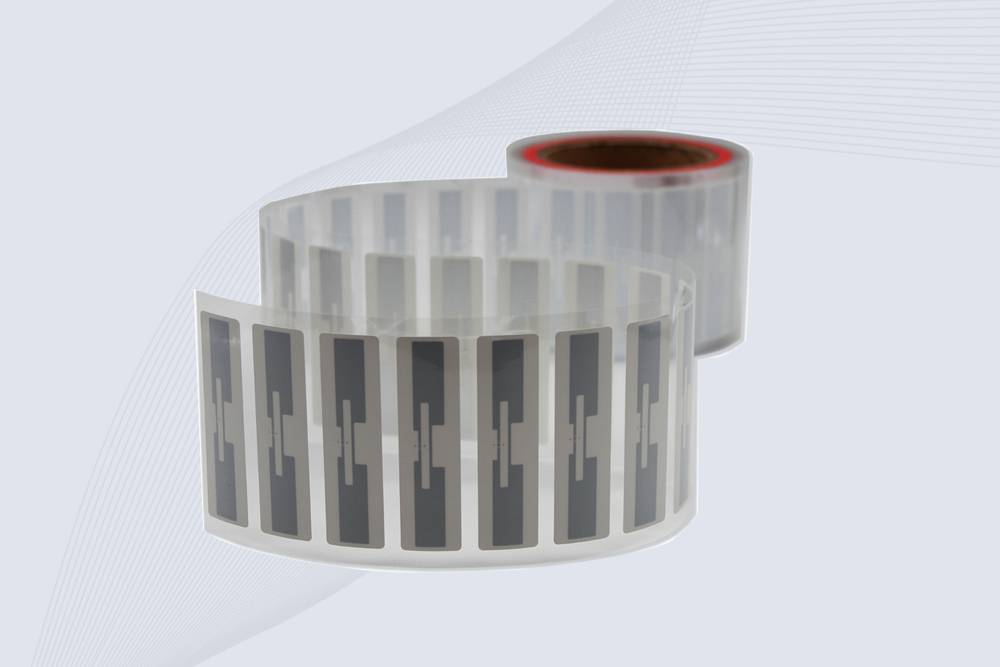
CYKEO Passive RFID Tags are made for wet and high-humidity environments where standard labels do not last. This rfid passive tag is often used around liquids, chemicals and temperature changes, providing stable reading distance and long data life for industrial tracking.
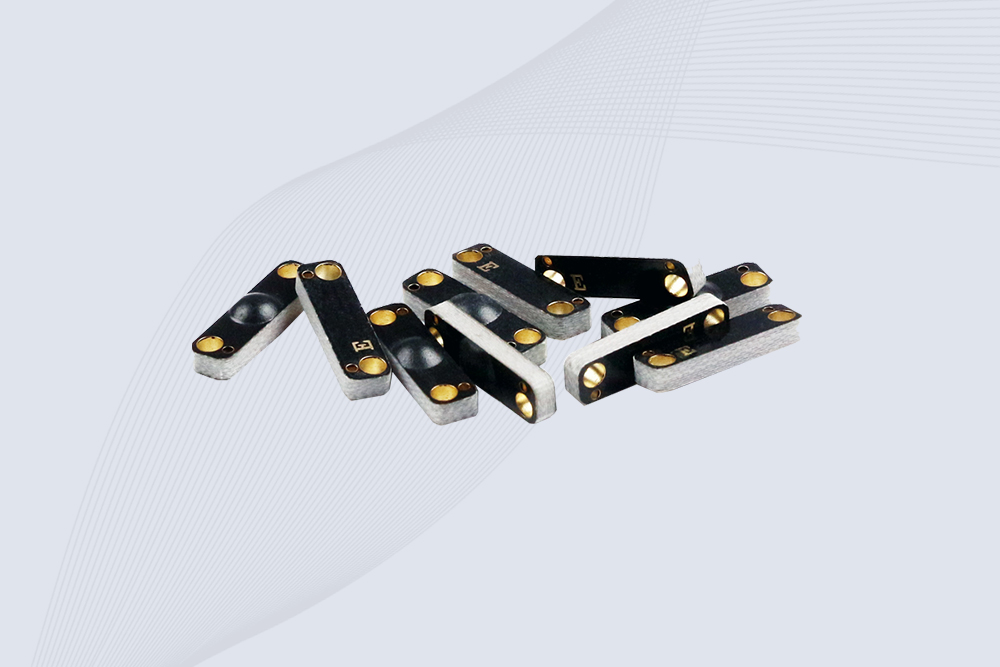
CYKEO CYKEO-PCB1504 Metal RFID Tags is a compact anti-metal UHF RFID solution built for direct mounting on metal surfaces. With stable 8-meter read range, Ucode-8 chip, and long data retention, this rfid metal tag fits tools, containers, automotive parts, and industrial asset tracking.
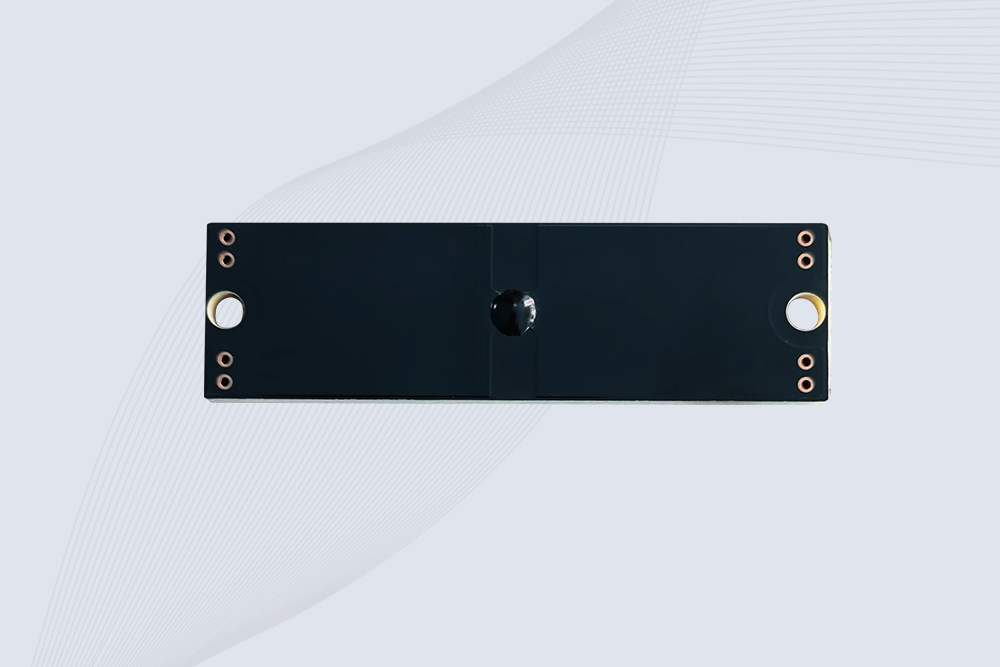
CYKEO CYKEO-PCB7020 On-Metal RFID Tags are designed for reliable tracking on steel and metal surfaces. Built with an FR4 epoxy body and industrial-grade chips, these On-Metal RFID Tags deliver stable performance, long data life, and chemical resistance, making them a dependable RFID anti-metal tag for harsh environments.
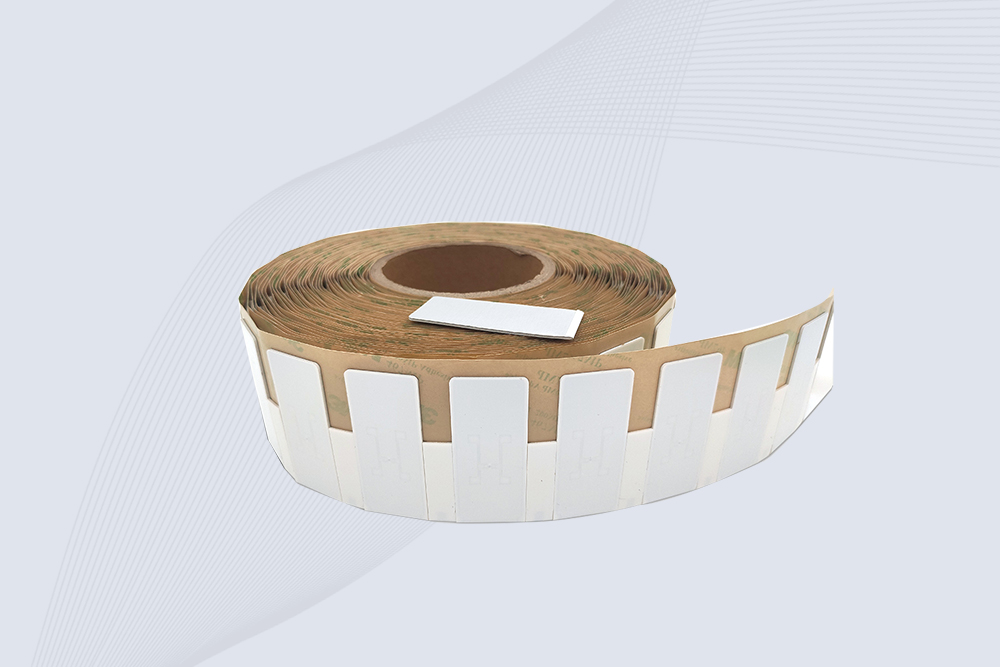
The CYKEO CYKEO-60-25 Anti-Metal RFID Tag is built for metal surfaces where standard tags fail. Designed for long-range performance, harsh environments, and stable data retention, this Anti-Metal RFID Tag is ideal for industrial assets, containers, and equipment tracking using on metal RFID tags.
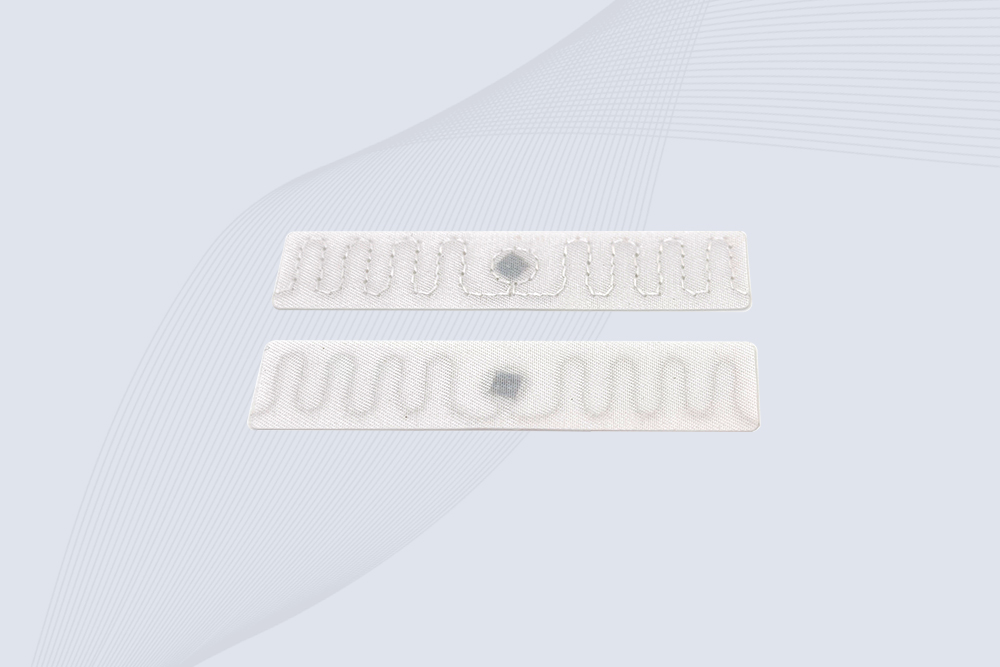
The CYKEO RFID Laundry Tag is designed for long-term textile identification in harsh laundry environments. Built to withstand high heat, chemicals, and repeated washing, this RFID Laundry Tag delivers stable performance for hotels, hospitals, and industrial laundry operations using laundry rfid tags at scale.
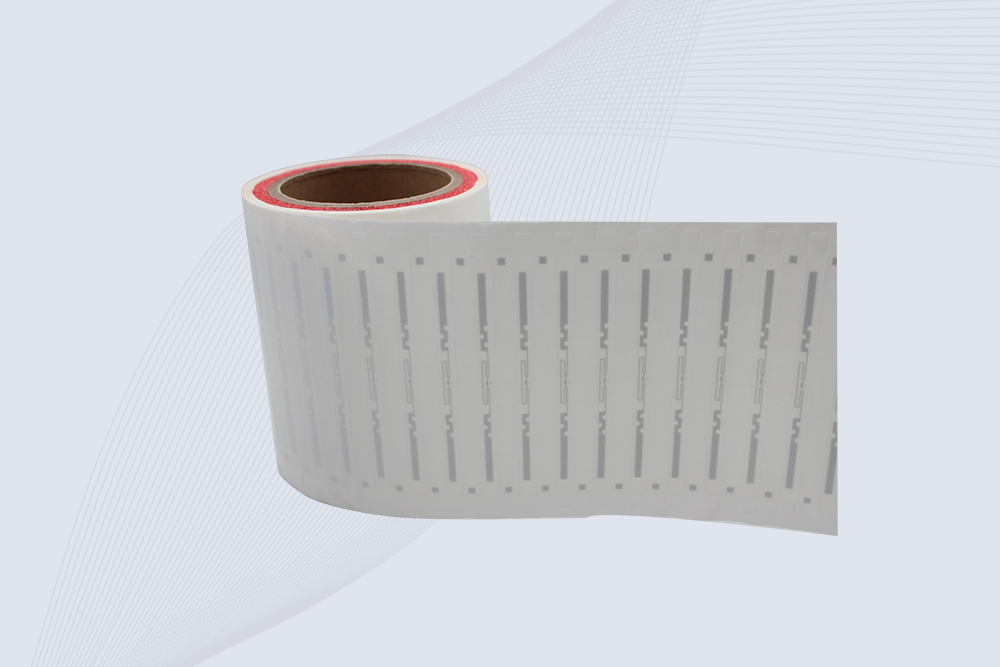
The CYKEO CYKEO-125-7 RFID Book Tag is designed for reliable book and document tracking in libraries and archives. This RFID Book Tag delivers long read range, dense placement support, and stable performance on shelves, making it a practical rfid tag on books for library automation, file management, and archival systems.
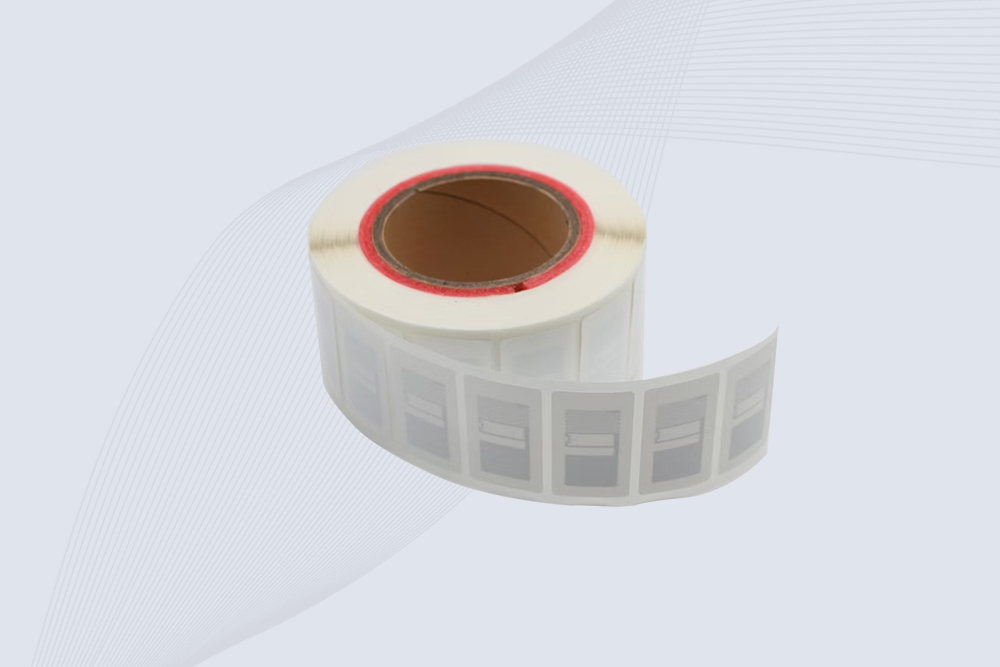
CYKEO RFID tags in hospitals are designed for sterile environments where accuracy matters. These autoclavable RFID tags support long-term tracking of surgical tools, implants, and medications, helping hospitals improve visibility, compliance, and patient safety.

CYKEO RFID Cable Tie Tag is built for reliable identification on metal surfaces. This UHF RFID Cable Tie Tag is widely used in rfid tags for inventory systems, industrial asset management and Hospital RFID Tags, offering stable read performance, long service life and global EPC Gen2 compatibility.
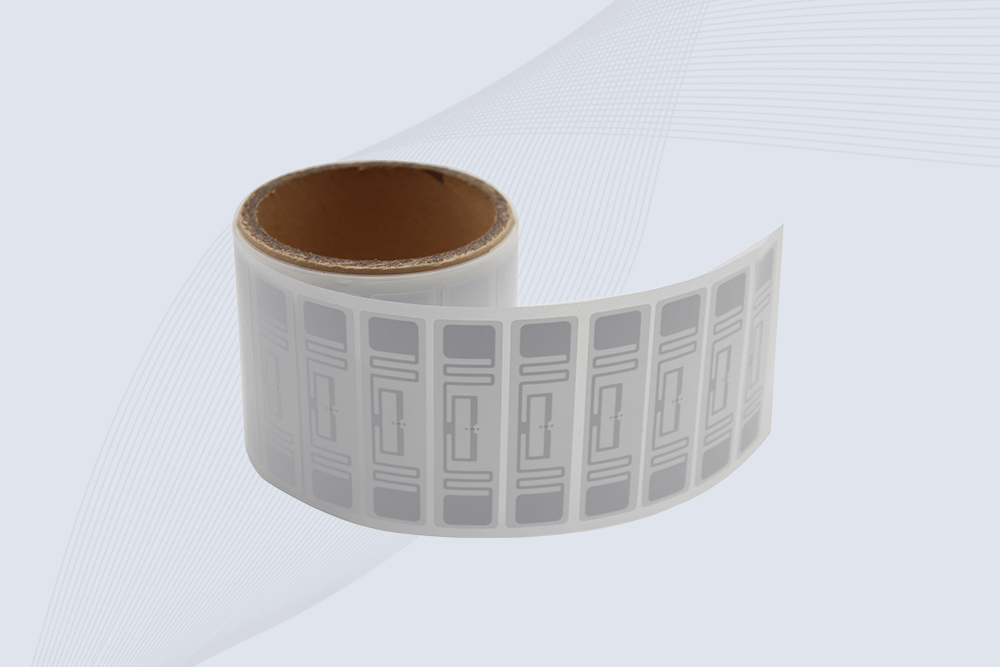
CYKEO RFID Asset Tag is designed for stable identification of metal assets in industrial environments. This UHF RFID Asset Tag is commonly used for rfid tag asset tracking on equipment, tools and containers, providing reliable reads, long service life and ISO/IEC 18000-6C support.

CYKEO UHF RFID Card is designed for fast identification and long-term use in industrial and commercial systems. Supporting ISO 18000-6C, this UHF RFID Card works at 860–960 MHz and is suitable for custom RFID cards used in asset tracking, access control and inventory management.
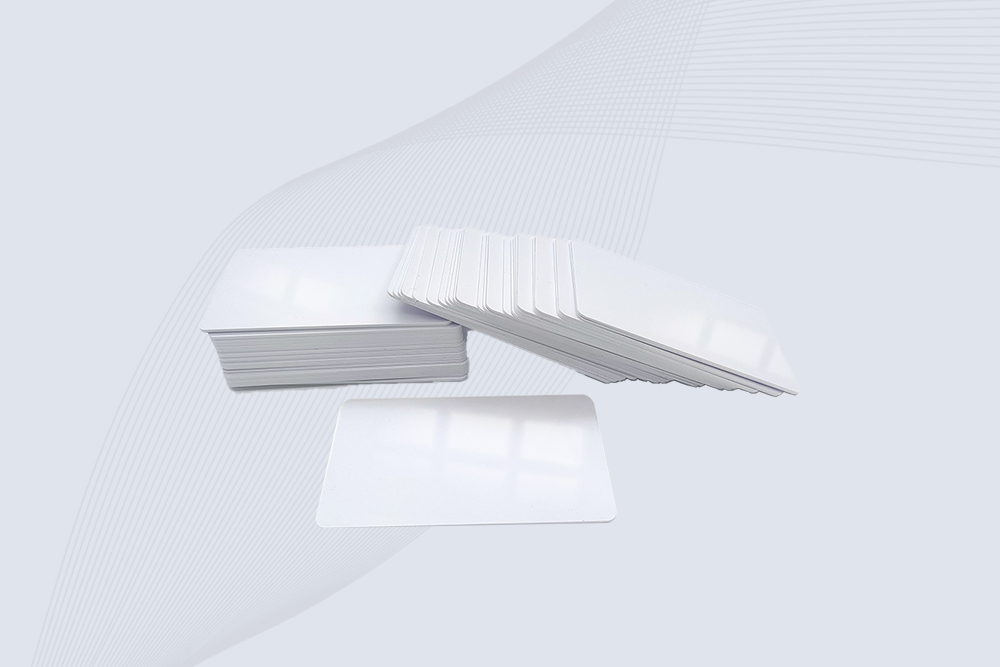
CYKEO HF RFID Cards are designed for secure and stable access control systems. These 13.56 MHz RFID key cards support ISO 14443-A, reliable rewriting and long service life, making HF RFID Cards suitable for offices, campuses, events and membership management.
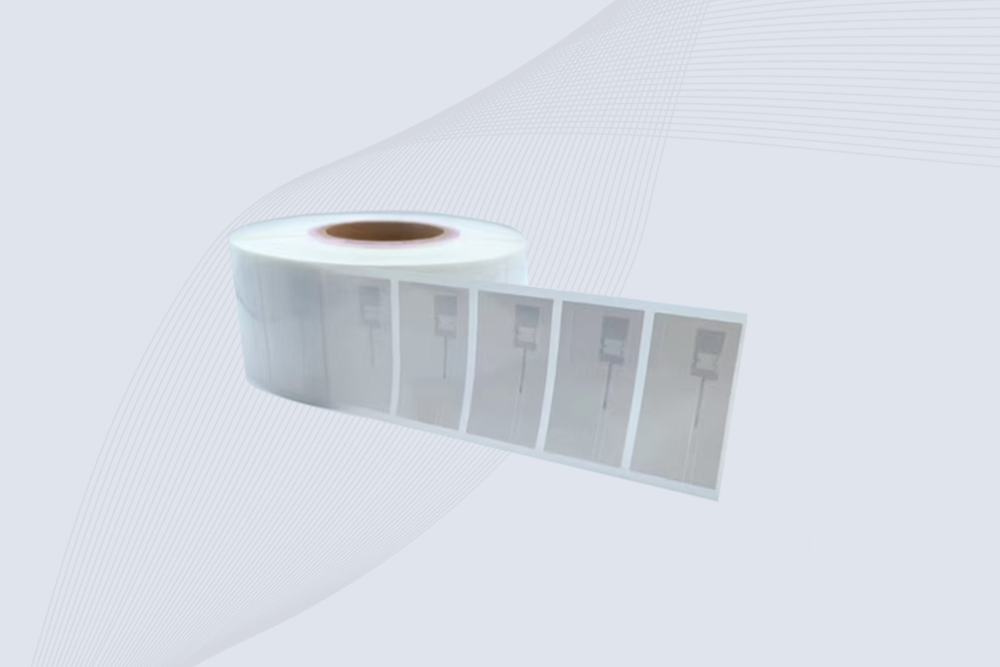
CYKEO UHF RFID Tag is designed for reliable tracking of metal jewelry and high-value items. This Jewelry RFID Tag supports long-range reading up to 8 meters, anti-counterfeit protection and stable performance on metal, making it suitable for retail, inventory control and asset management.
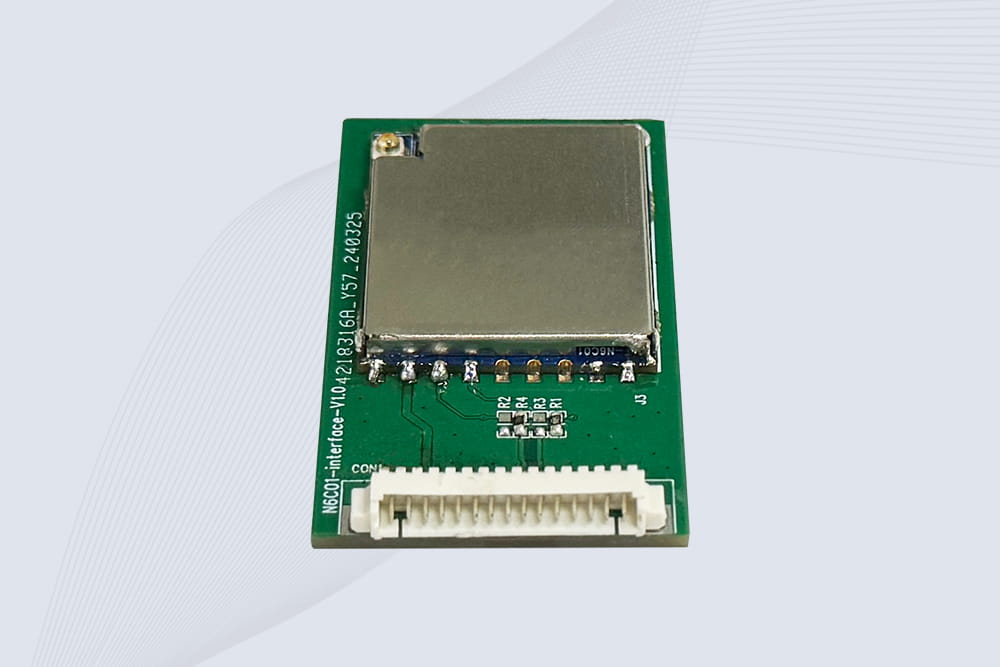
CYKEO Embedded RFID Modules are designed for compact industrial and IoT devices that require stable UHF performance. These UHF RFID Modules support global protocols, flexible power control, and reliable multi-tag reading for smart cabinets, production lines, and asset tracking systems.
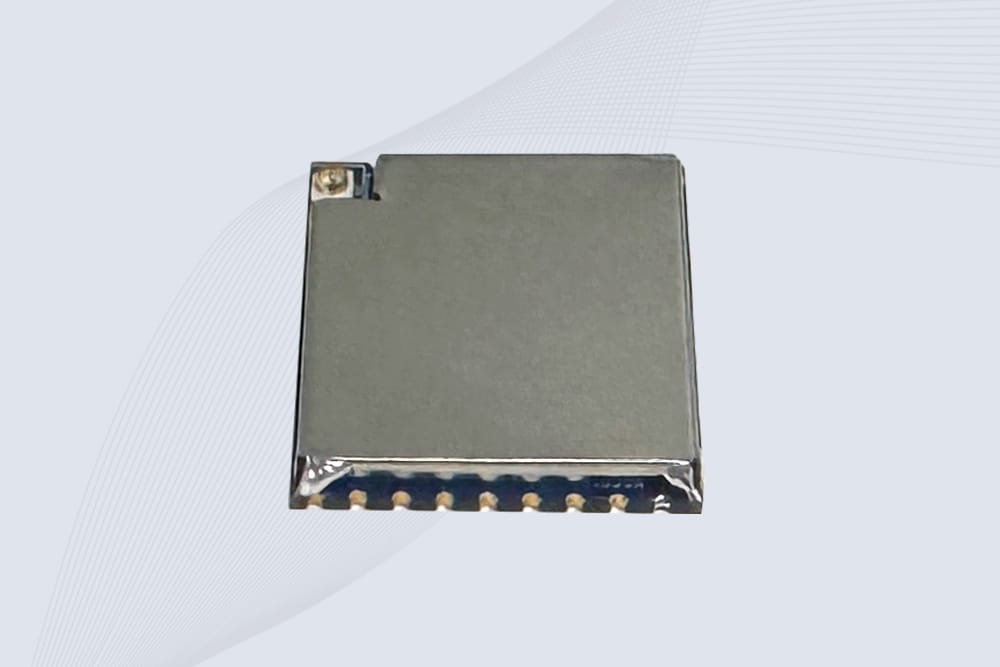
CYKEO Embedded RFID Module is built for compact IoT and industrial devices that need stable UHF performance. This UHF module supports global protocols, low power operation, and reliable multi-tag reading for smart lockers, production lines, and always-on RFID systems.
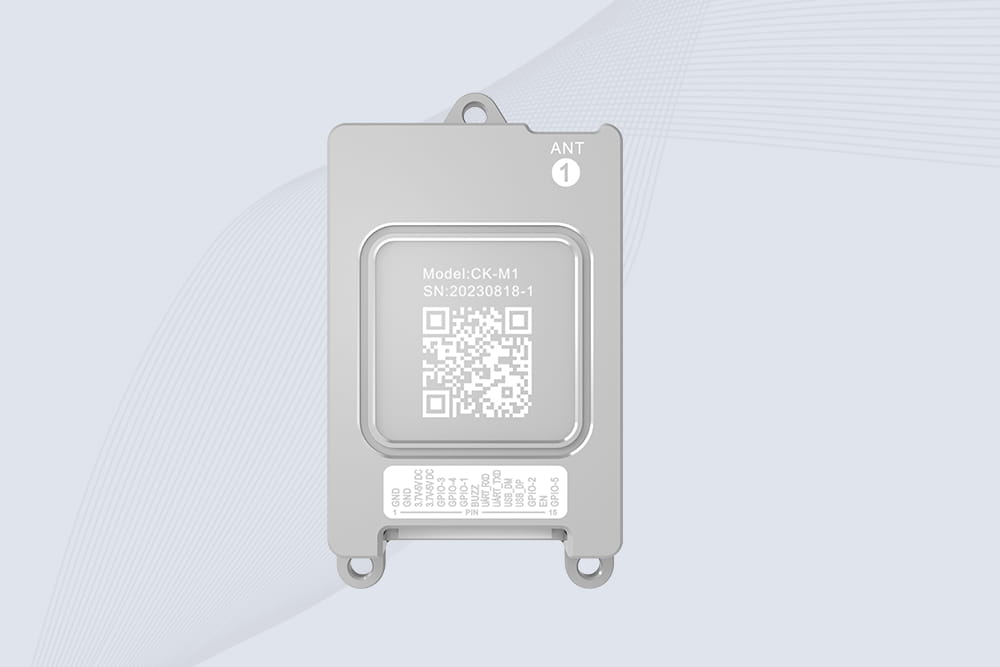
CYKEO CYKEO-M1 drone rfid module is a compact UHF RFID reader module designed for drones and UAV platforms. It supports long-range aerial scanning, fast multi-tag reading, and stable performance in wind, vibration, and outdoor environments.
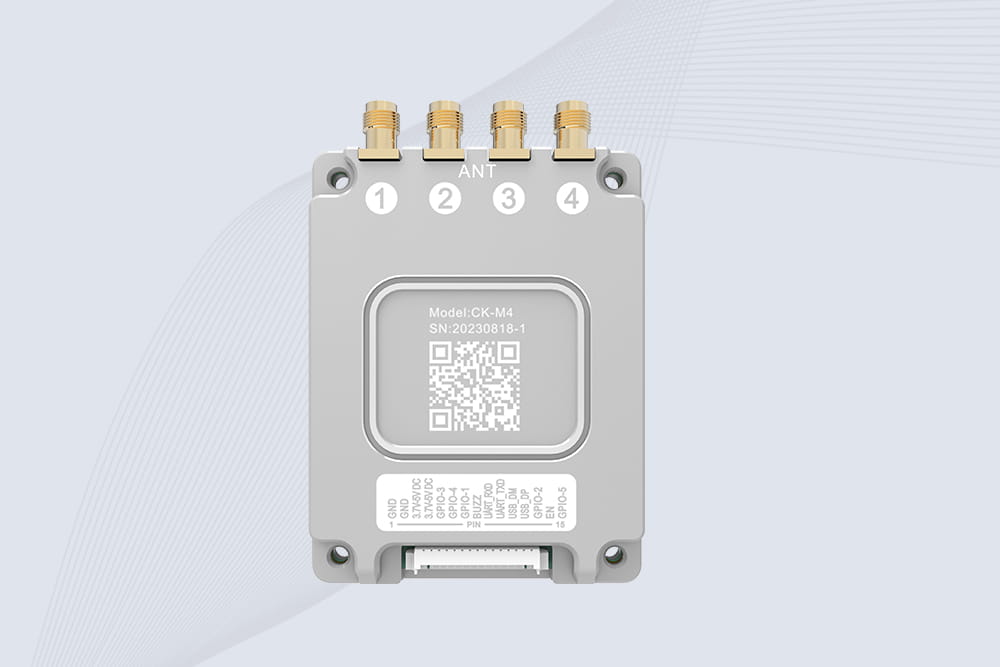
CYKEO CYKEO-M4 RC522 RFID Module is an industrial-grade UHF RFID reader with 4 ports, supporting ISO, EPC, and GB protocols. High-speed, accurate reading for IoT, automation, and warehouse applications.
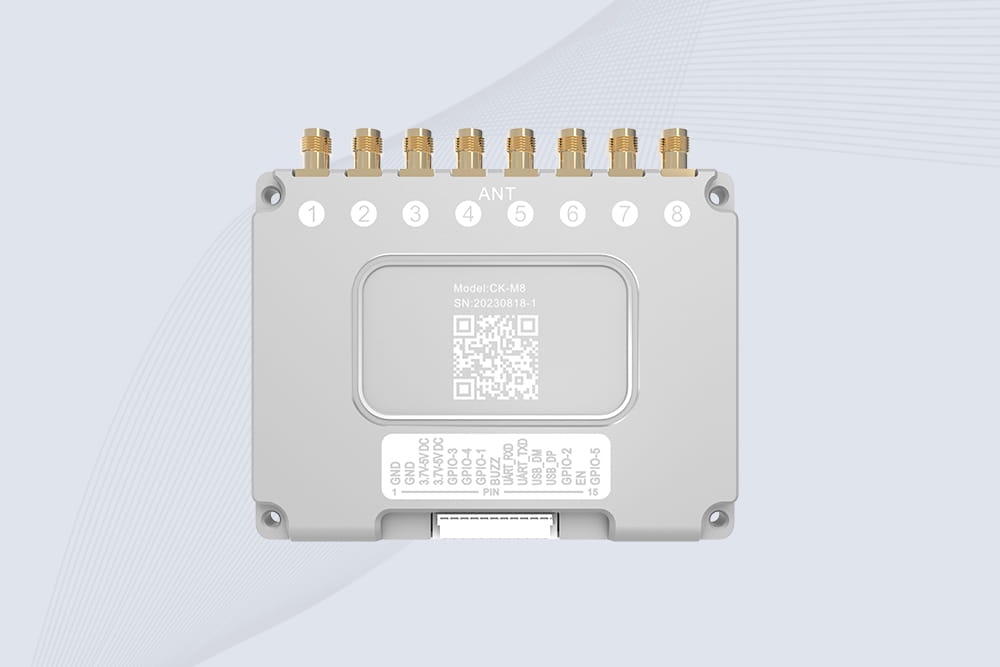
CYKEO CYKEO-M8 Module RFID is an 8-port UHF R2000 RFID Module designed for high-density, multi-tag environments. Stable 33dBm output, ISO & GB protocol support, ideal for warehouses, factories, and automated systems.
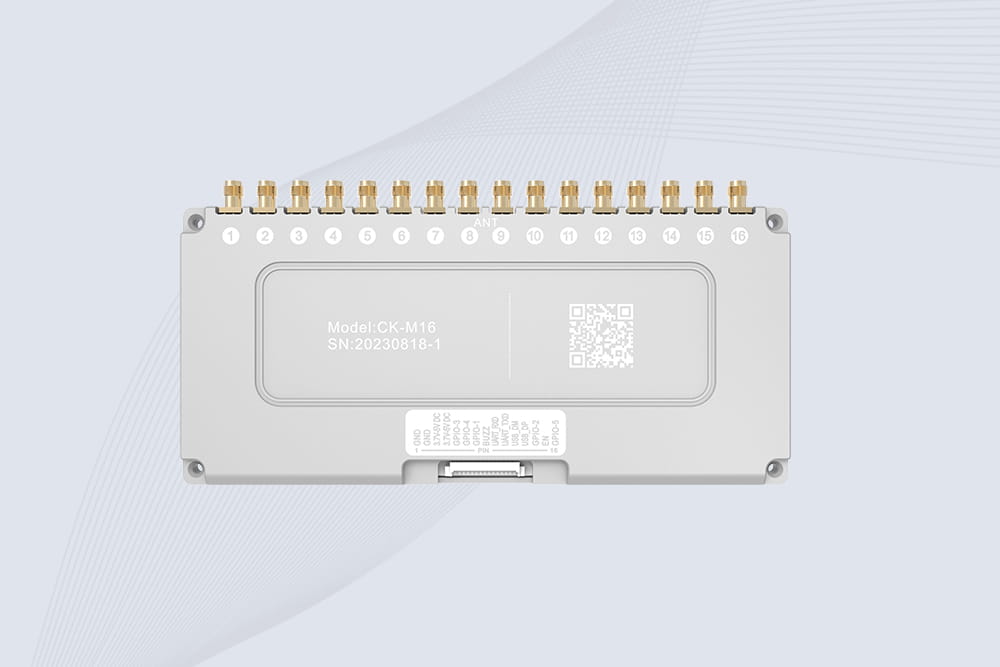
CYKEO CYKEO-M16 RFID Module is a 16-port UHF RFID reader module based on the R2000 chipset. Designed for dense tag environments, it supports ISO and GB standards and delivers stable multi-antenna control for industrial automation.
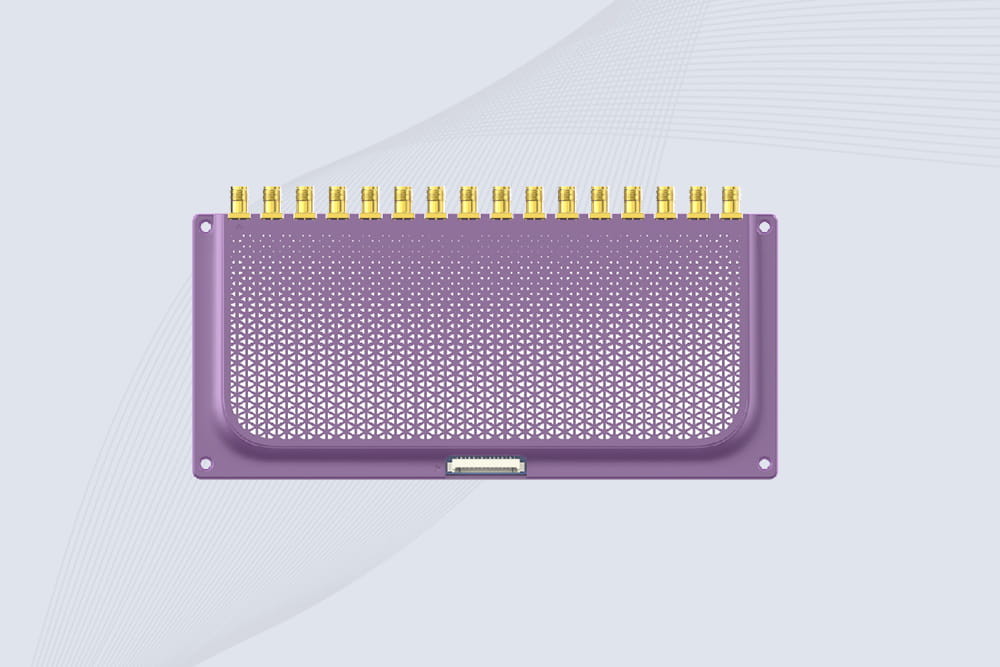
The CYKEO CYKEO-M16L RFID Reader Module is a 16-channel UHF RFID core designed for dense tag environments. With adjustable 33dBm output, multi-protocol support, and stable multi-antenna control, this RFID Tag Reader Module fits industrial automation, warehouse systems, and large-scale IoT deployments.
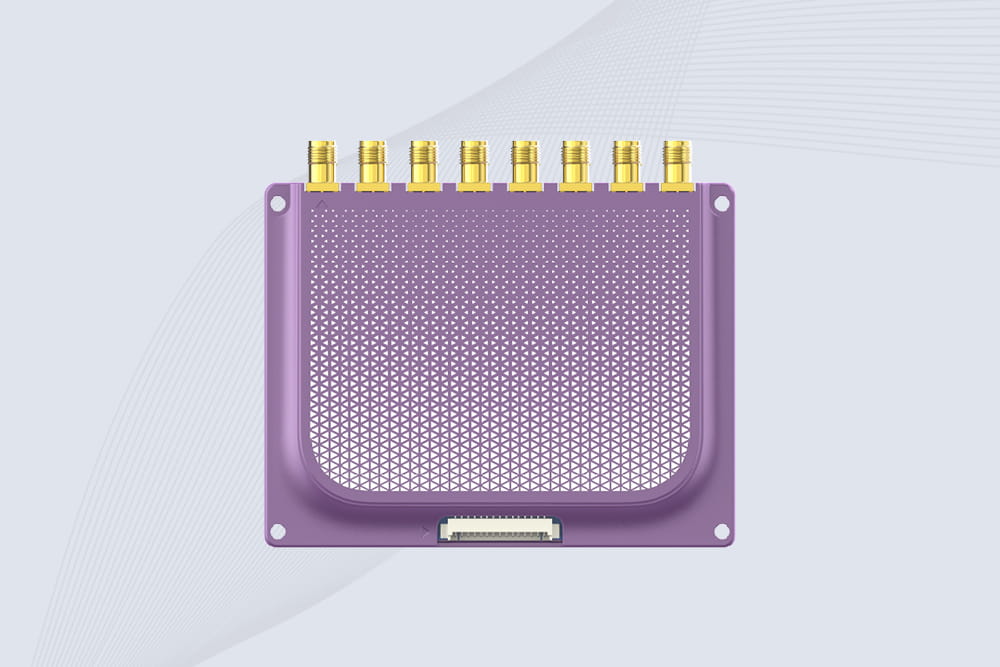
CYKEO CYKEO-M8L module RFID is a compact industrial UHF module built for dense tag and multi-antenna environments. With 8 RF ports, adjustable 33 dBm output, and ISO & GB protocol support, it is widely used in factories, warehouses, and automated tracking systems.
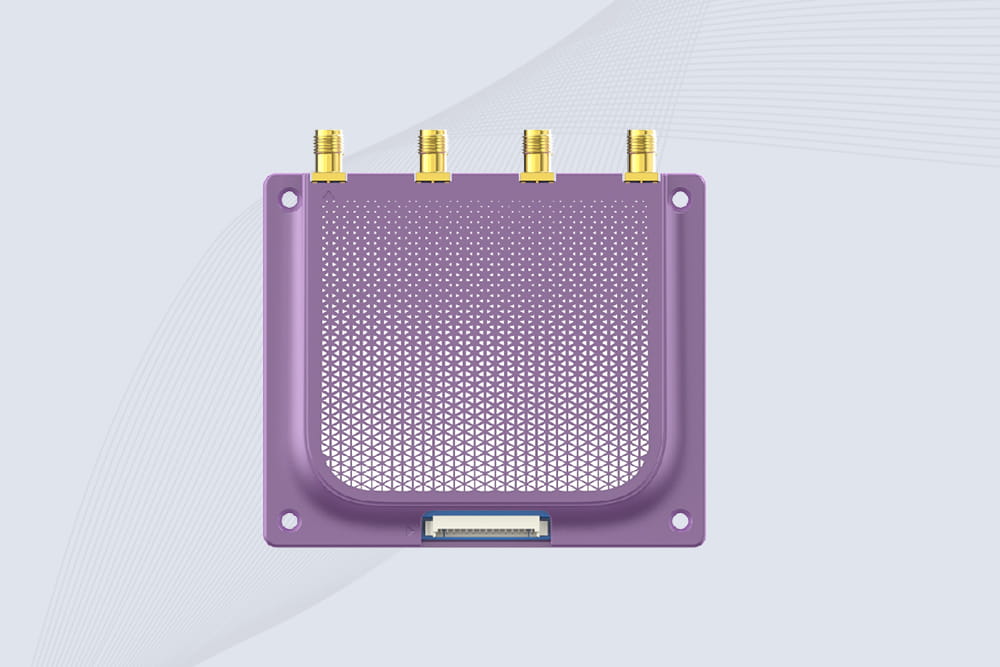
CYKEOCYKEO-M4L UHF RFID Module is a compact 4-channel RFID tag reader module designed for dense tag environments. Supporting ISO and GB protocols, it delivers stable reads up to 10 meters for industrial and IoT systems.
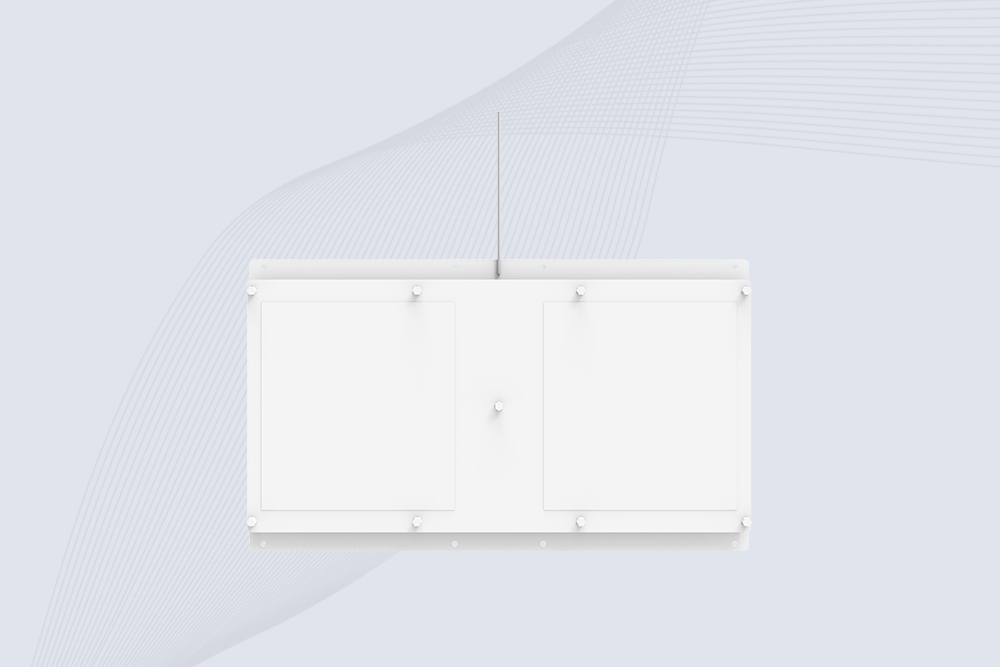
Cykeo CYKEO-A11 UHF RFID reader antenna delivers 11dBi gain, 840-960MHz frequency range, and IP65 ruggedness for retail, logistics, and industrial RFID systems. Features low VSWR and easy installation.
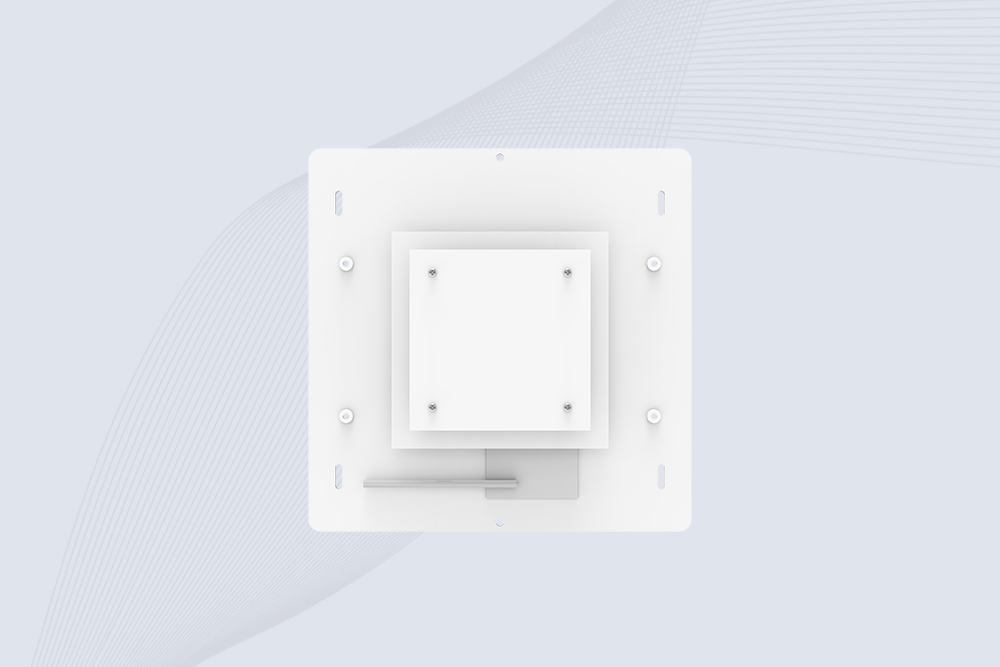
CYKEO Antenna RFID Reader delivers stable long-range UHF performance with a 10.5dBi directional design, built for warehouses, conveyor portals, and industrial RFID systems. This rfid reader antenna provides 20m+ read distance and rugged IP67 protection.

Cykeo CYKEO-PHF3 industrial HF RFID Antenna offers 24-point dynamic tracking, ISO 14443A/15693 protocols, metal-environment stability for archives/libraries/manufacturing.

Cykeo CYKEO-A5B industrial Linear RFID Antenna delivers 5dBi gain, ≤1.5:1 VSWR, and IP65 rugged design for warehouse, production line, and logistics UHF systems.

Cykeo’s CYKEO-B12 Long Range RFID Antenna delivers 15m+ read range with 12dBi gain, IP65 rugged design, and global 840-960MHz UHF support. Ideal for warehouse/logistics asset tracking.
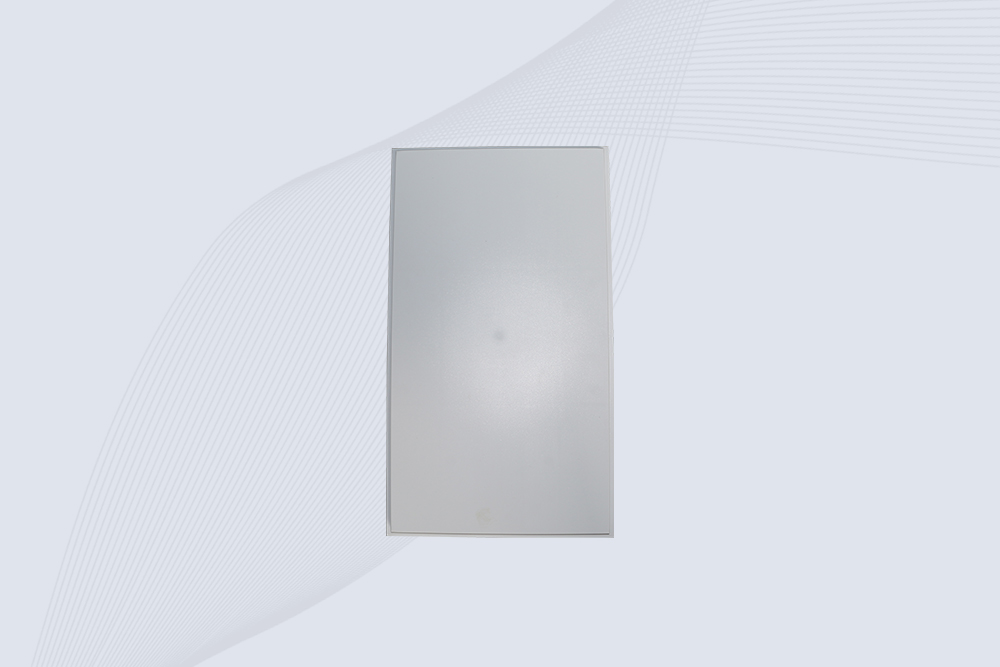
Cykeo CYKEO-B10 Long Distance RFID Antenna offers 10dBi gain, 840-960MHz frequency range, IP65 rating, and 20m+ coverage for logistics/warehousing/ETC systems. Low VSWR ensures stable signal transmission.
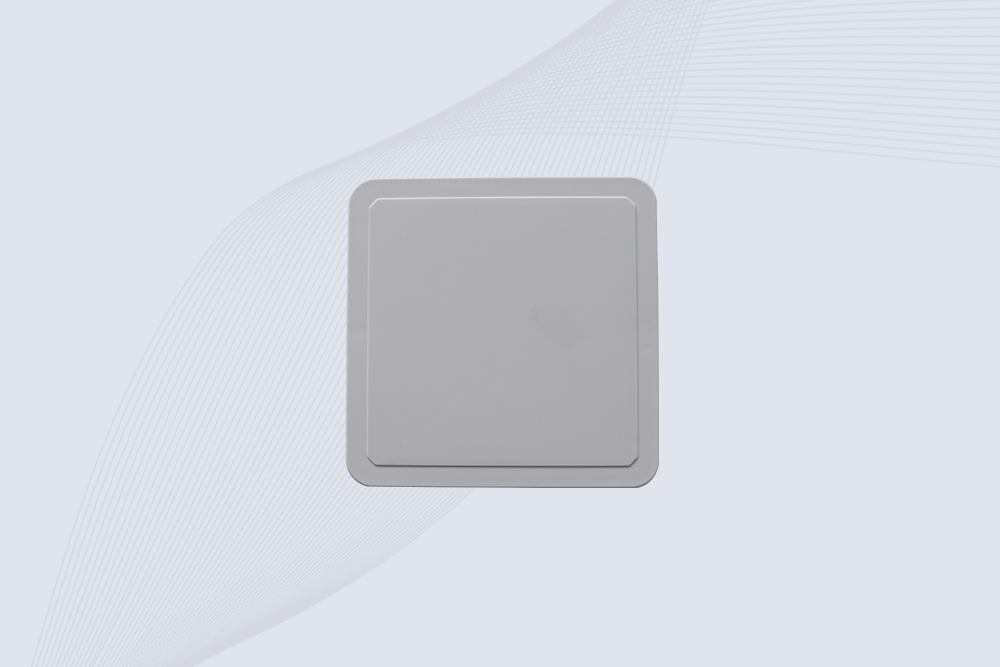
Cykeo CYKEO-A6 UHF RFID panel antenna features 6dBi gain, 840-960MHz broadband, IP65 metal-ready housing for logistics/smart retail. 18mm ultra-thin design with tool-free mounting.

Cykeo CK-A3 industrial antenna RFID UHF offers 5m+ tag detection, ≤1.3:1 VSWR, IP65 rugged design, and global UHF spectrum compatibility (840-960MHz) for warehouses, factories, and retail.
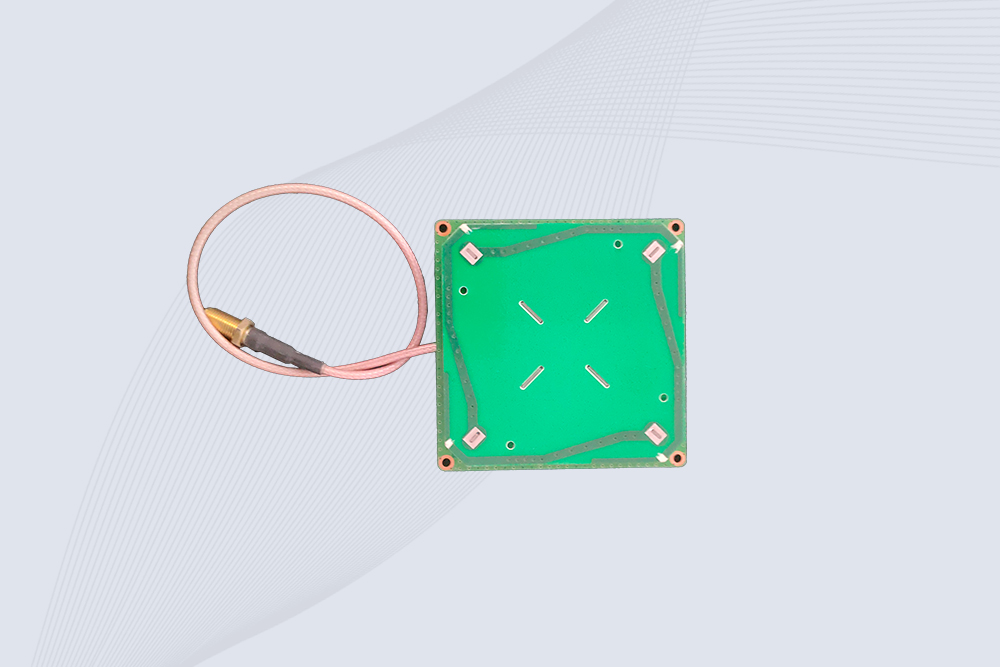
Cykeo CYKEO-B5 directional RFID antenna provides 5dBi gain with 60° narrow beamwidth for precise inventory tracking. IP65-rated, global UHF frequency support, and low VSWR.
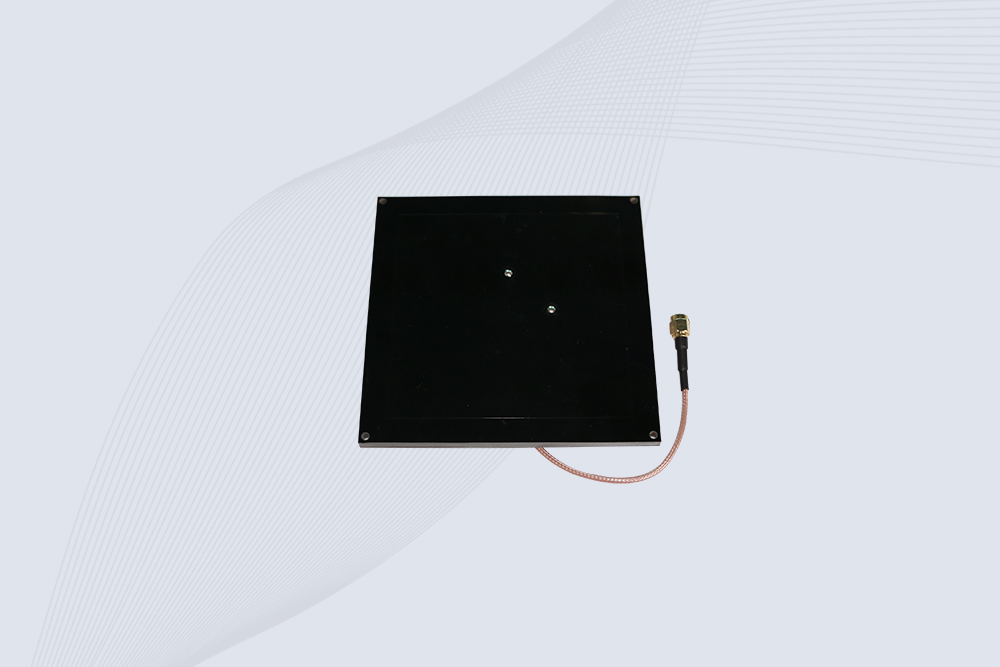
Create your own high-performance DIY RFID antenna! 5dBi gain, 840-960MHz tunable, step-by-step guides. Compatible with Arduino, Raspberry Pi, and commercial UHF readers.
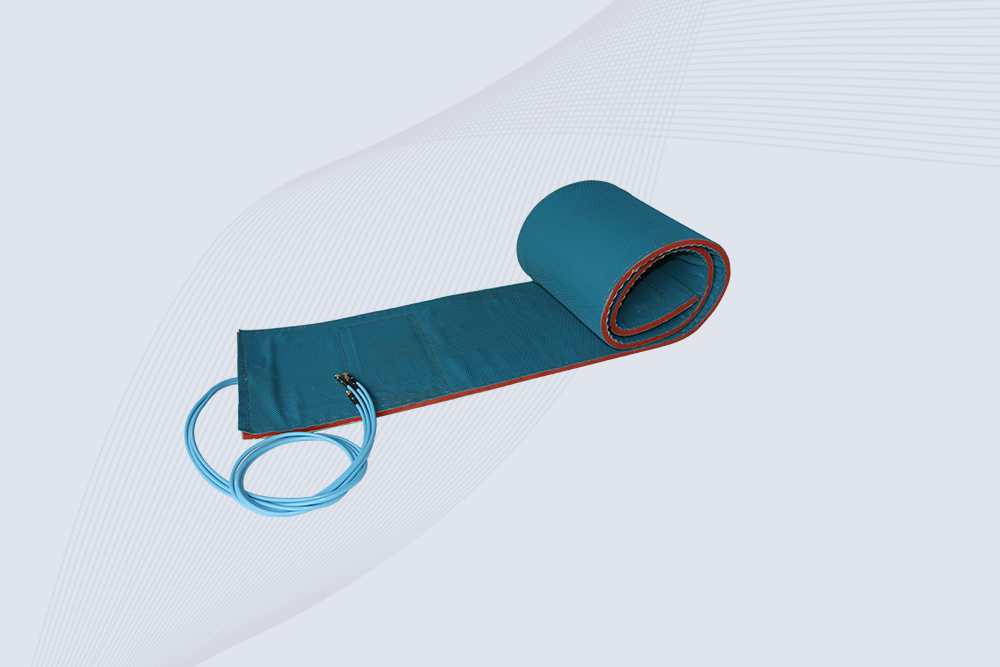
Cykeo CYKEO-A7 Flexible RFID Antenna features 840-960MHz wideband tuning, 7dBi gain, and IP68 rating for medical/retail/industrial curved surface deployments. 98% read accuracy with peel-and-stick installation.
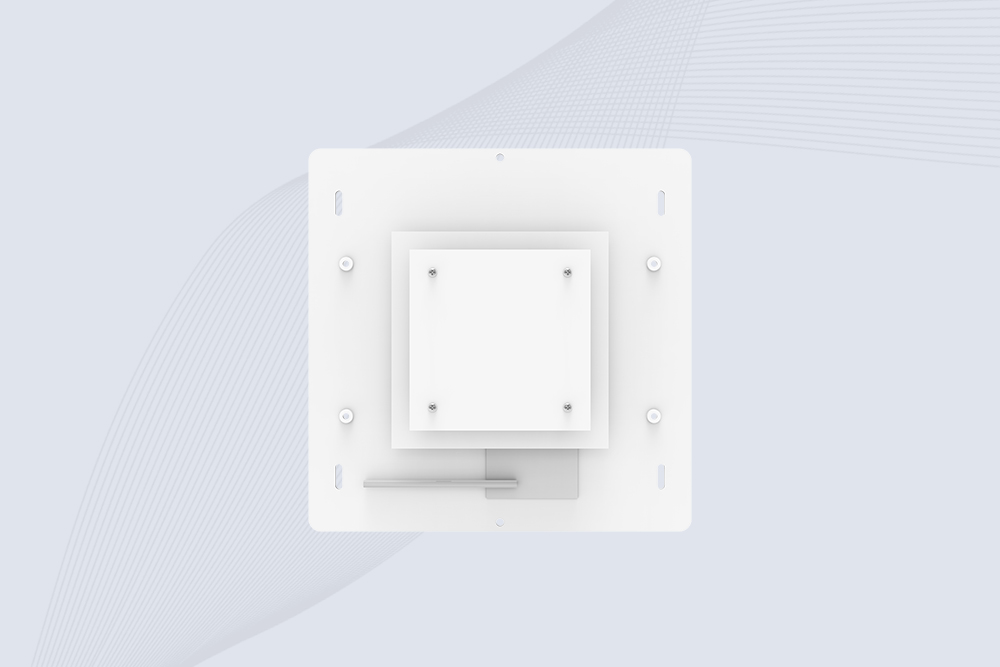
Cykeo CYKEO-B5A industrial Passive RFID Antenna delivers 5dBi gain, 70° beamwidth, and -40°C~55°C operation for warehouses/smart cabinets. Compatible with Zebra/Impinj readers.
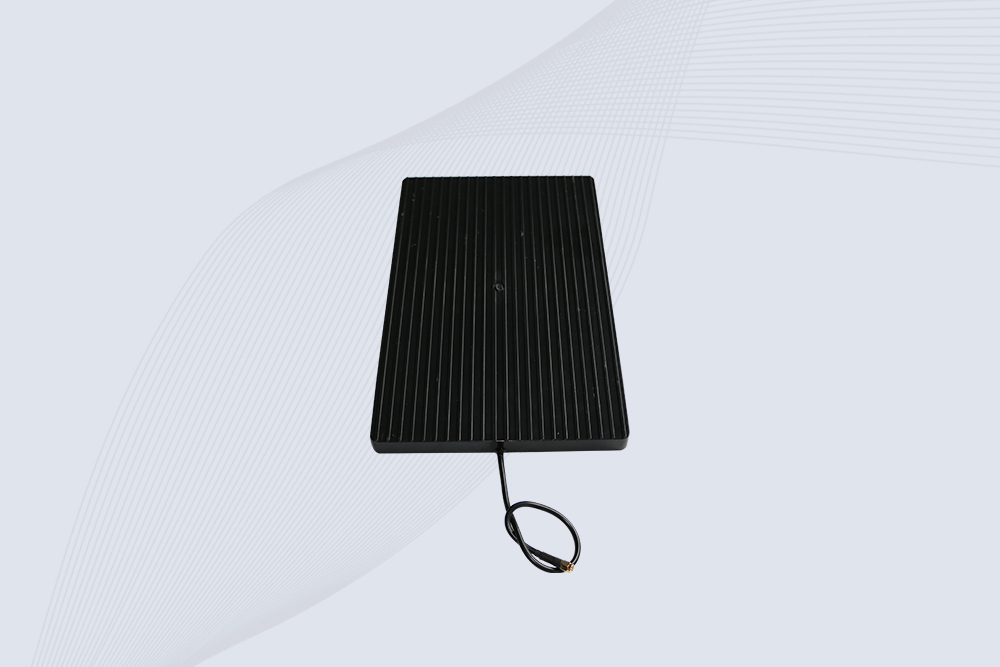
Cykeo’s CYKEO-A9B High Gain RFID Antenna delivers 15m+ read range with 9dBi amplification. Features IP54 rugged design, 840-960MHz bandwidth, and 80° beamwidth for warehouse/manufacturing RFID systems.

Cykeo’s enterprise-grade 8dbi Impinj RFID Antenna 10m+ read range with 840-960MHz tuning. Features IP65 housing, 1.4 VSWR, 35° beamwidth for retail/warehouse RFID systems.
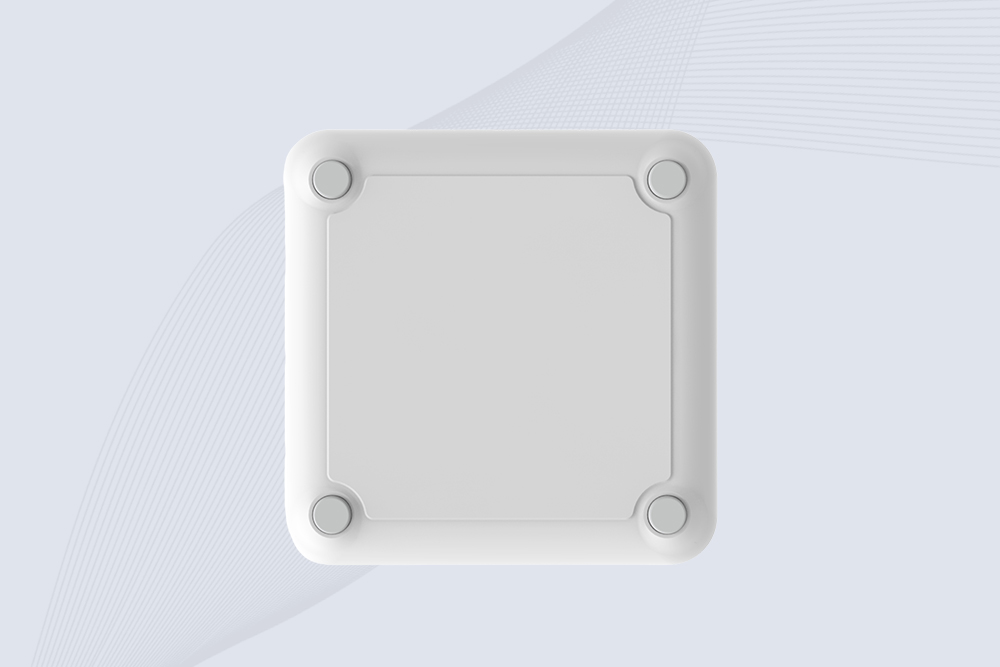
Cykeo CYKEO-A9 industrial UHF RFID antenna delivers 9dBi gain, 840-960MHz frequency range, and IP65 protection for warehouse/logistics/retail RFID systems. Features N-type connector and ≤1.3:1 VSWR.
CYKEO UHF RFID Antenna built for long-distance and industrial applications. This antenna rfid uhf delivers strong gain, outdoor durability, and reliable tag performance in warehouses, yards, and vehicle ID systems.
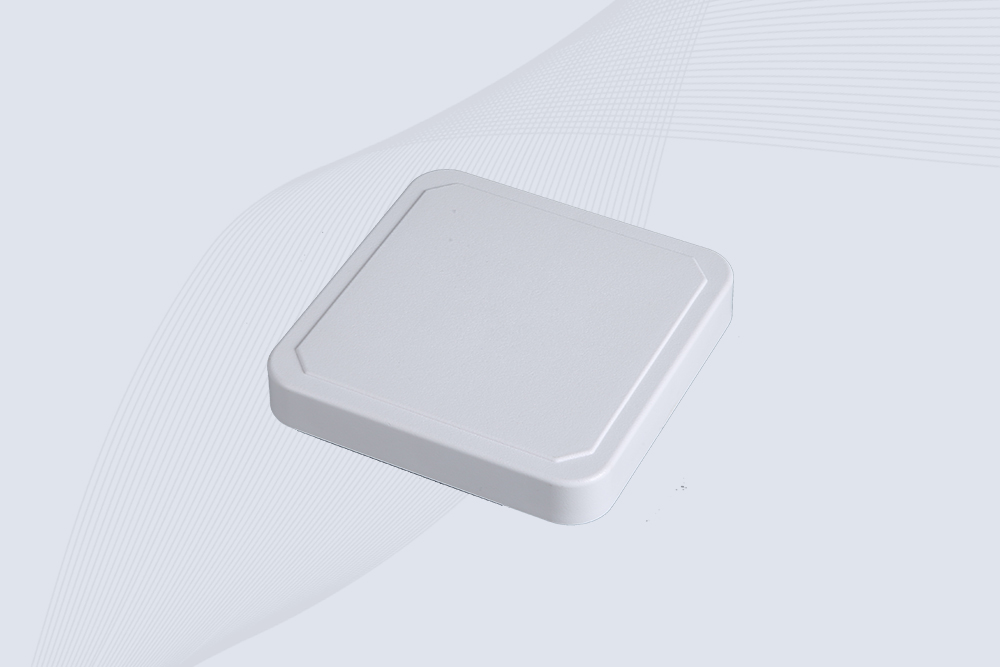
CYKEO Antenna RFID delivers reliable long-range UHF performance in warehouses, retail shelves, and cold-chain environments. This compact uhf rfid antenna provides stable reads with circular polarization and ultra-wide 840–960 MHz support, ideal for industrial tracking, smart shelves, and asset monitoring.
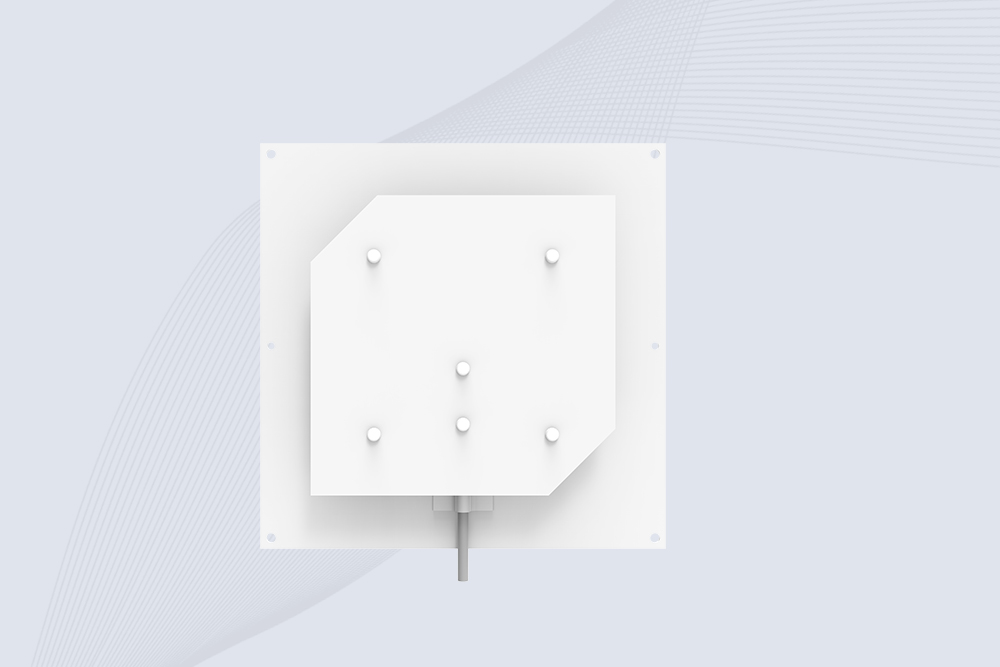
Cykeo’s CYKEO-C8 UHF RFID antennas delivers 8dBi gain, 840-960MHz full-band coverage, and IP65 ruggedness for manufacturing/warehouse RFID systems. Industrial RFID Antennas Features
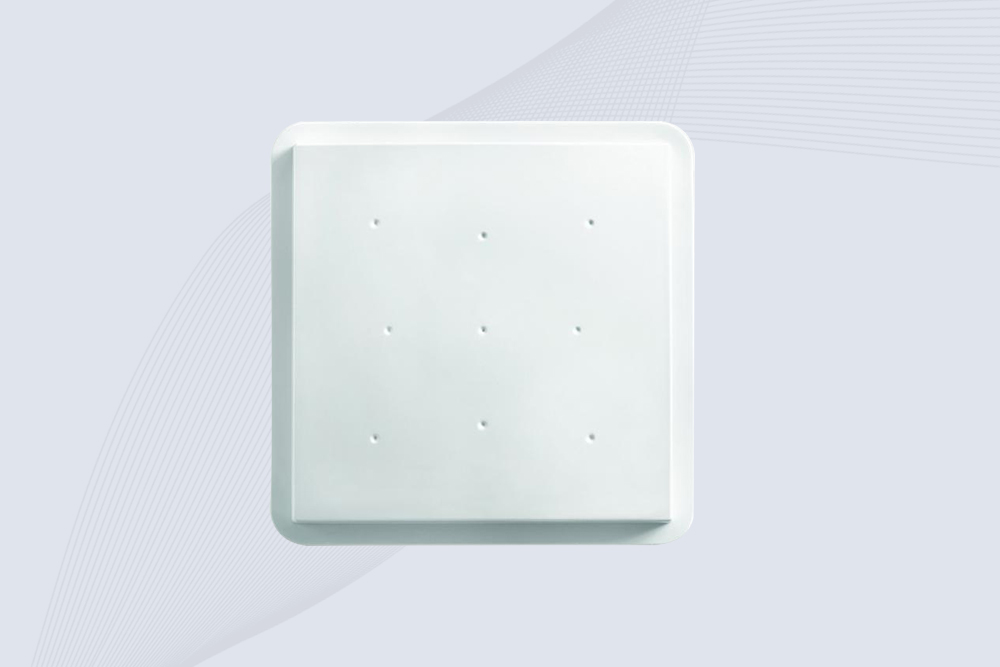
Cykeo’s 8dBi UHF RFID antenna and reader kit delivers 10m+ range, 840-960MHz broadband, and IP65 ruggedness for factories, warehouses, and logistics. ISO 18000-6C & EPC Gen2 certified.
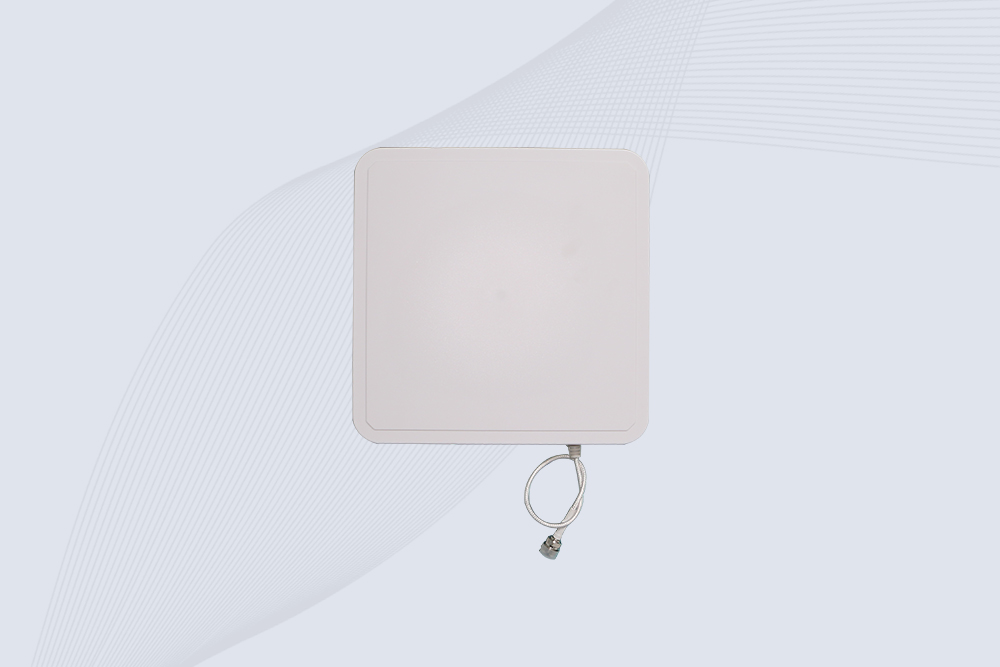
Cykeo CYKEO-A9A industrial UHF RFID reader and antenna kit delivers 10m range, 500 tags/sec, IP65 ruggedness for manufacturing/logistics. Supports EPC Gen2, ISO18000-6C.
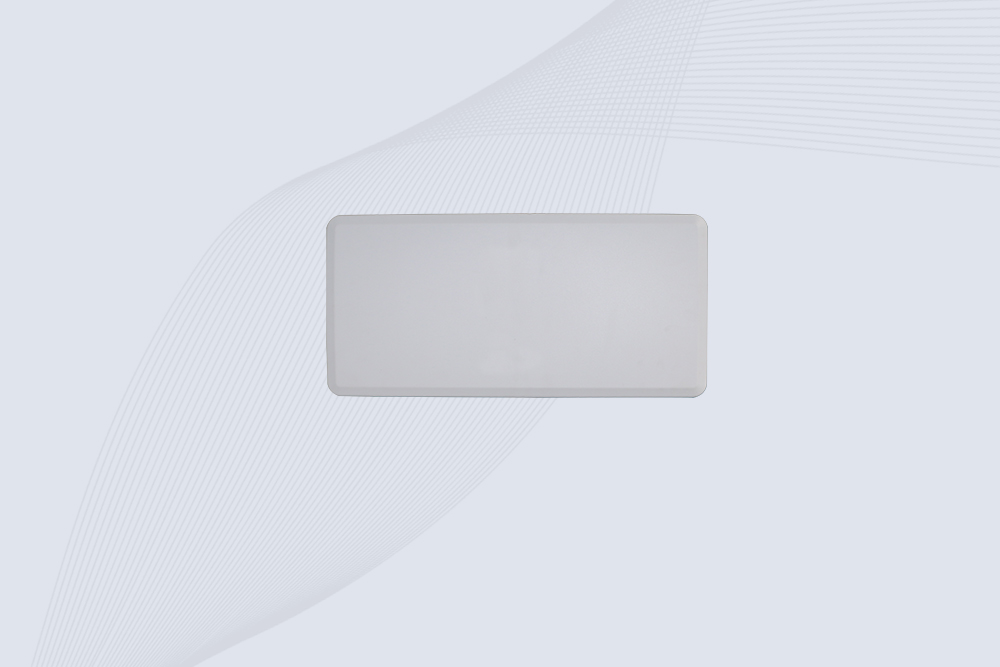
Cykeo’s CYKEO-A12C UHF Large RFID Antenna delivers 12dBi gain, 840-960MHz global frequency, IP65 ruggedness for logistics/warehousing/automotive. 40° beamwidth ensures stable 15m+ tag reads.

CYKEO Near Field RFID Antenna provides precise 5–30 cm reading for shelves, cabinets, and workstations. This compact rfid shelf antenna delivers stable short-range performance around metal and clutter, ideal for pharmacies, libraries, and electronics sorting.
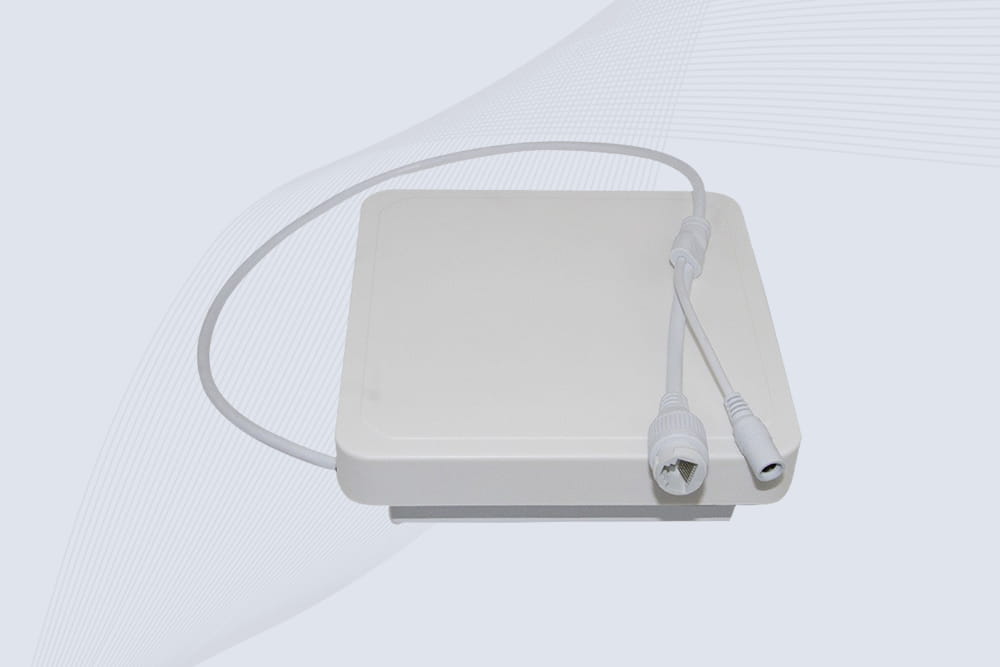
Cykeo’s industrial long range RFID reader delivers 20-meter scanning, 500+ tags/sec speed, and IP67 waterproof design for automated warehouses, logistics, and harsh environment applications.
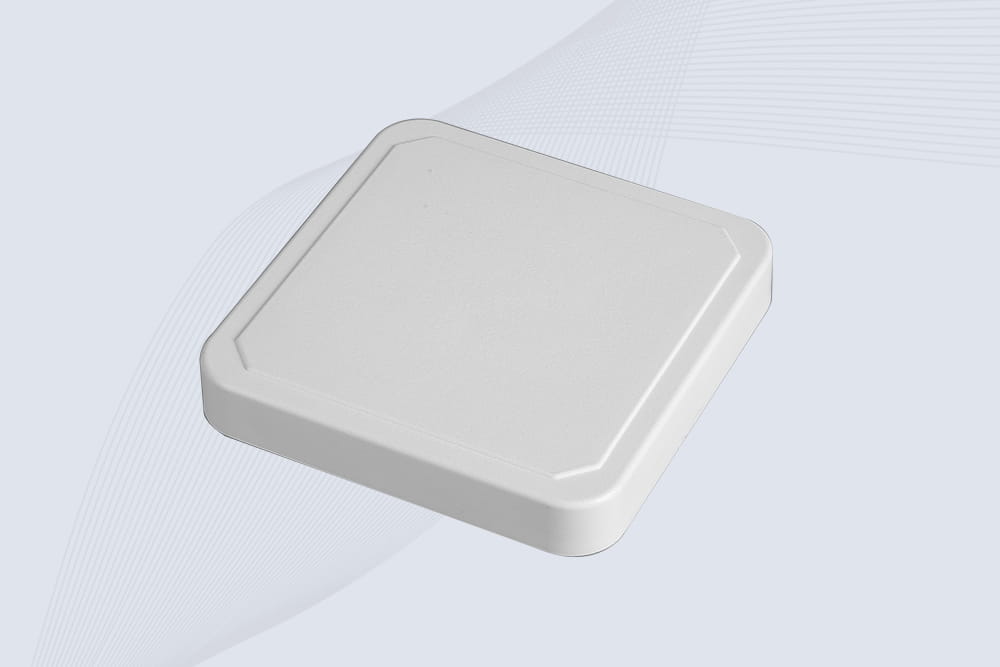
Cykeo’s CYKEO-RA6L industrial RFID long range reader features 20m read distance, 500 tags/sec speed, and IP67 protection. Ideal for warehouse automation, manufacturing WIP tracking, and smart logistics. Supports ISO 18000-6C/6B protocols.
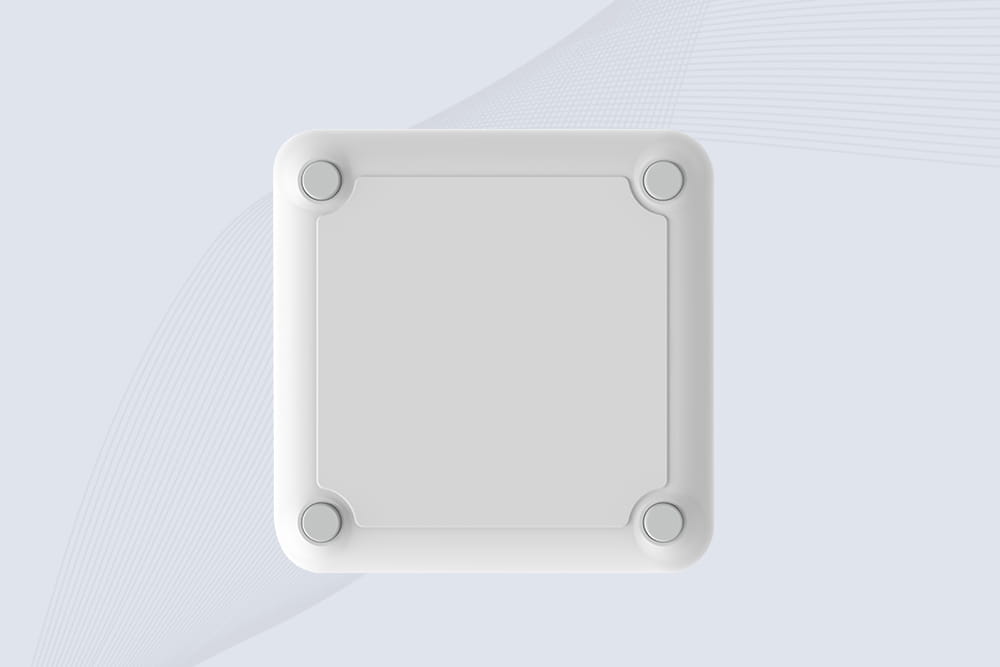
CYKEO Long Range RFID Tag Reader built for outdoor and industrial operations. This Outdoor RFID Reader delivers 20m read distance, fast tag processing, and IP67 durability for wide-area tracking.
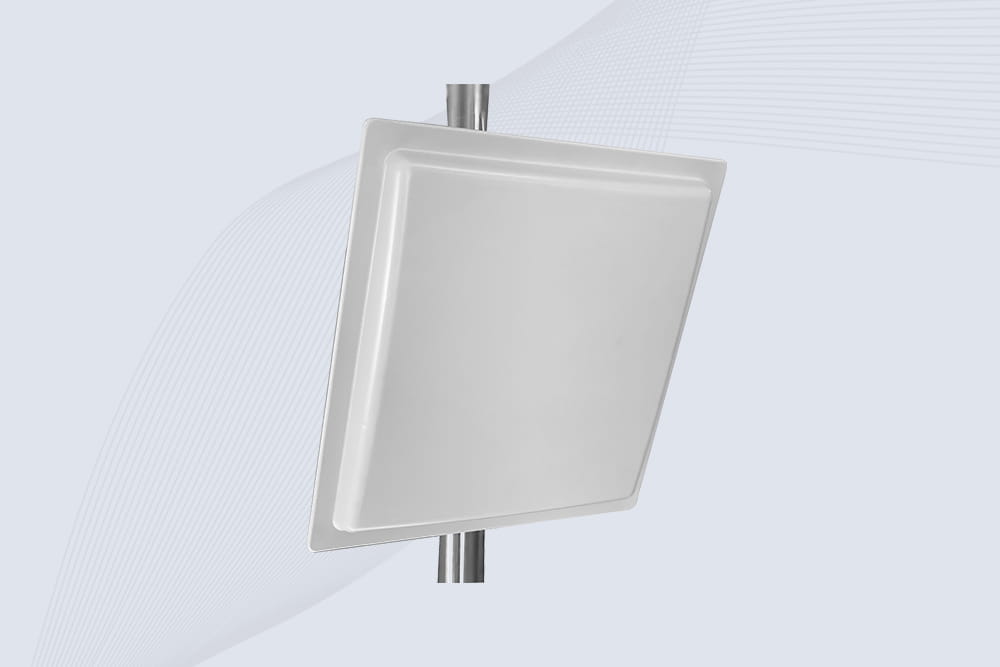
Cykeo CYKEO-RA12L industrial Long Range RFID Reader delivers 20m read range, 200+ tags/sec scanning, and IP67 protection for manufacturing/logistics applications. Supports ISO 18000-6C/GB protocols.
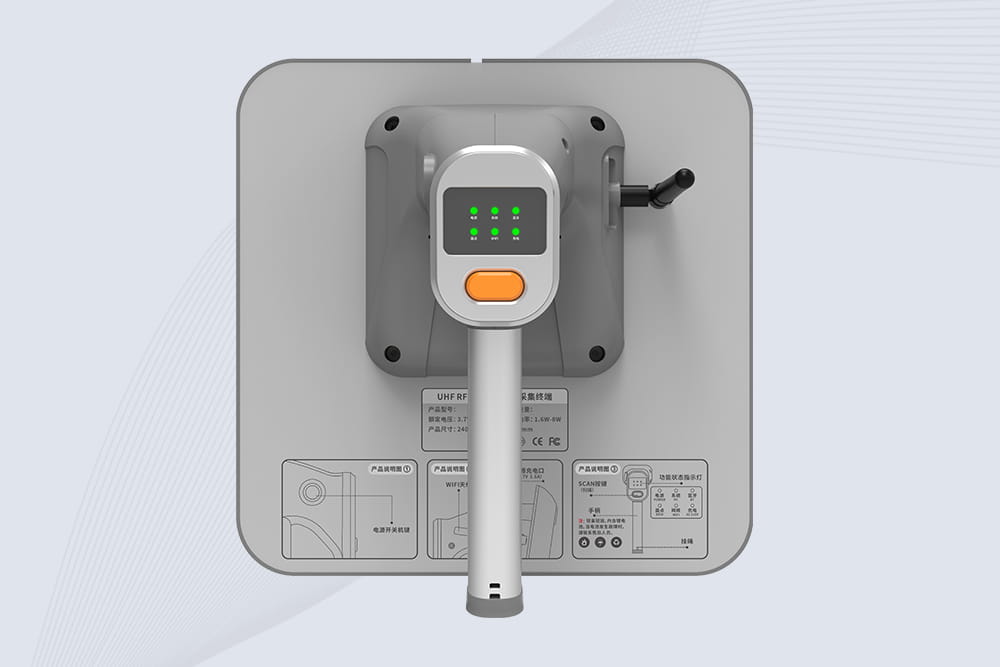
Cykeo CYKEO-B9 UHF Bluetooth handheld RFID scanner features 12m UHF range, 200+ tags/sec scanning, IP67 rugged design for retail/warehouse/pharma. Supports Android SDK & real-time Bluetooth 5.0 transmission.
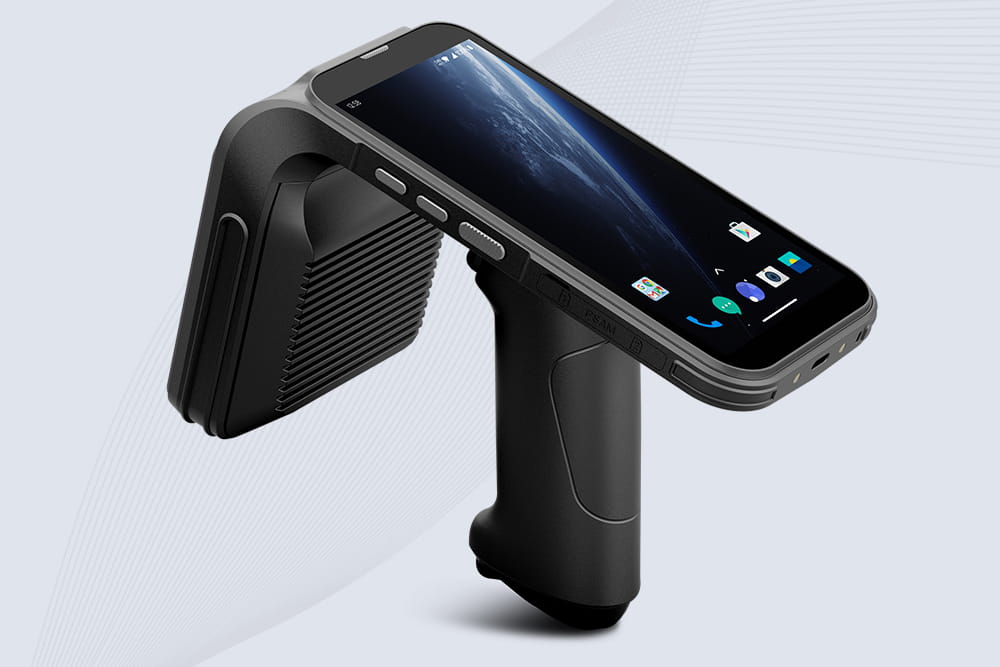
Cykeo CYKEO-B4 UHF Handheld RFID Reader scanner delivers 1300 tags/sec reading, 30m UHF range, and 12-hour battery life. IP65 rugged design with barcode/NFC/ID scanning for retail/manufacturing/logistics.
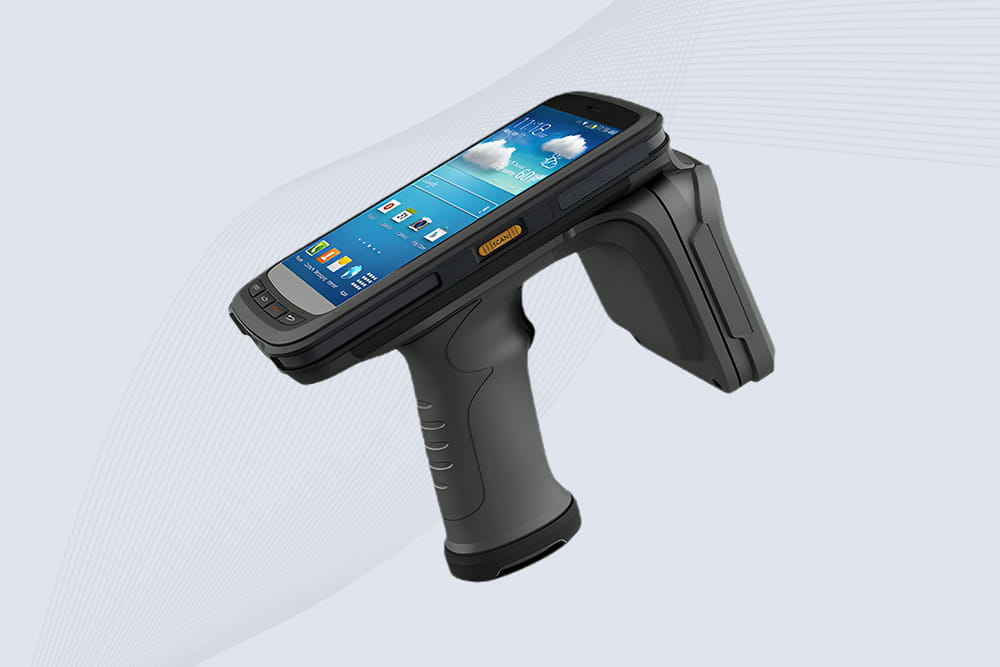
Cykeo CYKEO-B2 industrial UHF RFID handheld offers 10m range, 500 tags/sec scanning, Android 11 OS, and IP65 rugged design for retail/warehouse/manufacturing.

Discover why low-power RFID modules are critical for IoT devices and learn how to select the right one for battery life, efficiency, and seamless integration.
More
Wondering "how fast can an RFID tag read"? Get real numbers for LF, HF, and UHF tags. Read rates from 50 tags/s to 1200+ tags/s with CYKEO.
More
Discover how a major retail chain reduced stockouts by 40% using RFID for real-time inventory tracking. Learn actionable strategies to apply in your stores.
More
Discover how weatherproof RFID readers improve outdoor asset tracking in harsh conditions. Learn about IP ratings, temperature resilience, and real-world applications for logistics and construction.
More