You hold a tag near a reader. A light flashes. Something happened. But what actually comes out of that reader? Is it just a number? Is it formatted for a database? Or is it raw radio signals that need decoding?
Here is the thing. When people search what is output of rfid reader, they usually discover that the answer depends on the reader type, how it is configured, and what system is listening on the other end. The output can be anything from raw binary data to neatly formatted strings ready for Excel.
Let me break down what RFID readers output, how they output it, and what it means for your application.
First: The Simple Answer
The output of an RFID reader is the data it extracts from tags plus metadata about the read event. At its most basic, this is the tag’s unique identifier—usually a number. But modern readers output much more: signal strength, antenna number, timestamp, and sometimes custom data from tag memory .
In a typical RFID system, the reader performs an inventory of tags in its field, collects data from each tag, and pushes that data somewhere for processing . Without that output, the reader is just a blinking box with no purpose.
What Data Actually Comes Out
When a reader successfully communicates with a tag, it can output several pieces of information :
Data Type
Description
Example
Tag ID / UID
The unique identifier of the tag
83 23 38 BB (hex)
EPC
Electronic Product Code (for UHF tags)
3008A2B4C6D8E0
TID
Tag Identifier (factory programmed)
E280110520007A
User memory
Custom data stored on the tag
PROD-12345
RSSI
Signal strength indicator
-65 dBm
Antenna number
Which antenna read the tag
Ant 1, Ant 2
Timestamp
When the read occurred
2026-03-17 14:23:15
Phase
Signal phase for direction sensing
142 degrees
Read count
How many times tag was seen
3
For hobbyist readers like the MFRC522 with Arduino, the output might be raw serial data showing the complete tag response, including checksums and protocol information . For example, an open source UHF reader might output binary arrays of RN16 and EPC data when it detects a tag .
Raw Output Formats
Different readers format their output differently. Here are common formats you might encounter:
ASCII text with delimiters: Many readers output tag data as ASCII strings with start and end characters. The Innovations ID-12 module, for example, outputs:
text
[STX][10 data bytes][2 checksum bytes][CR][LF][ETX]
The STX (start of text) is ASCII 02, data is 10 ASCII characters, followed by a 2-character checksum, carriage return, line feed, and ETX (end of text, ASCII 03) .
Binary data: Some readers, especially in industrial applications, output raw binary for efficiency. This requires software to interpret the bytes correctly.
Hexadecimal strings: The most common human-readable format. Tag UIDs are often displayed as hex bytes: 83 23 38 BB or 832338BB.
Decimal strings: Some access control systems expect tag numbers in decimal format. Readers can be configured to convert hex to decimal automatically.
JSON: Modern IoT-enabled readers output structured JSON data that is easy for web applications to parse .
Formatted Output for Applications
Raw tag data is rarely useful by itself. Most applications need the data formatted in specific ways. This is where reader configuration comes in .
Using tools like Zebra’s DataWedge, you can configure output formatting :
Add prefixes and suffixes: Add colons, semicolons, or custom characters before and after each tag read
Insert line breaks: Put each tag on a new line automatically
Strip unwanted characters: Remove checksums or protocol data
Convert formats: Change hex to decimal or vice versa
Add separators between multiple tags: When reading many tags at once
For example, you might configure output to look like: TAG:832338BB; with each tag on its own line in a text file .
Physical Output Interfaces
The output has to travel from the reader to your system. RFID readers use various physical interfaces :
Serial interfaces:
RS232: Traditional serial port, simple but limited distance (about 15 meters)
RS485: Differential signaling, longer distance (up to 1200 meters), supports multiple devices on same bus
TTL: 3.3V or 5V serial, common for embedded modules
Network interfaces:
Ethernet: 10/100 Mbps, TCP/IP output to network applications
Wi-Fi: Wireless network connectivity for mobile or difficult locations
PoE (Power over Ethernet): One cable for power and data
USB interfaces:
USB HID (keyboard emulation): Reader acts like a keyboard, types tag data into any application
USB CDC (serial): Creates a virtual COM port for traditional serial communication
USB Mass Storage: Some readers can save tag data directly to a USB flash drive
Specialized interfaces:
Wiegand: Industry standard for access control readers, uses two data lines (D0 and D1)
GPIO: General purpose I/O for direct connection to relays, lights, or PLCs
Bluetooth: Wireless for mobile applications
4G/GPRS: Cellular connectivity for remote locations
Output Protocols and Data Flow
Beyond the physical interface, the way data is packaged and sent matters :
Raw serial stream: Data is sent character by character as it is read. Simple but requires the receiving device to parse continuously.
TCP/IP sockets: Reader opens a network port (often 4001 or 5084) and streams tag data to connected clients. Can handle multiple connections.
HTTP POST: Reader sends tag data as HTTP requests to a web server. Good for cloud applications .
MQTT: Lightweight publish/subscribe protocol ideal for IoT applications. Reader publishes tag reads to topics that other devices subscribe to .
REST API: Modern readers have built-in web servers with REST endpoints for pulling tag data .
LLRP (Low Level Reader Protocol): Standard protocol for controlling readers and receiving tag data, used by many enterprise systems.
Middleware and Software Handling
Raw reader output often goes through middleware before reaching your application . Middleware can:
Filter duplicate reads
Aggregate data from multiple readers
Format data for specific applications
Store data temporarily if network is down
Apply business rules (e.g., “if tag X is seen at antenna 2, trigger conveyor”)
Common middleware includes Impinj Speedway Connect, ThingMagic RAINstream, and Zebra FXConnect . These run on the reader itself or on a separate server.
Examples of Reader Output
Example 1: Simple USB reader in keyboard wedge mode
When you scan a card with a CYKEO CK-D1L in keyboard mode, the output going to your computer is exactly what you would see if you typed it:
text
0413277F9ED1
This 12-character string is the tag UID. It appears in whatever application has focus, just like keyboard input.
Example 2: Serial output from an open source UHF reader
When a tag is detected, the Arduino serial monitor might show :
This is ready for direct use in web applications or databases.
Example 4: Wiegand output for access control
An access control reader sends pulses on two data lines . The pattern encodes the card number in a format that door controllers understand. You cannot see this output with a standard computer—it requires specialized hardware.
Choosing the Right Output for Your Application
Application
Recommended Output Type
Simple data entry into Excel
USB keyboard wedge
Access control system
Wiegand or RS485
Warehouse inventory with handhelds
Bluetooth + app
Fixed portal with conveyor
Ethernet + TCP/IP or MQTT
Embedded product development
TTL serial or module with SDK
Cloud-connected IoT system
HTTP POST or MQTT
PLC integration
RS485 with Modbus protocol
The Bottom Line
What is output of RFID reader? It is the data extracted from tags plus read metadata, packaged and transmitted through various interfaces for use by your applications.
The output can be:
Raw data: Binary or ASCII straight from the tag
Formatted strings: With delimiters, line breaks, and custom formatting
The right output for your project depends entirely on what you are trying to accomplish. A simple USB reader in keyboard mode is perfect for entering card numbers into a spreadsheet. A networked reader with JSON output is essential for cloud-based inventory systems.
CYKEO readers support multiple output formats and interfaces. Our CK-D1L desktop encoder works in keyboard wedge or serial mode. Our CK-B5L Bluetooth handheld rfid reader pairs with mobile apps. Our CK-R8L fixed reader offers Ethernet, RS485, and GPIO outputs with configurable data formatting.
When you are not sure what output you need, ask yourself: where does the data need to go? The answer will tell you everything.
Need help matching reader output to your system? CYKEO offers free integration consultations. Tell us about your application and we will recommend the right reader with the right output. Contact our team to get started.
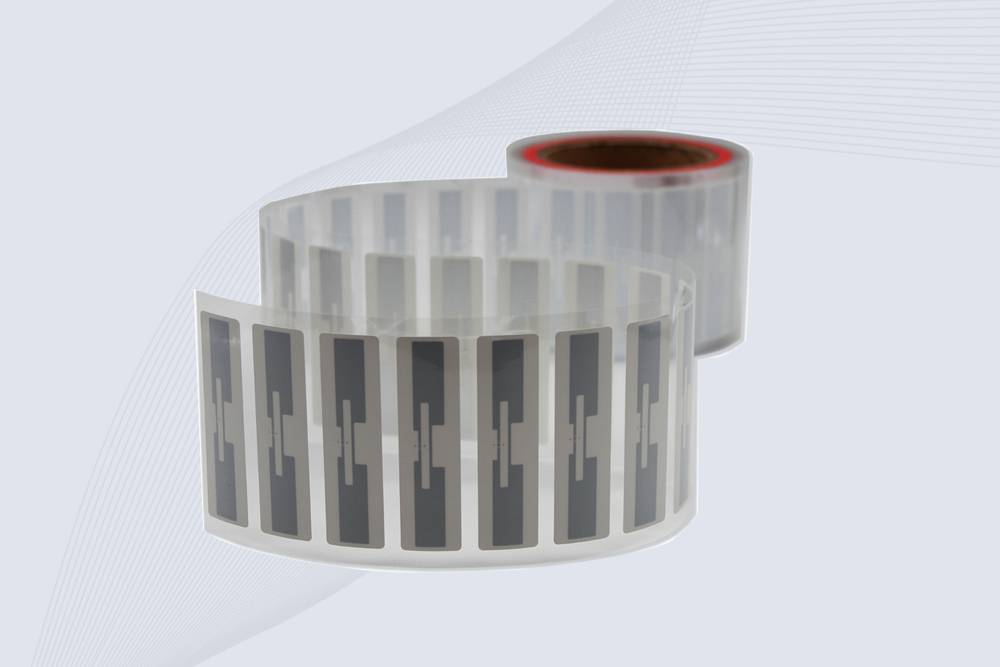
CYKEO Passive RFID Tags are made for wet and high-humidity environments where standard labels do not last. This rfid passive tag is often used around liquids, chemicals and temperature changes, providing stable reading distance and long data life for industrial tracking.
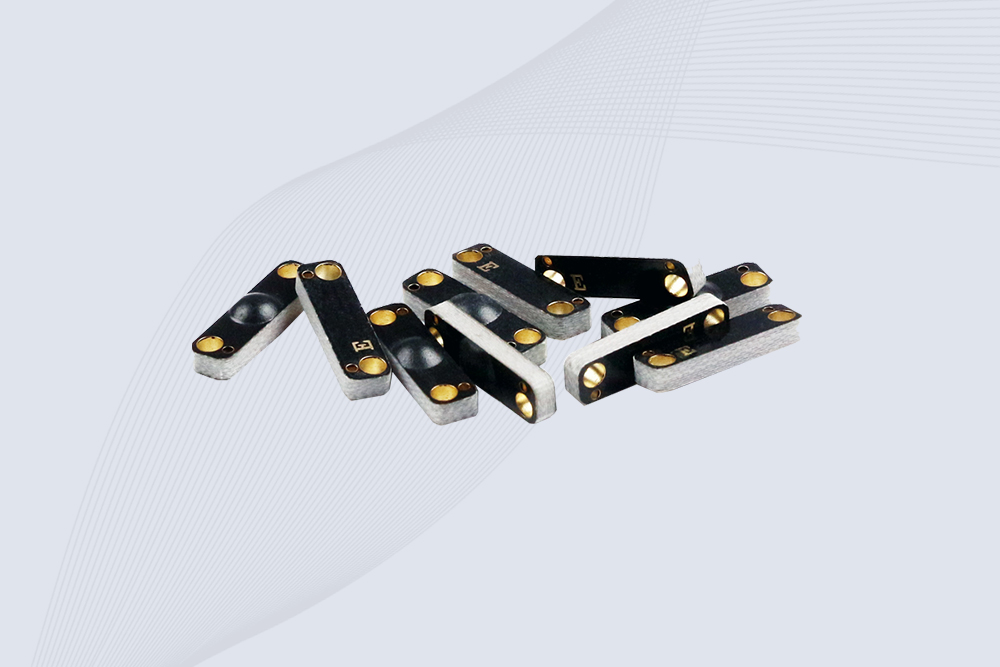
CYKEO CYKEO-PCB1504 Metal RFID Tags is a compact anti-metal UHF RFID solution built for direct mounting on metal surfaces. With stable 8-meter read range, Ucode-8 chip, and long data retention, this rfid metal tag fits tools, containers, automotive parts, and industrial asset tracking.
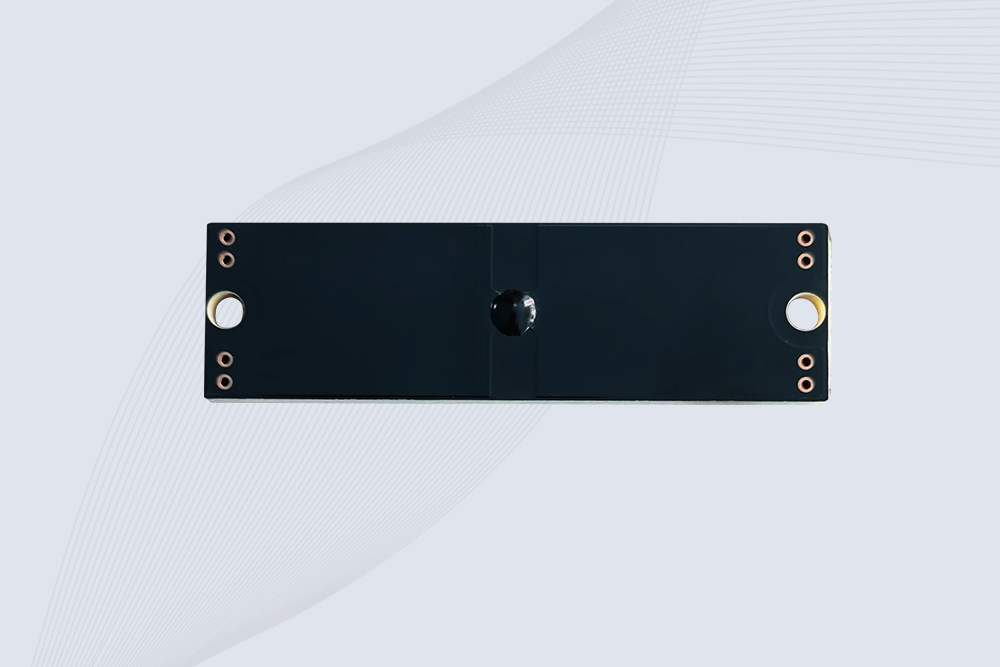
CYKEO CYKEO-PCB7020 On-Metal RFID Tags are designed for reliable tracking on steel and metal surfaces. Built with an FR4 epoxy body and industrial-grade chips, these On-Metal RFID Tags deliver stable performance, long data life, and chemical resistance, making them a dependable RFID anti-metal tag for harsh environments.
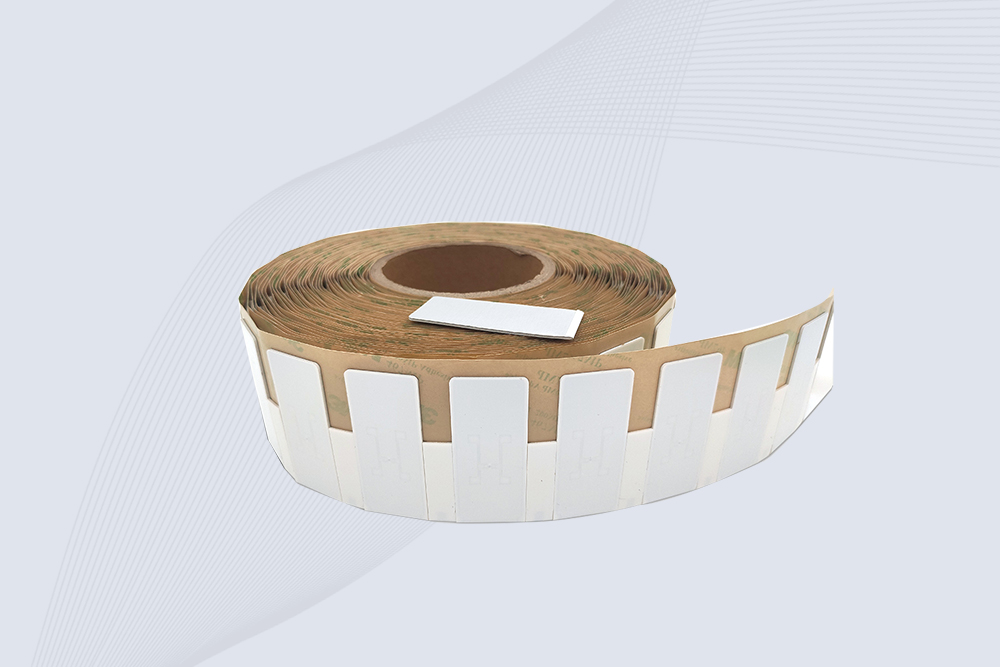
The CYKEO CYKEO-60-25 Anti-Metal RFID Tag is built for metal surfaces where standard tags fail. Designed for long-range performance, harsh environments, and stable data retention, this Anti-Metal RFID Tag is ideal for industrial assets, containers, and equipment tracking using on metal RFID tags.
The CYKEO RFID Laundry Tag is designed for long-term textile identification in harsh laundry environments. Built to withstand high heat, chemicals, and repeated washing, this RFID Laundry Tag delivers stable performance for hotels, hospitals, and industrial laundry operations using laundry rfid tags at scale.
The CYKEO CYKEO-125-7 RFID Book Tag is designed for reliable book and document tracking in libraries and archives. This RFID Book Tag delivers long read range, dense placement support, and stable performance on shelves, making it a practical rfid tag on books for library automation, file management, and archival systems.
CYKEO RFID tags in hospitals are designed for sterile environments where accuracy matters. These autoclavable RFID tags support long-term tracking of surgical tools, implants, and medications, helping hospitals improve visibility, compliance, and patient safety.
CYKEO RFID Cable Tie Tag is built for reliable identification on metal surfaces. This UHF RFID Cable Tie Tag is widely used in rfid tags for inventory systems, industrial asset management and Hospital RFID Tags, offering stable read performance, long service life and global EPC Gen2 compatibility.
CYKEO RFID Asset Tag is designed for stable identification of metal assets in industrial environments. This UHF RFID Asset Tag is commonly used for rfid tag asset tracking on equipment, tools and containers, providing reliable reads, long service life and ISO/IEC 18000-6C support.
CYKEO UHF RFID Card is designed for fast identification and long-term use in industrial and commercial systems. Supporting ISO 18000-6C, this UHF RFID Card works at 860–960 MHz and is suitable for custom RFID cards used in asset tracking, access control and inventory management.
CYKEO HF RFID Cards are designed for secure and stable access control systems. These 13.56 MHz RFID key cards support ISO 14443-A, reliable rewriting and long service life, making HF RFID Cards suitable for offices, campuses, events and membership management.
CYKEO UHF RFID Tag is designed for reliable tracking of metal jewelry and high-value items. This Jewelry RFID Tag supports long-range reading up to 8 meters, anti-counterfeit protection and stable performance on metal, making it suitable for retail, inventory control and asset management.
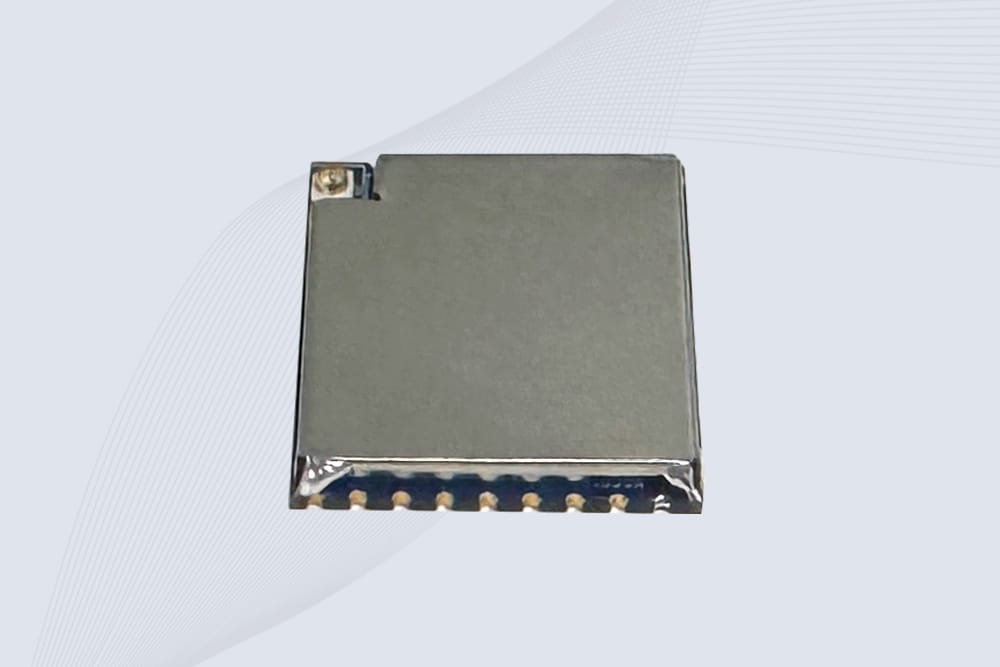
CYKEO Embedded RFID Modules are designed for compact industrial and IoT devices that require stable UHF performance. These UHF RFID Modules support global protocols, flexible power control, and reliable multi-tag reading for smart cabinets, production lines, and asset tracking systems.
CYKEO Embedded RFID Module is built for compact IoT and industrial devices that need stable UHF performance. This UHF module supports global protocols, low power operation, and reliable multi-tag reading for smart lockers, production lines, and always-on RFID systems.
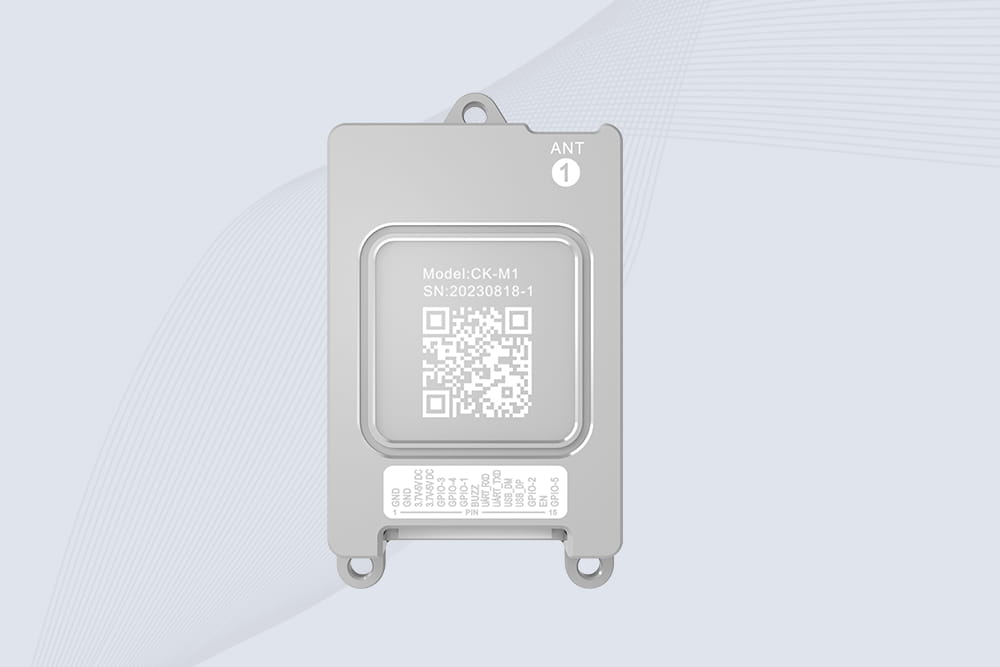
CYKEO CYKEO-M1 drone rfid module is a compact UHF RFID reader module designed for drones and UAV platforms. It supports long-range aerial scanning, fast multi-tag reading, and stable performance in wind, vibration, and outdoor environments.
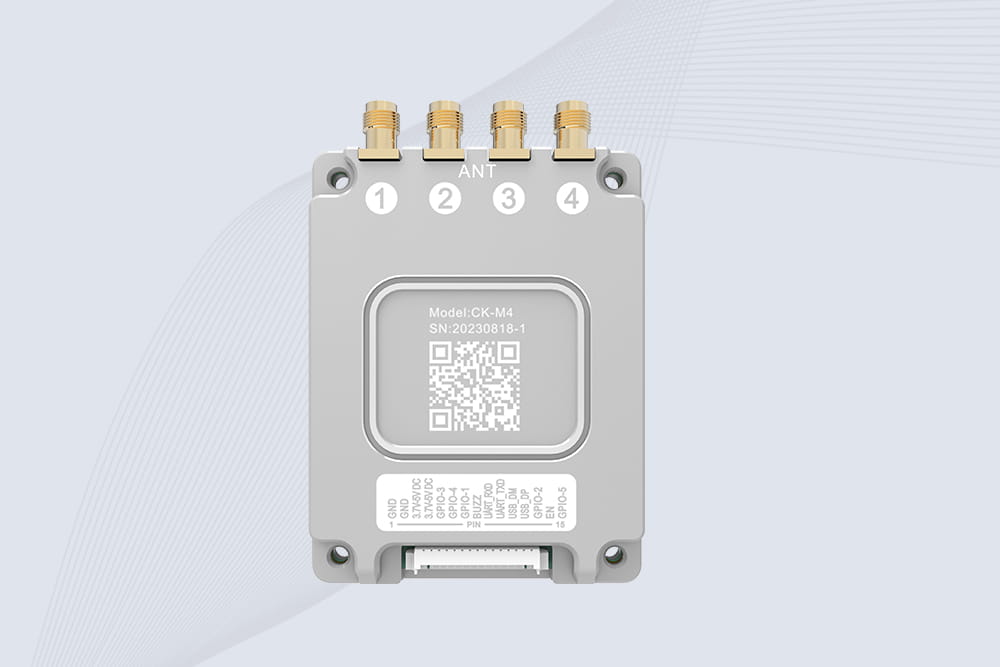
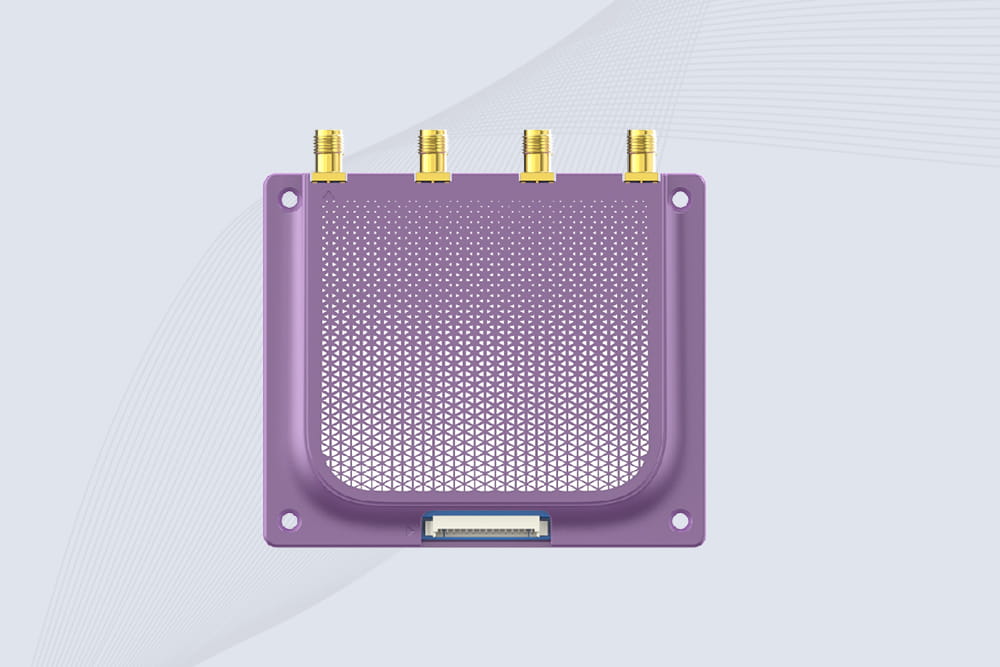
CYKEO CYKEO-M4 RC522 RFID Module is an industrial-grade UHF RFID reader with 4 ports, supporting ISO, EPC, and GB protocols. High-speed, accurate reading for IoT, automation, and warehouse applications.
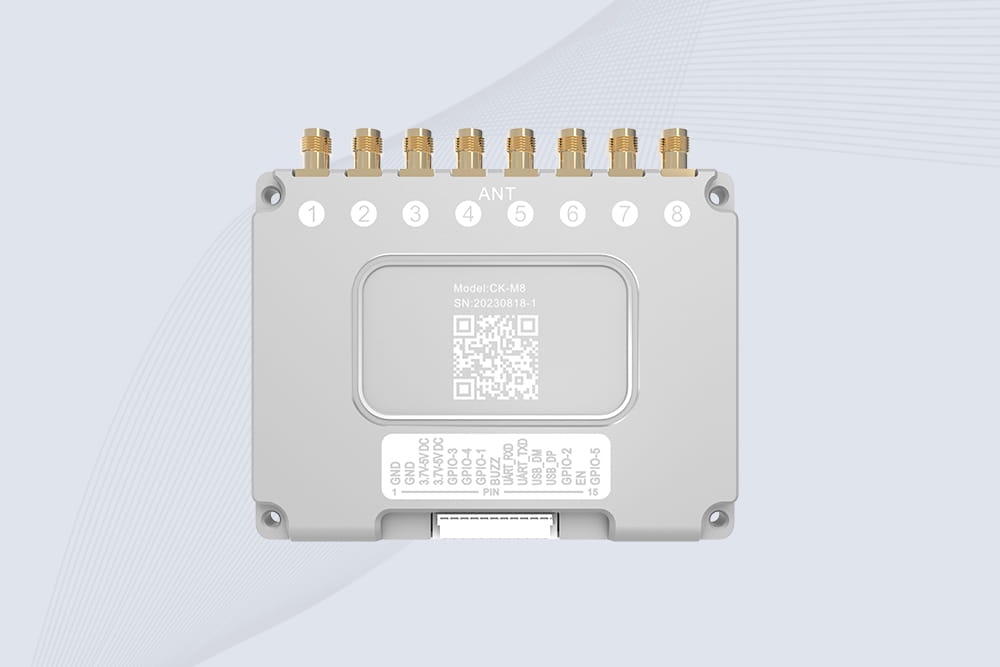
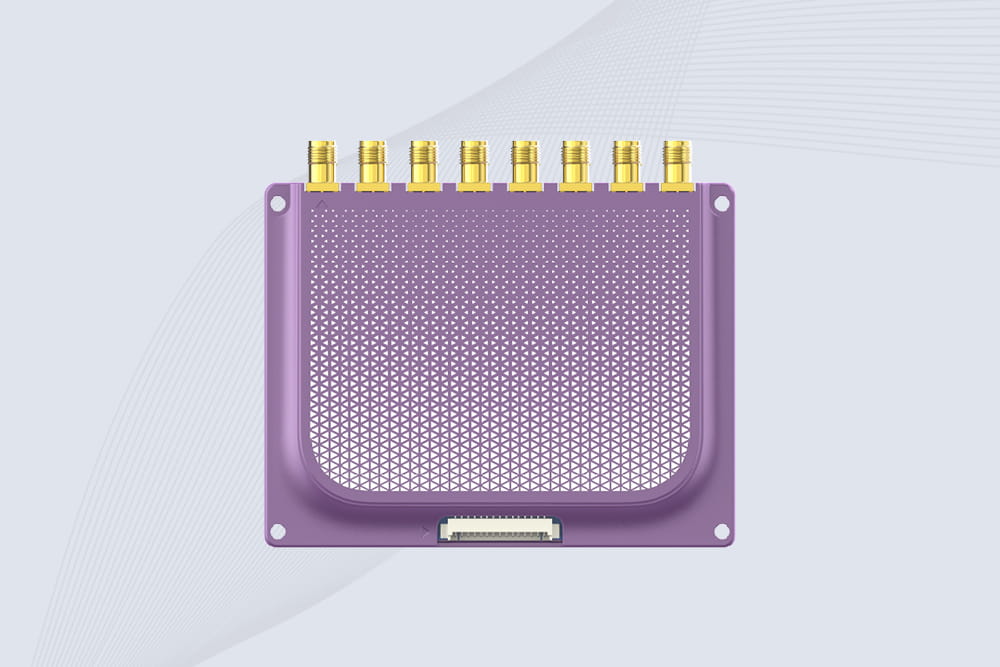
CYKEO CYKEO-M8 Module RFID is an 8-port UHF R2000 RFID Module designed for high-density, multi-tag environments. Stable 33dBm output, ISO & GB protocol support, ideal for warehouses, factories, and automated systems.
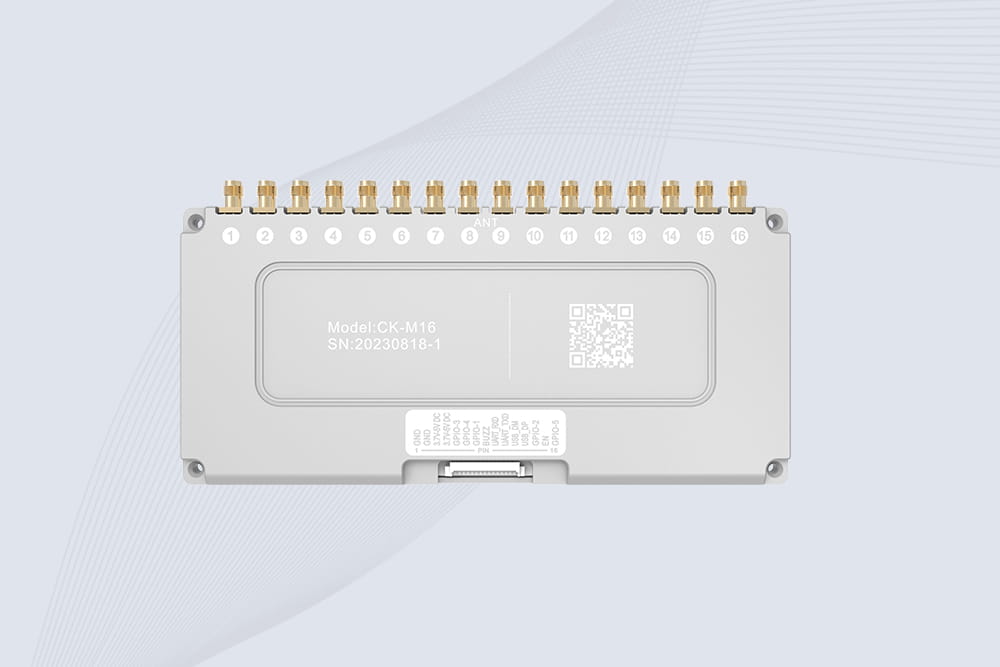
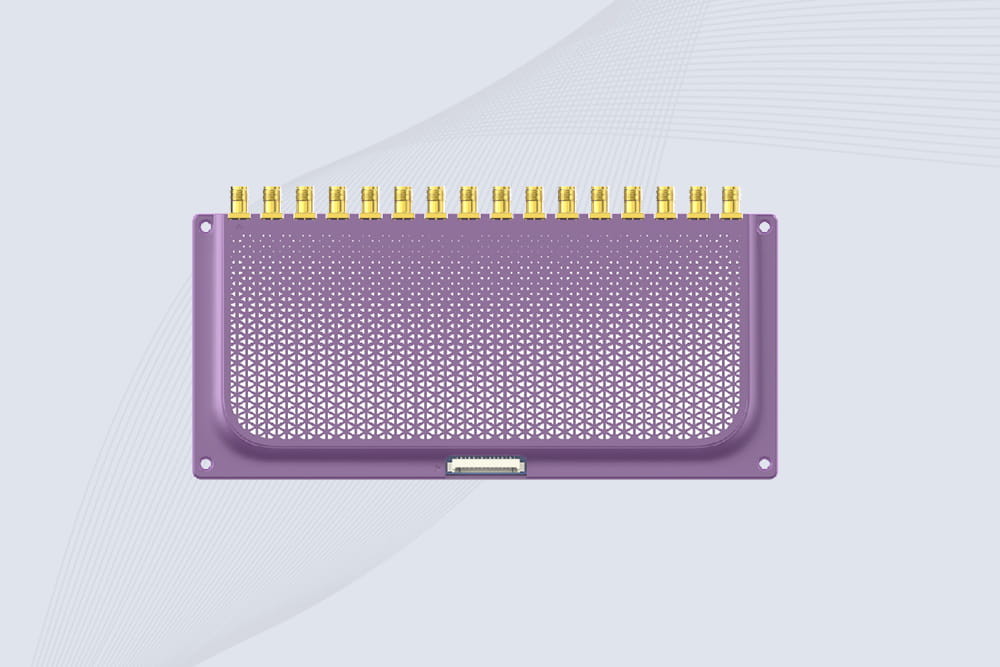
CYKEO CYKEO-M16 RFID Module is a 16-port UHF RFID reader module based on the R2000 chipset. Designed for dense tag environments, it supports ISO and GB standards and delivers stable multi-antenna control for industrial automation.
The CYKEO CYKEO-M16L RFID Reader Module is a 16-channel UHF RFID core designed for dense tag environments. With adjustable 33dBm output, multi-protocol support, and stable multi-antenna control, this RFID Tag Reader Module fits industrial automation, warehouse systems, and large-scale IoT deployments.
CYKEO CYKEO-M8L module RFID is a compact industrial UHF module built for dense tag and multi-antenna environments. With 8 RF ports, adjustable 33 dBm output, and ISO & GB protocol support, it is widely used in factories, warehouses, and automated tracking systems.
CYKEOCYKEO-M4L UHF RFID Module is a compact 4-channel RFID tag reader module designed for dense tag environments. Supporting ISO and GB protocols, it delivers stable reads up to 10 meters for industrial and IoT systems.
Cykeo CYKEO-A11 UHF RFID reader antenna delivers 11dBi gain, 840-960MHz frequency range, and IP65 ruggedness for retail, logistics, and industrial RFID systems. Features low VSWR and easy installation.
CYKEO Antenna RFID Reader delivers stable long-range UHF performance with a 10.5dBi directional design, built for warehouses, conveyor portals, and industrial RFID systems. This rfid reader antenna provides 20m+ read distance and rugged IP67 protection.
Cykeo CYKEO-A5B industrial Linear RFID Antenna delivers 5dBi gain, ≤1.5:1 VSWR, and IP65 rugged design for warehouse, production line, and logistics UHF systems.
Cykeo’s CYKEO-B12 Long Range RFID Antenna delivers 15m+ read range with 12dBi gain, IP65 rugged design, and global 840-960MHz UHF support. Ideal for warehouse/logistics asset tracking.
Cykeo CYKEO-B10 Long Distance RFID Antenna offers 10dBi gain, 840-960MHz frequency range, IP65 rating, and 20m+ coverage for logistics/warehousing/ETC systems. Low VSWR ensures stable signal transmission.
Cykeo CYKEO-A6 UHF RFID panel antenna features 6dBi gain, 840-960MHz broadband, IP65 metal-ready housing for logistics/smart retail. 18mm ultra-thin design with tool-free mounting.
Cykeo CK-A3 industrial antenna RFID UHF offers 5m+ tag detection, ≤1.3:1 VSWR, IP65 rugged design, and global UHF spectrum compatibility (840-960MHz) for warehouses, factories, and retail.
Cykeo CYKEO-B5 directional RFID antenna provides 5dBi gain with 60° narrow beamwidth for precise inventory tracking. IP65-rated, global UHF frequency support, and low VSWR.
Create your own high-performance DIY RFID antenna! 5dBi gain, 840-960MHz tunable, step-by-step guides. Compatible with Arduino, Raspberry Pi, and commercial UHF readers.
Cykeo CYKEO-A7 Flexible RFID Antenna features 840-960MHz wideband tuning, 7dBi gain, and IP68 rating for medical/retail/industrial curved surface deployments. 98% read accuracy with peel-and-stick installation.
Cykeo CYKEO-B5A industrial Passive RFID Antenna delivers 5dBi gain, 70° beamwidth, and -40°C~55°C operation for warehouses/smart cabinets. Compatible with Zebra/Impinj readers.
Cykeo’s CYKEO-A9B High Gain RFID Antenna delivers 15m+ read range with 9dBi amplification. Features IP54 rugged design, 840-960MHz bandwidth, and 80° beamwidth for warehouse/manufacturing RFID systems.
Cykeo’s enterprise-grade 8dbi Impinj RFID Antenna 10m+ read range with 840-960MHz tuning. Features IP65 housing, 1.4 VSWR, 35° beamwidth for retail/warehouse RFID systems.
Cykeo CYKEO-A9 industrial UHF RFID antenna delivers 9dBi gain, 840-960MHz frequency range, and IP65 protection for warehouse/logistics/retail RFID systems. Features N-type connector and ≤1.3:1 VSWR.
CYKEO UHF RFID Antenna built for long-distance and industrial applications. This antenna rfid uhf delivers strong gain, outdoor durability, and reliable tag performance in warehouses, yards, and vehicle ID systems.
CYKEO Antenna RFID delivers reliable long-range UHF performance in warehouses, retail shelves, and cold-chain environments. This compact uhf rfid antenna provides stable reads with circular polarization and ultra-wide 840–960 MHz support, ideal for industrial tracking, smart shelves, and asset monitoring.
Cykeo’s CYKEO-C8 UHF RFID antennas delivers 8dBi gain, 840-960MHz full-band coverage, and IP65 ruggedness for manufacturing/warehouse RFID systems. Industrial RFID Antennas Features
Cykeo’s 8dBi UHF RFID antenna and reader kit delivers 10m+ range, 840-960MHz broadband, and IP65 ruggedness for factories, warehouses, and logistics. ISO 18000-6C & EPC Gen2 certified.
Cykeo’s CYKEO-A12C UHF Large RFID Antenna delivers 12dBi gain, 840-960MHz global frequency, IP65 ruggedness for logistics/warehousing/automotive. 40° beamwidth ensures stable 15m+ tag reads.
CYKEO Near Field RFID Antenna provides precise 5–30 cm reading for shelves, cabinets, and workstations. This compact rfid shelf antenna delivers stable short-range performance around metal and clutter, ideal for pharmacies, libraries, and electronics sorting.
Cykeo’s industrial long range RFID reader delivers 20-meter scanning, 500+ tags/sec speed, and IP67 waterproof design for automated warehouses, logistics, and harsh environment applications.
Cykeo’s CYKEO-RA6L industrial RFID long range reader features 20m read distance, 500 tags/sec speed, and IP67 protection. Ideal for warehouse automation, manufacturing WIP tracking, and smart logistics. Supports ISO 18000-6C/6B protocols.
CYKEO Long Range RFID Tag Reader built for outdoor and industrial operations. This Outdoor RFID Reader delivers 20m read distance, fast tag processing, and IP67 durability for wide-area tracking.
Cykeo CYKEO-RA12L industrial Long Range RFID Reader delivers 20m read range, 200+ tags/sec scanning, and IP67 protection for manufacturing/logistics applications. Supports ISO 18000-6C/GB protocols.
Unlock the power of UHF RFID with this easy-to-follow guide on programming RFID cards and applying UHF RFID technology in asset management, logistics, and smart warehousing. Learn how to streamline your operations with real-world insights and prac...
Trying to use your iPhone for RFID? We answer "can you read RFID with iPhone" by explaining the limited NFC capability and its real-world business applications.
Step-by-step guide to installing and configuring industrial RFID readers for maximum efficiency. Learn best practices and avoid common pitfalls with Cykeo’s expertise.
Discover a UHF mobile RFID reader IC with self-leakage canceller. Learn how this chip-level innovation cuts through noise for superior tag sensitivity in compact, battery-powered devices.
 Cykeo RFID IoT Solution Products R&D Manufacturer