You hear people throw around terms like “RFID reader,” “RFID writer,” and “RFID encoder.” Sometimes they use them interchangeably. Sometimes they act like they are different devices. It gets confusing fast.
Here is the thing. When people search what is a rfid reader writer, they usually want to know if it is one device or two, and whether they need the extra “writer” capability for their project. The short answer is simple: most modern RFID readers are also writers . But not all readers are equally good at writing, and understanding the difference matters.
Let me explain what an RFID reader writer actually is, how it works, and when you need one.
The Simple Definition
An RFID reader writer is a device that can both read data from and write data to RFID tags using radio waves . Think of it like a smartphone that can both display information (reading) and type new information (writing). The reader part pulls data off the tag. The writer part puts new data onto it.
In technical terms, it is a bidirectional communication device. It sends out radio signals that energize passive tags, receives their responses, and can also send commands that modify the tag’s memory .
RFID reader writers go by many names—readers, interrogators, encoders, programmers . In everyday language, people often just say “RFID reader” even when the device can write. But technically, if it can only read, it is a reader-only device. If it can both read and write, it is a reader/writer .
Reader vs Writer: One Device, Two Functions
Most RFID readers on the market today are actually reader/writers . The distinction matters more in how you use them than in the hardware itself.
Encoding serial numbers, updating status, setting passwords
When you walk through a warehouse with a handheld reader counting items, you are using the read function. When you sit at a desk programming new access cards, you are using the write function. Same device, different jobs .
How an RFID Reader Writer Works
At its core, an RFID reader writer has three main components working together :
The antenna sends out radio waves and listens for tag responses. For passive tags, these radio waves also provide the energy the tag needs to operate . When writing, the antenna transmits encoded commands that tell the tag to modify its memory.
The radio frequency module generates the carrier signal, modulates it with commands (for writing), and demodulates incoming signals from tags (for reading) . It handles the physical layer communication.
The control module runs the protocols, manages anti-collision when multiple tags are present, and communicates with the host computer or network . This is where the intelligence lives.
When you write to a tag, the process goes like this :
Reader selects a specific tag (using its unique ID)
It authenticates if required (using passwords or keys)
It sends the write command with data to the specified memory location
Tag confirms successful write
Reader can verify by reading back
Why Writing to Tags Matters
Reading a tag’s ID is enough for many applications—you just need to know something is there. But writing opens up powerful possibilities :
Custom data storage: Write serial numbers, expiration dates, or destination codes directly onto tags. No database lookup needed—the tag carries its own history.
Status updates: Update a tag as an item moves through production—”assembled,” “tested,” “shipped.” The tag becomes a portable record.
Access control: Program new cards with user credentials, or update permissions without replacing cards.
Anti-counterfeiting: Write encrypted authentication data that can be verified later.
Closed-loop systems: In warehouses or factories where tags stay within the facility, you can reuse tags by overwriting them for new items.
Types of RFID Reader Writers
RFID reader writers come in several form factors, each suited to different jobs .
Desktop reader writers sit on counters or desks, connected via USB. They have a short, focused read range—typically a few centimeters . This makes them ideal for precision encoding one tag at a time. The CYKEO CK-D1L desktop encoder fits this category, with a near-field antenna that reads only within about 30cm so you do not accidentally program the wrong tag .
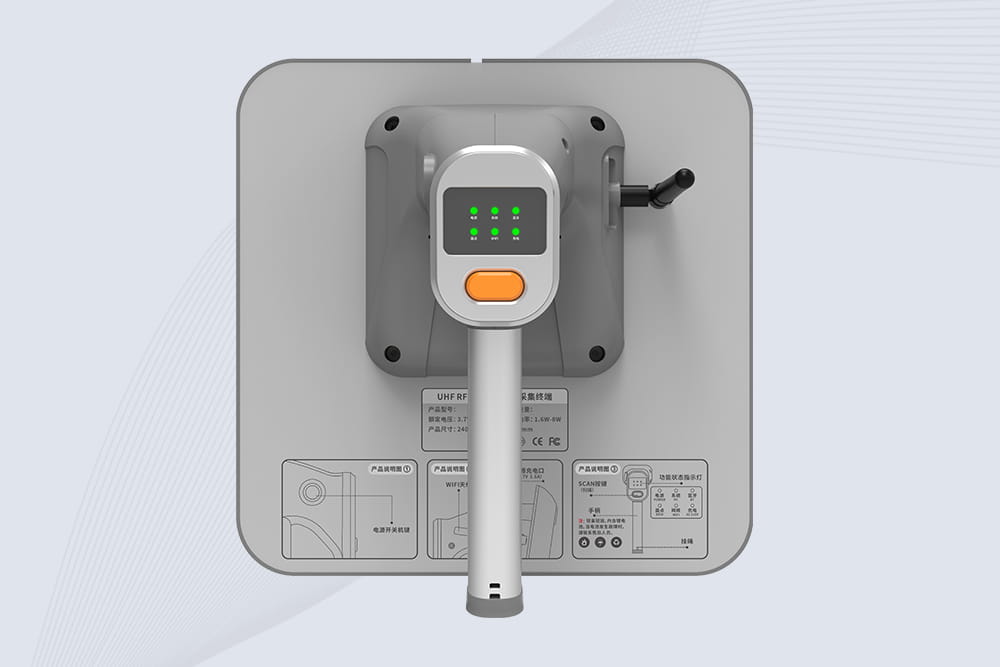
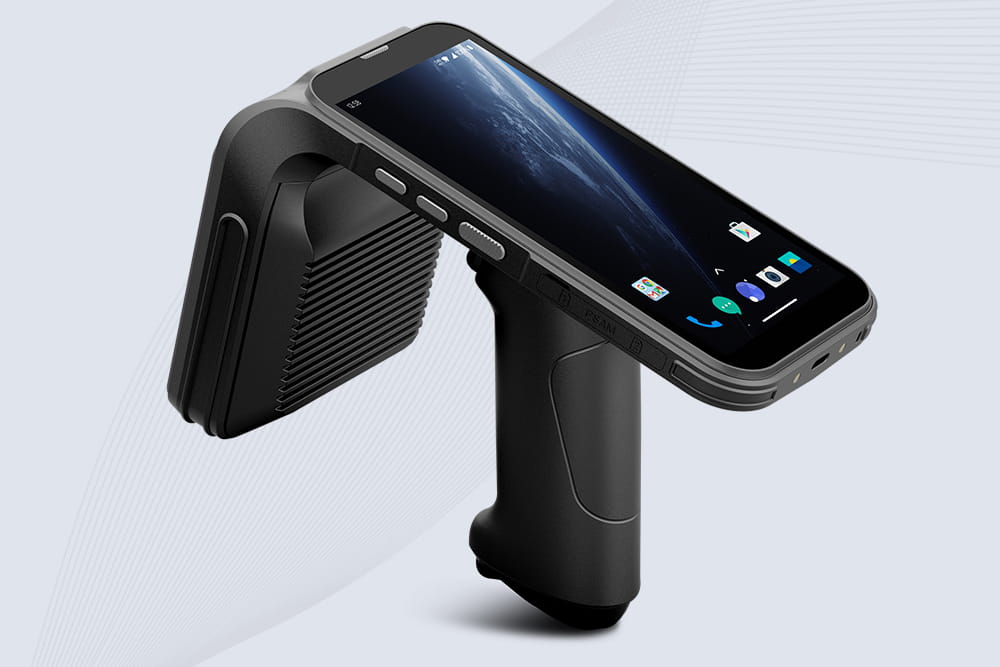
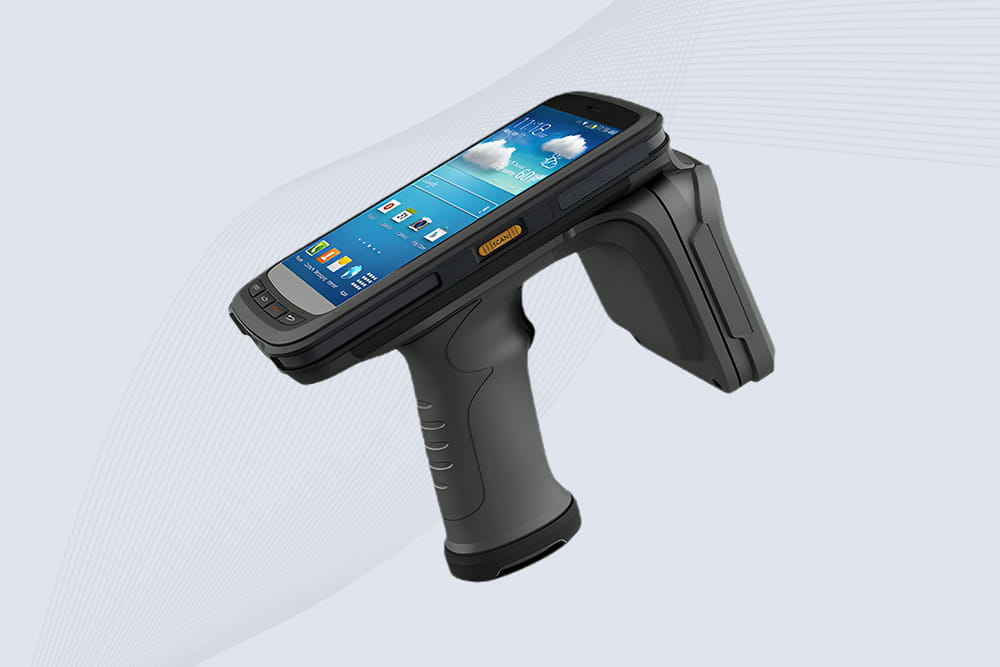
Handheld reader writers look like chunky mobile phones or pistol-grip devices. They are battery-powered and portable, used for walking around warehouses or retail floors . They can read from meters away and write to tags in the field, though writing requires bringing the tag close (within 30cm typically).
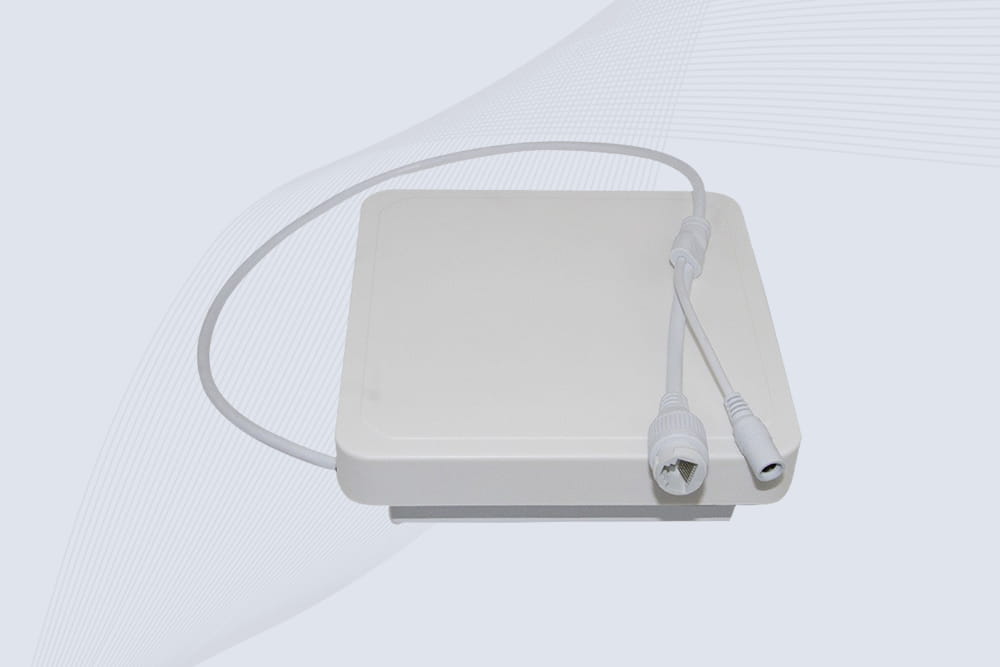
Fixed reader writers mount on walls, portals, or conveyor systems. They work automatically, reading tags as they pass and sometimes writing updates . Multi-port models like the CYKEO CK-R8L can connect to several antennas, covering wide areas.
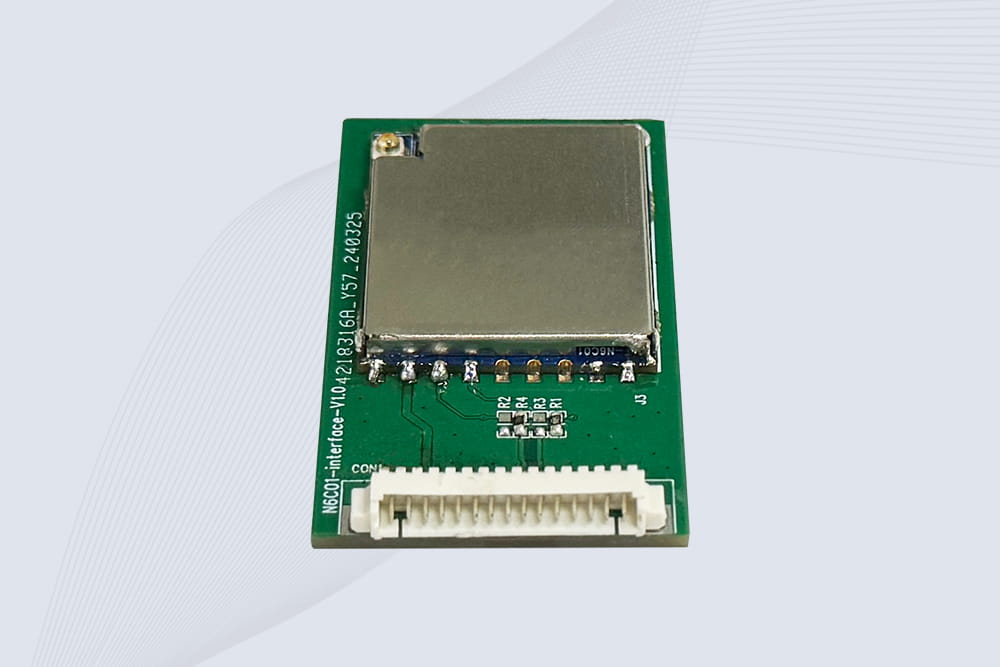
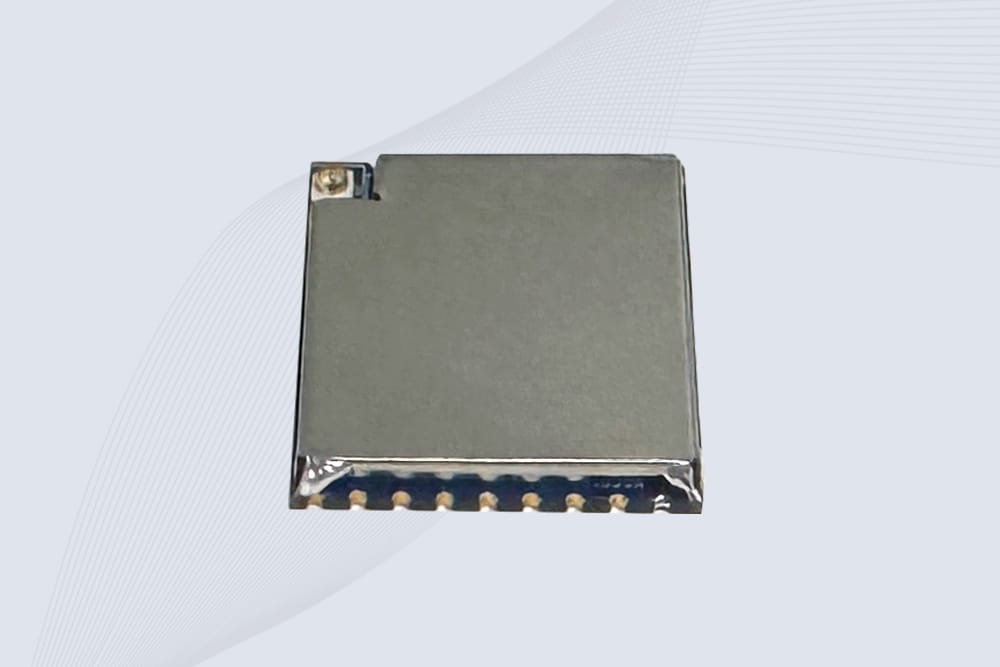
Embedded modules are bare circuit boards for OEMs building RFID into their own products—printers, kiosks, medical devices .
The One-at-a-Time Rule for Writing
Here is something critical. When reading, RFID readers can handle hundreds of tags at once using anti-collision algorithms . But when writing, they must communicate with one tag at a time .
If multiple tags are in the field during a write operation, the reader may:
Generate a write error
Write data onto the wrong tag
Fail to complete the operation entirely
This is why dedicated encoding stations use desktop readers with tight, focused read zones . They physically isolate one tag so the writer knows exactly which one to program.
For high-volume encoding, RFID printer/encoders handle both printing labels and programming tags in one pass, ensuring each tag gets the right data .
Reader Writer vs Encoder: Same Thing
You might hear the term “RFID encoder.” It means the same as reader writer . An encoder is simply a device optimized for programming tags—typically a desktop unit with software that makes encoding easy .
Some people call them “programmers” because they program data onto tags, just like you program a chip .
What You Can Write and Where
RFID tags have structured memory. What you can write depends on the tag type .
For UHF RAIN tags (ISO 18000-6C), memory is organized into four banks:
Reserved bank: Kill password and access password
EPC bank: Main identifier (what you usually read)
TID bank: Factory-programmed unique ID (read-only)
User bank: Custom data storage (size varies)
You can write to the EPC bank, user bank, and reserved bank (with proper authentication).
For HF Mifare tags (13.56 MHz), memory is divided into sectors and blocks. Each sector has its own access keys. You can write to data blocks after authenticating with the correct key.
Important: Not all tags are writable. Some low-cost tags are read-only—they come with a fixed ID that cannot be changed. Always check the tag specifications .
Do You Need a Reader Writer?
Choose a reader writer if:
You need to program new tags (access cards, inventory labels)
Tags will carry variable data (serial numbers, expiration dates)
You want to update tag information during its life (status changes, maintenance records)
You are setting up access control cards for the first time
A reader-only device may be enough if:
You only need to identify items (inventory counting, asset verification)
Tags come pre-programmed with fixed IDs
All data lives in a database, not on the tag
The Bottom Line
What is a RFID reader writer? It is a device that can both read information from and write information to RFID tags. Most modern readers include write capability, though some are optimized for one job over the other .
Desktop reader writers with focused read zones are best for precision encoding . Handhelds offer mobility for field programming. Fixed readers automate both reading and writing in portals and production lines.
CYKEO offers reader writers for every need—CK-D1L desktop encoders for card programming, CK-B5L Bluetooth handhelds for mobile inventory and field writes, and CK-R8L fixed RFID readers with multi-port support for automated systems. All include full read/write capability and SDKs for custom application development.
When you are not sure whether you need write capability, ask yourself: will the tag’s data ever need to change after it leaves your desk? If yes, you need a reader writer.
Need to program tags for your application? CYKEO reader writers support all major tag types with easy-to-use software and SDKs. Contact our team for recommendations based on your specific use case.
CYKEO Passive RFID Tags are made for wet and high-humidity environments where standard labels do not last. This rfid passive tag is often used around liquids, chemicals and temperature changes, providing stable reading distance and long data life for industrial tracking.
CYKEO CYKEO-PCB1504 Metal RFID Tags is a compact anti-metal UHF RFID solution built for direct mounting on metal surfaces. With stable 8-meter read range, Ucode-8 chip, and long data retention, this rfid metal tag fits tools, containers, automotive parts, and industrial asset tracking.
CYKEO CYKEO-PCB7020 On-Metal RFID Tags are designed for reliable tracking on steel and metal surfaces. Built with an FR4 epoxy body and industrial-grade chips, these On-Metal RFID Tags deliver stable performance, long data life, and chemical resistance, making them a dependable RFID anti-metal tag for harsh environments.
The CYKEO CYKEO-60-25 Anti-Metal RFID Tag is built for metal surfaces where standard tags fail. Designed for long-range performance, harsh environments, and stable data retention, this Anti-Metal RFID Tag is ideal for industrial assets, containers, and equipment tracking using on metal RFID tags.
The CYKEO RFID Laundry Tag is designed for long-term textile identification in harsh laundry environments. Built to withstand high heat, chemicals, and repeated washing, this RFID Laundry Tag delivers stable performance for hotels, hospitals, and industrial laundry operations using laundry rfid tags at scale.
The CYKEO CYKEO-125-7 RFID Book Tag is designed for reliable book and document tracking in libraries and archives. This RFID Book Tag delivers long read range, dense placement support, and stable performance on shelves, making it a practical rfid tag on books for library automation, file management, and archival systems.
CYKEO RFID tags in hospitals are designed for sterile environments where accuracy matters. These autoclavable RFID tags support long-term tracking of surgical tools, implants, and medications, helping hospitals improve visibility, compliance, and patient safety.
CYKEO RFID Cable Tie Tag is built for reliable identification on metal surfaces. This UHF RFID Cable Tie Tag is widely used in rfid tags for inventory systems, industrial asset management and Hospital RFID Tags, offering stable read performance, long service life and global EPC Gen2 compatibility.
CYKEO RFID Asset Tag is designed for stable identification of metal assets in industrial environments. This UHF RFID Asset Tag is commonly used for rfid tag asset tracking on equipment, tools and containers, providing reliable reads, long service life and ISO/IEC 18000-6C support.
CYKEO UHF RFID Card is designed for fast identification and long-term use in industrial and commercial systems. Supporting ISO 18000-6C, this UHF RFID Card works at 860–960 MHz and is suitable for custom RFID cards used in asset tracking, access control and inventory management.
CYKEO HF RFID Cards are designed for secure and stable access control systems. These 13.56 MHz RFID key cards support ISO 14443-A, reliable rewriting and long service life, making HF RFID Cards suitable for offices, campuses, events and membership management.
CYKEO UHF RFID Tag is designed for reliable tracking of metal jewelry and high-value items. This Jewelry RFID Tag supports long-range reading up to 8 meters, anti-counterfeit protection and stable performance on metal, making it suitable for retail, inventory control and asset management.
CYKEO Embedded RFID Modules are designed for compact industrial and IoT devices that require stable UHF performance. These UHF RFID Modules support global protocols, flexible power control, and reliable multi-tag reading for smart cabinets, production lines, and asset tracking systems.
CYKEO Embedded RFID Module is built for compact IoT and industrial devices that need stable UHF performance. This UHF module supports global protocols, low power operation, and reliable multi-tag reading for smart lockers, production lines, and always-on RFID systems.
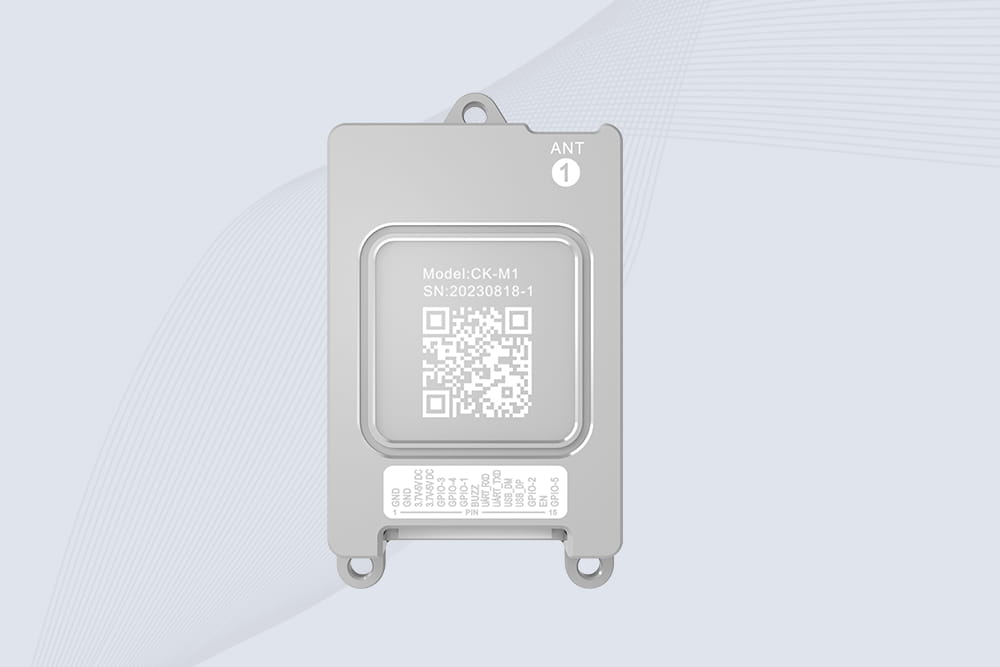
CYKEO CYKEO-M1 drone rfid module is a compact UHF RFID reader module designed for drones and UAV platforms. It supports long-range aerial scanning, fast multi-tag reading, and stable performance in wind, vibration, and outdoor environments.
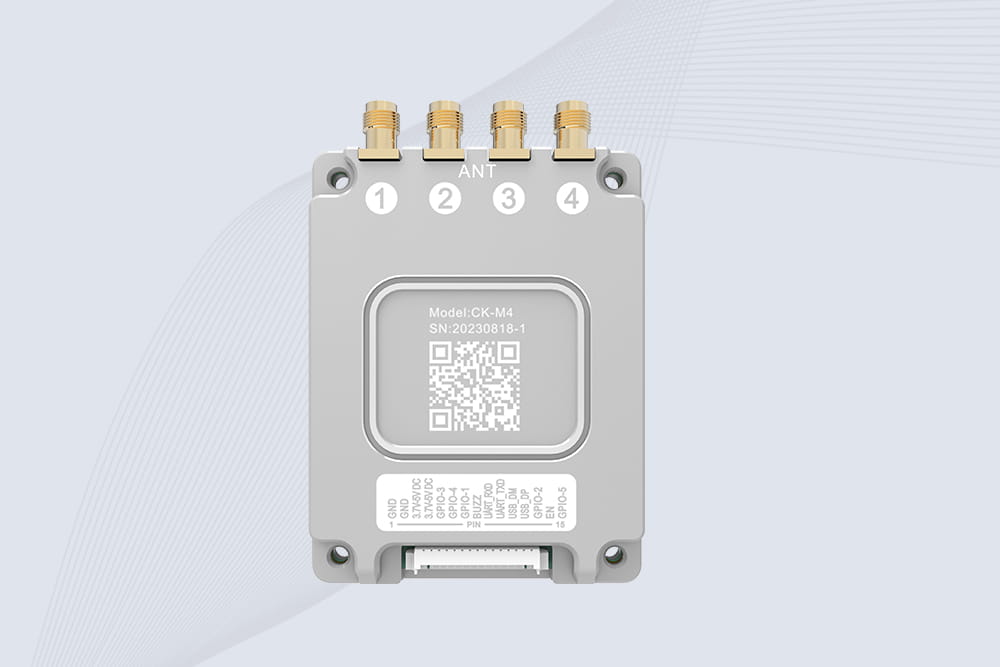
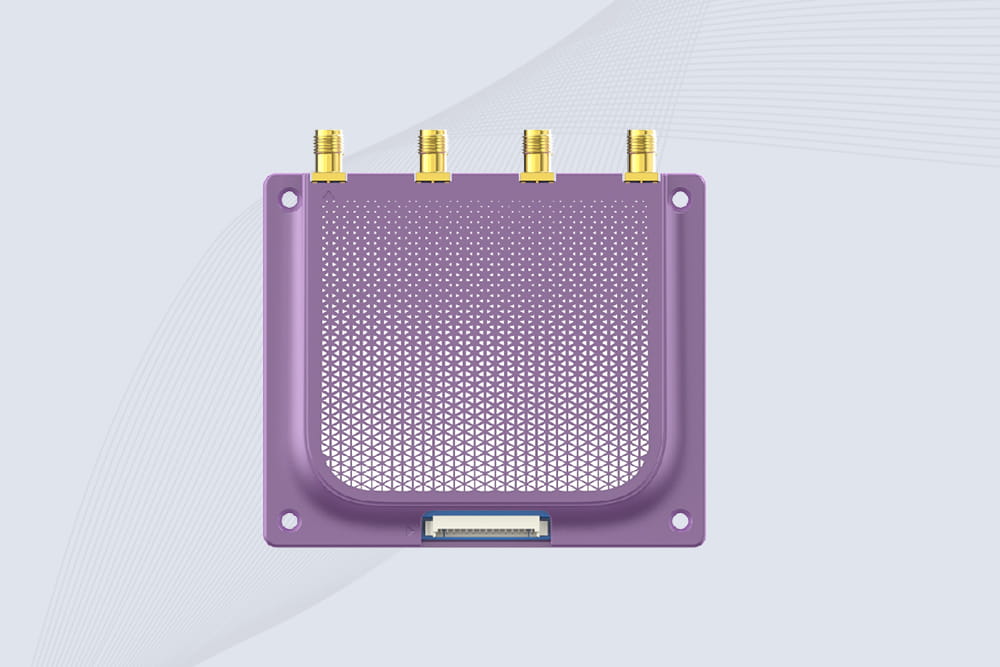
CYKEO CYKEO-M4 RC522 RFID Module is an industrial-grade UHF RFID reader with 4 ports, supporting ISO, EPC, and GB protocols. High-speed, accurate reading for IoT, automation, and warehouse applications.
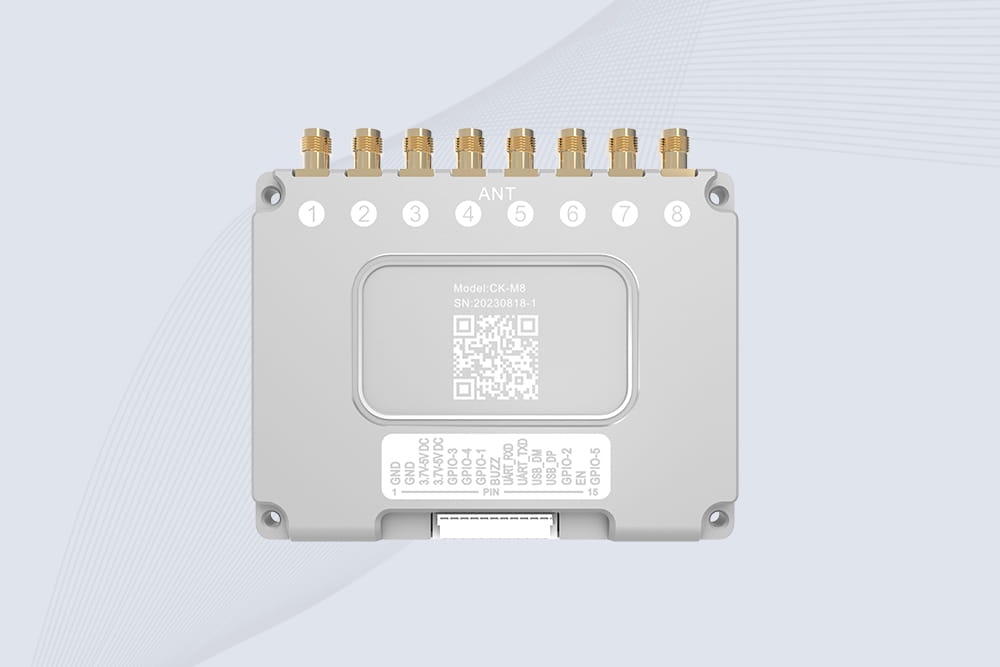
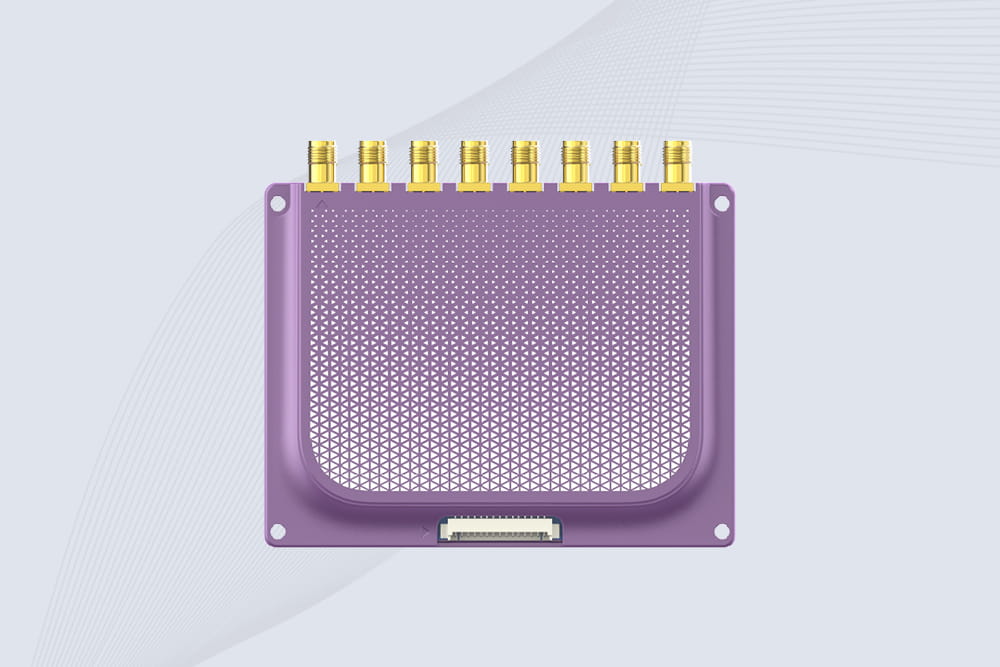
CYKEO CYKEO-M8 Module RFID is an 8-port UHF R2000 RFID Module designed for high-density, multi-tag environments. Stable 33dBm output, ISO & GB protocol support, ideal for warehouses, factories, and automated systems.
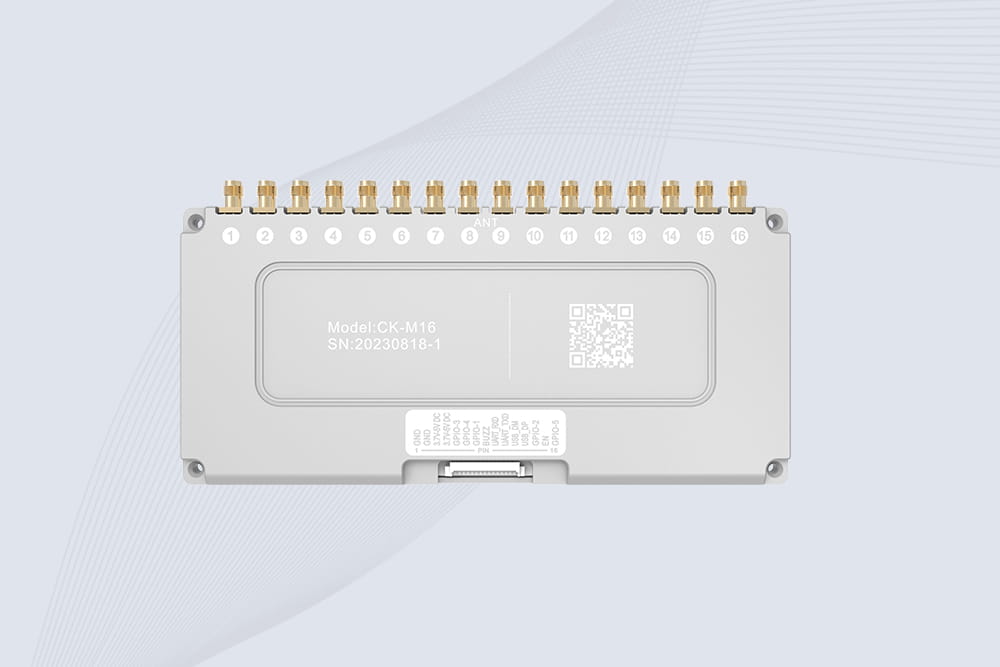
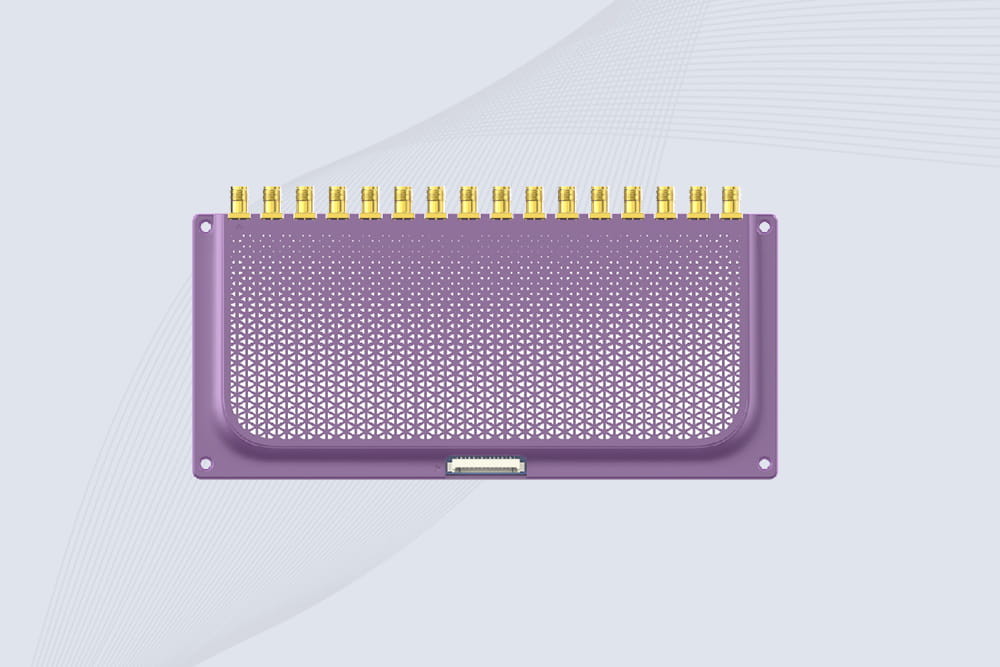
CYKEO CYKEO-M16 RFID Module is a 16-port UHF RFID reader module based on the R2000 chipset. Designed for dense tag environments, it supports ISO and GB standards and delivers stable multi-antenna control for industrial automation.
The CYKEO CYKEO-M16L RFID Reader Module is a 16-channel UHF RFID core designed for dense tag environments. With adjustable 33dBm output, multi-protocol support, and stable multi-antenna control, this RFID Tag Reader Module fits industrial automation, warehouse systems, and large-scale IoT deployments.
CYKEO CYKEO-M8L module RFID is a compact industrial UHF module built for dense tag and multi-antenna environments. With 8 RF ports, adjustable 33 dBm output, and ISO & GB protocol support, it is widely used in factories, warehouses, and automated tracking systems.
CYKEOCYKEO-M4L UHF RFID Module is a compact 4-channel RFID tag reader module designed for dense tag environments. Supporting ISO and GB protocols, it delivers stable reads up to 10 meters for industrial and IoT systems.
Cykeo CYKEO-A11 UHF RFID reader antenna delivers 11dBi gain, 840-960MHz frequency range, and IP65 ruggedness for retail, logistics, and industrial RFID systems. Features low VSWR and easy installation.
CYKEO Antenna RFID Reader delivers stable long-range UHF performance with a 10.5dBi directional design, built for warehouses, conveyor portals, and industrial RFID systems. This rfid reader antenna provides 20m+ read distance and rugged IP67 protection.
Cykeo CYKEO-A5B industrial Linear RFID Antenna delivers 5dBi gain, ≤1.5:1 VSWR, and IP65 rugged design for warehouse, production line, and logistics UHF systems.
Cykeo’s CYKEO-B12 Long Range RFID Antenna delivers 15m+ read range with 12dBi gain, IP65 rugged design, and global 840-960MHz UHF support. Ideal for warehouse/logistics asset tracking.
Cykeo CYKEO-B10 Long Distance RFID Antenna offers 10dBi gain, 840-960MHz frequency range, IP65 rating, and 20m+ coverage for logistics/warehousing/ETC systems. Low VSWR ensures stable signal transmission.
Cykeo CYKEO-A6 UHF RFID panel antenna features 6dBi gain, 840-960MHz broadband, IP65 metal-ready housing for logistics/smart retail. 18mm ultra-thin design with tool-free mounting.
Cykeo CK-A3 industrial antenna RFID UHF offers 5m+ tag detection, ≤1.3:1 VSWR, IP65 rugged design, and global UHF spectrum compatibility (840-960MHz) for warehouses, factories, and retail.
Cykeo CYKEO-B5 directional RFID antenna provides 5dBi gain with 60° narrow beamwidth for precise inventory tracking. IP65-rated, global UHF frequency support, and low VSWR.
Create your own high-performance DIY RFID antenna! 5dBi gain, 840-960MHz tunable, step-by-step guides. Compatible with Arduino, Raspberry Pi, and commercial UHF readers.
Cykeo CYKEO-A7 Flexible RFID Antenna features 840-960MHz wideband tuning, 7dBi gain, and IP68 rating for medical/retail/industrial curved surface deployments. 98% read accuracy with peel-and-stick installation.
Cykeo CYKEO-B5A industrial Passive RFID Antenna delivers 5dBi gain, 70° beamwidth, and -40°C~55°C operation for warehouses/smart cabinets. Compatible with Zebra/Impinj readers.
Cykeo’s CYKEO-A9B High Gain RFID Antenna delivers 15m+ read range with 9dBi amplification. Features IP54 rugged design, 840-960MHz bandwidth, and 80° beamwidth for warehouse/manufacturing RFID systems.
Cykeo’s enterprise-grade 8dbi Impinj RFID Antenna 10m+ read range with 840-960MHz tuning. Features IP65 housing, 1.4 VSWR, 35° beamwidth for retail/warehouse RFID systems.
Cykeo CYKEO-A9 industrial UHF RFID antenna delivers 9dBi gain, 840-960MHz frequency range, and IP65 protection for warehouse/logistics/retail RFID systems. Features N-type connector and ≤1.3:1 VSWR.
CYKEO UHF RFID Antenna built for long-distance and industrial applications. This antenna rfid uhf delivers strong gain, outdoor durability, and reliable tag performance in warehouses, yards, and vehicle ID systems.
CYKEO Antenna RFID delivers reliable long-range UHF performance in warehouses, retail shelves, and cold-chain environments. This compact uhf rfid antenna provides stable reads with circular polarization and ultra-wide 840–960 MHz support, ideal for industrial tracking, smart shelves, and asset monitoring.
Cykeo’s CYKEO-C8 UHF RFID antennas delivers 8dBi gain, 840-960MHz full-band coverage, and IP65 ruggedness for manufacturing/warehouse RFID systems. Industrial RFID Antennas Features
Cykeo’s 8dBi UHF RFID antenna and reader kit delivers 10m+ range, 840-960MHz broadband, and IP65 ruggedness for factories, warehouses, and logistics. ISO 18000-6C & EPC Gen2 certified.
Cykeo’s CYKEO-A12C UHF Large RFID Antenna delivers 12dBi gain, 840-960MHz global frequency, IP65 ruggedness for logistics/warehousing/automotive. 40° beamwidth ensures stable 15m+ tag reads.
CYKEO Near Field RFID Antenna provides precise 5–30 cm reading for shelves, cabinets, and workstations. This compact rfid shelf antenna delivers stable short-range performance around metal and clutter, ideal for pharmacies, libraries, and electronics sorting.
Cykeo’s industrial long range RFID reader delivers 20-meter scanning, 500+ tags/sec speed, and IP67 waterproof design for automated warehouses, logistics, and harsh environment applications.
Cykeo’s CYKEO-RA6L industrial RFID long range reader features 20m read distance, 500 tags/sec speed, and IP67 protection. Ideal for warehouse automation, manufacturing WIP tracking, and smart logistics. Supports ISO 18000-6C/6B protocols.
CYKEO Long Range RFID Tag Reader built for outdoor and industrial operations. This Outdoor RFID Reader delivers 20m read distance, fast tag processing, and IP67 durability for wide-area tracking.
Cykeo CYKEO-RA12L industrial Long Range RFID Reader delivers 20m read range, 200+ tags/sec scanning, and IP67 protection for manufacturing/logistics applications. Supports ISO 18000-6C/GB protocols.
how handheld RFID readers give solution providers flexibility, mobility, and smarter system design. Learn why combining handheld and fixed readers leads to more dynamic and reliable RFID deployments.
RFID linen tags are helping hotels, hospitals, and laundries keep track of sheets, towels, uniforms… not perfectly, but much better than before. A look at how they work, ways to attach them, and what actually happens in real life.
Wondering why your Washington State ID has an RFID antenna? We explain its purpose for enhanced security, REAL ID compliance, faster border crossings, and address privacy concerns.
Learn proven strategies to improve RFID handheld reader battery life in field operations. Discover power-saving settings, maintenance tips, and Cykeo’s rugged solutions.
 Cykeo RFID IoT Solution Products R&D Manufacturer