 Cykeo RFID IoT Solution Products R&D Manufacturer
RFID Reader Compatibility: Integrating Seamlessly with Legacy Systems
1240Learn how to integrate RFID readers with legacy systems without disruptions. Discover Cykeo’s solutions for seamless compatibility and operational efficiency.
MoreAll RFID Product
You walk into a warehouse with a handheld RFID reader. Fifty tags are on the pallet in front of you. You pull the trigger. What happens next?
Here is the thing. When people search what happens if an rfid reader pickups multiple rfids, they usually imagine the reader getting confused, data mixing together, or the system crashing. The reality is more interesting—and the technology to handle this is surprisingly clever.
Let me explain what actually happens when multiple tags are in the reader’s field and how modern RFID systems deal with it.
RFID tags are simple devices. They don’t have sophisticated communication protocols. When a reader sends out a query, all tags in range that hear the signal try to respond .
If two or more tags reply at exactly the same time, their signals collide on the radio channel. The reader receives garbled data that looks like noise—bits from multiple tags overlapping and canceling each other out .
This is called tag collision. Without some way to manage it, the reader cannot identify any of the tags .
When multiple tags respond simultaneously:
In early RFID systems, this was a serious limitation. You could only read one tag at a time. Everything else had to be removed from the area.
Modern RFID readers use sophisticated anti-collision algorithms to manage multiple tags. These protocols allow the reader to communicate with many tags in an orderly way, even though tags themselves are simple .
Most anti-collision methods are based on Time Division Multiple Access (TDMA) —giving each tag its own time slot to talk . Two main approaches dominate:
The ALOHA family of protocols works like this:
This is simple and works well when the number of tags is small. But as tag count increases, collisions become frequent. Pure ALOHA achieves only about 18% channel utilization .
Improvements:
Tree-based algorithms take a more structured approach:
This is like binary search for tags. It guarantees that every tag will eventually be identified, though it may take multiple query cycles.
The binary tree search algorithm is stable and can achieve up to 36.4% throughput . More advanced versions like the Collision Tree (CT) algorithm can exceed 50% efficiency by eliminating idle cycles .
Recent research is pushing beyond time-sharing to true parallel reading.
Frequency Division Multiple Access (FDMA) assigns different frequency channels to different tags. Tags respond on their assigned frequencies, and the reader can listen to all channels at once .
Research from 2025 introduced QuinID, an FDMA-based system using frequency-selective antennas. It achieves up to 5000 reads per second—five times faster than conventional methods .
Space Division Multiple Access (SDMA) uses multiple antennas to separate tags by location. Tags in different physical positions can be read simultaneously without interfering .
These advanced methods require more complex hardware but offer dramatic performance gains for dense tag environments.
There is another type of collision—between readers themselves .
When multiple readers operate in the same area, their signals can interfere. A tag in range of two readers might receive conflicting commands. Or one reader’s signal might drown out tag responses meant for another reader .
Solutions for reader collision:
Research shows that combining frequency division and time division can increase tag reads by over 350% compared to basic methods .
Today’s UHF RFID readers handle multiple tags seamlessly. A good reader like those from CYKEO can:
When you pull the trigger on a CYKEO CK-B5L handheld facing a pallet of 50 items, here is what actually happens:
To the user, it looks like magic. Behind the scenes, sophisticated mathematics ensures every tag gets its turn.
For warehouse inventory: You don’t need to worry about collisions. Modern readers handle it automatically. Just point and pull the trigger.
For dense tag populations: If you have hundreds of tags in a small area (like a tote of small items), reading may take slightly longer. But still seconds, not minutes.
For fixed portals: Readers at dock doors can handle full pallets of mixed goods without missing tags, thanks to anti-collision protocols.
For problematic environments: If tags are extremely close together (touching), some algorithms may struggle. In these cases, near-field antennas or specialized settings help.
What happens if an RFID reader picks up multiple RFID tags?
Without anti-collision: Data collision occurs, and no tags are read successfully.
With modern anti-collision technology: The reader systematically separates tag responses using time slots, binary tree queries, or advanced frequency division. All tags are identified quickly and accurately.
Anti-collision is not a bug or afterthought—it is a core feature of every professional RFID system. From the ALOHA protocols of the 1970s to today’s FDMA research, the goal has always been the same: read more tags, faster, with perfect accuracy.
CYKEO rfid readers incorporate the latest anti-collision technology. Our CK-B5L handheld reads 500+ tags per second. Our CK-R8L fixed reader with multiple antennas handles dense pallets and high-speed conveyors. The technology works silently in the background, so you never have to think about collisions.
And when you encounter a situation where tags just won’t read—maybe extreme density, challenging materials, or interference—CYKEO support has seen it all. Call us with your setup and we will help you tune your system.
Need a reader that handles multiple tags effortlessly?
CYKEO offers handheld, desktop, and fixed readers with advanced anti-collision. All work out of the box with dense tag populations. Contact our team for a demo.
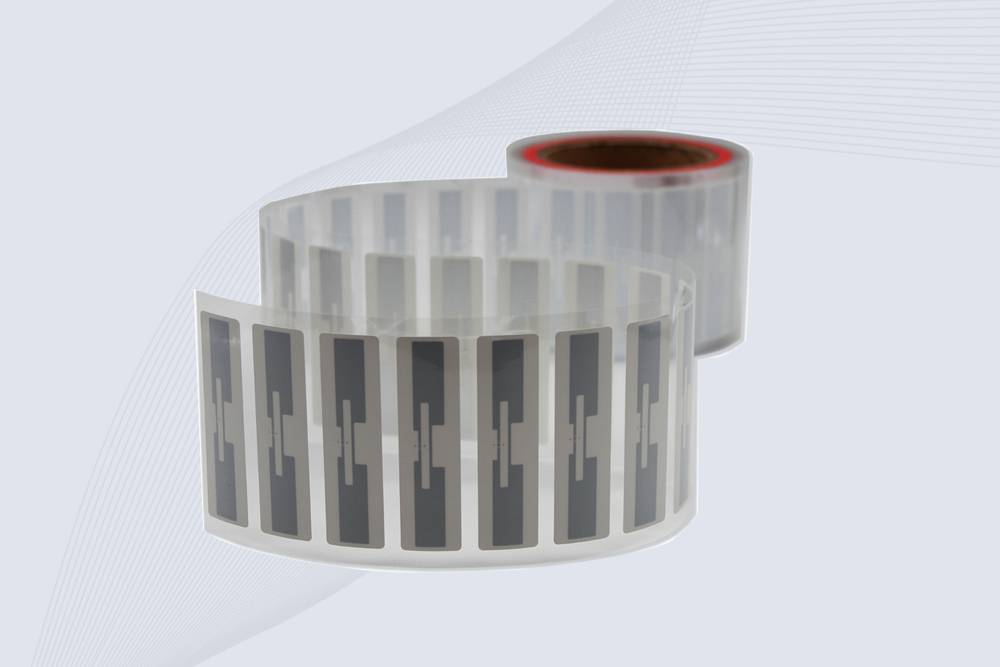
CYKEO Passive RFID Tags are made for wet and high-humidity environments where standard labels do not last. This rfid passive tag is often used around liquids, chemicals and temperature changes, providing stable reading distance and long data life for industrial tracking.
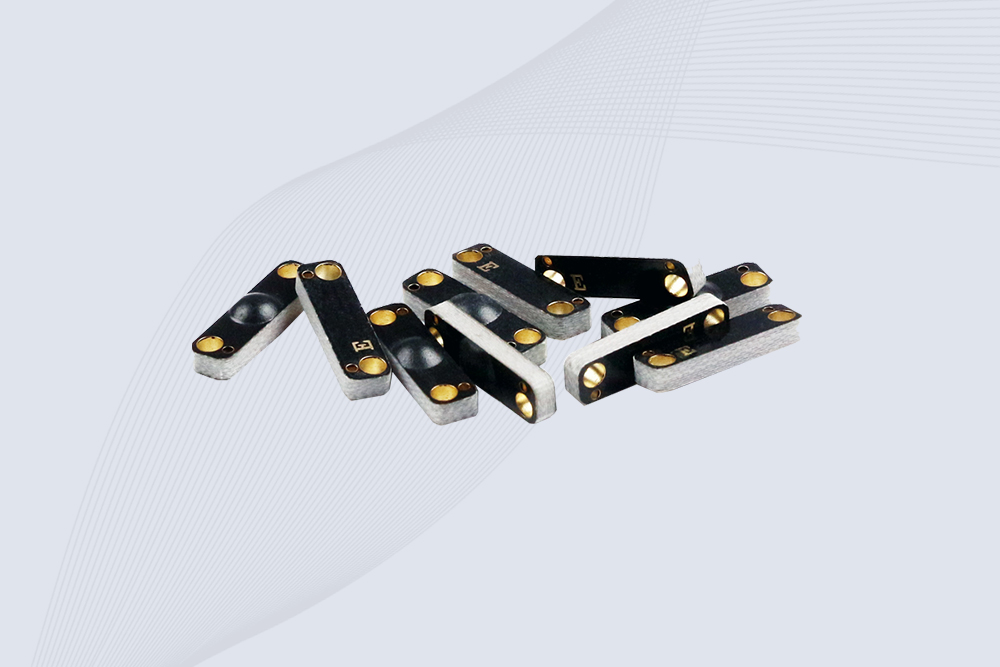
CYKEO CYKEO-PCB1504 Metal RFID Tags is a compact anti-metal UHF RFID solution built for direct mounting on metal surfaces. With stable 8-meter read range, Ucode-8 chip, and long data retention, this rfid metal tag fits tools, containers, automotive parts, and industrial asset tracking.
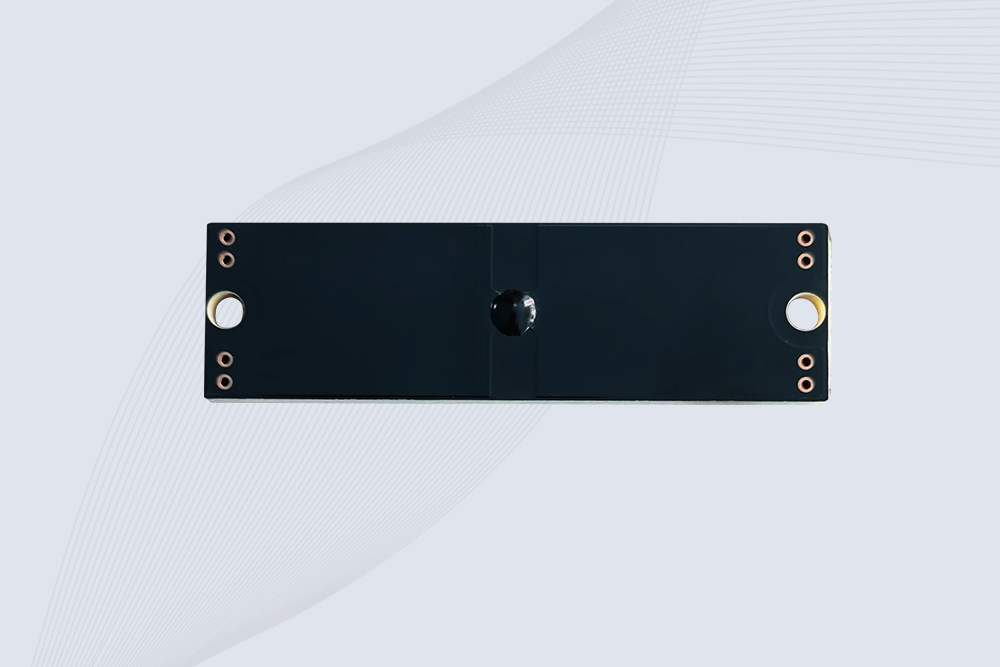
CYKEO CYKEO-PCB7020 On-Metal RFID Tags are designed for reliable tracking on steel and metal surfaces. Built with an FR4 epoxy body and industrial-grade chips, these On-Metal RFID Tags deliver stable performance, long data life, and chemical resistance, making them a dependable RFID anti-metal tag for harsh environments.
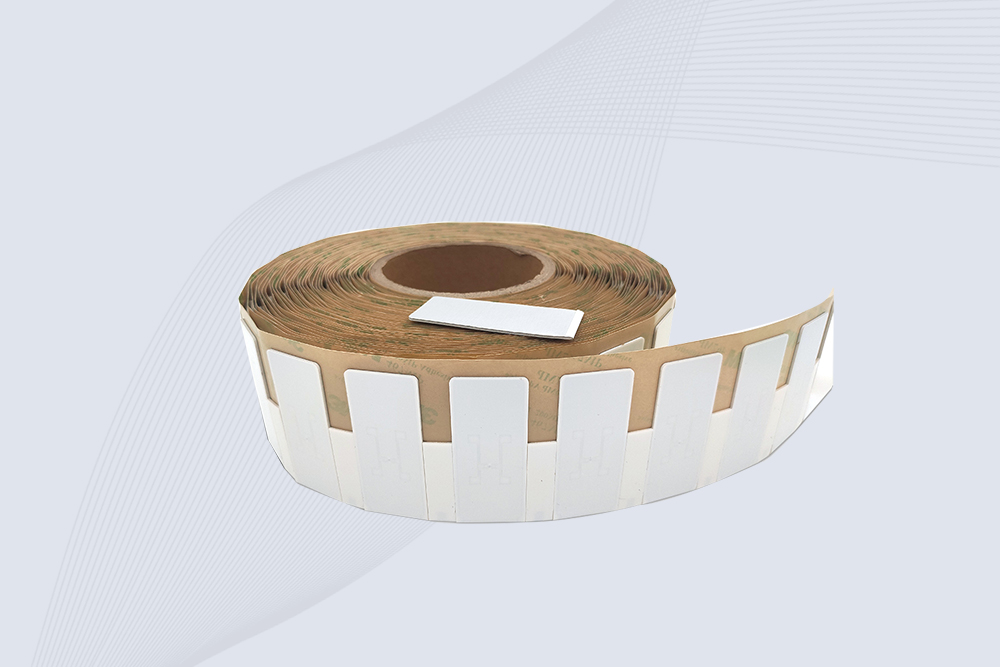
The CYKEO CYKEO-60-25 Anti-Metal RFID Tag is built for metal surfaces where standard tags fail. Designed for long-range performance, harsh environments, and stable data retention, this Anti-Metal RFID Tag is ideal for industrial assets, containers, and equipment tracking using on metal RFID tags.
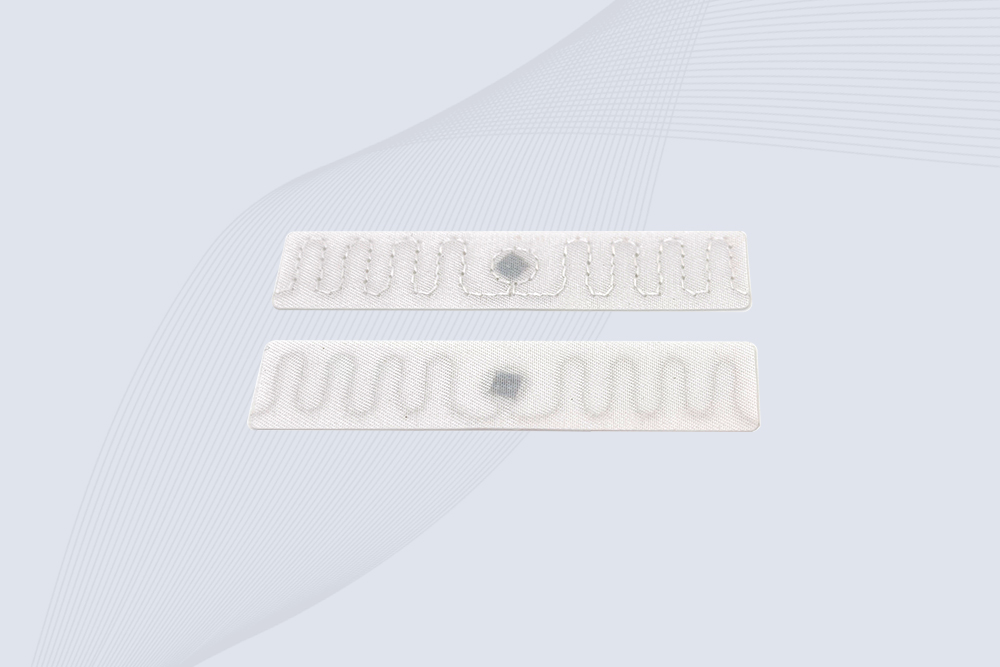
The CYKEO RFID Laundry Tag is designed for long-term textile identification in harsh laundry environments. Built to withstand high heat, chemicals, and repeated washing, this RFID Laundry Tag delivers stable performance for hotels, hospitals, and industrial laundry operations using laundry rfid tags at scale.
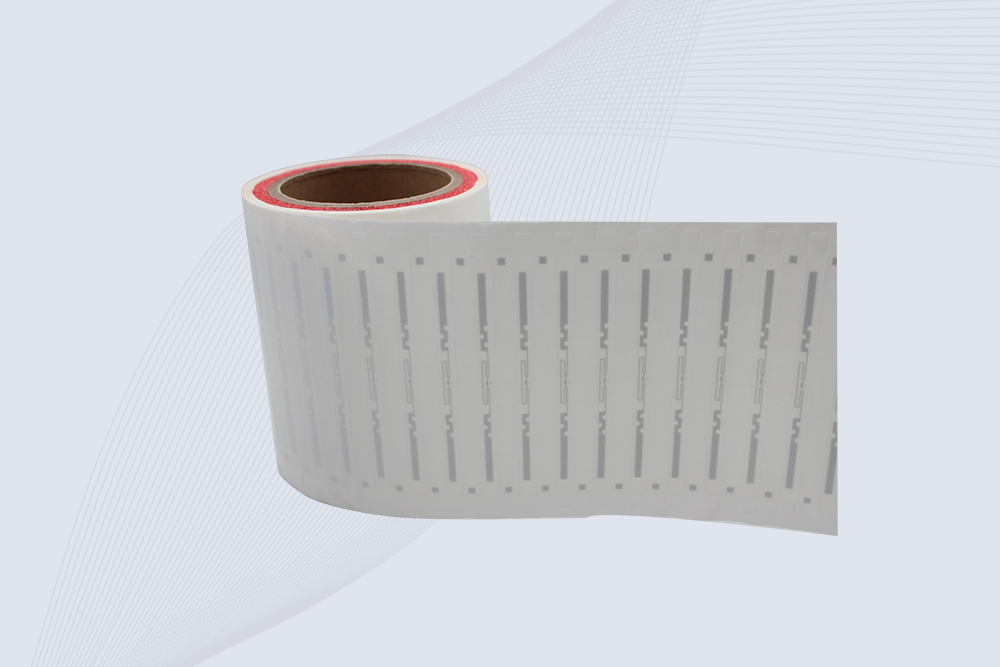
The CYKEO CYKEO-125-7 RFID Book Tag is designed for reliable book and document tracking in libraries and archives. This RFID Book Tag delivers long read range, dense placement support, and stable performance on shelves, making it a practical rfid tag on books for library automation, file management, and archival systems.
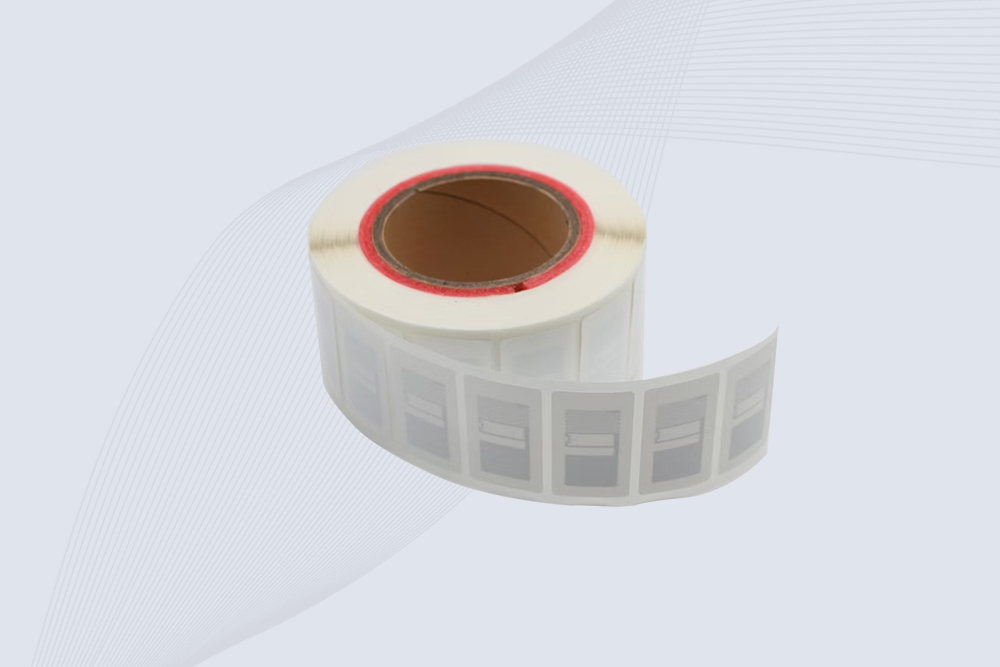
CYKEO RFID tags in hospitals are designed for sterile environments where accuracy matters. These autoclavable RFID tags support long-term tracking of surgical tools, implants, and medications, helping hospitals improve visibility, compliance, and patient safety.

CYKEO RFID Cable Tie Tag is built for reliable identification on metal surfaces. This UHF RFID Cable Tie Tag is widely used in rfid tags for inventory systems, industrial asset management and Hospital RFID Tags, offering stable read performance, long service life and global EPC Gen2 compatibility.
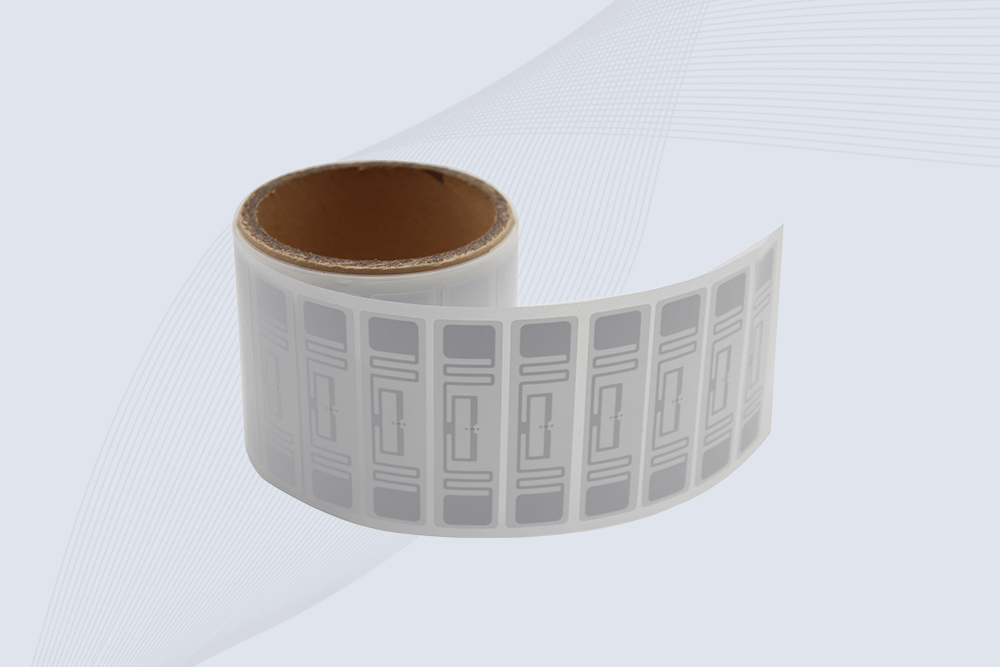
CYKEO RFID Asset Tag is designed for stable identification of metal assets in industrial environments. This UHF RFID Asset Tag is commonly used for rfid tag asset tracking on equipment, tools and containers, providing reliable reads, long service life and ISO/IEC 18000-6C support.
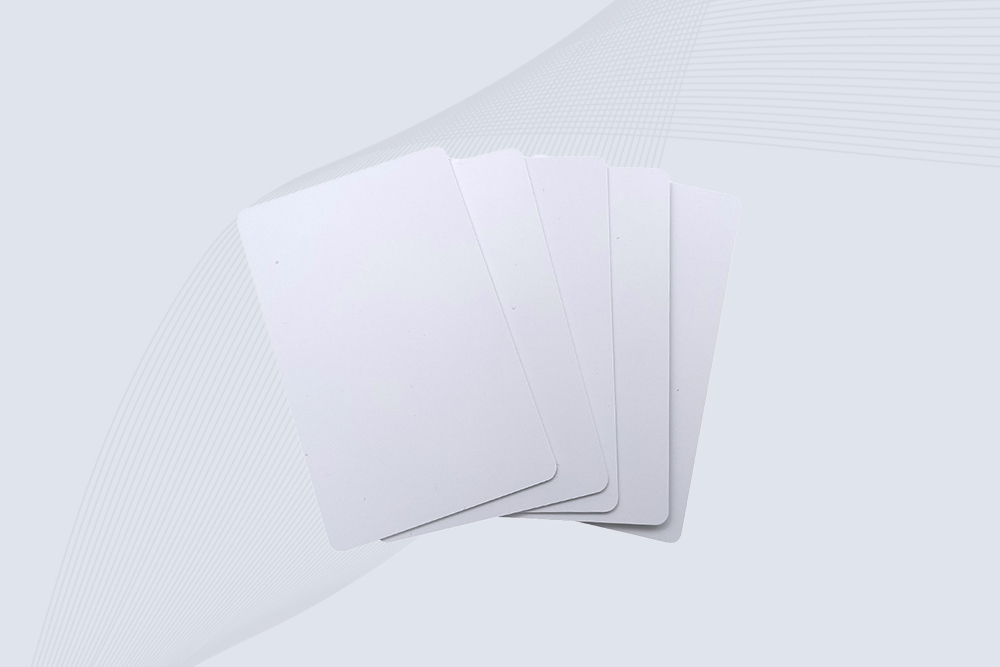
CYKEO UHF RFID Card is designed for fast identification and long-term use in industrial and commercial systems. Supporting ISO 18000-6C, this UHF RFID Card works at 860–960 MHz and is suitable for custom RFID cards used in asset tracking, access control and inventory management.
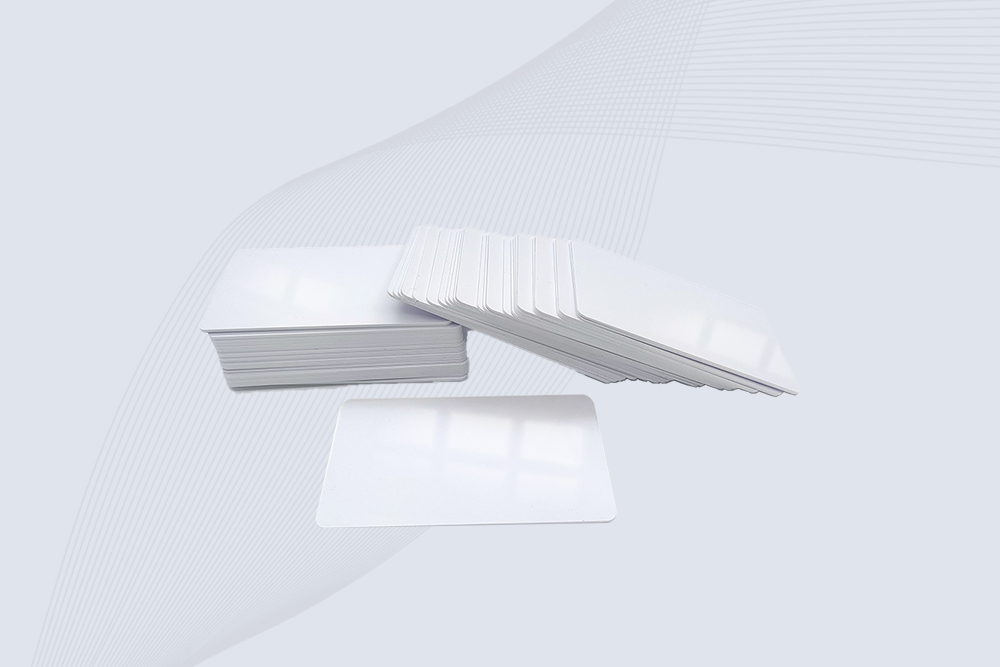
CYKEO HF RFID Cards are designed for secure and stable access control systems. These 13.56 MHz RFID key cards support ISO 14443-A, reliable rewriting and long service life, making HF RFID Cards suitable for offices, campuses, events and membership management.
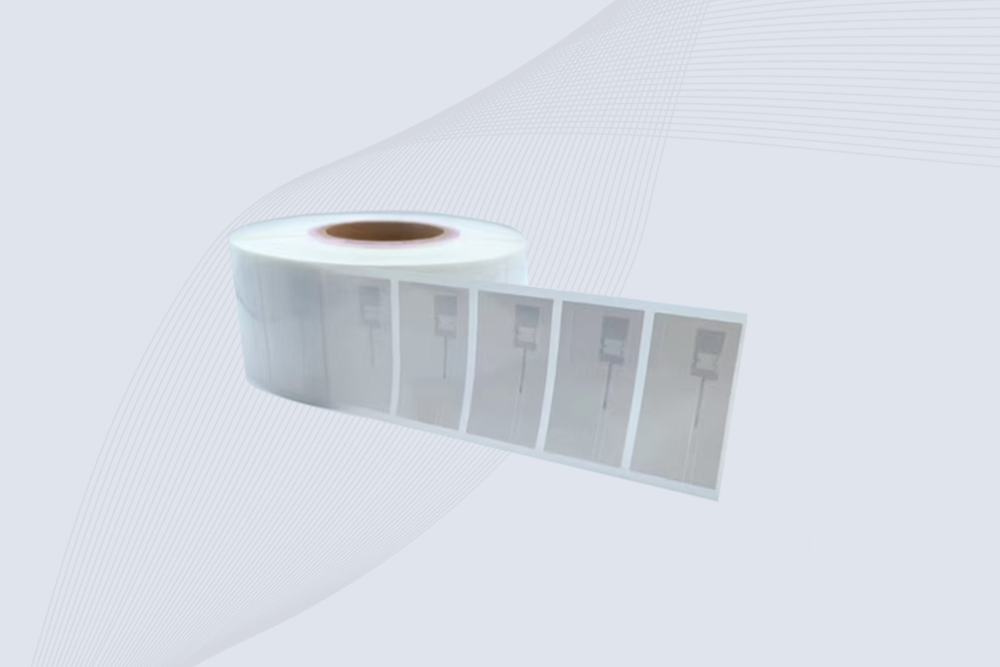
CYKEO UHF RFID Tag is designed for reliable tracking of metal jewelry and high-value items. This Jewelry RFID Tag supports long-range reading up to 8 meters, anti-counterfeit protection and stable performance on metal, making it suitable for retail, inventory control and asset management.
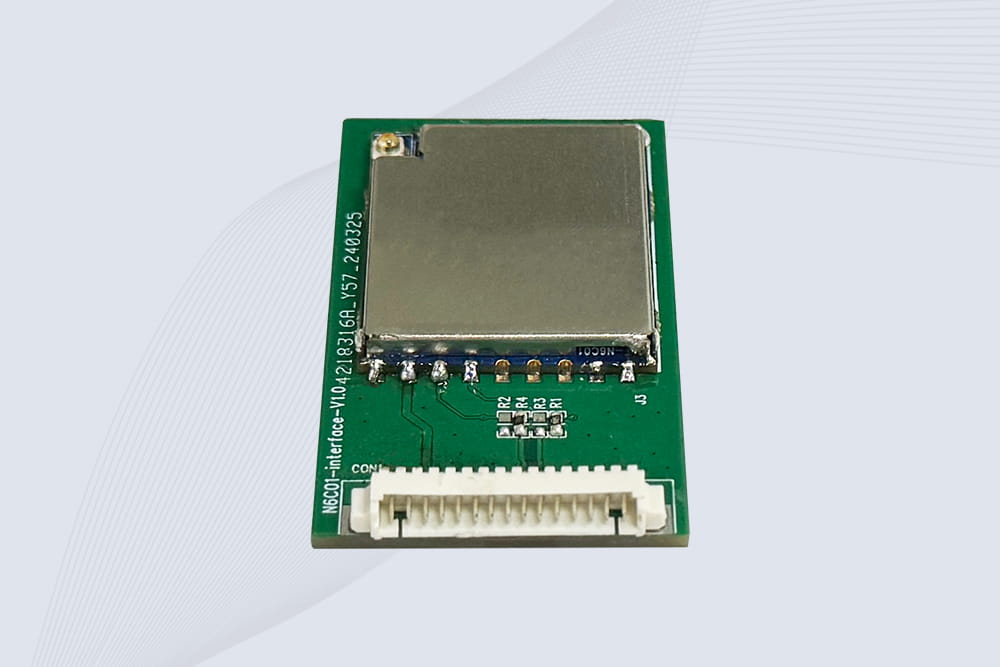
CYKEO Embedded RFID Modules are designed for compact industrial and IoT devices that require stable UHF performance. These UHF RFID Modules support global protocols, flexible power control, and reliable multi-tag reading for smart cabinets, production lines, and asset tracking systems.
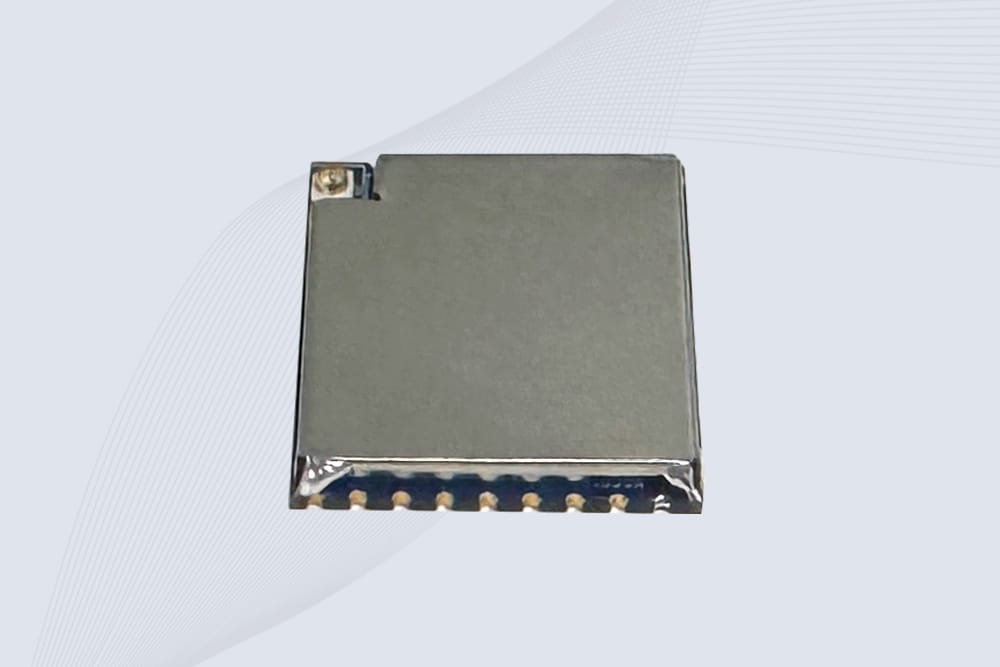
CYKEO Embedded RFID Module is built for compact IoT and industrial devices that need stable UHF performance. This UHF module supports global protocols, low power operation, and reliable multi-tag reading for smart lockers, production lines, and always-on RFID systems.
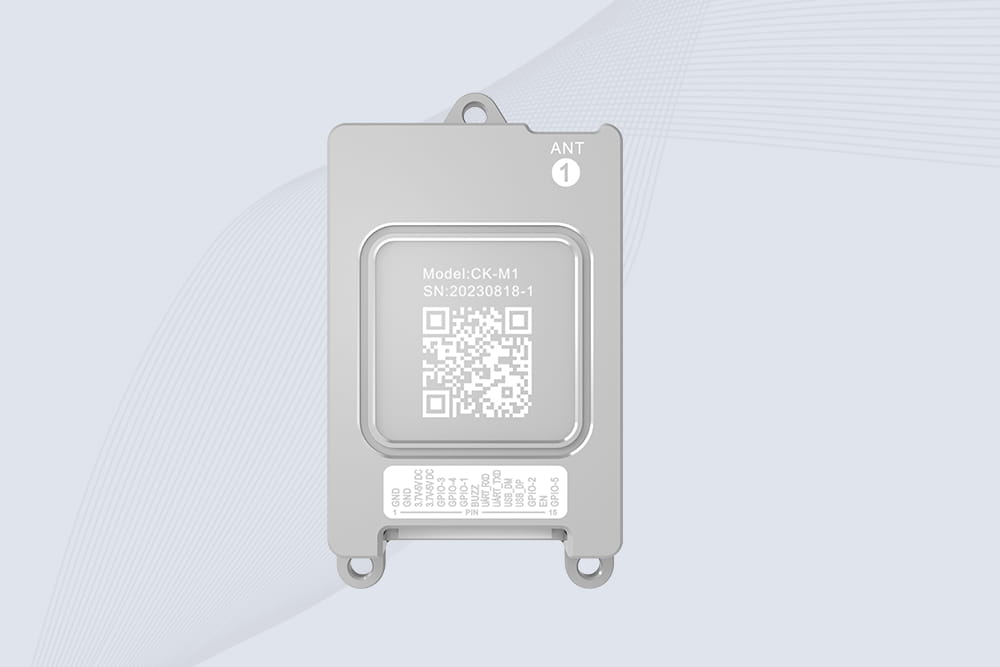
CYKEO CYKEO-M1 drone rfid module is a compact UHF RFID reader module designed for drones and UAV platforms. It supports long-range aerial scanning, fast multi-tag reading, and stable performance in wind, vibration, and outdoor environments.
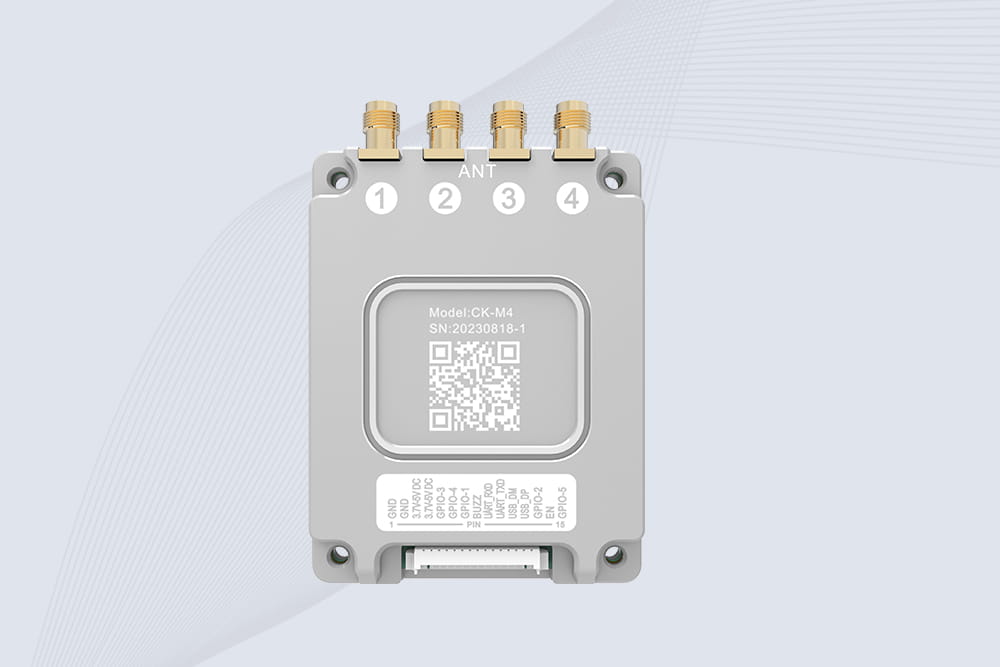
CYKEO CYKEO-M4 RC522 RFID Module is an industrial-grade UHF RFID reader with 4 ports, supporting ISO, EPC, and GB protocols. High-speed, accurate reading for IoT, automation, and warehouse applications.
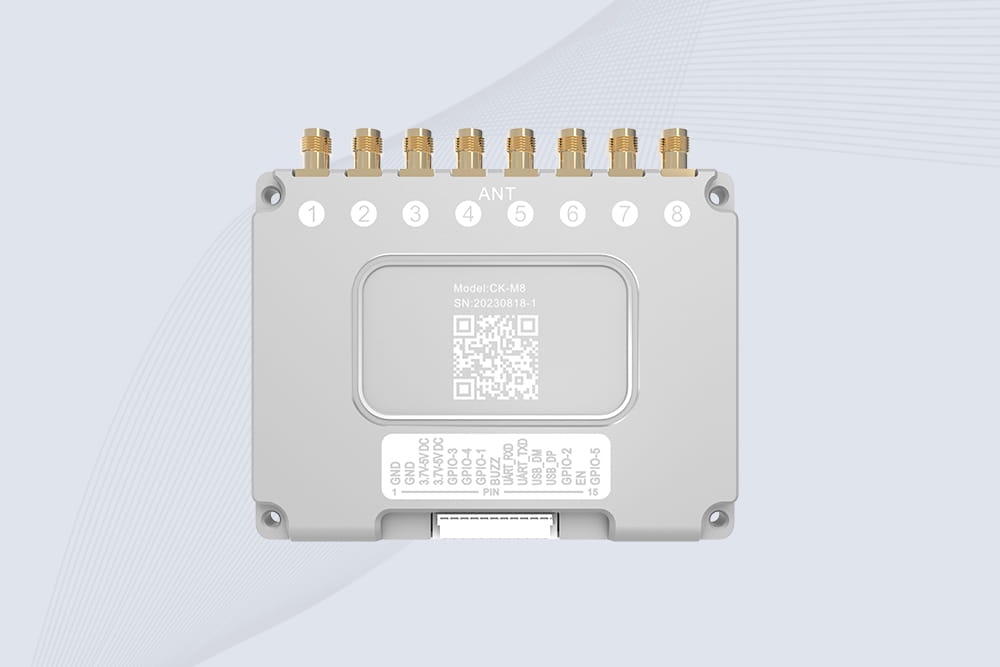
CYKEO CYKEO-M8 Module RFID is an 8-port UHF R2000 RFID Module designed for high-density, multi-tag environments. Stable 33dBm output, ISO & GB protocol support, ideal for warehouses, factories, and automated systems.
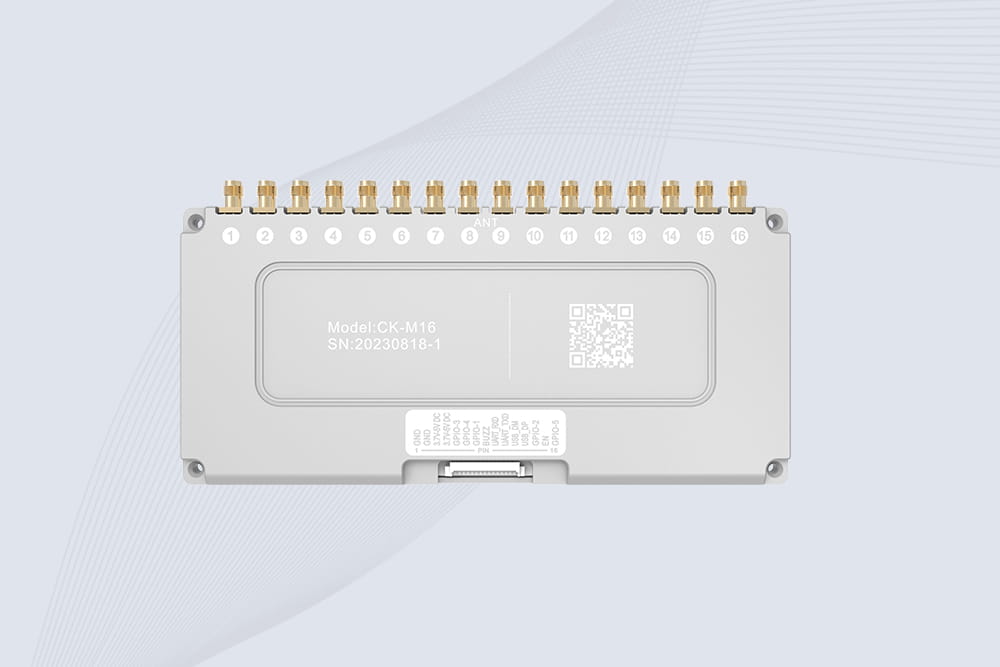
CYKEO CYKEO-M16 RFID Module is a 16-port UHF RFID reader module based on the R2000 chipset. Designed for dense tag environments, it supports ISO and GB standards and delivers stable multi-antenna control for industrial automation.
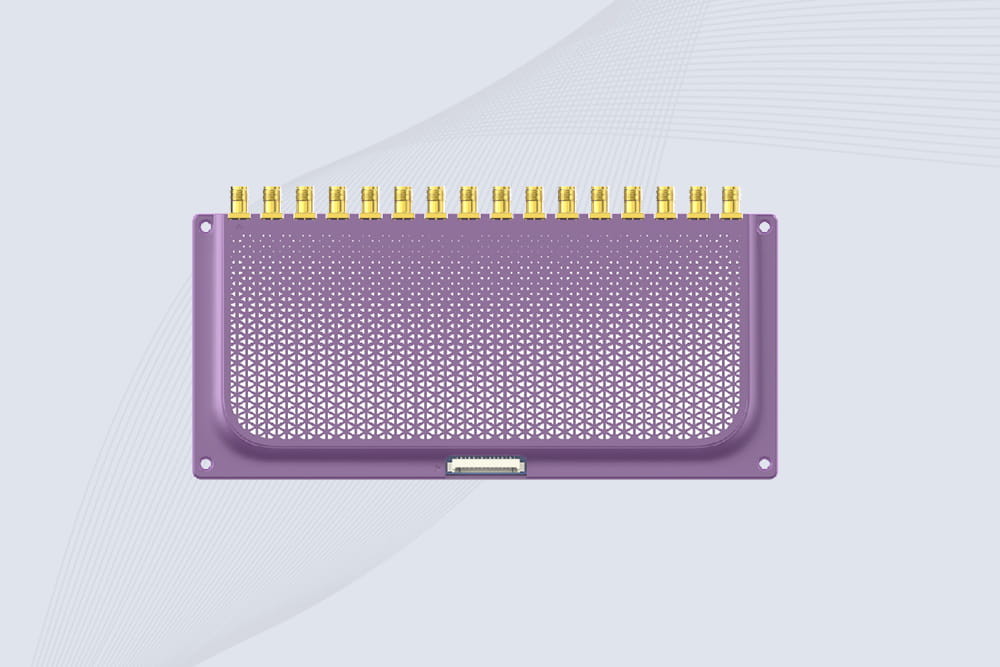
The CYKEO CYKEO-M16L RFID Reader Module is a 16-channel UHF RFID core designed for dense tag environments. With adjustable 33dBm output, multi-protocol support, and stable multi-antenna control, this RFID Tag Reader Module fits industrial automation, warehouse systems, and large-scale IoT deployments.
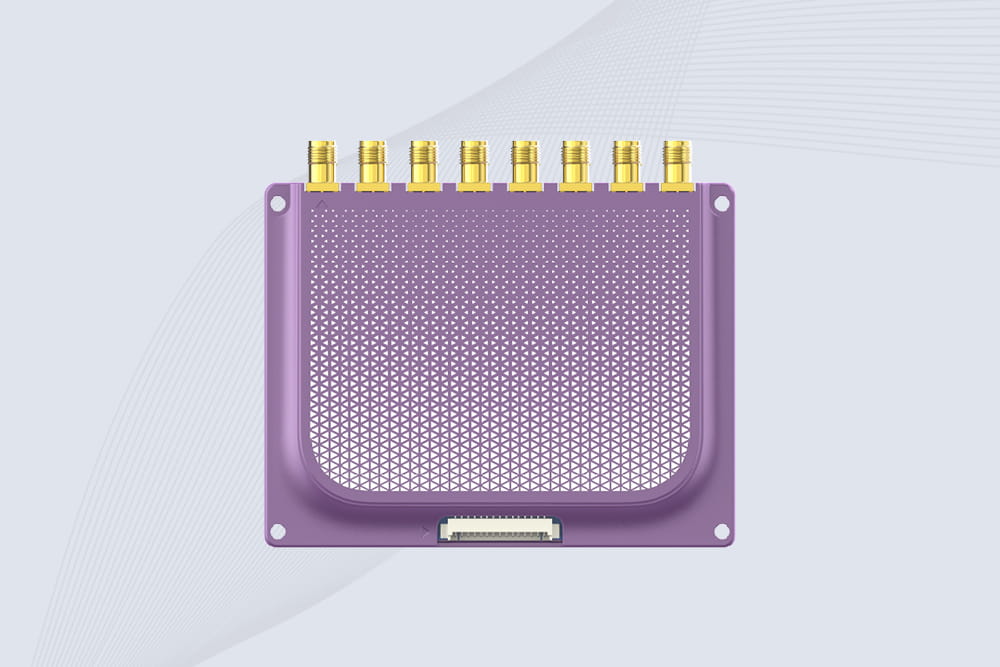
CYKEO CYKEO-M8L module RFID is a compact industrial UHF module built for dense tag and multi-antenna environments. With 8 RF ports, adjustable 33 dBm output, and ISO & GB protocol support, it is widely used in factories, warehouses, and automated tracking systems.
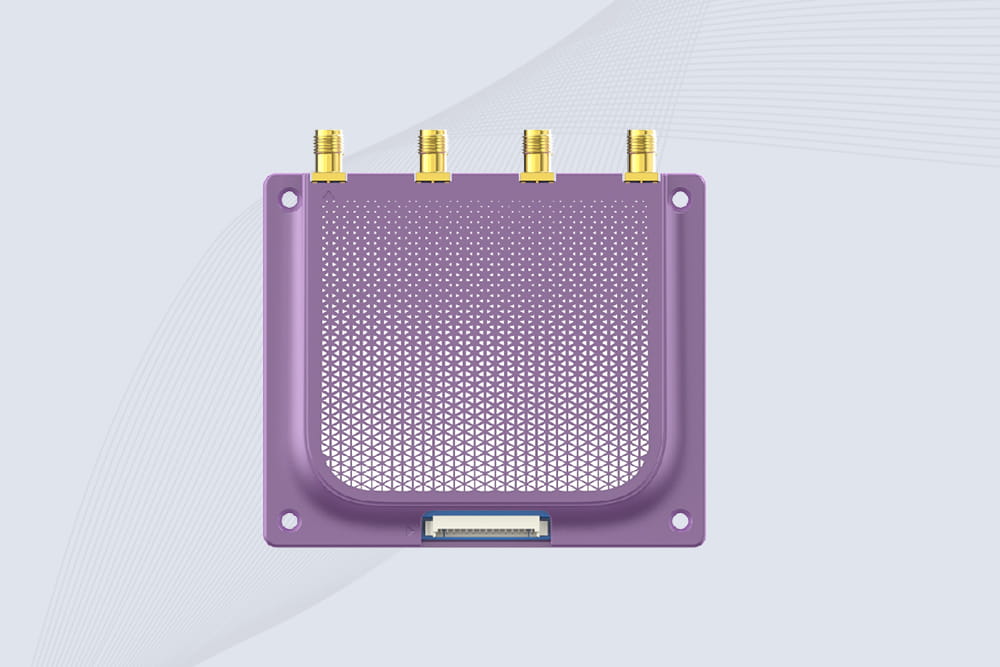
CYKEOCYKEO-M4L UHF RFID Module is a compact 4-channel RFID tag reader module designed for dense tag environments. Supporting ISO and GB protocols, it delivers stable reads up to 10 meters for industrial and IoT systems.
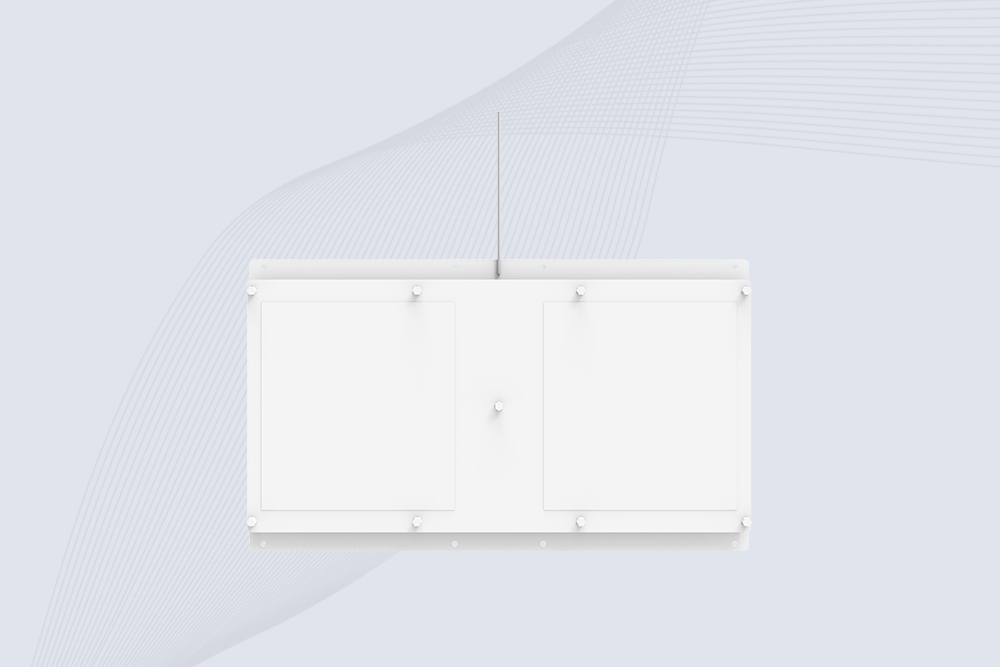
Cykeo CYKEO-A11 UHF RFID reader antenna delivers 11dBi gain, 840-960MHz frequency range, and IP65 ruggedness for retail, logistics, and industrial RFID systems. Features low VSWR and easy installation.
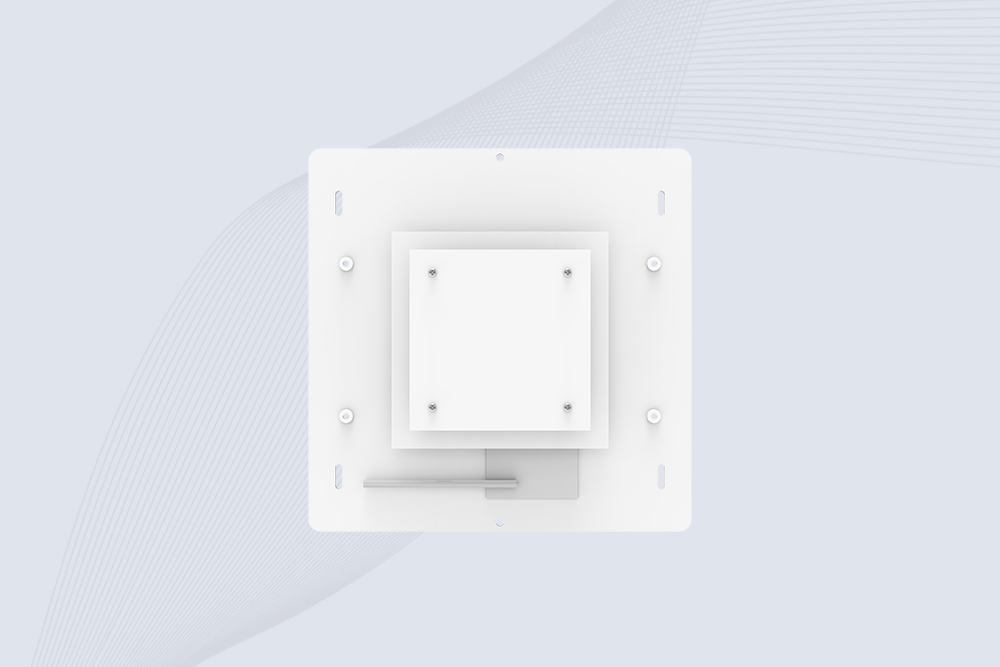
CYKEO Antenna RFID Reader delivers stable long-range UHF performance with a 10.5dBi directional design, built for warehouses, conveyor portals, and industrial RFID systems. This rfid reader antenna provides 20m+ read distance and rugged IP67 protection.

Cykeo CYKEO-PHF3 industrial HF RFID Antenna offers 24-point dynamic tracking, ISO 14443A/15693 protocols, metal-environment stability for archives/libraries/manufacturing.

Cykeo CYKEO-A5B industrial Linear RFID Antenna delivers 5dBi gain, ≤1.5:1 VSWR, and IP65 rugged design for warehouse, production line, and logistics UHF systems.

Cykeo’s CYKEO-B12 Long Range RFID Antenna delivers 15m+ read range with 12dBi gain, IP65 rugged design, and global 840-960MHz UHF support. Ideal for warehouse/logistics asset tracking.
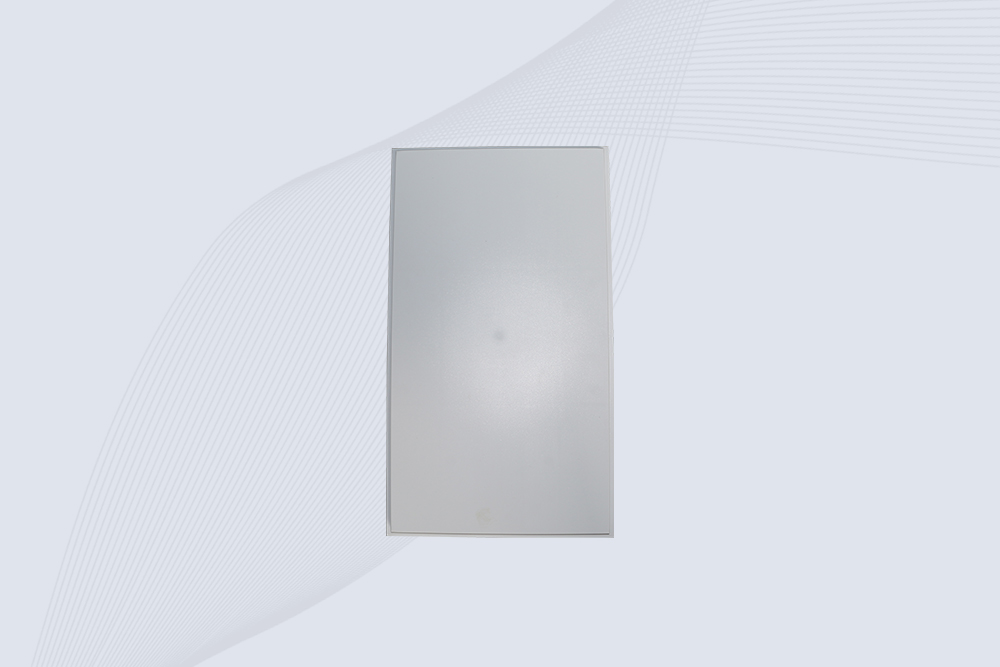
Cykeo CYKEO-B10 Long Distance RFID Antenna offers 10dBi gain, 840-960MHz frequency range, IP65 rating, and 20m+ coverage for logistics/warehousing/ETC systems. Low VSWR ensures stable signal transmission.
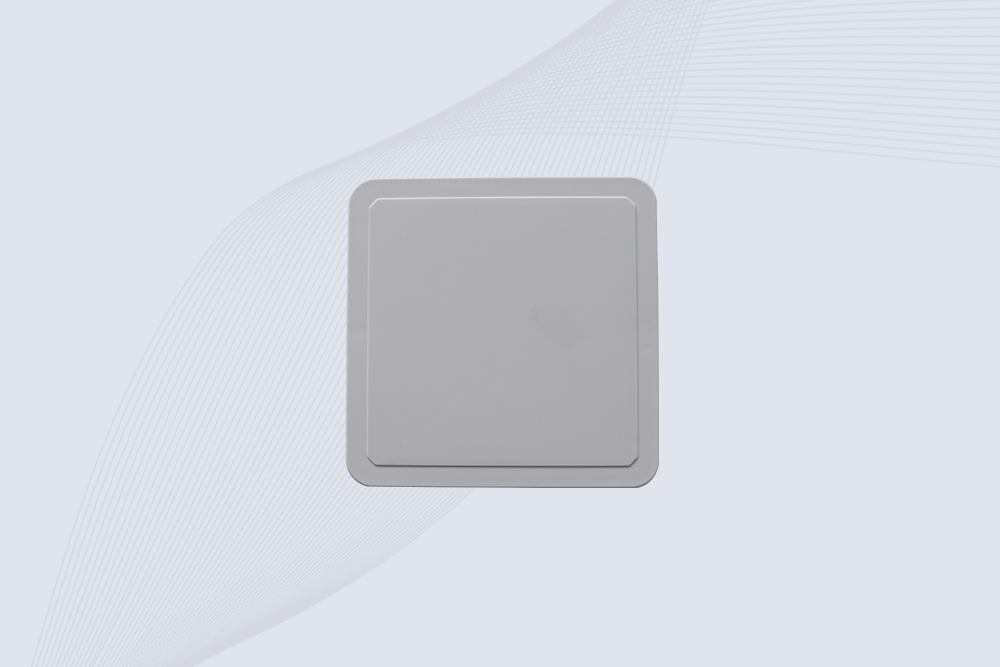
Cykeo CYKEO-A6 UHF RFID panel antenna features 6dBi gain, 840-960MHz broadband, IP65 metal-ready housing for logistics/smart retail. 18mm ultra-thin design with tool-free mounting.

Cykeo CK-A3 industrial antenna RFID UHF offers 5m+ tag detection, ≤1.3:1 VSWR, IP65 rugged design, and global UHF spectrum compatibility (840-960MHz) for warehouses, factories, and retail.
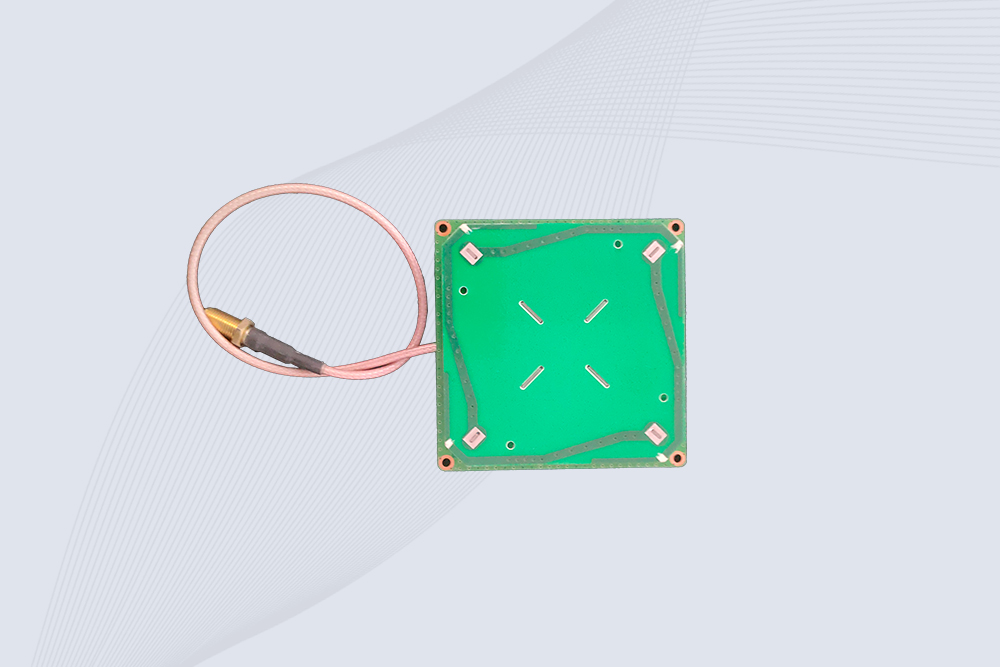
Cykeo CYKEO-B5 directional RFID antenna provides 5dBi gain with 60° narrow beamwidth for precise inventory tracking. IP65-rated, global UHF frequency support, and low VSWR.
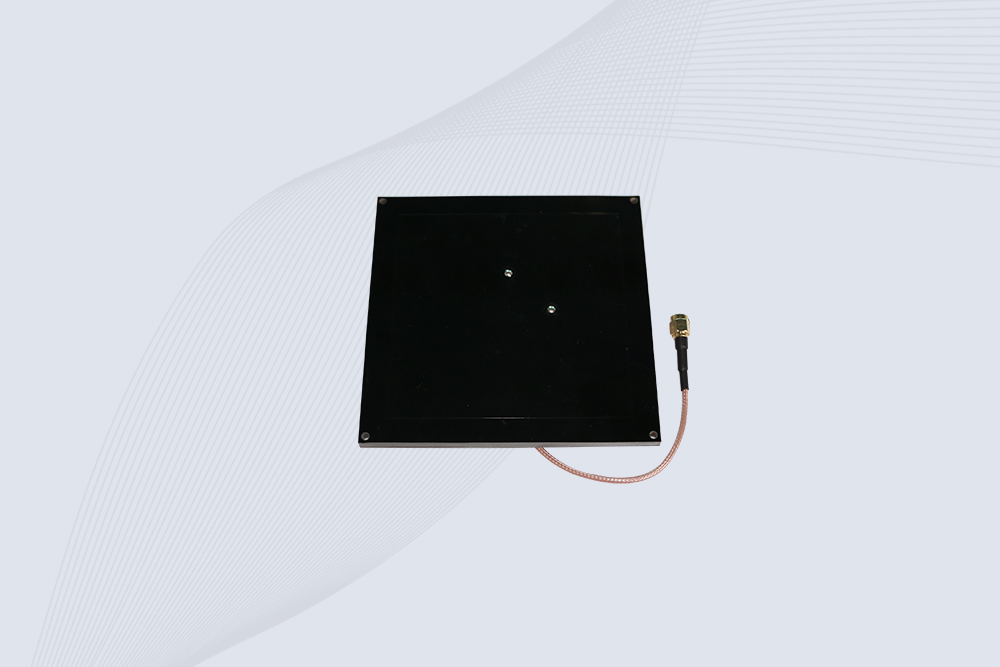
Create your own high-performance DIY RFID antenna! 5dBi gain, 840-960MHz tunable, step-by-step guides. Compatible with Arduino, Raspberry Pi, and commercial UHF readers.
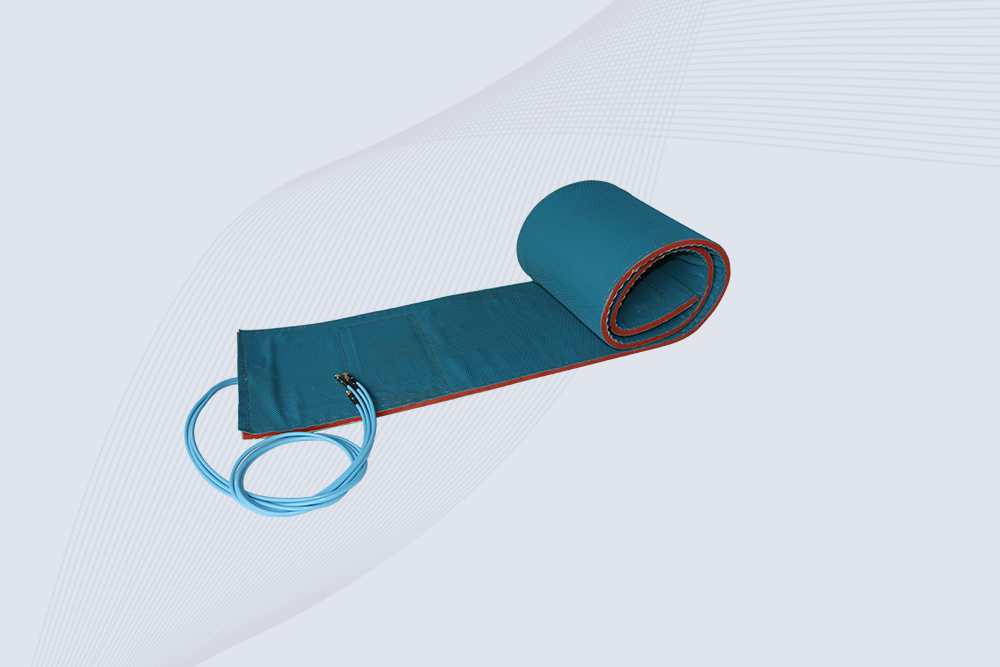
Cykeo CYKEO-A7 Flexible RFID Antenna features 840-960MHz wideband tuning, 7dBi gain, and IP68 rating for medical/retail/industrial curved surface deployments. 98% read accuracy with peel-and-stick installation.
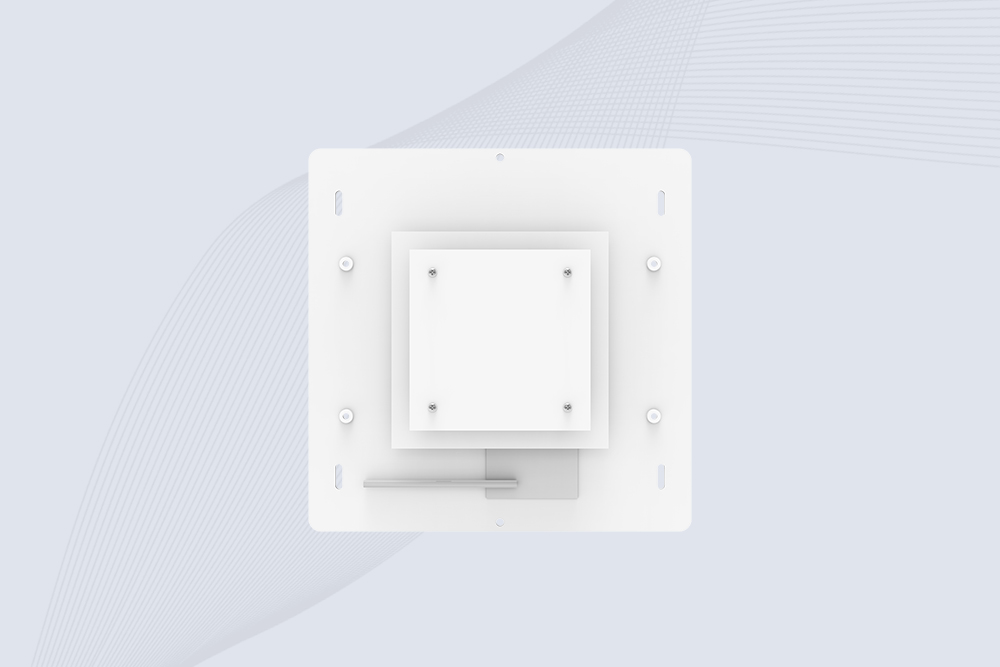
Cykeo CYKEO-B5A industrial Passive RFID Antenna delivers 5dBi gain, 70° beamwidth, and -40°C~55°C operation for warehouses/smart cabinets. Compatible with Zebra/Impinj readers.
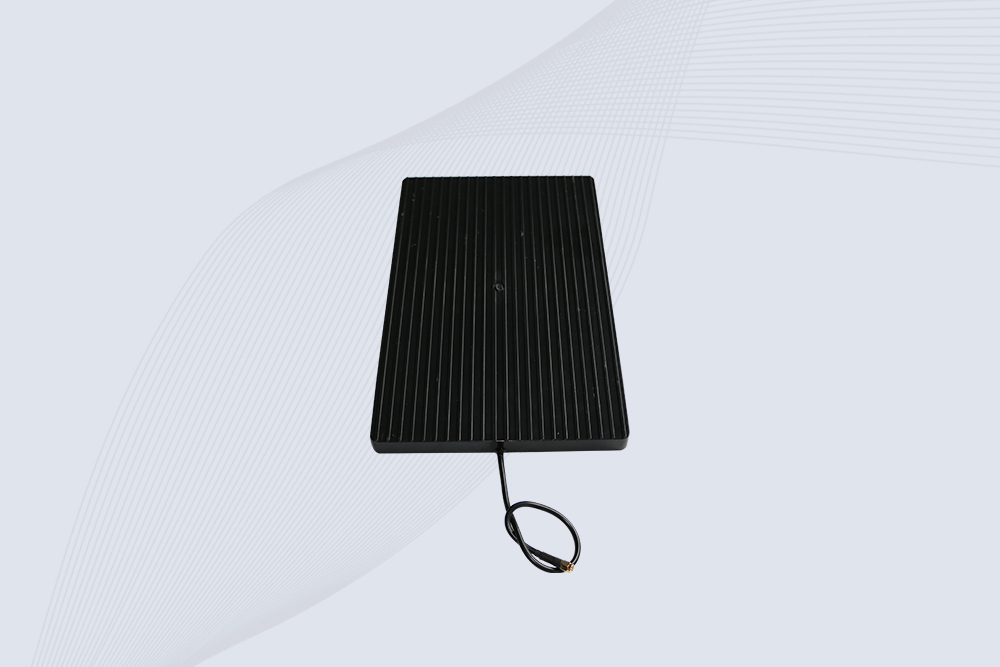
Cykeo’s CYKEO-A9B High Gain RFID Antenna delivers 15m+ read range with 9dBi amplification. Features IP54 rugged design, 840-960MHz bandwidth, and 80° beamwidth for warehouse/manufacturing RFID systems.

Cykeo’s enterprise-grade 8dbi Impinj RFID Antenna 10m+ read range with 840-960MHz tuning. Features IP65 housing, 1.4 VSWR, 35° beamwidth for retail/warehouse RFID systems.
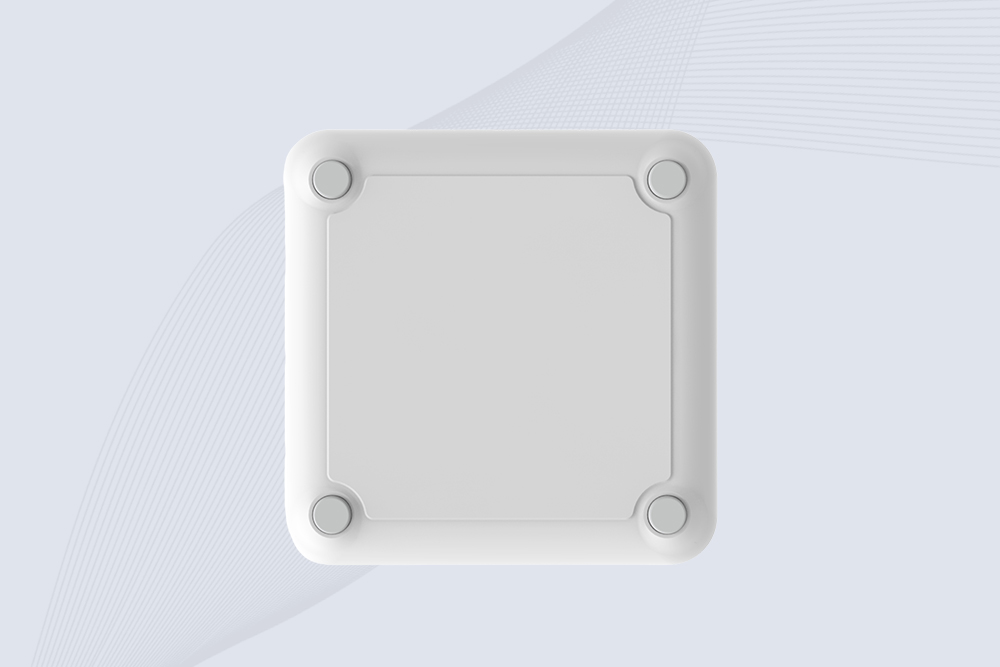
Cykeo CYKEO-A9 industrial UHF RFID antenna delivers 9dBi gain, 840-960MHz frequency range, and IP65 protection for warehouse/logistics/retail RFID systems. Features N-type connector and ≤1.3:1 VSWR.
CYKEO UHF RFID Antenna built for long-distance and industrial applications. This antenna rfid uhf delivers strong gain, outdoor durability, and reliable tag performance in warehouses, yards, and vehicle ID systems.
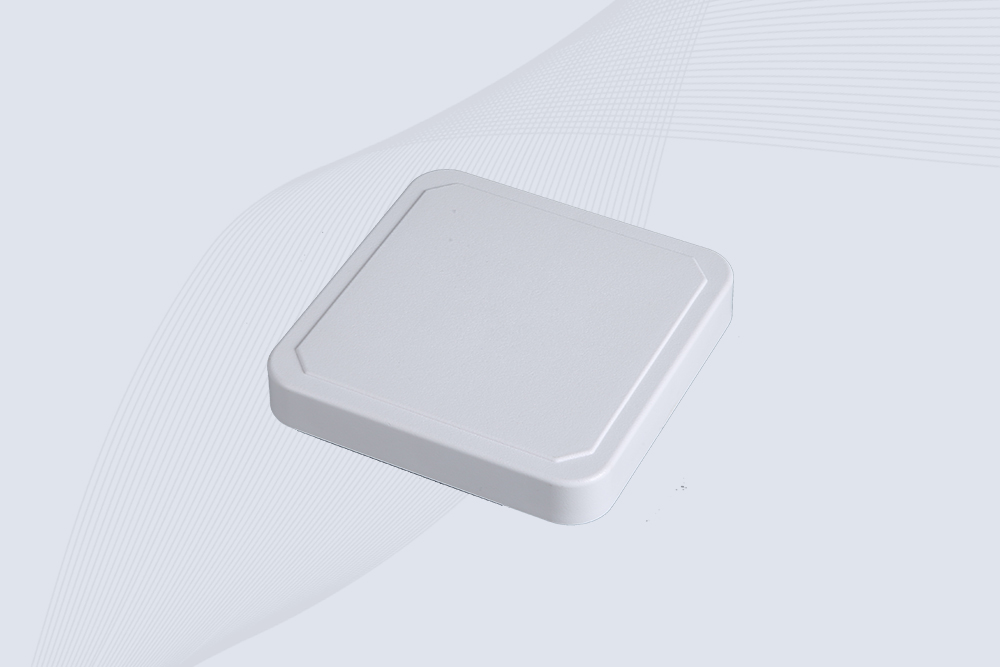
CYKEO Antenna RFID delivers reliable long-range UHF performance in warehouses, retail shelves, and cold-chain environments. This compact uhf rfid antenna provides stable reads with circular polarization and ultra-wide 840–960 MHz support, ideal for industrial tracking, smart shelves, and asset monitoring.
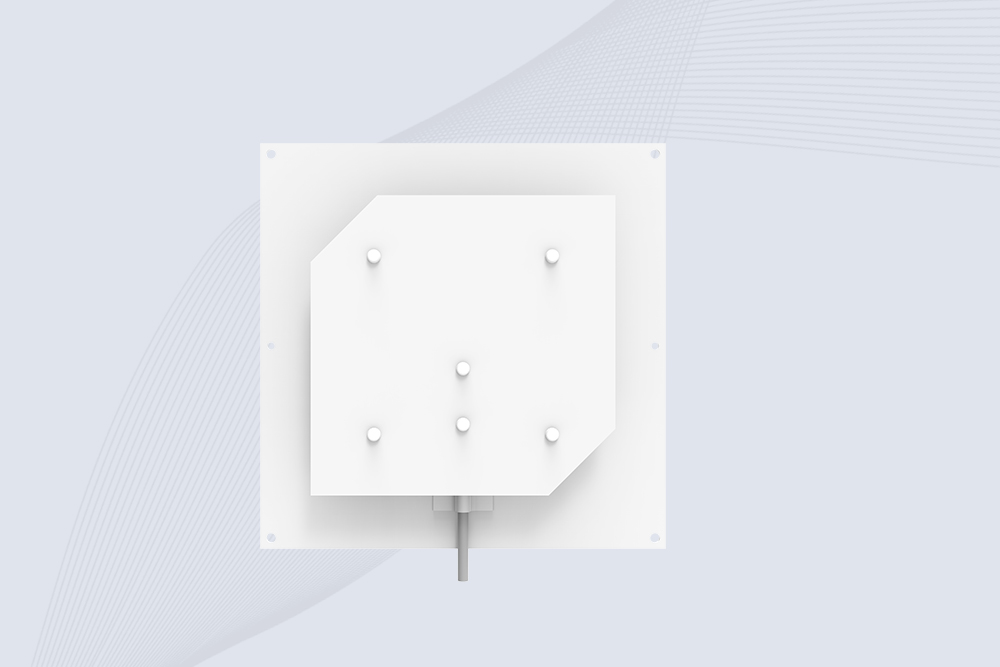
Cykeo’s CYKEO-C8 UHF RFID antennas delivers 8dBi gain, 840-960MHz full-band coverage, and IP65 ruggedness for manufacturing/warehouse RFID systems. Industrial RFID Antennas Features
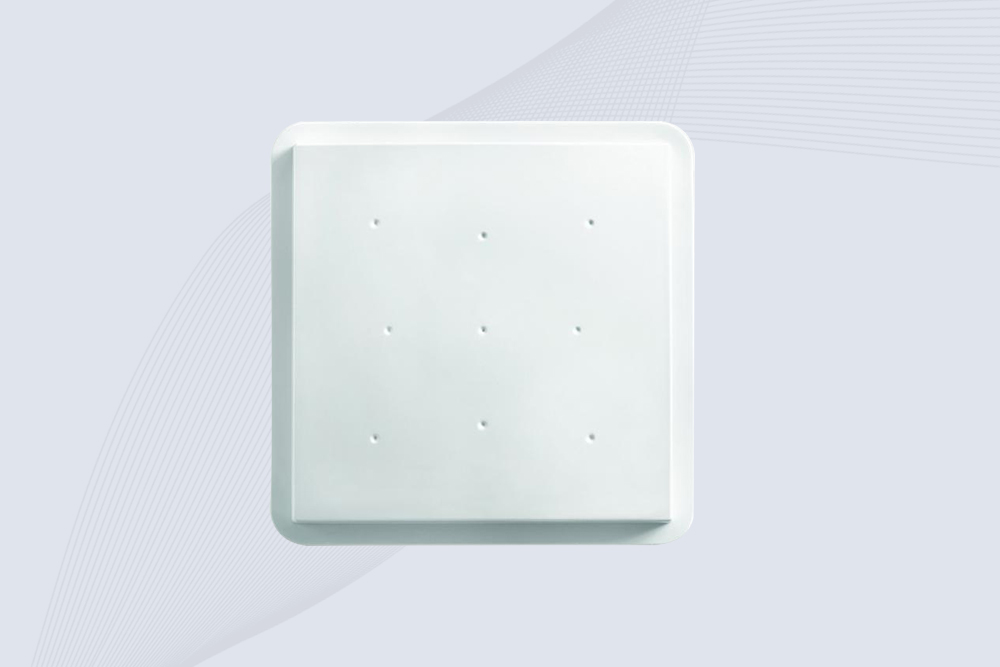
Cykeo’s 8dBi UHF RFID antenna and reader kit delivers 10m+ range, 840-960MHz broadband, and IP65 ruggedness for factories, warehouses, and logistics. ISO 18000-6C & EPC Gen2 certified.
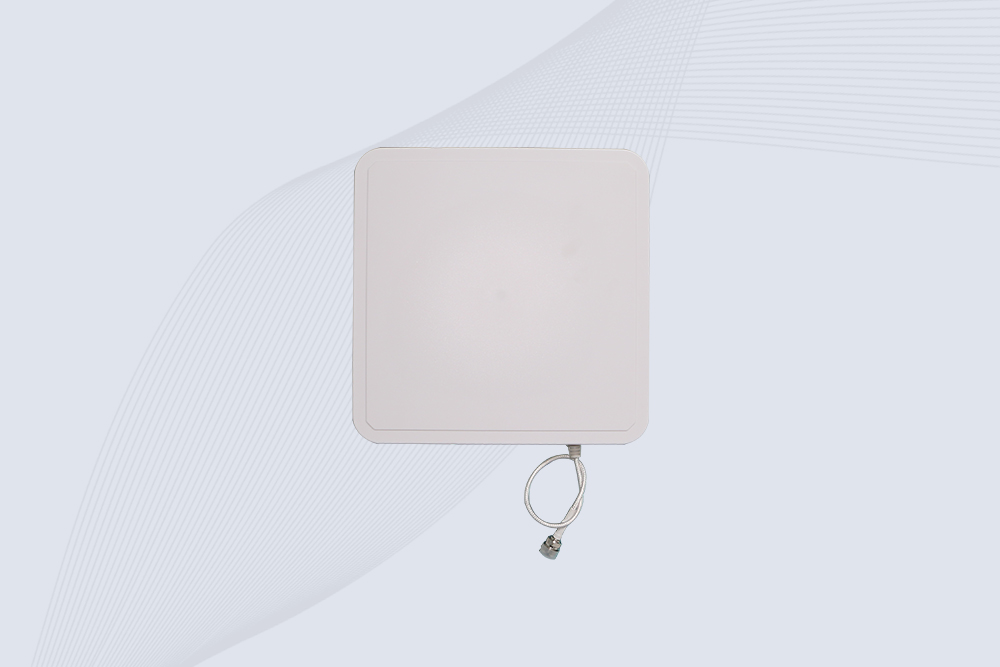
Cykeo CYKEO-A9A industrial UHF RFID reader and antenna kit delivers 10m range, 500 tags/sec, IP65 ruggedness for manufacturing/logistics. Supports EPC Gen2, ISO18000-6C.
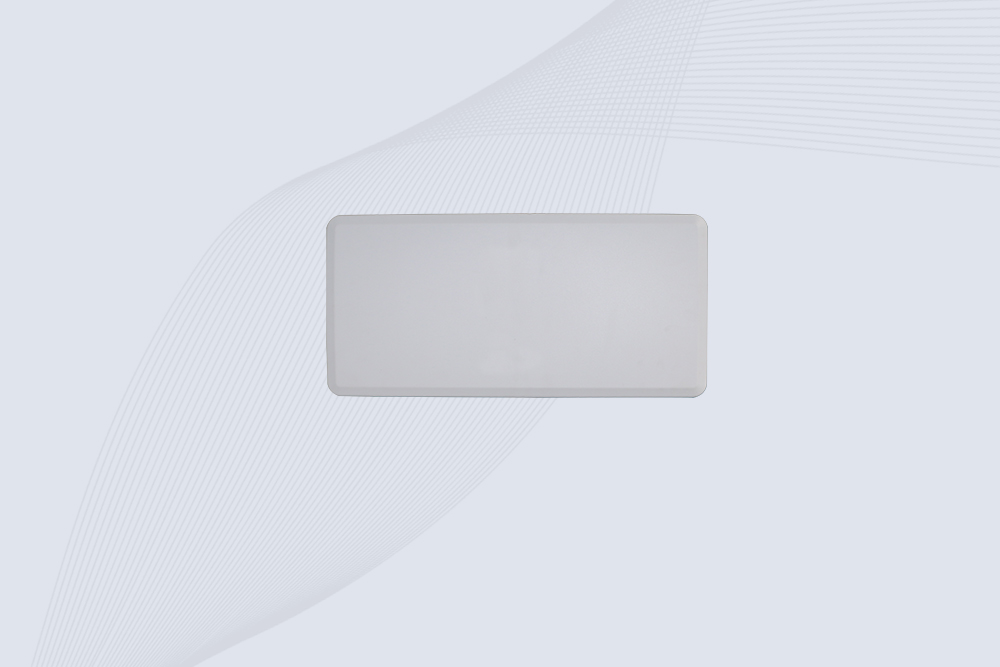
Cykeo’s CYKEO-A12C UHF Large RFID Antenna delivers 12dBi gain, 840-960MHz global frequency, IP65 ruggedness for logistics/warehousing/automotive. 40° beamwidth ensures stable 15m+ tag reads.

CYKEO Near Field RFID Antenna provides precise 5–30 cm reading for shelves, cabinets, and workstations. This compact rfid shelf antenna delivers stable short-range performance around metal and clutter, ideal for pharmacies, libraries, and electronics sorting.
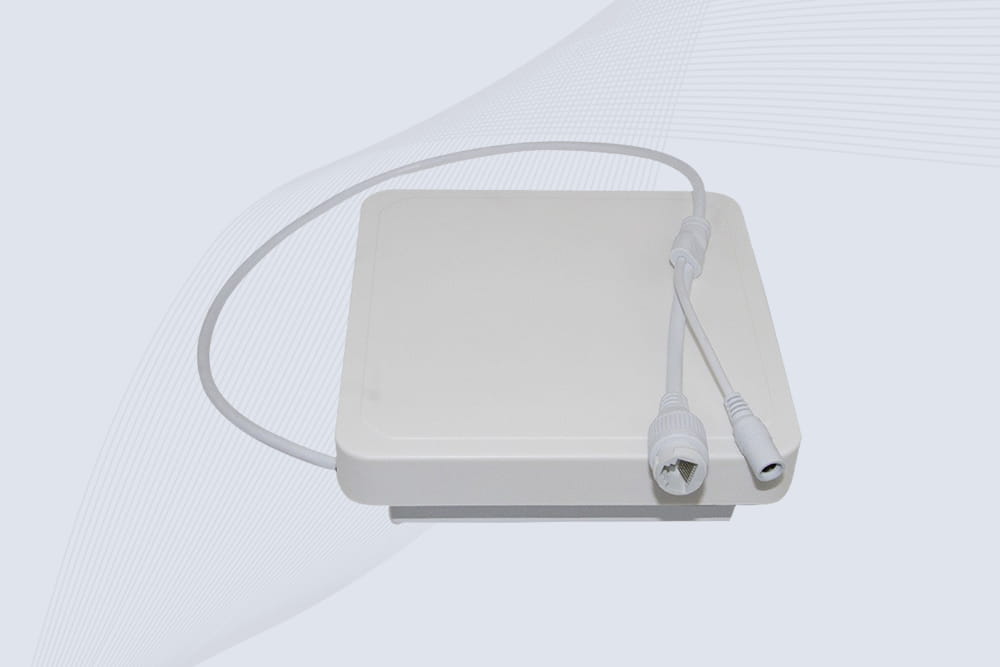
Cykeo’s industrial long range RFID reader delivers 20-meter scanning, 500+ tags/sec speed, and IP67 waterproof design for automated warehouses, logistics, and harsh environment applications.
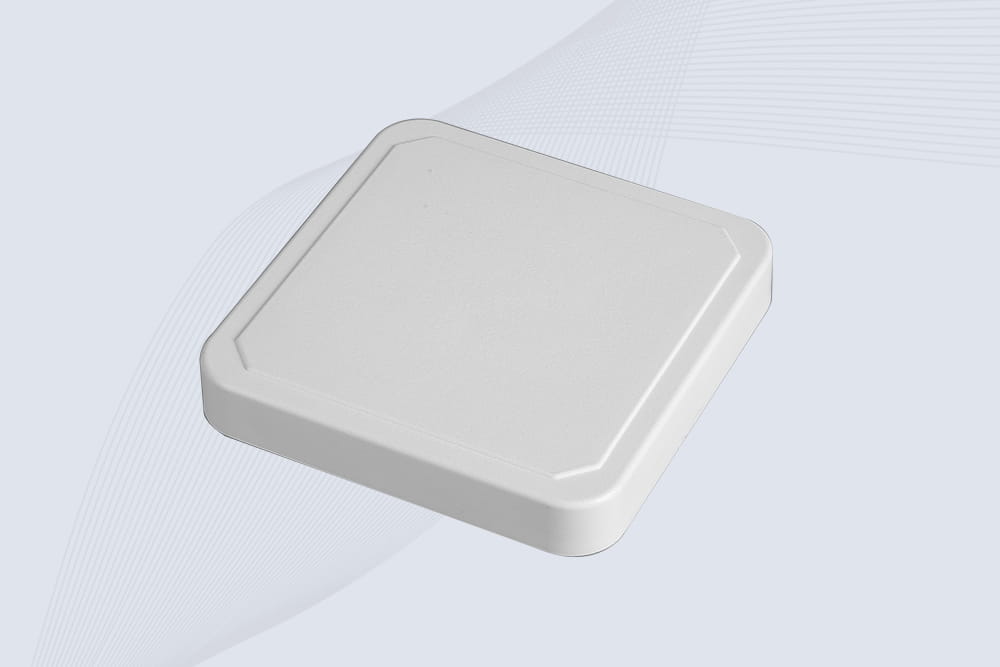
Cykeo’s CYKEO-RA6L industrial RFID long range reader features 20m read distance, 500 tags/sec speed, and IP67 protection. Ideal for warehouse automation, manufacturing WIP tracking, and smart logistics. Supports ISO 18000-6C/6B protocols.
CYKEO Long Range RFID Tag Reader built for outdoor and industrial operations. This Outdoor RFID Reader delivers 20m read distance, fast tag processing, and IP67 durability for wide-area tracking.
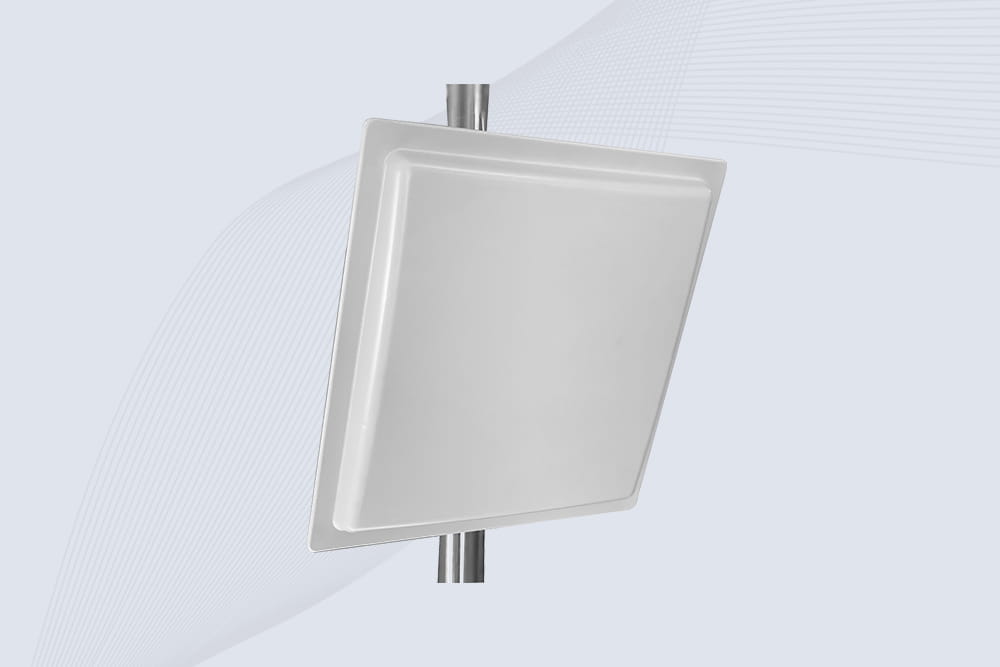
Cykeo CYKEO-RA12L industrial Long Range RFID Reader delivers 20m read range, 200+ tags/sec scanning, and IP67 protection for manufacturing/logistics applications. Supports ISO 18000-6C/GB protocols.
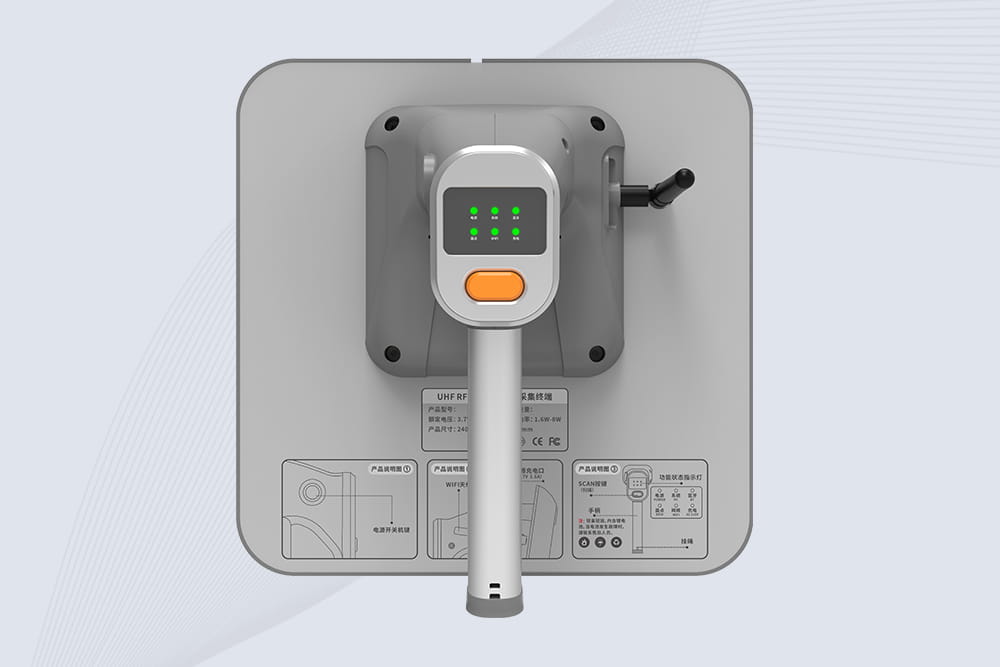
Cykeo CYKEO-B9 UHF Bluetooth handheld RFID scanner features 12m UHF range, 200+ tags/sec scanning, IP67 rugged design for retail/warehouse/pharma. Supports Android SDK & real-time Bluetooth 5.0 transmission.
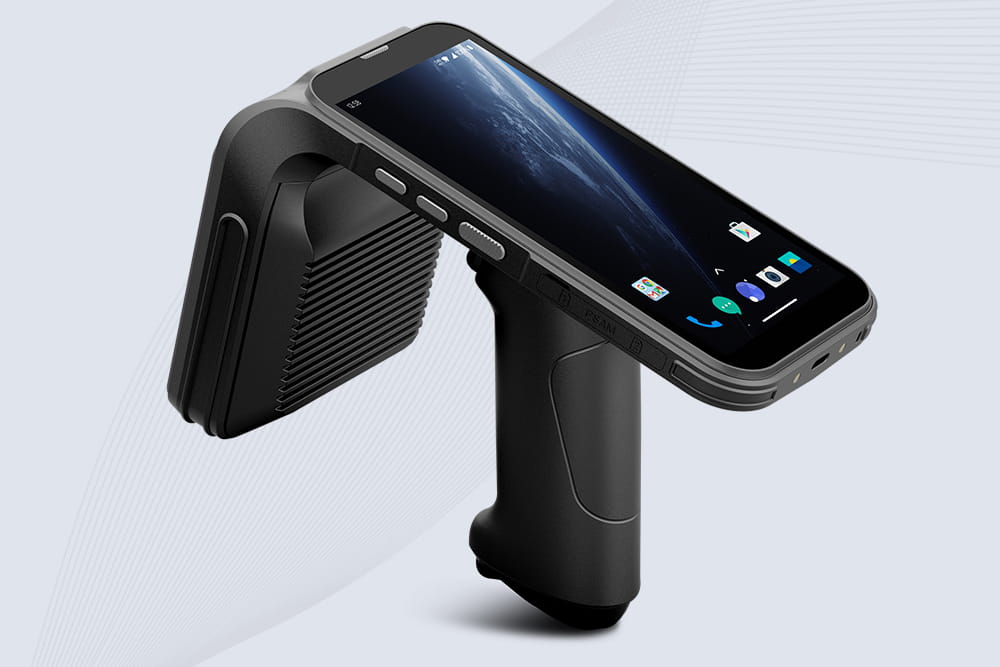
Cykeo CYKEO-B4 UHF Handheld RFID Reader scanner delivers 1300 tags/sec reading, 30m UHF range, and 12-hour battery life. IP65 rugged design with barcode/NFC/ID scanning for retail/manufacturing/logistics.
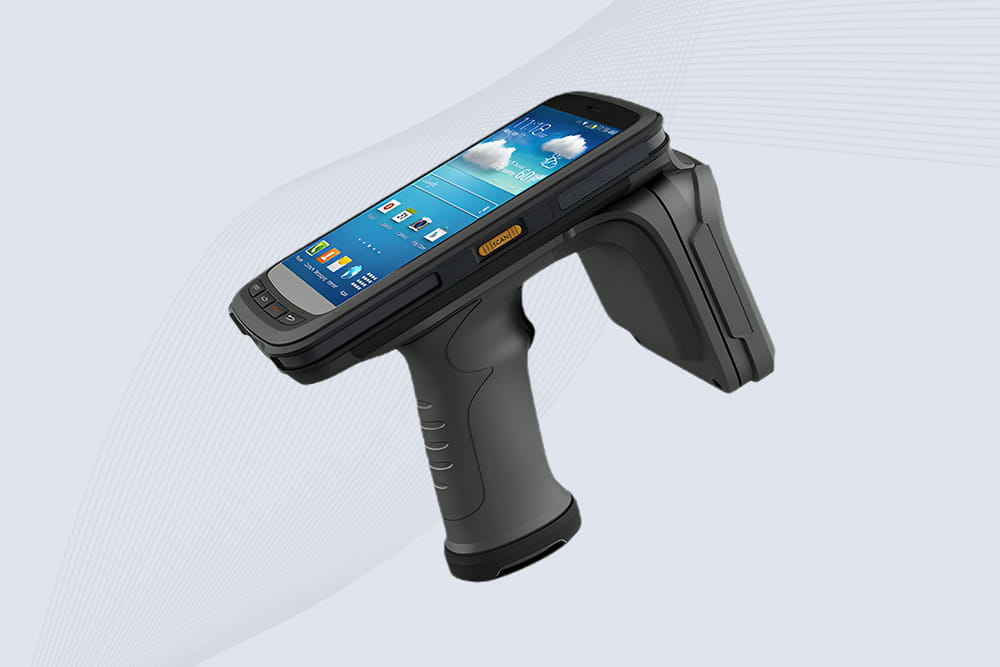
Cykeo CYKEO-B2 industrial UHF RFID handheld offers 10m range, 500 tags/sec scanning, Android 11 OS, and IP65 rugged design for retail/warehouse/manufacturing.

Learn how to integrate RFID readers with legacy systems without disruptions. Discover Cykeo’s solutions for seamless compatibility and operational efficiency.
More
Wondering how to choose a RAIN RFID reader that actually works for your use case? Compare fixed vs handheld, read range, region settings, and antenna options. Real advice from CYKEO engineers.
More
This article explores the real-world applications and experiences of RFID technology in libraries — from speeding up book borrowing and returns, to inventory management, theft prevention, and privacy protection — offering a complete look at how it...
More
Discover how RFID technology really works in manufacturing. Real-world experiences, practical tips, and lessons learned from implementing RFID systems for inventory, production, and quality control.
More