 Cykeo RFID IoT Solution Products R&D Manufacturer

How to Make an RFID Card Reader
458Curious how to make an RFID card reader? We explore the DIY path with Arduino, its limitations for real security, and why businesses choose CYKEO's professional hardware.
MoreAll RFID Product
What does RFID tag stand for? RFID stands for Radio Frequency Identification. An RFID tag is a small electronic data carrier, usually made of a microchip connected to an antenna. It communicates identification information to a compatible reader through radio waves, allowing objects to be identified without scanning a visible barcode.
The phrase sounds straightforward, but it is worth separating the abbreviation from the device itself. RFID describes a technology for identifying objects using radio-frequency communication. An RFID tag is the component attached to, embedded in, or carried by the object being identified.
That tag might be a thin label on a retail product, a plastic card used for building access, a rugged transponder fixed to industrial equipment, or a small device incorporated into a reusable container. The appearance changes. The underlying idea remains: the tag carries data, and a compatible reader retrieves it wirelessly.
For companies evaluating RFID, this distinction is more than terminology. It affects which tags can be purchased, which readers are required, how items should be labelled, and how identification data enters an inventory or asset-management system.
RFID is the abbreviation for Radio Frequency Identification.
Each part of the term describes an element of the technology:
The technology does not depend on a camera seeing a printed code. Instead, a reader transmits a radio signal and receives a response from a compatible tag. Depending on the technology, the tag may draw energy from the reader’s field or use its own power source.
GS1 defines RFID as a group of technologies that use radio waves to automatically capture an object’s unique identifier. It also explains that the microchip and antenna together form the RFID transponder, commonly called an RFID tag. GS1 G
No. These terms describe different parts of the system, and mixing them up can lead to confusion when specifying equipment.
| Term | Meaning | Main function |
|---|---|---|
| RFID | Radio Frequency Identification | The technology used for wireless identification |
| RFID tag | A transponder containing a chip and antenna | Holds identification data and communicates with a reader |
| RFID chip | The integrated circuit inside the tag | Stores and processes data |
| RFID antenna | The conductive element connected to the chip or reader | Receives and transmits radio-frequency signals |
| RFID reader | Also called an interrogator | Sends signals to tags and receives their responses |
| RFID software | The application or platform connected to the reader | Processes tag data and links it to business records |
A common misconception is that an RFID tag and an RFID chip are interchangeable terms. They are related, but they are not identical. The chip is the electronic component; the tag is the complete data carrier, normally including an antenna and a supporting structure.
This difference becomes visible when choosing tags. A bare inlay may be suitable for embedding inside packaging, while a complete hard tag may be required for equipment exposed to repeated handling.
Most conventional RFID tags contain two essential electronic components: an integrated circuit and an antenna. The tag also needs a physical structure to hold and protect those components.
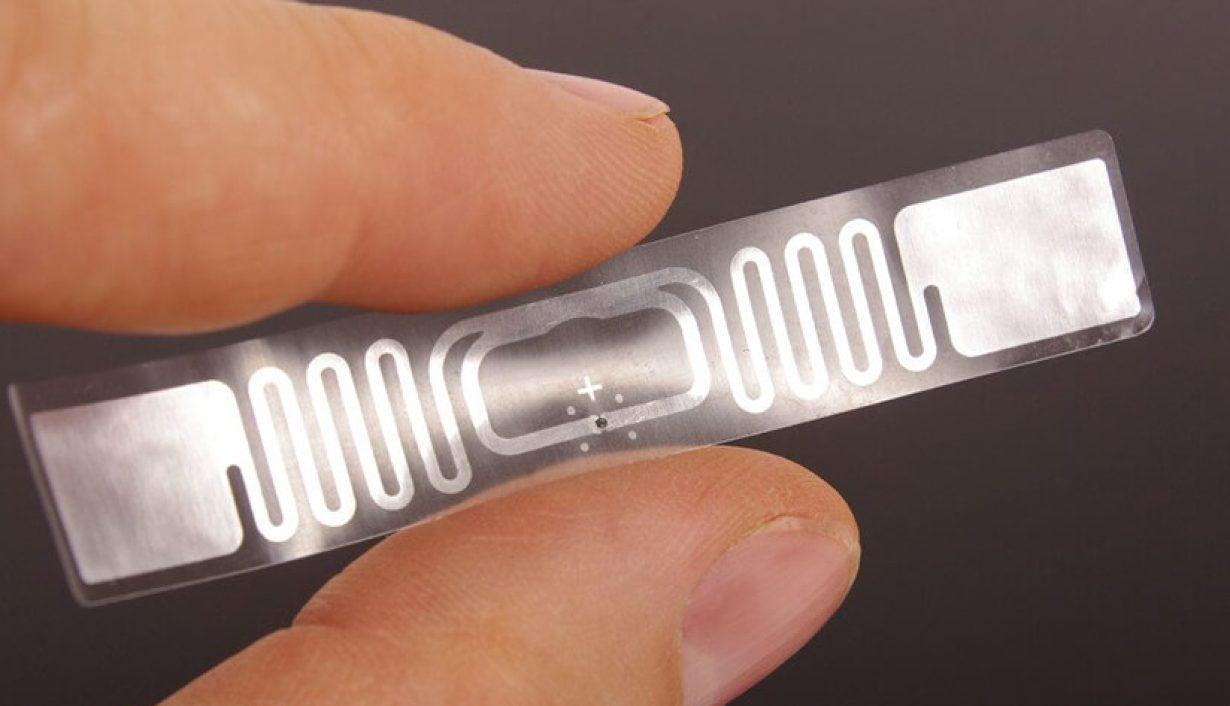
The integrated circuit, often called the RFID IC or chip, performs the electronic functions of the tag. Depending on the chip design, it can store an identifier, process reader commands, manage communication, and provide access to supported memory functions.
In many passive UHF applications, the chip stores an Electronic Product Code (EPC) or another identifier. The code can be used by business software to look up the corresponding product, carton, tool, or asset record.
The tag does not necessarily contain the full product database. In a well-designed inventory system, the RFID tag may carry only a unique identifier while detailed information—such as product description, ownership, location history, and stock status—is stored in the host database.
That arrangement is often more practical. If a product description or stock status changes, the business can update the database without rewriting every tag attached to its products.
The antenna enables the tag to interact with radio-frequency signals. In a passive tag, it receives energy from the reader’s field and participates in sending the tag’s response back to the reader.
Antenna design affects how the tag performs. Its shape, dimensions, material, and position relative to the object can influence read reliability.
This is why two tags containing similar chips may behave differently in the same installation. The antenna is not merely a piece of metal added to the chip; it is a critical part of the tag’s radio-frequency design.
The substrate or housing holds the chip and antenna in the required physical arrangement. It may be paper, plastic, a flexible film, a rigid polymer enclosure, or another material selected for the application.
Examples include:
The physical structure protects the electronics and determines how the tag can be attached or integrated into an object. It also affects durability, size, and suitability for environmental conditions.
An RFID tag communicates with a reader through radio-frequency signals. The exact process depends on whether the tag is passive, active, or battery-assisted passive.
For many inventory and logistics applications, passive UHF RFID is used. The reader sends an RF signal, the tag receives energy from that signal, and its chip responds by modulating the signal reflected back to the reader. This response is known as backscatter.
A simplified reading process looks like this:
GS1 describes this passive-tag process as reader-powered communication using backscatter. Its EPC Gen2 UHF standard specifies a passive-backscatter system operating in the 860–930 MHz range.
No. Unlike a conventional barcode scanner, an RFID reader does not need to optically see the tag to communicate with it. Radio waves can often pass through materials such as cardboard, paper, and some plastics.
However, this does not mean every tag can be read through every material. Metal, liquid, tag orientation, nearby objects, and antenna placement can affect performance. A tag hidden inside a metal enclosure, for example, may not communicate reliably with an ordinary external UHF antenna.
The practical advantage is that RFID can support identification without manually aiming a scanner at every label. In a warehouse, this can make it possible to read multiple tagged cartons within a controlled zone.
The key phrase is controlled zone. A reader that detects many tags is useful only when the system can distinguish the intended items from nearby tags that should not be included in that transaction.
An RFID tag stores data in electronic memory. The amount and type of information depend on the chip design and the RFID standard being used.
For many passive UHF tags based on EPC Class 1 Gen 2, memory is organized into four banks:
| Memory bank | Purpose | Typical content |
|---|---|---|
| Reserved | Security-related functions | Access password and kill password |
| EPC | Product or item identification | Electronic Product Code and related identifier data |
| TID | Identifies the tag chip itself | Tag manufacturer and chip identification information |
| User | Additional storage, if supported | Application-specific data |
Not every tag has the same memory capacity. Some provide little or no user memory, while others offer additional writable storage. The EPC and TID banks also serve different purposes: the EPC generally identifies the tagged item, whereas the TID relates to the tag’s own electronic identity.
GS1’s Tag Data Standard defines the data structures used in EPC/RFID systems, including the memory-bank terminology for Gen2 tags.
Usually, it does not need to.
Consider a carton of electronic components. The tag may contain a unique EPC that identifies the carton. When a reader captures that number, the warehouse application searches its database and retrieves information such as:
The tag provides the identifier. The database provides the business context.
This separation is useful when information changes frequently. If a carton moves from receiving to a storage location, the warehouse system can update its location record without having to rewrite the RFID tag.
It also helps prevent unnecessary data from being stored directly on a tag. For applications involving confidential or commercially sensitive information, businesses should evaluate memory access controls and avoid assuming that an RFID identifier is automatically encrypted or secure.
RFID tags are used in many industries because they can identify objects without requiring a person to scan a visible barcode individually.

Retailers can attach RFID labels to individual products to support inventory counting, stockroom management, replenishment, and item identification.
For example, an employee can use a handheld UHF reader to check tagged merchandise on a shelf. Rather than scanning each barcode one at a time, the reader can identify multiple tags within its effective read zone.
The result still depends on tag placement, product materials, and the reading environment. Clothing tags are often relatively straightforward to integrate, while products containing metal components or liquids may require different tag designs.
In warehouses, RFID tags can identify cartons, pallets, reusable containers, and individual inventory items.
A fixed rfid reader can be installed at a receiving or dispatch point to detect tagged goods as they pass through a defined area. The software can then associate the captured identifiers with shipment or inventory records.
This is not automatic proof that every item in a shipment has been correctly processed. The application still needs rules for duplicate reads, missed tags, unexpected items, and transaction confirmation.
Libraries use RFID tags to identify books, media, and other circulating items. A tag identifier can be associated with a catalogue record, allowing supported self-service borrowing, returns, inventory checks, and item-management workflows.
The tag’s physical format, frequency, and data standard must match the library’s reader equipment and software.
Industrial businesses can attach RFID tags to tools, machinery, containers, and other reusable assets.
When a tagged tool is presented to a compatible reader, the system can retrieve its asset record and support processes such as registration, check-in, check-out, and inventory verification.
For metal equipment, ordinary labels may not be suitable. A specialized on-metal tag or a carefully selected mounting position may be necessary.
RFID cards and key fobs are widely used in access-control systems. A reader detects a compatible credential and passes its data to an access-control platform, which checks whether the credential is authorized.
The RFID tag itself does not decide whether a person can enter a building. That decision depends on the system’s authentication logic, permissions, and security configuration.
RFID and barcodes both support identification, but they use different methods to capture data.
| Feature | RFID tag | Barcode |
|---|---|---|
| Communication method | Radio-frequency signals | Optical scanning |
| Direct line of sight | Not normally required | Usually required |
| Multiple-item reading | Possible with suitable RFID systems | Usually scanned individually |
| Data carrier | Electronic chip and antenna | Printed pattern |
| Read distance | Depends on frequency and system design | Depends on scanner and barcode size |
| Environmental sensitivity | Can be affected by metal, liquid, interference, and orientation | Can be affected by dirt, damage, glare, and poor print quality |
| Typical use | Inventory, logistics, access cards, asset tracking | Retail checkout, shipping labels, product identification |
Neither technology is automatically the better choice for every business.
A barcode may be more economical for a process that already involves individual product scanning. RFID may be more useful when staff need to identify many tagged items quickly or when a tag must be read without a direct visual scan.
Some operations use both. A product may carry a printed barcode for conventional scanning and an RFID inlay for automated identification. GS1’s RFID guidance describes RFID as a data carrier that can complement other identification methods within a supply chain.
An RFID tag’s frequency determines which reader technology it can communicate with and influences its practical operating characteristics. The three main frequency groups are Low Frequency (LF), High Frequency (HF), and Ultra-High Frequency (UHF).
The abbreviation RFID does not refer to one universal radio system. A tag designed for 13.56 MHz HF operation cannot normally be read by a standard UHF inventory reader. The frequency and protocol must match.
LF RFID tags commonly operate at 125 kHz or 134.2 kHz. They are used in applications that require close-range identification, including animal identification and selected industrial systems.
Typical characteristics include:
LF is often suitable when the tag is deliberately presented close to the reader. It is not normally selected for reading large groups of warehouse cartons across a doorway.
HF RFID tags commonly operate at 13.56 MHz. They are widely used in contactless cards, library systems, ticketing, and NFC-related applications.
Common examples include:
NFC is closely related to HF RFID, but the terms are not identical. NFC uses defined communication standards and interaction modes. Not every 13.56 MHz RFID tag supports every NFC function.
UHF RFID tags operate in regional frequency bands generally within the 860–960 MHz range. Passive UHF is widely used in retail, logistics, warehousing, and industrial asset identification.
UHF is useful when a business needs to identify multiple tagged objects within a reading zone. A fixed reader can capture tag responses as cartons pass through a portal, while a handheld reader can support stocktaking across shelves or storage areas.
The actual read distance depends on the complete system. GS1 describes passive UHF read ranges of up to approximately 10 metres under suitable conditions, but that figure should not be treated as a guaranteed distance for every tag or installation
| Frequency | Common operating frequency | Typical applications | Main consideration |
|---|---|---|---|
| LF | 125–134.2 kHz | Animal identification, selected industrial uses | Close-range operation |
| HF | 13.56 MHz | Cards, libraries, ticketing, NFC-related uses | Compatible HF protocol and reader |
| UHF | Regional bands around 860–960 MHz | Inventory, logistics, retail, asset tracking | Antenna layout, materials, and read-zone control |
A practical point for purchasing teams: a tag’s frequency should be confirmed before comparing price or read range. A low-cost tag is not a bargain if the existing readers cannot communicate with it.
RFID tags are also classified by how they obtain power. This distinction has a direct effect on maintenance, tag size, cost, and application design.
Passive tags do not have an onboard battery for normal operation. They receive energy from the reader’s RF field and use that energy to operate their chip and communicate.
They are widely used for:
For large-scale identification, passive UHF tags are often practical because they can be produced in compact formats and do not require routine tag battery replacement.
Active tags contain their own power source, usually a battery. They use a powered transmitter to send signals to a receiver or reader.
They may be appropriate for applications that require independent transmissions, longer communication distances, or periodic reporting from mobile assets.
However, active tags introduce additional considerations:
Battery-assisted passive tags contain a battery to support the chip or additional functions, but typically still use backscatter to communicate with a reader.
They can be useful in specialist applications, including tags that incorporate environmental sensors. The presence of a battery does not automatically make a tag active RFID; the communication method is what distinguishes the technologies.
There is no single read distance that applies to every RFID tag. The result depends on the tag’s frequency, antenna, chip sensitivity, reader power, reader antenna, installation, and surrounding materials.
For practical planning, it is more useful to think in broad categories:
GS1’s RFID guidance discusses passive UHF read ranges of up to around 10 metres, depending on the application and environment. This is a potential capability, not a promise that any UHF tag will be readable at that distance.
Tag antenna design: The antenna’s size, shape, and tuning influence how efficiently it communicates.
Reader output power: Higher output can improve the available RF field, within the applicable regional regulatory limits. More power is not always the right solution because it may increase unwanted reads.
Tag orientation: A tag may perform differently when rotated relative to the reader antenna. This becomes important when products are placed randomly.
Metal and liquid: Metal can detune or shield conventional UHF tags. Liquid-containing products can absorb or alter radio-frequency energy, affecting performance.
Tag spacing and nearby objects: Dense stacks of products may produce different results from isolated tags. Nearby tagged objects can also influence the reading environment.
Antenna placement: The reader antenna’s direction, polarization, height, and angle help determine which tags are detected.
The best installation is not necessarily the one with the greatest read distance. In a dispatch doorway, for instance, the system should identify the cartons passing through that doorway—not inventory on a nearby rack.
When a reader fails to detect a tag, replacing the reader immediately is rarely the best first step. The problem may be caused by tag compatibility, physical placement, the environment, or software configuration.
| Possible problem | What to check | Practical response |
|---|---|---|
| Incorrect frequency | Tag and reader specifications | Confirm frequency compatibility |
| Unsupported protocol | Reader and tag air-interface standards | Verify protocol support |
| Tag mounted on metal | Tag construction and mounting surface | Test a suitable on-metal tag |
| Poor orientation | Tag position relative to antenna | Adjust placement and retest |
| Insufficient read-zone coverage | Antenna location and output settings | Review antenna layout |
| Damaged tag | Physical condition and antenna continuity | Test with a known-good tag |
| Unexpected or repeated reads | Software filtering and antenna coverage | Configure event and duplicate-read logic |
| Data not appearing in the application | Reader connection and host software | Check interfaces, SDK, and data processing |
A useful troubleshooting method is to test one known-good tag in a controlled environment. If that tag reads reliably, introduce the original tag and actual mounting surface. Then add the surrounding objects and operational conditions.
Changing several reader parameters at once makes it harder to identify the real cause. A controlled test isolates the problem more quickly.
The best tag is the one that matches the identification process, the physical object, and the operating environment.
Before selecting a product, answer these questions.
The object may be cardboard, plastic, glass, fabric, or metal. A standard adhesive label is often suitable for packaging, but metal equipment may need a specialized tag.
A close-range card interaction, a handheld inventory check, and an automated conveyor portal require different reading arrangements.
For example:
For industrial environments, confirm the actual requirements for:
Do not rely on broad descriptions such as industrial grade without checking the product’s tested specifications.
If a unique EPC identifier is sufficient, a tag with extensive user memory may be unnecessary. If the application requires additional data, check the available memory banks and whether they can be written and locked as required.
Check the reader’s frequency, protocol, antenna arrangement, output power, interface, and software capabilities. The tag must be supported by the complete system, not simply by one component.
RFID tags and readers work as a system. Selecting the right tag is only part of the project; the reader must be capable of communicating with it and delivering usable data to the application.
For passive UHF applications, Cykeo offers several reader formats for different integration requirements.
The CYKEO-M4L is an OEM module intended for equipment manufacturers and developers integrating UHF RFID into their own products.
The supplied product specifications include:
The actual reading rate depends on tag population, RF environment, configuration, and test conditions. It should be validated against the intended application rather than treated as a guaranteed field result.
The CYKEO-RA9L / CK-D9L series is designed for fixed UHF RFID installations.
Supplied product details include:
A 12 dBi variant is also available in the product range. The appropriate antenna configuration depends on the required read zone and installation conditions.
The SSD-D1AL is intended for desktop RFID identification and tag-encoding workflows.
Supplied specifications include:
The near-field design is relevant to controlled desktop operations where unintended reads from nearby tags need to be reduced.
Product selection note: These specifications are based on product information supplied for this article. Confirm the current datasheet, frequency configuration, regional approvals, and test conditions before publishing final technical claims or selecting equipment.
RFID stands for Radio Frequency Identification. An RFID tag is an electronic data carrier containing a chip and antenna that communicates with a compatible reader through radio-frequency signals. It allows products, equipment, cards, and other objects to be identified without scanning a visible barcode.
RFID refers to the identification technology as a whole. An RFID tag is one component of an RFID system. The tag carries identification data, while the reader sends radio-frequency signals and receives the tag’s response. Software then processes the captured data.
No. Most passive RFID tags used in inventory and logistics do not have an onboard battery. They obtain the energy needed for normal operation from the reader’s RF field. Active and battery-assisted passive tags do contain batteries, but they use different communication arrangements.
Yes. RFID is designed for wireless identification, so the reader does not need to physically touch the tag. The reading distance depends on the frequency, tag design, reader, antenna, and environment. A compatible reader must still be within the tag’s effective communication range.
Yes, some tags can store application data, depending on their memory capacity and configuration. However, many business systems store only a unique identifier on the tag and keep detailed product or personal records in a database. Sensitive data should not be stored on a tag without considering security and access controls.
It depends on the workflow. RFID can identify multiple tagged objects without requiring direct optical scanning, which can help with inventory and automated logistics. Barcodes are often simpler and less expensive for individual scanning. Some businesses use both technologies together.
Many RFID tags can be reused if their memory supports the required write operations and the tag remains physically undamaged. Reuse also depends on the application. A rugged industrial tag may be designed for repeated use, while a disposable product label may not be economical to recover.
Understanding what does rfid tag stand for is the starting point for understanding how wireless identification works. RFID means Radio Frequency Identification, while the tag is the physical data carrier that communicates with a compatible reader.
The technology covers several different tag types, frequency bands, and physical designs. A passive UHF label for warehouse cartons is not the same as an HF access card or a battery-powered active tracking device. Each has a specific role.
For businesses planning an RFID installation, the important decisions are practical: identify the object, define the reading process, check the environment, confirm reader compatibility, and test the tag in its final mounting position. Those steps are more useful than choosing a tag based on a headline read-range figure alone.
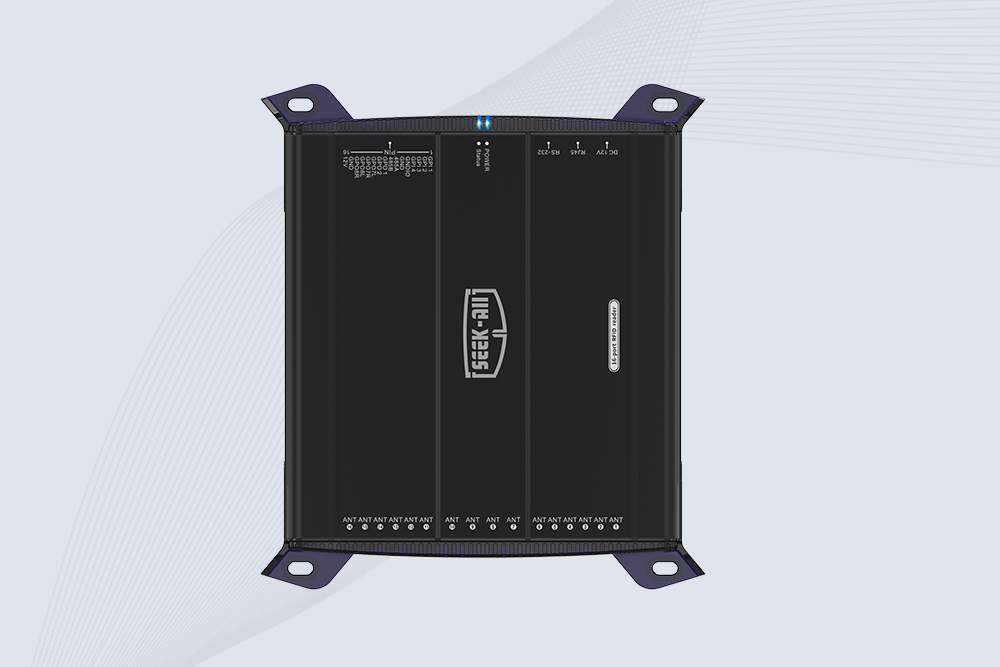
SSD-R16L Multi-Channel RFID Infrastructure for Automated Inventory Management ✔️ 16-Port High-Density RFID Reading Equipped with 16 SMA antenna ports, SSD-R16L supports multi-antenna deployment for warehouses, retail stores, logistics, production lines, and large-area RFID identification. ✔️ High-Speed & Long-Range Performance With up to 33…
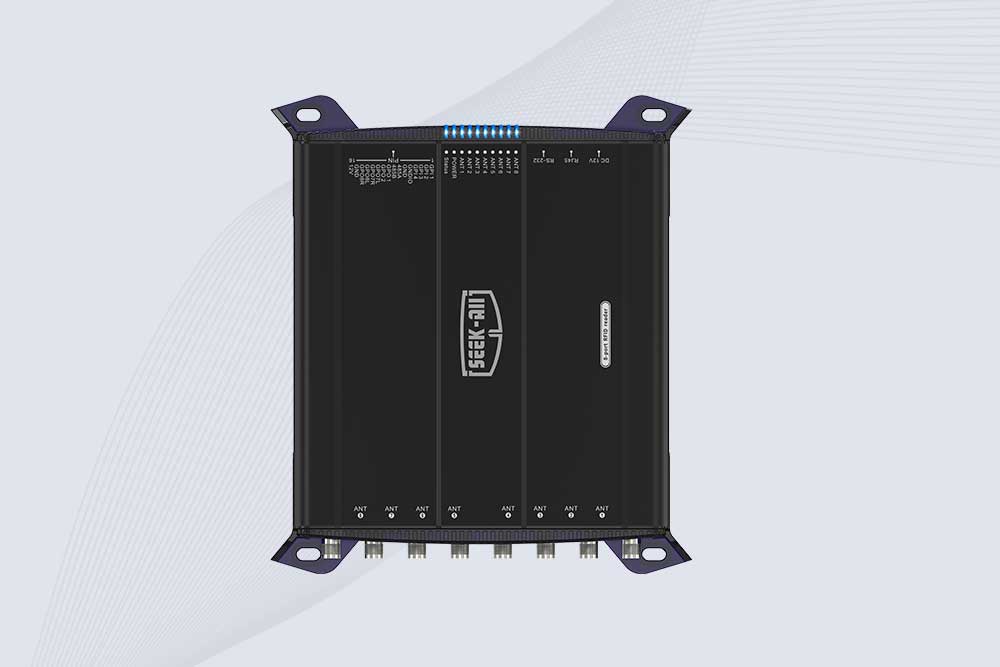
SSD-R8L 8-port UHF RFID reader with 33dBm output, up to 20m reading range and 600+ tags/s recognition. Ideal for warehouse, logistics, retail and asset tracking.
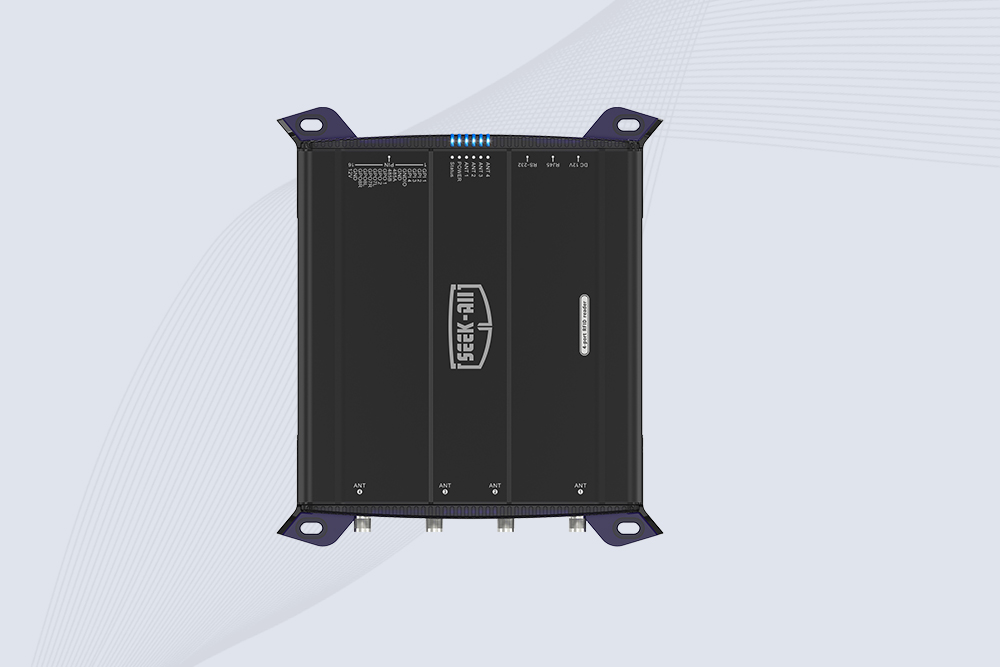
SSD-R4L is a 4-port UHF RFID fixed reader with 33dBm output power, up to 20m reading range, EPC C1G2 support and 600+ tags/s reading speed.
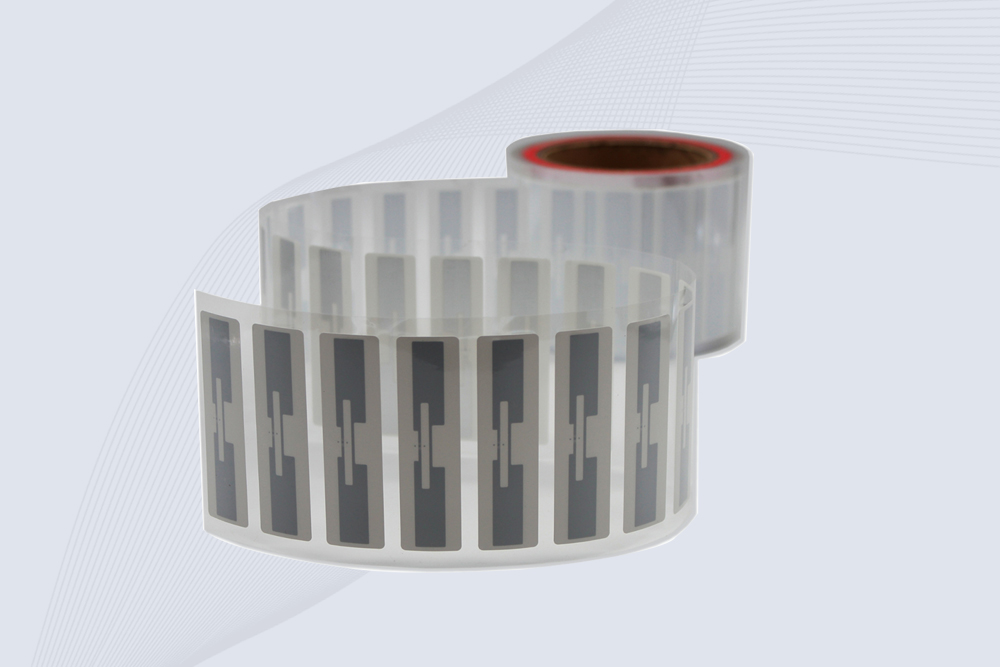
CYKEO Passive RFID Tags are made for wet and high-humidity environments where standard labels do not last. This rfid passive tag is often used around liquids, chemicals and temperature changes, providing stable reading distance and long data life for industrial tracking.
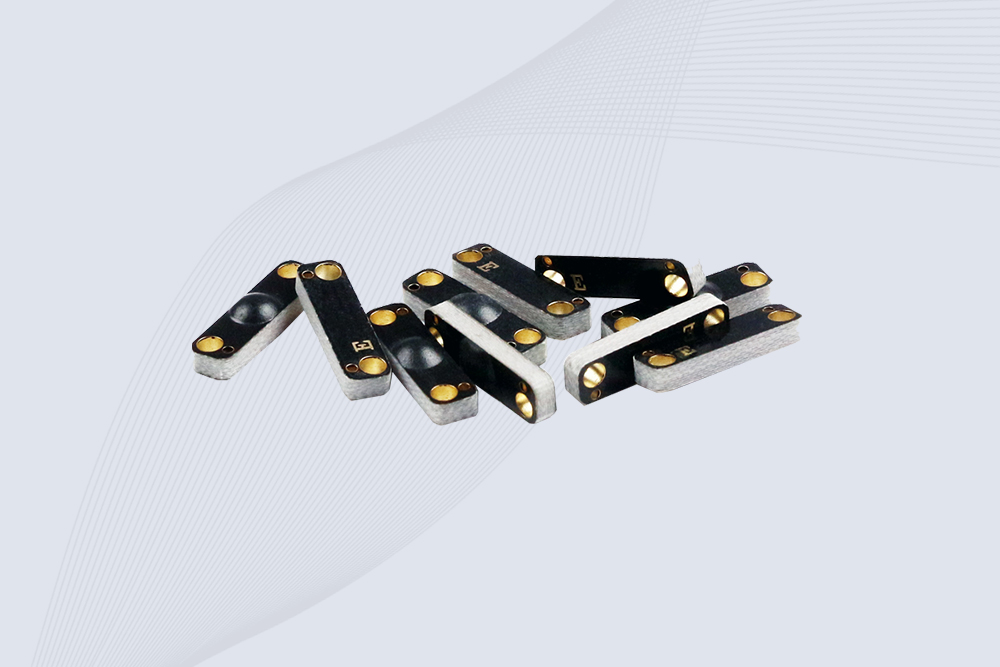
CYKEO CYKEO-PCB1504 Metal RFID Tags is a compact anti-metal UHF RFID solution built for direct mounting on metal surfaces. With stable 8-meter read range, Ucode-8 chip, and long data retention, this rfid metal tag fits tools, containers, automotive parts, and industrial asset tracking.
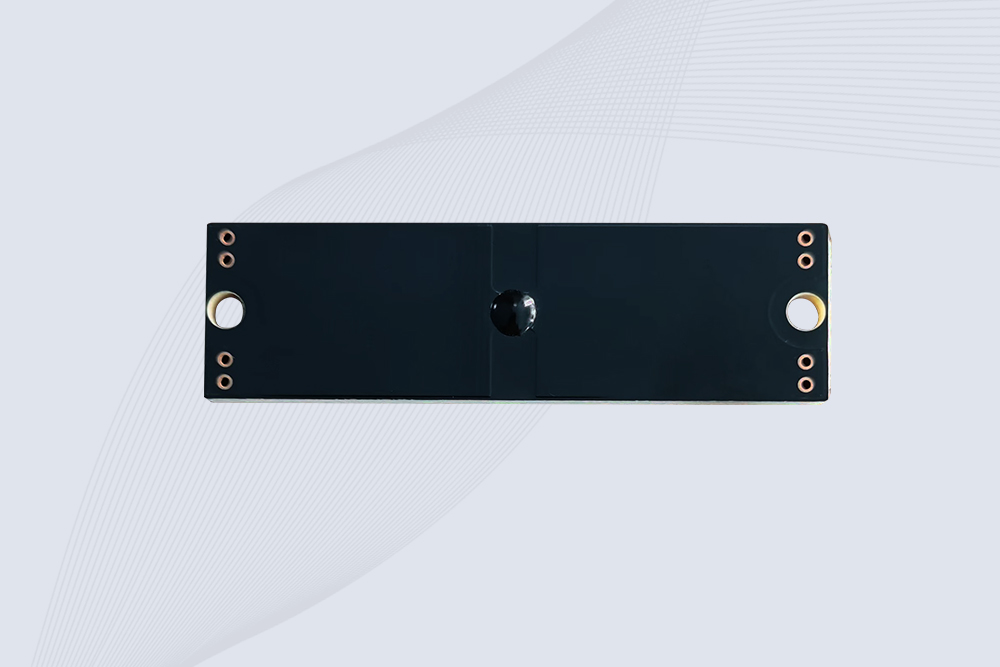
CYKEO CYKEO-PCB7020 On-Metal RFID Tags are designed for reliable tracking on steel and metal surfaces. Built with an FR4 epoxy body and industrial-grade chips, these On-Metal RFID Tags deliver stable performance, long data life, and chemical resistance, making them a dependable RFID anti-metal tag for harsh environments.
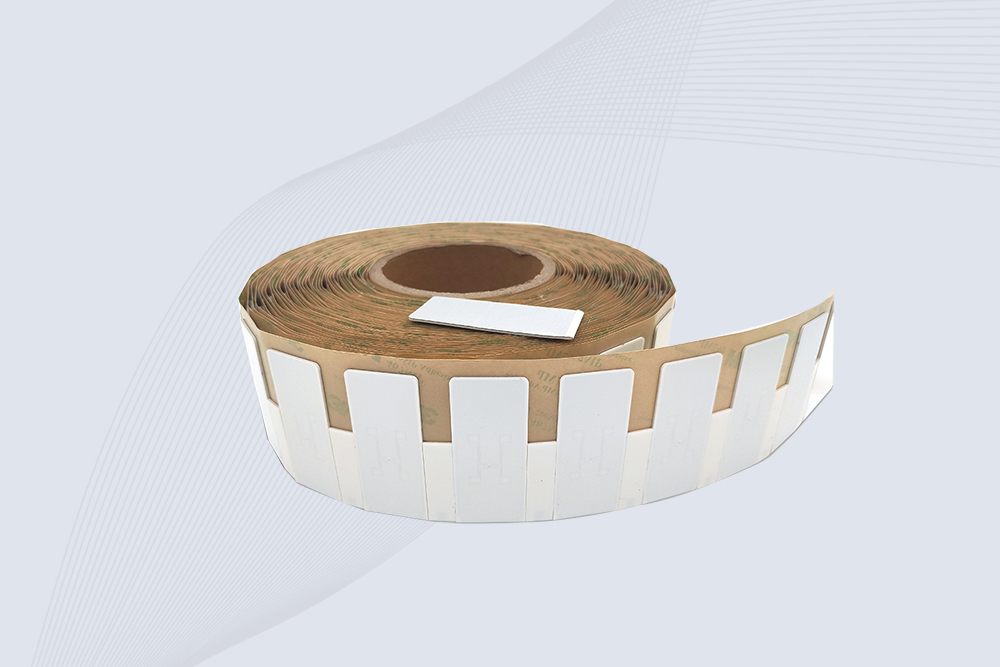
The CYKEO CYKEO-60-25 Anti-Metal RFID Tag is built for metal surfaces where standard tags fail. Designed for long-range performance, harsh environments, and stable data retention, this Anti-Metal RFID Tag is ideal for industrial assets, containers, and equipment tracking using on metal RFID tags.
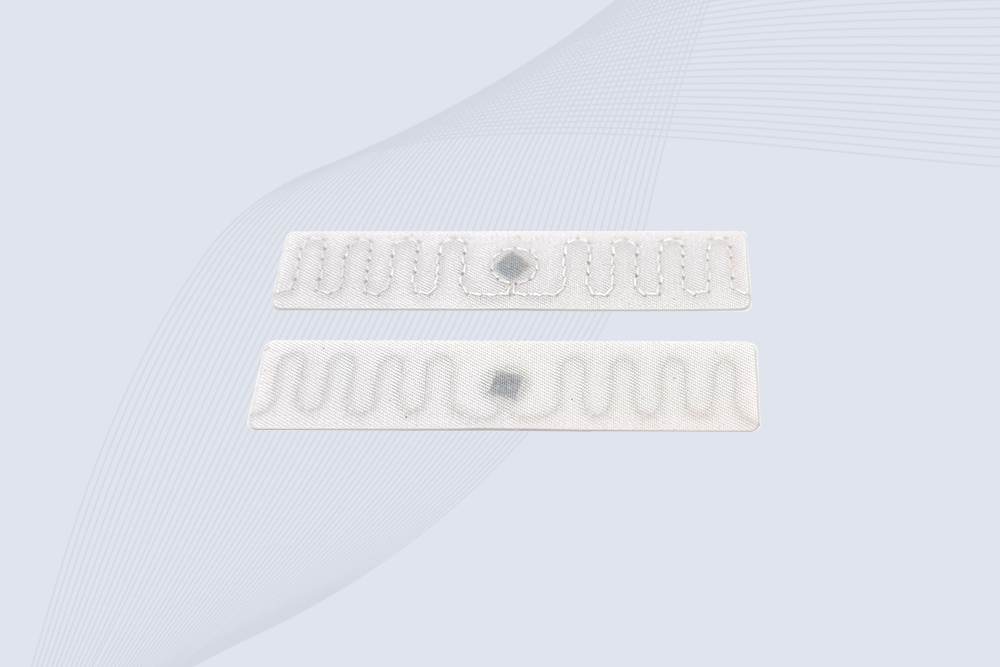
The CYKEO RFID Laundry Tag is designed for long-term textile identification in harsh laundry environments. Built to withstand high heat, chemicals, and repeated washing, this RFID Laundry Tag delivers stable performance for hotels, hospitals, and industrial laundry operations using laundry rfid tags at scale.
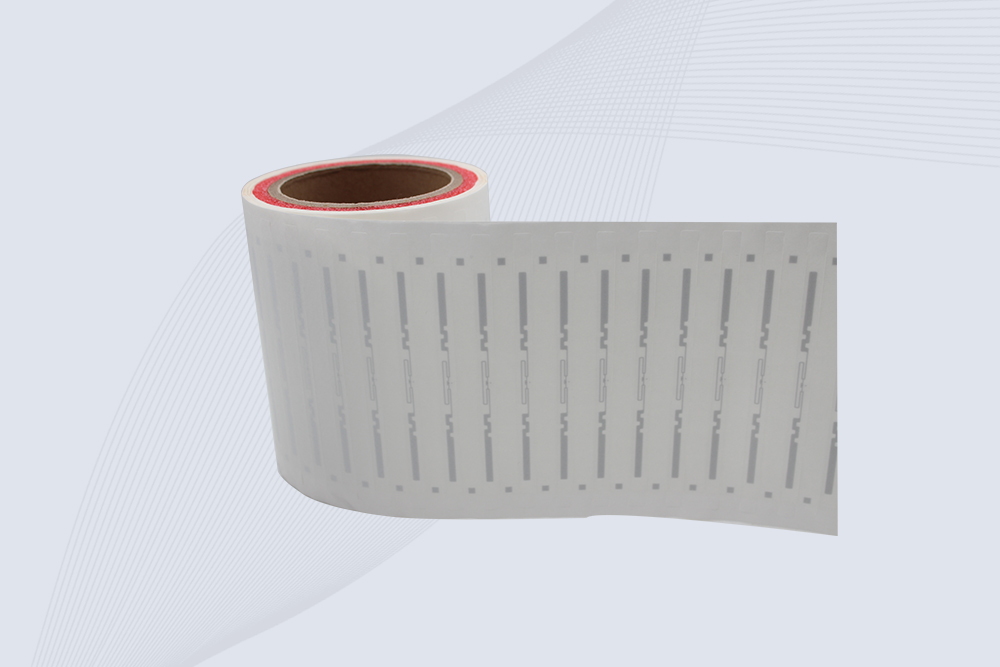
The CYKEO CYKEO-125-7 RFID Book Tag is designed for reliable book and document tracking in libraries and archives. This RFID Book Tag delivers long read range, dense placement support, and stable performance on shelves, making it a practical rfid tag on books for library automation, file management, and archival systems.
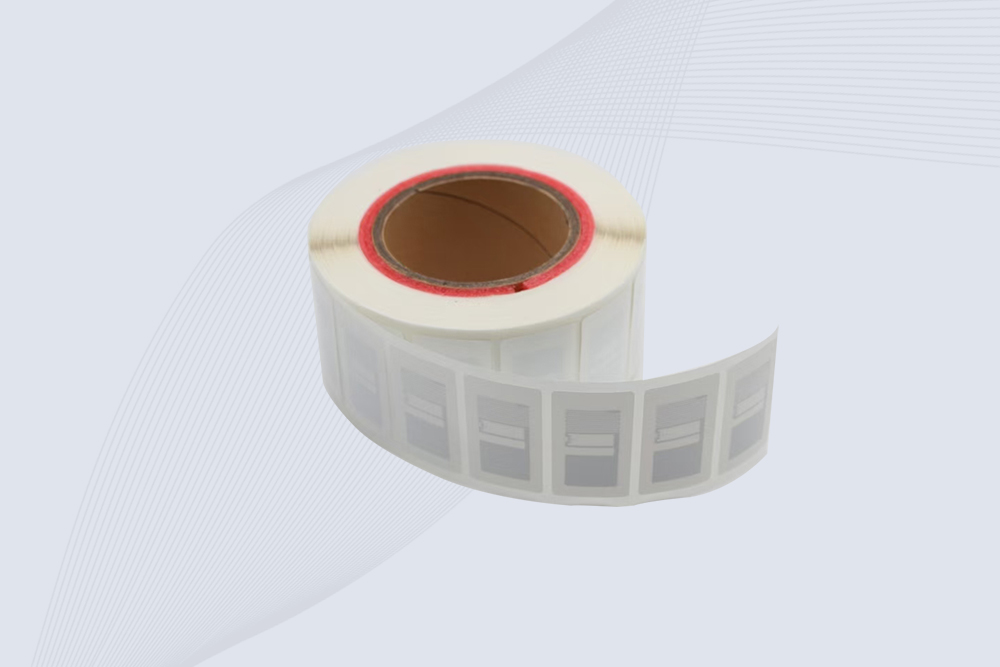
CYKEO RFID tags in hospitals are designed for sterile environments where accuracy matters. These autoclavable RFID tags support long-term tracking of surgical tools, implants, and medications, helping hospitals improve visibility, compliance, and patient safety.

CYKEO RFID Cable Tie Tag is built for reliable identification on metal surfaces. This UHF RFID Cable Tie Tag is widely used in rfid tags for inventory systems, industrial asset management and Hospital RFID Tags, offering stable read performance, long service life and global EPC Gen2 compatibility.
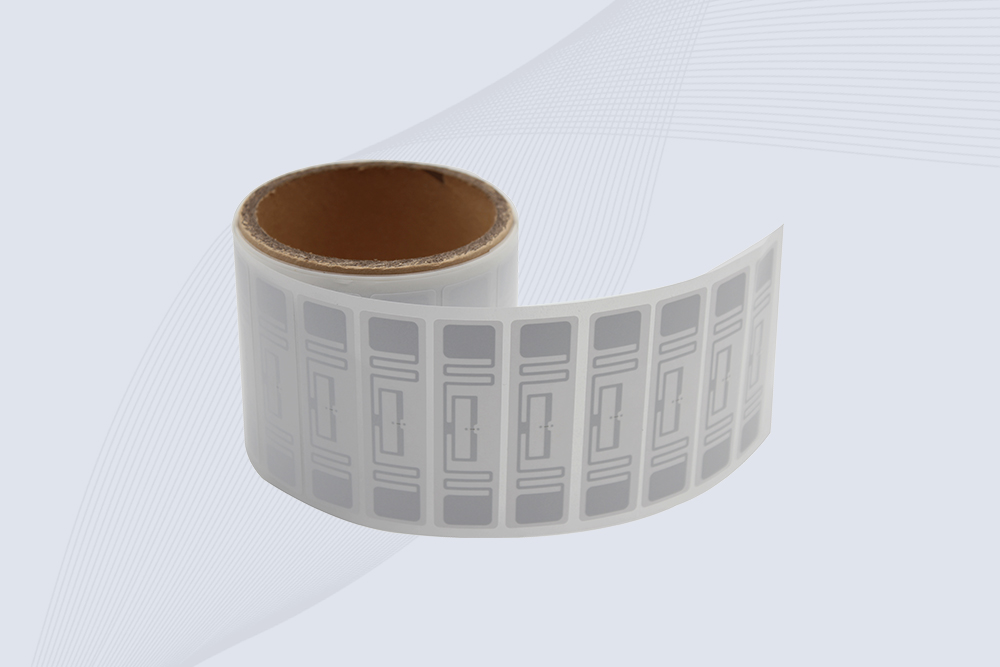
CYKEO RFID Asset Tag is designed for stable identification of metal assets in industrial environments. This UHF RFID Asset Tag is commonly used for rfid tag asset tracking on equipment, tools and containers, providing reliable reads, long service life and ISO/IEC 18000-6C support.

CYKEO UHF RFID Card is designed for fast identification and long-term use in industrial and commercial systems. Supporting ISO 18000-6C, this UHF RFID Card works at 860–960 MHz and is suitable for custom RFID cards used in asset tracking, access control and inventory management.
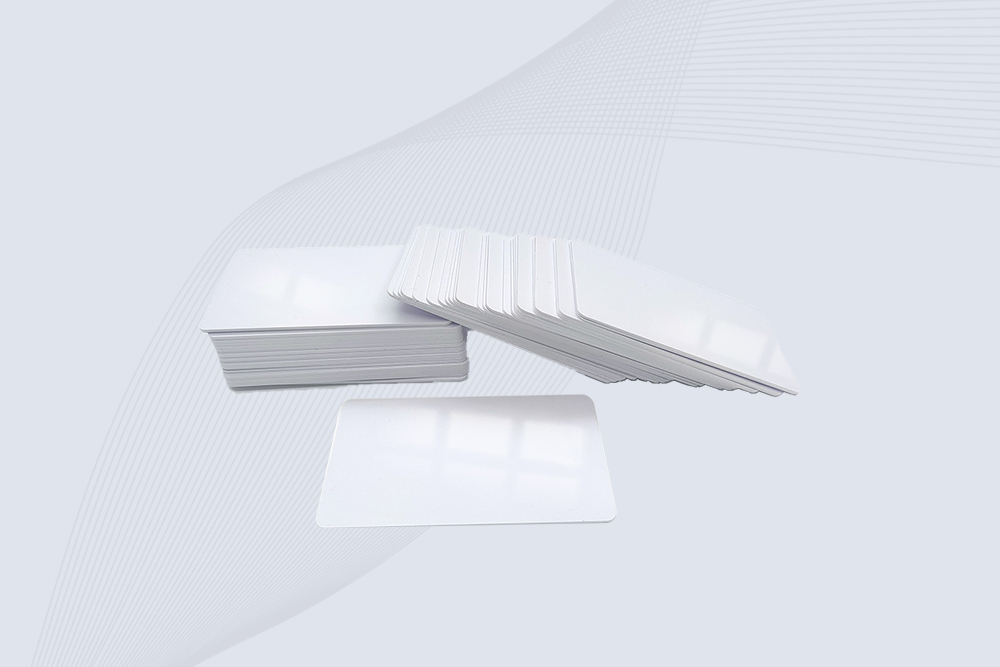
CYKEO HF RFID Cards are designed for secure and stable access control systems. These 13.56 MHz RFID key cards support ISO 14443-A, reliable rewriting and long service life, making HF RFID Cards suitable for offices, campuses, events and membership management.
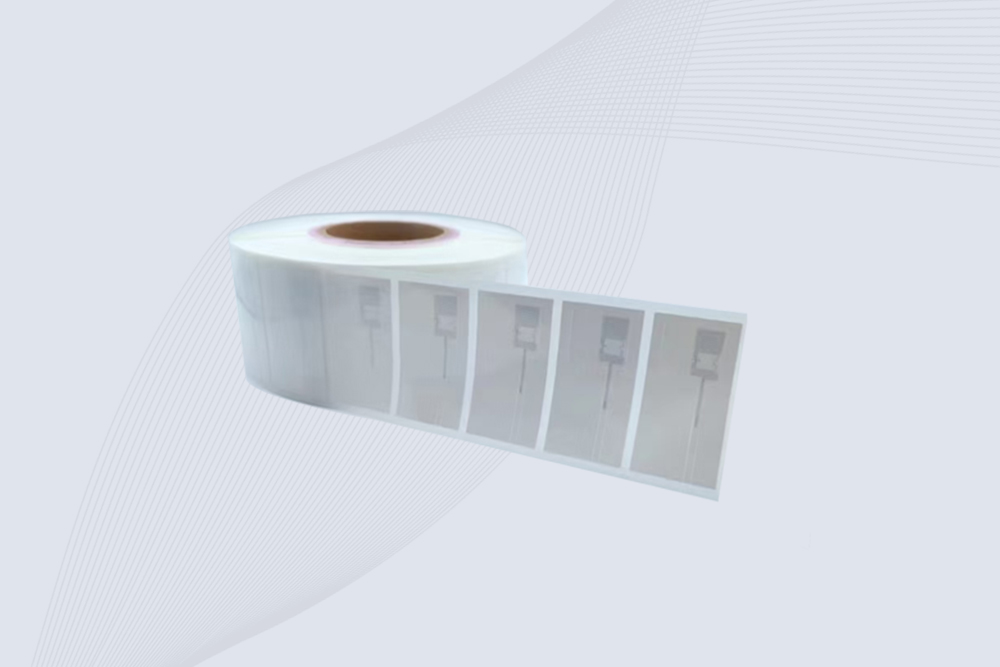
CYKEO UHF RFID Tag is designed for reliable tracking of metal jewelry and high-value items. This Jewelry RFID Tag supports long-range reading up to 8 meters, anti-counterfeit protection and stable performance on metal, making it suitable for retail, inventory control and asset management.
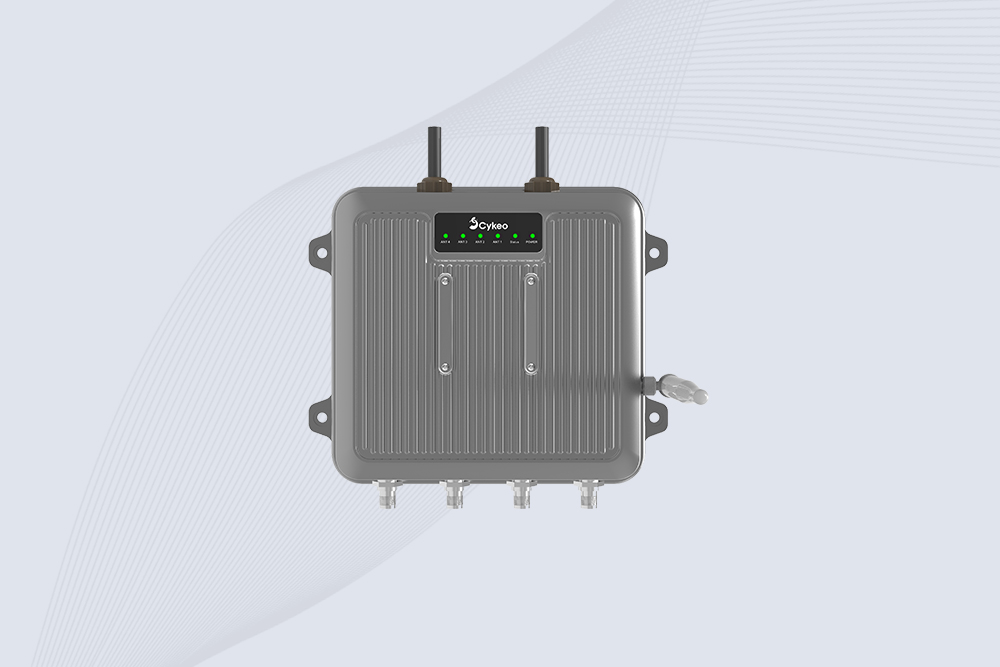
Cykeo CYKEO-C1 industrial Forklift RFID Reader features 20m read range, 600 tags/sec scanning, Impinj R2000 chipset, and IP67 rugged design. Ideal for warehouse logistics and manufacturing. Supports ISO 18000-6C/6B protocols.
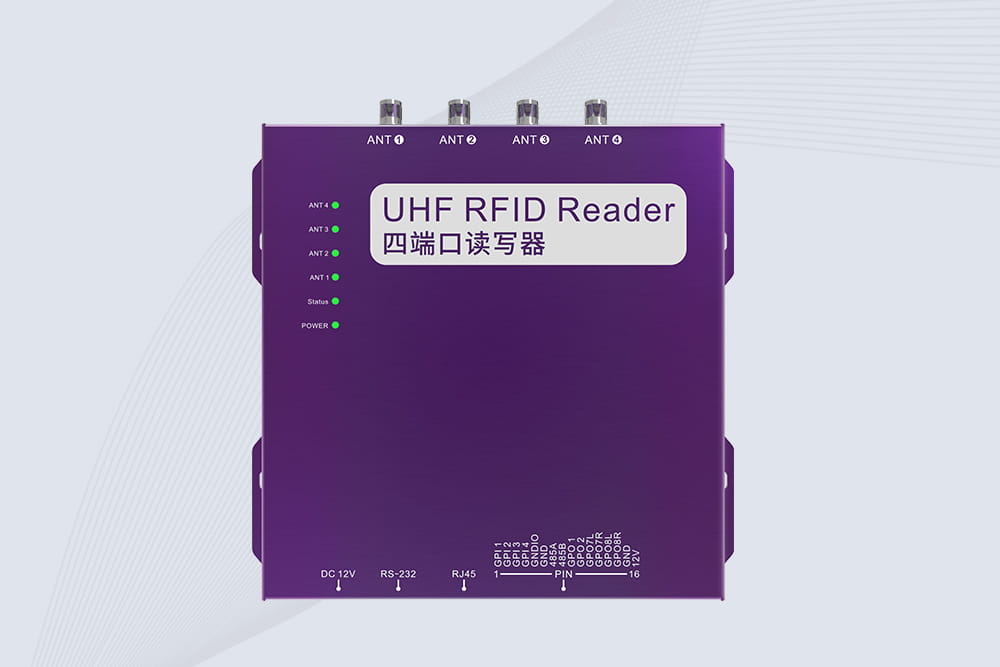
Cykeo CYKEO-R4 industrial UHF RFID Fixed Reader features 4 TNC ports, 400+ tags/sec speed, IP67 housing, and global frequency compliance for vehicle inspection, smart warehouse, and asset management systems.
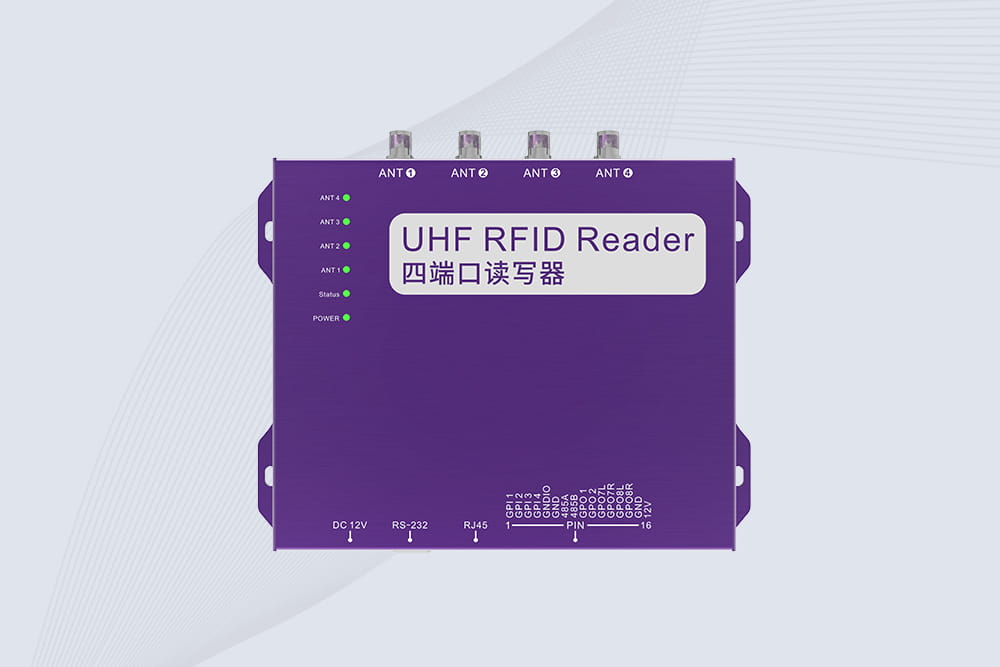
Cykeo’s CYKEO-R4L 4-port Fixed UHF RFID Reader delivers 400 tags/sec scanning, ISO 18000-6C compliance, and IP65 protection. Ideal for warehouse automation, manufacturing WIP tracking, and logistics management.
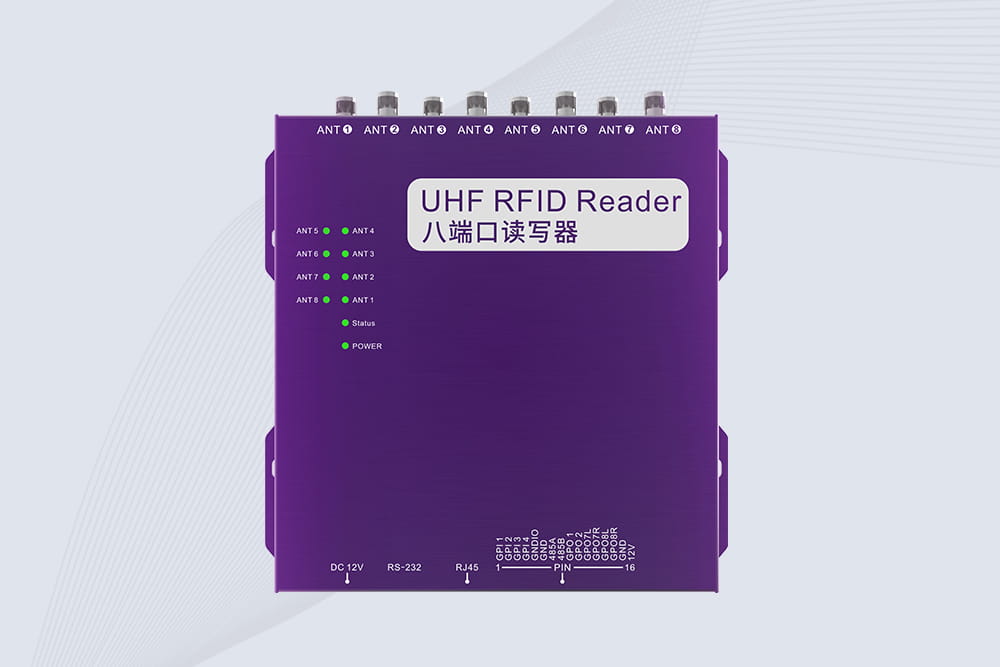
CYKEO CYKEO-R8L Fixed RFID Reader with 8-port UHF design, Impinj-based RF core and up to 20m read range. An industrial Fixed RFID Reader for vehicle inspection, warehouse portals, smart manufacturing lines and secure access checkpoints.
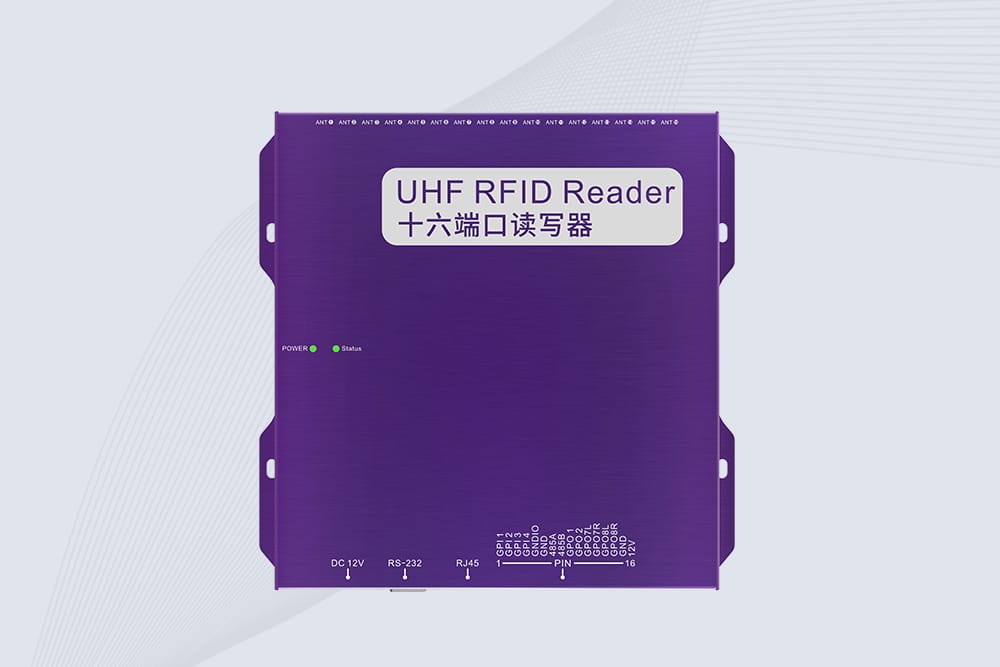
RFID Fixed Reader from CYKEO – the CYKEO-R16L 16-port UHF fixed reader for warehouses, smart cabinets, and production lines. Long-range, multi-tag reading, stable performance for 24/7 industrial use.
Curious how to make an RFID card reader? We explore the DIY path with Arduino, its limitations for real security, and why businesses choose CYKEO's professional hardware.
More
Discover how RFID tag chip technology enables real-time tracking, inventory accuracy, and automated identification. Learn practical applications, industry data, and deployment insights from Cykeo RFID experts.
More
Learn about RFID implant Sweden—how thousands of Swedes use microchip implants for access control, payments, and convenience. Discover the technology, benefits, and privacy considerations. Expert insights from CYKEO.
More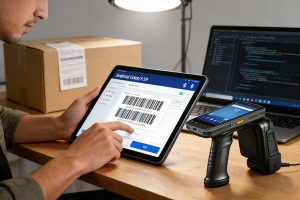
Learn how to read RFID tags with Android for real projects. We break down built-in NFC limits and show how to connect CYKEO UHF readers via SDK for inventory apps.
More