 Cykeo RFID IoT Solution Products R&D Manufacturer
Can RFID Reader Read Barcodes?
70Can RFID reader read barcodes? We clarify why they are different technologies and how CYKEO provides integrated data capture solutions for both.
MoreAll RFID Product
Long-range RFID readers are critical for automating vehicle access in high-security or high-traffic environments like corporate campuses, airports, and truck depots. These readers combine extended read ranges (10–15+ meters) with rugged designs to withstand outdoor conditions. Below, we explore the key features to prioritize and how to select the best system for your needs.
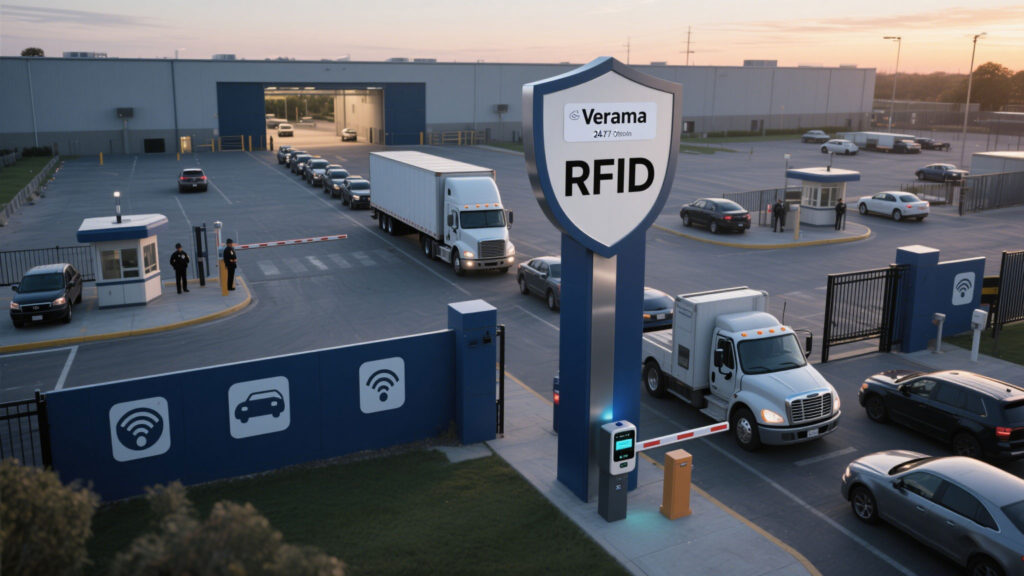
Cykeo’s vehicle access readers, for instance, use multi-protocol authentication (RFID + mobile app) and support real-time alerts for unauthorized vehicles.
A shipping terminal using Cykeo’s readers reduced truck queue times by 40% by automating gate access for tagged containers.
Cykeo’s readers are tested in extreme environments, from desert mining sites to coastal ports. Their devices include adaptive power tuning to maintain consistent reads despite vehicle speed or weather disruptions.
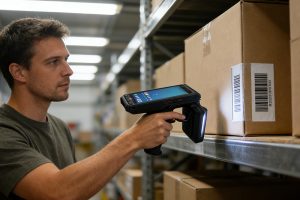
Can RFID reader read barcodes? We clarify why they are different technologies and how CYKEO provides integrated data capture solutions for both.
More
Learning how to use a RFID ID card reader? Step-by-step guide for door access systems and USB desktop readers. Card positioning, feedback signals, and troubleshooting tips from CYKEO engineers.
More
As technology continues to advance, Radio Frequency Identification (RFID) technology has found applications across various fields. In identity verification, RFID offers unique advantages, providing innovative solutions for safeguarding pr...
More
Learn whether building a custom UHF or HF RFID reader is feasible, key challenges, and how Cykeo’s modular solutions simplify development.
More