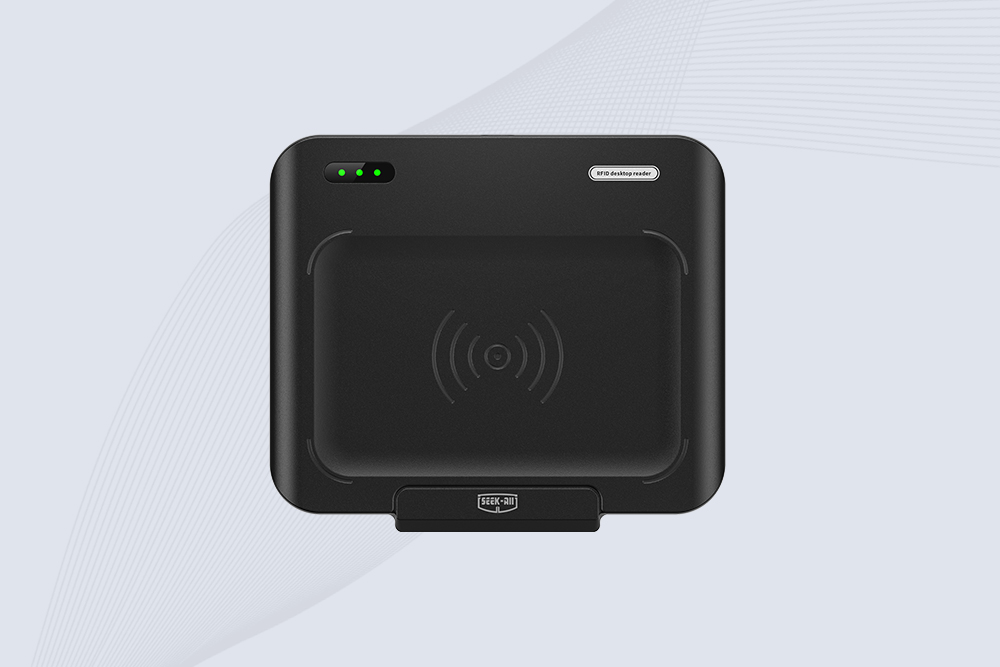
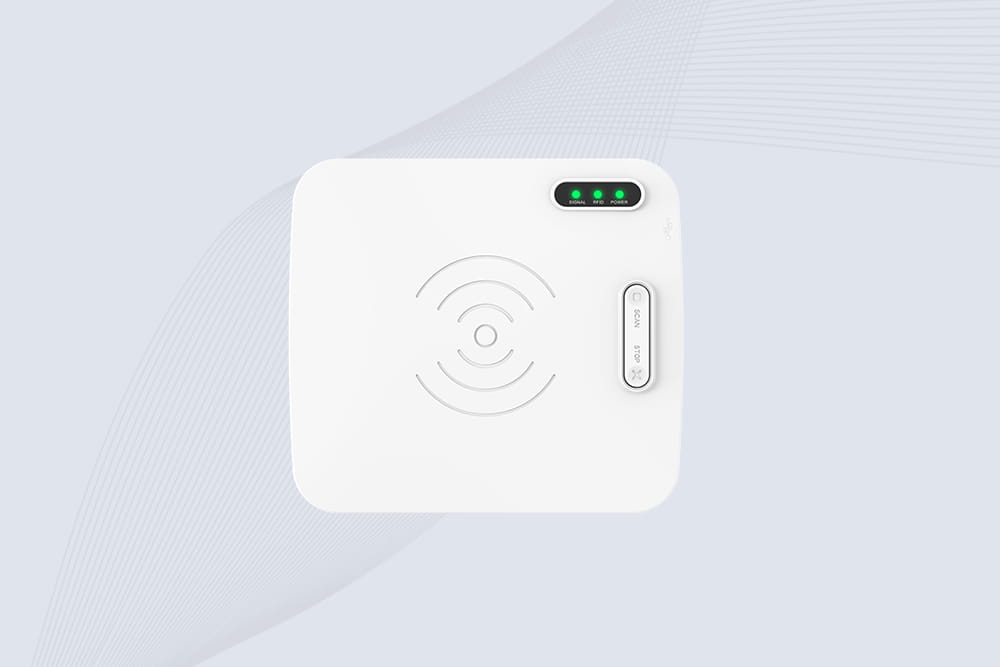
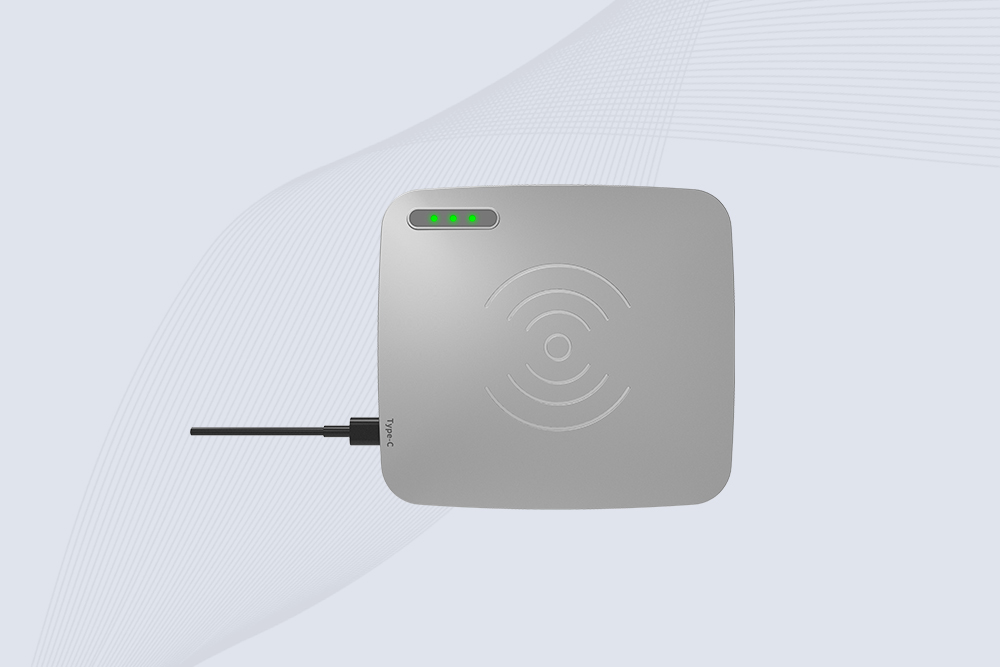
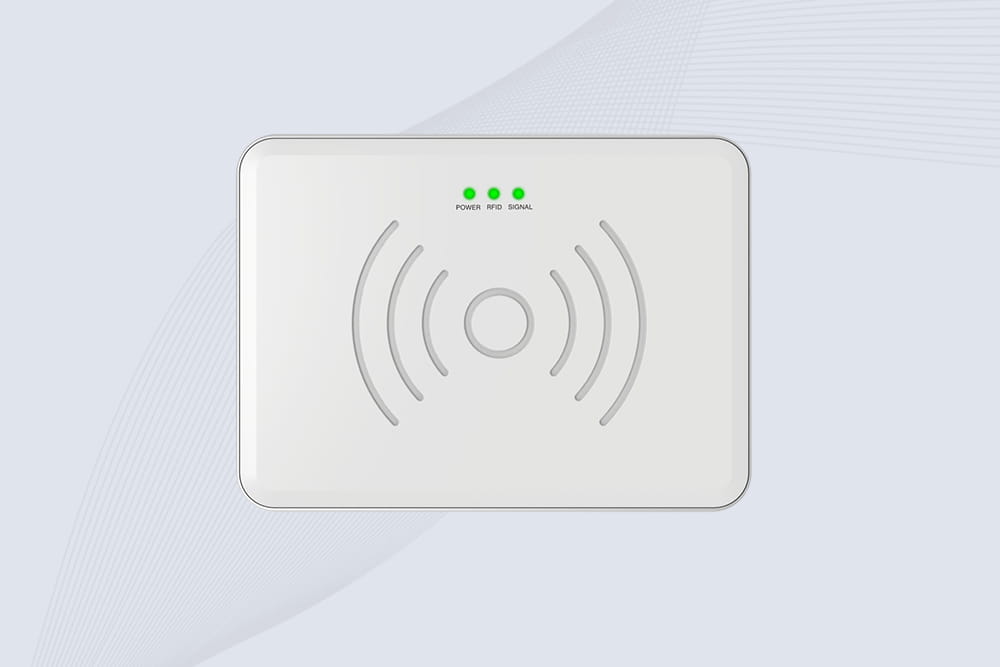
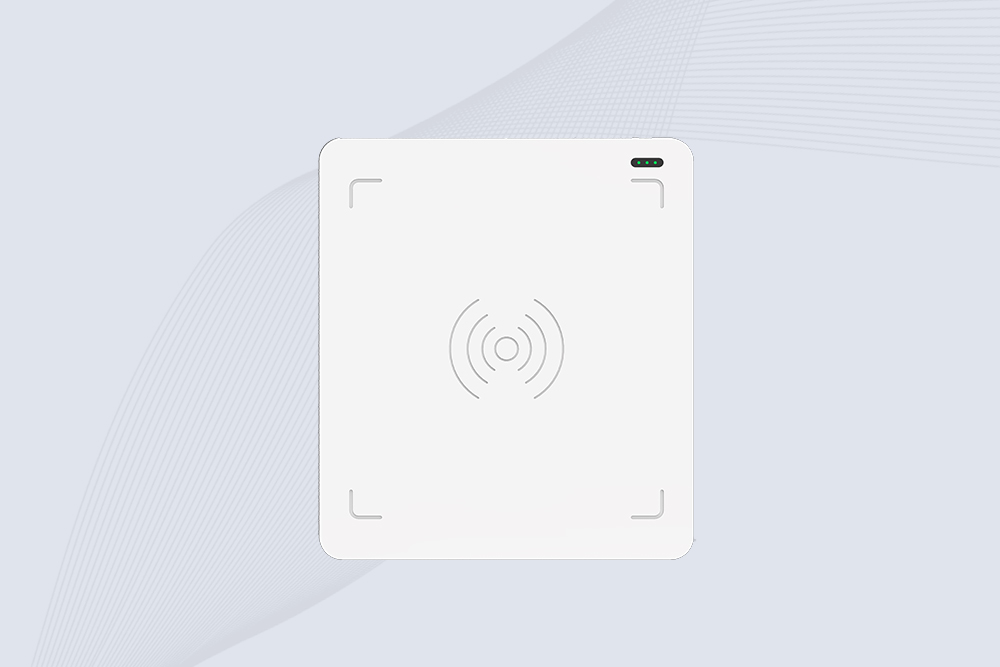
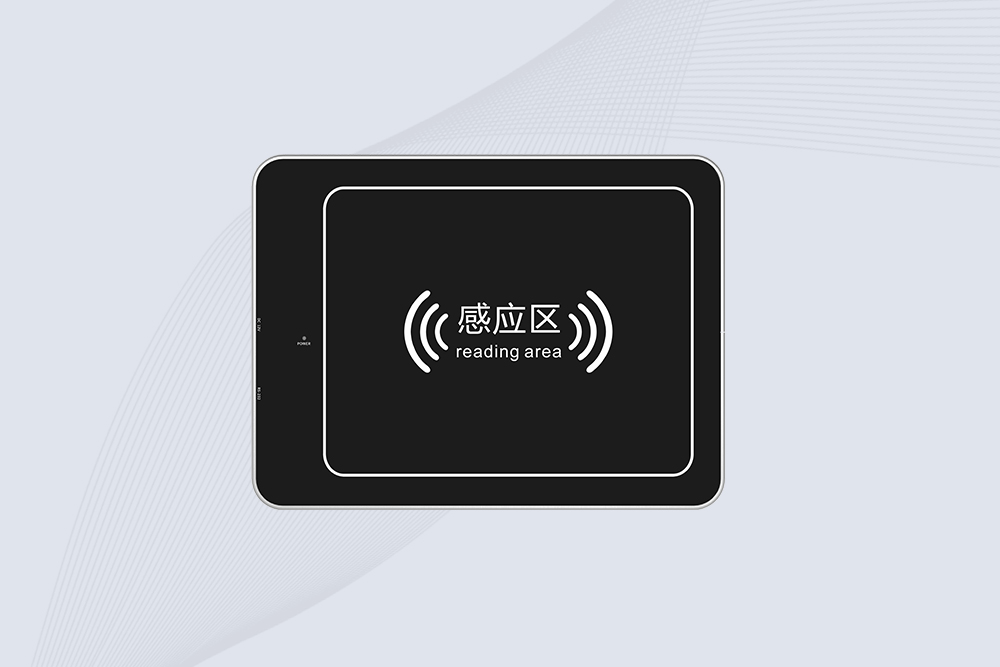
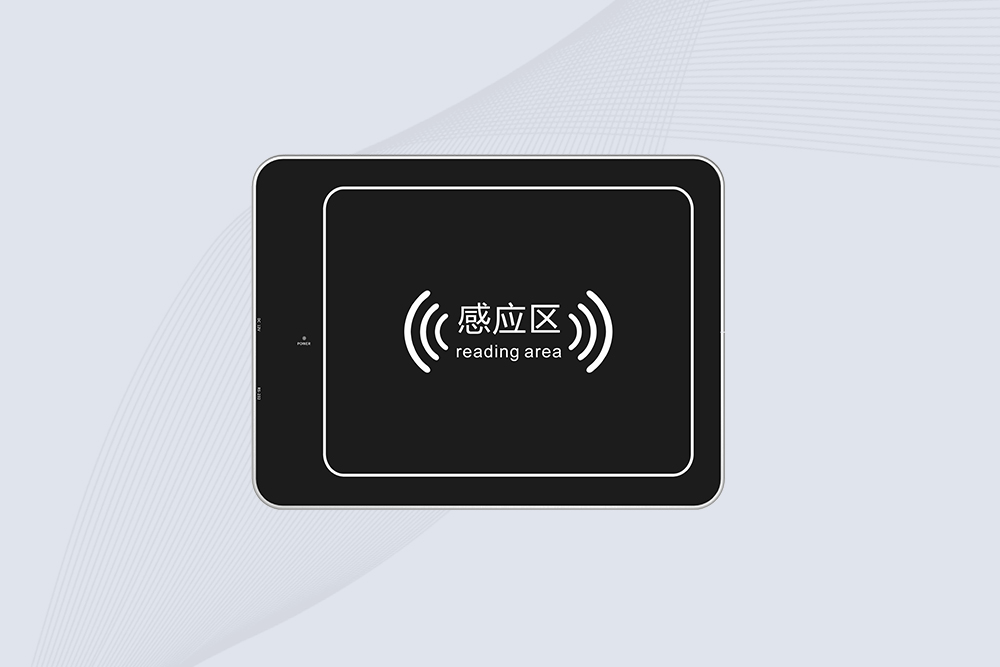
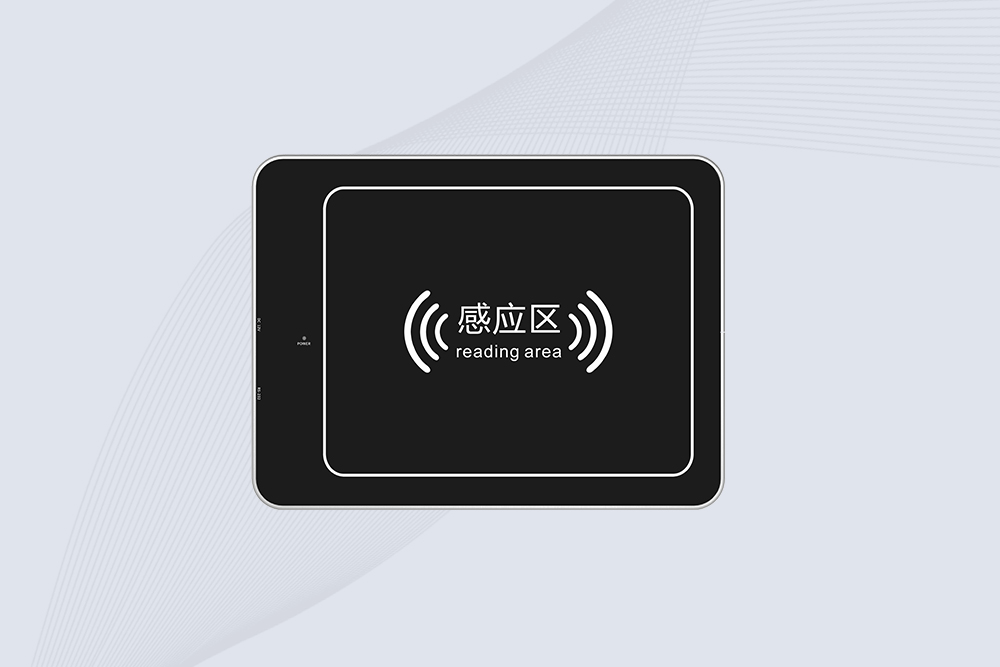
USB RFID tag reader gives businesses a fairly simple way to bring RFID identification into a computer-based inventory or asset management system. It can be useful for checking products, registering equipment, or testing RFID tags without installing a large fixed reader system.
The interesting part is that the reader itself is usually not the difficult part. Choosing the right tag, frequency, reading range, and software connection is where many projects become more complicated.
What Is a USB RFID Tag Reader?
A USB RFID tag reader is an RFID reader designed to communicate with a computer or another host device through USB.
The basic setup is straightforward:
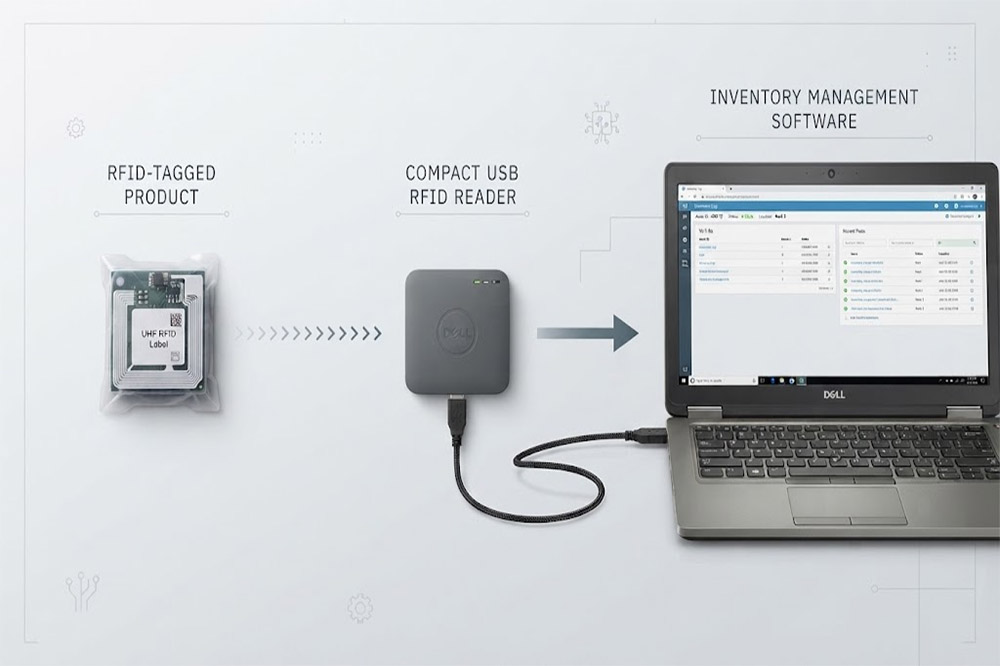
RFID Tag → USB RFID Reader → Computer → Software
Put an RFID tag on a tool, product, box, or piece of equipment. When the tag comes within the reader’s working area, the reader captures its information and sends it to the connected software.
For a small inventory workstation, this can be much easier than installing a fixed RFID gate.
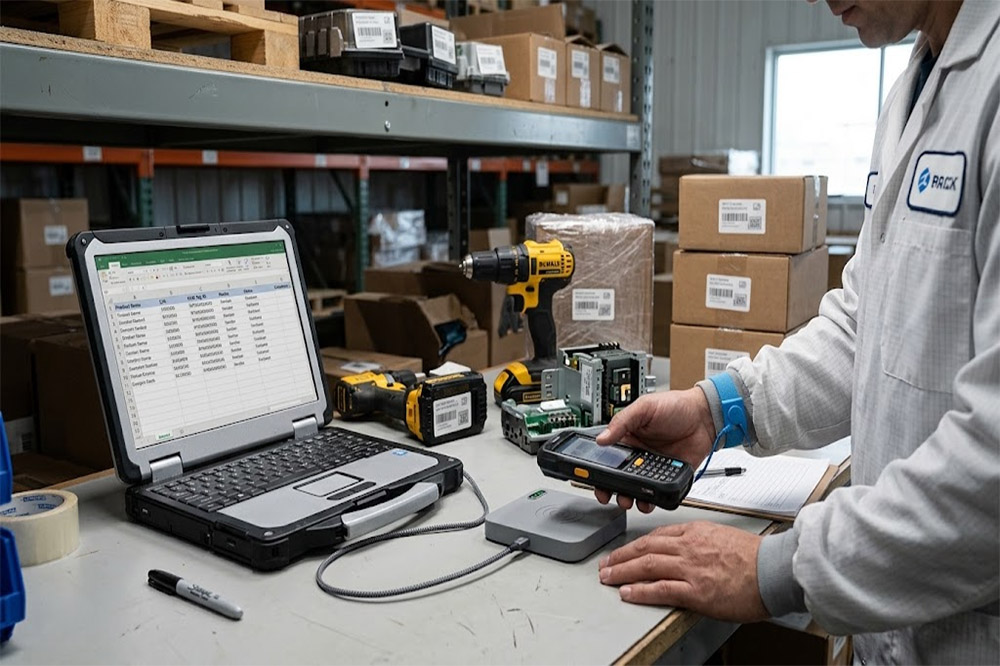
Imagine a distributor receiving 50 tagged products in the afternoon. An employee can place the products near the reader, check the tag IDs, and match them against the inventory system.
It is not complicated technology from the operator’s point of view. That is part of its appeal.
If you are still comparing different types of USB RFID scanners and readers, our USB RFID Scanner Guide covers the main reader types, common applications, reading distance, RFID frequency, and factors to consider before purchasing.
Why Use a USB RFID Reader for Inventory?
Barcode systems still work well for many businesses, so RFID should not be treated as an automatic replacement.
The difference becomes more noticeable when the operator has to identify many items.
With a barcode, the code generally needs to be visible to the scanner.
RFID is different. Depending on the RFID technology and tag design, the reader can identify tags without the same line-of-sight requirement.
That can be useful when products are inside boxes or when tags are placed on different sides of equipment.
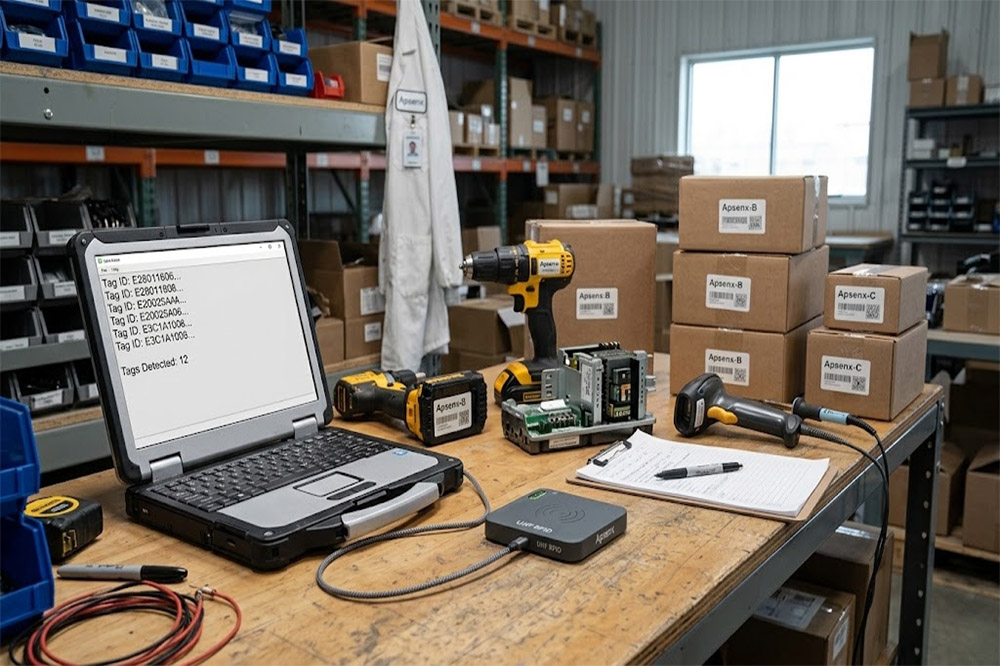
For example, a tool distributor may have dozens of power tools sitting on a workbench. Instead of turning each tool around to find a barcode, an RFID system may allow the operator to identify tagged items more quickly.
The actual result, of course, depends heavily on the tags and the environment.
USB RFID Tag Reader vs Fixed RFID Reader
This is an important distinction for buyers.
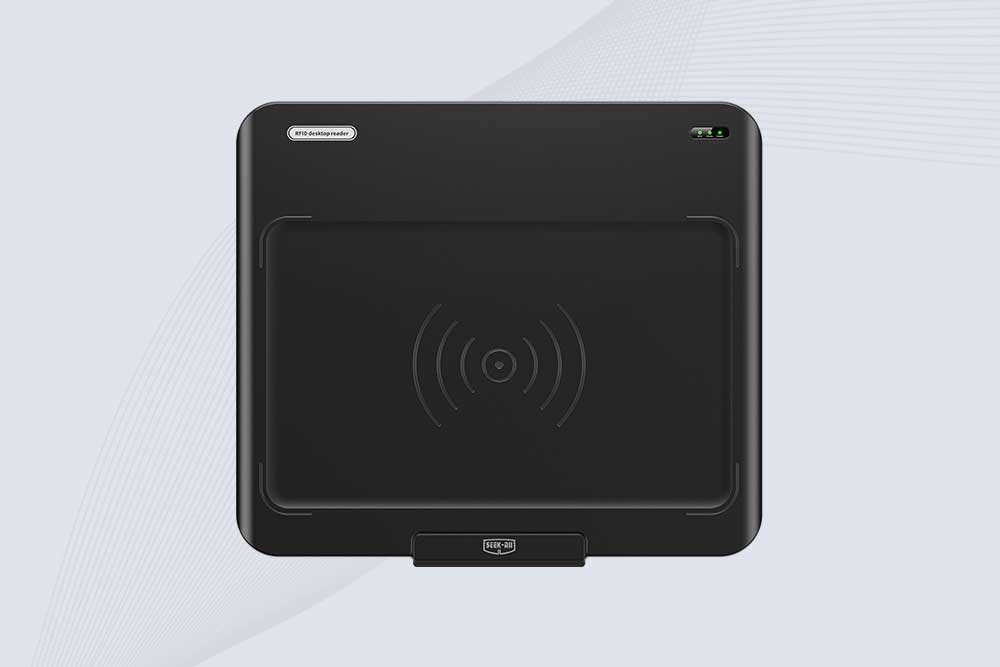
A USB RFID reader is generally better suited to a workstation, desktop application, testing environment, or smaller identification area.
A fixed RFID reader is more likely to be installed at:
Warehouse doors
Conveyor lines
Loading areas
RFID gates
Automated production systems
If you only need to register products at a desk, installing a large fixed reader may be unnecessary.
On the other hand, if products need to be identified automatically while passing through a warehouse doorway, a small desktop USB reader may not be the right solution.
The application should come first.
What RFID Tags Can a USB Reader Read?
This depends on the reader.
RFID tags operate at different frequencies and use different protocols. A reader designed for HF RFID, for example, should not be expected to work with UHF inventory tags simply because both products are called “RFID tags.”
This is one of the first questions I would ask a supplier:
What exact RFID tag are you using?
Then provide the tag model or technical specification.
For inventory and asset tracking, UHF RFID is often considered because it can support longer reading distances and multiple-tag identification.
For shorter-range card or item identification, HF RFID may make more sense.
There is no need to force one technology into every application.
What About Reading Multiple Tags?
This is one reason businesses look at RFID in the first place.
Some UHF RFID readers can identify multiple tags within their working area. That can make inventory checking faster, particularly when many tagged products are being handled together.
But “multiple tags” does not mean you can throw hundreds of products into a metal box and expect perfect reading.
Tag orientation matters.
The material around the tag matters.
Metal and liquids can create problems.
Reader antenna design matters too.
For a serious deployment, testing the actual tag on the actual product is much more useful than relying only on a maximum reading-distance figure from a datasheet.
USB Connection and Software Integration
The USB connection is convenient, but buyers should look a little deeper.
Different readers may communicate with software in different ways. Depending on the model, you may encounter HID, virtual COM, SDK, API, or other communication methods.
For a simple inventory application, basic data output might be enough.
For a customized warehouse management system, it may not be.
A software developer may want an SDK or API so that tag data can be passed directly into the company’s existing platform.
Before ordering, ask about:
USB communication mode
SDK availability
API support
Supported operating systems
Data output format
Read/write functions
Development documentation
This becomes particularly important when buying readers for an OEM or system integration project.
A Practical Inventory Example
Suppose a distributor has 2,000 tagged tools across several storage areas.
They do not necessarily need a USB RFID reader everywhere.
A practical setup might use USB readers at several desktop stations for:
A USB RFID tag reader is worth considering when RFID identification needs to happen at a computer workstation rather than across a large automated area.
It can work well for:
Desktop inventory
Product registration
Tool management
Asset identification
RFID tag testing
Warehouse receiving
Small-scale stock checking
For larger automated environments, a fixed or handheld RFID system may be more appropriate.
The useful question is not really “Which RFID reader is best?”
It is:
Where will the tag be read, what tag are you using, and what does the software need to do with the data?
That usually gets you to the right hardware much faster.
SSD-D3AL is a USB-HID UHF RFID reader with 0–30 cm reading, 0–15 cm writing, over 600 tags/s recognition, USB plug-and-play operation and OEM Logo customization.
SSD-D1AL is a compact USB UHF RFID reader with Impinj E710/X3M1 chipset, USB-HID, 600+ tags/s recognition, 4/8/16 antenna support and plug-and-play USB power.
CYKEO CYKEO-D1LA USB RFID Reader is a compact desktop solution with near-field control for precise tag reading and encoding. Powered by USB, supporting ISO 18000-6C, and built for stable batch writing, this usb rfid tag reader fits retail, libraries, offices, and controlled RFID encoding tasks.
CYKEO CYKEO-D1L RFID scanner USB is a compact desktop UHF RFID scanner designed for short-range tag writing and verification. This usb rfid scanner supports batch encoding, stable 0–26 dBm output, and works across Windows, Linux, and Android systems.
CYKEO CYKEO-D1C USB RFID Card Reader is a near-field UHF desktop writer designed for secure, short-range tag encoding. With USB-C connectivity and stable 26 dBm output, this rfid reader usb c is ideal for badge issuance, label encoding, and controlled desktop RFID workflows.
CYKEO CYKEO-D2L RFID Reader USB is a compact desktop encoder built on the Impinj R500 chip. With near-field control and stable USB power, this usb rfid card reader delivers precise tag writing for offices, retail counters, and small-scale logistics encoding tasks.
CYKEO CYKEO-D3L USB RFID Tag Reader delivers stable UHF tag reading and writing for daily desktop and light industrial tasks. Designed for controlled short-range operation, this USB RFID Tag Reader works reliably with rfid tag and reader systems in libraries, tool tracking, and inventory registration.
The CYKEO CYKEO-D4L UHF RFID Tag Reader is a stable Desktop RFID Reader designed for accurate tag registration, borrowing, and return workflows. Built with the Impinj R2000 chip, this UHF RFID Tag Reader delivers controlled short-range reads for libraries, asset tracking, and inventory management environments.
The CYKEO CYKEO-D5L Desktop RFID Card Reader is a stable UHF RFID Card Reader designed for controlled short-range reading and writing. Built for libraries, tool rooms, and asset desks, this UHF RFID Card Reader supports dense tag handling, secure data processing, and easy USB integration.
The CYKEO CYKEO-D6L RFID Reader Writer is a heavy-duty Desktop RFID Reader designed for short-range, high-accuracy tag programming. Built for libraries, labs, and asset desks, this RFID Reader Writer supports batch processing, stable 33dBm output, and seamless integration with existing management systems.
Cykeo CYKEO-D8A embedded RFID badge reader offers 30+ tags/sec scanning, 20cm anti-crosstalk precision, and DC 12V power for unmanned stores, warehouses, and smart inventory systems.
Cykeo’s CYKEO-D8C UHF RFID gate reader achieves 200-tag/batch scanning with adjustable power control, ideal for retail inventory and smart warehouse management.
RFID Industry Writer | IoT & Asset Tracking Analyst
James writes about RFID technology, asset tracking, and the practical challenges of digital transformation across warehousing, retail, manufacturing, and logistics.
His work focuses on how RFID is applied in real-world operations—improving inventory visibility, automating workflows, and helping businesses manage assets with greater accuracy and efficiency.
He regularly covers topics including UHF RFID, smart cabinets, RFID portals, tool tracking, warehouse automation, and industrial IoT trends..
Boost your RFID system’s efficiency and accuracy with the CK-A10A 10dBi Antenna. Learn how to easily integrate this antenna into your existing setup, improving coverage range and data collection precision.
Discover the most durable Rugged RFID tags of 2025, designed to withstand harsh conditions. Learn about their heat resistance, impact durability, and waterproofing features to improve industrial asset management.
This article explores the real-world applications and experiences of RFID technology in libraries — from speeding up book borrowing and returns, to inventory management, theft prevention, and privacy protection — offering a complete look at how it...
Discover the key factors to consider when selecting a handheld RFID scanner for your business, from durability to software compatibility. Make an informed choice.
 Cykeo RFID IoT Solution Products R&D Manufacturer