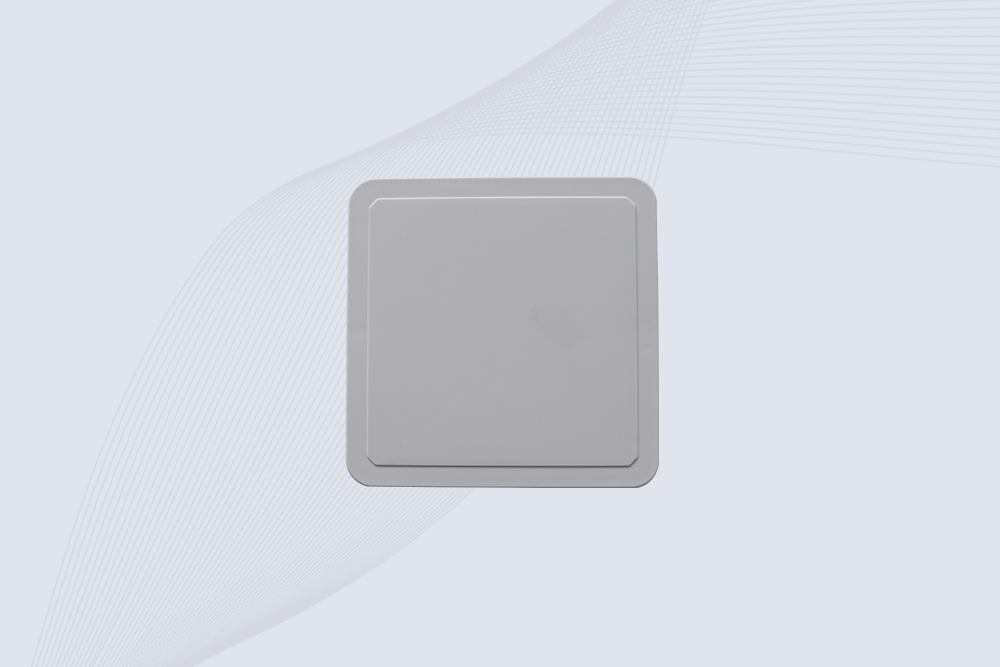
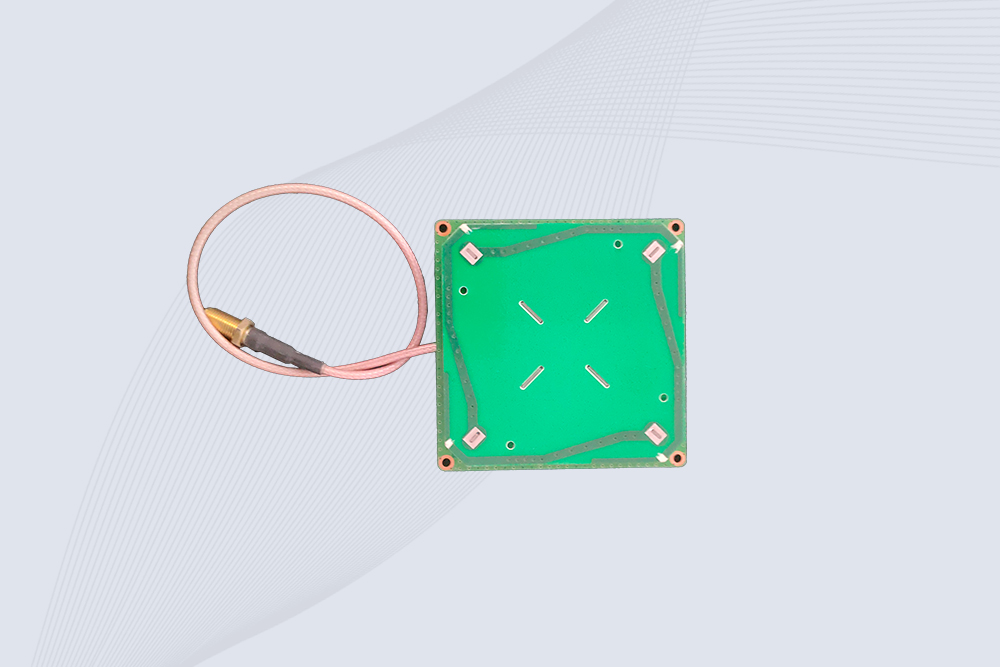
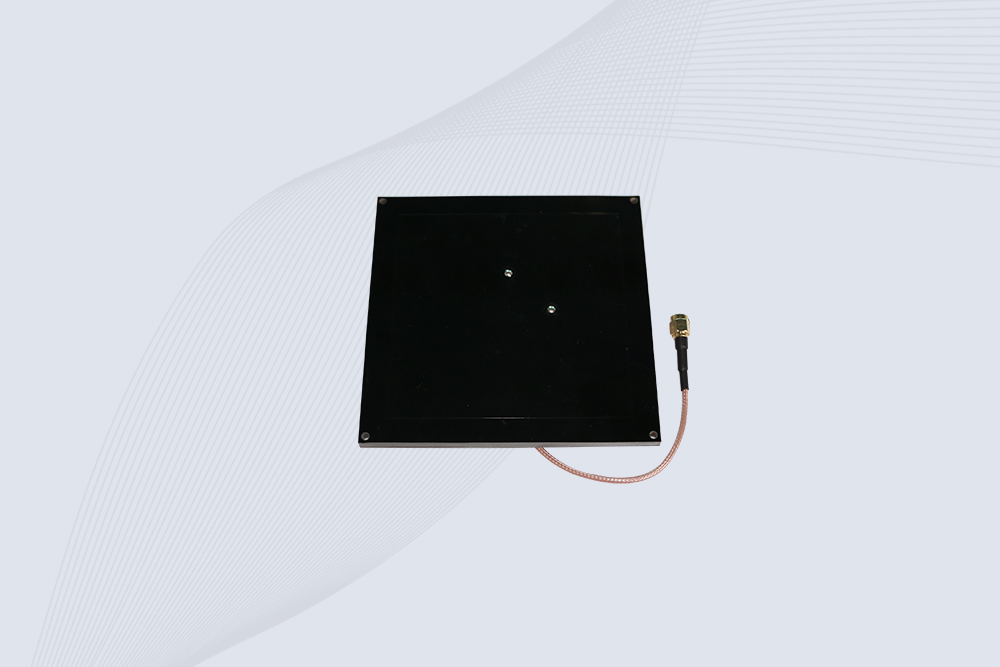
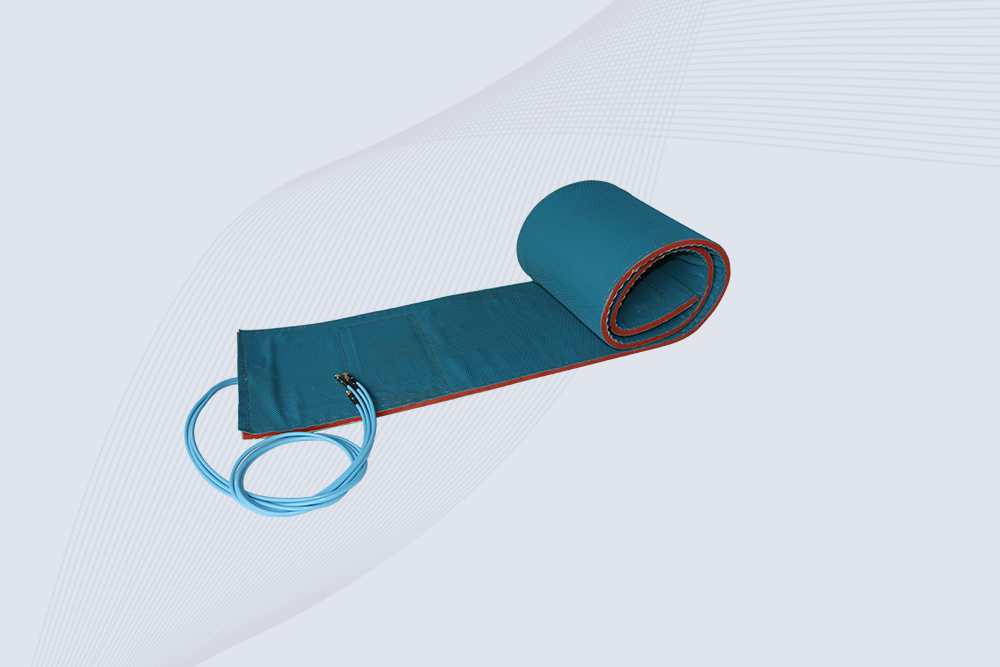
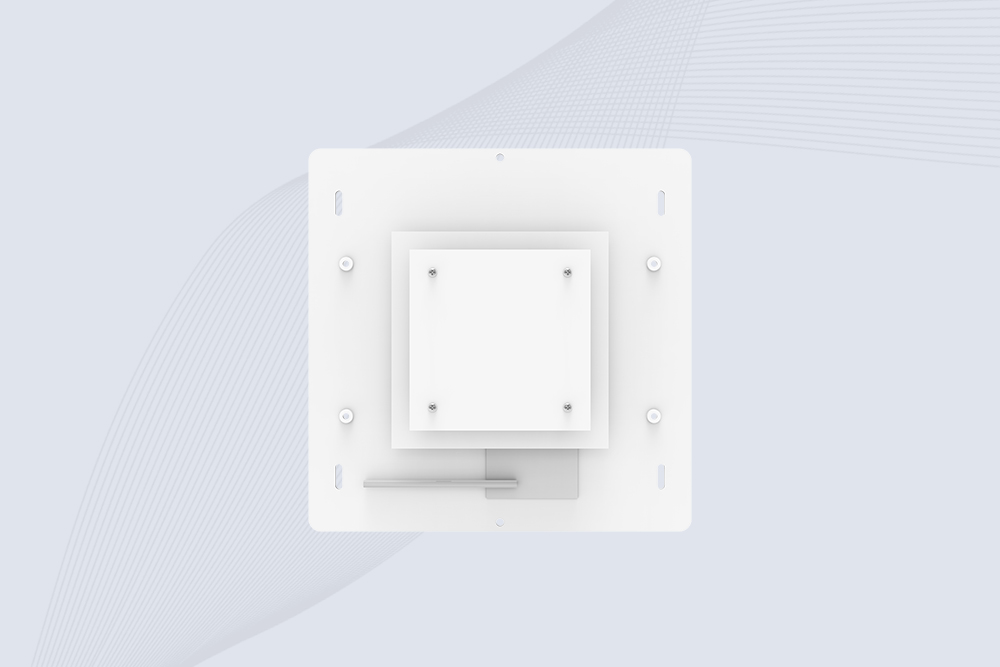
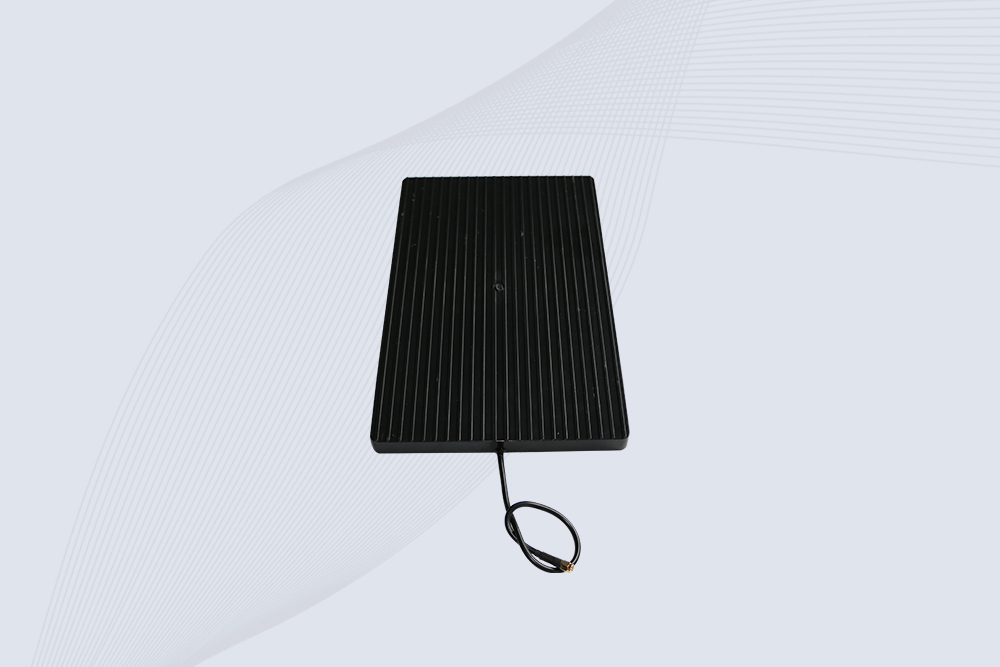
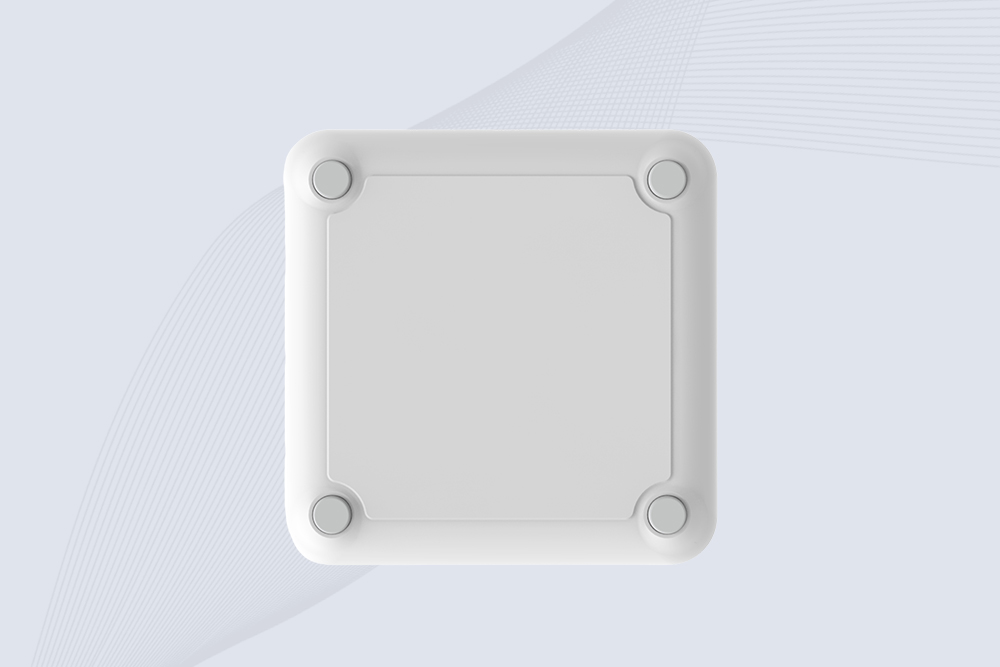
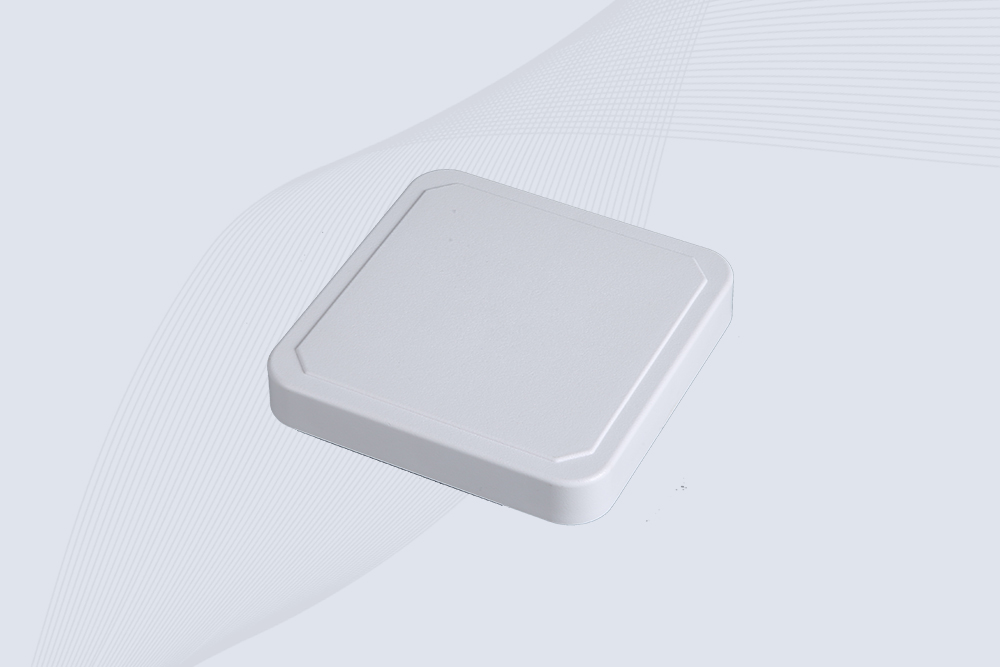
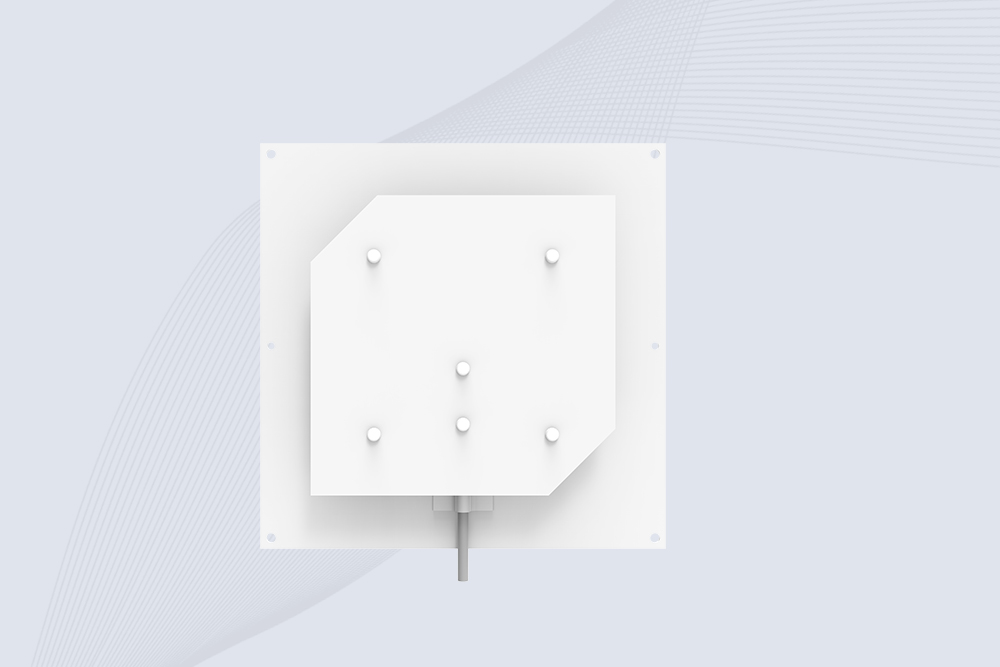
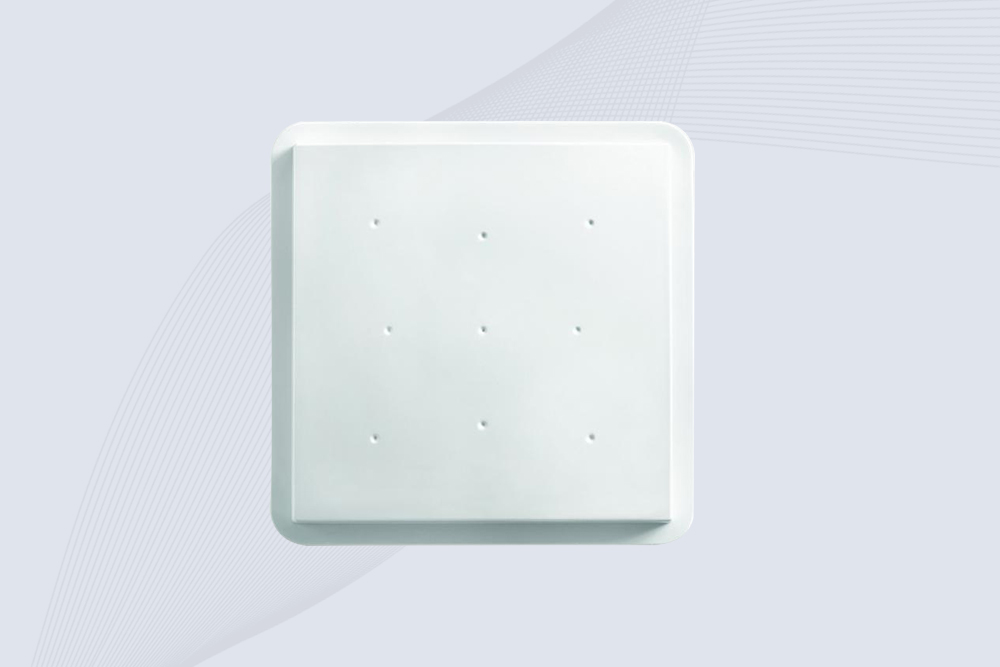
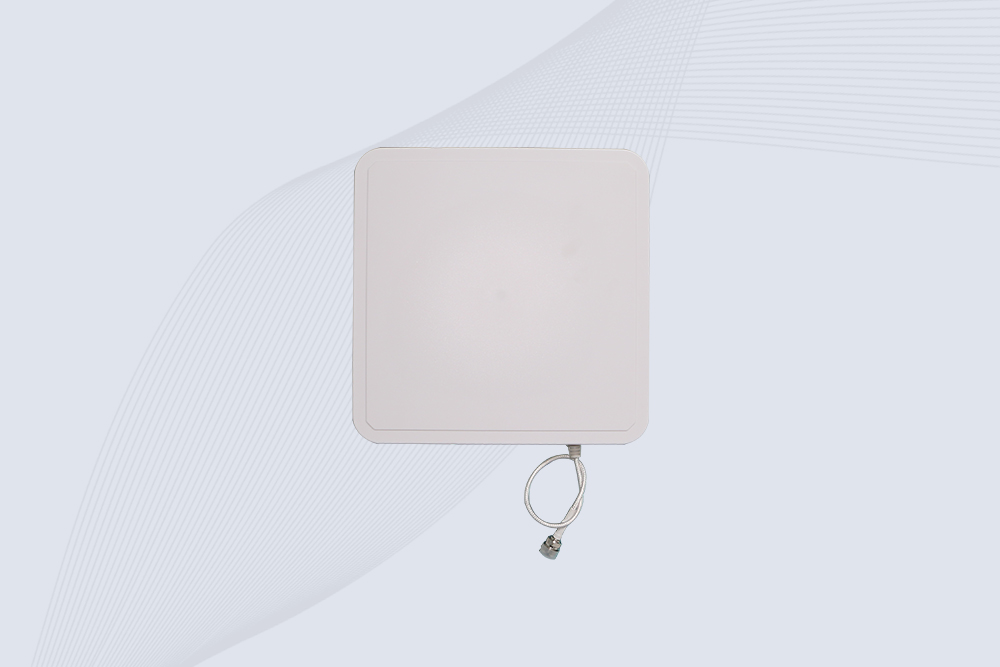
You’re setting up an RFID system, and now you’re stuck: Do I pick UHF or HF antennas? Get it wrong, and you’ll face dead zones, missed tags, and endless headaches. But here’s the kicker: there’s no “best” frequency—only what’s best for your use case. Let’s break down UHF and HF RFID antennas so you can stop guessing and start scanning.
1. UHF and HF RFID: The Basics
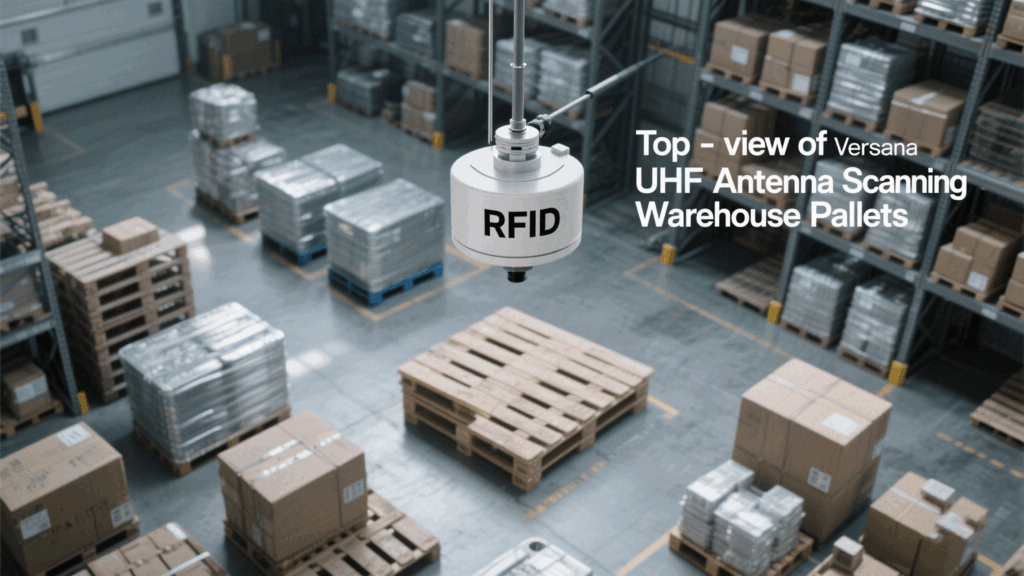
UHF (Ultra-High Frequency)
Range: 20–30 ft (passive tags), 100+ ft (active tags).
Speed: Scans 1,000+ tags per second.
Cost: 100–500 per antenna.
HF (High Frequency)
Range: Up to 3 ft (passive), 10 ft (active).
Speed: Scans 10–50 tags per second.
Cost: 80–300 per antenna.
Key Difference: UHF is the sprinter (long-range, bulk scans), HF is the surgeon (precision in tough conditions).
Rule of Thumb: If you scan >500 items/day, UHF saves time. If accuracy > speed, choose HF.
5. Hybrid Systems: Best of Both Worlds?
Pair UHF and HF antennas in mixed environments:
Example: Use UHF for warehouse bulk scans and HF for tracking metal parts on the assembly line.
Cost: 20–30% more than single-band systems but cuts errors by 50%+.
6. Test Before You Commit
Borrow Gear: Many vendors (like Cykeo) offer 7–14-day trials.
Simulate Real Conditions: Test near metal racks, freezers, or crowded shelves.
Measure ROI: Calculate time saved vs. hardware costs.
Takeaway: UHF RFID antennas dominate speed and scale; HF rules in chaos and precision. Your industry, environment, and workflow decide the winner. Still torn? Start with a pilot—test 50 tags in your space with both frequencies. Data beats guesswork every time.
RFID access management isn’t just about tapping a card to open doors. This word guide explores real-world use cases in offices, warehouses, hospitals, and schools—highlighting benefits, common pitfalls, and practical lessons learned.
Wondering how to determine RFID reader range that actually works for your site? Stop trusting lab specs. Learn field testing methods, antenna factors, and environmental gotchas. Real advice from CYKEO engineers.
Step-by-step guide on how to connect an RFID reader to Arduino. Learn correct wiring for RC522 modules, fix common "no tag found" errors, and get your CYKEO kit working fast.
 Cykeo RFID IoT Solution Products R&D Manufacturer