 Cykeo RFID IoT Solution Products R&D Manufacturer
How to Achieve 30+ Meter Read Range with UHF RFID Readers?
1147Learn proven methods to achieve 30+ meter read ranges with UHF RFID readers. Discover Cykeo’s solutions for long-range tracking in logistics, mining, and large-scale facilities.
MoreAll RFID Product
UHF supplies refer to RFID tags, labels, inlays, and industrial consumables used to enable ultra-high-frequency identification and asset tracking systems.
That is the direct answer. In real deployments, “supplies” are not accessories—they are the physical layer that determines whether an RFID system performs consistently in daily operations.
At Cykeo, we often see companies focus heavily on readers and software, but underestimate consumables like tags and labels. In practice, these are the components that actually travel with assets through warehouses, factories, and hospitals.
UHF RFID supplies typically refer to the consumable components used in passive RFID ecosystems:
These items are attached to assets and enable identification through UHF fid readers operating in the 860–960 MHz range.
According to RAIN RFID Alliance, billions of RFID tags are deployed annually worldwide, with supply chain and retail sectors leading adoption.
The growth is not driven by readers—it is driven by supply scalability and tag affordability.
In field operations, the reader is rarely the limiting factor.
The real constraints come from:
A weak tag can break an entire automation workflow, even if the reader is high-end.
We’ve seen warehouse systems fail not because of hardware—but because low-grade labels detached or degraded under humidity.
Used in retail and logistics cartons for low-cost identification.
Designed for harsh environments like metal racks, machinery, or outdoor assets.
Special shielding layer prevents signal reflection from metallic surfaces.
Used in labeling systems where variable data printing is required.
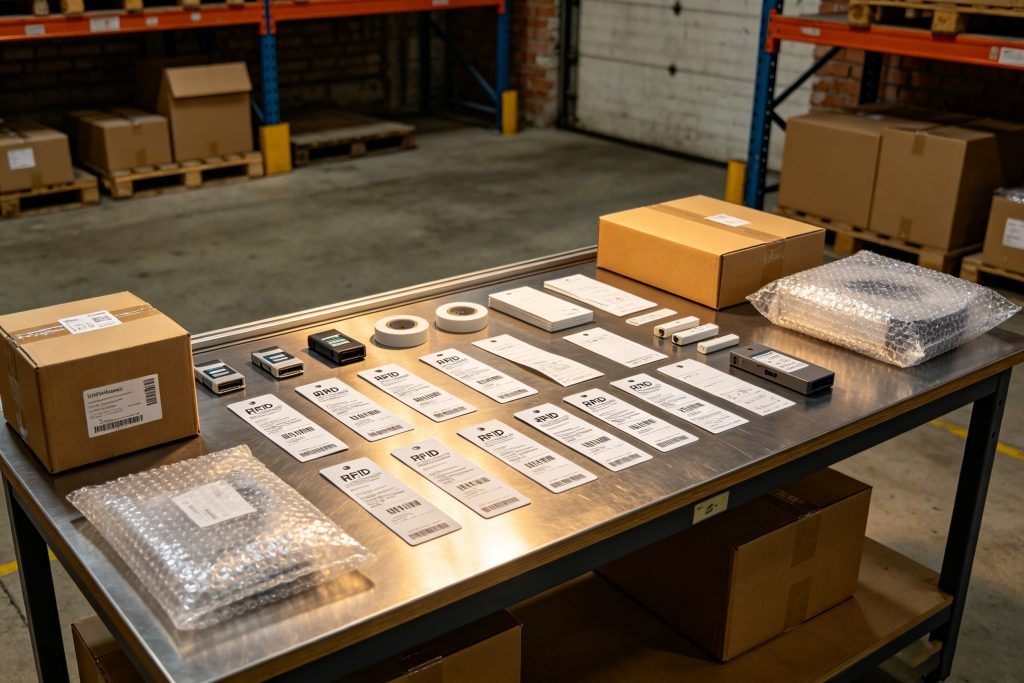
Tag performance directly influences system accuracy.
Key factors include:
Even small differences in tag quality can cause:
In large-scale logistics, these errors compound quickly.
In warehouse pilot tests, we observed a consistent pattern:
When low-cost generic tags were used:
After switching to industrial-grade UHF supplies:
This aligns with findings from GS1 RFID Standards, which emphasizes standardized tagging as essential for interoperability in global supply chains.
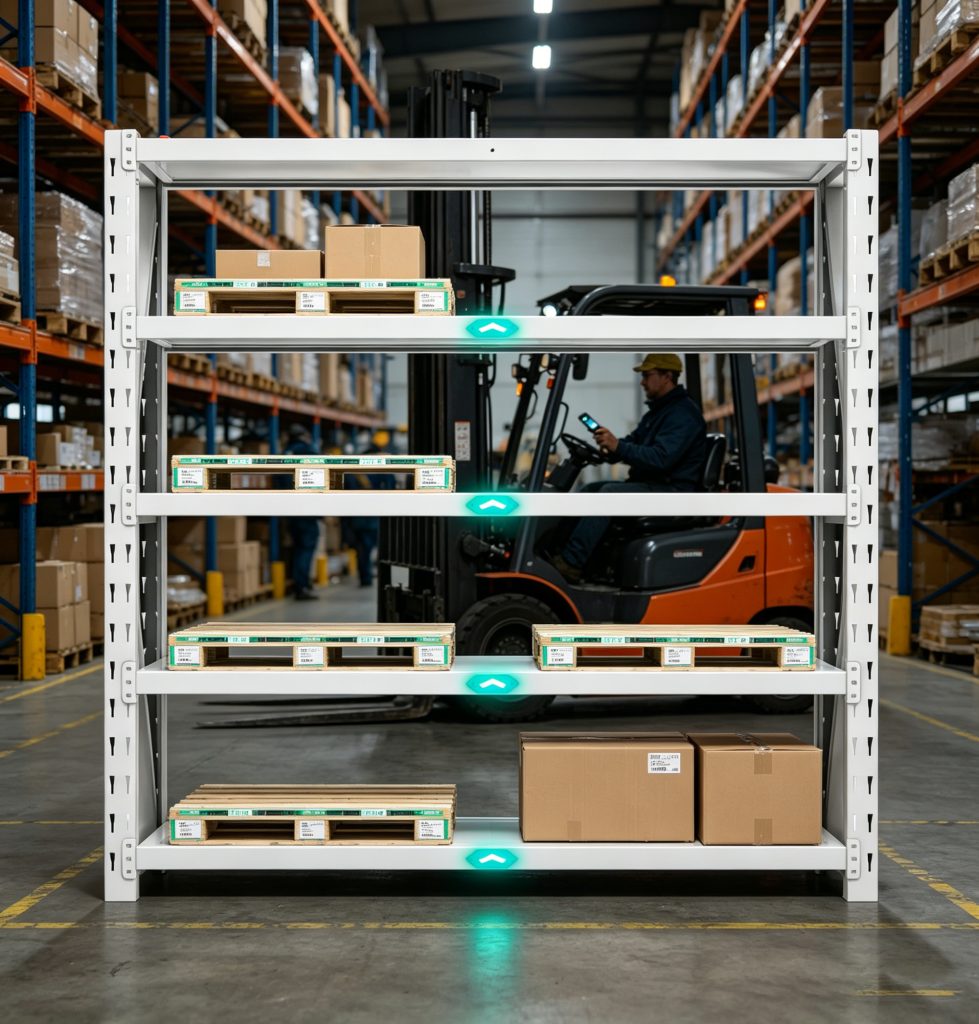
Heat, moisture, and chemical exposure can degrade poor-quality tags.
RF reflection remains one of the most common deployment issues.
Labels may detach in cold-chain or high-friction environments.
Non-compliant tags may not fully support ISO/IEC 18000-6C systems.
They are used for labeling and identifying assets in RFID-based tracking systems.
Most tags are disposable, but some industrial hard tags are reusable depending on design.
No. Tag type depends on environment, material, and application requirements.
Because they directly determine read accuracy, durability, and system stability.
UHF supplies are often underestimated because they look simple compared to readers or software.
But in real-world RFID systems, they are the part that physically travels with assets—and failure at this layer means failure of the entire tracking chain.
Reliable RFID performance starts not with scanning, but with what is being scanned.
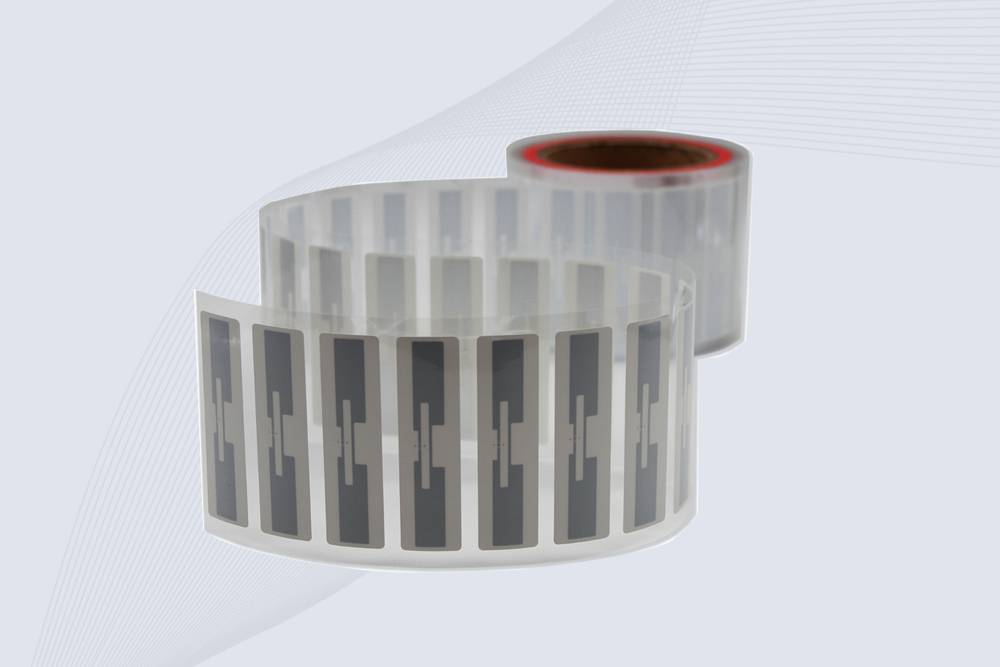
CYKEO Passive RFID Tags are made for wet and high-humidity environments where standard labels do not last. This rfid passive tag is often used around liquids, chemicals and temperature changes, providing stable reading distance and long data life for industrial tracking.
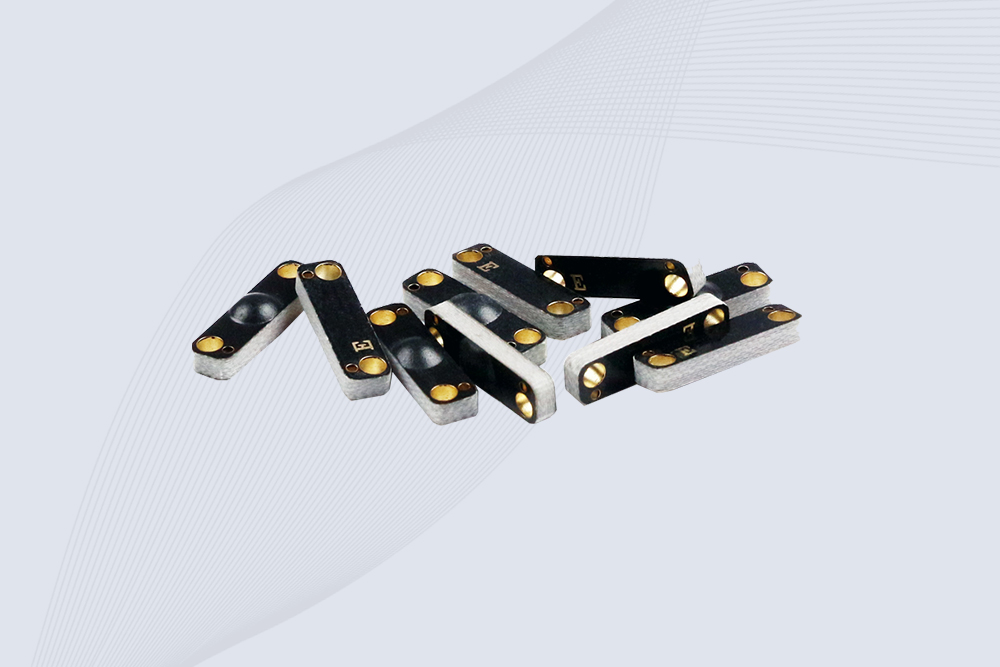
CYKEO CYKEO-PCB1504 Metal RFID Tags is a compact anti-metal UHF RFID solution built for direct mounting on metal surfaces. With stable 8-meter read range, Ucode-8 chip, and long data retention, this rfid metal tag fits tools, containers, automotive parts, and industrial asset tracking.
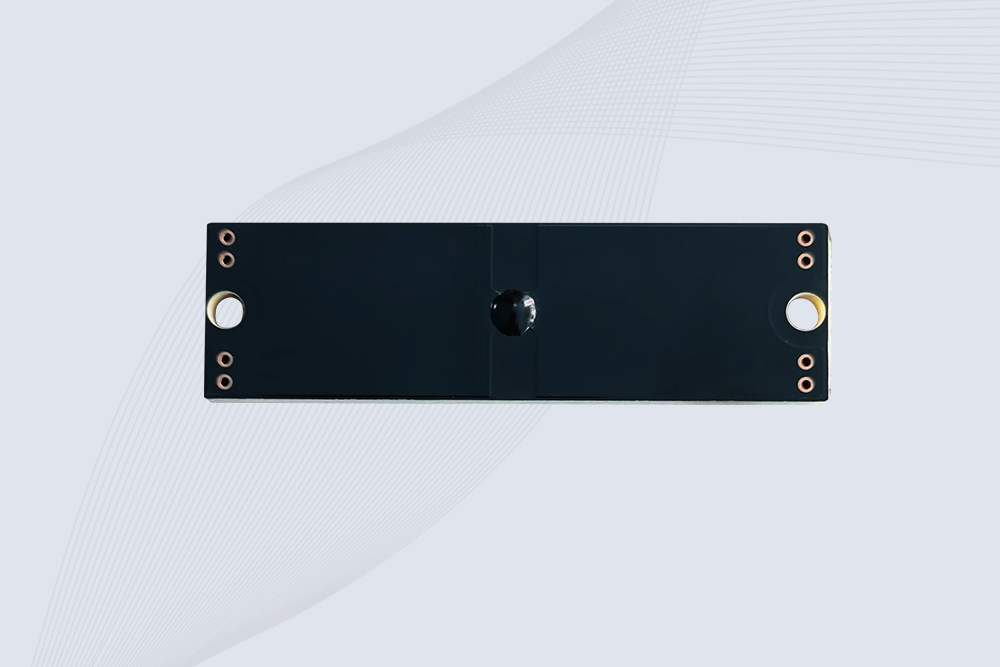
CYKEO CYKEO-PCB7020 On-Metal RFID Tags are designed for reliable tracking on steel and metal surfaces. Built with an FR4 epoxy body and industrial-grade chips, these On-Metal RFID Tags deliver stable performance, long data life, and chemical resistance, making them a dependable RFID anti-metal tag for harsh environments.
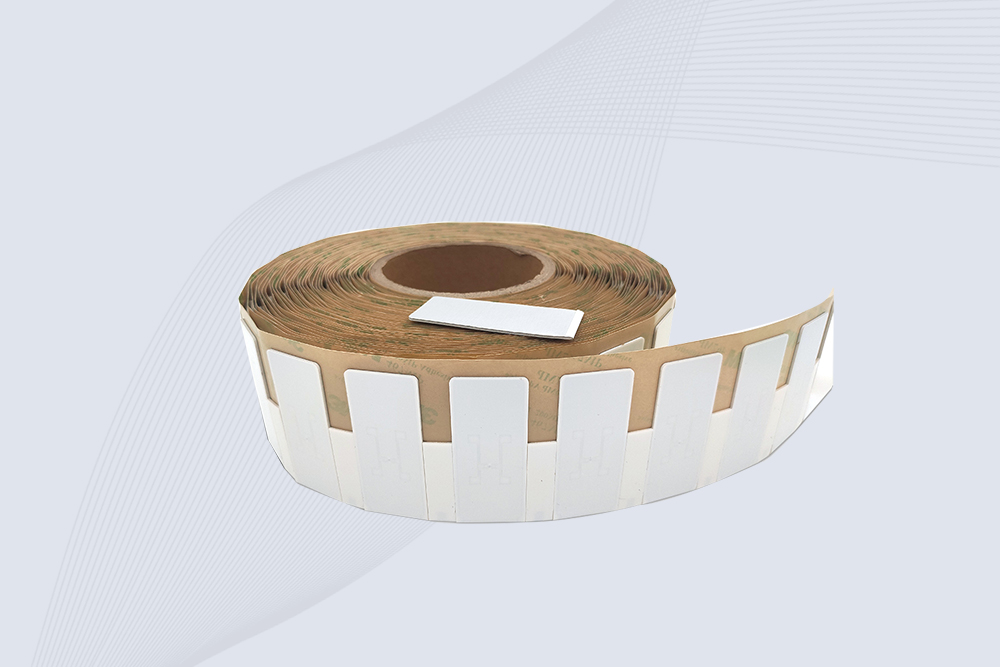
The CYKEO CYKEO-60-25 Anti-Metal RFID Tag is built for metal surfaces where standard tags fail. Designed for long-range performance, harsh environments, and stable data retention, this Anti-Metal RFID Tag is ideal for industrial assets, containers, and equipment tracking using on metal RFID tags.
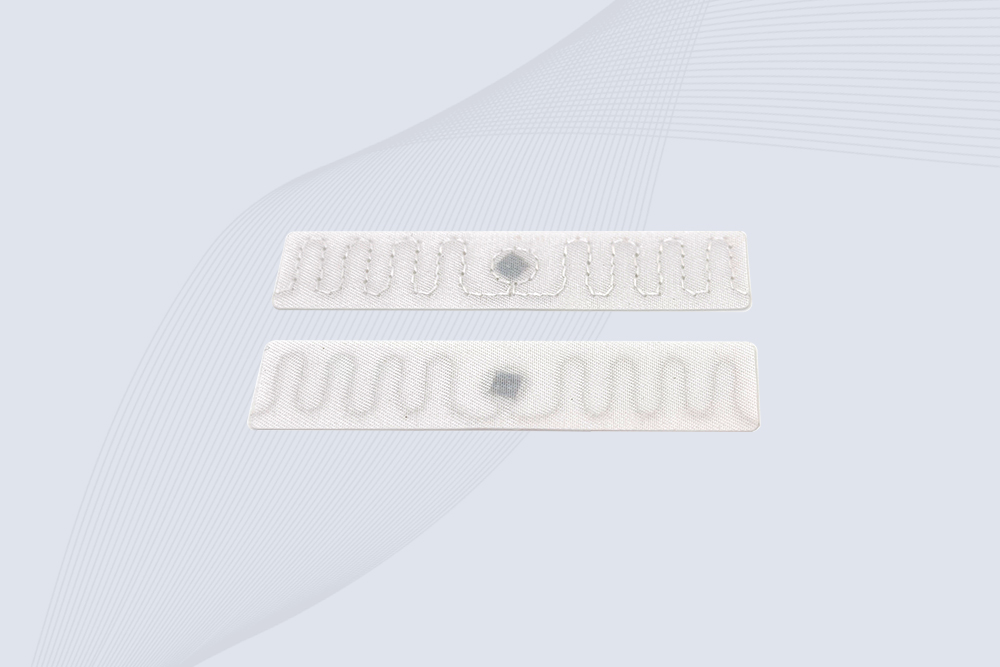
The CYKEO RFID Laundry Tag is designed for long-term textile identification in harsh laundry environments. Built to withstand high heat, chemicals, and repeated washing, this RFID Laundry Tag delivers stable performance for hotels, hospitals, and industrial laundry operations using laundry rfid tags at scale.
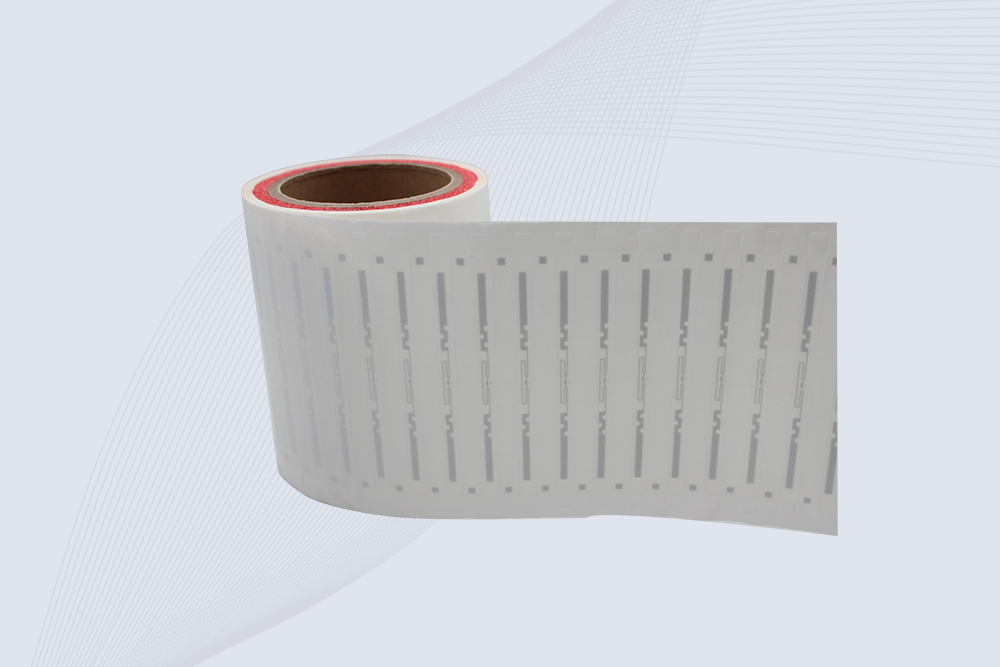
The CYKEO CYKEO-125-7 RFID Book Tag is designed for reliable book and document tracking in libraries and archives. This RFID Book Tag delivers long read range, dense placement support, and stable performance on shelves, making it a practical rfid tag on books for library automation, file management, and archival systems.
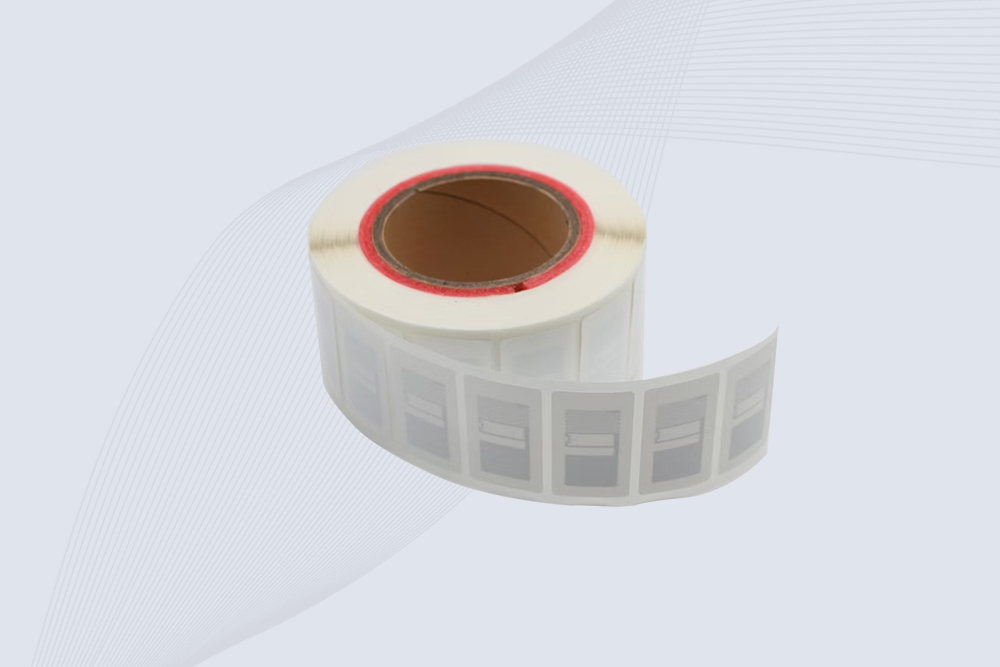
CYKEO RFID tags in hospitals are designed for sterile environments where accuracy matters. These autoclavable RFID tags support long-term tracking of surgical tools, implants, and medications, helping hospitals improve visibility, compliance, and patient safety.

CYKEO RFID Cable Tie Tag is built for reliable identification on metal surfaces. This UHF RFID Cable Tie Tag is widely used in rfid tags for inventory systems, industrial asset management and Hospital RFID Tags, offering stable read performance, long service life and global EPC Gen2 compatibility.
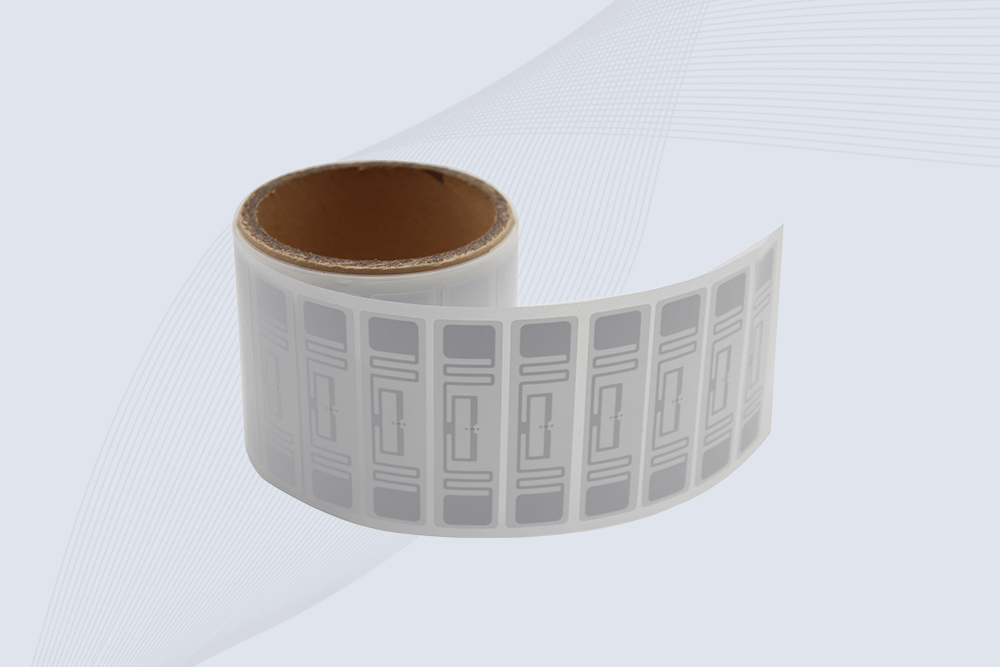
CYKEO RFID Asset Tag is designed for stable identification of metal assets in industrial environments. This UHF RFID Asset Tag is commonly used for rfid tag asset tracking on equipment, tools and containers, providing reliable reads, long service life and ISO/IEC 18000-6C support.
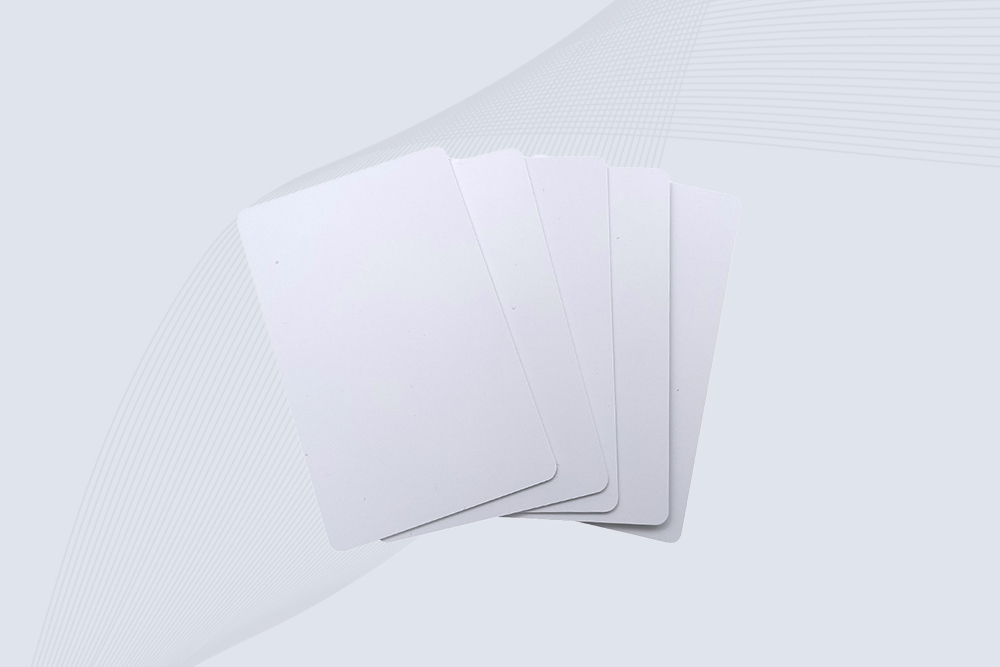
CYKEO UHF RFID Card is designed for fast identification and long-term use in industrial and commercial systems. Supporting ISO 18000-6C, this UHF RFID Card works at 860–960 MHz and is suitable for custom RFID cards used in asset tracking, access control and inventory management.
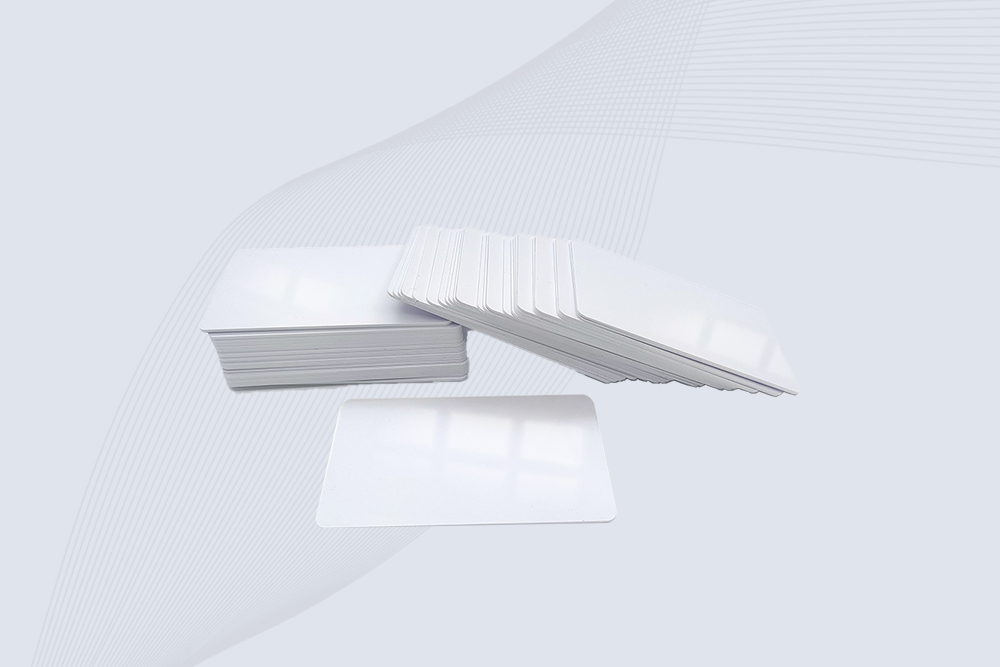
CYKEO HF RFID Cards are designed for secure and stable access control systems. These 13.56 MHz RFID key cards support ISO 14443-A, reliable rewriting and long service life, making HF RFID Cards suitable for offices, campuses, events and membership management.
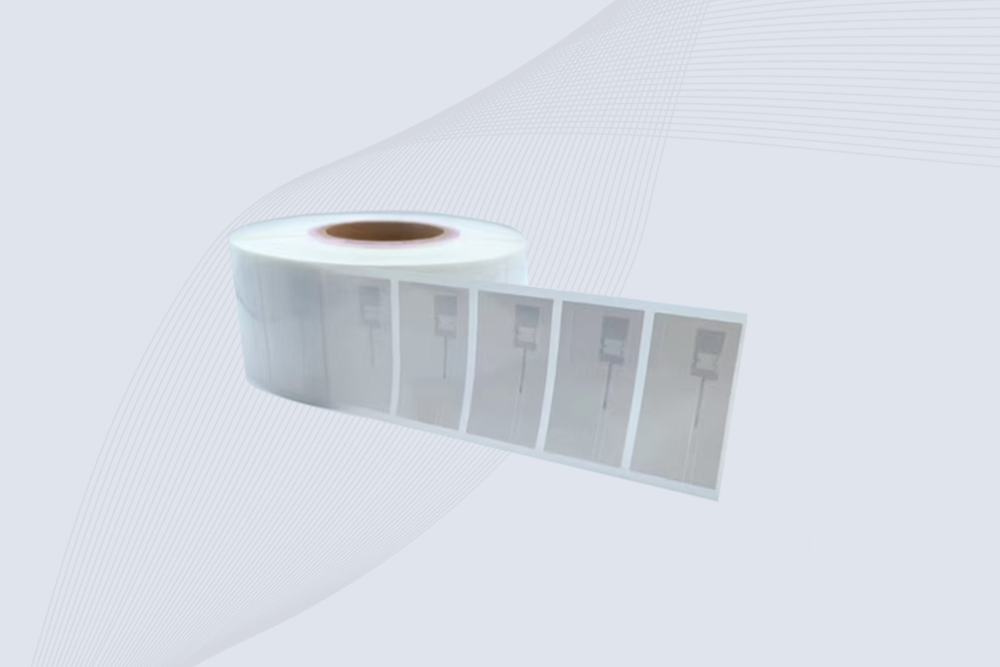
CYKEO UHF RFID Tag is designed for reliable tracking of metal jewelry and high-value items. This Jewelry RFID Tag supports long-range reading up to 8 meters, anti-counterfeit protection and stable performance on metal, making it suitable for retail, inventory control and asset management.
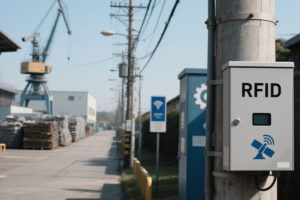
Learn proven methods to achieve 30+ meter read ranges with UHF RFID readers. Discover Cykeo’s solutions for long-range tracking in logistics, mining, and large-scale facilities.
More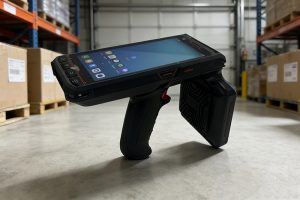
Learn how handheld rfid writer works with UHF RFID tag systems for long-range tracking, fast inventory, and reliable asset visibility in real operations.
More
Improve inventory accuracy and speed with RFID stocktake solutions. The CK-DP13A RFID Inventory Tracking Station reads hundreds of items in seconds and integrates with ERP/WMS systems. Flexible setup with RFID readers and antennas makes it ideal f...
More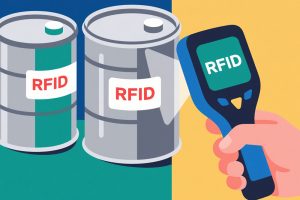
Discover whether handheld RFID readers can scan through metal or liquid containers. Learn about UHF limitations, anti-metal tags, and solutions for reliable detection.
More