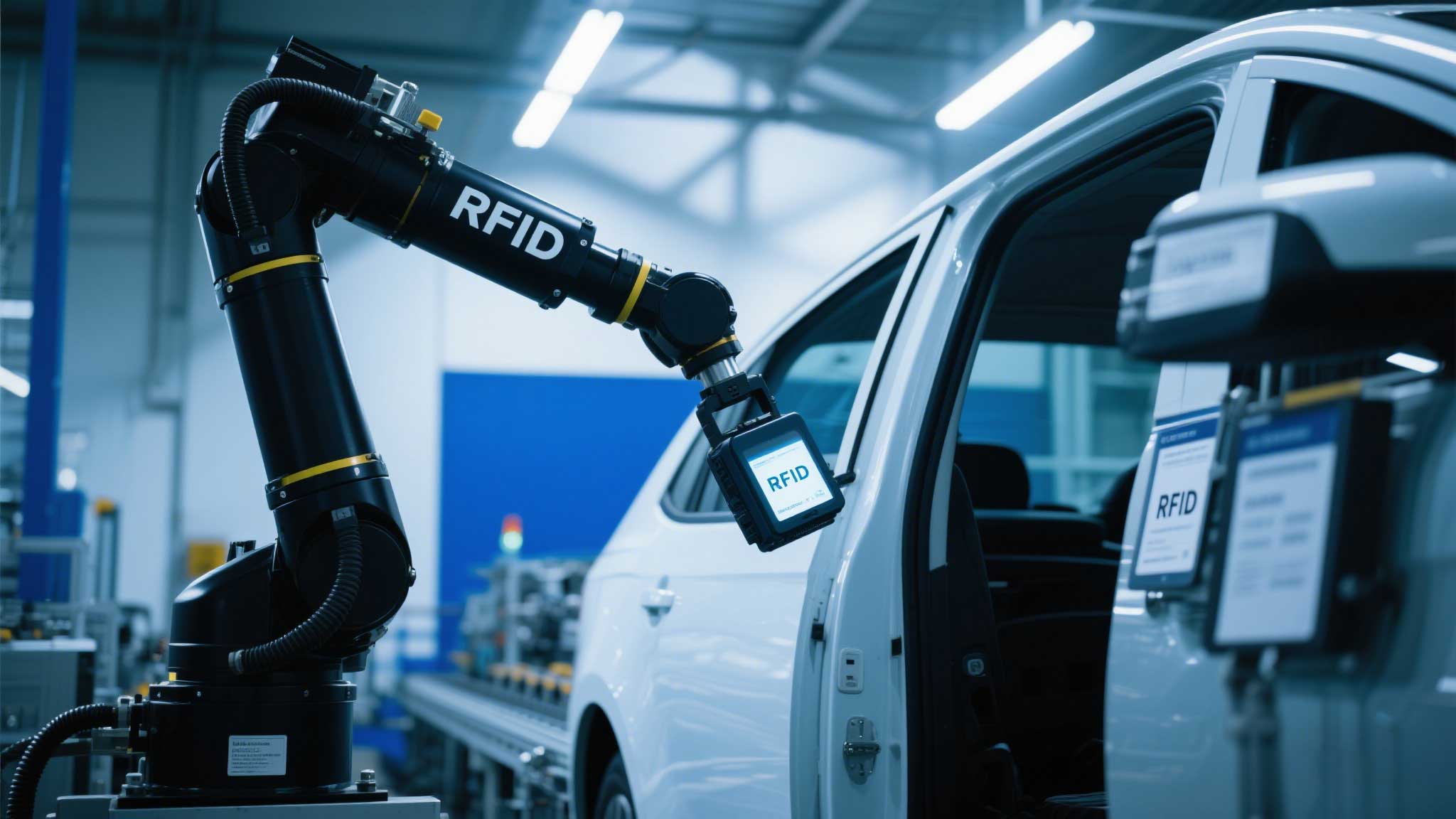
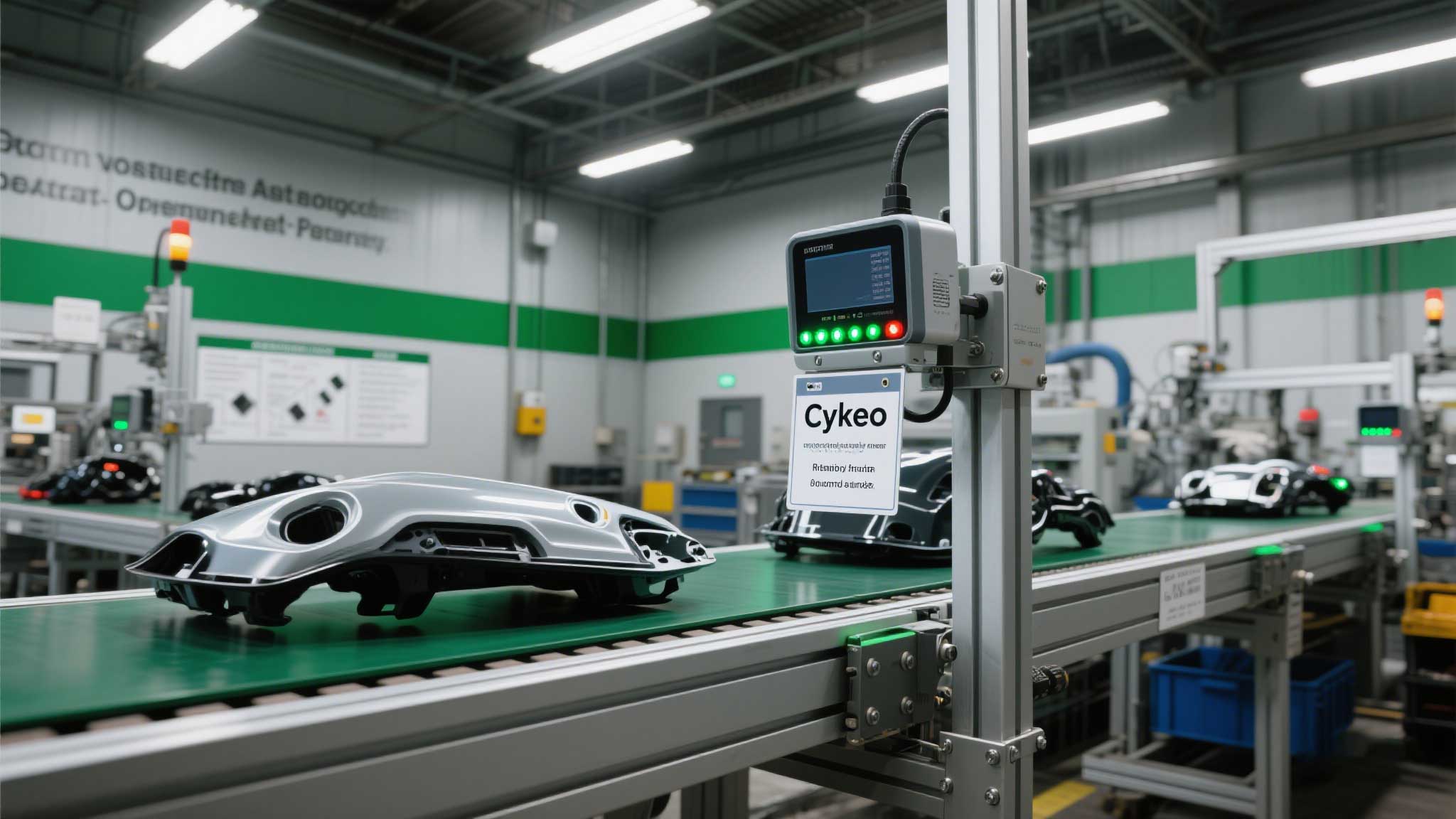
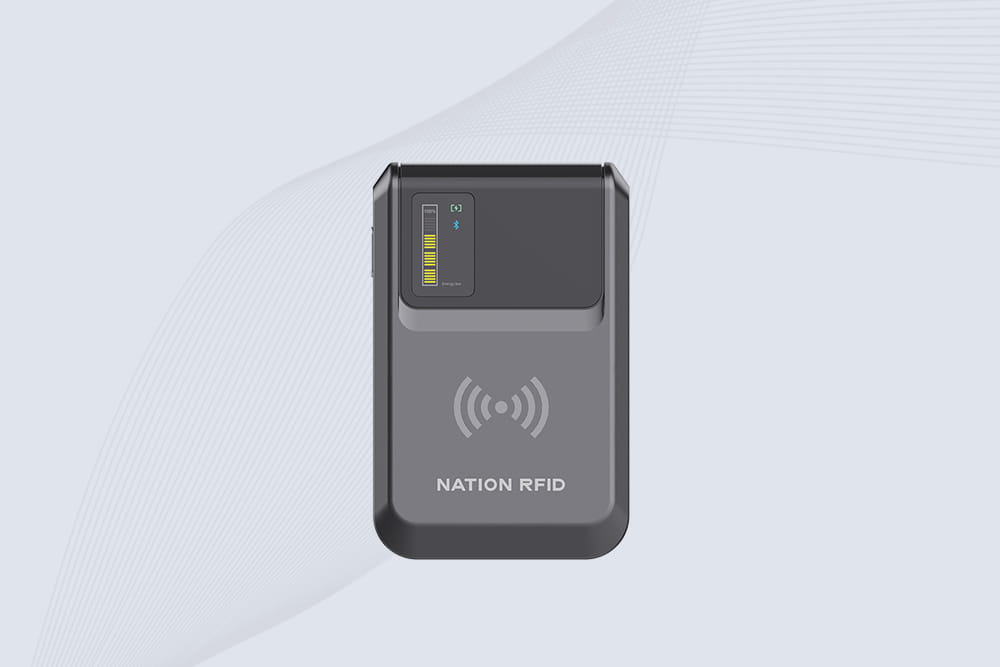
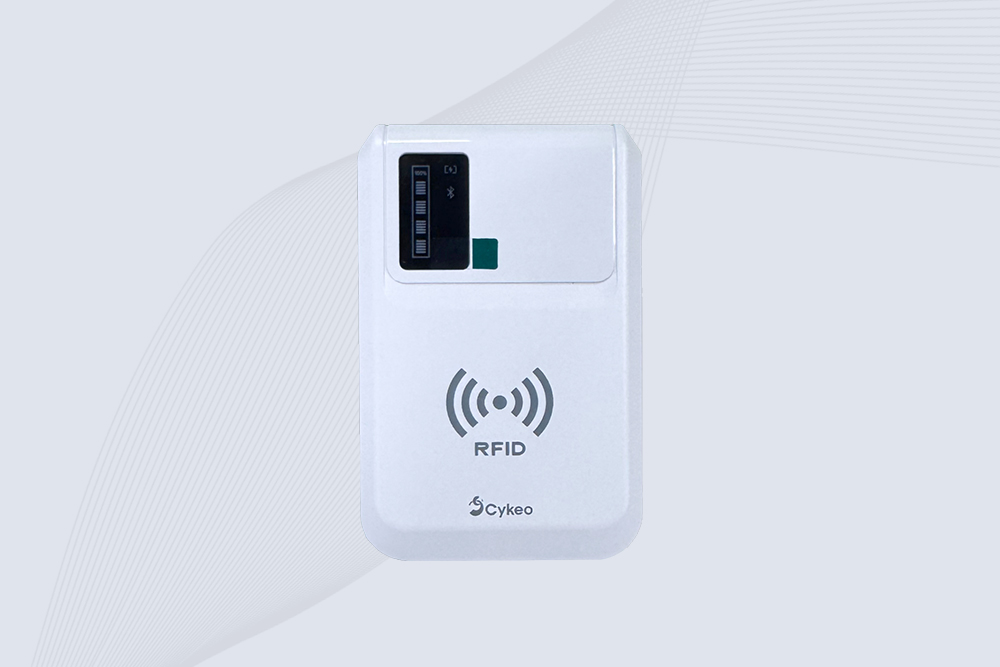
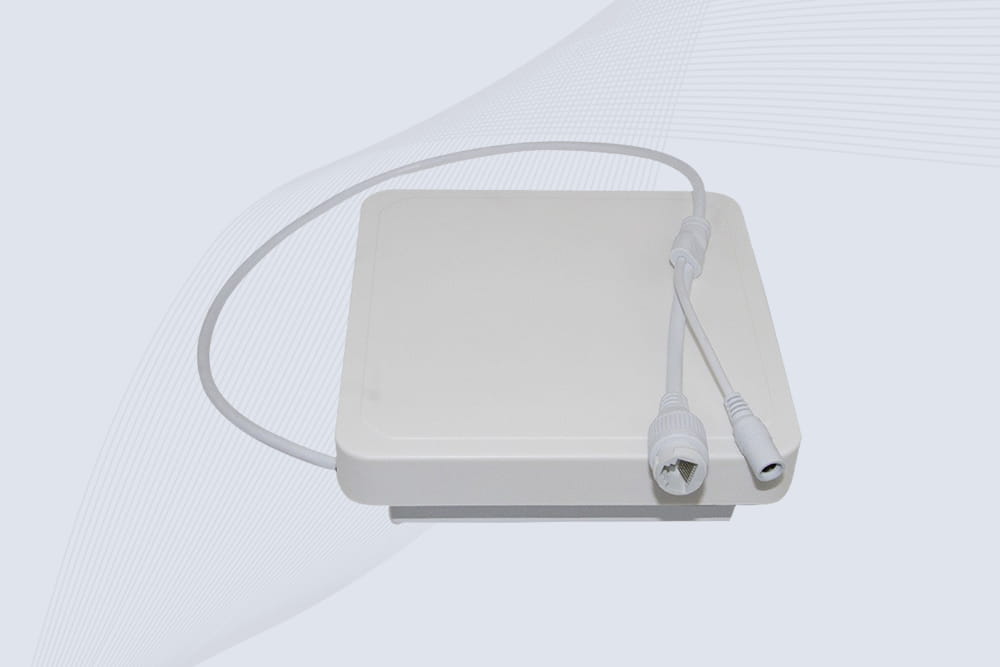
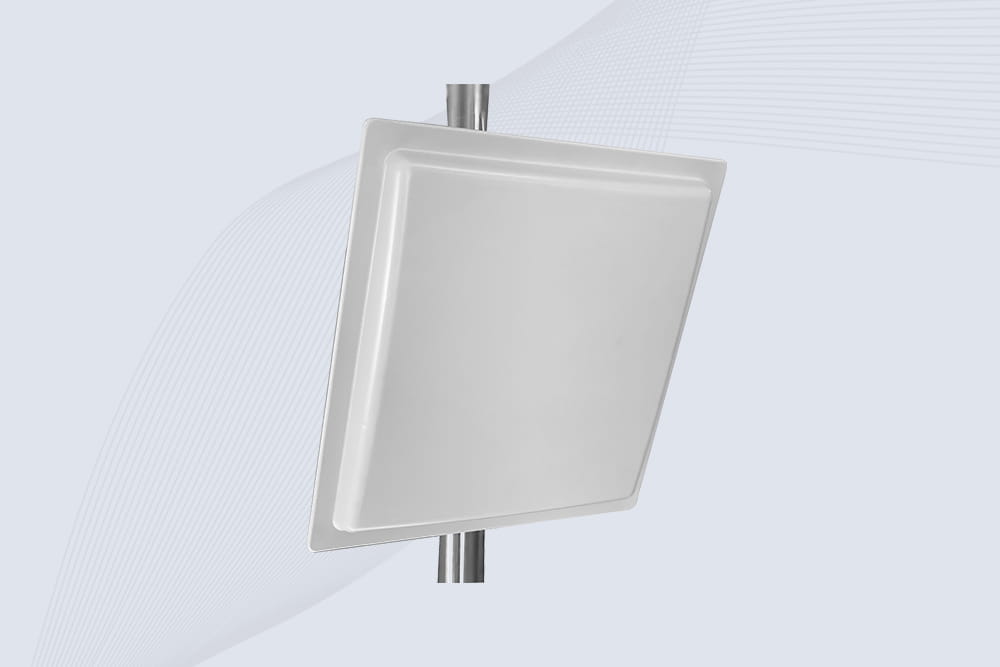
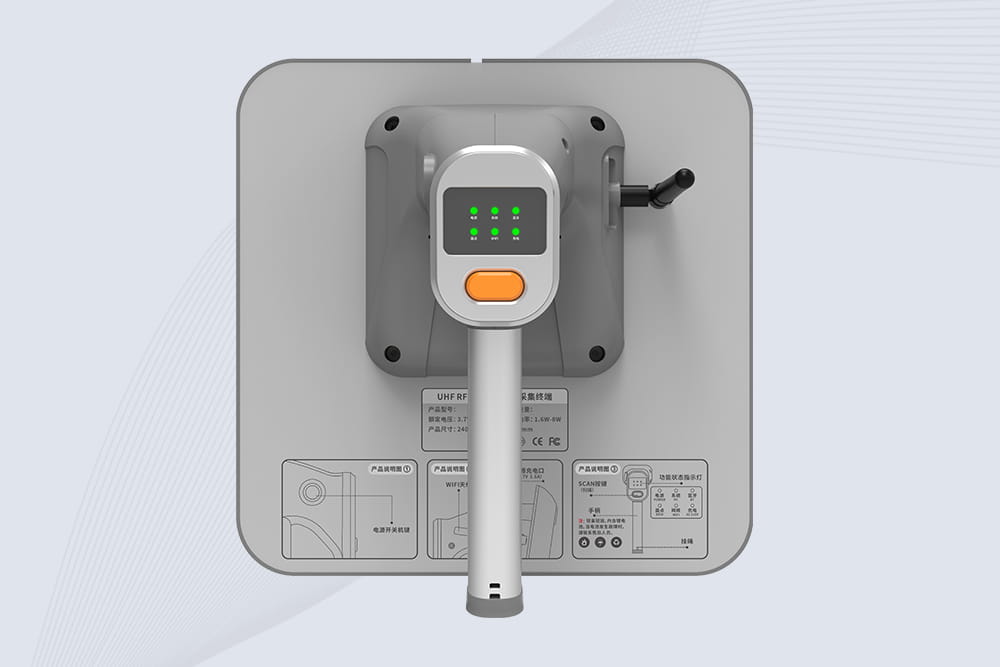
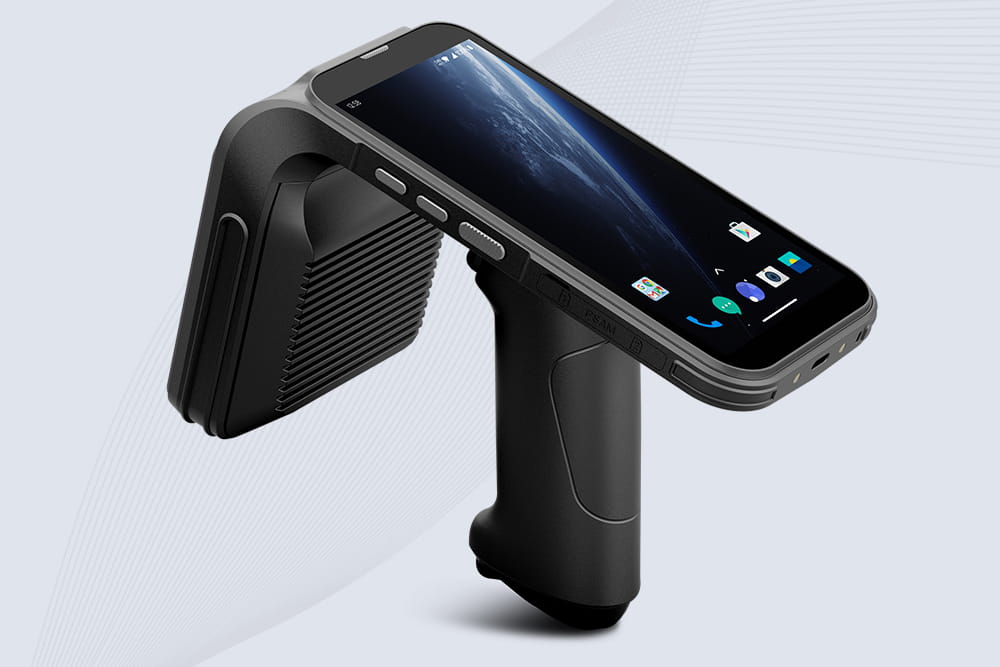
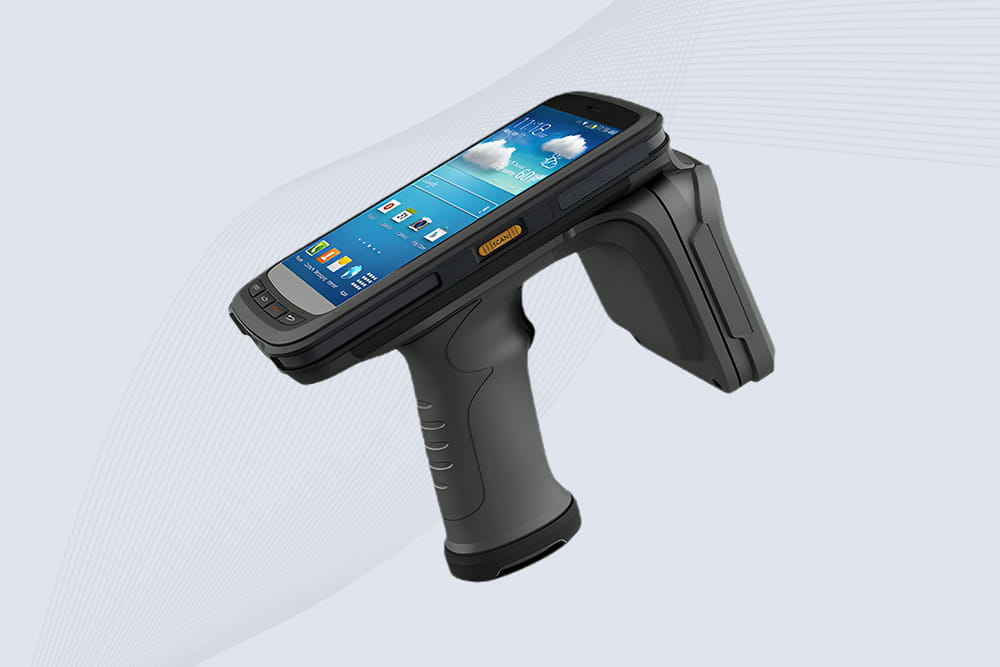
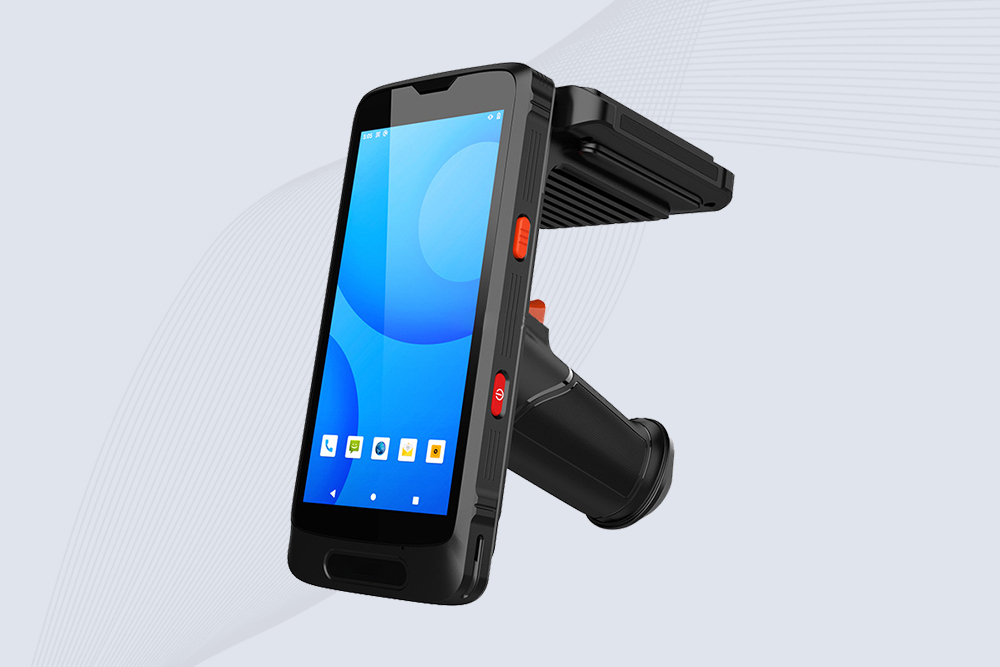
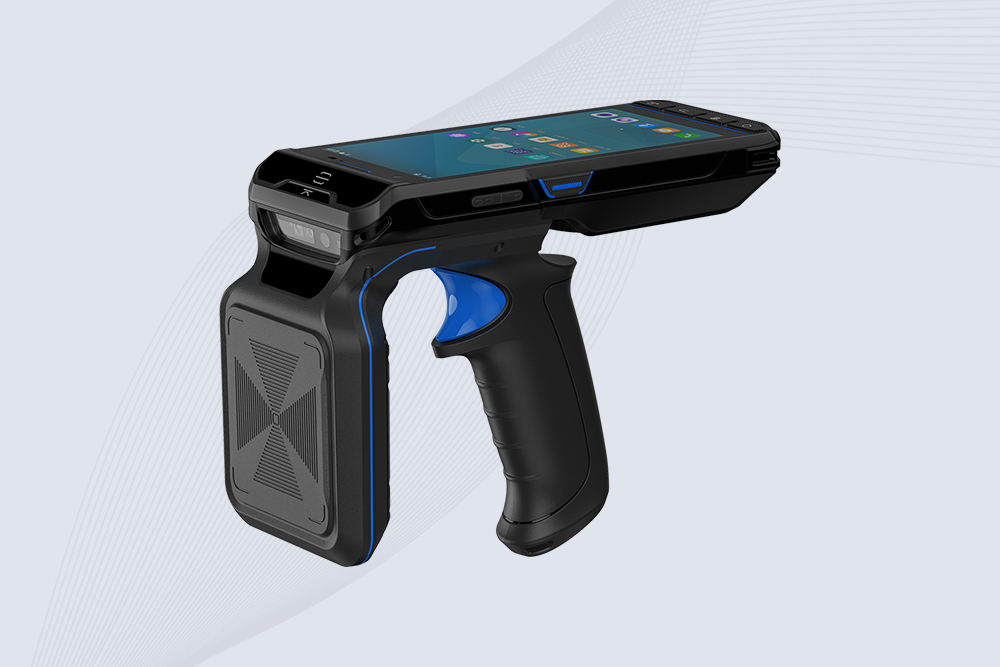
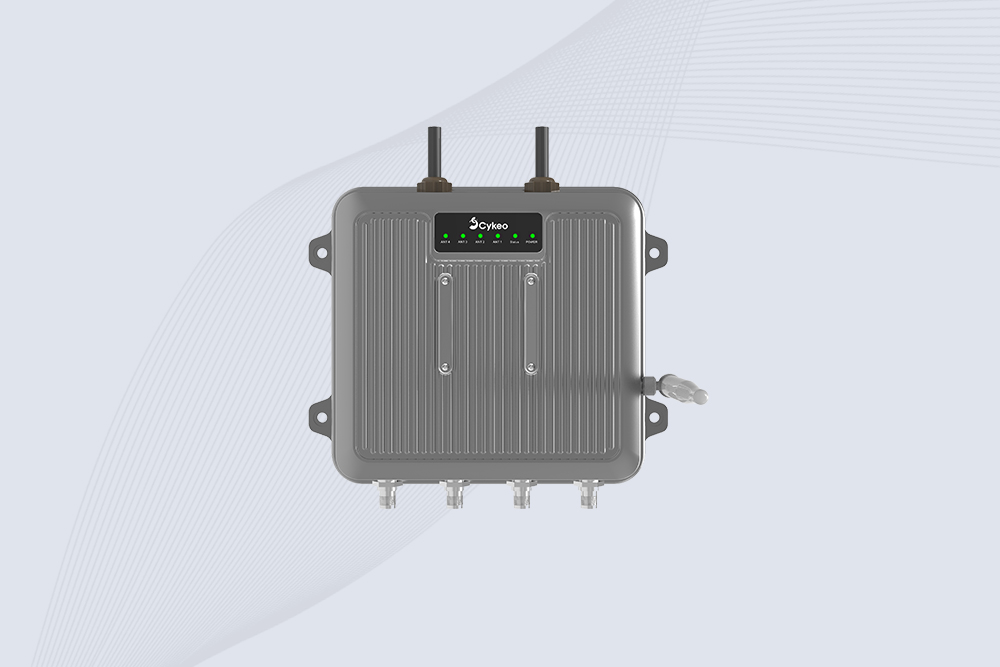
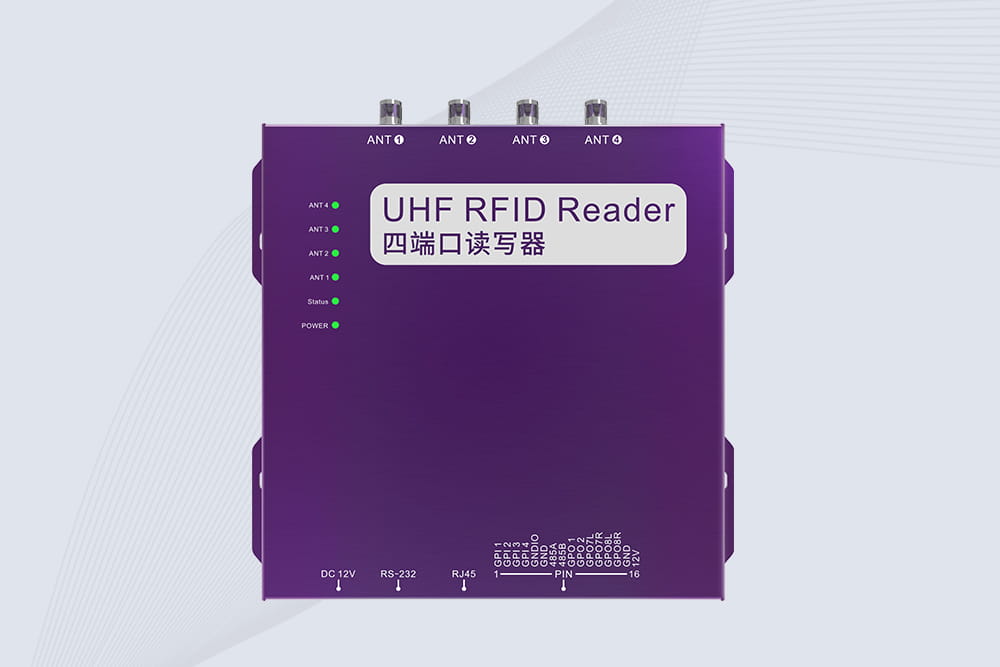
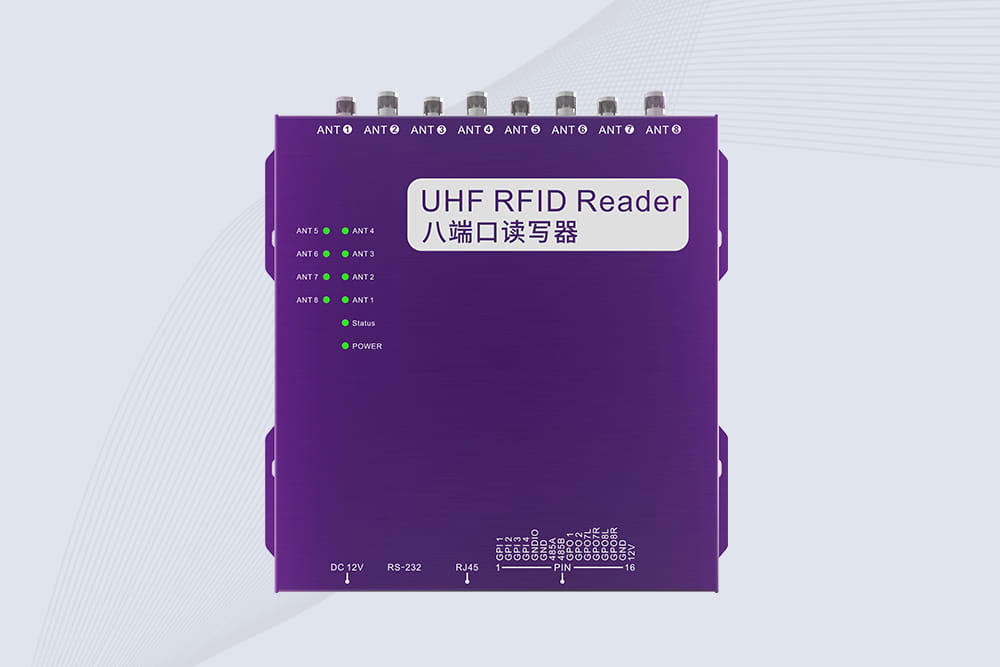
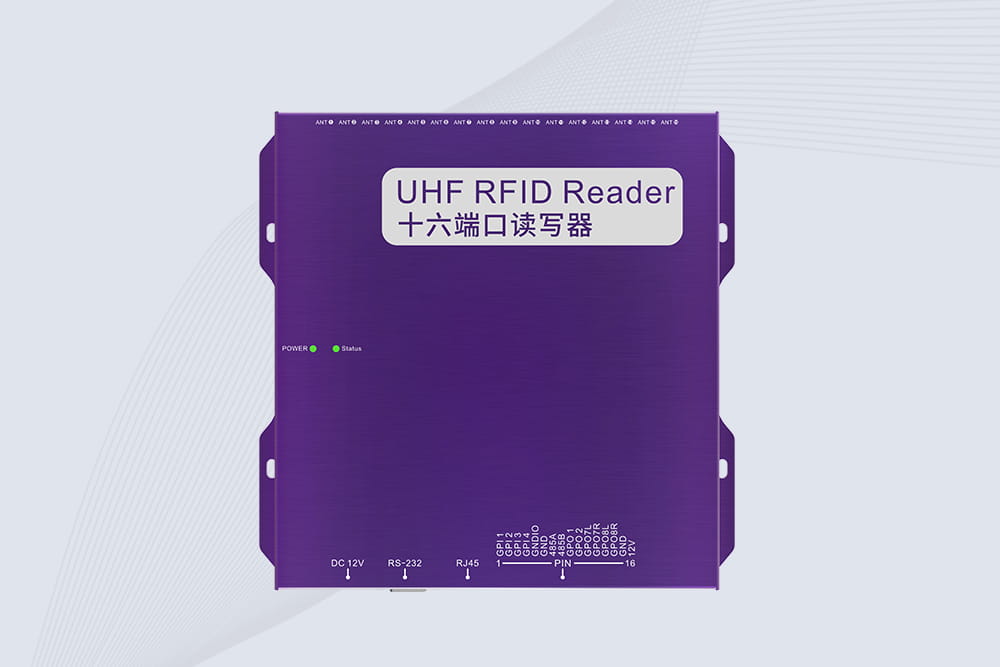
Your automotive assembly line isn’t a library. It’s loud, greasy, and hot enough to melt plastic. Most RFID readers? They’ll give up faster than a vegan at a BBQ joint. Let’s cut through the marketing fluff and find readers that actually survive bumper-to-bumper production.
1. What Automotive Lines Actually Need from RFID
Forget “cutting-edge”—focus on these three specs:
Heat Resistance: Must handle 140°F+ (common near paint shops).
Vibration Proof: 10–50Hz shaking from machinery kills cheap readers.
Read Speed: Scan 200+ RFID tags/minute without missing a beat.
Why It Matters: A single missed tag on a transmission = $50K recall.
Automotive RFID isn’t about flashy tech—it’s about readers that eat heat, vibration, and oil spills for breakfast. Test like a mad scientist, demand 99.9% scan accuracy, and if a sales rep says “maintenance-free,” throw a lug nut at them.
Upgrade your file management with the CA-BFT HF RFID Archive Cabinet. Track files accurately, automate processes, and integrate easily with ERP or WMS using RESTful APIs and SDK. Perfect for high-security archives
Learn how to safely remove or deactivate RFID tags from clothing without damaging the fabric. Discover tools, tips, and why some tags shouldn’t be tampered with.
Struggling with how to add RFID module in Proteus? Follow our practical guide to find, install, and simulate common RFID readers like EM-18 in your schematic design.
 Cykeo RFID IoT Solution Products R&D Manufacturer