 Cykeo RFID IoT Solution Products R&D Manufacturer
How to Increase RFID Reader Range: The Engineer’s Cheat Sheet
80Frustrated with short read distances? Learn how to increase RFID reader range with proven tips on antennas, tag placement, and software tuning from CYKEO engineers.
MoreAll RFID Product
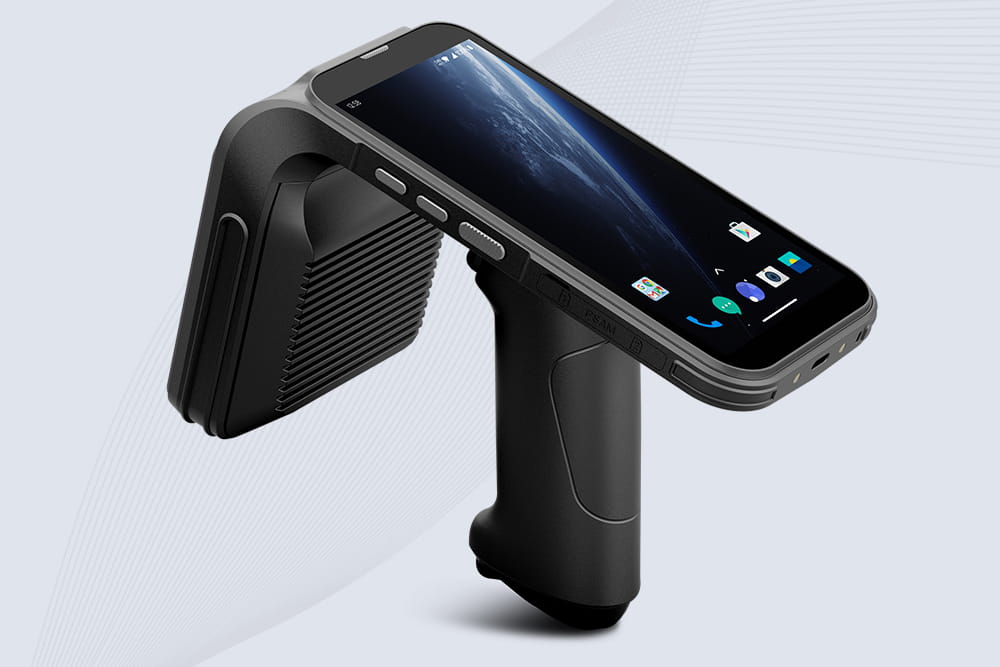
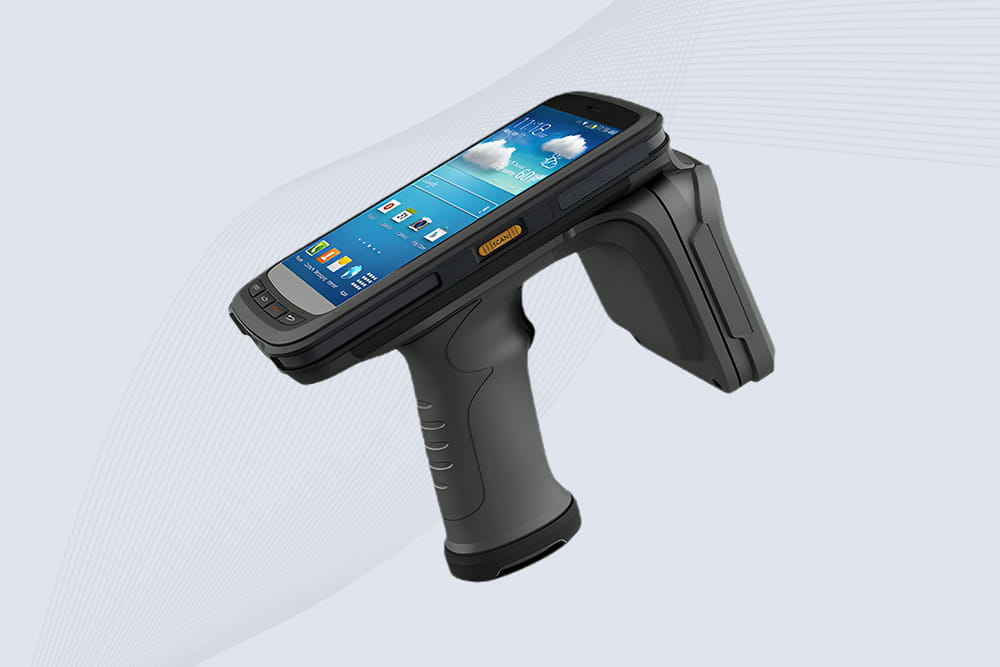
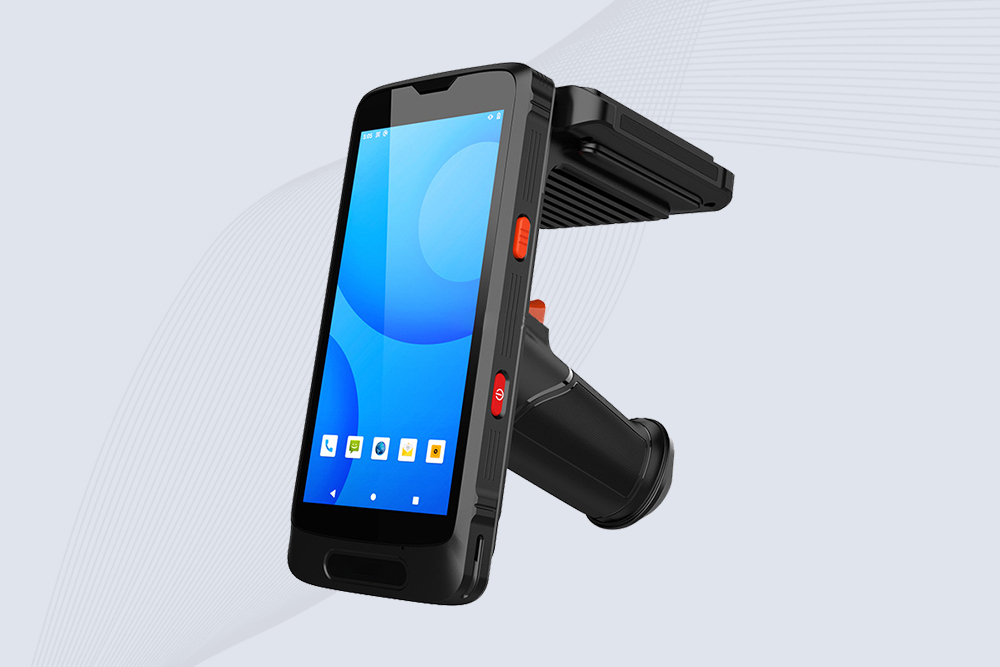
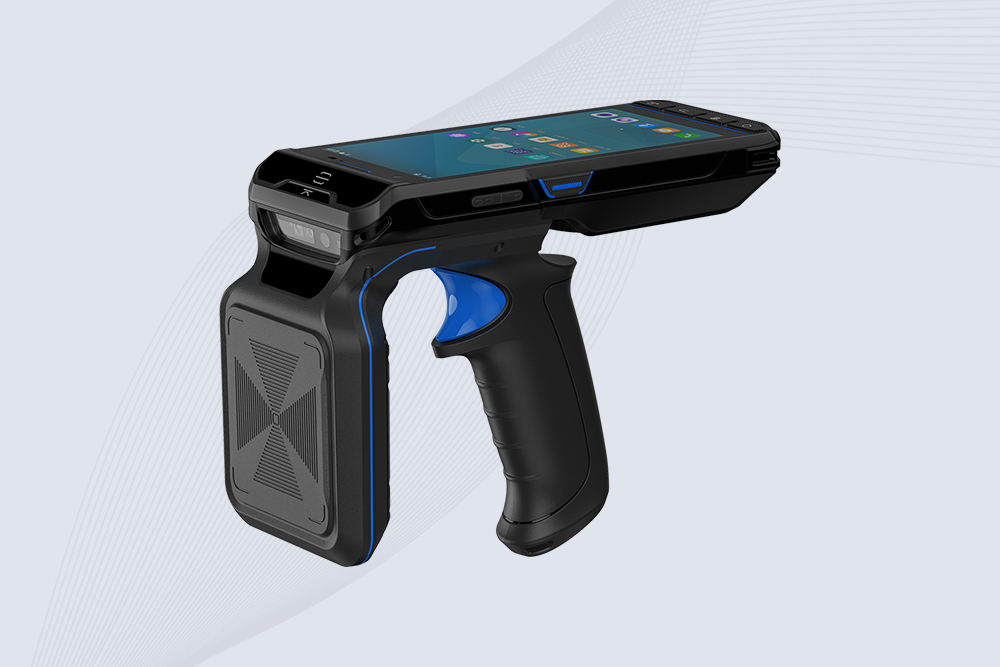
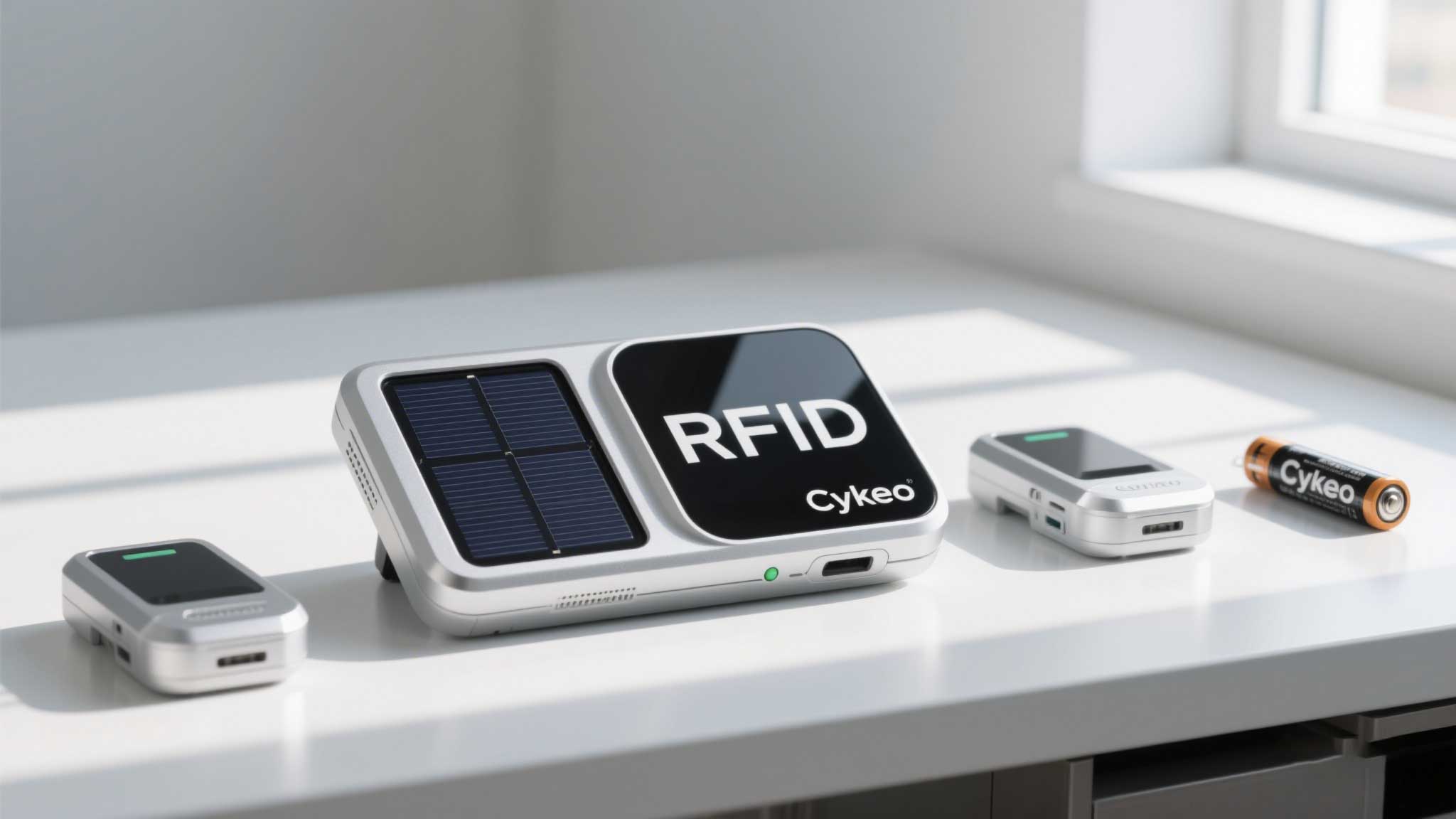
You’re halfway through scanning 2,000 trees in a rainforest when your RFID reader dies. No outlets. No spare batteries. Just you, mosquitoes, and regret. Portable RFID readers promise freedom—until their batteries quit. Let’s settle the solar vs. lithium-ion debate without the marketing lies.

Pros:
Cons:
Real-World Test:
Pros:
Cons:
Real-World Test:
Ask This:
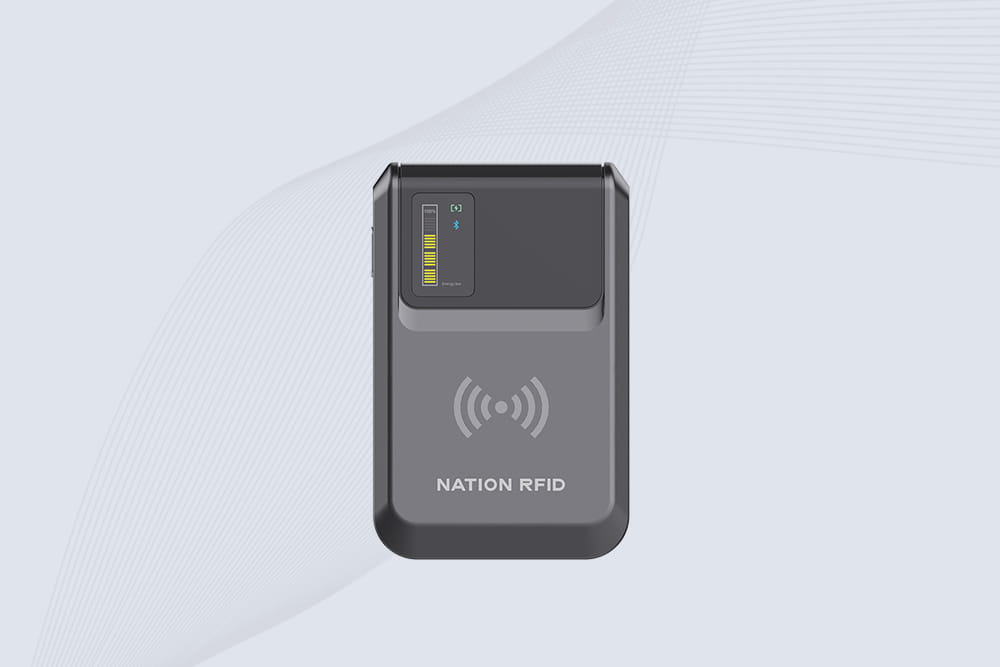
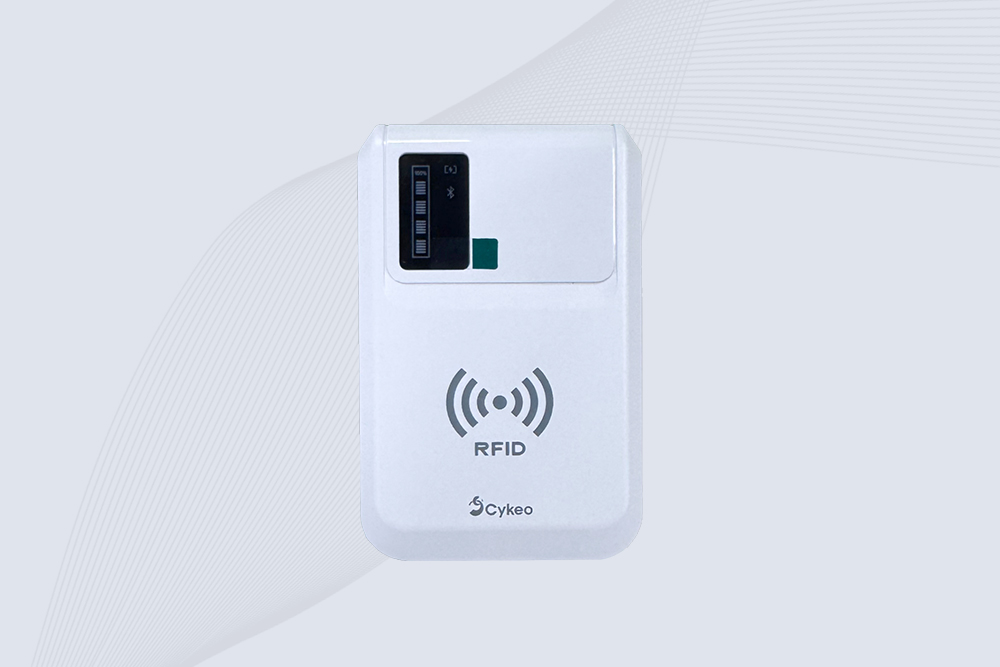
Cykeo’s Hack: Their readers have swappable batteries. Bring 2 lithium packs + a solar panel.
Pro Tip: Use dark mode on the reader’s screen (if it has one). Saves 15% juice.
Hybrid Setup:
Best For:
Cost: 200–500 extra. Worth it if missing scans costs $1K/hour.
Lithium-ion is the no-brainer for 90% of users. Solar’s for hippies, preppers, and folks who hate deadlines. If you need solar, buy a reader with a removable panel (like Cykeo’s) and pack a spare battery. Because nature loves irony—and dead gadgets.

Frustrated with short read distances? Learn how to increase RFID reader range with proven tips on antennas, tag placement, and software tuning from CYKEO engineers.
More
Explore how RFID ceiling readers work in real warehouses, from ceiling installation to staff adaptation, revealing efficiency gains and human-centered management.
More
Explore the working principle of RFID tags: energy transfer, data transmission, and real-world applications. Learn about passive, active, and semi-passive RFID systems.
More
Understand the differences between NFC and RFID, their unique applications, and how Cykeo’s hybrid solutions bridge both technologies for seamless operations.
More