If you’ve ever tested an RFID setup and thought “why is the range way shorter than the spec sheet?” — you’re not alone.
On paper, everything looks perfect. In real projects, it’s a different story.
If you’re buying RFID in bulk (for warehouses, retail, tools, or tracking systems), understanding what really affects reading range can save you a lot of money and headaches.
1. Reader Power (Not Always “More = Better”)
Reader power is the first thing people look at.
Yes, higher power usually means longer range. But here’s the catch:
Too much power = signal interference
In dense environments, it can actually reduce accuracy
For wholesale projects:
Indoor → stable medium power is better
Outdoor / yard tracking → higher power makes sense
Don’t just chase max dBm. Match it to your environment.
2. Antenna Quality and Design
Honestly, antenna matters more than people think.
A cheap antenna can kill your range even if your reader is top-tier.
Key things:
Gain (dBi) → higher gain = longer direction range
Beam width → wide vs focused coverage
Build quality → affects signal stability
For bulk deployments:
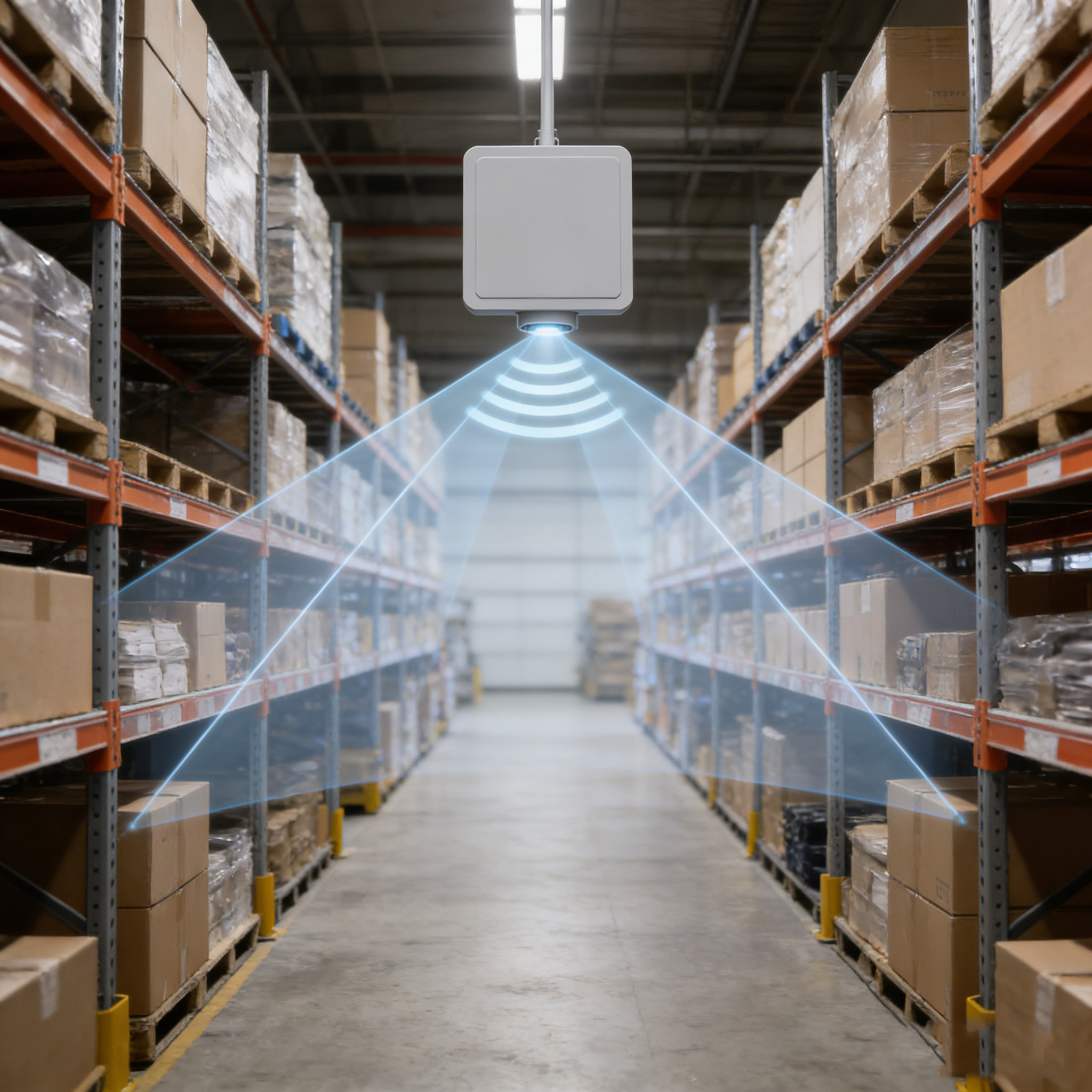
Warehouse aisles → directional antennas
Retail or open zones → circular polarization
If you’re cutting budget, don’t cut antenna quality first.
3. Tag Type
Not all RFID tags are equal. Not even close.
Different tags = completely different performance:
Paper labels → cheap but shorter range
On-metal tags → designed for metal surfaces
Industrial tags → longer range + durable
Example: Same reader + antenna, just swapping tag type can change range from 2 meters to 10+ meters.
In wholesale projects, choosing the wrong tag costs more than choosing the right one upfront.
4. Frequency Band (UHF vs HF vs LF)
This is basic but still often misunderstood.
UHF (860–960 MHz) → long range (most logistics use this)
HF (13.56 MHz) → short range, stable (payments, access cards)
LF (125 kHz) → very short range, strong penetration
If your goal is distance → you’re almost always looking at UHF.
Don’t try to “force” long range out of HF. It won’t happen.
5. Environment (The Silent Killer)
This is where most real-world problems come from.
Things that mess with RFID:
Metal → reflects signals
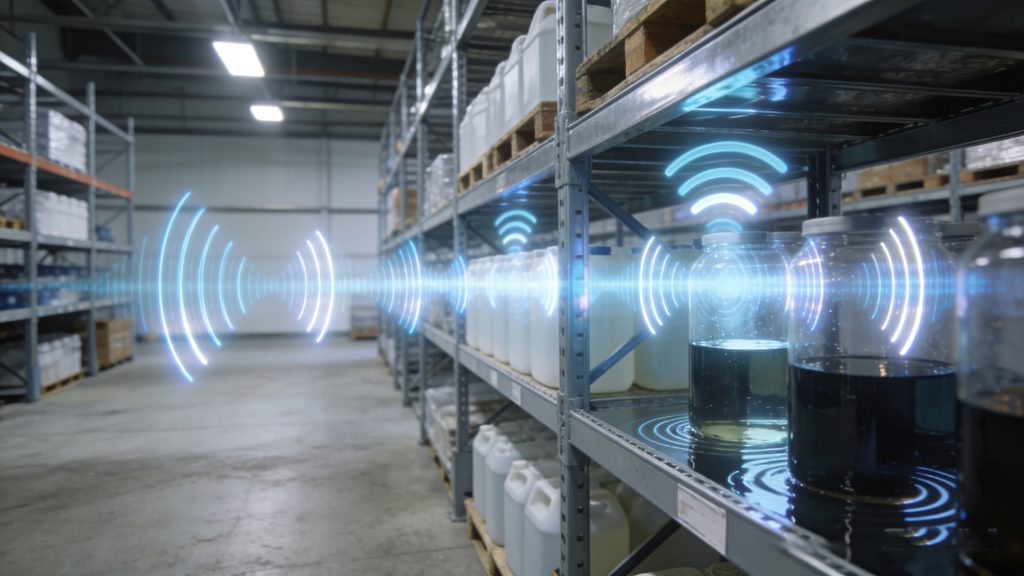
Water / liquids → absorbs signals
Walls / obstacles → block or weaken
Typical real-world impact:
Lab test: 8–10 meters
Actual warehouse: 3–6 meters
Always test in your actual environment before scaling bulk orders.
6. Tag Orientation and Placement
This one sounds small, but it’s a big deal.
RFID signals are directional. If the tag is:
tilted wrong
blocked
stacked with others
…your range drops fast.
Common mistakes in bulk projects:
Tags facing random directions
Tags placed too close together
Ignoring polarization alignment
Good placement planning can improve range without changing hardware.
Quick Summary
If your RFID range sucks, it’s usually one of these:
Power not matched to environment
Weak antenna
Wrong tag type
Wrong frequency choice
Environmental interference
Bad tag placement
Wholesale Tip
When buying RFID in bulk, don’t just ask:
“What’s the max range?”
Instead ask suppliers:
What’s the real tested range in similar environments?
Upgrade your library, warehouse, or retail space with the CK-DP4B Wall-Mounted RFID Kiosk. Fast, secure, and efficient self-checkout and real-time asset tracking. Streamline your operations today.
Need to track tools across sprawling construction sites? Discover rugged UHF RFID readers that survive dust, rain, and chaos while scanning up to 100 ft.
Discover top long-range RFID readers for industrial asset tracking. Learn how Cykeo’s durable, high-performance devices ensure accuracy in harsh environments.
 Cykeo RFID IoT Solution Products R&D Manufacturer