Sensor Data Without Batteries: When Your RFID Antenna Needs Two Jobs
We were working with a biotech company that needed to track the temperature of high-value cell therapy shipments. They tried standard sensor tags, but data kept dropping at the worst moments—usually during critical handoffs. The problem wasn’t the sensor or the reader; it was a fundamental power struggle inside the tag itself. That’s when the discussion turned to a dual-feed antenna for passive uhf rfid tag-based sensor applications. It’s not an incremental upgrade; it’s a architectural redesign for a specific, frustrating problem.
The Power Dilemma Every Sensor Tag Faces
A regular UHF RFID tags has one simple job: harvest enough energy from the reader’s signal to wake up and shout back its ID. Add a temperature or humidity sensor, and the job gets complicated. The sensor chip needs a steady, clean trickle of power to take a measurement. Meanwhile, the communication part of the chip needs to modulate the antenna to send that data back. With a single antenna feed, it’s like trying to charge your phone and stream a video over the same, weak Wi-Fi signal—one task usually fails.
This overcoming passive sensor tag power issues is the core challenge. At the edge of the read range, where power is scarce, a single-feed tag might reset the sensor or garble the data packet. You get a read, but the sensor value is nonsense or missing.
How Two “Feed Lines” Fix the Conflict
The solution in designing reliable uhf sensor tags is elegantly logical: give the chip two dedicated pathways. A dual-feed antenna does exactly this.
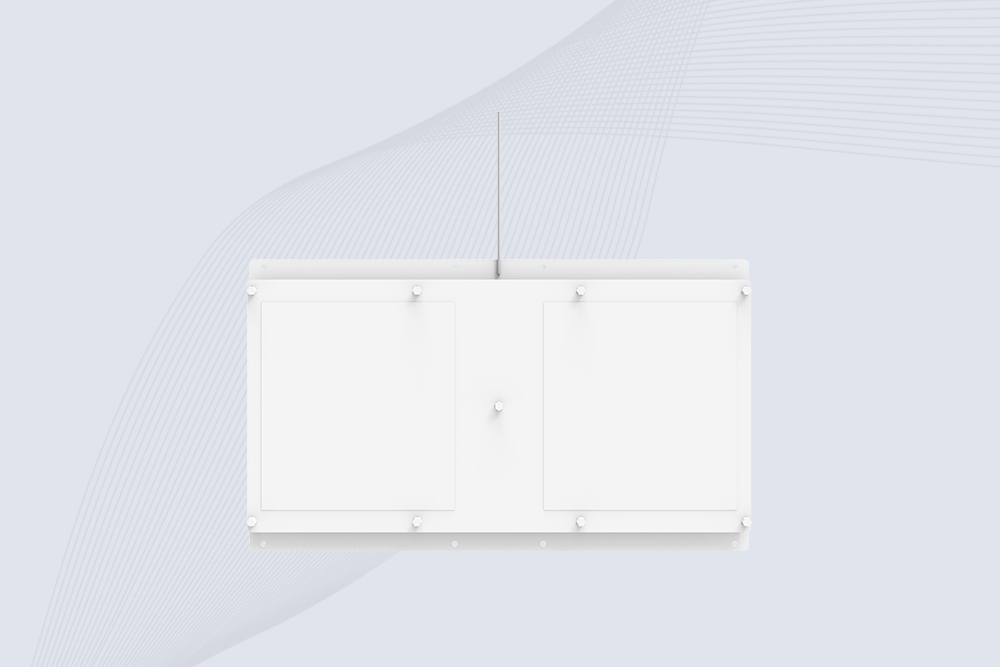
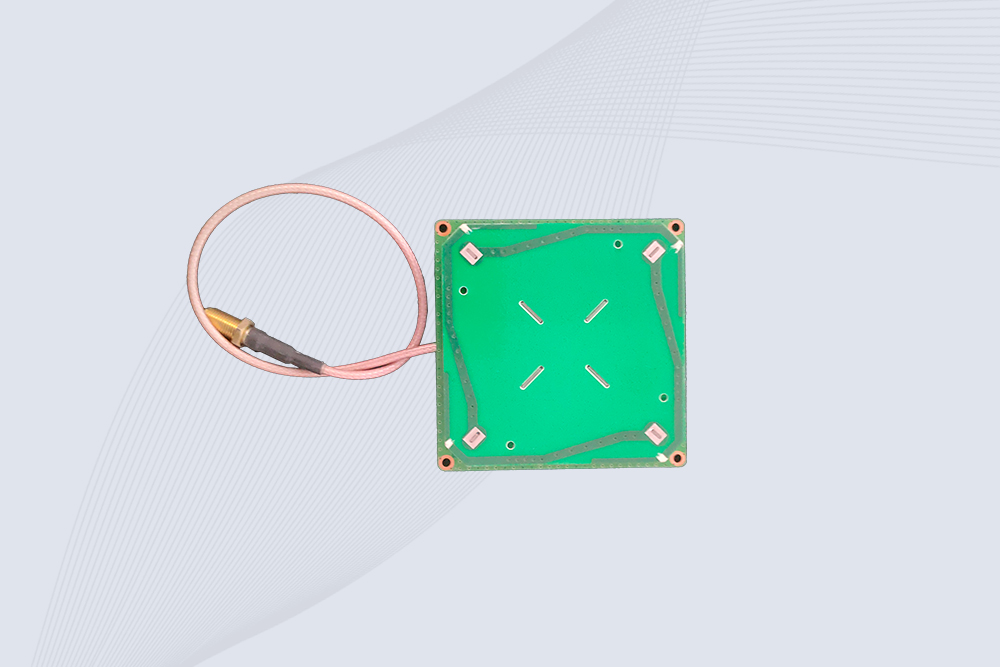
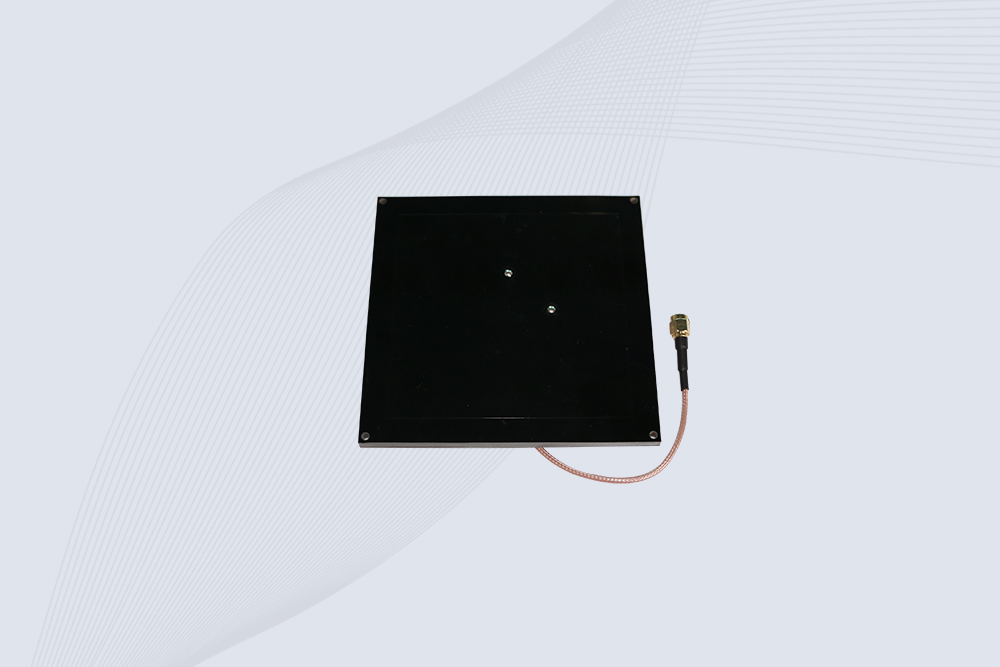
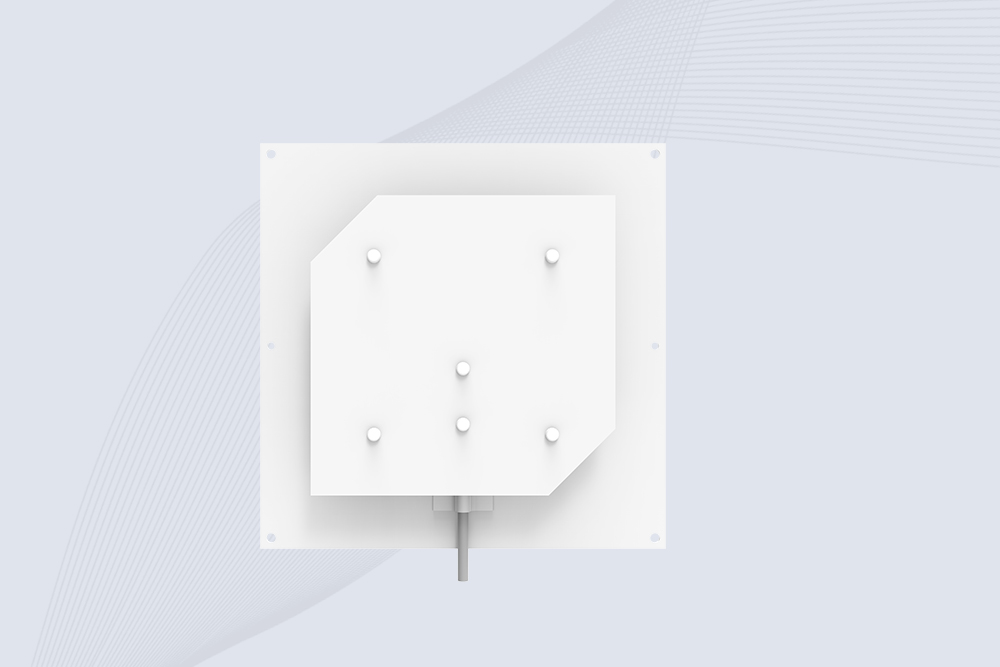
Imagine it as a small circuit board with two separate, specially tuned ports connecting to the chip. One port is the “power lane.” Its physical shape and position are optimized for one thing only: scavenging every possible microwatt from the incoming radio waves and delivering it as stable DC power to the sensor. The other port is the “data lane.” It’s tuned for clear backscatter communication, efficiently modulating the reflected signal to carry the sensor’s precious data bytes back to the reader.
This separation within a dual-feed antenna for passive uhf rfid tag-based sensor applications prevents the tasks from interfering. The result is tangible: longer functional range for sensor reads and a dramatic drop in corrupted data packets. You see the dual-feed antenna performance benefits CYKEO designs target directly: reliability where it counts.
Where This Engineering Really Pays Off
You see this technology in applications for battery-free sensor monitoring where wires or batteries are impossible or impractical:
- Cold Chain Integrity: Knowing a pallet of vaccines hit 8°C for 10 minutes is useless if the data is lost. Dual-feed tags deliver the complete, timestamped temperature log from deep inside a truck or warehouse.
- Predictive Maintenance: Monitoring vibration on a factory motor. A single-feed tag might only work when the reader is very close. A dual-feed design allows periodic scans from a walkway, catching abnormal trends before failure.
- Agricultural & Environmental Logging: Soil moisture tags in a field need to work with a handheld or drone reader passing by quickly. Reliable data capture in a single pass is critical.
- Smart Asset Monitoring: Tracking both the location and internal humidity of a sensitive instrument case during transport.
What to Know Before You Spec a Sensor Tag
If you’re considering this route, field testing is non-negotiable. The environment still matters immensely. Place sample tags on your actual assets—inside a pallet of produce, on a machine housing—and test the data yield at various distances.
Implementing a dual-feed antenna for passive uhf rfid tag-based sensor applications means you’re prioritizing data integrity over pure identification range or lowest cost. It’s the right choice when the condition of the asset carries as much financial or operational weight as its location. It turns a passive RFID tags from a simple beacon into a trustworthy, batteryless data logger.
RFID Antenna Recommendation
 Cykeo RFID IoT Solution Products R&D Manufacturer