 Cykeo RFID IoT Solution Products R&D Manufacturer
What Is an Embedded RFID and When Does It Really Make Sense to Use One?
56What is an embedded RFID and why is it built into products? Learn how embedded RFID works, where it’s used, and when it actually makes sense.
MoreAll RFID Product
If you manage a fleet, a factory gate, or a logistics yard, you’ve probably looked into rfid tags for vehicle tracking at some point.
And honestly, RFID isn’t just “another tracking tech.”
It’s more like an automatic check-in system for vehicles — no stopping, no scanning, no human input.
Let’s break it down in a simple way: how it works, where it fits, and how to choose the right tags.
RFID vehicle tracking uses radio waves to automatically identify vehicles when they pass certain checkpoints.
In technical terms, it’s based on Radio-frequency identification, which allows wireless, contactless data exchange between tags and readers.
A typical system includes:
When a vehicle passes by, the system logs:
No stopping required. No manual logging.
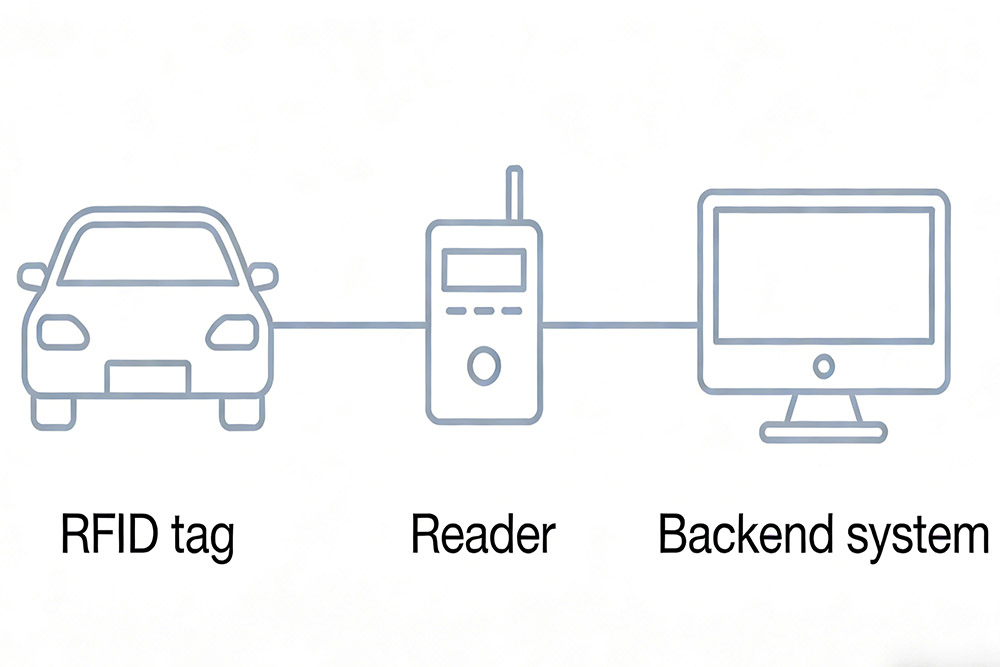
The process is straightforward:
The reader emits radio signals, and the tag responds with its stored data.
Unlike barcodes, RFID doesn’t need line-of-sight and can read multiple vehicles at once.
This is the most common setup:
Vehicles are identified instantly, and barriers open automatically.
With multiple reading points, you can track:
It’s not GPS-level tracking, but it’s perfect for structured environments.
In logistics hubs:
This reduces manual work and errors.
RFID helps you:
A lot of people ask: “Why not just use GPS?”
Here’s the simple answer:
| Scenario | RFID | GPS |
|---|---|---|
| Facility / Yard | ✅ Best choice | ❌ Not precise |
| Indoor / Underground | ✅ Works | ❌ No signal |
| Long-distance tracking | ❌ Not suitable | ✅ Essential |
| Gate automation | ✅ Perfect | ❌ Not usable |
👉 RFID = checkpoint tracking
👉 GPS = real-time positioning
Most large systems actually use both.
Here’s what actually matters:
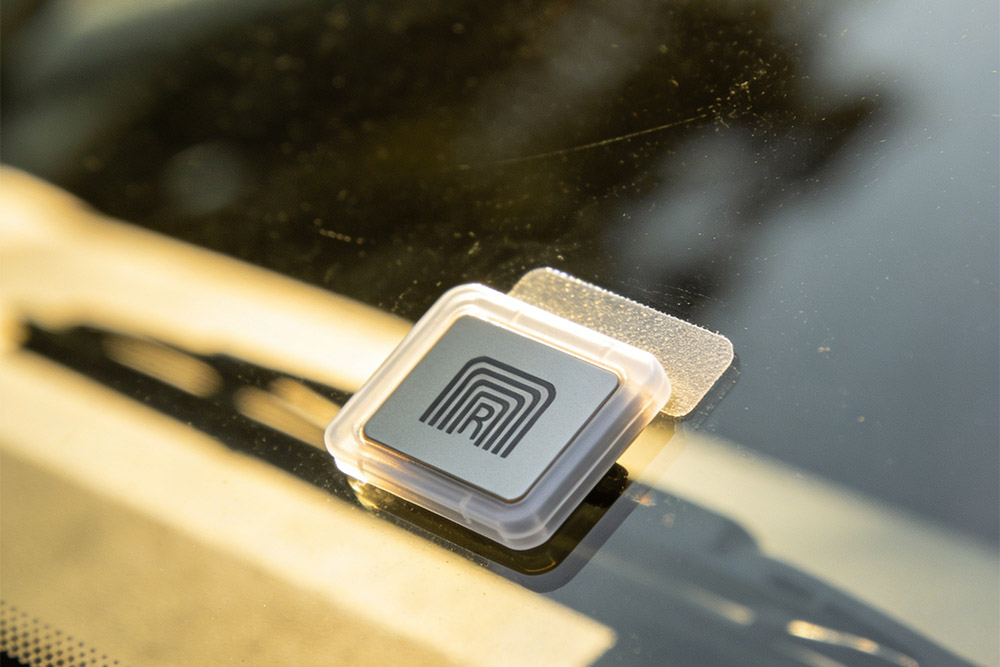
If you’re sourcing for bulk projects like parking systems, logistics yards, or industrial facilities, it’s better to go with proven solutions.
Check available options here:rfid tags for vehicle tracking
These tags are typically designed for:
If your goal is to know where a vehicle is across cities — use GPS.
But if you need to:
Then RFID is the tool you actually need.
User Guide
How to Remove RFID Tags from Clothing Safely (Without Ripping Your Shirt)
The Truth About RFID Signals: Aluminum Foil, Smartphones, and Reading Range Explained
How Security Tag Readers Work: RFID vs. Magnetic Systems – Which Is More Efficient?
How to Deactivate RFID Tags Without Guesswork or Myths?
How to Test RFID Tags with Phone
How to Test RFID Tags with Your Smartphone (No Scanner Needed)
How to Use Android Phone to Emulate RFID Tag: Full Tutorial and Application Guide
Can Your RFID Tags Reader iPhone ? Here’s How It Actually Works
Can You Use an NFC Phone as an RFID Tag?
How to Choose the Right RFID Tag for Clothing? Materials, Packaging & Attachment Explained
Industrial Essentials: 2025 Guide to the Most Durable Rugged RFID Tags
Active RFID Tag Range: The Real Difference Between Active and Passive Tags

What is an embedded RFID and why is it built into products? Learn how embedded RFID works, where it’s used, and when it actually makes sense.
More
Unlock the power of UHF RFID with this easy-to-follow guide on programming RFID cards and applying UHF RFID technology in asset management, logistics, and smart warehousing. Learn how to streamline your operations with real-world insights and prac...
More
Wondering "RFID is what?" CYKEO breaks down the basics of radio frequency identification, how passive tags work, and where you use them every day.
More
Industry Overview In recent years, with the rapid development of the logistics industry and the maturation of electronic tag technology, RFID (Radio Frequency Identification) technology has been widely adopted in warehouse management. B...
More