 Cykeo RFID IoT Solution Products R&D Manufacturer
Best Alternatives to Impinj RFID Reader: What Really Matters for RFID Projects
108Looking for an alternative to Impinj RFID readers? Compare UHF RFID reader performance, cost, and compatibility to find the best solution for your RFID projects.
MoreAll RFID Product
Honestly, when I first heard about “putting RFID tags on surgical instruments,” my gut reaction was:
Can these tags survive high-temperature sterilization? Can they stick to metal without falling off? And will they mess with how the surgeon uses the tool?
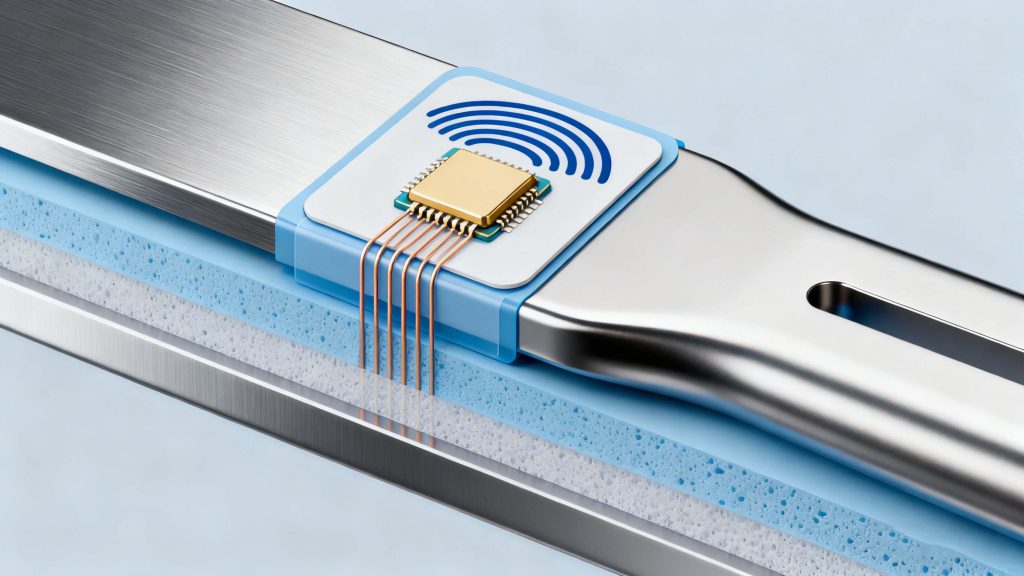
After digging into real cases and talking to people in the medical device world, I realized RFID tech has become much more mature than most people think.
It’s no longer one of those buzzwords everyone talks about but never dares to implement.
It’s actually being used in ORs, CSSDs, and automated surgical tray systems on a pretty large scale.
So let me walk through the real logic here:
Why hospitals are finally willing to tag every instrument, what technical details matter the most, and what problems you’ll hit during implementation.
Because they’re too easy to lose and too hard to count.
Anyone who’s worked in instrument management knows the pain:
If any step slips, someone pays for it.
And this is not exaggeration:
RFID changes one thing very simply:
“Every tool becomes an ID. You stop relying on eyesight and memory.”
It automates counting, gives full traceability, and even helps identify which tools are overused or barely needed.
Normal RFID tags die instantly in medical environments.
A surgical instrument tag must survive:
So today the industry uses three main approaches:
Perfect for scissors, forceps, clamps—basically anything that gets used over and over.
Metal surfaces are notoriously hard to bond.
That’s why hospitals often use LED-curing medical adhesives:
In simple words:
Once bonded, it should stay for life.
If it falls off, that becomes a safety risk—not an option.
This one is more “research lab,” but extremely cool:
Result?
An RFID tag that basically becomes part of the instrument.
Based on actual hospital feedback, the improvements fall into four categories:
A surgical tray often contains dozens of tools.
Counting them manually takes forever.
Now you place the tray on an RFID scanner:
Some hospitals install antenna arrays inside the OR.
This allows automatic end-of-surgery verification.
Before the patient leaves, the system confirms every tool is accounted for.
With RFID, the system logs:
And Cykeo handheld readers can bulk-read instruments, speeding up the process massively.
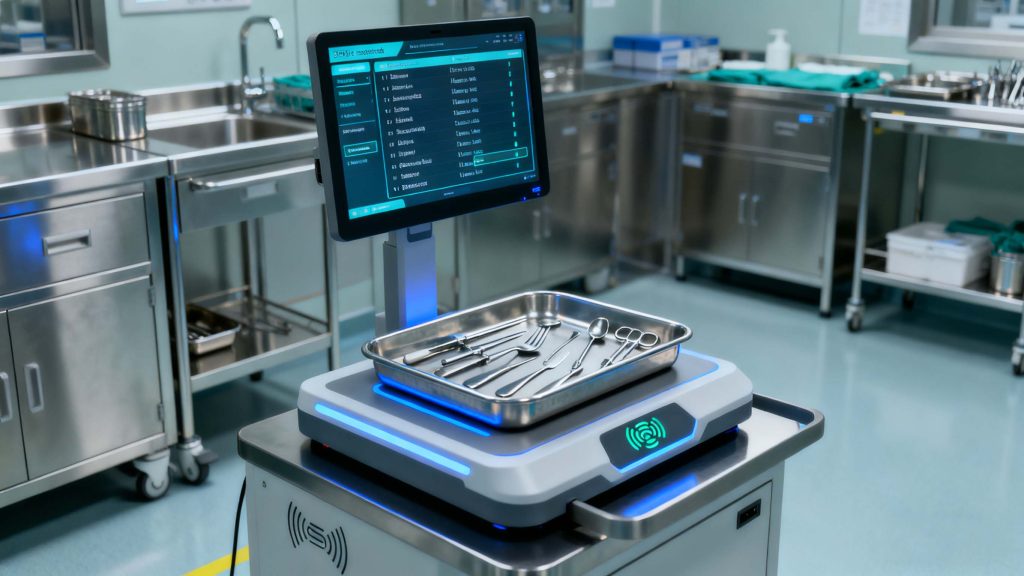
Most hospitals never had real data on:
RFID finally makes this transparent.
It is not as simple as “stick a tag on it.”**
Everyone who does RFID for the first time hits the same problems:
Too many metal tools piled tightly = dead zones.
Solutions:
Sterilization cycles will expose any weakness in bonding.
Medical-grade adhesive is non-negotiable.
Tags are cheap.
Readers + systems + workflow redesign—not so cheap.
But most hospitals find ROI appears in 1–3 years:
Not true anymore.
Mini-tags are cheap now.
Implementation has become streamlined.
If you ask me:
Are RFID tags for surgical instruments worth it?
My answer:
If you manage more than a few dozen trays and instruments circulate daily, it’s basically mandatory.
RFID isn’t a luxury—it’s infrastructure.
Especially with ongoing staffing shortages, automated counting and traceability matter more each year.
But let me emphasize one thing:
Temperature resistance, bonding quality, and biocompatibility are the real deal-breakers.
Cutting costs in these three areas is how problems happen.
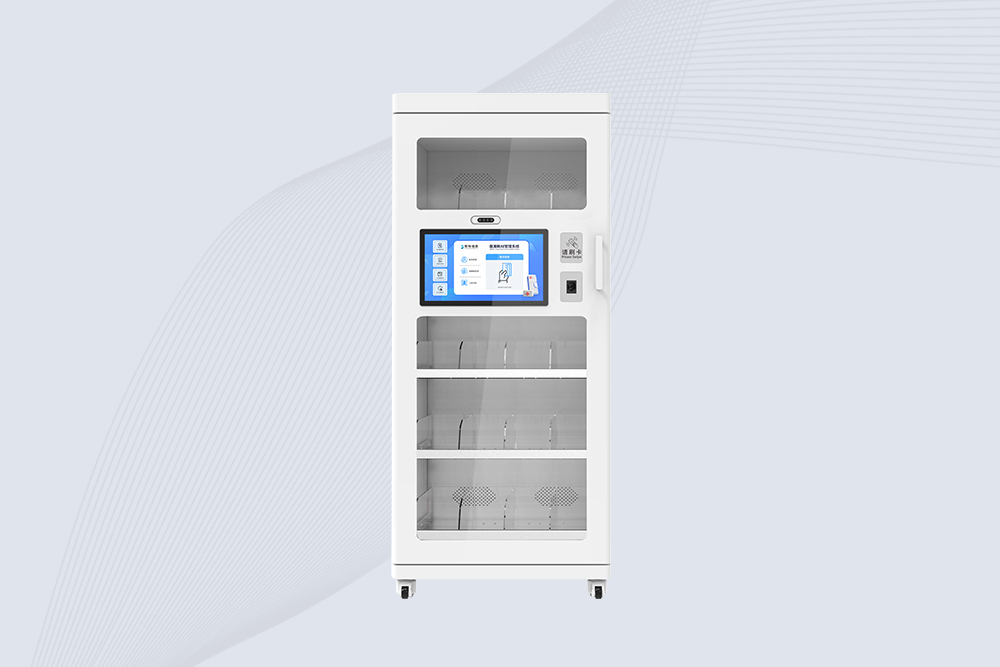
Cykeo’s medical RFID cabinet features 21.5″ touchscreen, dual-door security & HIPAA compliance for OR/pharmacy. Tracks implants, gauze & consumables. Request demo.
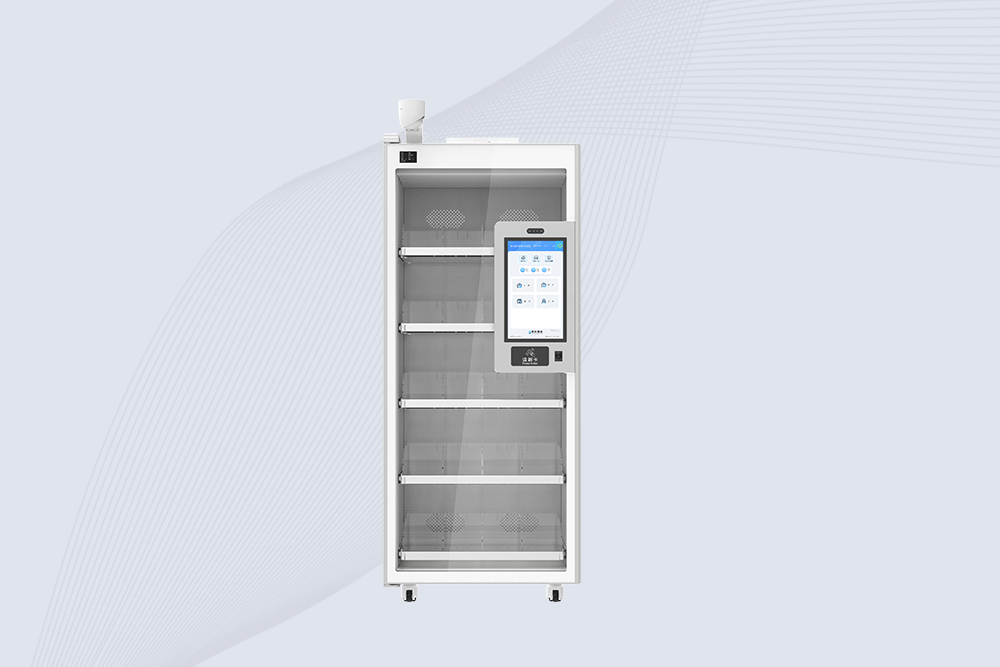
Cykeo’s smart medical cabinet RFID features 21.5″ touchscreen & 99.9% accuracy for OR instrument tracking. Modular shelves for 500+ items. HIPAA compliant. Request demo.
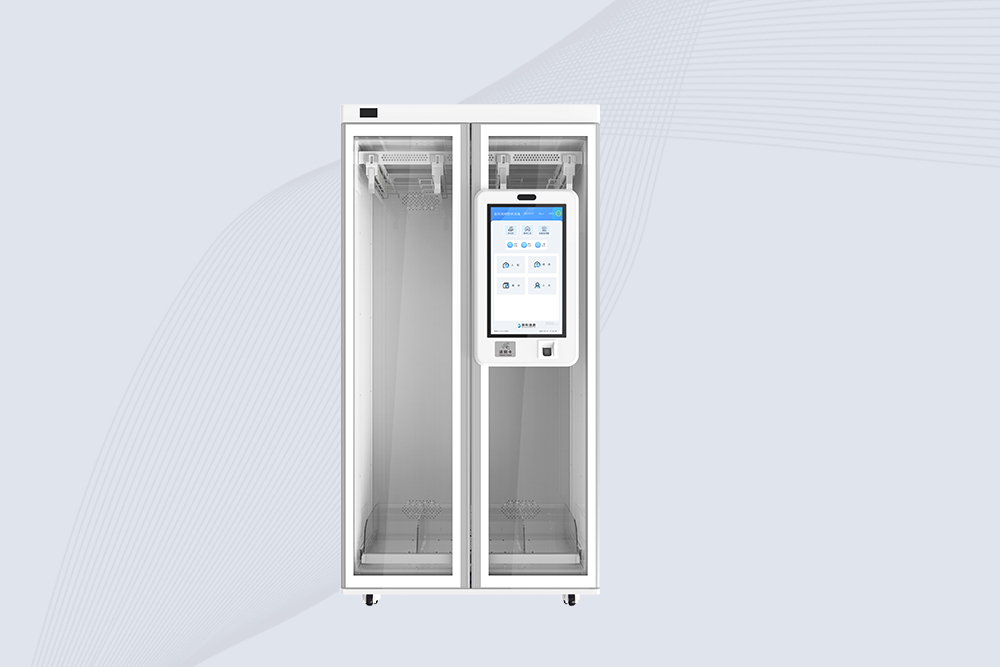
Cykeo’s UHF RFID hospital asset cabinet features dual-door security, antibacterial coating & 99.9% accuracy for OR implants. ISO 13485 compliant. Tracks 2000+ items.
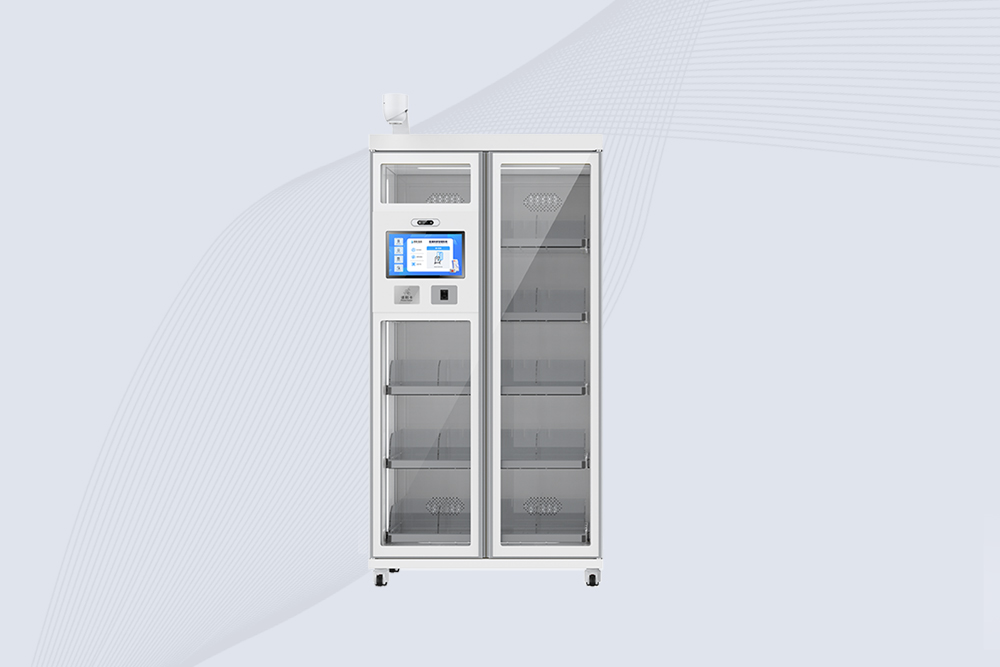
Cykeo’s medical RFID storage cabinet features 14″ touchscreen, 600 tags/sec scanning & 1.2mm steel security. Tracks 500+ surgical consumables. Reduces staff workload by 70%.

Looking for an alternative to Impinj RFID readers? Compare UHF RFID reader performance, cost, and compatibility to find the best solution for your RFID projects.
More
Discover the top Arduino-compatible RFID reader modules for DIY projects like smart locks, inventory systems, and access control. Compare features and find your match.
More
Test RFID tags using your smartphone and when you should switch to a professional RFID reader. This guide covers NFC testing, UHF tag limitations, and tips for efficient RFID tag management in warehouses and logistics.
More
Choosing a long range UHF RFID reader isn't just about distance. Learn how system integrators and wholesale buyers evaluate performance, installation, and project requirements before making a decision.
More