 Cykeo RFID IoT Solution Products R&D Manufacturer
RFID Frequency Comparison: LF vs HF vs UHF
46RFID frequency comparison of LF, HF, and UHF. Learn real differences in range, speed, use cases, and how CYKEO readers fit each scenario.
MoreAll RFID Product
In modern hospitals, every second in the operating room counts — literally. A few missing instruments or miscounted tools can delay a surgery, cause anxiety for staff, and in the worst cases, lead to a “retained surgical item” incident. To minimize such risks, hospitals around the world have been exploring new ways to track and manage surgical tools. That’s where RFID tags come into play.
Traditional instrument tracking still relies heavily on manual counting and written records. Nurses or scrub techs count every piece before and after surgery — clamps, scissors, forceps, sponges — often while multitasking in a high-pressure environment. Mistakes can happen. Instruments might be misplaced, left uncounted, or even left inside the patient’s body, which is a nightmare scenario for everyone involved.

RFID technology offers a simple but powerful improvement. By tagging each instrument with a small chip that transmits data wirelessly, the system can automatically detect where each tool is, whether it has been used, cleaned, sterilized, or returned to storage. It doesn’t rely on visual scanning like barcodes — it works even if the tool is packed inside a tray or covered by a cloth.
Hospitals don’t just want to prevent errors — they want efficiency. Each instrument goes through a full cycle: used in surgery, sent for cleaning, sterilized, repacked, and stored until the next procedure. With hundreds of tools in circulation, it’s easy for items to get lost or mixed up. RFID makes it possible to track these movements automatically.
By collecting real-time data, staff can know which instruments are most frequently used, which sets are incomplete, and which ones are due for maintenance. This data helps surgical teams reduce clutter in trays, avoid overstocking, and even predict when a tool is nearing the end of its usable life.
Of course, tagging surgical instruments isn’t as easy as sticking a chip on a box. The tags must survive autoclaving, meaning exposure to extreme heat, steam, and pressure during sterilization. They must resist disinfectants, high humidity, vibration, and corrosion — all without falling off or affecting the way the instrument feels in a surgeon’s hand.
Metal is another major challenge. Most surgical tools are made of stainless steel, and metal tends to interfere with radio signals. That’s why the tags need special designs or coatings that prevent signal reflection and allow scanners to read them accurately, even when multiple instruments are close together.
A typical RFID tracking system in a hospital follows a tool through every stage:
During surgery, readers can even record which tools are picked up and returned, creating a detailed usage log. In some hospitals, data collected from RFID systems has been used to redesign instrument trays — cutting down the number of unused items and saving both cleaning time and sterilization costs.
Imagine a large hospital with multiple operating rooms running back-to-back procedures all day. In such an environment, staff might handle thousands of instruments daily. With RFID, the hospital can:
In practice, this can mean less time spent counting, fewer missing items, and smoother workflow between the surgical team and the sterilization department.

While RFID technology is promising, it’s not perfect. Tags can still fail after repeated sterilization cycles or if they’re not properly sealed. Some may detach during cleaning, or lose their signal due to metal interference. Hospitals also face upfront costs — not just for tags, but for readers, software integration, and staff training.
There’s also the human side. Surgeons and nurses may be hesitant to change familiar workflows, especially if the tags make instruments feel heavier or less comfortable to handle. In the operating room, even small differences in grip or balance can matter.
Moreover, RFID systems need to be highly reliable. If a tag fails or a reader misses a signal, it can cause confusion rather than clarity. And because this is healthcare, every component must meet strict safety and sterilization standards.
Despite the challenges, the long-term potential of RFID in surgical settings is huge. Hospitals are already experimenting with smarter systems that combine RFID data with analytics — predicting which instruments are most needed, or flagging tools due for maintenance before they fail.
Future designs may integrate RFID with sensors, giving tools the ability to report temperature exposure, usage counts, or even detect contamination. Smaller, more durable, and flexible tags are also on the way, designed specifically for high-temperature, high-pressure medical environments.
Eventually, full digital traceability could become the standard — every instrument linked to every surgery, every patient, every cleaning cycle, all in one seamless system.
RFID tags for surgical instruments aren’t just about technology — they’re about safety, accountability, and smarter use of time and resources in one of the most critical areas of medicine. While the road to full adoption isn’t easy, the direction is clear: in the operating room of the future, even the smallest scalpel will have a digital voice of its own.
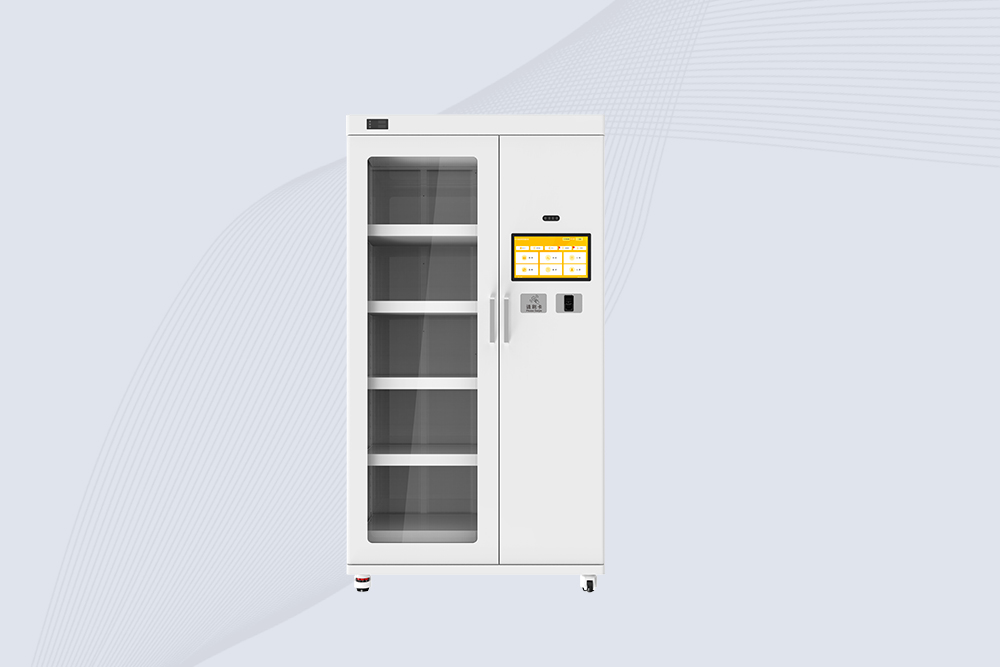
Cykeo’s RFID Smart Tool Cabinet enables 10-second tool audits, user access control & real-time alerts for construction/oil/gas. Features 21.5″ touchscreen, IP54 steel body & -30°C~60°C operation. Supports SAP/Oracle integration.
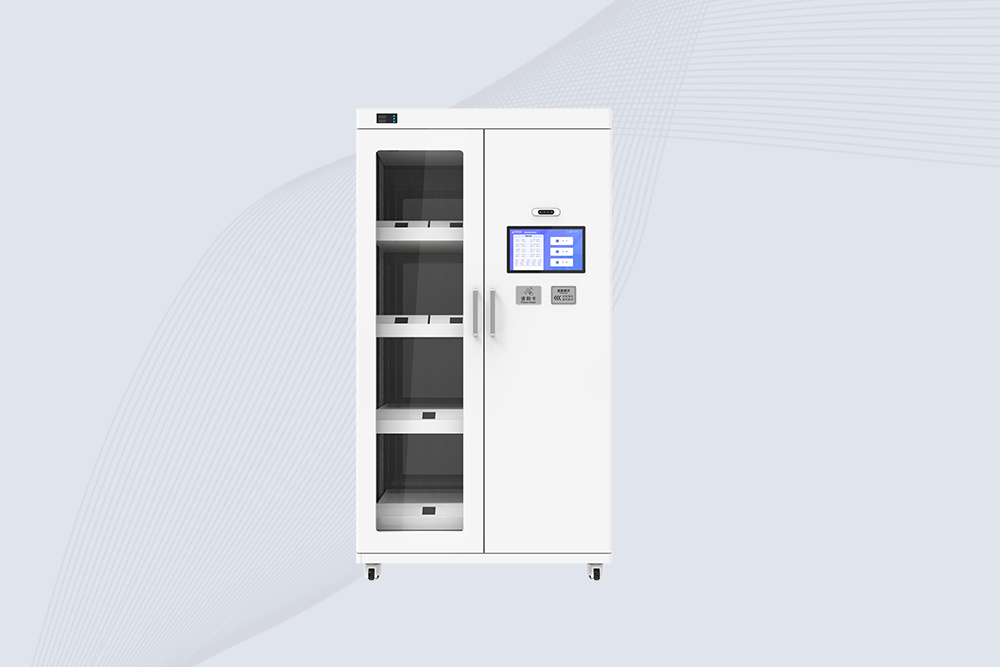
Cykeo’s Intelligent Weighing Tool Cabinet combines weight sensors & RFID for 100% tool accountability. Features solar/4G options, IP54 steel-glass body & nuclear/rail compliance. Supports SAP/Oracle integration.
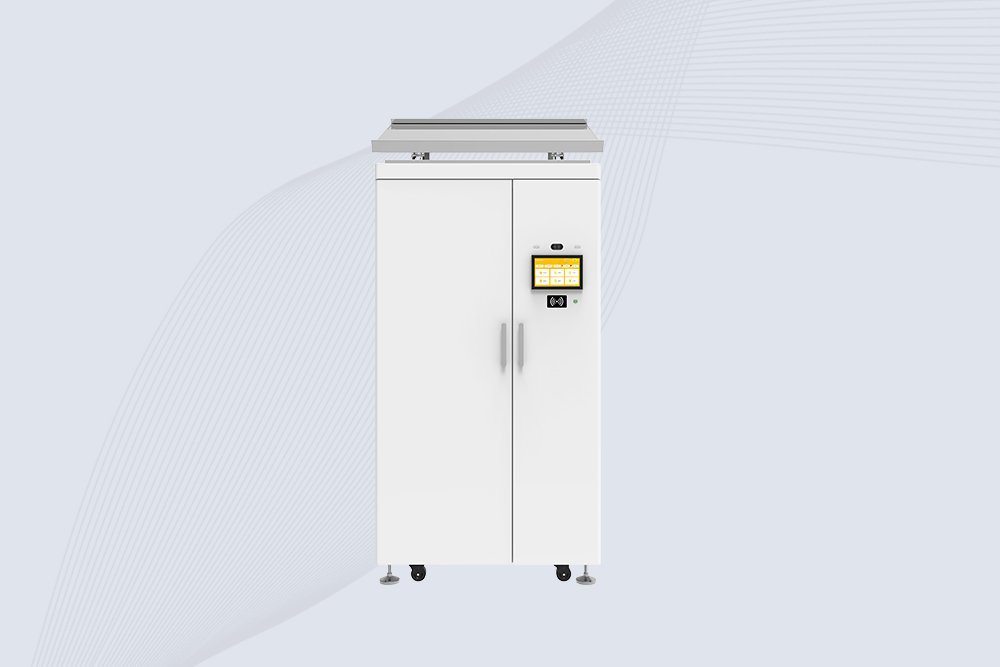
Cykeo’s solar-powered RFID Inventory Tool Cabinet enables 5-second audits for remote sites. Features 160W solar, Android 7.1, 4G & extreme temp operation for oil/energy/mining sectors.
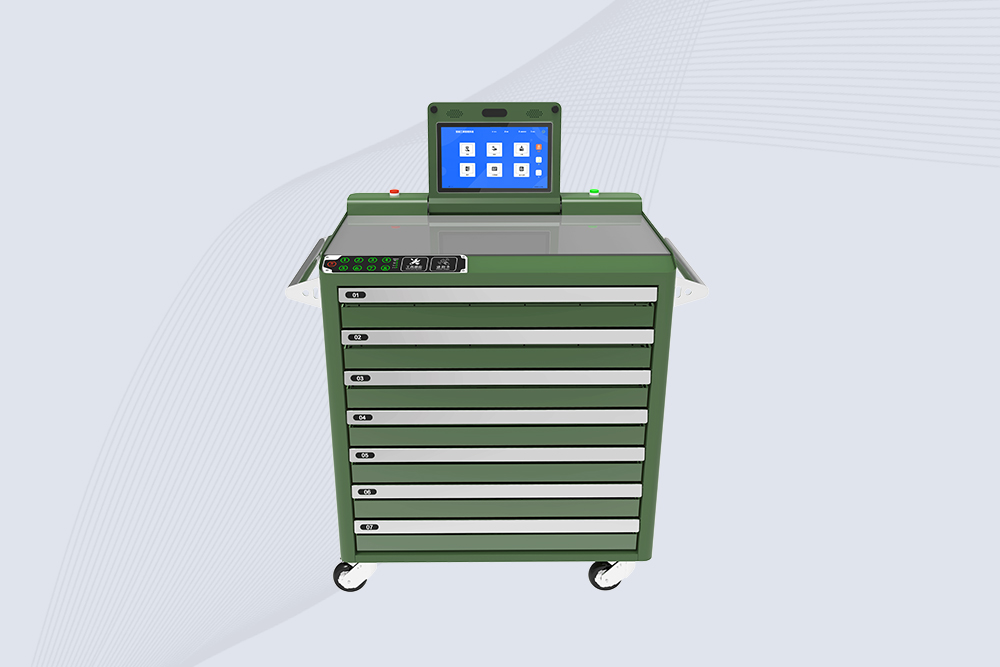
Cykeo’s industrial RFID Tool Cart features 14″ touchscreen, 400+ tool scanning, and carbon steel construction for aviation MRO, power plants and construction sites. 5-second inventory scans.

RFID frequency comparison of LF, HF, and UHF. Learn real differences in range, speed, use cases, and how CYKEO readers fit each scenario.
More
A simple breakdown of RFID hardware, including tags, readers, and antennas. Learn how each part works and how RFID systems improve tracking, automation, and visibility.
More
RFID (Radio Frequency Identification) tags, with their outstanding technical advantages, are transforming the laundry industry and becoming an ideal solution for boosting efficiency.
More
Discover how RFID readers enhance asset tracking efficiency in logistics. Reduce costs and errors with Cykeo’s advanced RFID solutions for supply chain management.
More