Why Healthcare Urgently Needs RFID-Based Equipment Management Systems
As the number and variety of medical devices grow, traditional methods like manual logging and barcode systems can no longer meet the high demands for accuracy, efficiency, and real-time visibility.
RFID (Radio Frequency Identification), a non-contact and automated identification technology, shows tremendous potential in healthcare—particularly in equipment tracking, consumables monitoring, and patient identification.
Five Key Applications of RFID in Healthcare Environments
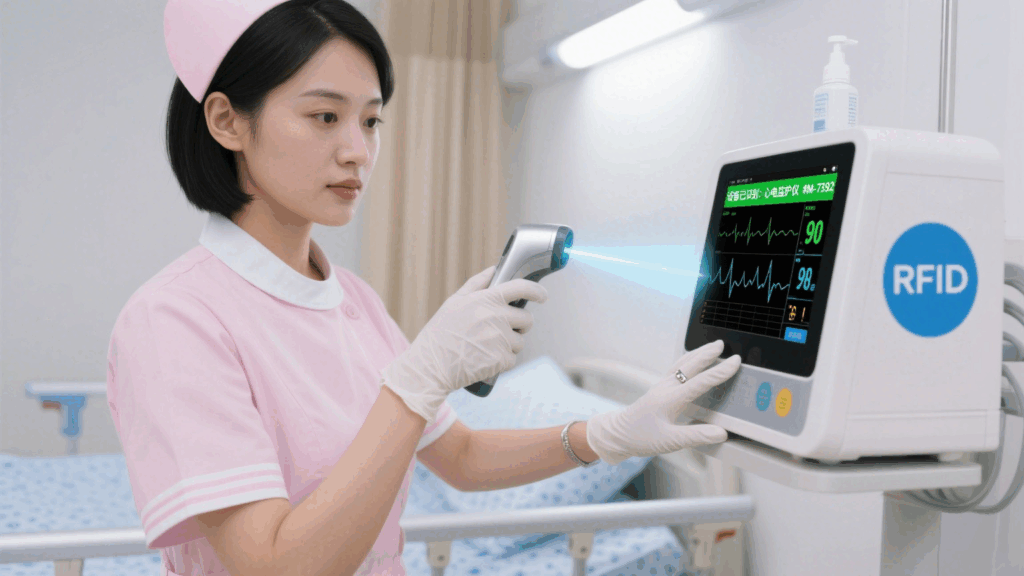
1. Medical Equipment Tracking and Scheduling Optimization By tagging high-value equipment such as hospital beds, monitors, and carts with RFID, hospitals can monitor real-time location and usage status, improving utilization and minimizing idle time.
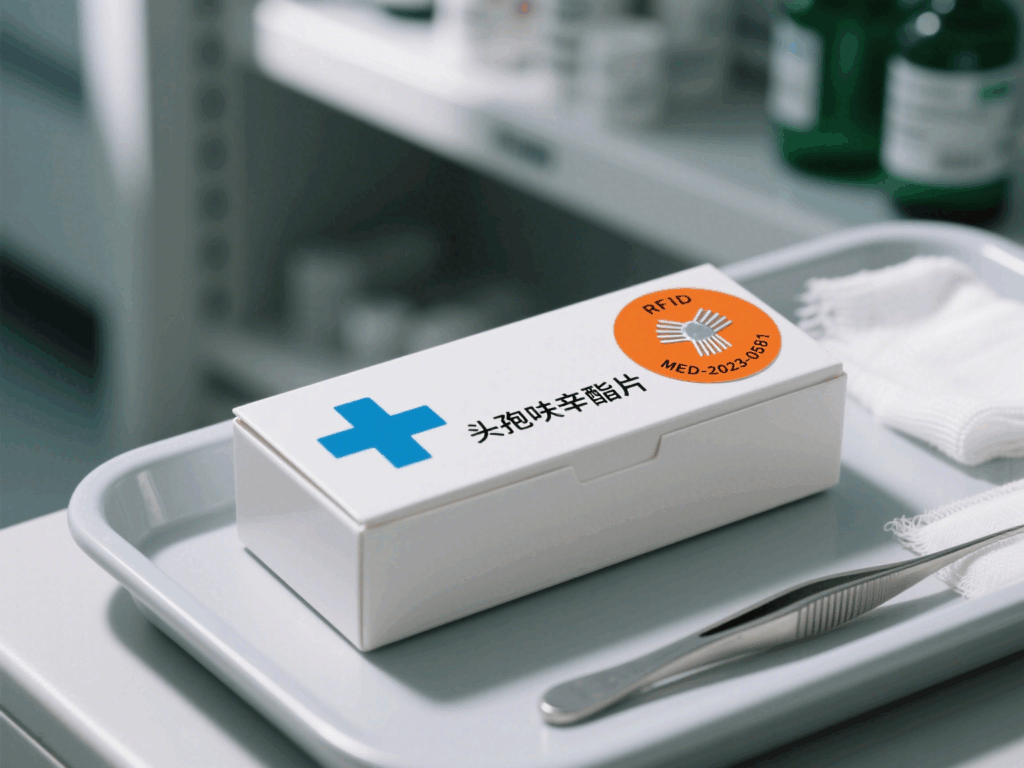
2. High-Value Consumables and Pharmaceutical Inventory Management RFID labels on expensive consumables and medications enable automated check-in/out and inventory counts, reducing errors, preventing expiry, and optimizing stock levels.
3. Patient Identification and Care Synchronization Patients wearing RFID wristbands can be identified instantly by nursing staff, allowing access to corresponding medication, diagnostic, and treatment data—enhancing care accuracy and safety.
4. Medical Device Lifecycle Management RFID systems log maintenance history, calibration schedules, and usage frequency of devices, enabling predictive maintenance and ensuring regulatory compliance.
5. Surgical Workflow and Instrument Tray Tracking Automatic identification and tracking of surgical kits before and after operations improve logistics, reduce delays, and enhance operating room safety.
Success Stories from Industry Leaders
A European hospital implemented HID RFID systems to track over 2,000 medical devices, reducing equipment search time by over 35% annually and significantly lowering redundant procurement costs.
By embedding RFID modules into portable ultrasound and ECG devices, hospitals achieved cross-department scheduling and full lifecycle management.
Looking ahead, RFID integrated with sensors will offer temperature, humidity, and other monitoring capabilities—driving the realization of smart hospitals.
Challenges of RFID Deployment in Healthcare and How to Overcome Them
Challenge
Description
Solution
Cost Investment
High upfront cost of hardware
Implement in phases, starting with high-value assets
Environmental Interference
Metal or liquid can disrupt signal
Use medical-grade tags and shielding technologies
System Integration
Difficulties integrating with existing HIS
Choose open-protocol systems with API compatibility
Data Privacy
Involves sensitive patient and device data
Strengthen encryption and role-based access control
Future Outlook: RFID + AI Building the Smart Healthcare Ecosystem
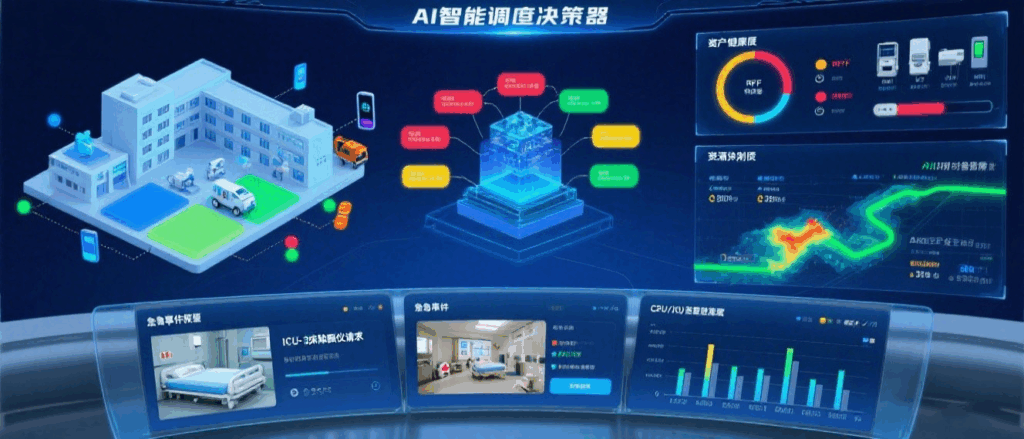
AI-Powered Maintenance and Operations Leverage RFID data for predictive maintenance, optimized scheduling, and intelligent care suggestions.
Flexible Embedded Tags with Micro Sensors Miniaturized tags embedded directly in devices can monitor temperature, humidity, vibration, and more.
From IoT to Intelligent Healthcare Networks RFID acts as the gateway to connect medical data systems, creating a closed-loop ecosystem for asset management and patient safety.
Conclusion
RFID is more than just an identification tool—it’s a cornerstone for the intelligent transformation of healthcare. From asset tracking and consumables management to patient safety, RFID injects data-driven intelligence into hospital operations. As the technology evolves, its value in the healthcare sector will continue to grow, becoming an indispensable component of modern smart hospitals.
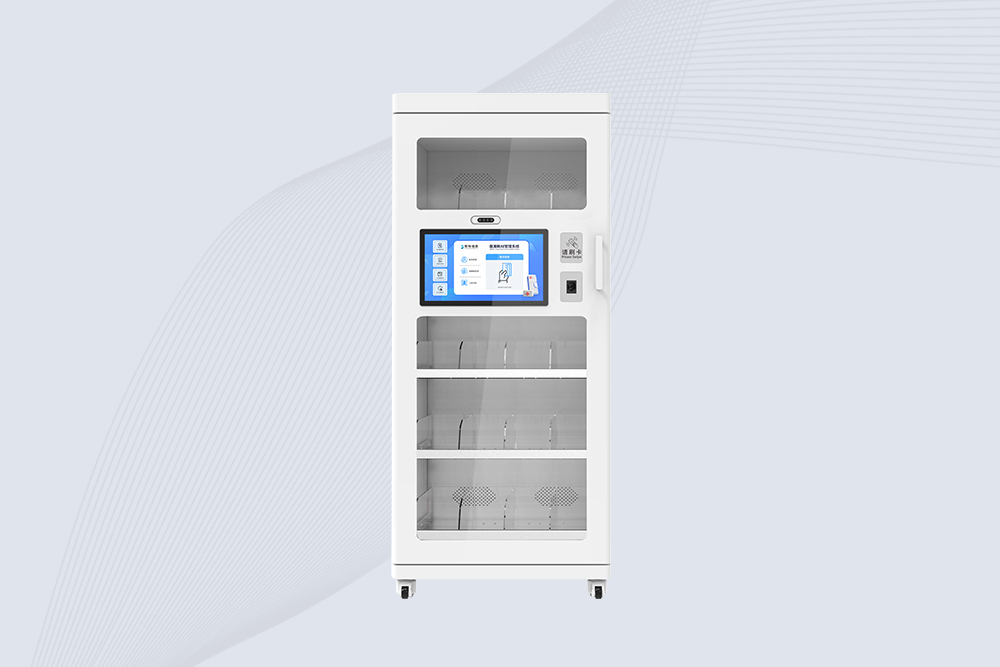
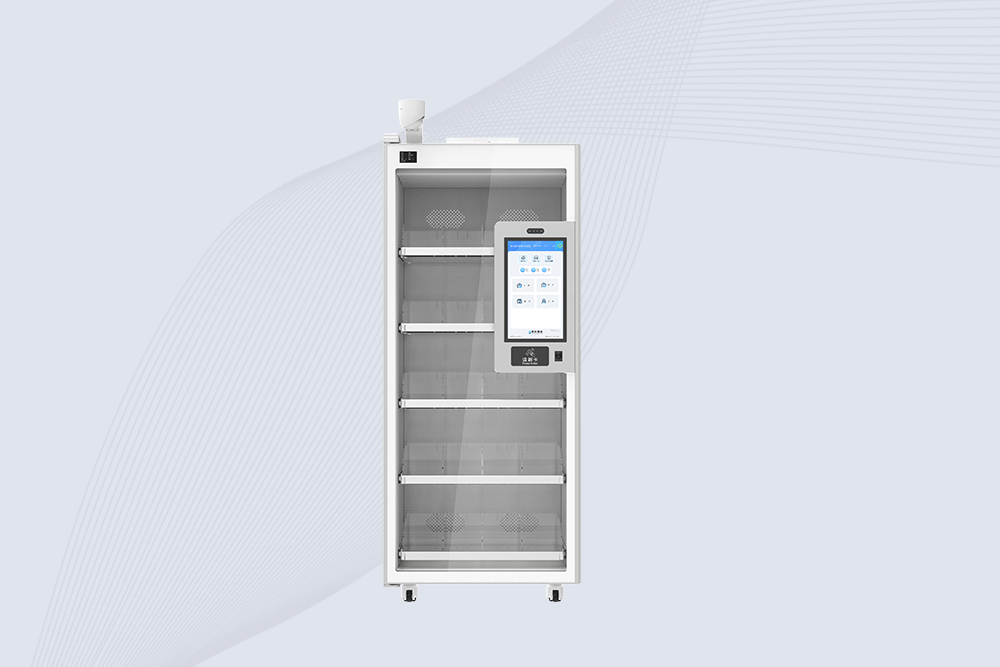
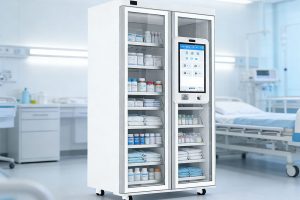
Cykeo’s smart medical cabinet RFID features 21.5″ touchscreen & 99.9% accuracy for OR instrument tracking. Modular shelves for 500+ items. HIPAA compliant. Request demo.
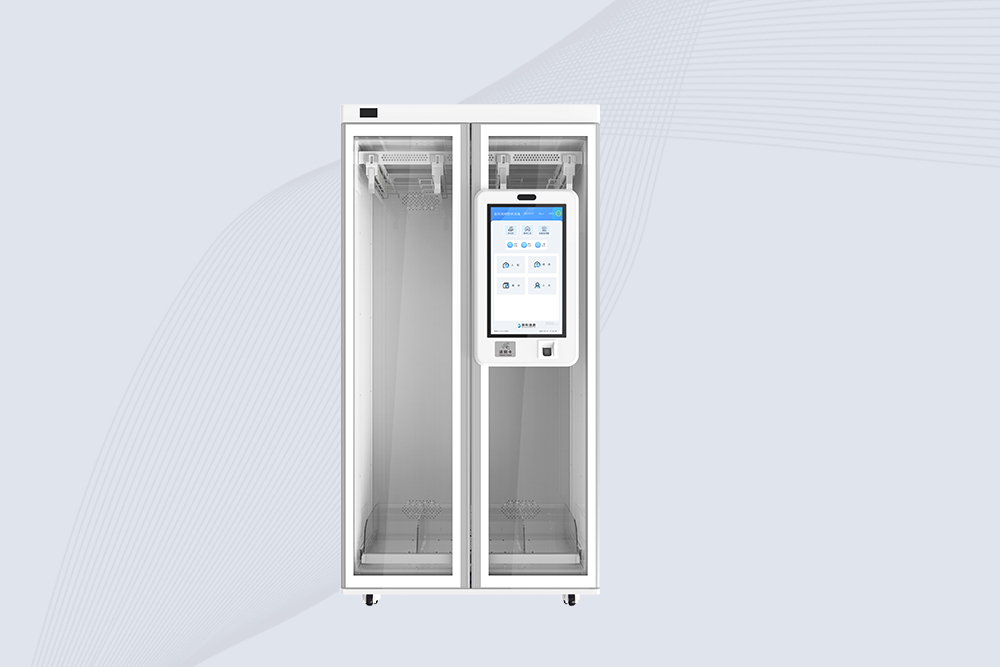
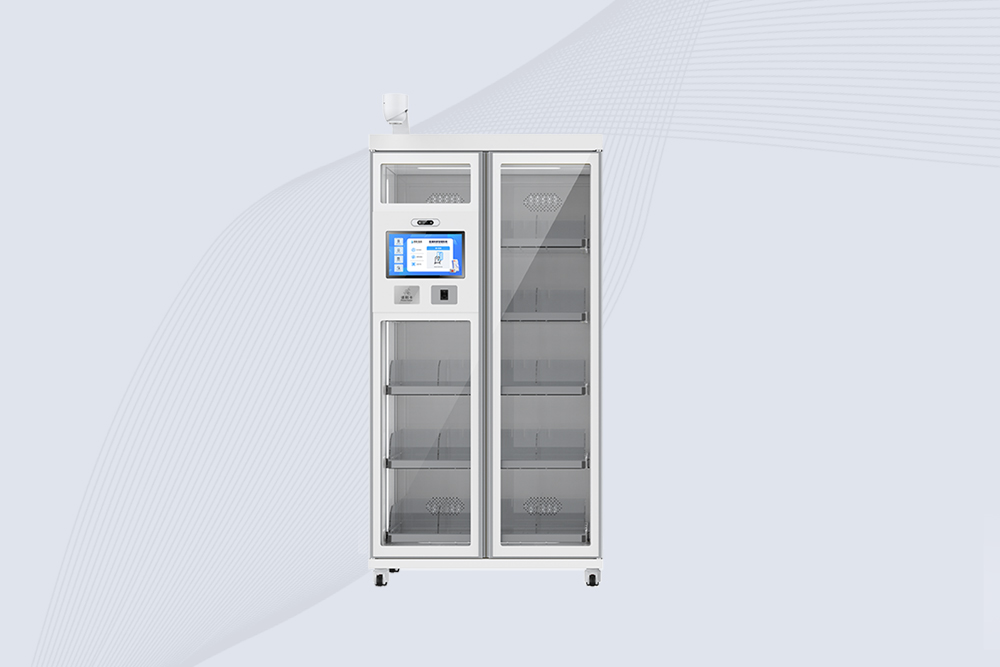
Cykeo’s UHF RFID hospital asset cabinet features dual-door security, antibacterial coating & 99.9% accuracy for OR implants. ISO 13485 compliant. Tracks 2000+ items.
Discover how RFID technology quietly transforms libraries—speeding up borrowing, simplifying inventory, and making books easier to find. Real-world insights, challenges, and reader experiences included.
Streamline hospital asset management with the CK-GY2A UHF RFID Cabinet. Developers can integrate RFID readers and antennas, customize the cabinet locally, and create flexible, efficient inventory solutions for medical facilities.
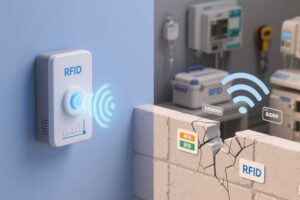
Can RFID readers work through walls? Discover the reality behind RFID signal penetration, material limitations, and how Cykeo’s readers maximize scanning range.
 Cykeo RFID IoT Solution Products R&D Manufacturer