Let’s be honest — anyone who has worked in hospital logistics or nursing has some level of trauma from dealing with linen.
Bed sheets, scrubs, nurse uniforms, bath towels, isolation gowns… They circulate nonstop through every department. On paper, the workflow is simple: Make the bed → Use → Collect → Wash & disinfect → Redistribute.
But reality?
It’s a never-ending chain where something always goes wrong.
Too many items, too many types — things get lost.
Counting is done by hand, records written on paper — and mistakes pop up during busy shifts.
Nurses spend time hunting for clean linen, logistics is always running around replenishing stock.
Nobody truly knows which items are washed, which aren’t, which should be retired.
Inventory is either “way too much” or “totally not enough.”
In other words: Traditional linen management is a system where “nothing went wrong” is considered lucky.
So when RFID finally started landing in hospital operations, the whole game changed — visibility, traceability, and efficiency all jumped to a new level.
CK-G2224: A Smart Linen Cabinet That Actually Works in Hospitals
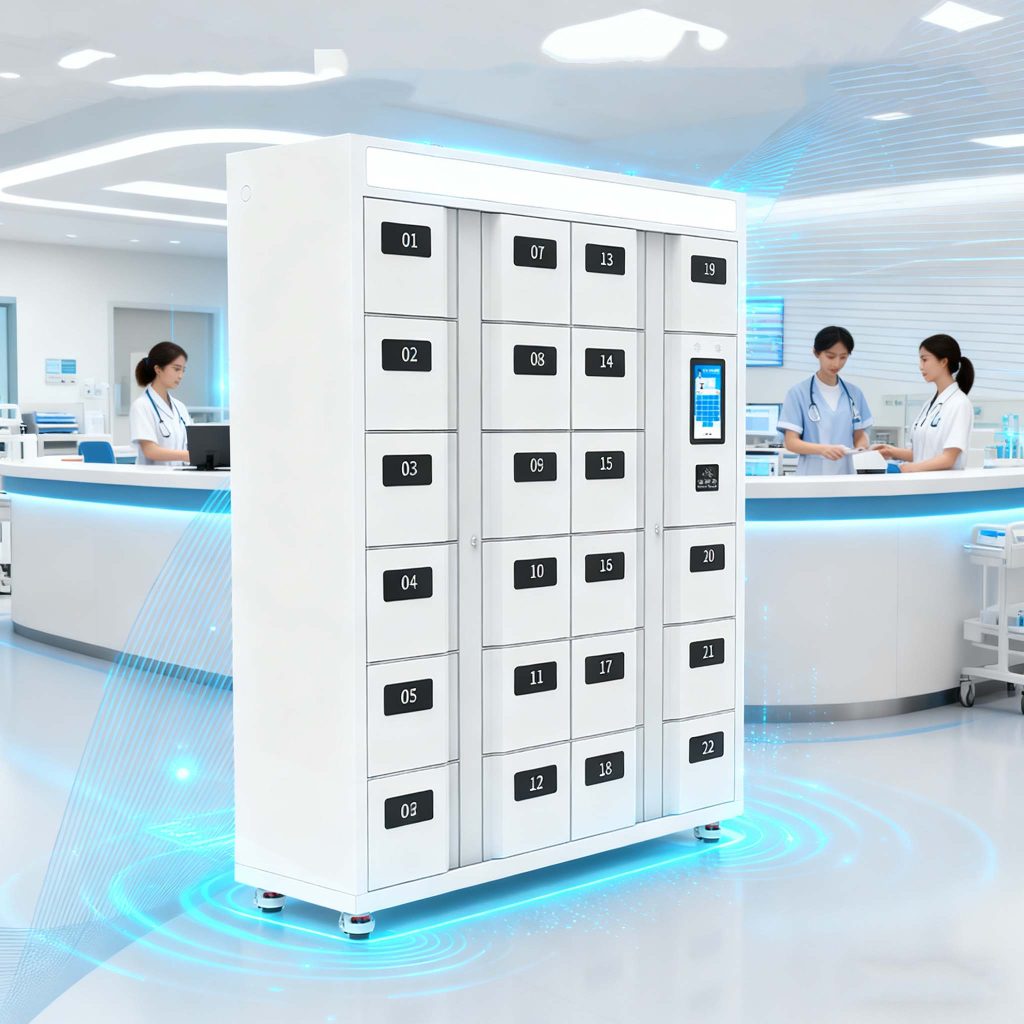
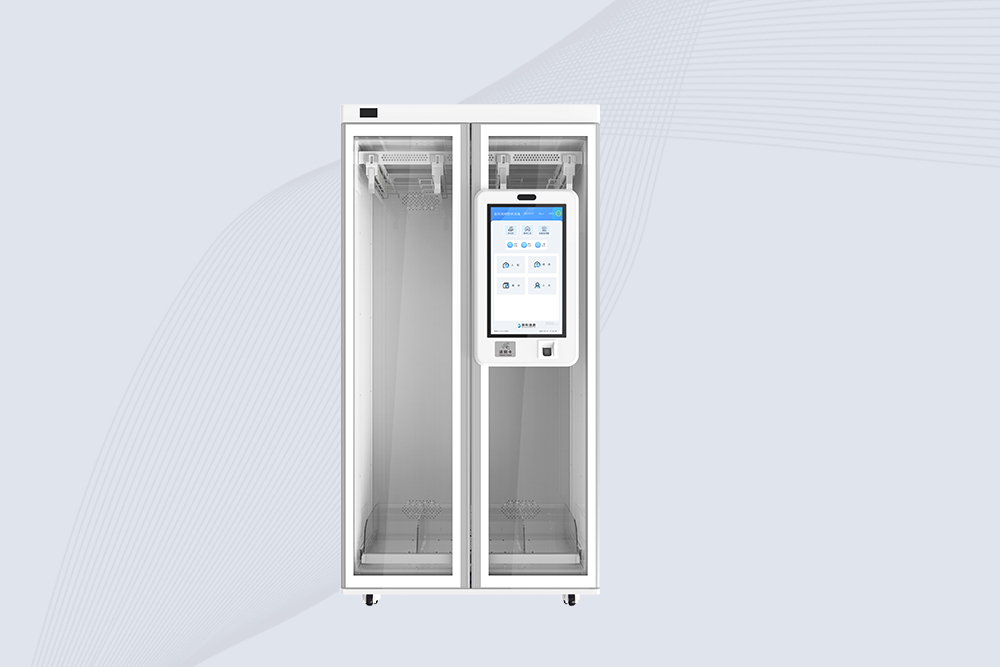
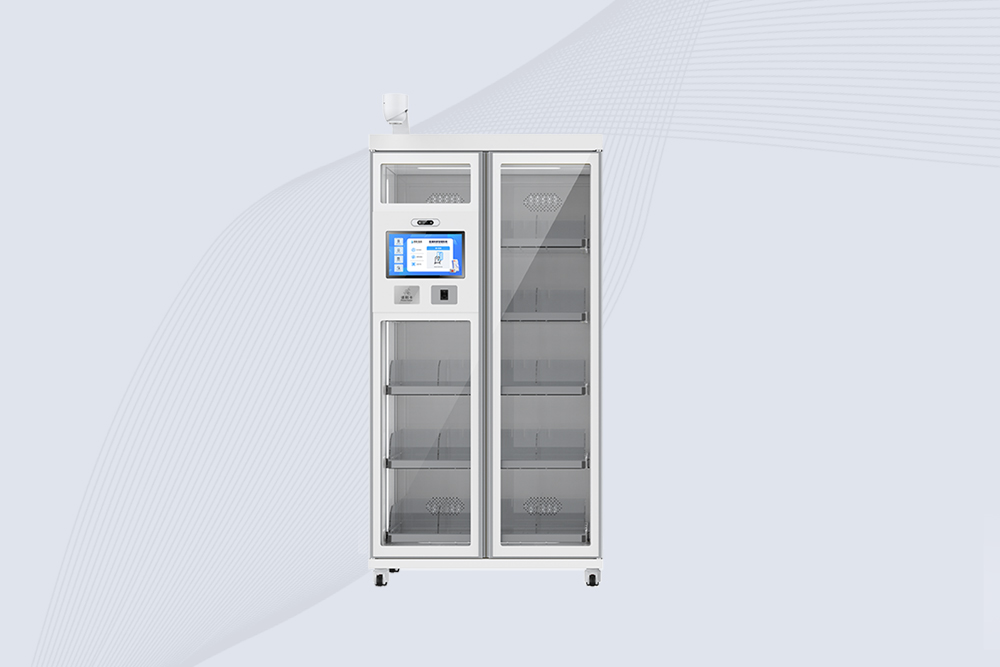
Cykeo’s CK-G2224 is basically a smarter, hospital-optimized “linen cabinet,” but it’s more than storage — it’s a complete automation workflow.
A few things stand out:
① Multi-compartment design for different linen sizes
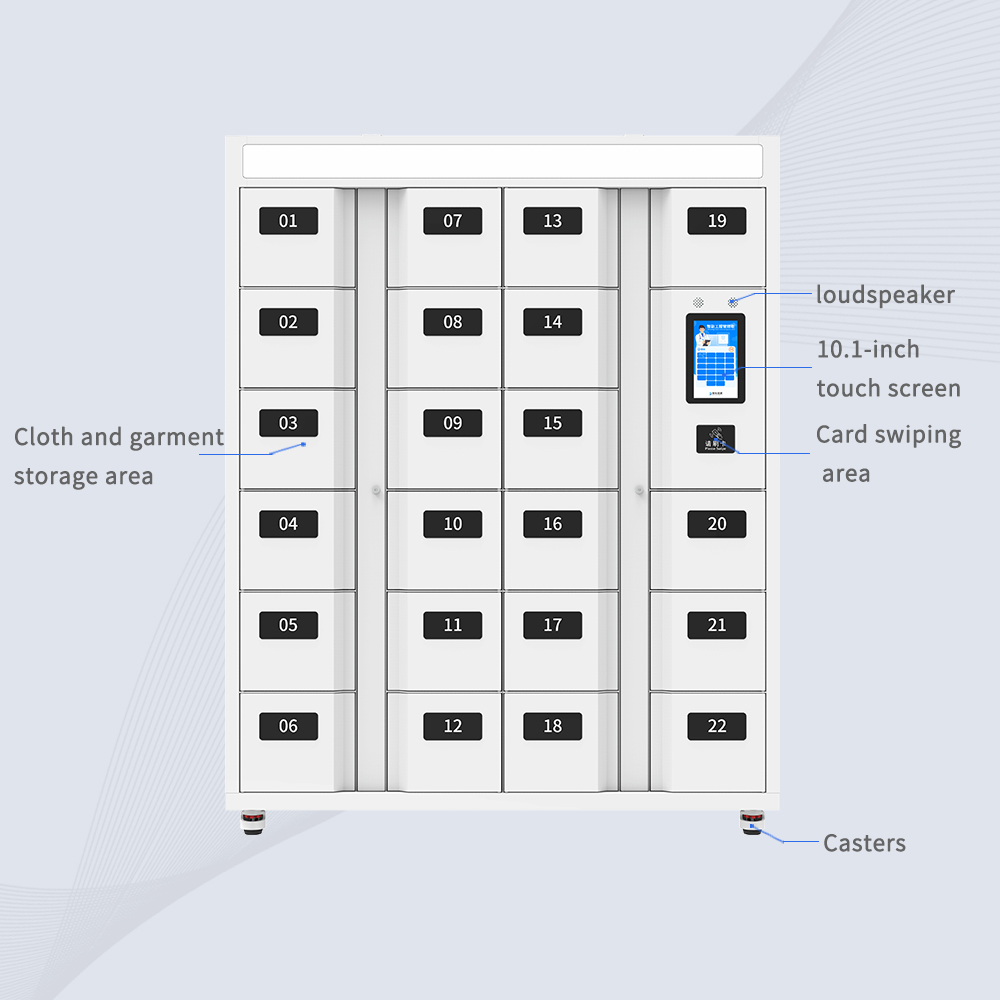
Main cabinet: 22 compartments
Optional sub-cabinets: 24 compartments, or mix of large + small slots
Scrubs, bedsheets, patient gowns — all different sizes. You don’t need to modify anything; Cykeo already built the configuration around real hospital use.
② Built-in UHF RFID: inventory done automatically every time the door opens
The moment you open or close the door, the RFID module scans everything inside.
Official claim: 200+ items/second. Put in a whole stack? Scanned instantly. No manual item-by-item process.
For hospitals, this means:
Nurses don’t need to count linen
Logistics doesn’t need handwritten logs
Every in/out action is auto-recorded
③ Controlled access: only authorized staff can retrieve linen
The cabinet includes:
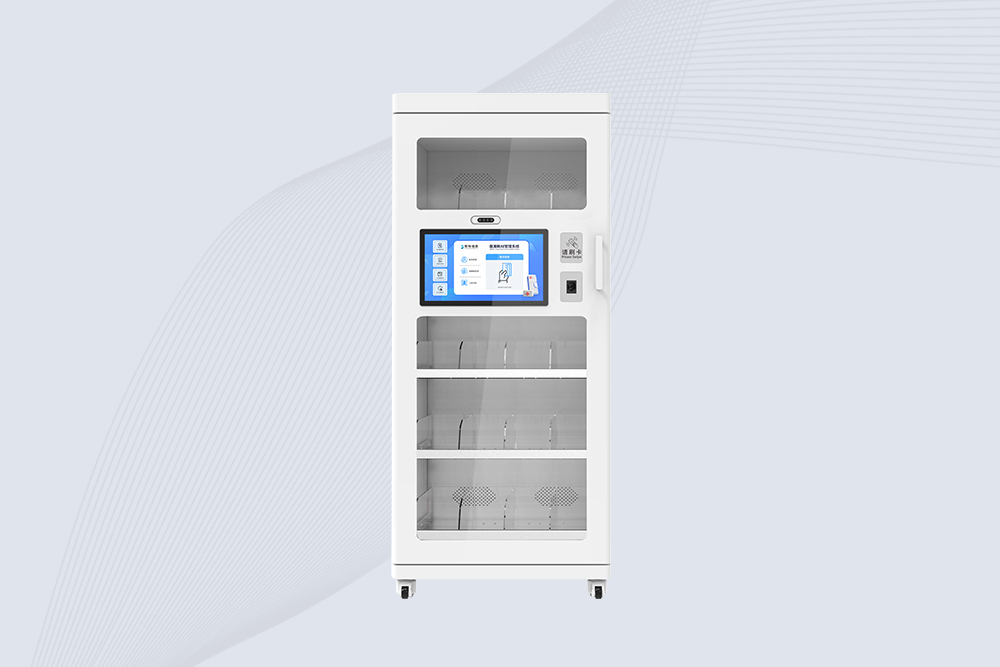
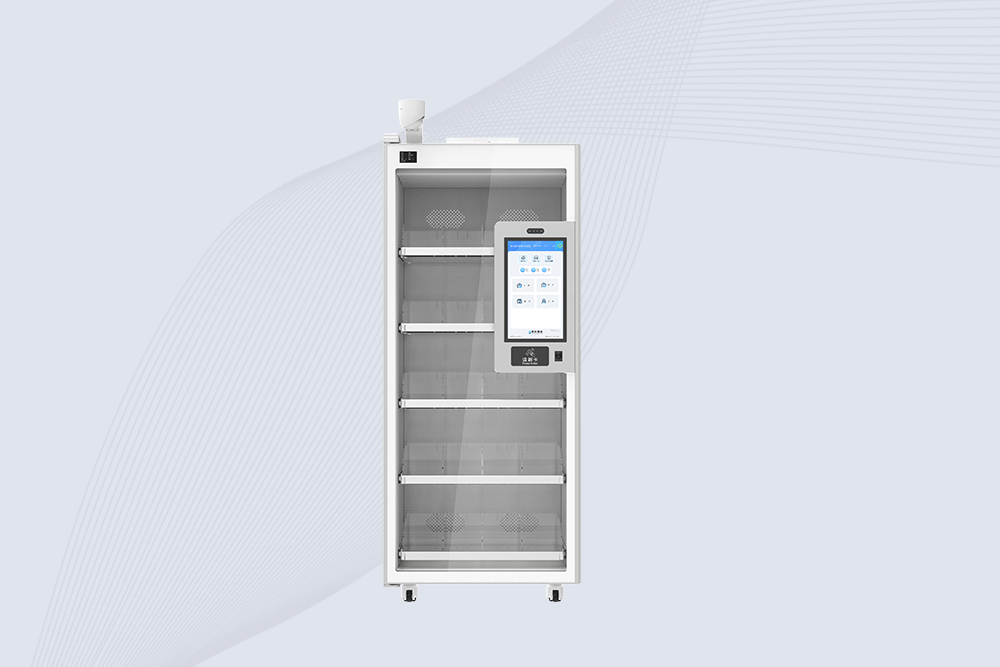
10.1” touchscreen
RF card reader
Fingerprint (optional)
Camera monitoring (optional)
Who took what, when, how much, and for what use — everything becomes traceable.
④ Expandable, networkable, and integratable
One cabinet can support one department. Need more? Add sub-cabinets, all connected.
Most importantly:
It can connect to ERP, SAP, Oracle, HIS, whatever the hospital uses.
Hospitals hate isolated systems. Cykeo built this to plug into the existing digital backbone.
Why hospitals are perfect for RFID + CK-G2224
1) Nurses and logistics no longer waste time counting linen
Hospitals that deployed this saw immediate changes:
Nurses stopped waiting on laundry returns
Logistics no longer manually register items
Faster linen turnover
Fewer patient complaints about “no clean sheets available”
RFID → automatic scanning Smart cabinet → automatic recording System → automatic stats
People step out of the micromanagement chain — efficiency shoots up.
2) Every piece of linen gets a “digital file”
Hospital linen isn’t simple; it involves:
Infection control
Disinfection protocols
Regulations
Audits
RFID enables tracking of:
How many wash cycles
Which department it was used in
Whether it’s within its hygiene lifecycle
Whether it’s been stuck in one place too long
When it should be retired
This data is gold for infection control and compliance.
3) Linen stops “mysteriously disappearing” — costs finally get under control
Traditional linen loss rates in hospitals are 15–40%. RFID-based operations often reduce this to below 3%.
Normal RFID tags won’t survive. You need textile-grade tags (sewn-in / laminated / heat-sealed).
3) If the workflow doesn’t change, the equipment becomes useless
You must update:
Access permissions
Stock-in / stock-out processes
Recovery workflow
Laundry workflow
Training
System connections
Audit rules
Otherwise even the smartest cabinet becomes decoration.
4) Treat RFID as an infection-control tool
Many linen “problems” in hospitals are actually hygiene problems. With RFID, every piece becomes traceable in its hygiene cycle — huge value for medical compliance.
Conclusion: Hospital linen management is moving from “experience-based” to “data-driven”
Linen seems small and trivial, but it’s one of the most frequent and problematic parts of hospital operations.
Systems like the Cykeo CK-G2224 bring real upgrades:
Automation
Traceability
Auditable processes
Smarter management
Lower labor load
Lower loss
Lower cost
Higher efficiency
Stronger infection-control capability
For hospitals with heavy linen turnover and strict hygiene needs, this isn’t just an equipment upgrade — it’s a management evolution.
Cykeo’s smart medical cabinet RFID features 21.5″ touchscreen & 99.9% accuracy for OR instrument tracking. Modular shelves for 500+ items. HIPAA compliant. Request demo.
Cykeo’s UHF RFID hospital asset cabinet features dual-door security, antibacterial coating & 99.9% accuracy for OR implants. ISO 13485 compliant. Tracks 2000+ items.
Discover affordable USB RFID readers under $100 perfect for small businesses. Compare features like read range, durability, and compatibility with inventory software.
RFID readers vs barcode scanners: Discover which technology delivers faster scans, fewer errors, and higher efficiency for your workflow. Expert analysis inside.
This article delves deep into the core technology and practical applications of RFID Book Tags, sharing hands-on industry insights. It analyzes the pros and cons, cost considerations, and operational details in libraries and retail settings. Learn...
 Cykeo RFID IoT Solution Products R&D Manufacturer