As digital transformation accelerates, the integration of RFID (Radio Frequency Identification) and IoT (Internet of Things) has become key driver of intelligent upgrades across industries. For international clients focused on cutting-edge technologies, understanding “RFID IoT” not only aligns with current trends but also opens new business opportunities. This article offers comprehensive overview of how RFID and IoT work together, their benefits, applications, and practical implementation tips.
The Meaning and Architecture of RFID + IoT Integration
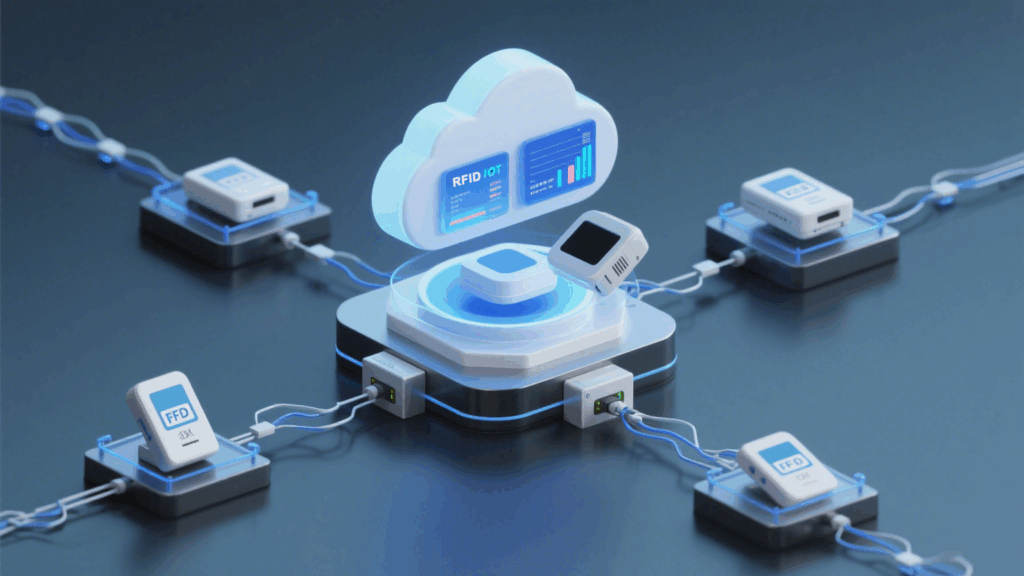
RFID enables contactless information identification and transmission using radio waves. IoT connects physical objects, enabling real-time data collection, transmission, and analysis. When combined, RFID serves as vital sensing layer within IoT systems, providing fast and accurate item identification.
A complete RFID IoT system typically includes RFID tags, readers, network transmission layer, and cloud platform. RFID tags store unique IDs and are attached to objects. Readers read and write data to these tags. The network layer (Wi-Fi, 4G/5G, etc.) transfers the data to the cloud platform, where it is processed and visualized for user management.
How RFID IoT Works
When RFID-tagged item enters the reader’s range, the reader sends out radio waves to activate the tag. The tag responds by transmitting its stored data. The reader collects this data and transmits it via Wi-Fi, 4G, or 5G to a cloud platform. The cloud processes and analyzes the information using big data and AI algorithms—tracking item location, detecting changes in status, and sending insights back to user terminals for remote monitoring and intelligent management.
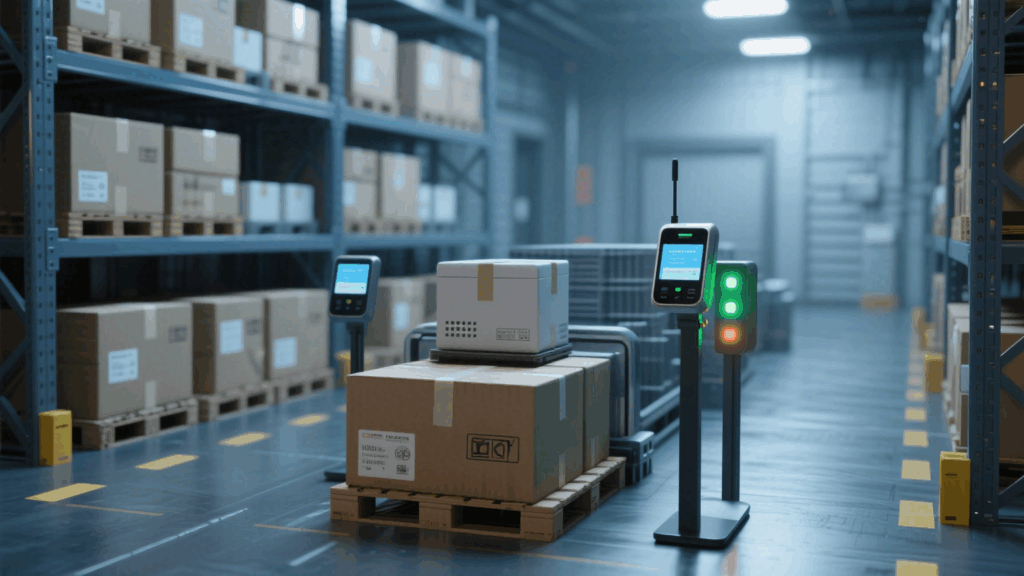
Example: In smart warehousing, RFID tags on goods are scanned by readers, and real-time stock updates are uploaded to the cloud. Managers can monitor inventory via phone or computer.
Key Advantages of RFID IoT Integration
Efficient Data Collection: RFID allows contactless and batch scanning, significantly boosting data collection efficiency and reducing manual work.
Accurate, Real-Time Monitoring: Tracks item status and location across their lifecycle, enabling more precise management.
Smarter Decision Making: Cloud platforms analyze massive datasets to support predictive maintenance and inventory optimization.
Broad Compatibility: Easily integrates with existing ERP, CRM, and other enterprise systems, lowering digital transformation costs.
Diverse Application Scenarios
Smart Logistics Attach RFID tags to goods and combine with GPS to enable full-route tracking. In warehouses, RFID IoT automates inventory checks and sorting, boosting efficiency and reducing errors.
Smart Retail RFID-tagged products work with in-store IoT systems to support self-checkout and real-time inventory monitoring. Data analytics helps optimize product placement and marketing strategies.
Industrial Manufacturing RFID IoT tracks raw materials, components, and finished goods on the production line, bringing transparency to manufacturing processes and supporting smart factory upgrades.
Healthcare Patients wear RFID wristbands, allowing IoT systems to monitor vital signs and medication schedules in real time. Medical devices can also be tracked and maintained efficiently.
Implementation & Purchasing Recommendations
Implementation Steps
Needs Assessment: Define business goals and identify the system’s target applications and features.
System Design: Select appropriate RFID hardware, network solutions, and cloud services based on the application.
Deployment: Install RFID tags and readers, and establish network connections.
Testing & Optimization: Fine-tune system stability and performance in data collection and transmission.
Operation & Training: Train staff to use the system effectively and gather feedback for continuous improvement.
Key Purchasing Tips
Reliable Performance: Choose RFID equipment with long-range, fast recognition and strong anti-interference capability.
Good Compatibility: Ensure smooth integration with your current IT infrastructure.
Data Security: Make sure the system complies with global data protection standards such as GDPR or ISO 27001.
Strong Support: Work with vendors who provide installation, training, and responsive technical service.
The integration of RFID and IoT is reshaping operations across industries. Embracing this technology trend gives businesses a strategic edge—whether enhancing internal capabilities or delivering advanced solutions to customers. For RFID IoT projects or technical inquiries, feel free to contact us.
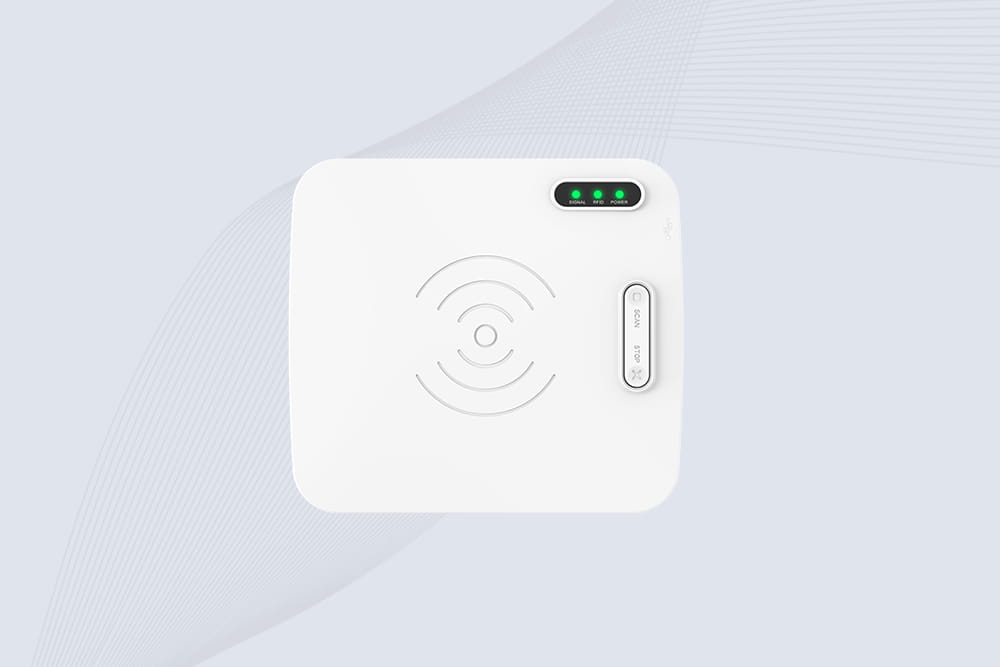
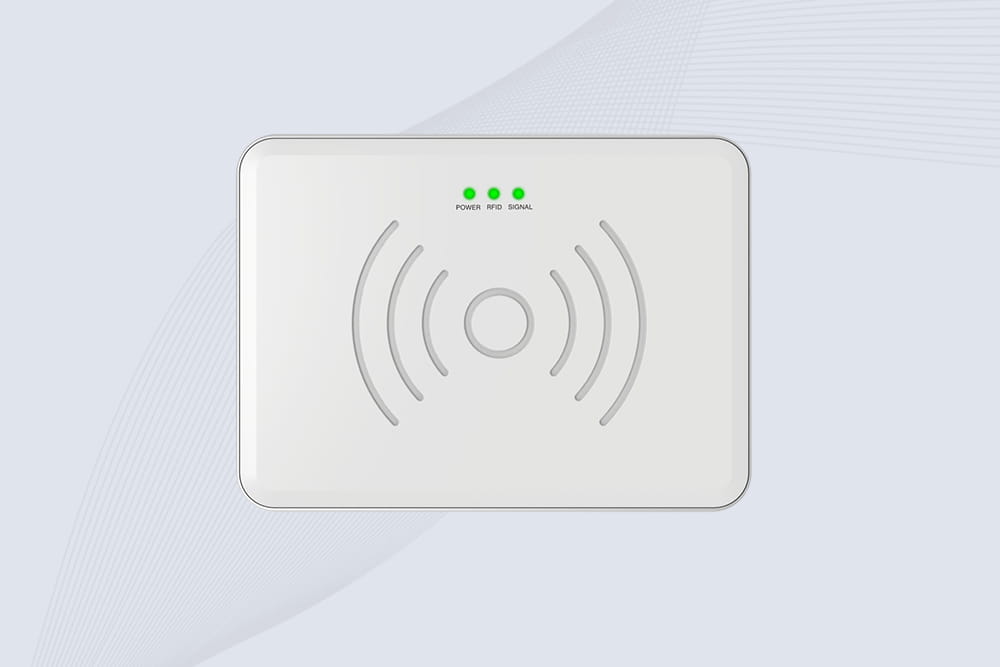
CYKEO CYKEO-D1LA USB RFID Reader is a compact desktop solution with near-field control for precise tag reading and encoding. Powered by USB, supporting ISO 18000-6C, and built for stable batch writing, this usb rfid tag reader fits retail, libraries, offices, and controlled RFID encoding tasks.
CYKEO CYKEO-D1L RFID scanner USB is a compact desktop UHF RFID scanner designed for short-range tag writing and verification. This usb rfid scanner supports batch encoding, stable 0–26 dBm output, and works across Windows, Linux, and Android systems.
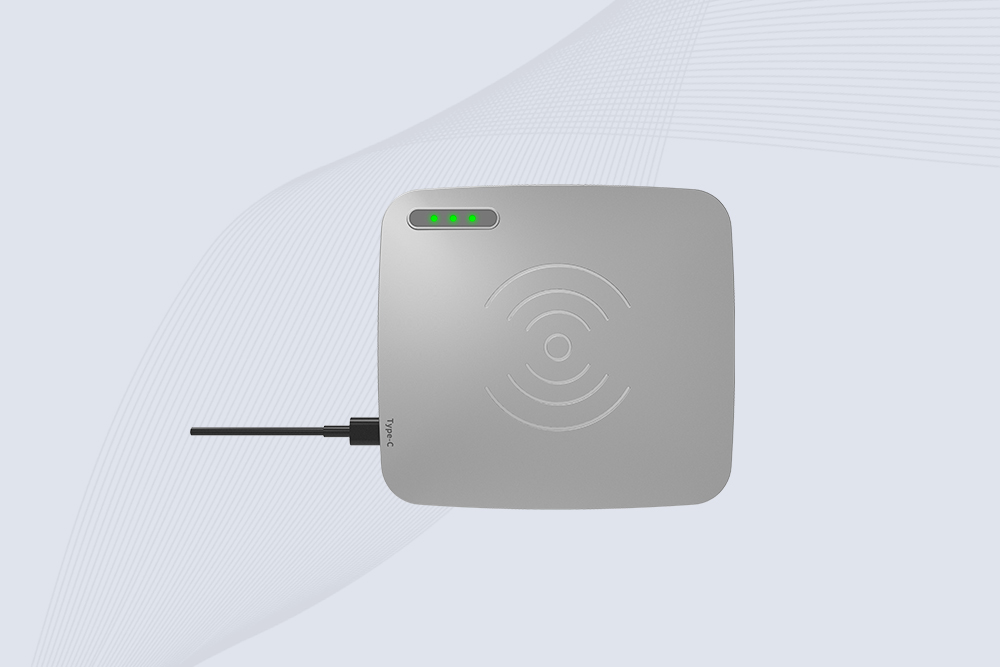
CYKEO CYKEO-D1C USB RFID Card Reader is a near-field UHF desktop writer designed for secure, short-range tag encoding. With USB-C connectivity and stable 26 dBm output, this rfid reader usb c is ideal for badge issuance, label encoding, and controlled desktop RFID workflows.
CYKEO CYKEO-D2L RFID Reader USB is a compact desktop encoder built on the Impinj R500 chip. With near-field control and stable USB power, this usb rfid card reader delivers precise tag writing for offices, retail counters, and small-scale logistics encoding tasks.
A simple breakdown of RFID hardware, including tags, readers, and antennas. Learn how each part works and how RFID systems improve tracking, automation, and visibility.
Learn how to implement RFID for healthcare equipment tracking compliance with HIPAA, FDA, and ISO standards. Discover Cykeo’s solutions for audit-ready medical asset management.
Trying to use a Flipper Zero for RFID tasks? This no-nonsense guide explains its real-world capabilities, its hard limits, and when you truly need an industrial system.
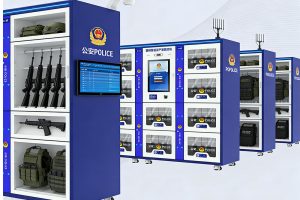
The CK-GPC10 RFID Police Equipment Cabinet uses military-grade UHF RFID to track firearms, ballistic vests, and tactical gear in high-security environments. Designed for patrol armories, SWAT equipment rooms, evidence storage, and border control f...
 Cykeo RFID IoT Solution Products R&D Manufacturer