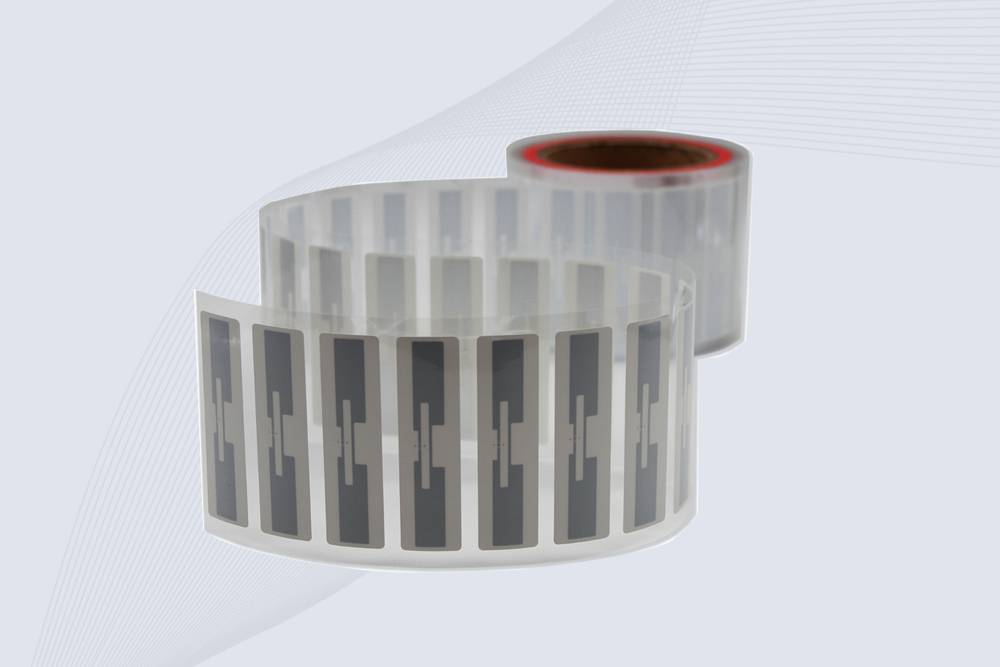
You’re eyeing passive RFID for inventory tracking, but one question nags: “How far will these tags actually read?” The truth? Passive RFID tag range varies wildly – from 2 inches to 50 feet – based on three key factors. Forget hype; here’s what works in the real world.
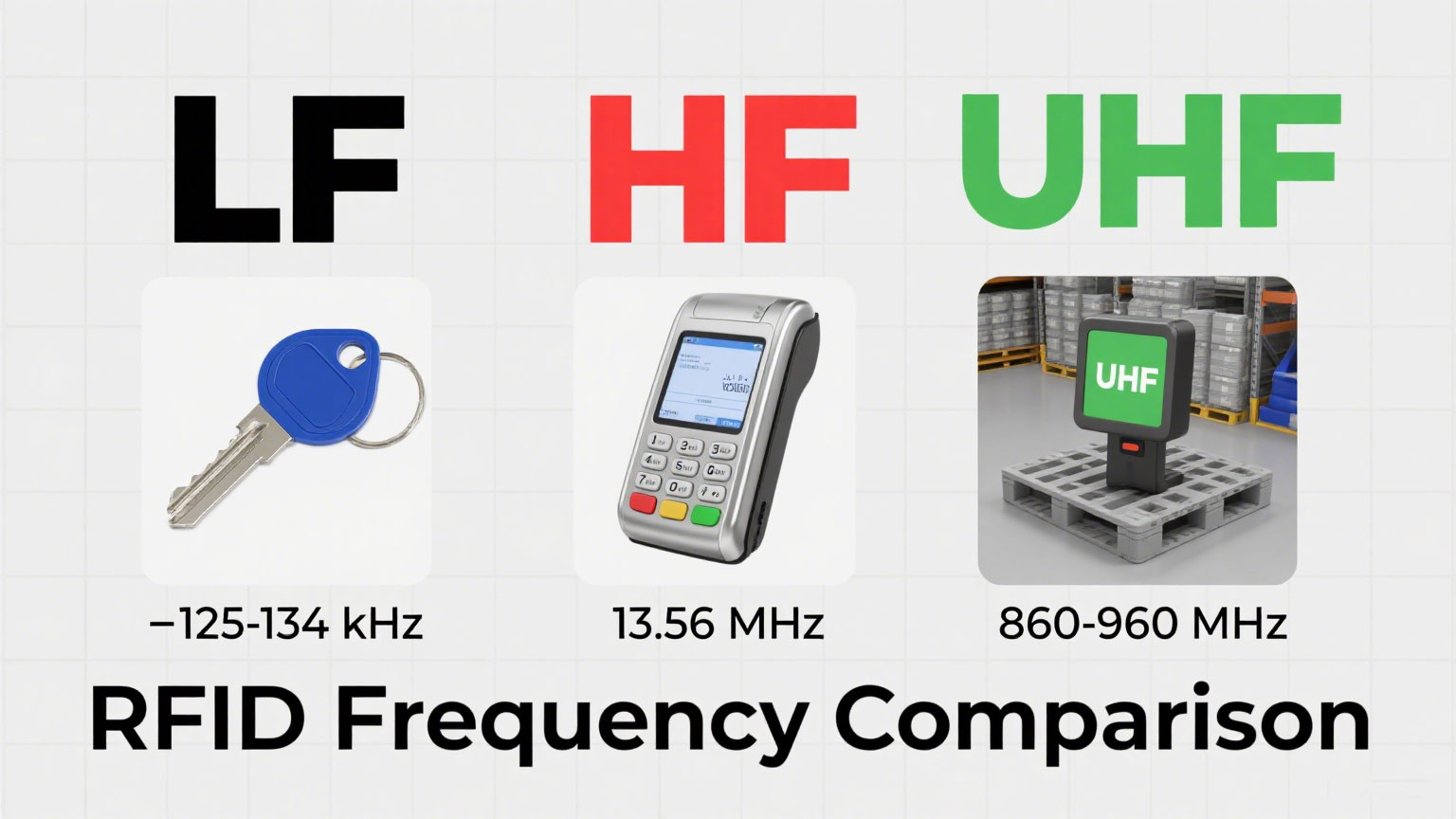
Frequency = Range Foundation
(Why your tag’s “DNA” matters)
Band
Range
Best For
Limitations
LF (125 kHz)
1-5 inches
Animal tags, access fobs
Shortest range
HF/NFC (13.56 MHz)
Up to 1 foot
Payments, library books
Metal/liquid interference
UHF (900 MHz)
3-30 feet
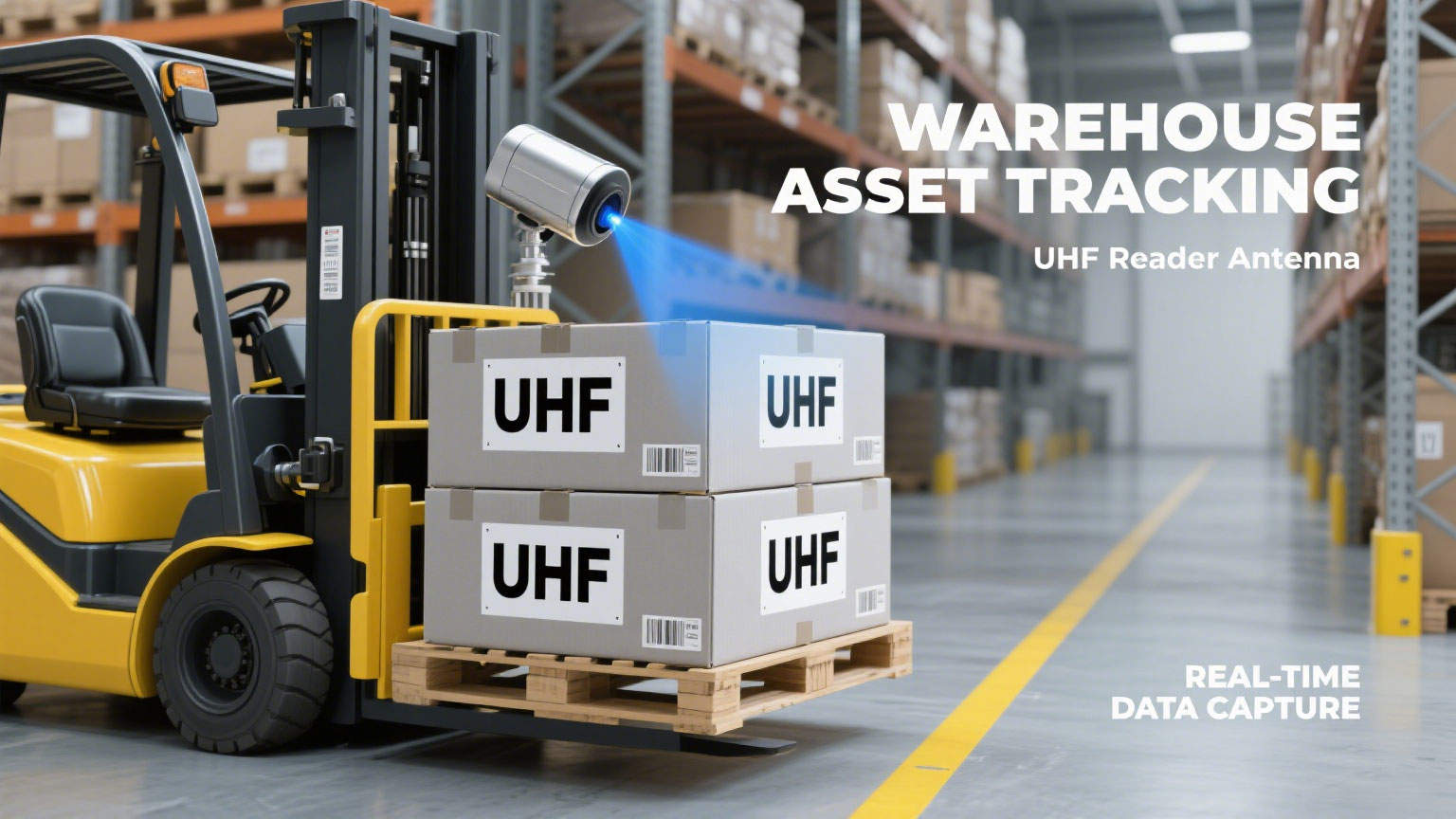
Warehouses, retail, tolls
Blocked by metal/liquid
🔎 Reality check: That “30-foot range” for UHF? Achievable only with large tags in open air. A compact UHF label on a metal toolbox? Maybe 3 feet.
What Kills Your Range (and Fixes)
(Environmental enemies & solutions)
Metal Surfaces:
Problem: Reflects UHF signals → 90% range loss
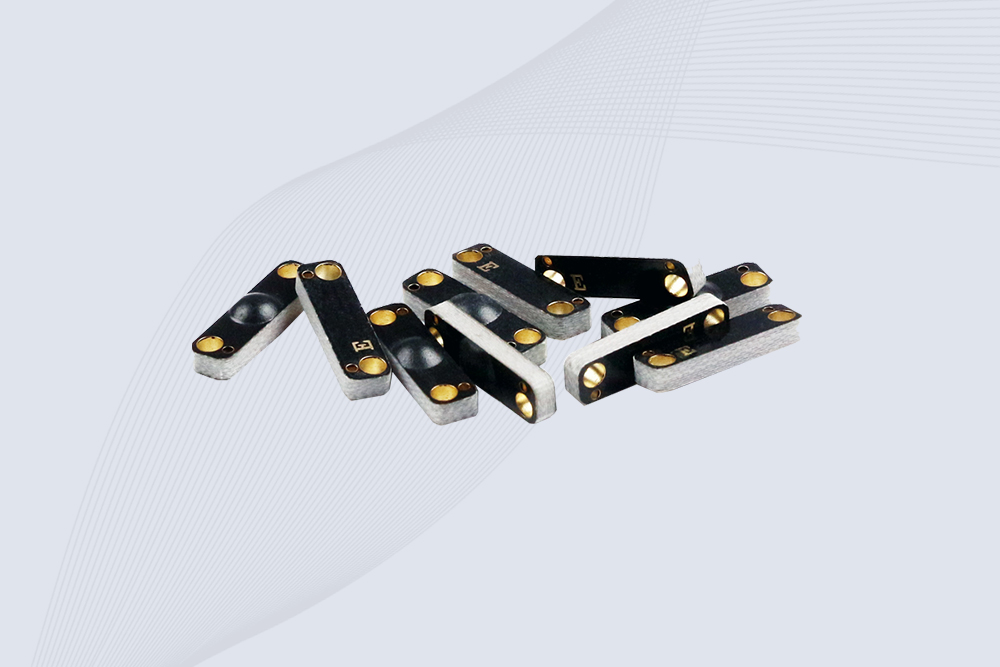
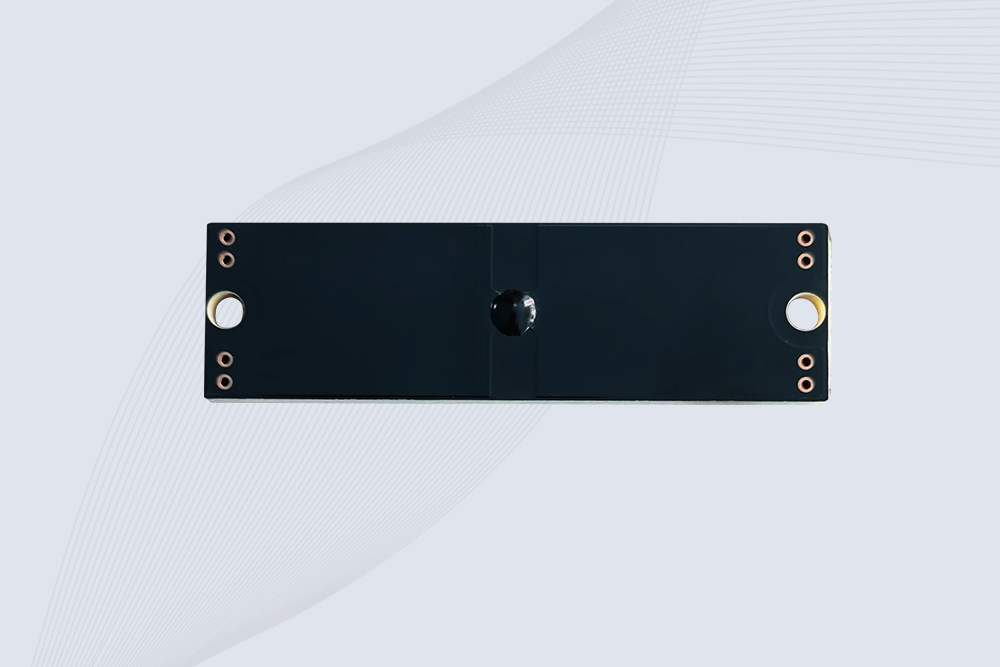
Fix: Use metal-mount tags (e.g., Cykeo’s MT-45 with foam spacer)
Liquids:
Problem: Water absorbs RF waves → UHF range drops
Fix: Switch to HF tags near liquids (e.g., medical vials)
Ever tried to write an RFID card and hit a wall? Here’s a hands-on guide that mixes real-world experience with step-by-step tips for programming LF, HF, and UHF RFID tags.
A practical look at handheld RFID readers for developers and system integrators, covering integration advantages, internal development use cases, and real-world RFID projects beyond inventory counting.
Discover the key differences between HF and UHF RFID, their real-world applications in warehousing and logistics, and why UHF devices like the CK‑D8C are ideal for fast, accurate inventory management.
 Cykeo RFID IoT Solution Products R&D Manufacturer