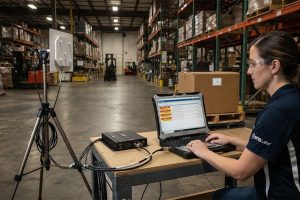
Walk through a modern factory, hospital, warehouse, or smart tool room, and there’s a good chance RFID is running quietly in the background.
What many people don’t realize is that these systems often aren’t built around standard RFID readers. In a lot of cases, manufacturers use OEM RFID reader modules and integrate them directly into their own equipment.
That’s how you end up with RFID inside smart cabinets, industrial machines, handheld terminals, and automated storage systems without seeing a standalone reader anywhere.
For companies building their own hardware, RFID modules offer far more flexibility than finished readers.
What Is an OEM RFID Reader Module?
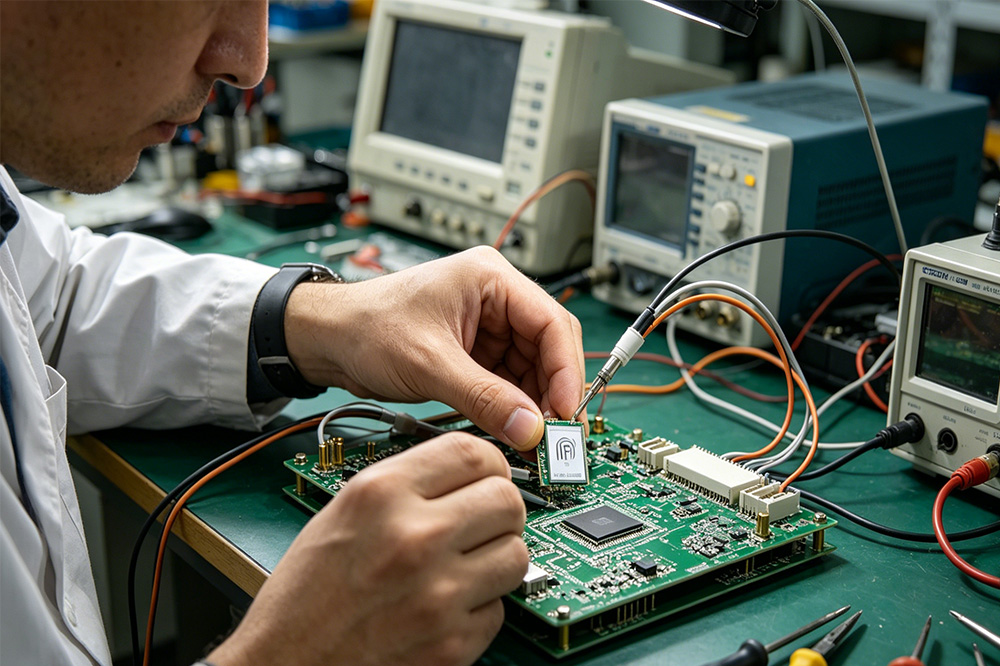
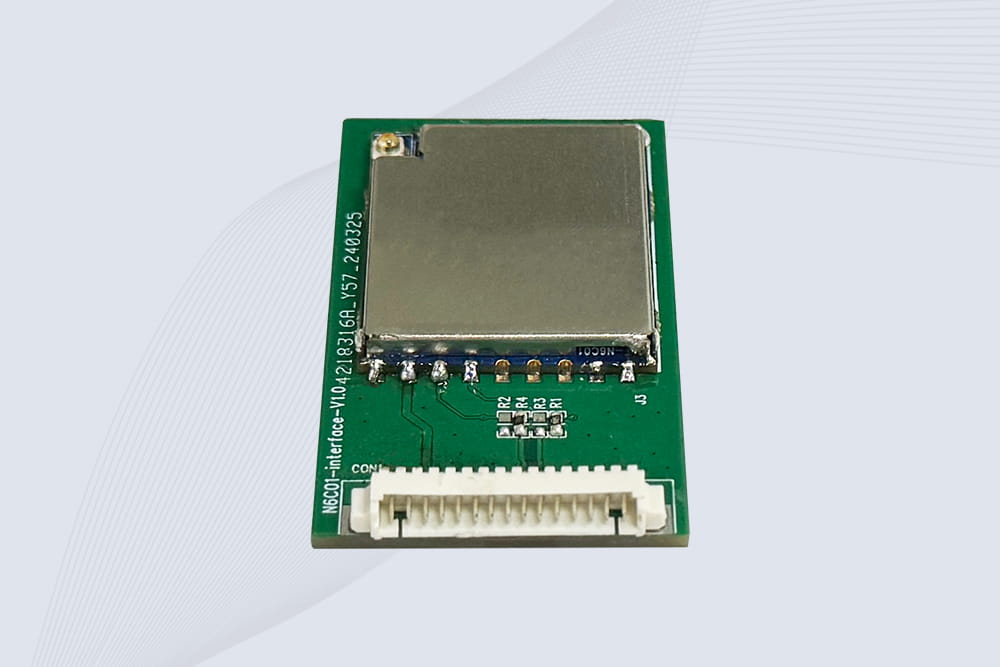
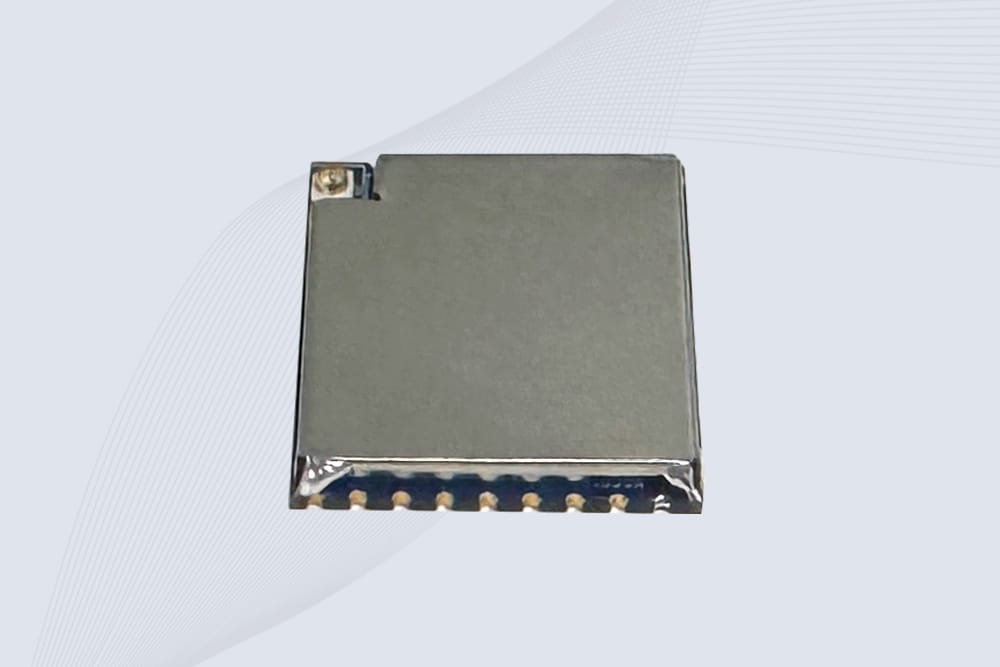
An OEM RFID reader module is the core RFID reading component designed to be built into another product.
Instead of being a complete device with housing and user interface, the module focuses on the RFID functions themselves:
Reading RFID tags
Processing tag data
Managing RF communication
Sending data to the host system
Manufacturers then design the rest of the device around it.
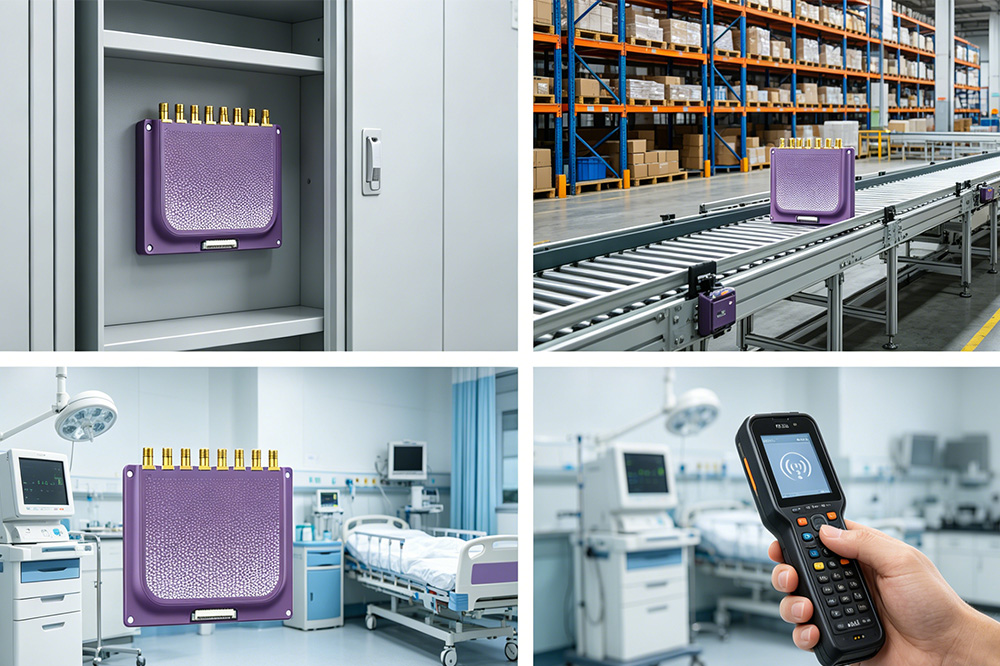
You’ll commonly find these modules inside:
Smart tool cabinets
Medical storage systems
Warehouse automation equipment
RFID handheld terminals
Access control systems
Smart shelves
Self-service kiosks
In many finished products, the RFID module is completely hidden from the user.
Why Manufacturers Prefer RFID Modules
One reason is simple: standard readers don’t always fit real projects.
A warehouse portal and a compact medical cabinet may both use RFID, but their hardware requirements are completely different.
OEM modules give manufacturers the freedom to design around the application instead of adapting the application to the reader.
Factories and maintenance teams use RFID cabinets to automatically track tools in and out without manual logging.
Medical Equipment Tracking
Hospitals use embedded RFID systems to monitor equipment, surgical tools, and medical supplies in real time.
Warehouse Automation
RFID modules are integrated into conveyor systems, sorting stations, AGVs, and automated storage equipment.
Handheld RFID Devices
Many RFID handheld terminals are built around embedded reader modules combined with Android systems and custom software.
Smart Retail Systems
RFID modules are increasingly used in:
Smart shelves
Self-checkout systems
Inventory management equipment
Retail display systems
Why More Companies Are Moving Toward Embedded RFID
The hardware has become smaller, more stable, and easier to integrate than it was a few years ago.
That changes how companies think about RFID.
Instead of installing standalone readers around a process, manufacturers can now build RFID directly into the process itself.
That shift is happening across:
Manufacturing
Healthcare
Logistics
Retail
Industrial automation
And in most of those systems, the RFID module is the part making everything work behind the scenes.
Choosing a Module for OEM Projects
For OEM development, stability is usually more important than chasing the highest specifications.
Most integrators look for:
Reliable reading performance
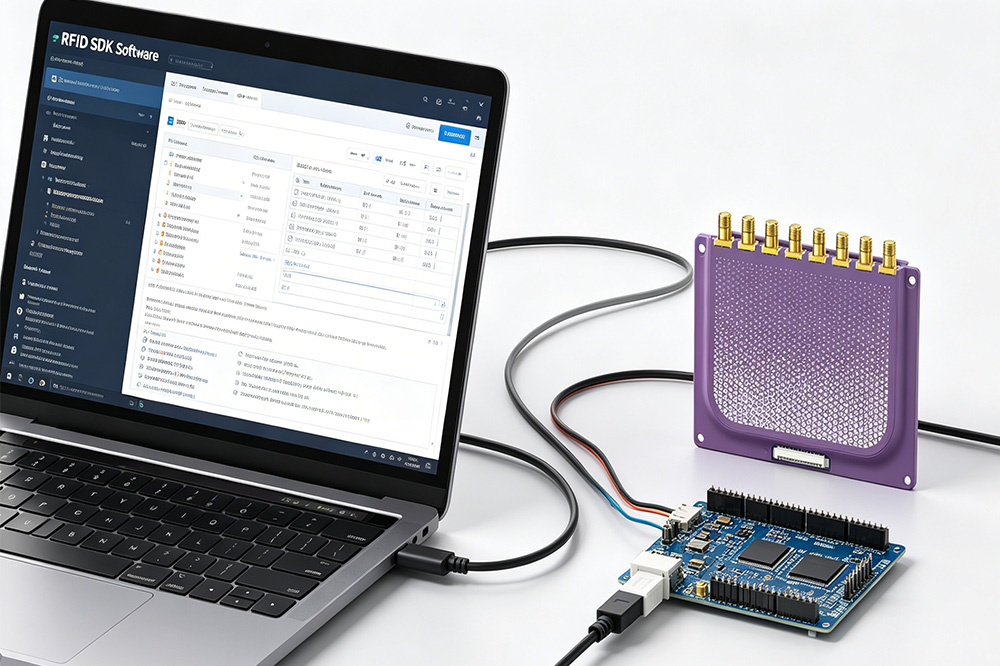
Stable SDK support
Flexible communication interfaces
Consistent hardware supply
Compact mechanical design
Because once the product enters mass production, changing the RFID platform becomes expensive.
RFID Modules for Embedded RFID Projects
For companies building custom RFID equipment, choosing the right embedded module early can make integration much smoother later in the project.
CYKEO provides RFID reader modules designed for embedded systems, industrial devices, smart cabinets, and OEM RFID development.ou can view the available modules here:rfid module
Final Thoughts
Most RFID systems today are becoming less visible.
The technology is moving away from bulky standalone readers and into embedded hardware built directly into the equipment people already use.
And in many of those products, the RFID reader module is the part quietly doing all the work in the background.
CYKEO Embedded RFID Modules are designed for compact industrial and IoT devices that require stable UHF performance. These UHF RFID Modules support global protocols, flexible power control, and reliable multi-tag reading for smart cabinets, production lines, and asset tracking systems.
CYKEO Embedded RFID Module is built for compact IoT and industrial devices that need stable UHF performance. This UHF module supports global protocols, low power operation, and reliable multi-tag reading for smart lockers, production lines, and always-on RFID systems.
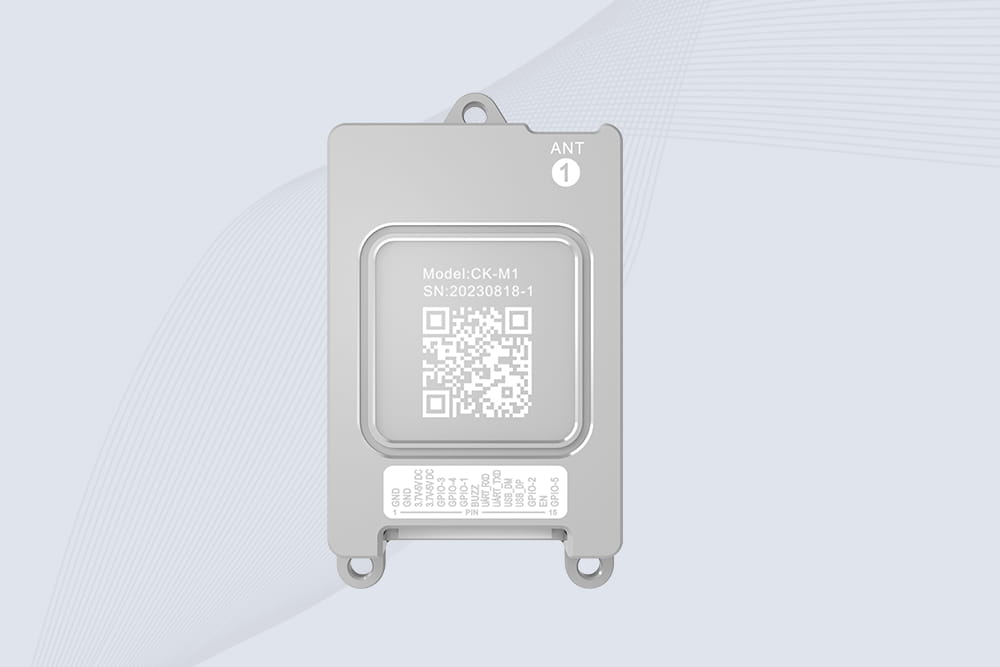
CYKEO CYKEO-M1 drone rfid module is a compact UHF RFID reader module designed for drones and UAV platforms. It supports long-range aerial scanning, fast multi-tag reading, and stable performance in wind, vibration, and outdoor environments.
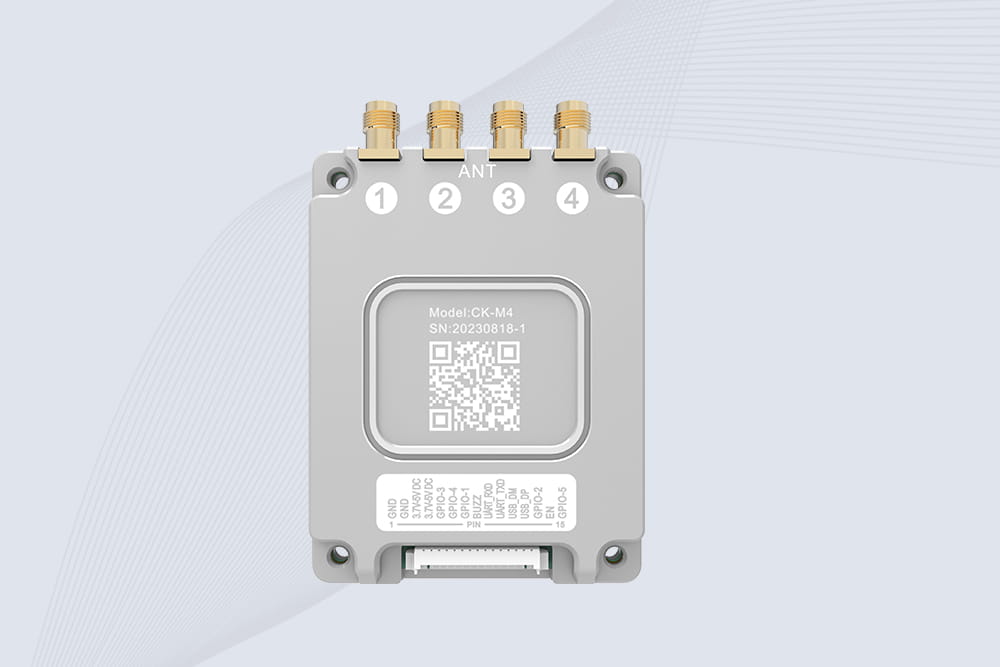
CYKEO CYKEO-M4 RC522 RFID Module is an industrial-grade UHF RFID reader with 4 ports, supporting ISO, EPC, and GB protocols. High-speed, accurate reading for IoT, automation, and warehouse applications.
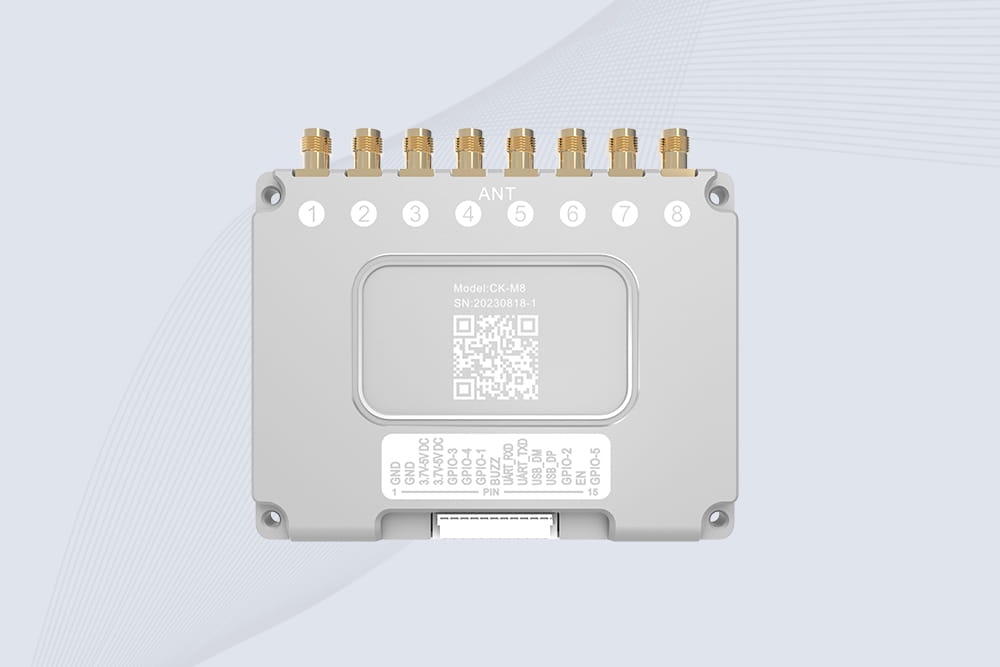
CYKEO CYKEO-M8 Module RFID is an 8-port UHF R2000 RFID Module designed for high-density, multi-tag environments. Stable 33dBm output, ISO & GB protocol support, ideal for warehouses, factories, and automated systems.
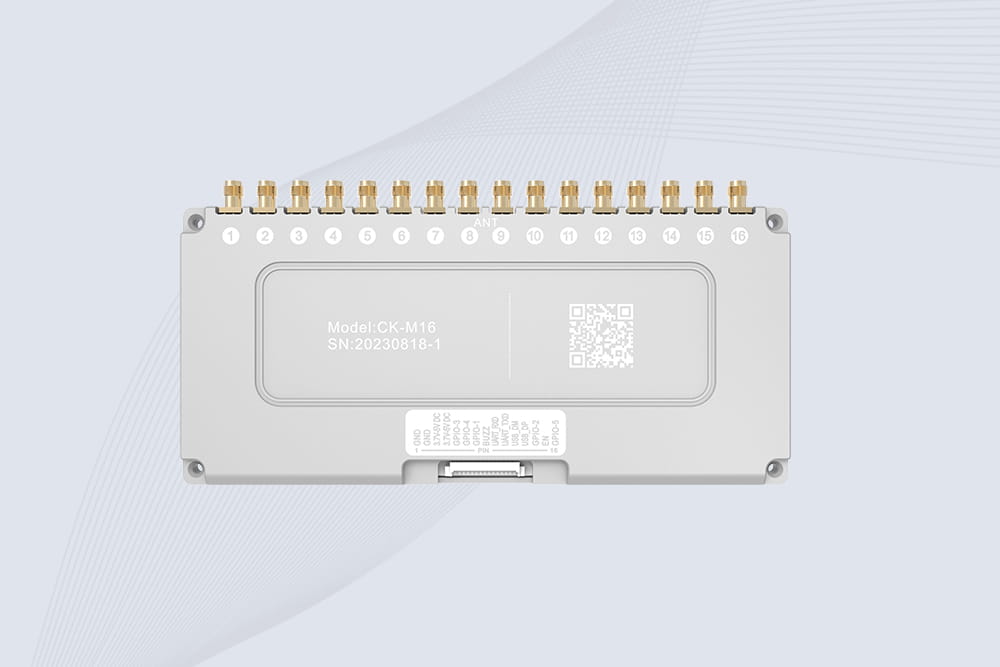
CYKEO CYKEO-M16 RFID Module is a 16-port UHF RFID reader module based on the R2000 chipset. Designed for dense tag environments, it supports ISO and GB standards and delivers stable multi-antenna control for industrial automation.
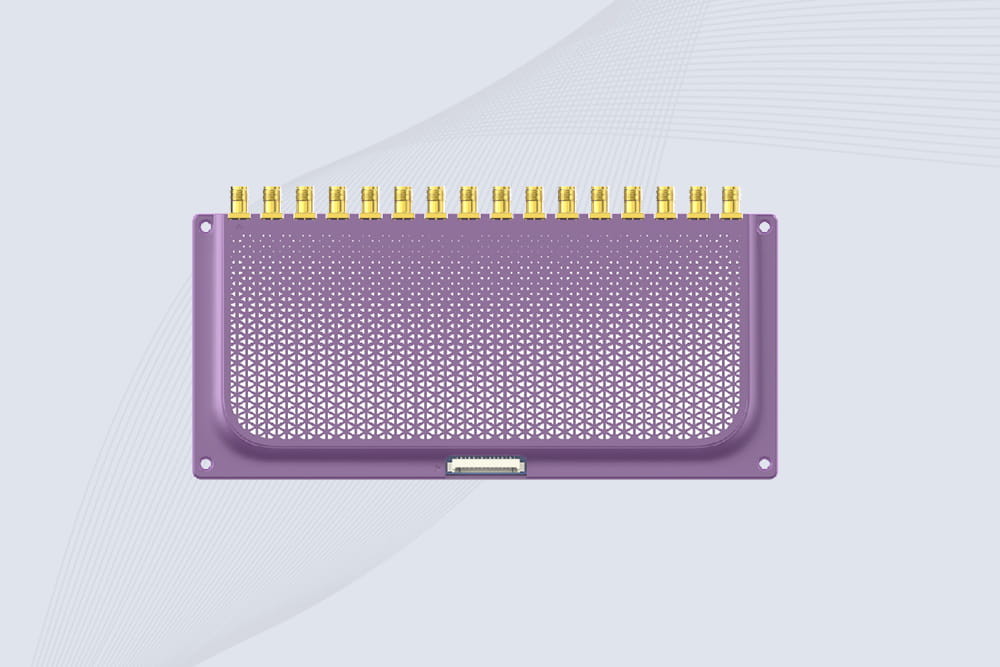
The CYKEO CYKEO-M16L RFID Reader Module is a 16-channel UHF RFID core designed for dense tag environments. With adjustable 33dBm output, multi-protocol support, and stable multi-antenna control, this RFID Tag Reader Module fits industrial automation, warehouse systems, and large-scale IoT deployments.
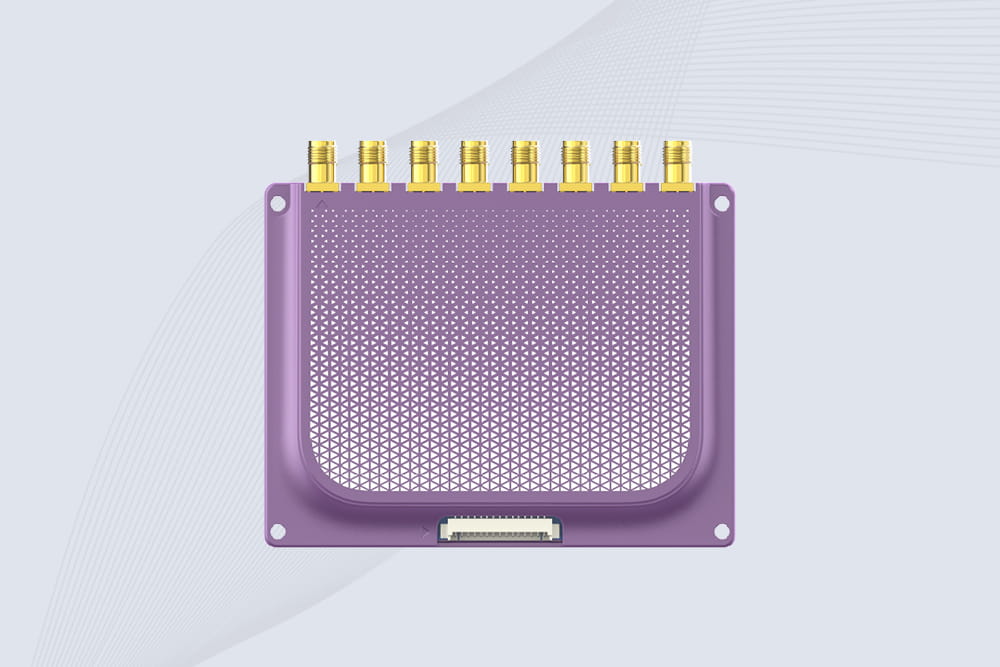
CYKEO CYKEO-M8L module RFID is a compact industrial UHF module built for dense tag and multi-antenna environments. With 8 RF ports, adjustable 33 dBm output, and ISO & GB protocol support, it is widely used in factories, warehouses, and automated tracking systems.
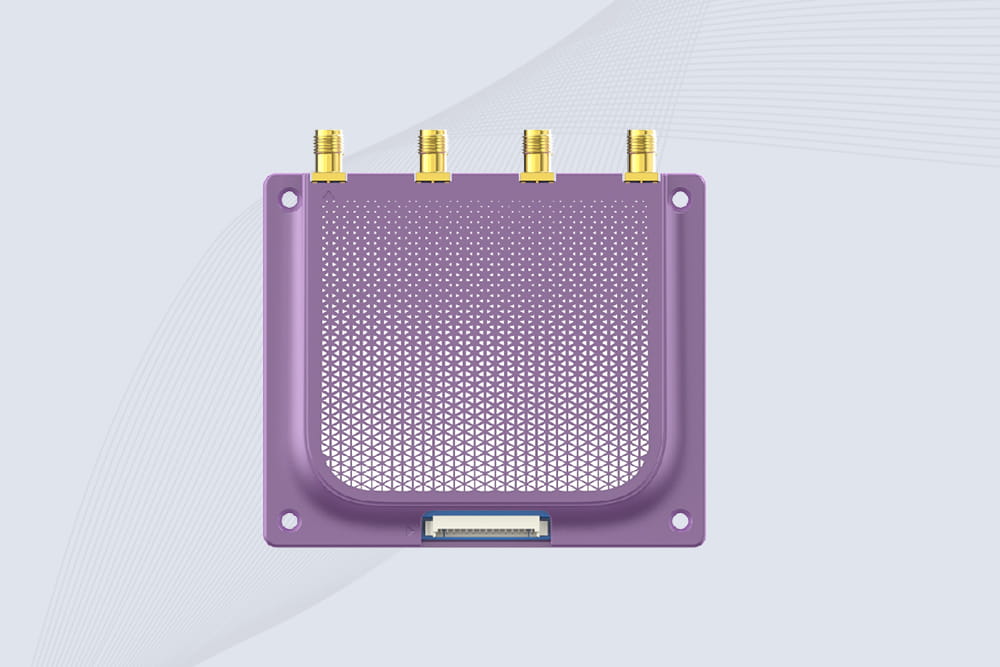
CYKEOCYKEO-M4L UHF RFID Module is a compact 4-channel RFID tag reader module designed for dense tag environments. Supporting ISO and GB protocols, it delivers stable reads up to 10 meters for industrial and IoT systems.
Vehicle RFID tags are transforming modern transportation with fast, accurate identification and tracking. Discover how this technology improves traffic flow, toll collection, and logistics management.
Explore the Cykeo reader writer machine for fast and reliable RFID tag read/write, asset registration, and management. Ideal for libraries, tools, and inventory tracking with high efficiency.
A long range RFID scanner helps data centers identify and track servers, network devices, racks, tools, and spare parts across receiving, staging, installati...
A long range RFID scanner may fail to reach its expected reading distance because of the RFID tag, antenna, tag orientation, reader power, product material, ...
 Cykeo RFID IoT Solution Products R&D Manufacturer